


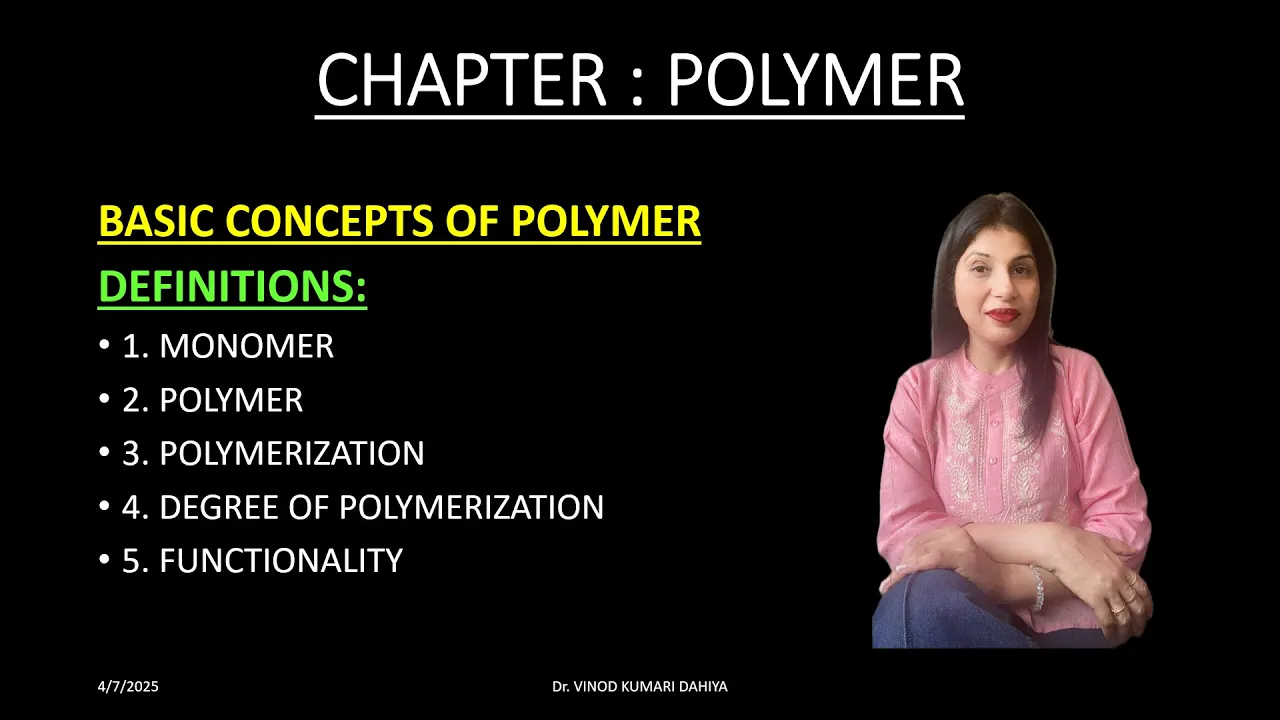
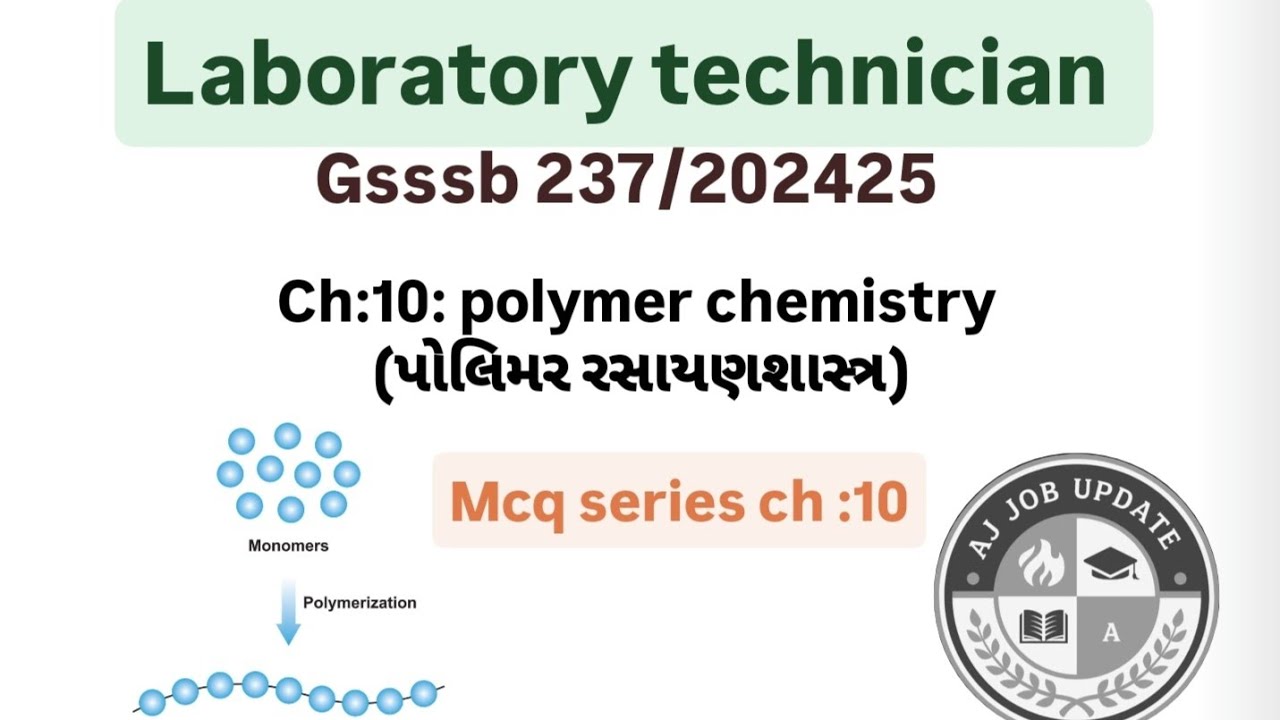


















Bioplastics are plastics made from renewable resources like plants that work similarly to oil-based plastics but are biodegradable; they are created through polymerization where monomers (such as lactic acid derived from corn starch) bond together to form long polymer chains, and their properties can be modified by adjusting the degree of polymerization or adding additives like glycerin to increase elasticity.
The Chemistry of Bioplastics: PLA, Polymers, and Renewable Plastics
Added:Basic Polymer Chemistry: Understanding the concepts of monomers, polymers, and the process of polymerization.
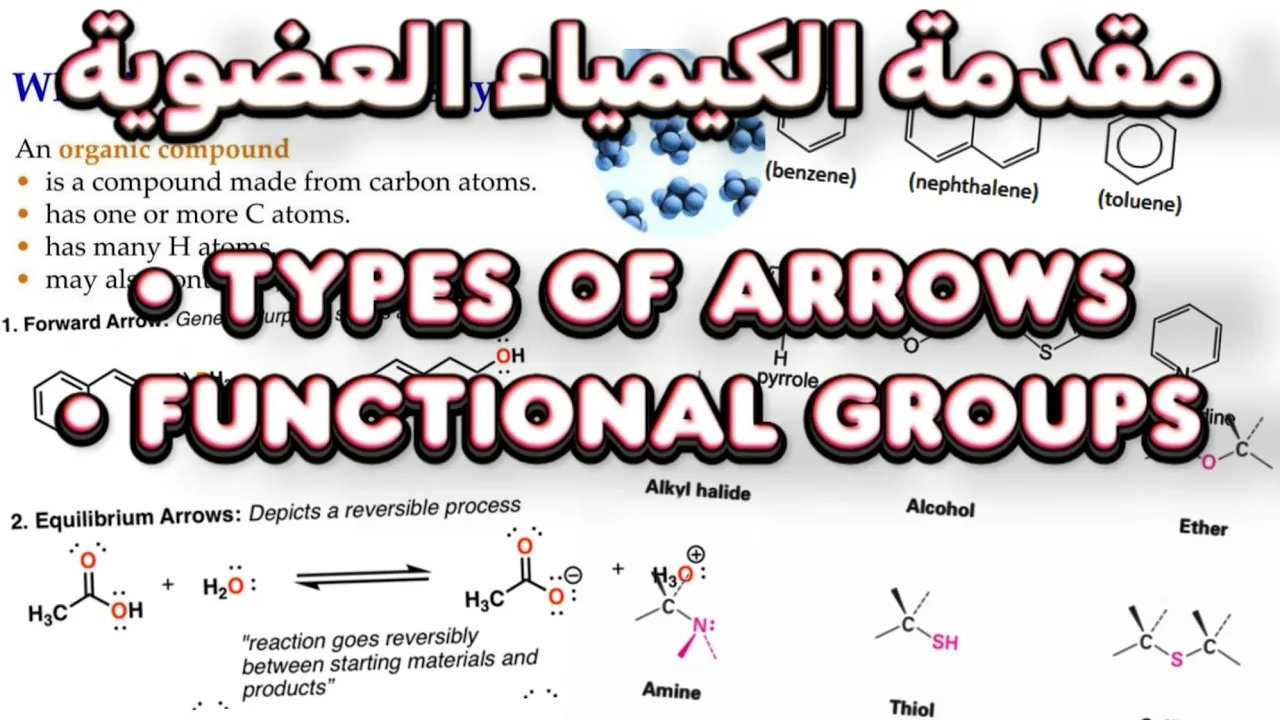
Organic Chemistry Functional Groups: Familiarity with esters, carboxylic acids, and alcohols, which are fundamental to understanding polylactic acid (PLA) synthesis.
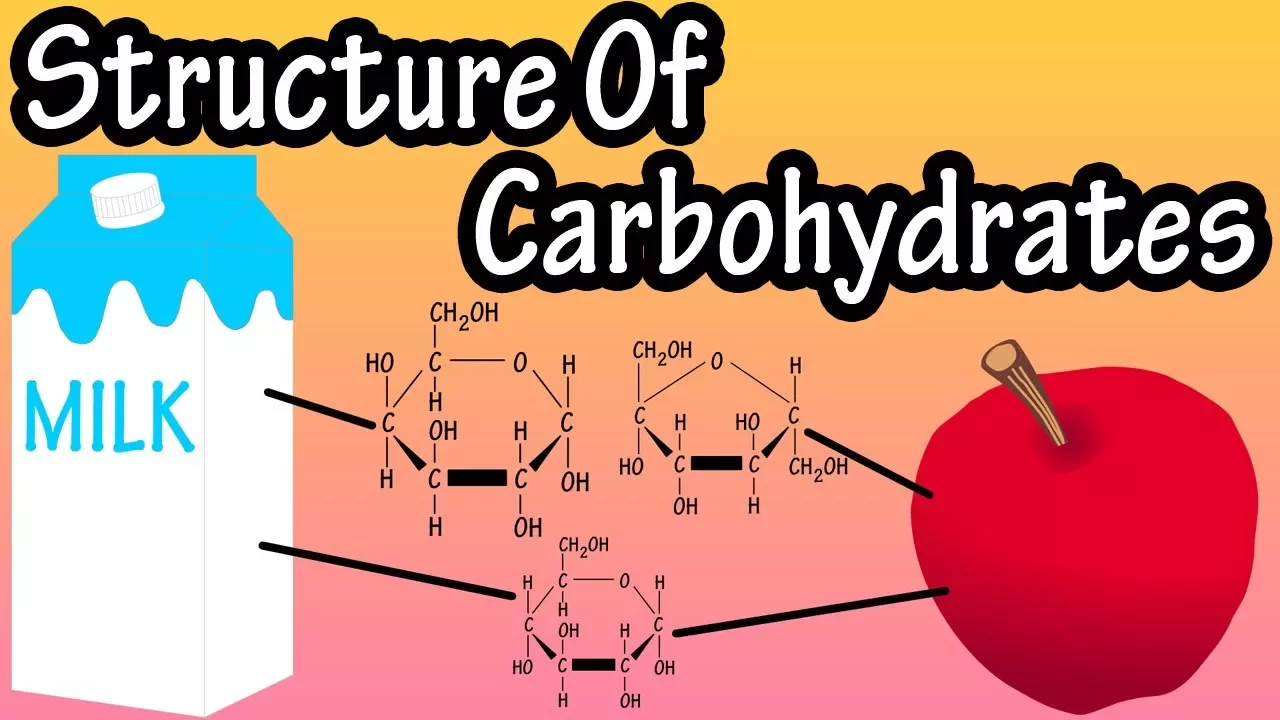
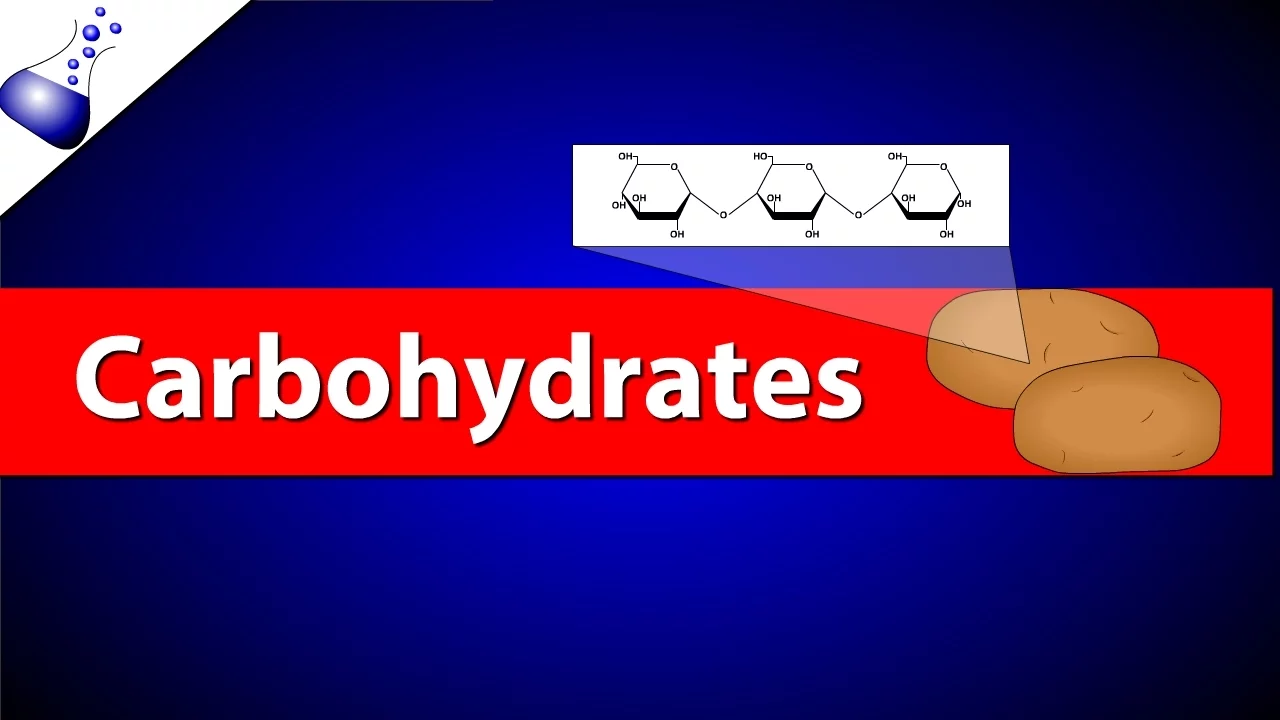
Structure of Carbohydrates: Knowing the molecular structure of starch and glucose, and how these organic molecules serve as precursors for bioplastics.
Traditional Plastics Overview: A foundational understanding of how petrochemical-based plastics (like polyethylene or PET) are sourced and structured.
Biodegradation and Composting Chemistry: Studying the chemical degradation mechanisms of PLA (hydrolysis and microbial action) and the limitations of industrial versus home composting.
Life Cycle Assessment (LCA) of Biomaterials: Evaluating the total environmental footprint of bioplastics, from agricultural land use to processing and end-of-life disposal.
Polymer Blends and Additives: Exploring how PLA is blended with other materials (such as PHAs or natural fibers) to improve mechanical properties like tensile strength and thermal stability.
Industrial Scale Up and Processing: Investigating how starch-based polymers are processed on an industrial scale using techniques like extrusion, injection molding, and 3D printing filament production.
6.6K views114likes8:54Original Release: 2016-01-08
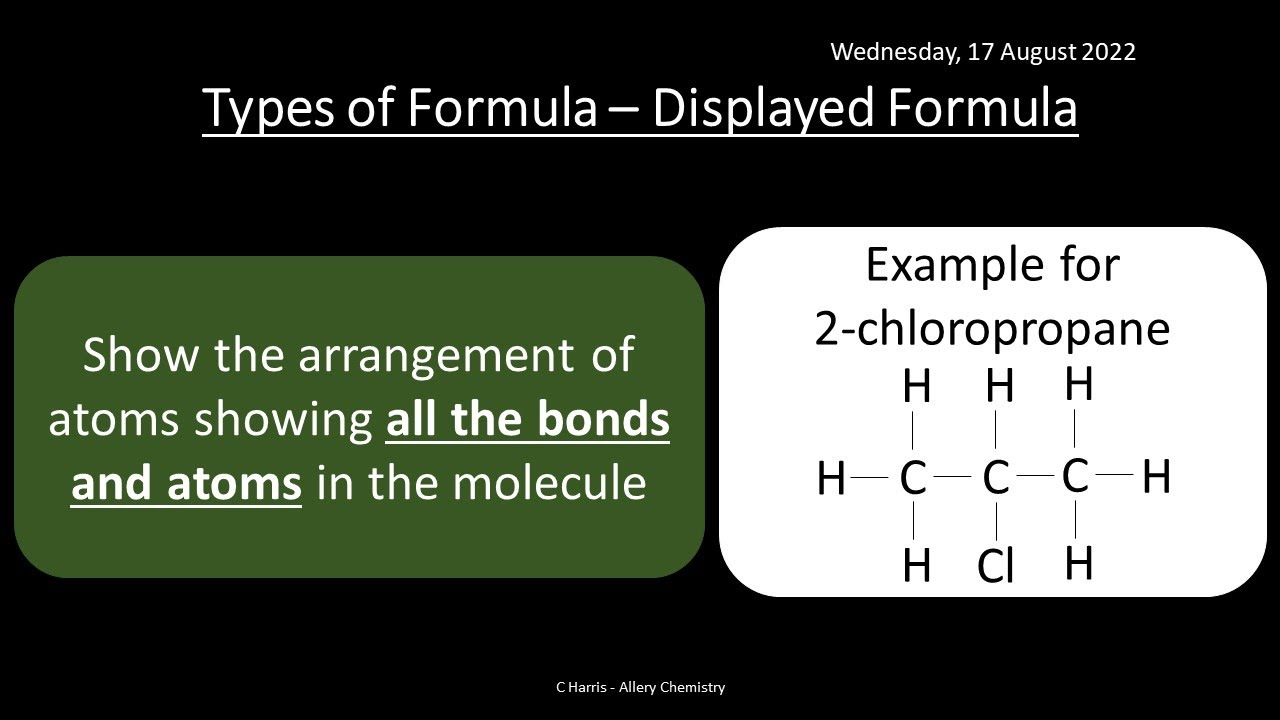
welcome back to science chat with Drew you know what sucks a bunch of plastic littering our ground for hundreds of years you know what else I don't like humanities deep reliance on fossil fuels if only there was something that could replace all the plastic in the world that is biodegradable and wasn't made out of oil oh wait that's right today we're going to talk about bio plastics bio plastics are plastics that I may have renewable resources like vegetables and or are biodegradable in the ground we have our first caller already looks like it is Jeremy from New York hi Jeremy hi I was just wondering how bio plastics work Jeremy that is an excellent question bio plastics are made up of three main things hydrogen carbon and oxygen both bio plastics and regular oil based plastics and in fact most all plastics are made out of those three main things coincidentally both the vegetables and oil are also made out of carbon hydrogen and oxygen to further address this question let's look at one bioplastic in particular plot No okay apparently the rest of the world calls it PLA PLA is very similar to the order based plastic PE tee both of them are polymers polymers as many of us know are made out of a bunch of little monomers the main difference between PE tee and PLA is that PLA monomers are derived from sustainable sources like plants while PE tee minors are derived from oil PLA stands for poly lactic acid also known as poly whack time what's the main monomer making up PLA surprised lack tag so the PLA monomer is an oxygen button to a methyl group and bonded to another oxygen but I'm not the group it's just a carbon bonded to three hydrogen's and it's commonly found in plant substances the parentheses in this diagram means that this monomer can bind to others to make a string of monomers also known as a polymer scientists obtain lactic acid by first extracting dextrose which is a bet will carbohydrate from corn then using bacteria to fermented to create lactic acid which serves as the main base for poly lactic acid scientists begin to create PLA but first taking those monomers and putting them in a monomer soup which is really just the heated up plastic as the plastic begins to cool these monomers begin to bind together to create a string polymer so you might begin to wonder why doesn't plastic just look like a big ball of yarn well these string polymers aren't in fact straight lines but rather a big tangled up mess and as the plastic bins to cool the molecules in that mess begin to bond together and coagulate into a plastic to answer Jeremy's questions bio plastics work very similarly to oil-based plastics it's just the monomers within the polymers of bio plastics come from plant substances like corn we have another caller okay hey it's Sarah from Colorado what's your question so how do you scientists create different types of bio plastics that is a great question Sarah Sarah you have brought into the degree of polymerization oh you chemists are just so creative with your titles the degree of polymerization refers to the number of monomers in a power thus the length of a polymer polymers with different lengths will form differently and thus will create different characteristics as plastics that's why even though these two things may be made out of the exact same polymer base they have a very different characteristics scientists can modify the degree of polymerization in order to achieve certain desirable plastic characteristics how do they do this you might ask with polymer caps polymer caps are the things that are at the end of those long string of monomers going back to poly lactic acid in particular you have on the left cap a hydroxyl group bonded to a methyl group bonded to an oxygen and on the right cap you have a hydroxide bonded to an oxygen bonded to a methyl group and bonded to another oxygen in between these two caps is the long string of mom in addition to modifying the degree of polymerization scientists can put additives into that monomer soup which will affect how that plastic forms and thus that plastics characteristics for example scientists can put glycerin which is a natural vegetable extract into plastic to make it more elastic oh now only we could make this bio plastic oh wait it's like you're on the best science show ever hi it's drew and we're in the lab where we're gonna make some bio plastics earlier we talked about poly lactic acid in this lab I will be making a starch-based bio plastic which is similar in structure to that of PLA I will be using corn starch glycerin vinegar and sea vegetable flakes for first I'll be combining 60 milliliters of water 10 grams of corn starch now the carbohydrates in this corn starch will be serving as the main monomer in this bioplastic additionally I will be putting in 5 milliliters of glycerin to give it a little more elasticity and 5 milliliters of vinegar now that I've combined the ingredients I'm gonna start to stir it together so we give those monomers which is the carbohydrates in the corn starch the opportunity to bond together to form polymers this will be my regular batch in addition I'll be making two other batches one with extra glycerin and one with sea vegetable flakes and we'll see what happens when we put those additives in there right now I'm just stirring this regular batch and you can already see those monomers starting to bind together it's been about a minute and the heat has kicked on which has helped those monomers begins to bond to one another to form polymers those polymers will then coagulate and I bet pretty soon we'll have a full-blown plastic on our hands so after stirring for about another minute we can already see those polymers coagulating into a plastic that looks like a very moldable plastic now that those polymers have finally coagulated in - mostly a plastic we're gonna spread it out over a tray to let it cool along with the other two batches I will repeat the process consistently so it's been about 24 hours since I initially spread the plastic on the tray and this has given them ample amount of time to cool and as you can see we have some pretty interesting results you can see that the plastic is actually fairly cracked up I assume that that's because I probably spread it a little too thin and as those polymers began to tangle together the plastic contracted while it cooled and made those little cracks but nevertheless this is still a pretty interesting plastic now this is the plastic with the extra glycerin added to it and I have to say is far more elastic than the control group now the control group is also pretty interesting I already have broken it up but when I hold it it feels just like actual plastic pellets and well it is actual plastic and in fact the awesome thing about bio plastics is that I was able to make this with just a few basic natural ingredients in fact it's so natural that I could actually just eat this right now which electronically knock that back the plastic could be added sea vegetable flakes too is also pretty interesting it too is flaky but as I pick it up I noticed it is also pretty hard and rigid plastic most likely because when the sea vegetable flakes were forming with that polymer it got in with that tangled mess of polymers and didn't allow for a lot of flexibility and resulted in a fairly solid and rigid plastic well this was a pretty simple type of plastic it's still pretty impressive that something that has the potential to replace all of the world's plastic can be made from ingredients right in your own home some spinal plastic is a relatively new concept of course it still has some flaws but thanks to chemists all around the world they are becoming more available for daily application ultimately bio plastics give us the opportunity to replace our current fossil fuel dependent plastics with more sustainable and biodegradable alternatives all thanks to the world of three
Up Next

9:34
Volatile Organic Compounds (VOCs) in Indoor Air: Sources & Safety
@AtTheBenchtop
309 views•2021-08-12
83:56
Biocatalysis and Catalysis in Islatravir Synthesis | Merck Webinar
@SCIwheresciencemeetsbusiness
675 views•2020-10-08
10:06
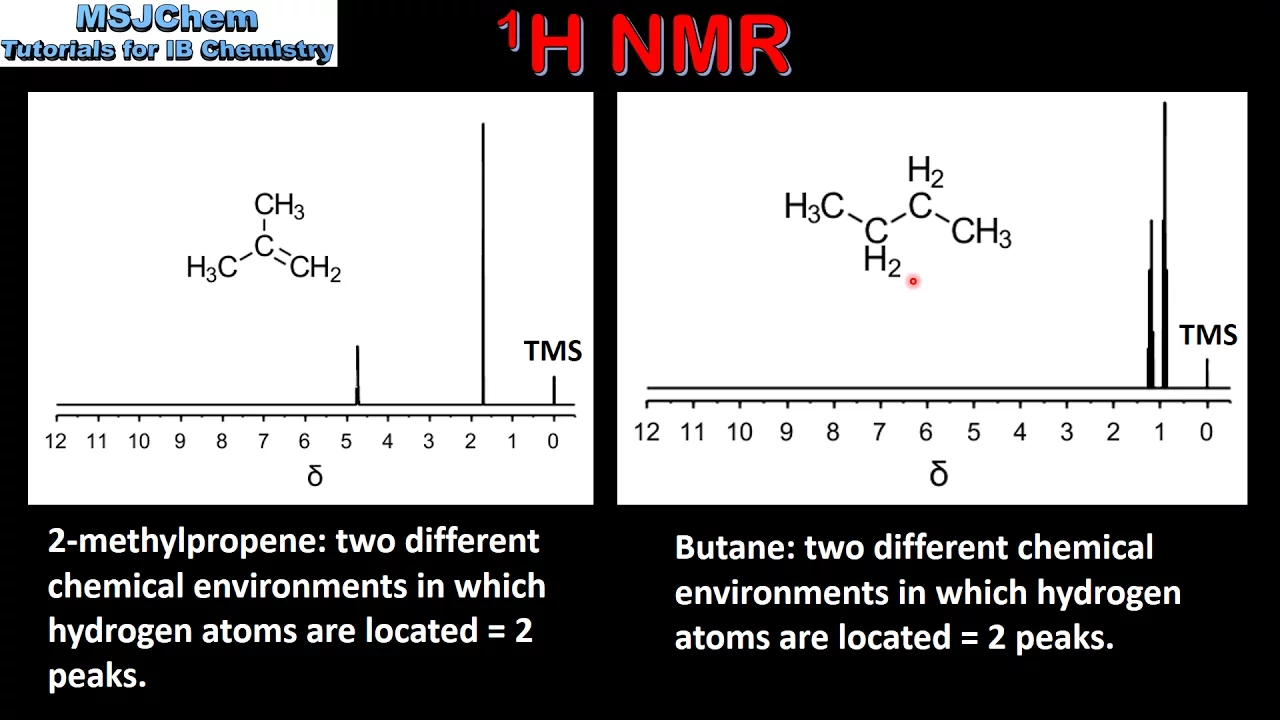
1H NMR: Determining Number of Peaks from Structure
@MSJChem
59.2K views•2017-04-06

17:31
Edible Water Bottles: A DIY Guide to Sodium Alginate Spherification
@ryan
10.5M views•2019-06-21
Related Study Plans & Knowledge Roadmaps
Structured learning paths in Chemistry
chemistry
Nuclear Chemistry: Decay, Meds & Fuel Cycle
01Introduction to Nuclear Structure and Radioactivity
02Decay Dynamics and Kinetics
03Radiation Interaction and Detection
+ 2 more learning modules
24h5 modules
Explore Roadmap
chemistry
Supramolecular Chemistry: Forces & Machines
01Foundations of Chemical Bonding and Intermolecular Forces
02Introduction to Host-Guest Chemistry
03Thermodynamics and Dynamics of Self-Assembly
+ 2 more learning modules
16h5 modules
Explore Roadmap
chemistry
Photochemistry: Excited States & Reactions
01Foundations of Light-Matter Interactions
02Molecular Orbitals and Electronic States
03Photophysical Processes and Jablonski Diagrams
+ 2 more learning modules
18h5 modules
Explore Roadmap
chemistry
Coordination Chemistry: Bonding & Properties
01Introduction to Transition Metals and Ligands
02Crystal Field Theory (CFT) and Geometry
03Magnetic Behavior and Spin States
+ 2 more learning modules
14h5 modules
Explore Roadmap