











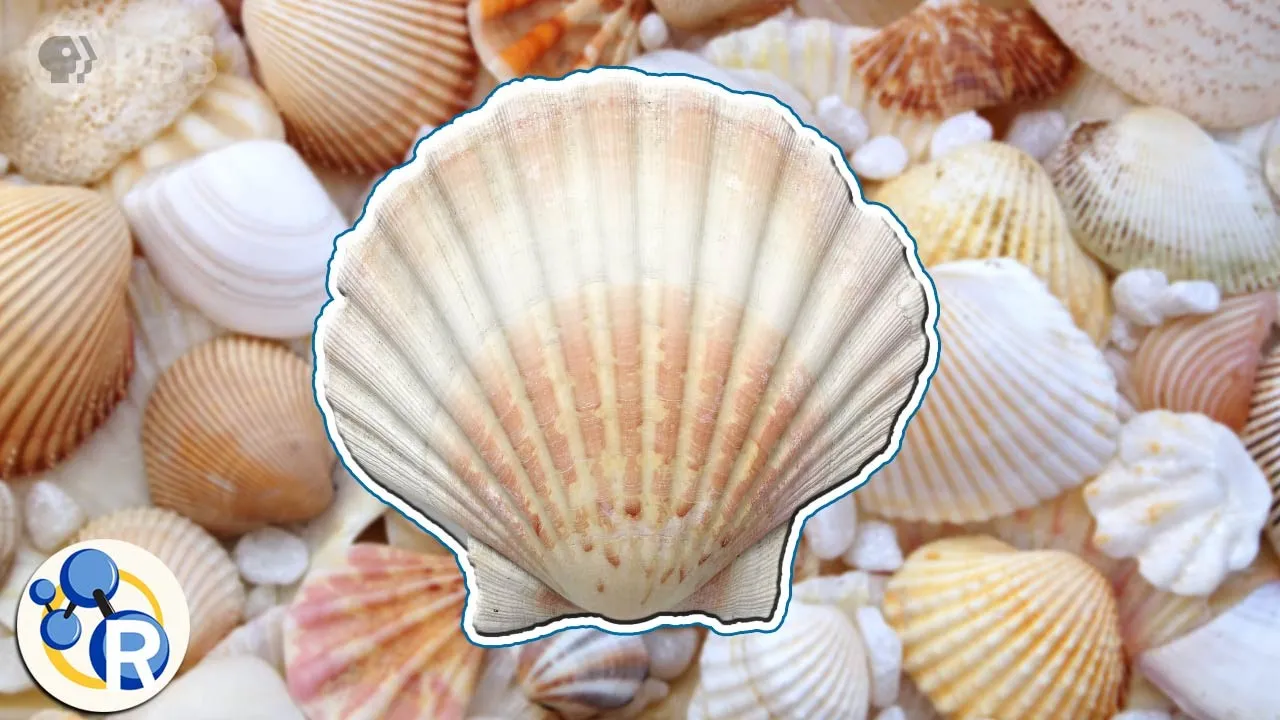











Ocean acidification occurs when atmospheric CO2 dissolves in seawater, forming carbonic acid (CO2 + H2O ⇌ H2CO3), which then dissociates to produce hydrogen ions (H2CO3 ⇌ HCO3⁻ + H⁺); these H⁺ ions react with carbonate ions (CO3²⁻) from marine organisms' calcium carbonate shells (CaCO3), lowering CO3²⁻ concentration and shifting the dissolution equilibrium (CaCO3 ⇌ Ca²⁺ + CO3²⁻) according to Le Chatelier's principle, causing shells to dissolve; historically, ocean pH has been around 8.18 for 50-300 million years, but today it is 8.07 (25% more acidic), with projections indicating it will reach 7.8 by 2100 (126% more acidic).
Ocean Acidification Chemistry | MIT Solid-State Chem
Added:Basic acid-base chemistry, including the definition of pH and the behavior of weak acids like carbonic acid.
Chemical equilibrium and Le Chatelier's principle, specifically how systems respond to changes in reactant or product concentrations.
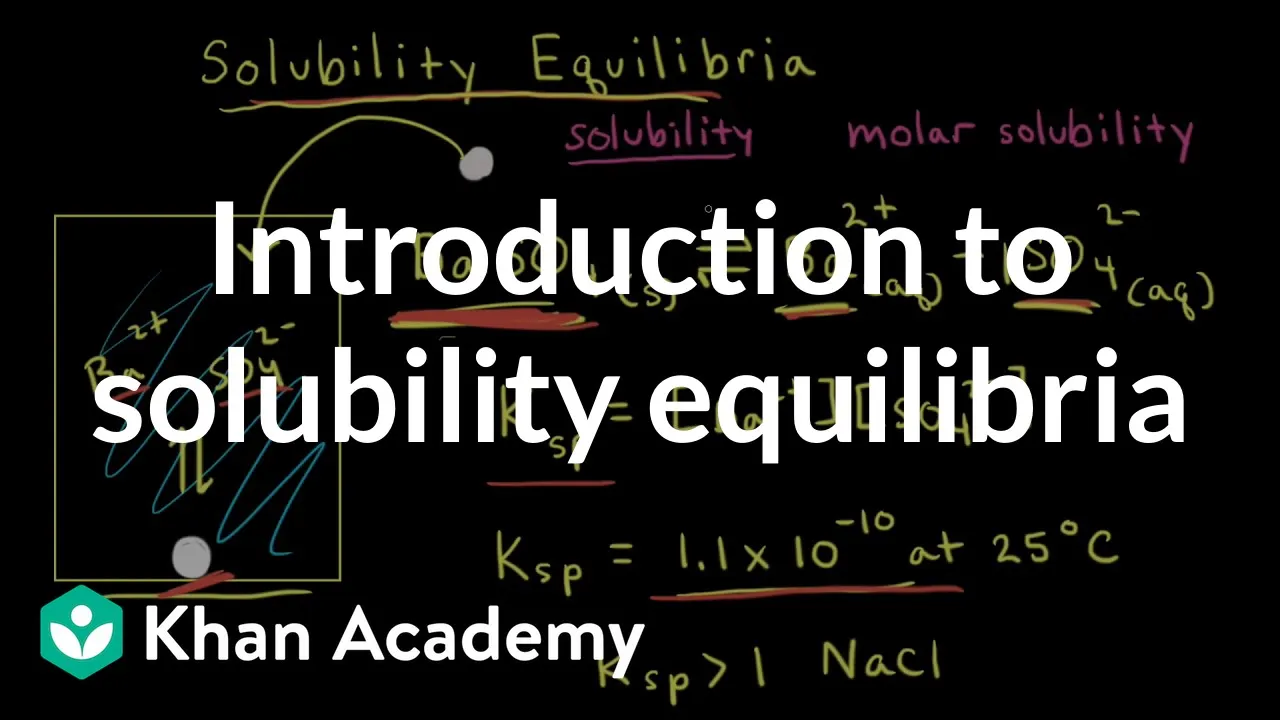
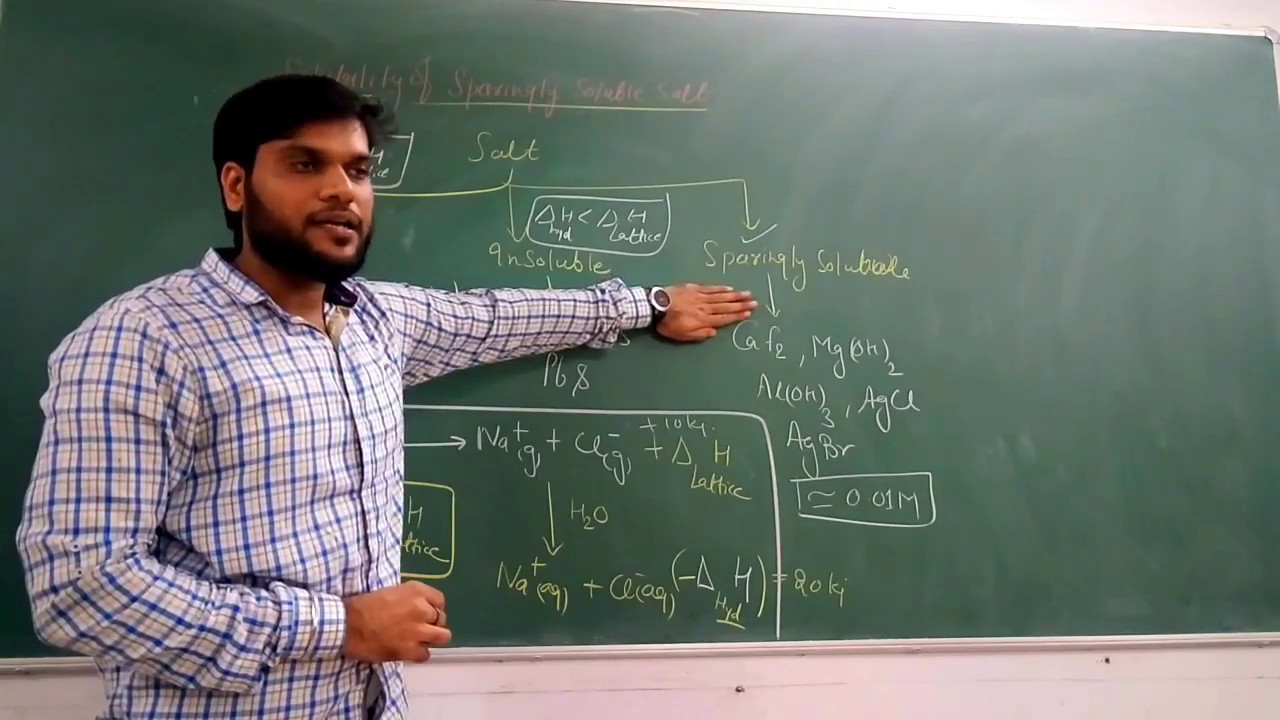
Solubility equilibria and the concept of the solubility product constant (Ksp) for ionic compounds like calcium carbonate.
The chemical formulas and nomenclature of carbon species, including carbon dioxide, carbonic acid, bicarbonate, and carbonate ions.
The biological impacts of ocean acidification on marine calcifiers, such as corals, mollusks, and plankton (biomineralization).
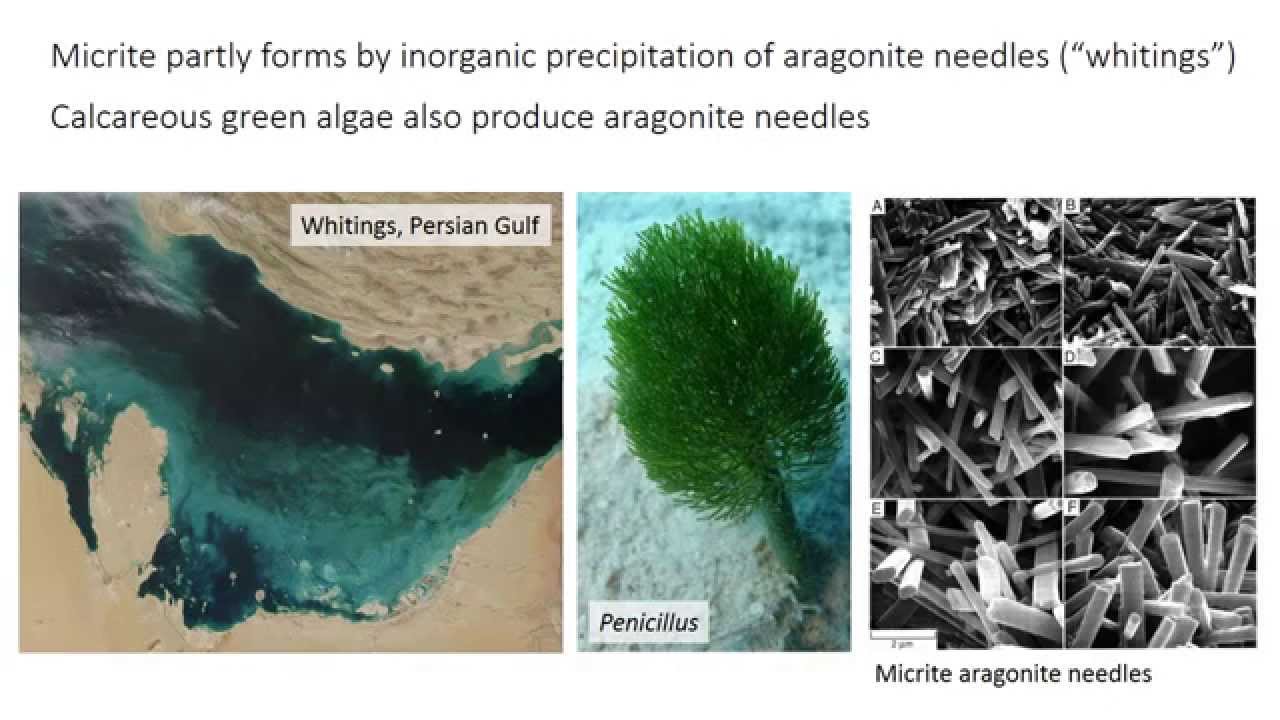
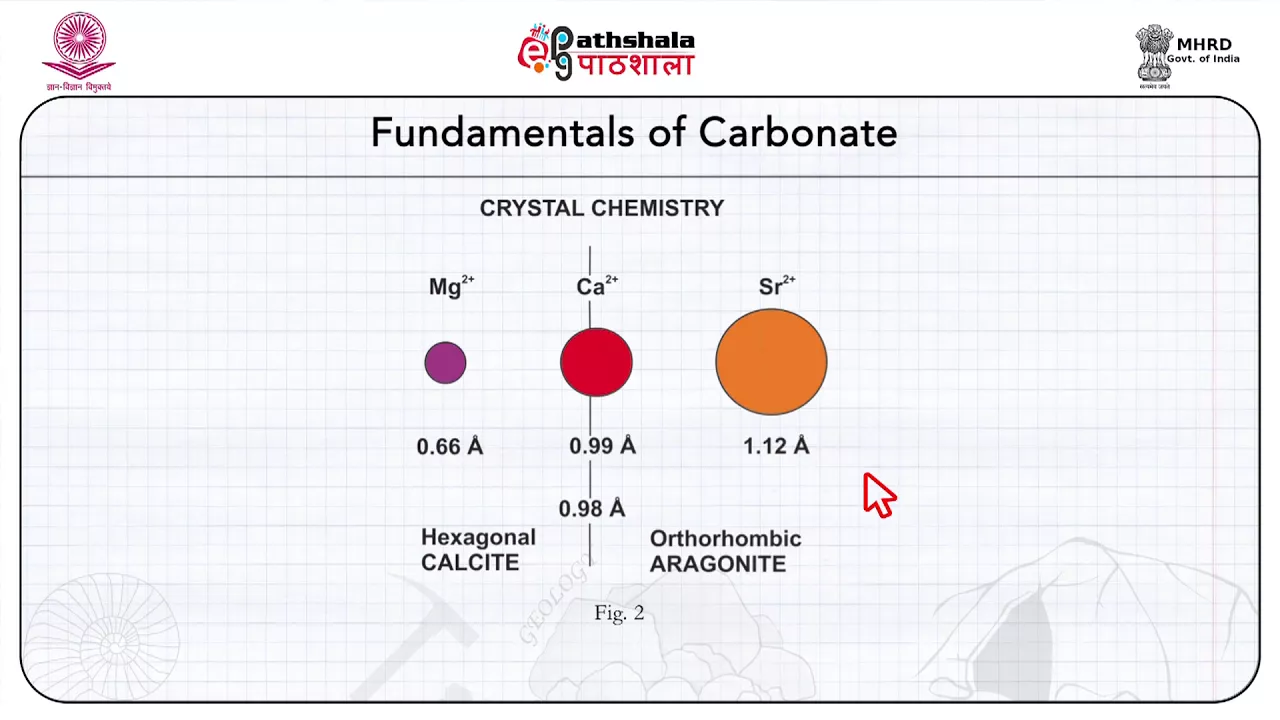
The thermodynamics and kinetics of calcium carbonate polymorphs (calcite vs. aragonite) in marine environments.
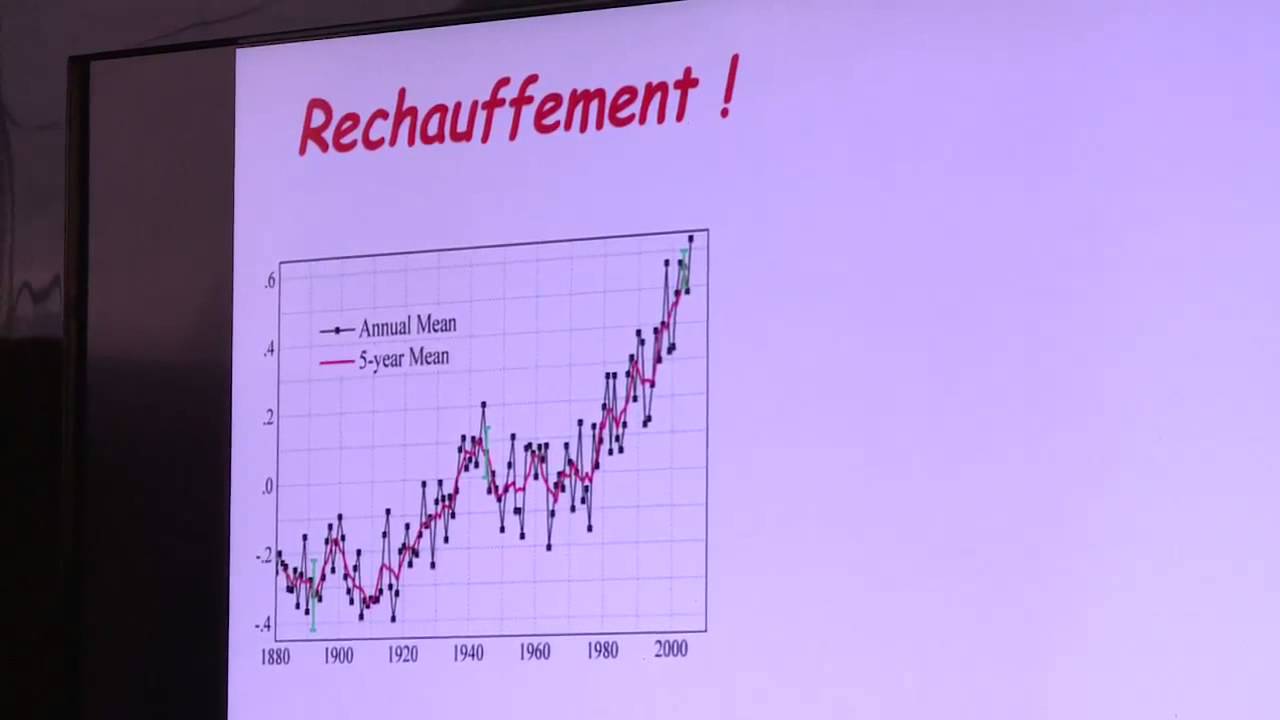
Global carbon cycle modeling and the role of the oceans as a carbon sink in climate change frameworks.
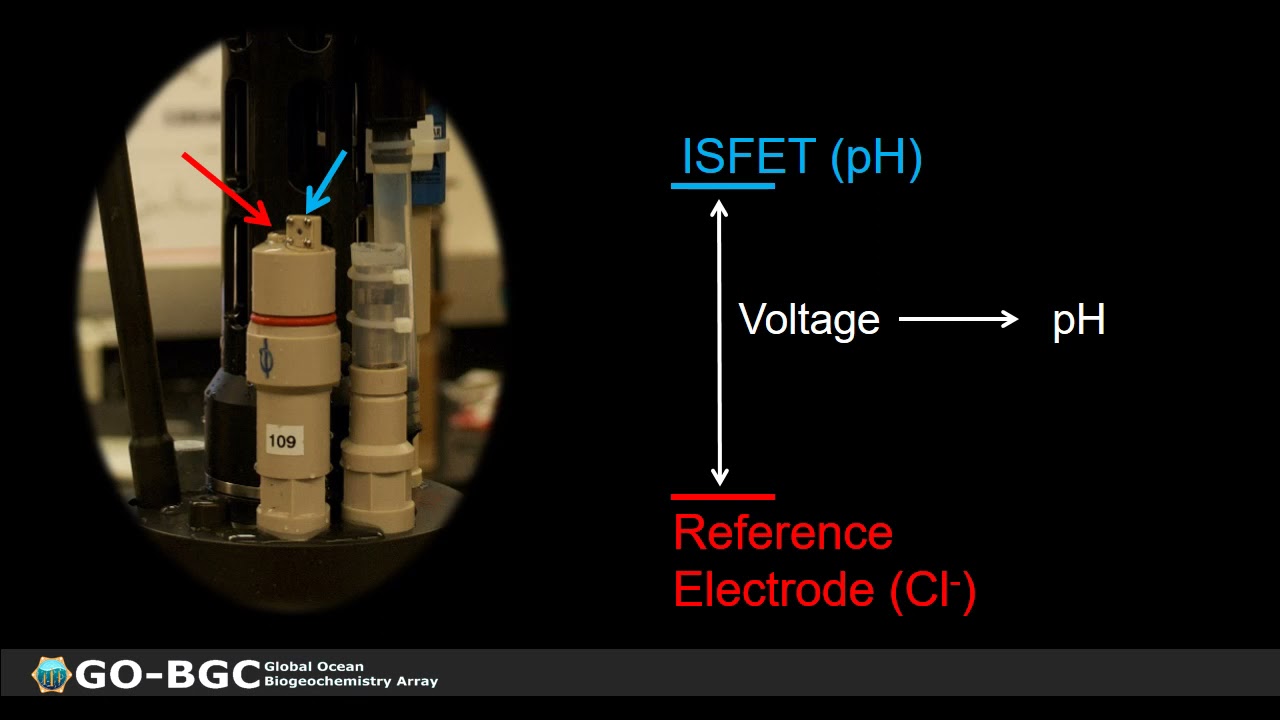
Chemical oceanography methods for measuring and monitoring ocean pH, dissolved inorganic carbon (DIC), and total alkalinity.
Geoengineering and mitigation strategies, such as ocean alkalinity enhancement and carbon capture technologies.
5.5K views132likes6:57Original Release: 2020-12-07
why does this matter oh we go back to the terror pot and by the way i didn't have this link and i should have when i showed you the the and this is your goody bag etc right there's some really nice articles here that you can find related to these experiments and other things about ocean acidity in case you're interested um but see what we what i did is was that this was my why this matters on monday and i wanted to tell you about the goodie bag and about the how things dissolve because monday was about dissolving right and finding a saturation point now we can we can get to the next place which is why does that matter for the pteropod shell what is the chemistry that that matters there okay so i made the ocean a little more acidic why does that matter but you see now we're armed with the knowledge we need to answer that question now we're armed with it all we need to do as always with everything in life is look at the chemistry that's it say that at the thanksgiving table you'll be very popular we said co2 plus h2o this goes oh it finds some equilibrium 2h2 co3 now this is called carbonic acid this is called carbonic acid there's the pteropod up there and there's a reaction that's that's really relevant that you'll see from the ones we're about to write down why because the thing is that why what happens to carbonic acid that well carbonic acid also goes through a dissolution reaction so carbonic acid so this is co2 dissolving in water now we make carbon so carbonic acid goes like this okay it goes into h co3 minus plus h plus now here's the thing okay what is the shell made of well the shell that's dissolving in in its you know kind of like the core material is calcium carbonate so that's caco3 that's the shell and the shell also has an equilibrium reaction that happens the shell of of of a sea a creature is in dynamic equilibrium with the ocean and and so it's going like this it's going to uh well okay c a two plus and c o three two minus and and and okay but the thing is it has an equilibrium constant all these have equilibrium constants so like for example for this one the ksp the solubility product constant because this is a solid this is a solid shell solid going to ions in aqueous solution well so the ksp for that is somewhere around 5 times 10 to the minus 9.
5 times 10 to the minus 9. yeah but here's the thing we just went through this if i consume one of these or change the concentration of one of these and not the other we just did this if i if i change the concentration if i consume any of these then i might drive the reaction oh and consume or produce if i change any of these independently i'm going to drive the reaction because that's how we keep to our k that's what le chatelier's principle tells us and so what ends up happening is you've got the extra h plus ions so these are ions in solution where did they come from they came from the co2 giving us carbonic acid which then gave us h plus those are what i'm talking about well they react with the co3 minus 3032 minus this lowers the co32 minus concentration near the shell right because in tight and if i lower this because i've taken some of this now and i've reacted it so now i've got less of it and because of what we just saw if i've got less of this you're going to drive this way which is going to dissolve more of the shell right that's why this works that's why this this happens works sounds like a positive thing right so this lowers the concentration of co three two minus and that drives more dissolution that is what's happening and we now can understand it in terms of the concepts that we've just learned historically i mentioned 50 million years actually by some accounts it's 300 million it depends on which studies you read but but for at least 50 and maybe as much as 300 million years the ocean has had a ph of 8.18 now where's the oh yeah right so let's just say you know last 0 50 to 300 million ish years the ocean ph was 8.18 and today it's uh 8.07 and the prediction is that in 2100 it will be 7.8 now as we will see in a little bit and he said what's ph well many of you probably already know but we i will tell you what it is in a little bit but because this is a logarithmic thing this is a lot right today the ocean is 25 percent more acidic than it's been in 300 million ish years and in 2100 it will be 126 percent more acidic that's why they used 7.8 in in the experiments of the pteropots you
Up Next
60:02
Seawater CO2 Chemistry Fundamentals | Ocean Acidification | Scripps Oceanography
@uctv
20.8K views•2012-03-01
83:56
Biocatalysis and Catalysis in Islatravir Synthesis | Merck Webinar
@SCIwheresciencemeetsbusiness
675 views•2020-10-08
51:57
Electronic Spectroscopy & the Franck-Condon Principle | Physical Chemistry
@mitocw
9.3K views•2019-01-09
17:31
Edible Water Bottles: A DIY Guide to Sodium Alginate Spherification
@ryan
10.5M views•2019-06-21
Related Study Plans & Knowledge Roadmaps
Structured learning paths in Chemistry
chemistry
Nuclear Chemistry: Decay, Meds & Fuel Cycle
01Introduction to Nuclear Structure and Radioactivity
02Decay Dynamics and Kinetics
03Radiation Interaction and Detection
+ 2 more learning modules
24h5 modules
Explore Roadmap
chemistry
Supramolecular Chemistry: Forces & Machines
01Foundations of Chemical Bonding and Intermolecular Forces
02Introduction to Host-Guest Chemistry
03Thermodynamics and Dynamics of Self-Assembly
+ 2 more learning modules
16h5 modules
Explore Roadmap
chemistry
Photochemistry: Excited States & Reactions
01Foundations of Light-Matter Interactions
02Molecular Orbitals and Electronic States
03Photophysical Processes and Jablonski Diagrams
+ 2 more learning modules
18h5 modules
Explore Roadmap
chemistry
Coordination Chemistry: Bonding & Properties
01Introduction to Transition Metals and Ligands
02Crystal Field Theory (CFT) and Geometry
03Magnetic Behavior and Spin States
+ 2 more learning modules
14h5 modules
Explore Roadmap