












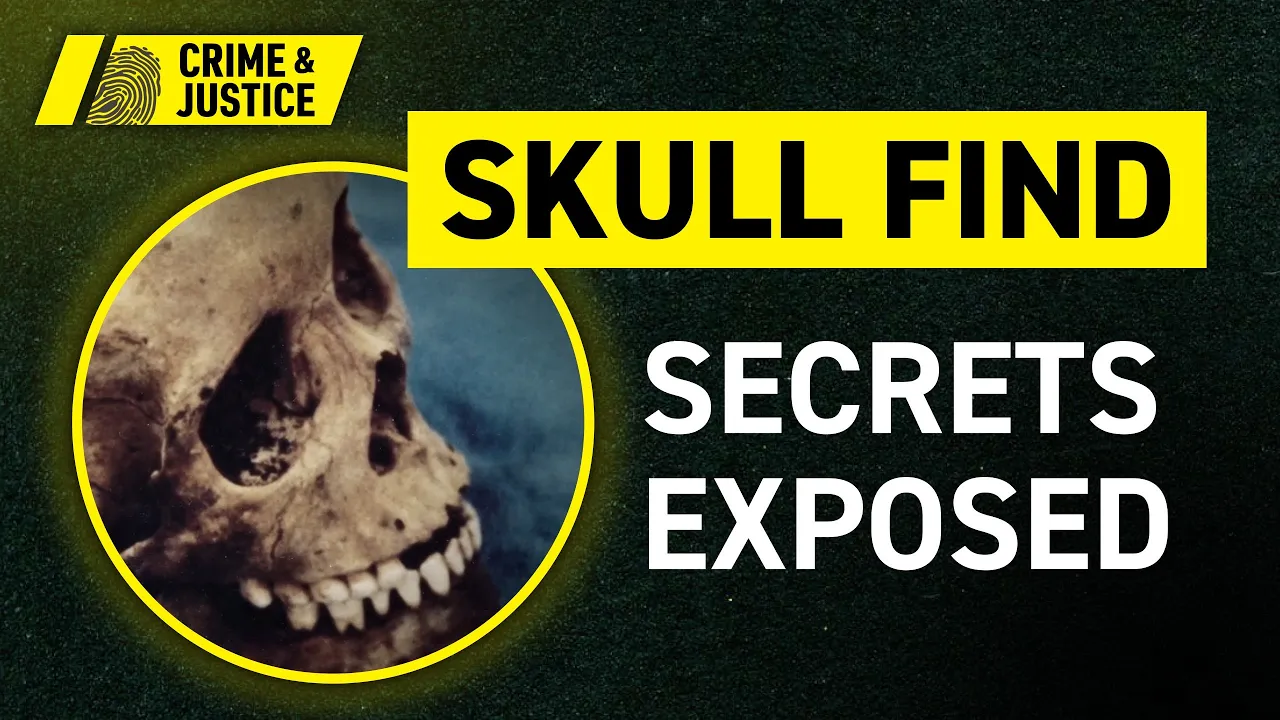


Forensic anthropology uses anatomical analysis, particularly hand vein patterns, freckles, scars, and skin creases formed during fetal development, to identify individuals from photographs or remains, providing unique identification markers that persist throughout life and can help solve crimes even when DNA fails, such as identifying perpetrators of child sexual abuse from incriminating images.
Forensic Anthropology: Solving Crimes Through Identity
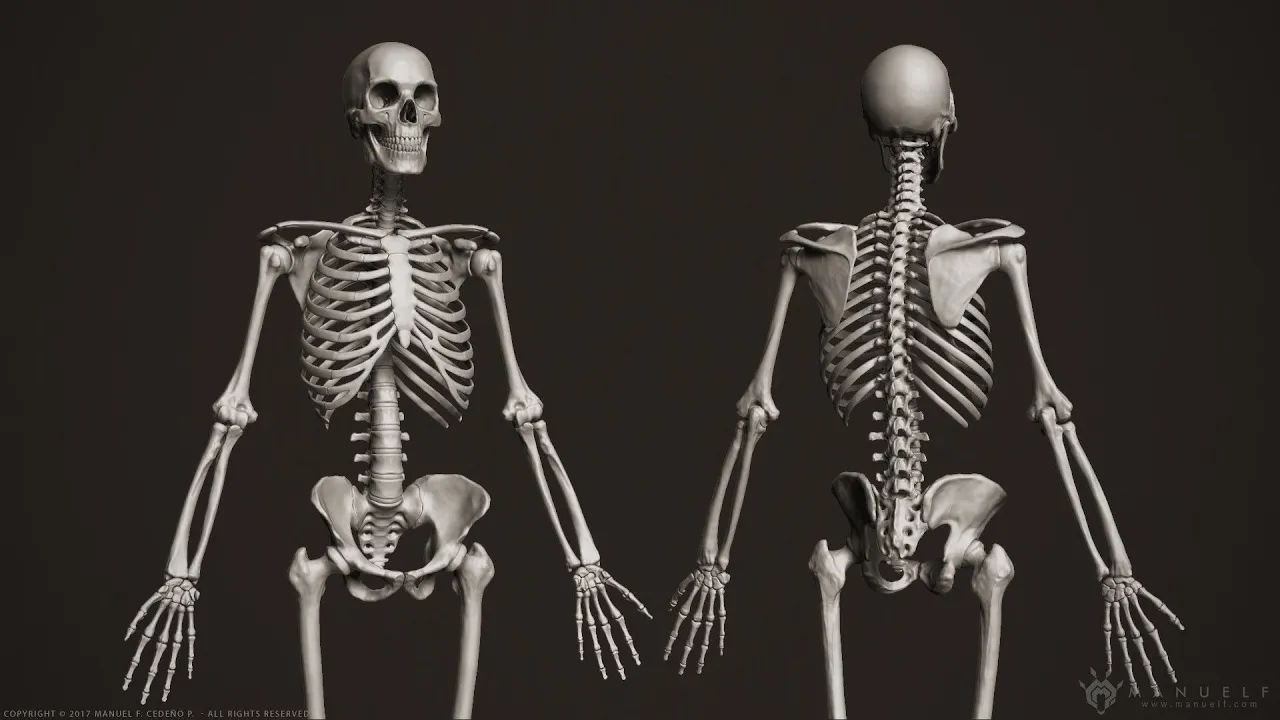
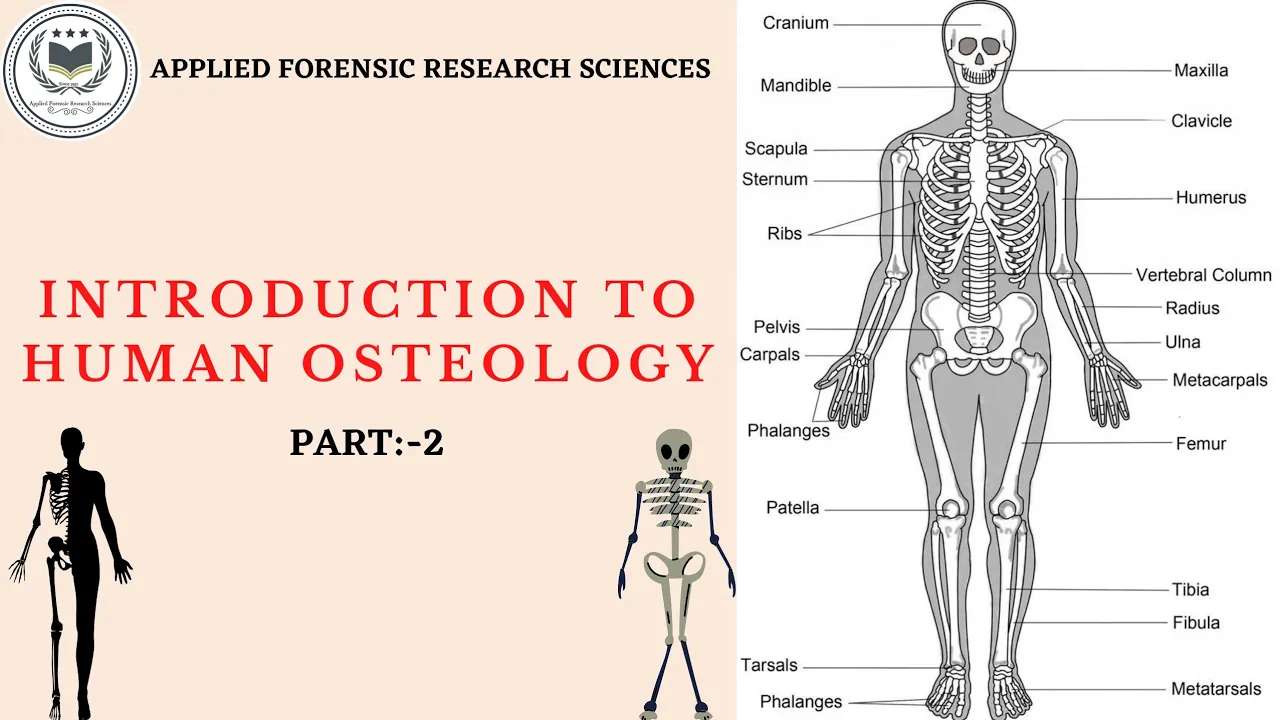
Added:Basic human osteology, including the structure, development, and identification of major bones in the human skeleton.
Fundamentals of biological anthropology, particularly how sex, age, stature, and ancestry can be estimated from skeletal remains.
Introduction to forensic science principles, specifically how physical evidence is collected, preserved, and analyzed for legal purposes.
The concept of phenotypic variation and basic biometrics, understanding how unique physical traits differentiate individuals.
Advanced biometric identification techniques, specifically the anatomy and technology behind vascular (vein) pattern recognition.
Forensic taphonomy, focusing on the chemical and environmental processes of decomposition and how they affect bone preservation.
Craniofacial superimposition and forensic facial reconstruction methods used to recreate a victim's appearance from skull structure.
The role of forensic anthropology in mass disaster response, human rights investigations, and international humanitarian law.
283.1K views8.9Klikes1:01:36Original Release: 2019-10-02
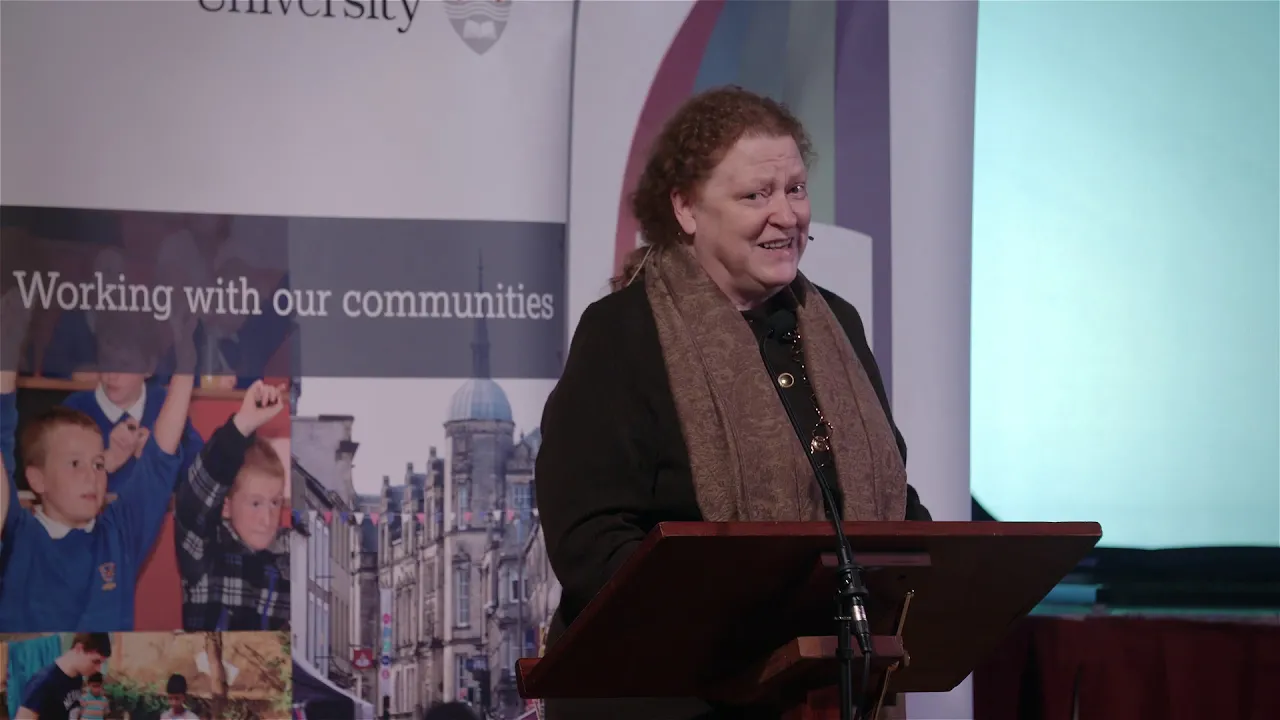
[Music] it is very unusual to have to start a discussion with a warning and it's important that there is a warning because some of the images that you might see in this presentation might be a little bit disturbing for some I promise you that there's nothing that you haven't already seen on the news but I'm not sure in your minds what it is you've come to hear and I need to be sure that what I'm gonna say well Matt at least what you're going to hear and at least you're prepared for some of the things that you might see that it's quite challenging but not only what you see is challenging but the concepts of what I want to talk about can be a little bit challenging as well I don't know if you've read the book the death ship but there's some really interesting pieces written within those words and what it's about to say is a saying who are you show me some proof of who you are and the man saying I don't need to show you but I Know Who I am but the point is not only do you know who you are other people want to know who you are as well and there are two very different sites to identity that feeling of you knowing who you are and not feeling you have to prove it to anybody else and other people who are out there that need to prove that who you say you are is who you have always been and they will want to know why you say you are who you are and who you have always been and they will want proof of that as well and the question is just how certain can we be about that proof and can they determine our identity without us even being involved we might of course be dead and as a result we can't be involved so our identity has to cross a number of bridges it has to be able to convince the people that we work with and that we live with that we are who we say we are it has to convince our authorities that we have the right person doing the right things and sometimes along the way it comes to officials who need us to be able to prove it or who want to be able to prove it Who am I in terms of a name well it gets a little bit confusing and I want you to think about this in terms of your own name when I was born I was Susan Margaret gun I rarely got cold sue I was always Susan but as friends got to know me I became known as red for obvious reasons as well but people who called me red also knew that I was called Susan and Sue so that changing the name and having a nickname wasn't really a problem doesn't become a problem if nobody knows that the nickname that you currently carry has any relation back to a name that's known Margaret Burt wasn't terribly important but that surname becomes very important especially when you're Susan Margaret gun which is s/m gun which is submachine then you know what what the sort of taunting is that you're going to get when you're in school especially when you're a redhead as well and then I carried gun quite happily as a name for quite some time miss Susan gum and then I met a man who I met several men but I met one man in particular and that man in particular said I'd like you to lose the Miss and I'd like you to use lose the gun and I want you to take mrs. and I want you to take mcLaughlin and I thought I'm okay with that because I rather like this man and so I have a piece of paper I have a piece of paper that shows who I was when I was born but just the name so I have a piece of paper that says I'm Susan Margaret gun I have a piece of paper that allegedly says who my father is my grandmother came from Glenelg which is in the real highlands of Scotland and she always said you always know who mother is and you only have your mother's word for who your father might be but on that bit of paper is my father's name and my mother's name and my date of birth and I have another piece of paper then that connects who Susan Gunn was to Susan McLaughlin that's okay well he was a very nice man for a little while but as you can expect I've got another bit of paper that said actually I'm going to lose the McLaughlin bit and then I hit a real problem because up until that point all of my academic career had been with the name mcLaughlin what did I do now so when I met the next man that I have continued to spend the rest of my life with and I do tell him he's only the current mr. black is that he said I want you to take the missus which is absolutely fine I'd like you to take the black which is fine absolutely did and I went to the Registrar and I said what do I put on the bit of paper because I don't want McLaughlin to be on my marriage certificate should it begun and she said well what are you known by I said well everybody just knows me as as being with Tom so everybody would know me as Sulak and from the point of my second marriage sue black was born with no paper connection back to who was McLaughlin or who was gone and it caused me no problems until we tried to do something with the mortgage and then it caused an inordinately of problems and very lucky I could be able to show that who I was right the way throughout time the name is important because of what we really attribute our identity to is our name and when you go into your GP surgery and you're waiting for that name to be called out when it does your heart rate goes up your blood pressure goes up because it's your name and you don't think anybody else shares it while they do so that there is something like twelve and a half thousand John Smith's in the UK a little bit worryingly for me anyway there are seven Alex Salmons you know thought there might just be one so that those names become really core and critical to our identity but fundamentally there very little purpose in being able to prove who we are when you look at our identity in societal terms I view myself as being a mother a wife a scientist I view myself as being Scottish I'm a Gallic speaker very bad Gallic speaker I read a lot I write a lot these are all things that I would attribute as being a part of my identity that bit in that death ship that was about me I know who I am I don't need to prove Who I am but I'm not a social anthropologist I'm a physical anthropologist and I'm also a forensic anthropologist so my real interest is in the physical determination of the individual and being able to convey that information into a court so that somebody can hopefully be identified so I am female I am over 18 and I'm not prepared to say any more than that but I am over 18 and you can see the characteristics that I might choose to describe myself in terms of my physicality and if you do that for yourself you start to actually look at yourself slightly differently what is my cultural identity what is my linguistic identity what is my social identity what is my physical identity when all of my children were born and I have three girls and maybe makes me a somewhat unusual mother but I have body mapped my children so that I know where every single birthmark is up to the point that it was decent for me to see them naked of course I have blood samples from them I have hair samples from them and I have a full ten set of fingerprints and toe prints so that God forbid if anything ever happened to my children in terms of identification I would be right up front with the ante-mortem data and there would be no doubting it so that the extremes of identity come to people who work within this field and where we really as a species taken on board identity is the fact that we are the most narcissistic there are a few species around the world who recognize self but nobody more so than the human we invented the mirrors we look in the mirrors we care how we look we care whether were fatter than we care whether our gray our hair is gray or not we care about the color of our eyes and so where are a species that is very very geared towards identity and recognizing our own identity but not only externally and this is where it separates us from all the other animal groups who do think about by recognizing self so for examples on dolphins or recognize self some elephants can recognize self and some of the greater apes can as well they know in a reflection that it is them that's looking back not another animal but we're unique we're unique because not only do we care and study what happens on the outside of us we care what happens on the inside as well so we're the only species that will dissect our own form to be able to learn and understand what lies underneath the skin so in the world of identity those individuals who have an anatomical background actually perform very well in the field of forensic identification because we don't only look at the external features of who you are we can also look at the internal features as well identity is an interesting word it means the same not similar identical means the same there is no wiggle room left in here at all so if it's going to be something that is the same then we have a very simple law associated with it we have Aristotle's law of identity and fundamentally the first law state that a equals a everything everything if it's identical is inseparable from itself so it's going to be a perfect replication of itself there's a couple of little qualifications in there when you get into the second law and the third and the second law about the law of caen contradiction is that you can't be the same thing and something different at the same time and it's at the same time that is the important phrase within there and the third part which is the law for the excluded third is that you have if you are the person then you can't be somebody else so that when we're looking at identifying someone there is no third option it either is the person or it is not the person and so Aristotle's laws work really well for us because there's no wiggle room but they're totally and utterly inappropriate in the world of identification good old Heraclitus what he said is you know actually that might be fine if we're talking about things that are inanimate objects but certainly when we're talking about something that is biological which the human is we have to have a little bit of wiggle room we have to be able to have that opportunity to take change into account so as far as Heraclitus was concerned it wasn't a equals a anymore which was Aristotle's really really rigid law equals a star a little bit of change one thing I can guarantee is you do not look the same today as you did on the day you were born and your mothers would all be delighted for that and may you live till you're a hundred and ten but I guarantee when you get to 110 you will not look the same as you do today so when you are looking at identity in a biological construct we have to be prepared to allow for change and we have to take a kind of change based within there of course is the Theseus paradox that says how much change can you afford to have until something is no longer the same individual there are some cells in your body that you're born with and you will die with and they will never be replaced and they will last you for a life to but every other cell will be replaced so if you imagine a wily defense barrister in court somewhere who says 15 years ago you know you're you're alleging that my clients killed his wife but in that 15 years almost every single cell in his body has been replaced he's no longer the same person that he was 15 years ago well it's not true but the lens in the eye doesn't change the the bone that surrounds a part of the inner ear doesn't change and your neurons don't change either so if nothing else our identity in those three cells and our teeth as well the enamel in our teeth in those four cells will stay with us for the entirety of our lifetime but everything else about us will change even when we look at DNA although it's an it's a very crude mechanism that we use of DNA analysis in the forensic world there will still be change over time we will still get alterations we will still get deletions there will be changes it won't remain the same and at what point does that change get too much so when you have a series of change and you live with somebody through those changes then it becomes obvious but if you look at the early photographs of Michael Jackson and you look at him in the later photographs and if you didn't know the distance that had occurred between the two I suspect we would have excluded them on external identity as being one in the same individual one of the things humans are very bad at is identifying people that they don't know we're a little bit better at people that we do know but by and large were really not very good at identifying people so we need the continuity did you ever go back to one of your school reunions and nobody looked the same as they did when they were 15 or 16 but you took there word for it that they were the same person yeah and if they had enough background information they remembered dr. Fraser and biology or they remembered you know the maths teacher then there was probably enough confirmation in your mind that it probably is them and if they could come out with memories that you shared you became more and more comfortable that they might be that person but of course that's the basis of most good con artists is to be able to give you information that you already know and therefore to gain your confidence and to overcome the fact it is an entirely different person there are things in the body that will change and there are things that will not change those things that we can explain as a logical progression and those things that we count a very unusual hands where the middle finger and the ring finger are transposed so I was giving a lecture called a pint of science and you give a lecture in a bar which is a wonderful idea and there was a young lady there who said oh do you like my hands so you photograph the hands it's a fantastic hand that's a really unusual developmental and normally and it's not going to change that's going to stay with her right the way throughout her entire life but things could happen so most of us have got five toes but we could lose a toe and if we lose the toe and it's surgically lost then the chances are there will be pieces of evidence there that will say okay this wasn't someone who was born with four toes this is someone who lost a toe we would know that from the surgical appearance when we look at the x-rays of the foot we'd know it from the scar associated with the big toe and they've given us a very big survivor clue when it comes to the tattoo which is really useful the pig has gone so we can accept change in identity providing there's enough evidence there that there is a logical reason for its change DNA was the thing that changed the forensic world and it made us terribly lazy as well so when the wonderful Alec Jeffrey's had that Eureka moment in his lab where he couldn't get us his results to work and the reason he couldn't get them to work is because everybody's DNA was different that changed the forensic world and your DNA does change over time it does age but it is an extremely useful piece of information because the genetics are going to come from only two people as a result we don't tend to see change within DNA and it's probably one of the most important factors of identification but the one that's probably even older than that is that we're I'm quite happy to say fingerprints are unique how do you know they're unique if we had to know they were unique wouldn't we have to take every single fingerprint that's ever happened anywhere it becomes probabilistic and once identification becomes probabilistic so what is the likelihood of then we start to get into an area that is gray in the forensic world and we were quite happy with forensic fingerprinting until the Shirley McKee case came out in Scotland and Shirley McKee was a police officer there was a murder in Glasgow and her fingerprint was find at the crime scene she was questioned why her fingerprint was at the crime scene and she said I was not at the crime scene and they said you work because your fingerprint was there and she said I was not and so she was find - she she was removed from her job and they held her in content and then they started to research fingerprints and they find that the problem isn't about the variation in fingerprints the problem is about the way in which we record differences in the fingerprints so the methodology was flawed not necessarily the variability in the fingerprints so we've gone from a position of accepting a set number of similarities as being the individual oh now you've got a problem because if you now need more points to be a match then you used to do in the past and you've put people in prison in the past for a smaller number of points of match you're gonna have to do a retrial aren't you and so when we get things wrong in identity there are consequences and probably across these the most individualistic of them will be DNA but it doesn't solve everything and I'm going to take you through a case in a few moments that will show you why it doesn't solve anything but in the world of forensic identification we have to work right across the piece we have to work with individuals who are living so you have somebody who comes into Heathrow perhaps on a false passport and they're picked up and they will automatically tell us they are 17 they might look like they're 104 but they'll tell us the 17 and the reason is that we sign up to the international rights of the child if somebody claims to be a child then we must accept them as a child we must house them we must educate them we must look after them the job is then to say how old is the individual so we will work with the living some of these these images will now get a little bit more distressing we will work with those who are recently deceased so in a mass fatality event for example like the London bombing like the World Trade Center where we have bodies that are recently deceased we will still be involved in identification but the one thing that we will not do is that we will not compare faces we don't allow families anymore to walk up and down the lines of the dead trying to find somebody that they recognize because we learnt in the Bali bombing that 50% of the individuals who were identified by their face were incorrect so you have a family who's distressed trying to find their family member or not wanting to find their family member and walking up and down lines in line of debt and going that's my son if you get it wrong once you actually get it wrong twice because you've identified the wrong person as being somebody else which means you've denied the other family that body being repatriated to them so it is easier to identify someone who's living it is probably easier to identify somebody who is recently deceased and as the body starts to decompose as we start to lose that barrier between our external environment and our internal environment we start to lose information we start to lose fingerprints we may start to lose all of the integrity of the DNA we might not get full profiles we might only get partial profiles most forensic anthropologists are thought of as being people who deal with bones and that is true in part but it is a very very small part of it and certainly there's a significant amount of information that we can retrieve an identification from bones but it's less than if we had a decomposed body it's less than if the individuals recently deceased and it's less if the individual was living and when you get down to this that's the area of expertise in forensic anthropology we were the kind of kids who got jigsaw puzzles every single year at Christmas because we like to be able to reconstruct these parts of the body and even from something that as a son promising potentially as this we may well be able to reconstruct parts of the human body so our job is regardless of what is presented to us in whatever level of decomposition whether it is an adult or a child our job is to try to extract something from those parts of the body that will tell us about the identity of the individual and the longer you live the more information you lay down in your body the more you abuse your body the more information you leave behind for us I refuse to let my daughter's go and have braces I didn't want them to have perfect teeth because they wouldn't be identified if their teeth were perfect you need to be able to have some variation in there let me tell you what I mean this is MacDill wood and mcdale wood I have to explain where door knockers door knock is about as far in Scotland as you can go before you fall off the end and a man is out walking his dog and about 2 years before this photograph was taken a car was found abandoned in a car park in Dornoch and the police checked it out and what they found out was that had been bought in an auction house and Shipley under a false name so quite rightly they thought it's just a car that's been abandoned when the man is walking through the woods and if I can give you no other piece of advice it's this don't have a pet dog get a cat get a budgie get fish 40% of all unexpected bodies are find by people walking dogs their dogs smell them they hunt them out so man's walking through MacDill woods with his dog and the dog identifies our point of view if I can identifies a little pile of bones sitting down here police Scotland come out this is in the middle of the middle of nowhere they've been watching CSI and Silent Witness and they pop up their crime scene tape just in case a marauding deer she come through their crime scene or something like that and as you're standing there with a very young policeman he looks up the tree and he says just think that's important and there is only one answer which has let me hold your coat son and so it climbs up the tree and that's the hood of a jacket and inside the hood of the jacket is a second cervical vertebra and as God as my witness bless him he came down the tree and he said you think it belongs to that and I said well it's a very good question and and we'll check whether it's already has one or there's one missing and then he sealed his fate he sealed his fate that I'm sure bless him he is somewhere directing traffic in an outer hebrides Island he said you think it's murder and I said well I think it's a reasonable question to ask I I think it's unlikely that a murderer would have climbed up the tree where the body to suspend it I think it's more likely to be suicide but you know let's think about it and what do we have so what we have is we have a skull and there are the trainers so there's the lower parts of the leg there's the thigh bones there's the pelvis there's the lower part of the spine there's the ribs and the rest of the body is underneath that that's a British Telecom jacket so what you do is you take the least path of resistance and you go and you speak to Beattie and you say have you got any missing engineers is there anyone on your work force missing no there isn't Plus so the jacket may have been borrowed they might have worked for BT in the past I might have orator they might have bought it they might nicked it anything but BT is not going to help us on that there's no circumstantial evidence so there isn't a wallet that's got a credit card most of us when we die will die where we expect to die we will either die in a hospital or we will die in our homes or unfortunate in a crash it will be within our cars or with some form of means of us being identified there is nothing on this body that allows us to identify there are no fingerprints we do take a DNA sample and the DNA sample does not match anything on the police DNA database so until we can actually say our name and our address into that double helix it's not going to be any help to us if we don't have something to compare it with we're okay that the head is down at this end because we suspect that what's happened as as the body's been hanging from that bow and as the the the tissues start to decompose and the neck starts to stretch with the weight of the body the body falls in one direction the head falls in the other direction and usually you find that the first vertebra goes with the skull and it's the second one that gets left behind so we're not concerned that there's really any evidence that suggests this is a criminal event but you don't know until you investigate so all we can do standard old-fashioned anthropology is to be able to look at the remains and say how much of the identity can we recover so we believe the individual was male we believed he was grassle there are no really big sites of muscle attachment it wasn't built like a shop Witter he was Caucasian which doesn't mean he's white Caucasian pertains to the Caucasus Mountains and includes in terms of ancestry anybody north of Saharan Africa and right out into the Indian subcontinent but not out into Sri Lanka so we believe that that's the ancestral origin of the individual but of course it doesn't tell you anything about where they're born he was somewhere between 20 and 25 years of age he was somewhere between 5 foot 5 and 5 foot 8 inches in height and those are his biological characteristics those are the things that the police will put out the says-- are male he's somewhere between 20 and 25 years of age he's white and he's somewhere between five foot five and five foot eight and that does help because it narrows down it means that we're not looking for a woman we're not looking for a child we're not looking for somebody particularly tall or particularly short but when you place that identity through the police computer it comes up with 1,500 names 1,500 names of missing people that would meet those four criteria and you can't go and investigate those 1,500 names we've got some information about his personal identity we know he's had four teeth extracted but you can't write to every dentist in the country and say have you ever had a patient that's had these four teeth extracted because they won't reply to you we know he's had a fracture of a rib we know that he said damage to his right collar and we know as a damage to his right knee because it's in two parts but it's a long time ago so somewhere in this young man's past he's met some trauma and we were just being a little bit smart because when you looks at his joint surfaces they were really quite elongated so we suspected he had a bit of joint laxity but that doesn't help you until you get a name so using that biological identity what we were able to do is to reconstruct a face now we're not trying to reconstruct a face that is going to be a perfect match for the missing person all we're looking for is something that is just enough of a little hint that somebody will say to you know that looks like and it went out on Crimewatch and there were I think about 20 phone calls within the first half an hour all of them naming the same individual and one of them was his mother so she'd sat down to watch crime watches you thought that looks like Jake and that's all you need because now we have a possible name you send two police officers down to the house one police officer sits with dad one police officer goes into the kitchen with mom to make tea when you're in the kitchen with mom you will ask her really the most personal of questions are you the biological mother because if she's if she's not the biological mother mother we can't run her DNA and then you will ask is he the biological father one out of every six children in the UK do not live with her biological father whether they know that or not if she is mum then we will take a DNA sample from mum and we will take a DNA sample from dad because we don't want them to feel left out but we will never run dad's DNA because if we had run dad's DNA we have to disclose it and the last thing you want to do to a family is to open up any other form of distress if you're going to announce that this is their son so mom's DNA is usually enough what we do is we run the DNA sample and we get confirmation that it is Jake and what we know about Jake was that he was male he was slim he was white he was 22 years of he was five foot seven that information was available from his bones and in being able to use that information to inform how we constructed a skull if we deconstructed a skull as a woman if we constructed as scholars and/or an elderly man the chances of us getting to his identity would have been slim we know that he had had his four teeth extracted cuz now we could go to his dentist and we can look at the records and we also know they've got a bit of a kickin in a bar one night and ended up in hospital for several broken ribs a broken collarbone and a broken kneecap so the information was there and now we can use it to confirm his identity and Jake's party trick was he used to be able to bend his hand back to be able to touch his forearm because he was double-jointed but what was the absolute clincher for his identity was being able to get to his maternal DNA match but all the other information about him was in there for us to find and to tease out and to try and reconstruct what his story might have been I'd like to take you into I could take you into any part of the human body and start to look at identification because we don't have the luxury of knowing which body part is going to come to us at any time for identification but I like hands I like hands better than I like faces faces and hands are the things that we interact with the entire world and they're there for all of us to see and they're so personal to us I guarantee if you look at your hands you'll see your mom's hands their or your dad's hands or your great aunt Gertrude's hands my brother had the most delicate hands my father had shovels and I got my father's hands I didn't get my mother's but I love the fact that every day I look at my hands what it makes me do is remember my father and if you look at your hands you'll see somebody's in your hands whoever it is and I can see in my daughters the different grandmothers hands that are involved with them they're very personal and they're very identifiable when you look at our brett ruder when he has amazing hands that he draws I can look now at the paintings and tell you whether he was drawing his own hands or his brother's hands because his brother's hands are very different to his own so there is a huge amount of information in there and you wonder if it's something that we can capture when you think about the enormity of the anatomy that exists within those little things hanging at the bottom of your sleeves in terms of the number of bones and the number of joints and the number of muscles and the number of nerves and the number of blood vessels there's a tremendous amount of our developmental memory placed within our hands and they form very very early on and parts of them don't change so when you look at the hand as it's developing and this one is at 48 days this one at 51 and this is 63 by 63 d3 days when that baby is waving to mom from the ultrasounds we've got bones forming we've got all the nerves and all the blood vessels down into every part of the hand that we need and the patterns that we're going to see in the hand are set then and some of them are not going to change and that's incredibly powerful when you think that actually in utero this is not being laid down by the baby it's been laid down by the mother because every single cell is formed through the nutrients that the mother ingests every single cell in its components is coming in from what you eat so for example when you look at the otic capsule which is the bit early in the inner ear that surrounds the area of hearing and balance the bone that's in there doesn't remodel so you're born with that bit of bone exactly the same size as you're going to have right the way throughout your art life and that bone was laid down from the nutrients that your mother was eating when she was pregnant with you talk about your mother being inside your head for the rest of your life she literally years so that when you die that little bit of your mother dies with you at the same time isn't that a perfect circle at this point this is mum that's laying down all of these cells and when you look at the hands we know it changes over time we can identify which are the young hands which are the old hands and we're only too well aware of the changes so when I speaking to medical students and I say to them right what I want you to do and you can do it if you if you feel brave it's catch a little bit of skin and hold it up and then let it go and see how long it takes for it to disappear okay ready oh it's still not there and over this point everybody who's young who's done is gone what she's talking about - disappeared so we know that the skin's going to change we know that the bones will change we know the cartilage will change we have to be able to build in that concept of change that we talked about before but we can look at hands and we can decide whether we think the hands that we're looking at are male or female there's a there is a dimorphism about them but be careful because it isn't at all reliable and of course we do have somebody there that is probably going to be a redhead you can see the effects of fear of the gene associated with it the freckle pattern it's a lot of information in your hands and lots of things that happen to your hands over time because they're the means by which we interact with our environment on a minute-by-minute basis whether we break the bones whether we end up having to have scars because of injuries or amputations or burns whether we have cancer or disease associated with those hands and I just love that one at the ends so that there is a surname in the Spanish telephone directory called size desmos which means six fingers because there is net genetic predisposition towards polydactyly so that when we're involved in mass fatality events for example that might involve a significant number of individuals from that part of the world we will not be surprised if we find extra fingers so we have to be able to be aware of the variation of the human body at all times we're gonna stray for hands now into a rather challenging area so so bear with me on this a young girl alleged that her father came into her room at night and interfered with her she told her mother and her mother didn't believe her so she left her skype camera running at night and if you leave your skype camera running at night it runs an infrared mode so that you can see in the dark and infrared light when you shine it on human skin interacts with the deoxygenated blood in our veins so the veins stand out like black tram lines when she left her camera running this is what we saw at 4:30 9:00 in the morning is an adult right hand and forearm coming into the picture and the girl is lying horizontally on the bed in her pajamas she was a brave young lady and she went to the police and she said here's the evidence that what I said was happening is happening and the police took the video and they went how do we identify him and it rattled around inside the Met for several months and they came up to us and said is there anything you can do and we said well we've no idea because we've never done this before but let's have a look because we can see vein patterns in the forearm and if we look at your suspect and the veins are an entirely different pattern it can't be him so we can at least exclude him but what we can't say with any confidence is whether in fact it is him so we did that we compared the superficial vein patterns in the father which is the the coloured photograph and I've highlighted the vein pattern that you can see in the forearm of the offender if your many diets if you look at the back of your right hand and you look at the vein pattern on the back of your right hand I guarantee on the life of this lovely young gentleman in the front that the pattern of veins on your left hand will be entirely different and if you like me in your hands are a bit fat look at the inside of your wrists and the pattern of veins on your right will be different to your left we are not a mirror image of ourselves so we go into court and the judge says well I've never heard this kind of evidence before and I need to decide whether this is science so this is witchcraft so we're gonna have a voir dire and we're gonna send the jury out and the judge decided that because the evidence was based on anatomical knowledge and frankly since verse alias in the 1500s we are anatomist have understood variation particularly in veins superficial veins and he decided for the first time in the UK he would allow the evidence to be heard I gave my evidence the jury went away the jury came back and they find dad not guilty the question for me is who else was in her room at half past four in the morning doing what she said was happening to her that had an identical vein pattern to their father and your instant reactions say what did I do wrong where did the science go wrong here and I asked our barrister and the barrister said something to me that will stay with me for the rest of my life she said you did nothing wrong your evidence was absolutely perfectly understandable they just didn't believe the girl she didn't break down and cry so for a young teenage girl who had been so brave to stand up to her father and to take him into court for it to fail because she didn't cry I felt was something that really worried me terribly I suspect she was released back into the family home I suspect she probably ran away I suspect she was probably on the streets I've no idea of knowing whether she's still alive or not and that day I felt I had failed her failed her to such a point that I was never going to fail something like that again and we decided there is something in here there is something in here because in terms of identifying an individual we know the anatomy can do it but what we clearly haven't got is the strength of the science behind us that is going to convince a jury over and above whether a young girl falls apart or not so we decided we'd start doing the research but before we could get there the police god bless them being them said well see this is how you did so well with that case we've actually got another one could you have a look at this before you do the science and we're going on the no no not really we don't really want to but Dean Lewis Hardy had been arrested coming into Heathrow Airport and he was what's known as a sex tourist and it's known that he was abusing children as young as two years of age and he was taking photographs of doing that and it's a really interesting crime in the respect of it's the one crime with a perpetrator photographs themselves committing the crime you're gonna rob a bank you don't film yourself robbing the bank you're going to murder someone you don't film yourself doing it but in this crime they do they film themselves committing the crime and that's important if you hold indecent images you will get a certain tariff from the courts if you transmit those images then your tariffs your sentencing goes up but if you are the person committing the crime in those images that's who the police need to get to because these are first generation images and we need to take these people out of circulation and exposure to children and we need to be able to safeguard the children that they haven't yet got to so Dean Lewis Hardy's hands were photographed not a vein in sight so we're thinking well the thing we've just done we're not gonna be able to do that with him are we but what we did find oh stand for offender S stands for suspect you might have to take my word for it but there is a four point punctuated scar that sits on the left index finger here which we can identify on the left index finger of mister of the offender and because he's a red we can map as freckles and the freckles are totally totally different pattern on any two individuals because there's no genetic predisposition towards where the freckles occur just that you have them so we can match a scar we can match freckles and we can start to look at skin creases over the thumb this is the offender's thumb this is the suspects left thumb this is the suspects right thumb which I've mirror image just so you can simply compare it and if you don't me look at the pattern of skin over the knuckles of each of your fingers there will be different across every one of your fingers and across both of your hands they formed when you were a fetus inside your mum and they haven't really changed since then unless you're a bare-knuckle boxer in which case you probably got a few more calluses than most of us would have so we were able to go back to Dina's harder we couldn't exclude him and we said there are all these things that match but we have no idea what that means in terms of statistics what happened was quite exceptional he changed his plea it was the first time their pedophile had ever changed their plea to guilty on the basis of an anatomical report that involved their hands and then the Metropolitan Police did something that I thought was a rather I wasn't really terribly happy about it they produced a documentary called how to catch a pedophile it's a bit of shooting yourself in the foot and I thought you know we really don't want this kind of information out there but they said it's out there already the minute you give evidence in court it is out there and some other young people came forward after the documentary and said that he had abused them as well and so he received an extra few years in prison as a result of it so by this point we were absolutely convinced that science and Anatomy had a part to play in the identification and all of the features that you see in your hands can be classified according to different forms of etiology and that's really important because it means that they're not necessarily linked so they're independent factors and of all of his independent factors match in the images and the hands of the suspect the offender then that's telling us that actually we've got a very good means of identification so we decided we needed a database and it just so happened that we had 550 police officers being trained in the university so we stripped them down to their underwear god bless them and we photographed their hands their forearms their arms their feet their legs and their thighs we didn't dare go anywhere else we thought let's start with limbs that allowed us to look at both infrared light and invisible light what the patterning of veins are so the forearms on the top are the same individual they're right on their left side and on the feet at the bottom that's my postdoc Chris so that we have his rather green looking feet on one side which is visible light but when you look at it through infrared you can see just how visible those veins become so we can match what we can see in a visible light to what we can see in infrared light and these are my hands so the top left one maybe allows you to see my vein pattern and possibly not it's not that clear of you or can't do that and here they are so these are the patterns these my vein patterns on the back I'm a redhead these are my freckles that you can see and identify I'm a really bad anatomist the white boxes are all my scars from the dissecting room so you can see just how awful I am as an anatomist you can see my knuckle creases and you can see that lou.neil that little Halfmoon that you've got at the base of your finger I've got a defect and one of mine very very identifiable for me here's my here's my knuckle crease here are my scars here are my freckles there won't be a person in this room that will have those combinations of that pattern of skin crease those scars and those freckles and when I create a cladogram for my own hands then we've not been able to find any two hands yet that are the same and if you think for a moment that taking your wedding ring off convinces anybody that you're not married here's the truth we can identify whether you're a habitual wearer of jewelry whether that be watches or it be rings so there's a tremendous amount of information that sits in there but what about identical twins well here what we've got is the same individual the right and left hand of the same individual and here is their identical twin the same hand for identical twins you're not the same on your right and left side and you're not the same as your identical twin in fact your identical twin is no more similar to you than any other person and that's because those veins were laid down when you were a fetus inside your mom and they haven't changed and they're not about genetics they're about the environment in which they form so we start mapping them we start mapping through node and edge analysis saying what are the variation and the patterns that we can see where do these nodes and edges occur and what we find is that we can identify that as you head down from that index finger down towards the base of your fifth finger that's where most information is going to occur in terms of your vein patterns so if all we see is a semi prone hand we will get very little vein pattern we really want those images that are going to allow us to see the back of the hand and we're going to want to be able to trace them coming down through this area in particular because that's where we see the highest peaks of those nodes and edges and what we also know is that if the hand is in an optimal position and clenched we're going to get more information about the vein pattern then if we have a hand that is not quenched and is in a semi prone position so we can start to say to the police depending upon the position of the hand in that image we can predict how much of the anatomy you're seeing or not seeing and if we change the resolution of a camera not surprisingly but we have to show it in a courtroom the greater the resolution of the image the more likely you are to pick up the anatomical information and that's really important when we started doing this work we find that the cameras were actually relatively poor quality so if there is ever going to be at least one benefit to having iPhones and cameras with high resolution it means actually these offending images coming in to us now are of much better quality than they were in the past and that allows us to make a much more certain identification and then we tested whether people are any good at this now there's a real worry here about anatomy students can I just say here's how good members of the public are here's our anatomy students it says a lot about them and here are experts and what this says to the courtroom is all you have to do is produce the images in court and you let the jury decide whether it matches or not all this is is like do you remember that game you had as a child spot the difference that's what it is it's a spot the difference and we're all good at it where it becomes important where the probative value of this is in the courtroom is the the features that you choose to identify so the public may look at skin color you can't look at skin color because there are so many tonal changes occur within a photograph so we need to be there for the probative purposes to say these are the features you need to choose but you just need to put it in front of the jury and they will actually be the ones who make the analysis let me finally take you through Jeremiah ketch was a Nigerian national trainee pharmacist and he was charged with the rape of a young child and we'd not looked at dark skin before so we didn't know how easy or difficult it would be and as I said to you you can I do this because you now know what you're looking for you're the members of the jury that are looking at whether we have similarities or we have differences there's a two point punctuated scar sitting in the space between the index and the middle finger there's a vein pattern a superficial vein pattern that is mapped across the two there is a clinical condition called melanin each year which is where you get pigment that runs up through the nail and it only happens on one hand and only in one finger and it's find in both the suspect and the offender and when you compare the skin creases over the thumb or the any of the fingers but certainly for this picture of the thumb you can do the comparisons to decide other similarities or other differences and when we look across the entirety of a hand o stands for offender S stands for suspect so that we're seeing features that are formed when the individual was a baby or a fetus we're seeing features that are formed as a result of accident through time we're seeing features that are formed as a result of a clinical genetic condition the result is that again after a no comment plea right the way through he changed his plea again to guilty and he was given a 15 year sentence and it was one of the most traumatic cases the Greater Manchester Police had dealt with because of the nature of the videos that they had to watch and that was the point of which we said there must be something we can do that people don't have to watch these things all the time we probably take on a case a week and that's just the tip of an iceberg 80 about 82 percent of our cases that we take on result in a change of plea for me that's a result that means no other young teenage girl has got to go into court and give evidence against her father and not be believed because she didn't cry the science allows that to happen but we've worked for both the prosecution and for the defense because it is extremely important that if somebody is not guilty then they are to be proved not guilty as well you are innocent until you're proved guilty so what are we going to do about it well you'll know that you can put your hand in and you can have bits of your hand scanned if you've gone through immigration you've had your fingerprints done and you've even got some scanners that will look at vein patterns we want to be able to do that from images not from a live hand but from images and so we have rather nice large research grants god bless Europe in its in its in its throes we have a European grant that's just coming to us god bless them and what we will be looking at is developing a multimodal biometric we will train computers to be able to abstract the anatomical information from the images that will mean that we can run through thousands of images to get our algorithms as reliable as we possibly can we know in part that it works because we have been able to train a computer to pick out what our vein patterns from quite poor quality photographs to separate out what is a vein from a tendon and to be able to show that it is repeatable and we'll do the same for each of those characteristics that you saw so I challenge you to check it out now is that your thumb I might have taken your photograph when you weren't looking is it your thumb if it's not your thumb why do you know it's not your thumb you're in the jury now you can see that the amount of anatomical variation that's in there the anatomy of your right hands not a mirror image of your left it's not identical to anybody else the science shows that and because we know that amount of variation is something that we can do about that is it possible is it possible that your hand is unique to you and that there is no other person that it could match we won't know because it will come back down to probability and how much of that has formed at birth and how much of it is acquired how much of it is change and how much of it is inherent and in terms of statistical probability because we can't possibly go and photograph everybody's hands in the world are we actually going to get to a position where we can do something that DNA can't do DNA can't separate identical twins but it may well be that in fact your hand will do that for you we don't know how many indecent images of children io see there are on the dark web but we know that there are thousands and thousands of sites that people can connect to we know that Interpol has a database of millions and millions of these photographs it's at such a level of epidemic of crime that the police can't just can't arrest their way out of it imagine then that we've taken our algorithm and we can now set it onto the police databases for the first time we may be able to identify the perpetrator committing the crimes in Malaysia in 2004 who then moved to Germany in 2008 who then moved to the UK in 2012 because that's where those particular police forces were picking up these images we've never been able to link international crime in this way before and we're hoping that that's what our research will be able to do there are some very sobering statistics about to come one in every 20 children in the UK have been sexually abused one in every 20 and if you look at how many people there are in this room you know who you are and there will be one in every three children are sexually abused by an adult but didn't tell anyone so a third of our children need to go into that part over 90% of children sexually abused by someone that they know it's not the stranger it's the people that we know and disabled children are more than three times more likely to be abused so we see it in different parts of the country and we see it in different sectors it's something the police can't prosecute their way out of they they can't arrest their way out of it they need the assistance from science and over 47 thousand cases recorded in the UK in a year it is an absolute and utter epidemic of crime and thank you for your attention [Applause]
Up Next
73:51
Richard III Discovery: The Carpark Skeleton and Its DNA Proof
@BanijayHistory
1.5M views•2018-08-26

12:54
Triumph of Orthodoxy Icon: Byzantine Art & History Explained
@BenCallan
2.1K views•2024-08-06
51:26
Space Ethics 101: A Physicist on Settling Beyond Earth
@TheRoyalInstitution
18.8K views•2024-01-16

1:42
Game of Thrones Opening Credits: A Cinematic Analysis
@gameofthrones
46.3M views•2011-04-18
Related Study Plans & Knowledge Roadmaps
Structured learning paths in General & Interdisciplinary Studies
general-studies
Elevator Engineering: History, Physics & Cities
01From Hoists to Safety Brakes: The Dawn of Vertical Lift
02Hydraulic vs. Traction: The Engineering Physics of Elevators
03Modern Speed, Safety, and Algorithms
+ 2 more learning modules
12h5 modules
Explore Roadmap
general-studies
Rubber: Material Science, History & Geopolitics
01Origins of Natural Rubber & Mesoamerican History
02The Chemistry of Natural Rubber & Vulcanization
03The Geopolitics of the Rubber Boom & Colonization
+ 2 more learning modules
12h5 modules
Explore Roadmap
general-studies
Containerization: Evolution, Logistics & Trade
01Ancient Trade & Bulk Cargo: Amphorae to Barrels
02The Industrial Revolution & Cardboard Packaging
03The Containerization Revolution: Malcom McLean
+ 2 more learning modules
12h5 modules
Explore Roadmap
general-studies
Textile Tech: Evolution, Labor & Global Impact
01Pre-Industrial Textiles: Handloom & Cottage Industry
02Mechanization: The Spinning Jenny to the Power Loom
03The Factory System & Global Labor Transformation
+ 2 more learning modules
10h5 modules
Explore Roadmap