

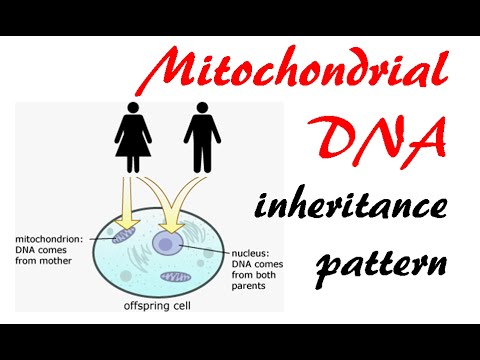
















This documentary chronicles the remarkable 2012 archaeological discovery of King Richard III's skeleton beneath a Leicester car park, demonstrating how modern scientific methods—including DNA analysis, CT scanning, carbon dating, and forensic examination—can conclusively identify historical figures and challenge long-held historical narratives. The project, initiated by enthusiast Philippa Langley and conducted by University of Leicester archaeologists, revealed that Richard III suffered from scoliosis (a sideways spinal curvature) rather than the Shakespearean 'hunchback' stereotype, and died from multiple battle injuries consistent with medieval accounts. The DNA match with Michael Ibsen, a 17th-generation descendant of Richard's sister, provided definitive proof of identity, illustrating how interdisciplinary scientific approaches can resolve historical controversies and rewrite historical understanding.
Richard III Discovery: The Carpark Skeleton and Its DNA Proof
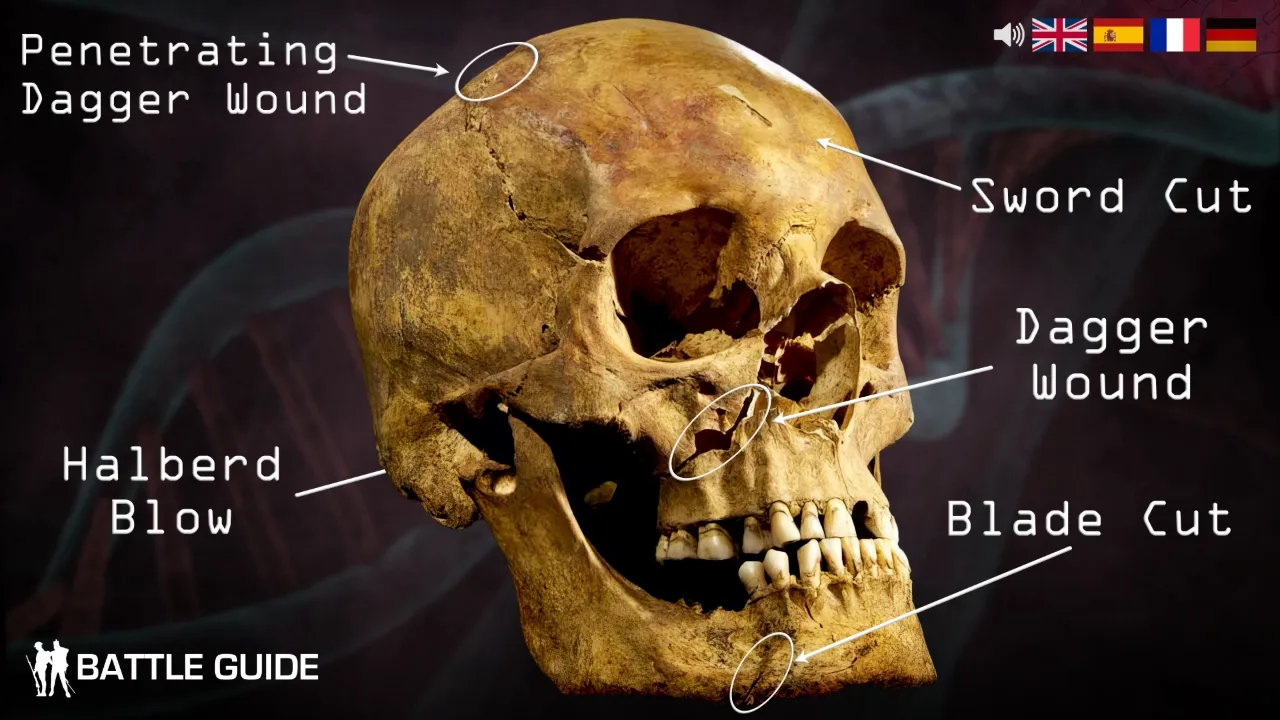
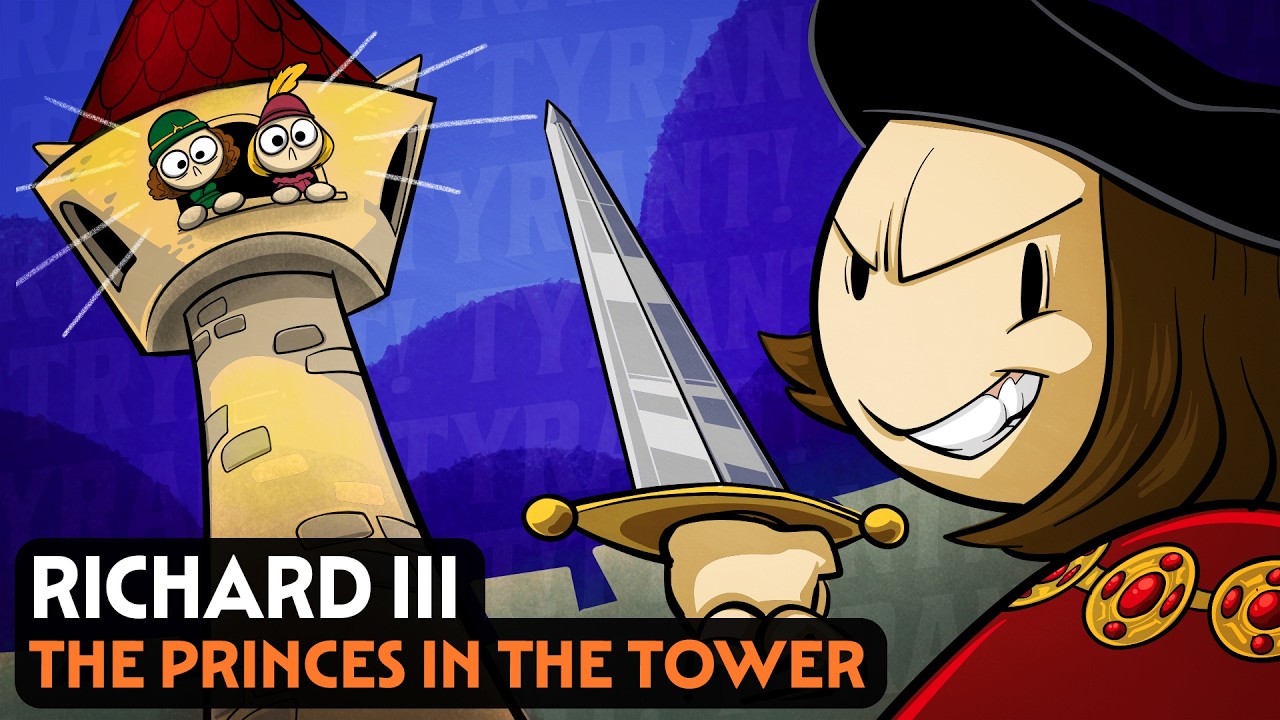
Added:[Music] for centuries our kings and queens have been laid to rest in the finest tombs but for 500 years the body of one of them has been missing almost infamous monic Richard the third last summer a team of archaeologists and enthusiasts unearthed a skeleton in a car park no no that might just be the missing king Richard the third one of the moisture biodiversity in the month since scientists have been trying to unlock that skeleton secrets and reveal its identity this is the exclusive inside story of that incredible journey but I'm sorry I come and the discoveries along the way the shape of the vertebra changes as it goes down the spine we'll learn how the man in the car park died it's a very very dramatic injury and reveal his face for the first time doesn't like the face of a tyrant I'm sorry when it doesn't all of it building to one result that might just rewrite history where gender shocker in lab [Music] [Applause] [Music] [Applause] [Music] it's now so this morning son they're in there but if your investor [ __ ] and rutland this morning it's the most exciting story for a very very good this is history being made in Leicester today as a search begins for the remains of a king of England Richard the third could be buried underneath a car park in the city centre and historians and archaeologists alike will be eagerly awaiting developments over the next fortnight they've seen after Lee bonkers one things you don't do in archaeology is you don't go looking for a specific thing because the chances are you'll never find it and you don't go looking for fames of a problem the world's media oh I tell you one thing it is very very exciting it's the first of a search for the grave of an anointed king so to find him it would be fantastic really fantastic I mean we are pretty excited about it I'm not sure that they thought bunch of cracks but I think that they thought that it was a very long shot there are people who have these great dreams of finding things because there's an archaeologist I just know how many sort of variables that are at play on an excavation so chance of finding Richard was a Oh No a million to one of all the kings and queens of England one story has fascinated me since I was a kid it's the legend of Richard the third the hunchback King with a withered arm who murdered the princes in the tower and died in battle yelling for a horse Elizabeth the first there Henry the eighth her father and Britain's first ever recorded fat man his father Henry the seventh who took the crown from which the third the Battle of Bosworth and here is Wow the legendary erection the first definitely see a kind of a hunch I've come to this comedian/actor so my introductions reached the third was Laurence Olivier's depiction and he had this like I remember very vividly he had a like that kitty cat she had this prosthetic nose and I think it protrusion of the chin and that sort of sets off clumping across the set I can smile and murder Isles I smile and cry content to that which grieves my heart and wet my cheeks with artificial tears and frame my face to all occasions the idea of searching for the bones of a king who is evil personified seemed intriguing enough but then on the way to Leicester I started reading about the people behind the dig and it got even more curious this project began not with archaeologists or historians but as the passion project of one woman Philippa Langley going in search of his remains it's kind of the Holy Grail three years of basically non-stop non-stop cajoling non-stop begging in some places from her home in Edinburgh Philippa helps organize the Richard the third Society a group who believed Richard was a good king horribly maligned by Shakespeare and that this is a wrong that must be righted Philippa joined forces with a historian who was investigating the legend that Rich's body was unceremoniously holed in a river after his death in battle it became obvious to me when I looked into this story that it was one of the many myths about Richard Evert John was interested in an old theory suggesting Richards grave in fact lay in the Church of a medieval friary somewhere under the carpark of Leicester social services when we actually looked at the car park for the first time when it was empty low behold in this very spot there was a parking space with our marks on the tarmac I got the strangest sensation when I was in that that area in that place absolutely knew that I was standing on Richards grave hmm more convinced than ever Phillipa took the project to the archaeologist at Leicester University initially I thought oh dear it's somebody who thinks it's going to be really easy just to dig in the right spot and find exactly what they want but then it became clear that actually there's some very good solid research behind her idea of looking in the grey from hers together they set out to raise the money and when ten thousand pounds in funding fell through Philip had turned to her fellow Ricardian for help literally within moments of sending out the first emails they started coming back and they started coming back from America from Canada from Australia from New Zealand from Belgium from Brazil Germany Austria in two weeks not only did we raise ten thousand pounds they'd raised more as the cash was gathered the university did their own research tracking the location of the friary through time it did appear to be under the carpark but they couldn't tell was where exactly the friary stood or the church that might hold the grave it was put to trenches in and hopefully find a bit of the friary that we could recognize if we could pinpoint where we were within the friary then we could actually start looking for the church incredibly the archaeologists research set them digging right on the very spot where Philippa had her strange sensation I was gobsmacked because the first part of the first trench was running right over the letter arm we were very on hoping to see signs of war hoping to see maybe some some of the church floor tiles some evidence of that sort no we didn't see walls and no we didn't see Church floor tiles we found leg bones both bone I think it may be human bone I went in and carefully uncovered just enough of it to see if it was actually connected to and I found the other leg the right thing to go with the left leg so at that point I thought yes we got burial but didn't really think much about it because I've got no evidence at that point that we were in the side of building let alone the church so we just carefully covered it back up and left it the biggest darkest cloud came over and there was this incredible tempest [Music] really was like some Shakespearean theme this tempest arrived the minute we discover human remains if it was Richard he was ready to be found he wanted to be found the joke doing the rounds in Leicester was that the only bones they'd find on this dig would be in a fried-chicken box in fact 10 days in the search for the grave of Richard the third is going surprisingly well realistically I thought we'd be doing well just to find a few Ferrari buildings dig those do a bit of sample excavation close it up and off we go but it became clear pretty soon that there's going to be more to this project than we written in thought we were finding things every day lots of points we were finding things every hour the team have dug three trenches in all so far they've not only unearthed the friary they've had a major breakthrough and found part of the church where they suspect Richards grave might lie it turns out the legs they found on the first day under Philip as are are actually lying inside it when that found the bones whoa and they're going in some pretty serious work going on there pioneers are gonna dig out another section of that wall there so that we can we can get in the bowl a bone expert Joe Appleby has come to investigate whether these legs are attached to a complete skeleton and Philippa is transfixed I was just sort of watching Philippa I thought this is gonna be a long process and she said to me I think that's I think is him I think it's him I just thought she was insane because but this is ridiculous it's the first the first thing we found what's the chances of the trench being cut in the right place I mean it was bizarre [Music] are you nervous about this yeah yeah strangely I am actually I'm feel sick which is a bit weird isn't it SiC that I do I suppose it's a weird thing digging up a dead body yeah it is and I think the whole point of this journey this project was to try and honor this month hmm yeah I mean it might not even be him but right just being a wolf no no it's quite it's quite it's quite an emotional thing isn't it really that suddenly struck me just now just coming and peering in this was someone's relative husband father brother son yeah and of course it might not be Richard but whoever it is was a person yeah so would it meant Phillipa of time she was you know in ten years more or less and I thought even though his King has been dead for 500 years this means the world Philip his emotion seemed surprising because the Richard depicted in Shakespeare was not a man who shed a tear for but I that am NOT shaped for sportive tricks nor made to court an amorous looking-glass I that am rudely stamped and want loves Majesty to strut before a wanton ambling him Richard wasn't born to be king there was his brother Edward the fourth who emerged from the Wars of the Roses with the crown but as Shakespeare tells it Edwards early death led Richard to seize his chance murder his nephews the printers in the tower and take the throne for himself that is the legend Philippa and her clan are doing battle with we have over three and a half thousand members worldwide worldwide frequently asked questions are you winning there's a war being fought the truth that Richard the Ricardian say evil richard was a myth invented after his death by the Tudors to justify their flimsy claim to the throne and by the time Shakespeare wrote his play a hundred years later this propaganda had taken hold as I read more I learned Richard was a good and just king he didn't murder the princes in the tower and he wasn't even a hunchback Richard may have had a slightly raised shoulder from training for combat but this is conjecture so we're not going to find a Shakespearian now is the winter not gonna find one of those guys I was starting to realize just how much was a stake on this dig if the archaeologists find Richard and he isn't a hunchback who had exposed that Tudor myth for good then later that day there's another breakthrough the archaeologists digging near the bones under Philip is our find evidence they're in a part of the church called the choir where the friars buried important people then Joe found something curious I hear we've discovered something to go with our with our legs yeah Joe's just found a skull in the grave yeah bit of a problem knowing that it seems to be a lot higher than where we had the legs right so we're gonna have to clean down carefully and see if it is actually the skull for this variable I'm quite excited because that appears to be a hole in the rest of the bones we found so so far good six inches below that and I cleaned this bit back yesterday to a much lower level without finding any bones but we then needed to go further into this side to try to pick up the whole burial so it was just basically taking it down with this mattock here and unfortunately that's gone into the top of the skull so that's what's caused that all right so we're thinking that maybe the whole skeleton underneath but these these bones are on top yes we think it's quite likely that this skull is actually not associated with the with the skeleton underneath the most likely thing is this is going to be isolated and we'll then come so what's the plan now Joe just keep keep going bang this up being carefully around this and excavator it and take it out and then we can carry on and work our way down to where the grave hopefully is underneath yeah well we shall leave you to it the skull of any skeleton we find would help us identify if it was the king medieval accounts of the Battle of Bosworth described the last moments of Richard's life and the blow to his head that killed him right in the middle of the battlefield site here in this area and 1485 there was a marsh and this was probably more or less where Richard died [Music] on the ground it was attacked killed by a blow to the head his clothing his valuable armor are taken away Richards naked body is left lying on the field [Music] subsequently Henry the seventh needs this body because it's it's how he's going to prove to everybody that Richard is dead so he needs to have this body he sends people over the battlefield to retrieve the body they find it naked we're told they put a rope around the neck probably this was to drag the body across the field and they take it to Henry who then has it put over the back of a horse and transported into Leicester the dead Kings body was put on display in the city some contemporary camps did say he was then buried in the gray friars but a legend took hold that his body was hurled into the river the story of the body in the river can only be dated back to 1612 and the mapmaker john speed he went to Leicester Luke's foreach at the Third's grave site couldn't find it said he could only find weeds and nettles and uh he had actually gone to the site of the black friars Priory and no wonder thing that he couldn't find Richards tune because he was looking the wrong place the archaeologists were also convinced the speed map was wrong which meant if Richard's body wasn't in the river it was here right in the area they were digging now everyone was super excited because all we had to do there must dig into these into these graves and we would we would inevitably find here some skeleton of some remains and one of them we hoped would be Richard then we got this call from the skeleton we found on the first day and joe said a thinking bear coming look at this and I stood and I looked into the grave if I'm gonna remember this for the rest of my life this moment you remember this morning we talked about the skull that we found and we said that we didn't think that it could possibly be part of the same person as as the the legs that we'd found earlier because the orientation of it was completely wrong yeah and that's that's true the orientation is completely wrong for a normal body but I've just been excavating the spinal column and if you take a look at it along here you can see that there's a really abnormal curvature of it so what we're actually seeing here is that this skeleton in fact has a hunchback well no no you mind if I sit on mud Luffy gonna ever have a seat if Philippa had found Richard this wasn't the Richard she was looking for [Music] 13 days after breaking the tarmac in the carpark we were stood right on the spot of Philip as are staring down into skeleton with a hunchback spine we were all shell-shocked The Hunchback King was supposed to be a Tudor myth don't get me wrong here right but that curvature is major curvature me yeah that's seriously something going on so yes that armor on that I wouldn't try but you know would that rule that help for you with your with with you know that goes with the stereotypes I haven't spotted him with a dog so you know the arms are ok but of course he could have been a hunchback but still being the nice guy let's not forget that it doesn't have to you know go along with all the all the other had some Bourne was just something you know it's just funny we have descriptions of Richard by people who met him and they don't mention it yeah then Joe drops a second bombshell there's a bit more earlier when you were questioning me about the skull I was a bit of a severe it yes and there is actually a wound it's not very visible on the surface of the skull but inside the skull you can see that some some of the bone is broken away and he's actually being hidden the head with something and when you turn over the skull there's also some damage to the skull base and that was before dirty can you say that that that I saw a chance that I could say after around the time of death I can't be more specific than that I'm afraid it's circumstantial evidence at the moment but I think I think just to be on the safe side we might we might do a DNA test on this one I would say so it's that I think it's worth doing isn't it as Jo lifted the skeleton out of the ground it began to sink in this seemingly bonkers project might just have pulled off the impossible Sully thought I got a minute head trauma to the head east end of the church of the choir curved spine have we actually managed to do this I mean the odds if you calculated the must have been incredible yet by sheer fluke we'd managed to put the first trench and essentially the first thing we'd found in the first trench on the first day was this skeleton the spine was the last thing to be lifted we needed to treat it with a lot of cabs this is obviously going to be sunning that was gonna need to be intact and carefully looked at in the lab Joe worked from the bottom up and she'd got to nearly the last ones and she'd lifted these two up and then there was this little fragment of metal underneath between two of the vertebrae the bare the corrosion has come off at this point and it's only looks like some sort of metal shaft anyway where it was found is quite interesting exactly right in the middle of his back yeah at the end of the pipe again yeah I mean it could be all sorts of things a an x-ray would say a bit clearer definition of those okay so next railroad yeah see through the corrosion and see what the solid iron is demo sites it doesn't it does this hunchback with a head injury now had what appeared to be an arrow in his back [Music] that was a very extraordinary moment and I felt somehow that out of time almost as if I wasn't there but I was looking in whoever this individual is he was brought here through a building which isn't there anymore through doors that don't exist he was buried under a floor that's gone he's been here at least 500 years now he's packed in polythene bags in a cardboard box and he's not going to be taken away I was very conscious of this individual trying to imagine how if he was looking down on us how he might be seeing what we were doing I don't think anyone was anticipating actually finding him so there was no precedent you know I don't think a Kings been found in a car park before not to my knowledge anyway so nobody really knew what the etiquette was what the rules to follow what I'd quite like to do but I don't know how you feel about this is the remains that we've uncovered I know we don't know 100% if they are Richard but when when we put the bones in the box I'd quite like John Houser Richard the third standard and I'd quite like to just put it over the Box to get it into the the van if if you're absolutely fine no I mean particular as you is a good indication that the right ones that's fine that's right okay thank you we're never gonna do this twice are we no actually yeah and I would just like to mark it it just seems right to put his colours over I think we'll get Joe the osteolysis to to take them off site Joe you want to come and do this [Music] do you think it's right for me to do it somehow do you want to do it John would you like to carry the box where's the box just put it over and then I'll give it to you [Music] thanks for tuning in this morning on what could well be and another great historic day today huge plates have been a nurse but the last plantation a cake there's been a major Richard thebirds conference later this morning we could find out if Richard the third has finally been found okay colleagues good morning my name is Richard Taylor I'm from the University of Leicester and I'd like to welcome you here to the City of Leicester to hear an update on the university search for Richard the third we have a man with what appeared to be battle injuries who suffered from severe scoliosis that is curvature of the spine respectfully but modestly buried in a place of honor in friary Church clearly we are all very excited by these latest discoveries this is potentially a historic moment for the University on the City of Leicester researchers announced they found a skeleton made suspect might be the long-lost remains of Richard the third one of the most reviled kings in British history his body was misplaced there were rumors that it had been thrown in the river but perhaps not perhaps it could be found here underneath this parking lot in the centre of Leicester [Music] so far the pieces fit with some historical accounts of Richard's death and burial and could rewrite many of our history books five hundred and twenty seven years after Richard's death we must now wait at least another three months to answer the big question [Music] to the world at large the Leicester University team had found the bones of Richard the third the truth was more frightening they still had a mass of obstacles in their path before they could actually prove this was the king hi you must be Simon you must be Lynn I am very nice to meet you very nice you're the boss of this establishment yes I'm the head of archaeology in ancient history this is the box here's the box this is the box oh wow it's astonishing isn't it it's such a mundane setting this was like a Steven Spielberg film that'd be the huge kind of white et like containment those dry ice coming on the sides and blue flashing lights but it's it's just not that is it no no it's a cardboard box that afternoon philip ER and i were taken through everything that lay ahead the skeleton was going to be carbon-dated its DNA would be tested against a living descendant the bones and their potential injuries would be scanned in 3d and images of the skills sent to the best facial reconstruction expert in the country they explained all of the tests that they were going to to be doing and you know I mean it just ran and ran these lists of tests went on and on and on pages of them and you know it's a really anxious moment because any one of these tests could could say work that's it no it's definitely not him [Music] all of this made me more curious than ever about the man behind the legend it's nice to be heading back here to Richard's home kind of coming back to life [Music] in his early life Richard lived near my home in Yorkshire [Music] as the brother of the king he was commander of the north and by all accounts a born soldier he was in battle at 18 and in command by 25 with a wife and young son he seemed to dote on discontent made glorious summer by this son of York it was very strange coming back here they must have been here a dozen times 15 times over the years and always you know I've done my weather damn routine and imagines but now I know now I've seen him potentially in the ground his bones being brought up out of the ground it's I feel a bit like that's sort of sacrilege now this is a lark about with his name because he was he was a real person he was a real king and he lived here I was becoming more and more intrigued by Philip his version of Richard she left me an interesting message about the way the people of York responded to his death the day after he died at Bosma they said King Richard late mercifully raining upon us was piteously slain and murdered to the great heaviness of this city they were writing this when there was a new king on the throne a couple of weeks later they called him the most famous Prince of blessed memory and you know that that doesn't strike of someone who was a ruthless tyrant to me [Music] the rival versions of Richard were so a towards the good King and the bad I wondered what historians made abital why this man who'd ruled for just two years was still so divisive today with see.well regard which he likes by them very much Beauregard if he became admired for his chivalry and he put himself out as as a man who who would bring justice and fair play this isn't sounding like an evil murdering despot not at all now that doesn't appear in any way whatsoever all the contemporary comics stress that in the 14th 70s into the early 1480 Richard was the loyal brother good old Richard so he was loyal brother a great soldier a fair arbitrator in local disputes well thought of by the people of the north and his fellow so is him so what what the hell happened it's just a big question isn't it I mean yes but everyone argues about in the debates it was what happened in the Tower of London in 1483 that first split opinion about Richard when his brother died Richard made himself protector guarding the interests of his nephew young Edward v but just three months later he acted to make himself King it was all very fast it took everybody by surprise the princes disappeared the two boys they were already being housed in the Tower of London they were described by local London sources as having been smart of them said they were seen shooting practicing archery in the grounds and then was seen no more I have to say I think they probably were dead yeah I don't feel that Richard wouldn't you would have killed I mean you know why well I do all that and then have they still have the risk look they're there in the tower they could escape from the tower somebody else did it yeah how did orders if it cannot be demonstrated beyond that you know we just don't know they disappeared yeah they did disappear from that moment the battle over Richard's reputation began 500 years later that King was just possibly lying in a cardboard box facing a battery of tests to prove his identity and one result was in already the investigation of the arrowhead in the skeletons back so you know tell us about the arrowheads that were found in the back of a skeleton what have we discovered is the the actual object it's still no easier to see exactly what he was and when it was covered in lots of wet soil and the only way really to find out what it what it might be is to x-ray it that's initial x-ray that we did what it looks like is a slightly tapering a piece of iron here you know got a shaft there and you've got the suggestion of some little barbs coming off the side there what we did then was to start having a look at the kinds of heads that we might expect to see at this kind of date yeah you know there are some similarities there definitely yeah but that wasn't really enough there's a couple of things about the Arrowhead concerning me really if we have a look at a replica Arrowhead of the kind that was around in the late 15th century you can see yes it's got Barb's their sweat back close to the body of the arrowhead no it's designed for piercing body armor what we did was to take another series of x-rays just to see what we've got and the second thing that I was concerned about was this very thick white line at the top here well what we've got here unfortunately is a bit of iron that was in the wrong place at the wrong time I'm afraid it's a humble nail yes and probably a Roman nail just fortuitously in the burial soil and just happened to be right next to the spine now did they use nail guns in medieval battles not as far as I'm aware my clutching is strong yes yeah nothing to be gained by going down their Avenue no 17 and not the 14 17 that's right oh dear it was a troubling start if the arrow was just a nail what are the disappointments lay ahead was our royal skeleton really just a monk in serious need of a chiropractor for two weeks in October the box containing the potential bones of Richard the third sat in a locked room waiting for an appointment at the local hospital somewhat bizarrely they were going to scan this medieval skeleton in the same machine than used for living patients we are going to take a CT scan of the skeleton the idea of that is that it will give us a good 3d record of it and it will enable us to look in more deep the nature of the trawler on it and also potentially the abnormality of the spine she did not feature by dissembling nature deformed unfinish'd sent before my time into this breathing world scarce half made up and that so lamely and unfashionable that dogs barked at me as I hoped the shape of the vertebra changes as it goes down the spine and one of the problems with this is of course is the the vertebrae are not completely normal the finger bends apologize the images from this scan will create a 3d model of every bone in the body that allowed Joe to investigate the skeletons apparent hunchback the nature of its head injuries even the weapon that killed him it was just possible this science might rewrite the history of our infamous King and all over the world Ricardian x' were ready to do battle well we think of it and the skeleton that he does have a hunchback he was he was in any way seriously physically incapacitated is utterly reading that he knocked off his nephews I think it we're in fact hidden away I think anybody who claims they know what happened to the two boys is deluding themselves it's all pure speculation thinking matter the princes in the town he stood to gain didn't he know a little bit of truth can be spun political spin and turned into something else Judas have no rights of the crown they knew that they say the witness history right it's not this is fresh this is I just happened it's like you know like the results of some election am yesterday I will fight it it will fight it with passion you know three in every way this medieval skeleton was coming back to life the images from the CT scan were now with a specialist at the University of Dundee using technology developed for criminal investigations she was going to reconstruct the face of our skull in layers of muscle and skin first of all just first impressions of this skull is that it got quite a long grass Isle in other words it's not very strongly masculine features so it's you know it's an interesting school to look at it's got quite a lot of teeth that have been lost from the mandible so he's going to have quite an interesting face with the process that we follow for the reconstruction is to use little virtual pegs and attach them to the surface of the skull so that it gives a kind of contour map within which we can work to produce their depiction next step is to add the anatomical structures starting with the eyeballs and basically slowly build the face from the skull out to the muscle structure as we put the muscles onto this skull the face starts to develop so we can start to see the shape especially around the lower face around the jaw not for me in my mother's womb to shrimp mine arm up like up with a shrub to keep the nerdiest mountain on my back to shape my dates of an unequal size to disproportion me in every part no I was myth in fact more tangled than in the question of what Richard actually looked like his surviving portrait painted after he died were a masterclass in spin it does include two layers the layer of truth which is certainly the likeness was no doubt about that and that is quite like what word should look like but the whole type was slanted as soon as the Tudors started applying propaganda for the matter it was of great importance the children tentative at this man was a villain it was essential otherwise there was no reason for Henry to be on the throne so they tampered with it oh yes the shoulders this one is slightly higher from that and they made a great play of the theory that he was disabled and at this time a disfigurement of this kind would have been assumed to have been due to the Vengeance of God this is wrong in the Royal Collection it looks meaner it's undoubtedly being tampered the shoulder house being raised Wow his hands a claw like his thumb just seems to be a spike it's quite disturbing isn't it rich that's nice to me I was horrible yes well again this is propaganda it is quite subtle actually isn't it I would have gone monobrow your monogram there can you give him what they haven't done that have been a bit subtler they've narrowed his eyes they've given a point ether exactly it's quite good isn't it do you think I think it was pretty cunning certainly these things were done and it's much easier to exaggerate than it is to invent exaggerate a little time in fact to make a man a monster and if he had a deformity a slight deformity then it wouldn't have been mentioned into his face or in his reign but the military was dead buzz buzz buzz if this skeleton was Richard that fabled deformity was going to be classified and defined by experts for the first time for Philippa and me this process was also our first sight of the skeleton since the dig here we are blimey we've got the skeleton here laid out and we've reproduced the curve as best we can just to show you a little bit about some of the bones we've got here on this vertebra you can see how we've got bone formed in the ligaments that connect this vertebra with the one above which showed the curve would have been pretty stiff would he have had the hunchback that was reported in to the tube two times well hunchback yes he would have had a abnormal curve and an asymmetry to the chest wall whether his right shoulder was higher or lower it's not easy to tell from the actual excavation but if we look at the end of the clavicles you can see how the one on the right is definitely a different size and shape to the one on the left it's much bigger on the right than on here so he may have found that the shoulders may have been held in a slightly different position Wow it's a lot to take in isn't it Philip er you okay yeah I'm fine it's just a it's all quite clinical isn't it late like this hmm I'm sorry I can't it's quite help cry overwhelming no you okay yeah okay I'm okay I don't see bones on that toe but I see a man I see a living breathing sort of human being and you feel like you've got to know him you know over the years I mean it's years that you put into this and it's kind of like hearing that diagnosis is you know it's just laid out for the world to see again you know it's a but then do you feel what we're doing this time is trying to you know there's a lot of interest in this and but we're trying to I guess get the truth out you know we do we have to get to the truth you might have to do it I'm sure they're ready to go yeah hi guys yeah I'm really sorry so he saying he's got a hunchback again it was kind of it's just not me for six well it depends entirely what you mean by a hunchback the hunchback isn't a medical term it's just a popular term to meet someone's got a spinal deformity is it not visible then in in his clothing or is it not visible in his body or is it visible in his body but not in his clothing scoliosis is always much more apparent when someone is wearing no clothes so a lot of people will walk down the high street today and you will not know they have a scoliosis perhaps one percent of people in Britain have a scoliosis of some kind but it doesn't mean to say that it's severe enough to impact on how they live their lives and so making most of the time you would not notice they have a had one unless they were on the beach this deformity was not the classic Hunchback of not Redang the curve was sideways if this was Richard outwardly he would almost certainly have looked and walked like anyone else the one shoulder was probably a bit higher than the other that's the sort of the Shakespearean myth would he have had a withered arm or any sort of oddness in his in his arms if you compare humerus on one side of the humerus on the other they're exactly the same length same for the forearm they're symmetric on both sides so there's no reason to think that one side was withered compared with the other one thing Joe and I did notice was that the radius bones here are relatively grass Isle or feminine is there anything we can categorically say at this point would rule him out of course if this was a female skeleton then that would do it very definitively and the grace or nature of the skeleton is is something that might set a few alarm bells ringing there are also some features on the pelvis this this feature here the sciatic notches here are wider than we would normally expect to see in a male skeleton this is a feature that varies and in fact we have data that's been done on burials of known people from from Britain in the 19th century that show that that you can have a feminine Society watch and be male other areas of the pelvis suggest that this probably is a male skeleton some of the aspects of the skull suggests it probably is a male skeleton Tudor's mr. trick there should have said he had a hunchback and lady's arms I would have made Shakespeare's play very actually one of the historical sources I'm I'm afraid I forget which one that refers to him as as fighting surprisingly well in battle considering that he was lacking in masculinity so so there is there is actually some historical backup for that that view well gender shocker in lab was expecting you're able to be [Music] royalty is a queer old thing between the current queen in our potential king there are 23 different monarchs [Music] but not one of them directly related to Richard since the day our skeleton was discovered the hunt has been on for a living descendant someone from the male or female line whose DNA might be a match they fell gravy of workshops we're in the right area so far the closest descendant on the female side and potentially the newest member of the royal family looks to be a cabinet maker called Michael wait funny history isn't it I mean given different set of circumstances I'd be looking for Michael in some palace somewhere or a castle but such is the strange course we're here in North London I mean it's nice but you know you know everything if DNA from our bones matched Michaels our skeleton would be a king hi I'm looking for a nephew of Richard the third have I found him I think you found one one an intriguing archaeological mystery in England took on a Canadian twist today to find out if the skeleton is genuine they're testing major White apes 17th generation descendant the King's sister his DNA will be compared so Michael what is your exact relation to the dead king well I'm enough here in the 17th generation 7 actually not that far away part of my physical being is directly related to the family of Richard the third and that's it makes you stop and think and it's I find it somewhat overwhelming at times yeah you should call Richard the last of the Plantagenet but it's not true because you're your last [Music] they're faint resemblance I mean if you imagine Michael with with the wig and [Music] I'm just adding some skin we do this as we would with real clay really is just add kind of balls of clay over the muscle structure and start with quite a rough shape and then it becomes more and more detailed as we move along into the process really from the muscle structure onwards were starting to see what the face is developing into [Music] some of the skin mer over the top of the forehead so you starting to see the shape of the top of his head where should Richard the third final resting place be live on p.m. by two MPs will tell us my final resting place for him would be Leicester Cathedral works of these the halfway point in York and Leicester but he'll never go to work so I mean the sense of expectation in the country was rising but by mid December we still couldn't prove the skeleton was Richards and one test had us all nervous the carbon dating that would tell us what century our bones came from that's cut and dried if we've got a 14th century a 13th century burial you know it's game over then it's definitely not Richard the date we needed to be in sight of was the year of Richard's death 1485 we had sort of hopes that we'd get within 80 years was that was that was the thing so we could eliminate any of this of early and medieval burials we've got position at least the initial dates coming they're suggesting fourteen thirty to sixty which is a bit on the early side but because the individual had a high-protein diet and particularly was eating a lot of marine fish by eating marine fish the marine fish are absorbing lots of earlier carbon-14 and it's distorting the day so then it's remodeled it then gives us a 95.4% probabilities is ad 1450 to 1540 so again it was fourteen well nice five point four percent probability is 1450 to fifteen fourteen ninety five percent plus category now in terms of Philip I only needed an hour on the in the carpark an average person in medieval Leicester wouldn't be having a very high protein diet not much fish not much meat and most most people will be eating pottage and some vegetables and things like that within the friary they probably have quite a bit quite a bit of fish although it's quite a poor order so you know much so it's a high-status individual which is also five months on from breaking the tarmac evidence was mounting that our skeleton was indeed Richard the third a medieval grave in a sacred place a curved spine and bones dated to the 15th century the cabinetmakers DNA was now being processed alongside the skeletons and the 3d face was being transformed into a physical head this is really nice isn't it the detail that you can see up here is fantastic in Leicester one last investigation was underway a trauma specialist and an armory expert were trying to match injuries on the skull to medieval weapons scanned across it in two different directions one direction it looks a bit like a scoop yes that's definitely as a blade coming across in the accounts of Richard's death they described him being brought down in a Mele of men with one surging forward with a pole axe to kill him no one knew if they were accurate or part of the myth spun after his death on this image it looks very scooped and then this image here is much flat something like an axe blades or at the quite sturdy sword as they identified each injury on our skeleton medieval accounts and 21st century science began to tell the same story everything suggested that for the first time they might be able to tell the story of Richard's death [Music] the team at Leicester had pieced together what looked to be the last moments of Richard's life and joined by a forensic pathologist they were starting to identify the fatal blows we found a series of injuries on the skeleton tell us about the moments leading up to his death and immediately afterwards there are some some injuries that are very obvious but there are also some injuries on here that are that are much less obvious I just move it in the light you can see that there's a bit of a slice here and we think that what's happened there is that perhaps somebody has taken a slicing action acting with it with a sharp blade weapon it's just nicked the top of her head the plate is sort of a scooping depression and the still striations on there so the blade came came in and out he will have charged into that battle in full armor by this time the helmet is a way you don't get I wouldn't like that or other ones that were seeing wearing a helmet determine would have come off before he got to the he probably got to that point and then in the in the ensuing melee hmm which would have been possibly and it would be a number of people were very very tightly packed together in this very very small area and a helmet could have been knocked on so then we also have this this much more noticable but still quite small wound it's a penetrating injury of some kind you can see there's just a very small entrance wound on the on the top of the skull it strikes me that this is actually the result of probably a dagger there is some type of dagger at this period called the rondell dagger there are the illustrations which show you holding it in one hand and then basically about pushing it down with the other hand so you've got this extra strength as well this is a man who's not on a horse as well he's already officers at this stage he's off his horse as well he's recorded by even those who don't look upon him favorably as he he fought manfully to the end type of thing and scenario and this is what I think some of these wounds are showing he did he was he was there in the middle of it right to the end mm-hmm and then of course we come to the the most obvious of the wounds on the skull which is this very major slice that's been taken off and we actually have part of the of the slice of bone that's been cut away here and that that shows us that it must have still been in some way attached maps as a flat afterwards it's a very very dramatic injury again usually but a lot of force behind something to actually cut through this girl like this certainly if you look at where this injury is the brain would be visible through that so I think that's perhaps the blow what did it probably that's the fatal blow yeah yes you don't walk away from something no not even today with modern neurosurgery you know that that kills you brutal brutal yes considering the amount of damage that he has received what might be very apparent when we're looking into this face is actually it is complete that this sort of quite obvious if you think about it for a moment people actually wanted to see it was Richard mm-hmm yeah they wanted to see his face there is the king or the Pretender usurper there it is he's dead come and see for yourself if you don't believe me so then there's one final wound on the skeleton and again we're very sure that this is something that happened after the death of Richard and that's on the pelvis there's actually a line across here and if we look at this as an equivalent line on the part of the bone that's broken away we can see that something's come in from your back it's penetrated slightly to the front there so what we think is that somebody has actually stabbed him with some kind of a bladed weapon this seems to fit in with the idea if we imagine and accept the accounts that he is bound over horse trusts and legs a tangling one side the the arms the other side it means his buttocks are about head height as he's being led from Bosworth celesta and that is such an opportunistic target for somebody with it with a dagger just to go like that in the buttocks yep into the backside Minton why would you bother stabbing someone you know and the bombers are passing by that wouldn't happen to an ordinary it heads in a certain direction no I think it's all we're always very careful in forensic pathology not to overstate it but it's all highly suggestive and you take everything in context the injuries that he's got as he said the stature you've got to start getting close to a serious conclusion I submit I was quite skeptical at the beginning but I know the more I've looked at this with Joe and everybody else so I think it is the combination of the curvature of the spine and the pattern of injuries is not just the single injury that caused death but the pattern of the injuries suggests very strongly that this is him well I was prettiest pretty brutal in there I mean to have a chunk taken out of your skull and then something resembling a hammer blow and then you know spike through the head and then the back of his head taken up and his brain spilling out just pretty and then let's face it you know after what real kind of you know inferring for the same as a poor guy you know he got stabbed you know in his ass basically and but least that was brown those are brutal times that was a medieval battle was pretty pretty sort of ruthless and also what confirmed for me is that is Richard the third there is no way in my mind this is Richard a third that has not reached a third that is one unlucky monk beautiful isn't it so this is where this is where it all happens John yes yes I thinking about this last night so going to bed one of the things that came into my head is how brave he was I suppose there's a leader because I was thinking he's the last English King to die in battle you couldn't imagine I'm the king now and he he took it upon himself he said I'm I'm gonna fight Richard thought that he was going to win he was pleased when he heard Henry Tudor was coming because he thought that he was going to settle this issue and all his preparations for the battle show confidence that's a sort of comforting thoughts to me that it must have come as a shock to him but hopefully that it came as the last-minute shock and then and you know what he was a warrior king and he died as a warrior king you know and maybe that's what he that's what he wanted he thought I'm gonna die then I'll die that way yes everything suggested the skeleton in a car park was Richard but one final piece of proof was needed if it's ancient DNA didn't match a living descendant then the truth of his identity would always be questioned I genuinely don't know what the DNA result is it seemed only right that Tory should tell Michael first it has much more impact on him than anybody else it's quite big news to absorb isn't it Michael hello if you look at the DNA of Michael and you look at the DNA from the squeakily remains there's a match Wow Jame the tiny evidence points to this being rich the third Wow so we can categorically say we found King in a car park yes yeah any of you is thinking of going to the local car park and digging it up this is a very unusual situation you're not good not to be tried in your local social services these people are experts on a gray London day three and a half years after starting her quest Philippa has reached the end of her journey I feel quite nervous here [Music] the same signs that can put a face to an unidentified victim of crime will allow us to stare into the face of Richard the third a King of England who died 500 years ago when he was just 32 let's go okay yeah okay all right I know cue noise immunity yeah Wow remarkable being hardened see the man when he call me doesn't look like the face of a tyrant I'm sorry but it doesn't and there's no children mythology all over him you know he's a bonny lad yes he does he's very handsome it's like you could just talk to him of a conversation with him really [Laughter] it's been a complete roller coaster ride and to see this now to sit here for years on after everything that's happened after everything they've been through and to see the real Richard the third I'm just full of joy what I found most fascinating about this journey has had two sources of information as a science side and the historical side and the science information so it gets narrower gets more concrete you know so we we know what he looked like and how he carried himself and Eve even what he ate how he died in battle but the more you're looking to the historical side of thing is a narrative of Richard's life if you like the murkier and murkier it gets but I think that's what I've learned to love about history it's all open to interpretation everyone's entitled to their opinions it's like two football commentators arguing over the same penalty decision and both seem the same thing as what they both come to different conclusions and I guess the conclusion I've come to is that I am a Ricardian wow I never thought I'd hear myself say that my name is Simon fauna Beane I am the Ricardian [Music] good morning my name's Ricky Baylor I'm from the University of Leicester and I'd like to welcome you here to the City of Leicester [Music]
Up Next
The Unsolved Murder of Betty Shanks: Brisbane's Cold Case
@bellafiori
522.8K views•2021-09-28

Triumph of Orthodoxy Icon: Byzantine Art & History Explained
@BenCallan
2.1K views•2024-08-06

FastAPI vs Flask vs Django: Choosing the Right Python Web Framework
@TechWithTim
302.5K views•2024-05-26

Game of Thrones Opening Credits: A Cinematic Analysis
@gameofthrones
46.3M views•2011-04-18
Related Study Plans & Knowledge Roadmaps
Structured learning paths in General & Interdisciplinary Studies