




















The human brain is composed of billions of specialized neurons that communicate through electrical and chemical signals at synapses, where neurotransmitters stored in axon terminals bind to receptor molecules on dendrites, enabling complex cognitive functions like memory, emotion, and voluntary movement across its major regions including the brain stem, thalamus, hippocampus, and cerebral cortex divided into four lobes.
How the Human Brain Works: Anatomy & Neuron Function
Added:Basic cell biology, including cell structure, organelles, and the function of the lipid bilayer membrane.
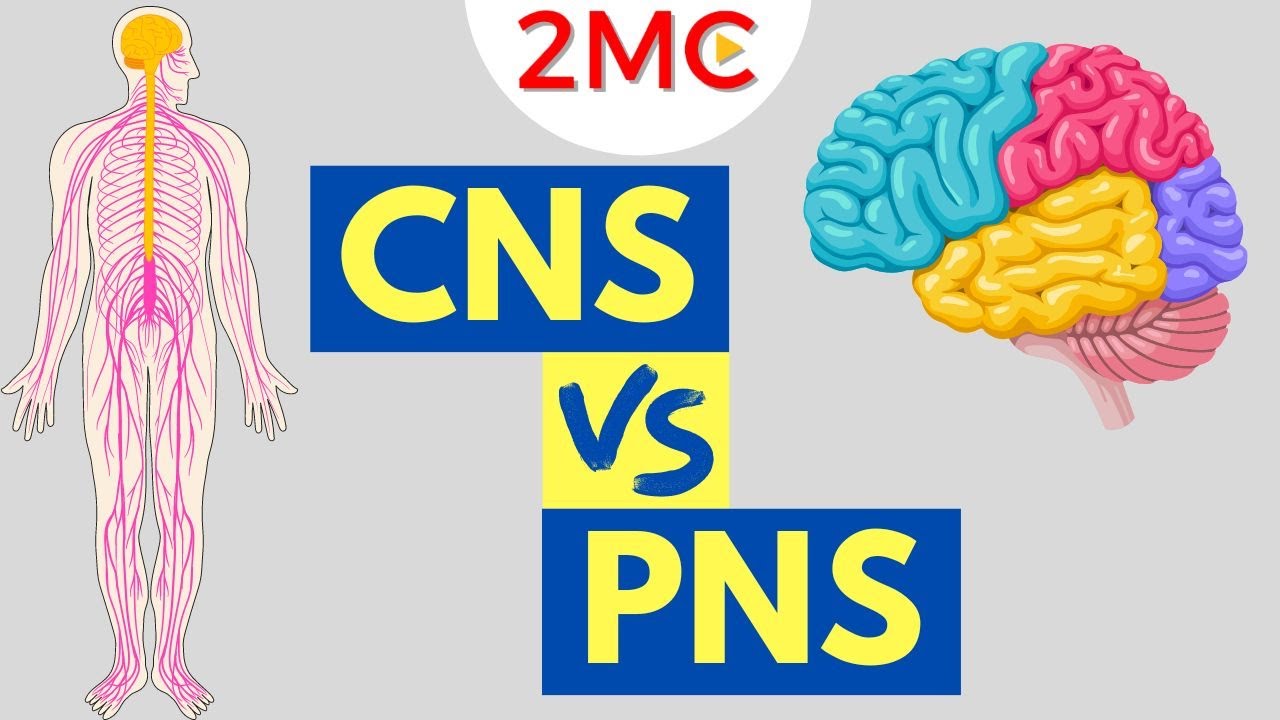
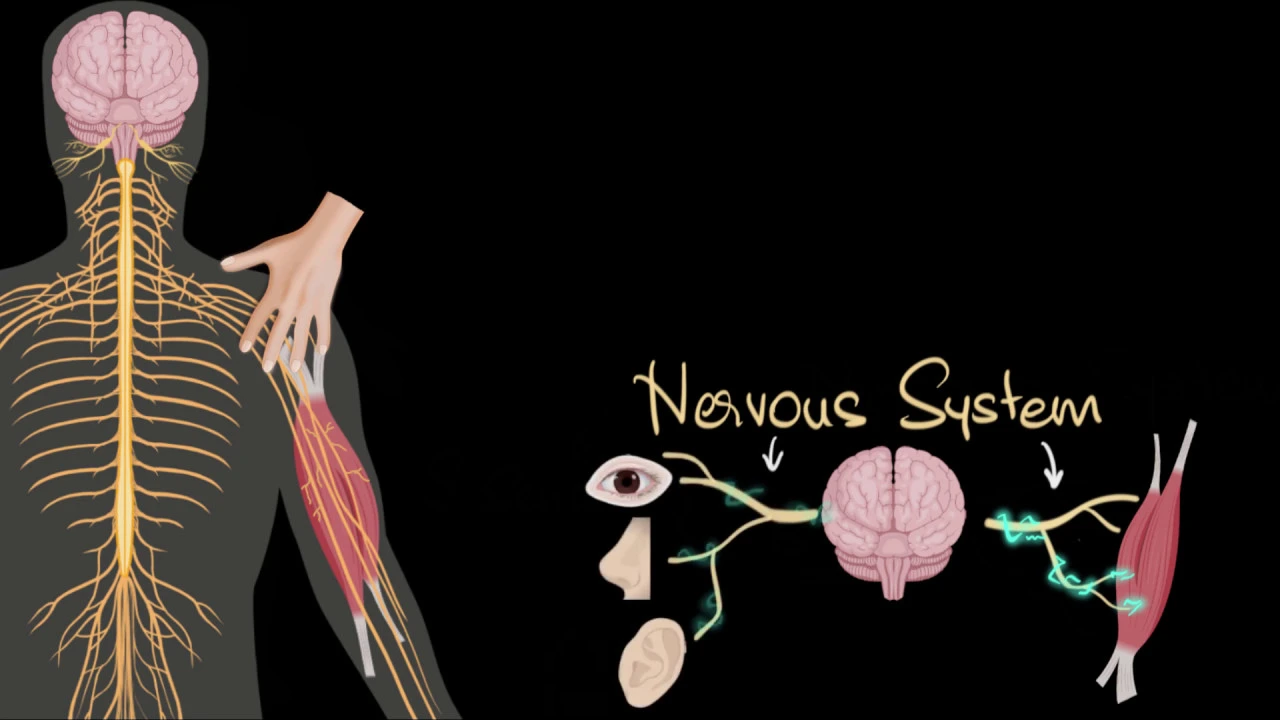
An introduction to the human nervous system, specifically the distinction between the central and peripheral nervous systems.
Elementary concepts of chemistry and electricity, such as ions, concentration gradients, and electrical charges.
The biological hierarchy of organization, specifically how cells form tissues, which in turn form organs like the brain.
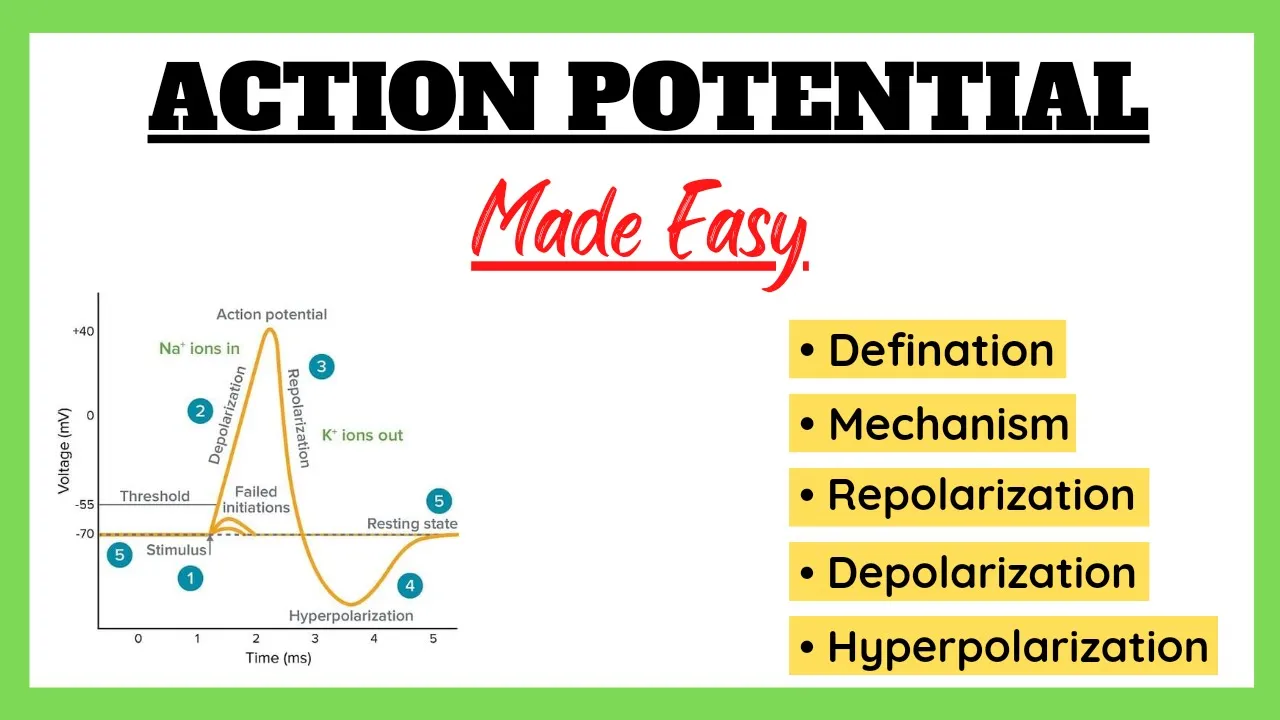
The detailed electrochemical mechanics of the action potential, including depolarization, repolarization, and refractory periods.
The role of specific neurotransmitters (e.g., dopamine, serotonin) and how psychoactive substances affect synaptic transmission.
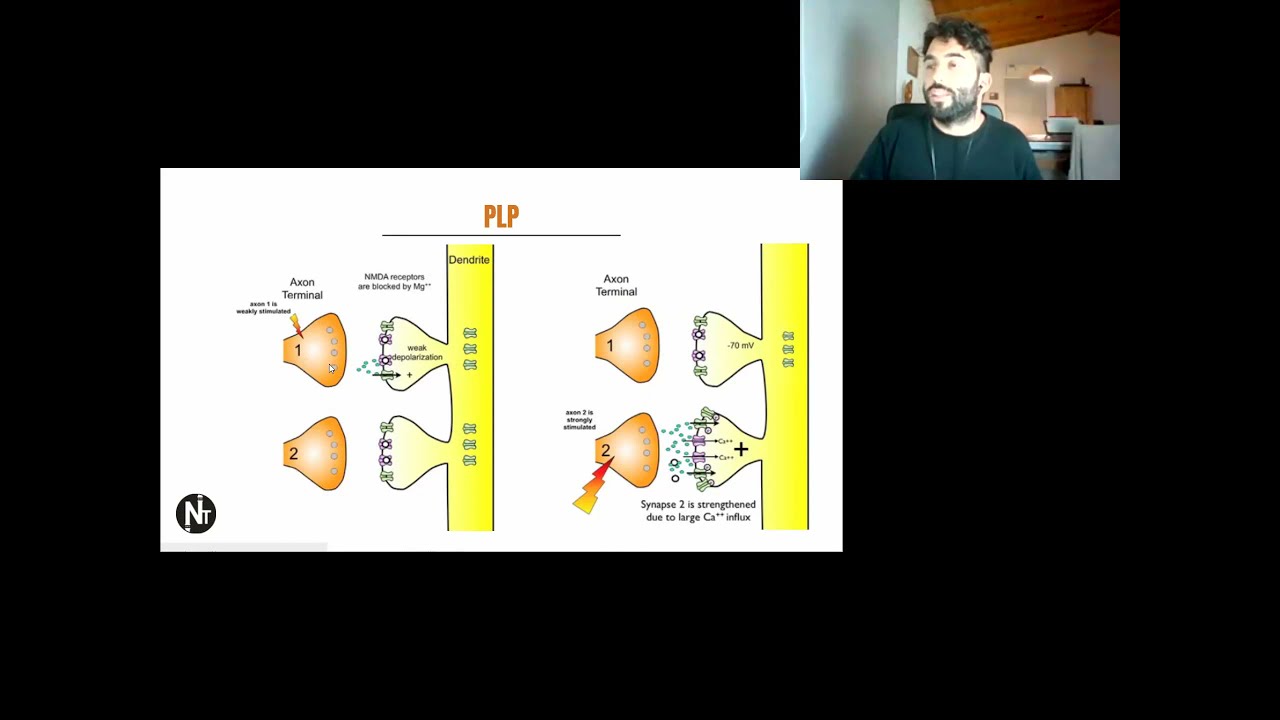
The principles of neuroplasticity, including Long-Term Potentiation (LTP) and how synaptic strength changes during learning.
Common neurological and neurodegenerative disorders, such as Parkinson's or Alzheimer's, and their impact on brain anatomy and neuron health.
2.1M views8.2Klikes6:45Original Release: 2010-03-03
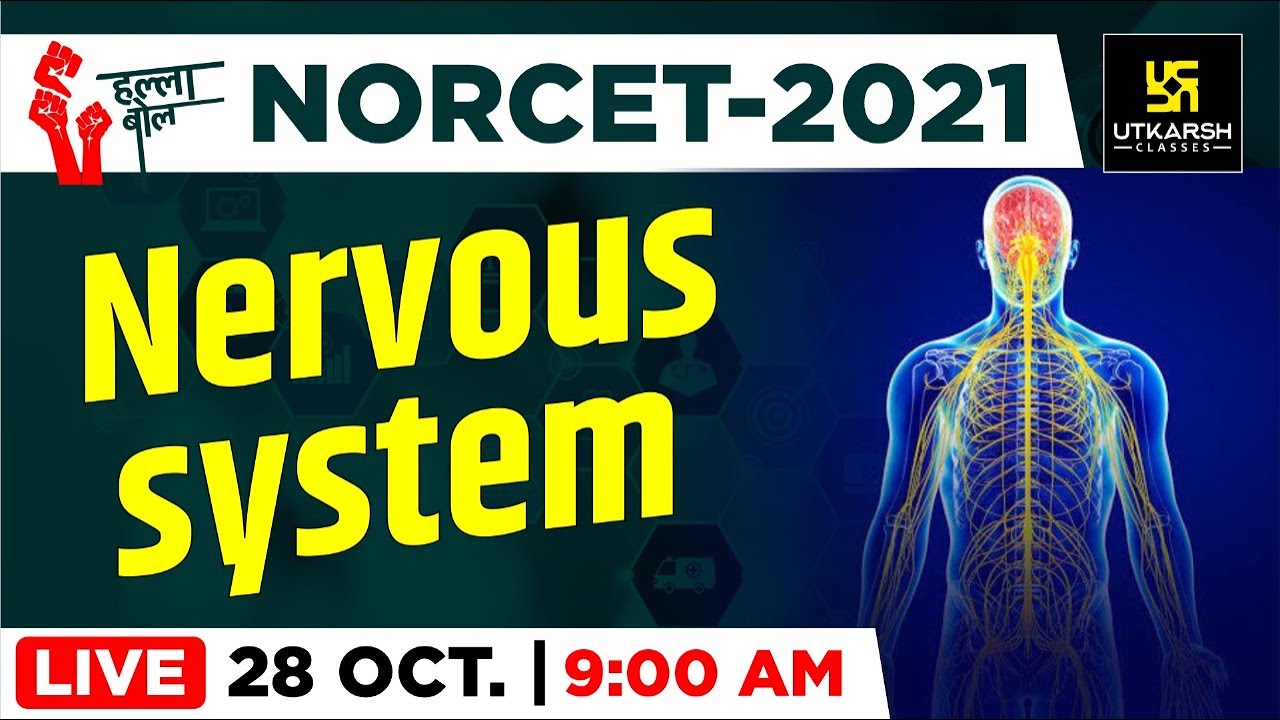
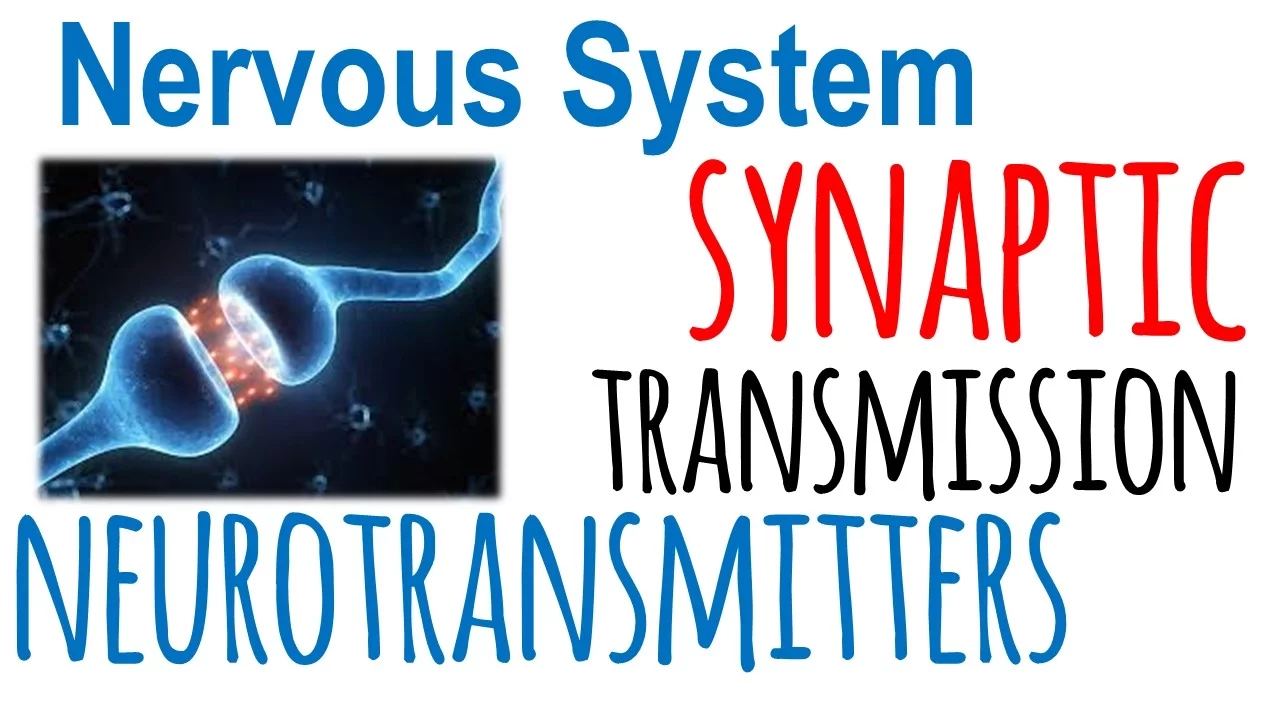
[Music] [Laughter] [Music] [Laughter] [Music] your brain the most complex organ in your body the seat of who we are what we are the container for our thoughts and our memories in short we are our brains our brains are built from many parts that performed different functions deep in the center of the brain is the brain stem this is the oldest part of the brain and has also been called The Reptilian Brain it controls many essential functions such as breathing and heart rate or blood pressure so whether we feel hungry or thirsty it's also the seat of our most fundamental emotions happiness or sadness fear and love or hate they all seem to be reside in the brain stem sitting the top the brain stem is the thalamus this is like an older version of our brain which now acts as a gateway to the higher cortical regions all sensory information from our bodies whether its Sensations from the skin or sense of touch passes through the thalamus and is directed to the correct regions of the cortex for further processing surrounding the thalamus is a structure called the hippocampus this is a crucial part of the brain it's the seat of our spatial working memory it lets us remember where we put those keys or how to get back home from work or school this regon has even been shown to be bigger in London cies after doing the knowledge the folded outer surface of the brain is called the cerebral cortex although it all looks the same it's actually divided into different loes that perform very different rules the occipital lobe contains the visual cortex and so is concerned mainly with vision the paral lobe is concerned with processing sensory information and integrating it with the visual information from the occipital lobe the temporal LOE is the center for memory and learning it contains the hippocampus and a number of other regions that are required for us to recognize different objects faces sounds and environments the frontal lobe is probably the most important part of the brain for defining us as who we are it's where our higher emotions and personality reside as well as language and social behavior lots of the things that we think of as being human it's our decisionmaking Center and contains the motor cortex which controls voluntary movement at the back of the brain are the two loaves of the cerebellum this Reg of the brain is a coordinating Center for movement allowing us to move multiple sets of muscles in a coordinated fashion so that we can walk and talk pick things up and put things down so what have our brains made of muscle or burone well there's none of that in the brain even though it takes over a fifth of the calories you eat just to keep it running instead your brain is made up of billions upon billions of cells called neurons these cells are very specialized with long extensions through which they talk to each other and form large and complex networks these networks are the basis of how the brain does what it does the processes are of two basic types dendroides receive incoming information from other neurons signals pass through the cell body or Soma where if sufficient information is received a signal is passed to the other neurons via the axel this is happening in billions of neurons across the brain 24 hours a day 7 days a week it's happening right now while you're watching this so how do neurons talk to each other neurons are usually seen to use electrical signals to communicate however the act of passing the signal from one urine to another is actually a chemical process this happens at structures called synapses these are formed from the terminal of an axon and a swelling on the dendroid called a spine electrical signals from the axon pass to the dendroid Via a chemical messenger called a neurotransmitter neurotransmitter is stored in small vesicles inside the axon terminal or the preoptic bhon when a signal arrives down the axon one or more of these visic joins with the outer membrane of the bhon and relas es its contents into a small gap between the axon and dendroid this is the synaptic Clift on the other side of the synaptic cleft are receptor molecules to which the transmitter binds in much the same way as a key fits into a lock the receptor molecules act as Paws through the outer membrane of the dendritic spine allowing charged atoms or ions to cross this entry of charged ions into the spine recreates the signal that was sent from the previous neuron in this way information can be passed from one neuron to the next and around the neuronal network although we've seen only one neuron here talking to one other neuron in reality each neuron talks to many many others and can have thousands upon thousands of spines in this way an extraordinarily complex system can be built that allows us to see here to experience the world around us it allows us to walk and talk and to laugh and cry and to be who we are so we really are our brain
Up Next

60:54
Neurogénesis Hipocampal Adulta y Enfermedades Neurodegenerativas
@FundacionComplutense
2K views•2022-01-31

48:47
Graphic Medicine: Comics for Collaborative Healthcare Communication
@nationalpatientadvocate
189 views•2023-12-04

10:28
Neuroanatomy: Central and Peripheral Nervous System Divisions Explained
@AKLECTURES
136.2K views•2014-09-20
3:05
Stages of Labor and Vaginal Birth | Childbirth Animation
@nucleusmedicalmedia
52.1M views•2017-08-18
Related Study Plans & Knowledge Roadmaps
Structured learning paths in Medicine
medicine
Abnormal LFTs: Diagnostic Workup & Pathology
01Liver Anatomy and Basic Physiology
02Introduction to Liver Function Tests (LFTs)
03Hepatocellular vs. Cholestatic Patterns
+ 3 more learning modules
12h6 modules
Explore Roadmap
medicine
Analyzing Blood Smears: RBC, WBC & Platelets
01Introduction to Blood Components & Smear Preparation
02Normal Morphology of Blood Cells
03Erythrocyte Pathologies & Morphological Variants
+ 2 more learning modules
12h5 modules
Explore Roadmap
medicine
Mechanical Ventilation: Waveforms & Alarms
01Anatomy and Physiology of Breathing
02Introduction to Mechanical Ventilation & Core Modes
03Ventilator Settings and Waveform Interpretation
+ 2 more learning modules
12h5 modules
Explore Roadmap
medicine
Neuro Exam: Localization & Stroke Syndromes
01Foundations of Neuroanatomy and Vascular Supply
02The Neurological Examination: Step-by-Step
03Principles of Neurological Localization
+ 3 more learning modules
18h6 modules
Explore Roadmap