


















![[Replay] "5 sur 7 Matins" du Vendredi 24 Juin 2022](https://i.ytimg.com/vi/3r5KvW9-Q9s/maxresdefault.jpg)




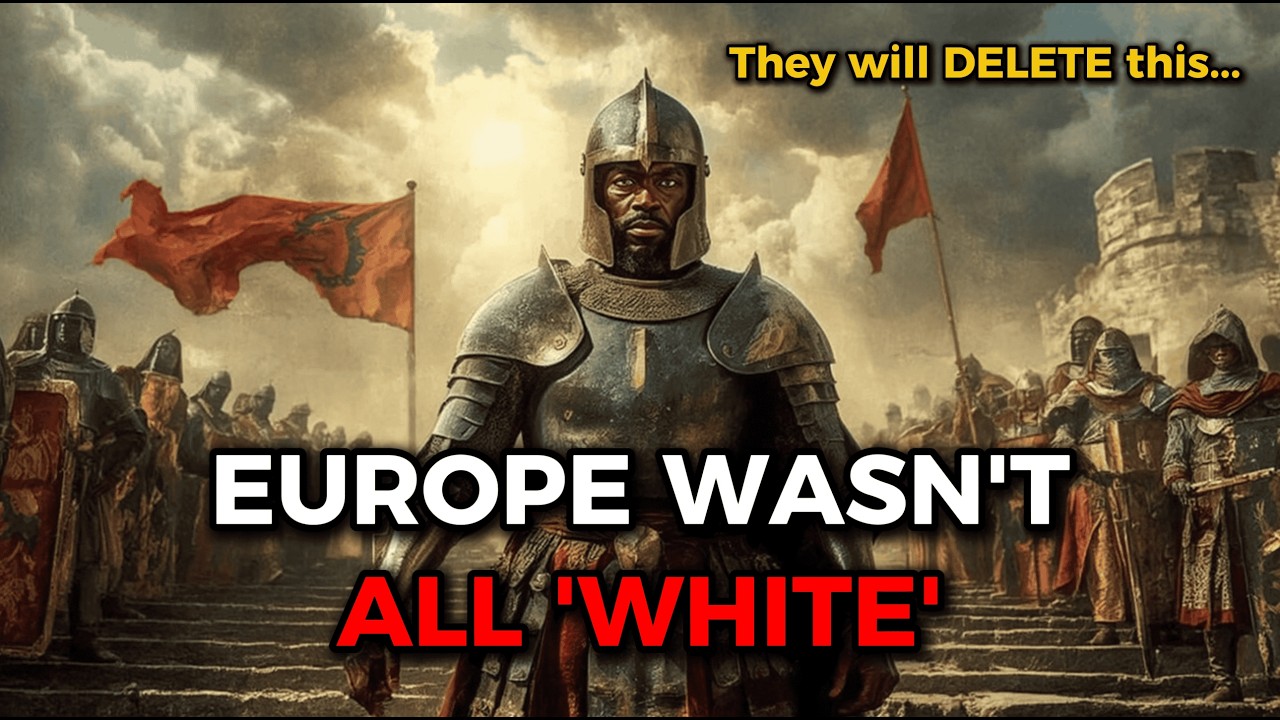


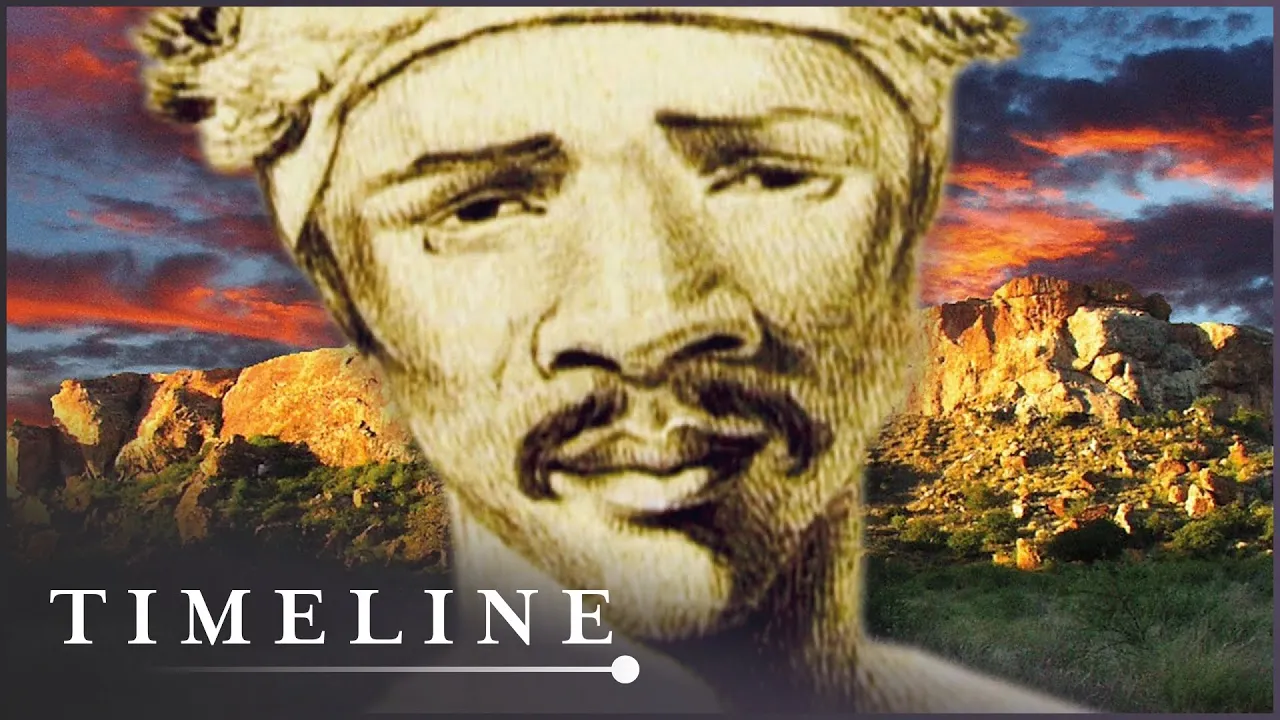
Africa before colonization was home to powerful empires, advanced cities, and sophisticated civilizations including the golden kingdoms of Ghana, Mali, and Songhai in West Africa, the maritime trade networks of the Swahili Coast, the stone architecture of Great Zimbabwe, and the resilient Ethiopian Empire, which maintained its independence through diplomatic and military strength.
Africa Before Colonization: Kingdoms, Trade, & Achievements
Added:Basic geography of the African continent, including key regions such as the Sahel, the Sahara Desert, and the Horn of Africa.
The fundamental mechanics of trade-based empires, including how taxation, resources (such as gold and salt), and trade routes foster state centralization.
A general understanding of the medieval and early modern global timeline (roughly 300 to 1600 CE) to contextualize these empires alongside contemporary global civilizations.
The historical spread and influence of major world religions, specifically Islam in West Africa and Christianity in Aksum/Ethiopia, and their roles in governance.
The transition into the colonial era, specifically how the transatlantic slave trade and the 19th-century 'Scramble for Africa' disrupted these established societies.
An analysis of African historiography, exploring how oral traditions (griot networks) and archeology combat historical Eurocentric biases regarding African achievements.
A comparative study of pre-colonial African governance and economic systems with contemporary European feudalism or Asian dynasties.
The modern legacy of pre-colonial trade routes, cultural achievements, and architectural marvels (like the ruins of Great Zimbabwe) on contemporary African national identities.
299 views11likes9:51Original Release: 2025-12-27
Africa before colonization.
Africa, a land of immense diversity, was home to powerful kingdoms, [singing] thriving trade networks, and vibrant [music] cultures [singing] long before European colonizers arrived.
>> [music] >> This chapter delves into the ruler societies [music] and achievements that define pre-colonial Africa.
From the empires of West Africa to the bustling ports of the Swahili coast [singing] and from the monumental architecture of great Zimbabwe to the resilient Ethiopian highland, we uncover the stories of the people who shaped [music] this tyic continent.
The golden kingdoms of West Africa.
>> The golden kingdoms of West Africa.
[music and singing] >> West Africa.
>> The empire of Ghana. Sitrihan [music and singing] emerged as one of the first great civilizations of the region.
Ruled by kings known as the Ghanas. This empire controlled vast reserves of gold.
>> [music] >> which fueled a trade network that extended across the Sahara merchants, exchanged gold for salt, textiles, and luxury goods, creating a prosperous economy that [music] supported Ghana city and military expansion. The Ghana, though powerful, [music] eventually faced internal disscent and external pressures that led to the empire's decline.
Out of Ghana's legacy >> rose the Mali [music] Empire. Founded by the legendary king Sundiakita.
Often called the Lion King, [music] Sundiata united waring factions to create a stable and prosperous empire that would dominate [music] the region for centuries. Historic preserved in oral tradition by Grios serves as both a historical record and an epic tale of resilience and leadership. [music] The most famous ruler of Mali, Mansam Musa, transformed the empire into a beacon of wealth and learning. In 1324, Musa embarked on a pilgrimage to Mecca, accompanied by a caravan so grand that it left a lasting impression across the Islamic world. [music] He distributed gold generously along his journey, reportedly causing inflation in cities like Cairo and Medina.
[music] Back home invested in education and culture >> establishing libraries and universities in Timbuktu.
His reign solidified Mali's status as a global power as Mali declined the Songhai Empire [music] rose to prominence under leaders like Sunni Ali Ber and Asia Muhammad Turon Ali [music] was a military genius who captured key cities [music] including Timbuktu and Jenna securing vital trade routes. The successor Asia Muhammad was both a devout Muslim and a visionary administrator. [music] He reformed the empire's governance, standardized Islamic law, and expanded its influence across the region. The Swahili coast, East Africa's maritime power, while West Africa flourished through transaharan trade. The Swahili coast thrived along the Indian Ocean. By the 10th century, city states like Kilwa, Mumbai, and Zanzibah had developed into cosmopolitan hubs of commerce, blending African, Arab, Persian, and Indian cultures in Kilwa established by Ali Alasan Shirazi. In the 10th century, [music] rulers grew wealthy by controlling the gold trade from inland regions like great Zimbabwe visitors like the famous Moroccan traveler.
Iben Batuta marveled [music] at Kilwa's prosperity, describing its stonebuilt palaces, bustling markets, and refined society.
Kilwa shows sailing ships that connected the city to the wider Indian Ocean world. Carried ivory, gold, and enslaved people to Arabia, Indian beyond, further inland.
The Kingdom of Buganda >> emerged in the [music] Great Lakes region. The kingdom was ruled by Kabakas, kings who [music] consolidated power through diplomacy and military strength.
By the 19th century, Buganda had become a dominant force in East Africa with Kabakas like Monga too playing pivotal roles in its history. Great Zimbabwe, the stone city of the south in southern Africa.
The city of Great Zimbabwe >> stood as a testament [music] to its people's ingenuity and ambition.
>> Surrounded by massive stone walls built without mortar, great Zimbabwe was the center of a vast trade network that link southern Africa [music] to the Swahili coast. Archaeological evidence reveals that its rulers, whose names remain unknown, controlled the trade of gold, copper, and ivory, connecting their society to the broader Indian Ocean world.
>> The grandeur of [music] great Zimbabwe reflected the city status as a political and economic powerhouse.
The hill complex purged at top a rocky outcrop served as the residence of the ruling elite while the great enclosure with its soaring walls [music] symbolized authority and craftsmanship.
Ethiopia [music] a kingdom of faith and resilience high in the East African highlands. The Ethiopian Empire endured as one of the longest lasting civilizations in the world. [music] Its roots stretched back to the kingdom of Exom which was a major trading power in antiquity.
By the 12th century, Ethiopia had become a Christian stronghold.
Its rulers claiming descent from the biblical King Solomon and the Queen of Sheba.
One of Ethiopia's most celebrated kings, [music] Laibella, commissioned the construction of the famous Rokun churches [music] that bear his name.
Carve directly into the earth. These churches remain architectural marvels and symbols of Ethiopia's spiritual devotion. [music] Despite its isolation, Ethiopia maintained diplomatic and trade links with the Islamic world in Europe.
[music] Its resilience would later prove critical in resisting colonization as Ethiopian armies famously defeated Italian invaders at [music] the battle of Adoa in 1896 under Emperor Mena League to governance. [music] Culture and the role of women Africa's political systems were as varied as its geography.
[music] In centralized kingdoms like the Ashanti Empire, rulers such as the Asanting [music] wielded considerable power supported by councils and military forces.
[music] The Ashanti golden stool, a sacred symbol of unity and authority, [music] understood the connection between spiritual and political leadership. Women also played significant roles in governance and society.
>> [music] >> Queen Amino of Zaza was a renowned warrior queen who expanded her territory and strengthened trade in the House region [music] among the Domi kingdom.
Women served as elite warriors [music] known as the Aoji challenging stereotypes of gender roles and leadership and military [music] affairs.
Cultural achievements were central to African identity. Oral traditions [music] preserved by griots ensured that history and wisdom were passed down through generations. Artistic innovations such as the [music] intricate bronzes of Benin reflected the spiritual and political significance of art in African society's challenges and the approach of colonization.
By [music] the 19th century, Africa faced mounting challenges. The transatlantic slave trade had depopulated regions and disrupted traditional [music] economies, leaving some societies vulnerable to external pressures. Internal conflicts [music] often exacerbated by the influx of European firearms further [music] destabilized parts of the continent. At the same time, European explorers and missionaries began venturing deeper into Africa, [music] mapping its rivers and cataloging its resources while presenting themselves as discoverers.
Their actions set the stage [music] for colonization, which would append the continent's rich tapestry of societies.
Conclusion. Africa before colonization [music] was a land of kings and queens, scholars and traders, artists and architects.
From [music] the grandeur of Mansam Musa's Mali to the enduring resilience of Ethiopia, it was a continent defined by innovation, strength, and interconnectedness. [music] The stories of its people and their achievements challenged the myths of a dark continent, revealing a [music] history of agency, and accomplishment.
This legacy disrupted but not erased by colonization remains a vital part of understanding [music] Africa's past and present.
Up Next

13:16
The Berlin Conference: The Scramble for Africa (1884-1885) | Colonial History
@logicowl2617
165.3K views•2020-04-24

33:02
The Great Schism of 1054: Causes and Consequences
@SacredCathedrals
113.5K views•2026-02-19

91:57
The Geopolitics of the Ukraine War and the Rise of Global Autocracy
@JordanHarbingerShow
468K views•2025-04-19
17:05
Understanding the Cold War: Superpower Conflicts and the Road to Détente
@OverSimplified
46.1M views•2019-01-24
Related Study Plans & Knowledge Roadmaps
Structured learning paths in History
history
Byzantine Iconoclasm: Theology, Art & Politics
01Foundations of Byzantium and Early Christian Images
02The First Iconoclasm: Leo III and the Crisis of Images
03Empress Irene, Nicaea II, and the Second Iconoclasm
+ 2 more learning modules
9h5 modules
Explore Roadmap
history
Iranian Revolution (Causes, Events & Legacy)
01The Pahlavi Dynasty and the Roots of Discontent
02The Spark of Rebellion and the Rise of Khomeini
031979: The Fall of the Shah and the Climax of the Revolution
+ 2 more learning modules
8h5 modules
Explore Roadmap
history
Mali Empire: Mansa Musa, Trade & Timbuktu
01Foundations of the Mali Empire
02The Trans-Saharan Gold and Salt Trade
03The Reign and Pilgrimage of Mansa Musa
+ 1 more learning modules
6h4 modules
Explore Roadmap
history
1947 Partition: Politics, Borders & Legacies
01Foundations of British India and the Divide
02The Political Negotiations and the Mountbatten Plan
03Drawing the Boundary: The Radcliffe Line
+ 2 more learning modules
8h5 modules
Explore Roadmap