













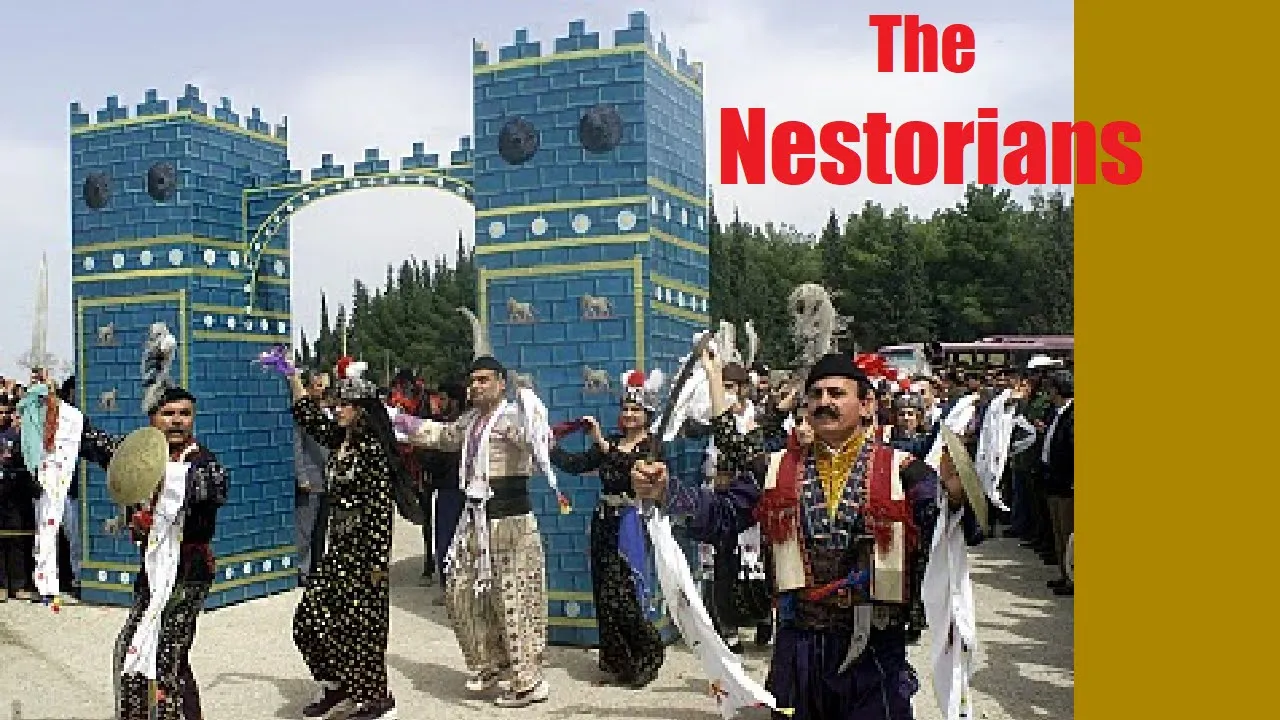
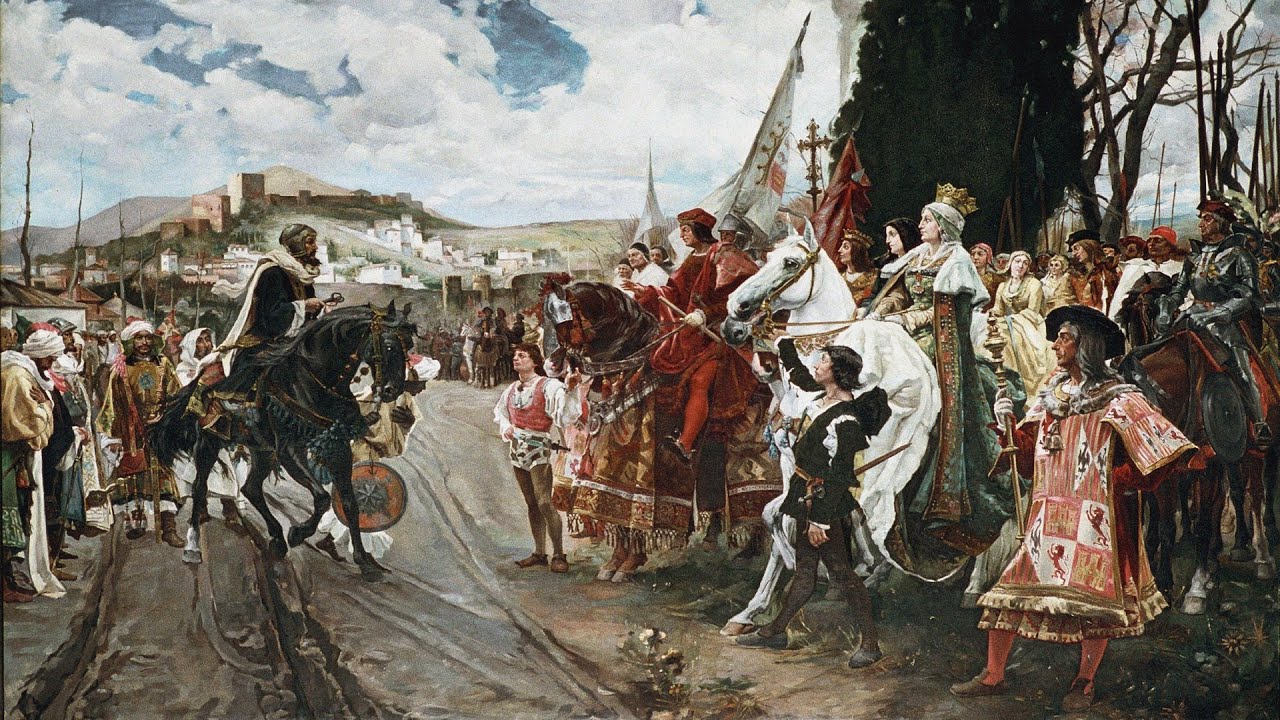


Hunayn ibn Ishaq (809-873 CE), a Nestorian Christian scholar living in 9th-century Baghdad during the Abbasid Caliphate's golden age, was one of the most significant translators in history; he and his team translated major Greek philosophical and medical texts (including works by Galen, Hippocrates, Aristotle, and Plato) from Greek to Syriac and then to Arabic using a two-stage translation methodology, which preserved and transmitted classical knowledge to the Islamic world and eventually to Europe, making modern scientific advancement possible.
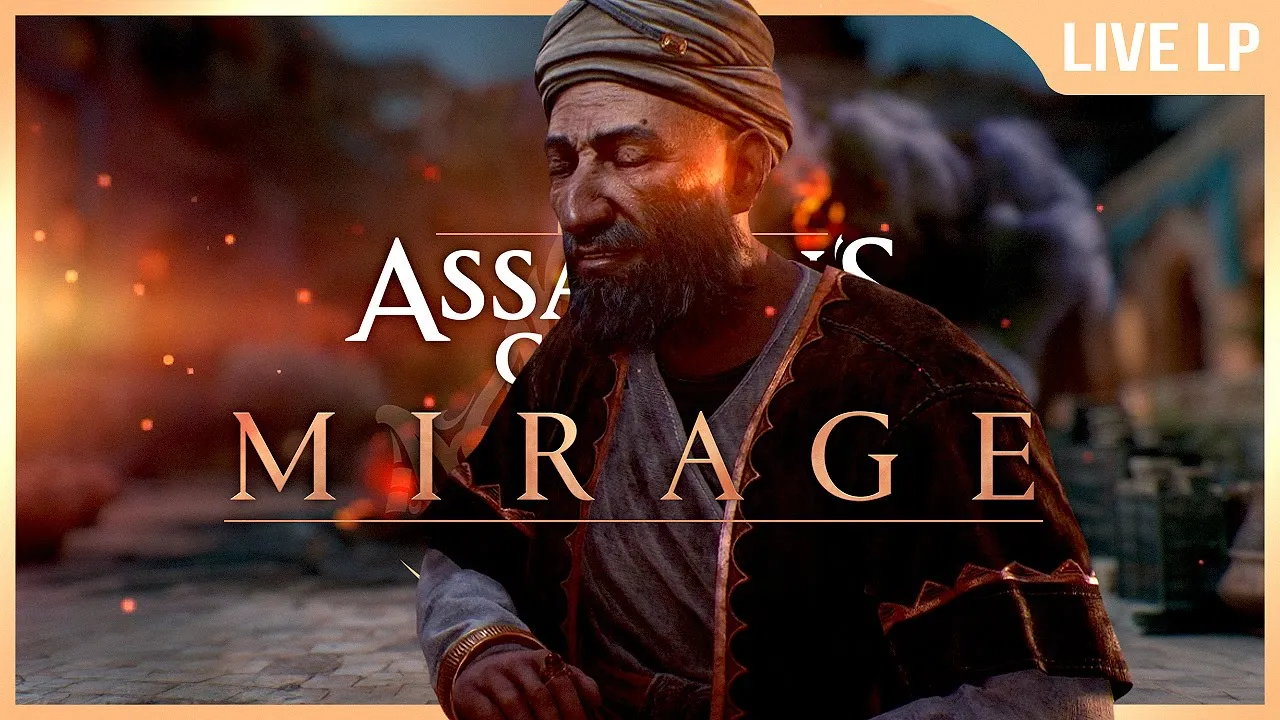
Hunayn ibn Ishaq: The Translator of Baghdad | Assassin's Creed Mirage
Added:Overview of the Islamic Golden Age and the significance of Baghdad, particularly the House of Wisdom, as a global intellectual center.
The basic tenets of classical Greek philosophy and science, particularly the medical and philosophical works of Galen, Hippocrates, Aristotle, and Plato.
The historical context of the Abbasid Caliphate and its state-sponsored patronage of science, literature, and translation.
The general concept of the Translation Movement, which aimed to translate major secular texts from Greek, Syriac, Persian, and Sanskrit into Arabic.
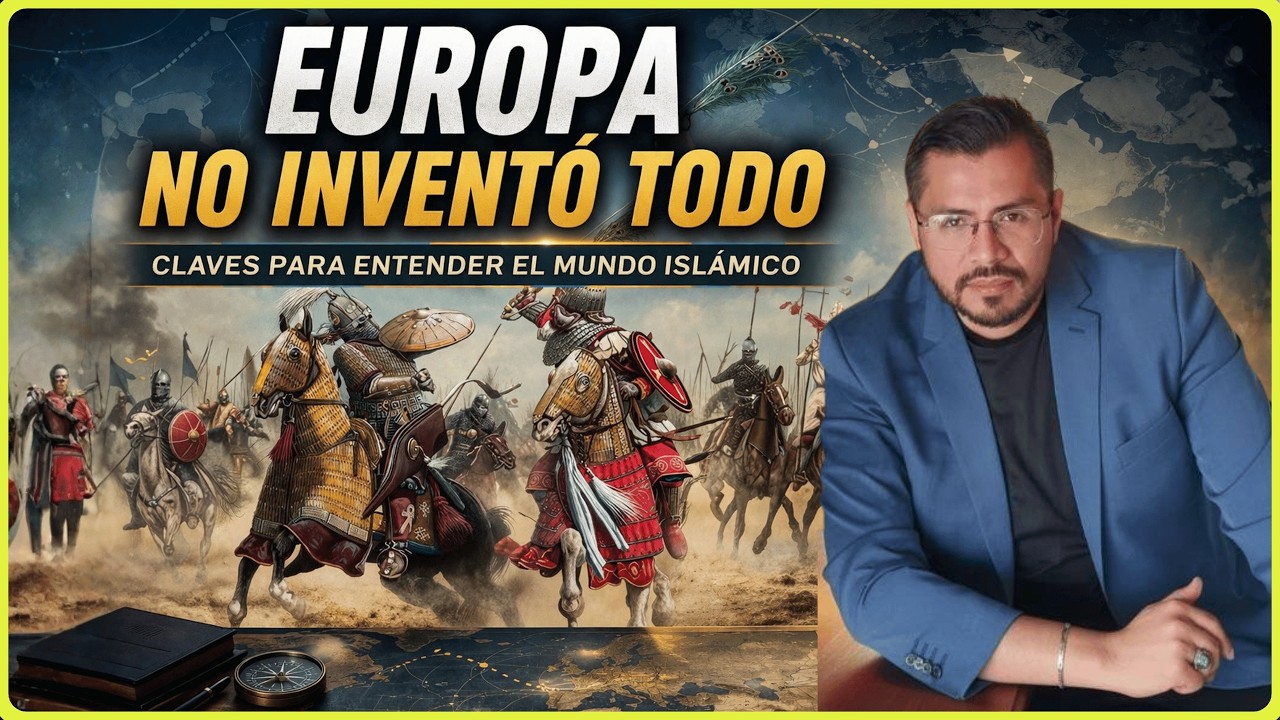
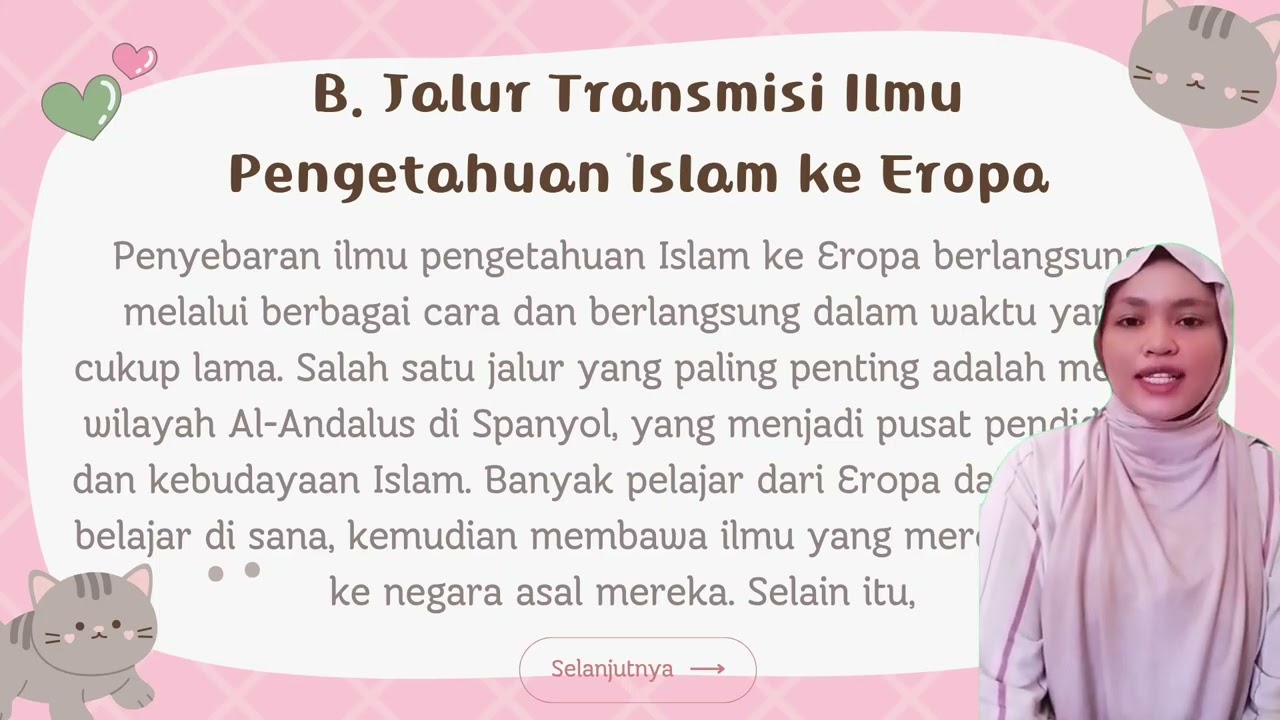
The transmission of knowledge from the Islamic world to Western Europe, which later helped spark the European Renaissance.
How scholars of the Islamic Golden Age built upon translated texts to make original breakthroughs in medicine, optics, mathematics, and astronomy.
The translation methodologies pioneered by Hunayn ibn Ishaq, including his early use of textual criticism and manuscript collation.
The role of religious minorities, specifically Nestorian Christians, in the intellectual and administrative framework of the medieval Islamic state.
35.7K views1.9Klikes4:28Original Release: 2023-11-02
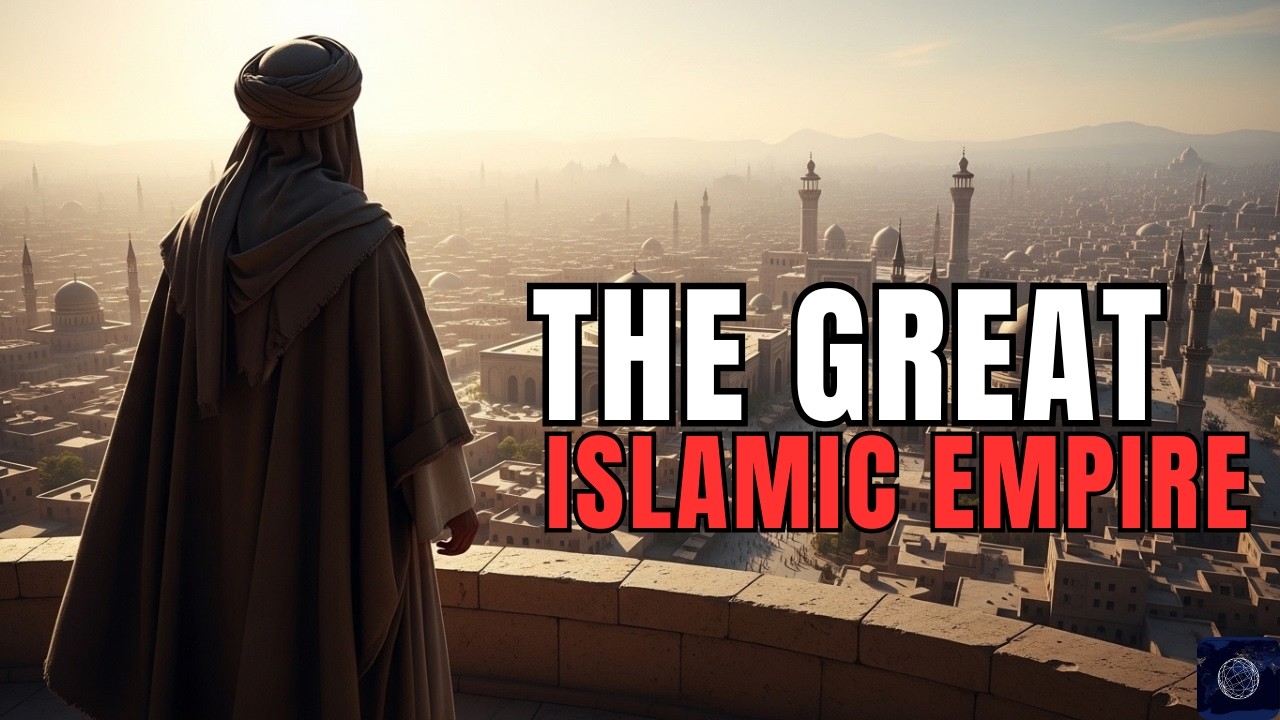
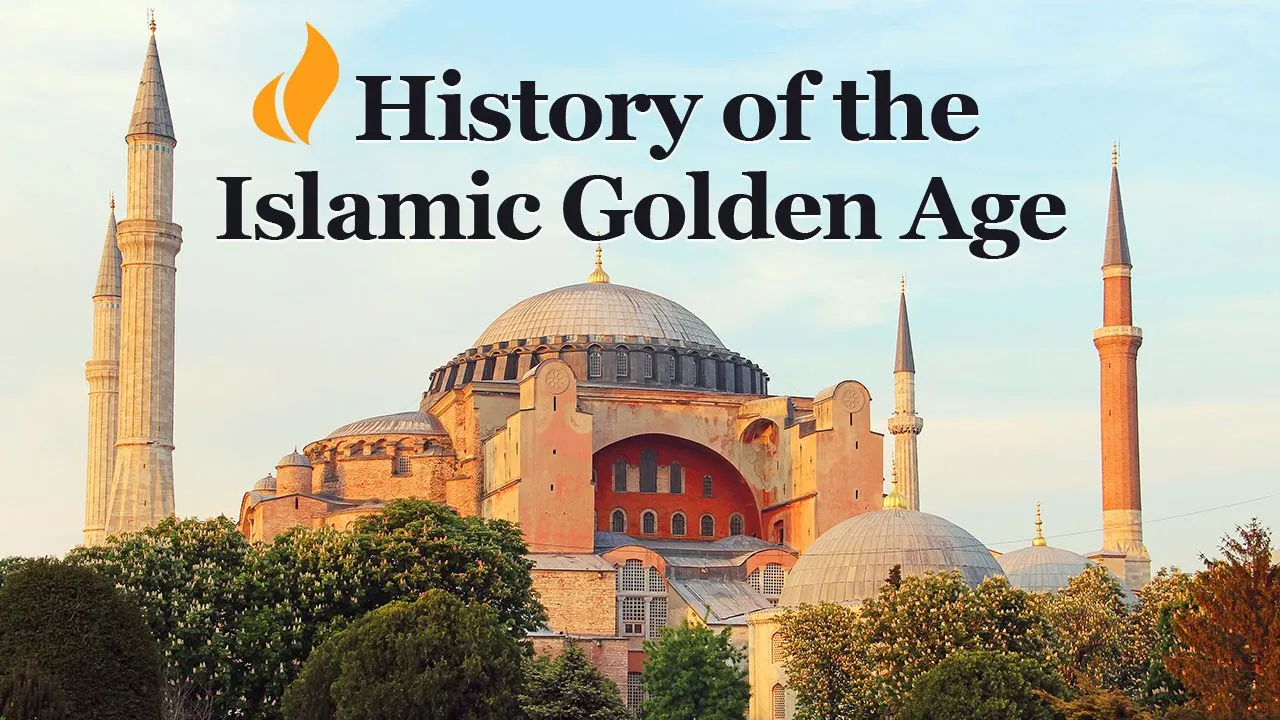
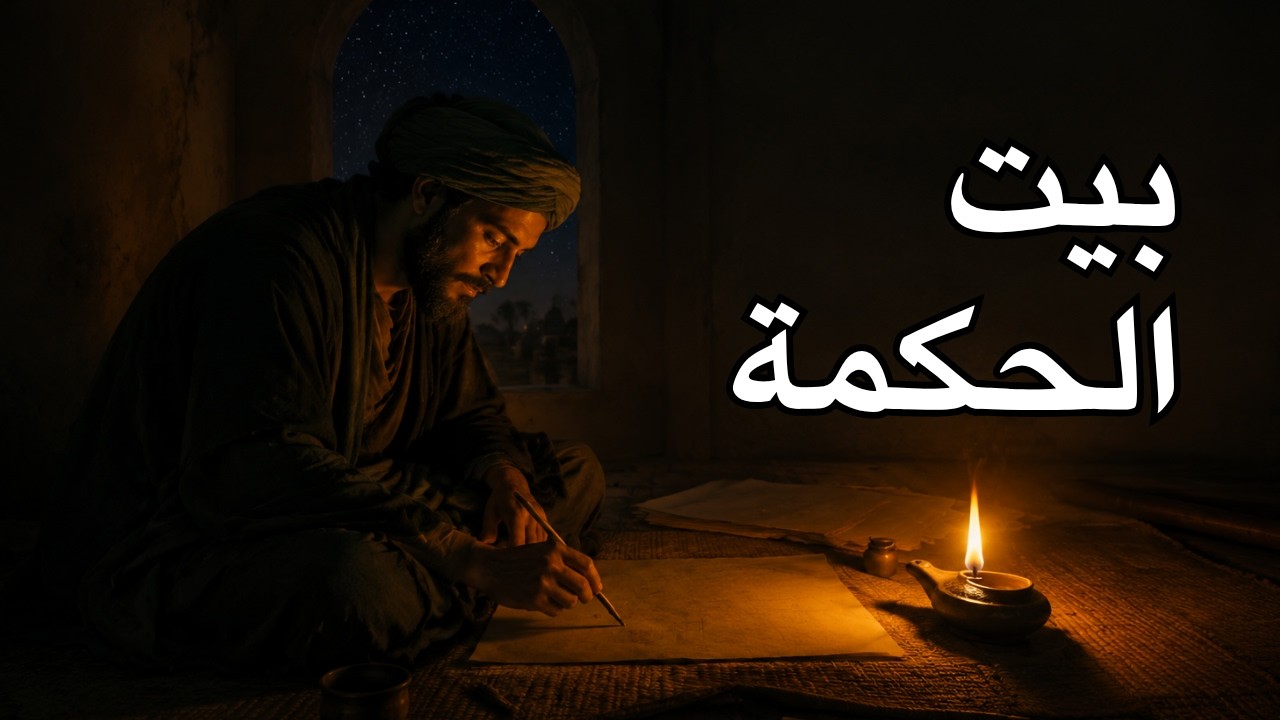
in the new game Assassin's Creed Mirage you will encounter the character H the translator this is in fact HB isak one of the most important and significant Scholars of that era and perhaps of all time playing a major role in the transmission and survival of Science and philosophy H IB isak was an Arab scholar translator and scientist originally from Ala close to the city of kufa he and his family were Christian specifically following what is known as nistoran Christianity but grew up and lived in the heartland of the Muslim Abbasid caliphate hunain became a greatly learned man among other things being able to speak and read not only Arabic but also Syriac and Greek which would become very useful later on eventually he found himself in Bagdad during the height of the Abbasid caliphate what is sometimes referred to as the so-call golden age of Islam the Abbasid cffs at that time were great sponsors and patrons of scientific and philosophical advancement the prophet Muhammad is thought to have encouraged his community the Muslims to quote seek knowledge even if you have to go to China and the early Muslim Community really took this message to Heart during the 9th century the abbasids established a so-called B hikma the House of Wisdom as a great library and Center for scholarly activity similar to other institutions like the ancient Library of Alexandria the House of Wisdom stored and gathered many books on all kinds of topics from around the world and in connection with this was started what is known as the translation movement where in order to further knowledge and wisdom old philosophical and scientific texts from Greece India and Persia were translated into Arabic and made them accessible to a new audience and Herb isak became perhaps the most significant and successful of all of these translators together with his son ISB H and other associates H painstakingly translated all kinds of text medical text by galin and hypocrates philosophical cheeses by Aristotle and Plato and many more he followed an earlier group of translators also connected to the House of Wisdom led by the Muslim Arab philosopher alindi but the translations of herine and his group were Superior in most ways setting a high standard going forward heran would often translate from Greek into Syriac and then they would translate from syak into Arabic and they used a methodology that was in general very very successful the translation movement and the work of Han among others became a decisive factor for continuing the transmission of scientific knowledge into the Islamic world and allowed future thinkers to build and carry on that Legacy there is no IB CA or IB rush abisa or aoiz without the works of these translators which of course has significant Ripple effects for the rest of the world too indeed it is through the works of the Muslim and Islamic HTE thinkers that much of this knowledge and wisdom survived until today not only remaining an important factor in the intellectual world of the Middle East but also eventually making its way into Europe and having massive effects on figures and movements there that would of course lead to Great advancement in scientific and philosophical thinking in other words if it wasn't for Han isak and that was associated with him in 9th century Bagdad the modern world with its scientific advancements probably wouldn't be what it is today and it really highlights the incredible intellectual environment that was Bagdad during the golden days of the abased caliphate where the seeking of wisdom and knowledge was highly valued not only for its own sake but also for the benefit of and in connection to religion and the fact that her name was a Christian is also a good indicator of this environment where the Quest for knowledge was a joint effort regardless of religious affiliation it's really heartening to see such an important yet sadly little alone character portrayed in a popular video game it shows a dedic ation to historical accuracy and representation that I have come to expect from this franchise and will hopefully lead more people to discover and learn about these amazing and important [Music] figures
Up Next

25:54
The History of Baghdad: Epicenter of the Medieval World
@CogitoEdu
916.6K views•2022-06-16

33:02
The Great Schism of 1054: Causes and Consequences
@SacredCathedrals
113.5K views•2026-02-19
91:57
The Geopolitics of the Ukraine War and the Rise of Global Autocracy
@JordanHarbingerShow
468K views•2025-04-19

17:05
Understanding the Cold War: Superpower Conflicts and the Road to Détente
@OverSimplified
46.1M views•2019-01-24
Related Study Plans & Knowledge Roadmaps
Structured learning paths in History
history
Byzantine Iconoclasm: Theology, Art & Politics
01Foundations of Byzantium and Early Christian Images
02The First Iconoclasm: Leo III and the Crisis of Images
03Empress Irene, Nicaea II, and the Second Iconoclasm
+ 2 more learning modules
9h5 modules
Explore Roadmap
history
Iranian Revolution (Causes, Events & Legacy)
01The Pahlavi Dynasty and the Roots of Discontent
02The Spark of Rebellion and the Rise of Khomeini
031979: The Fall of the Shah and the Climax of the Revolution
+ 2 more learning modules
8h5 modules
Explore Roadmap
history
Mali Empire: Mansa Musa, Trade & Timbuktu
01Foundations of the Mali Empire
02The Trans-Saharan Gold and Salt Trade
03The Reign and Pilgrimage of Mansa Musa
+ 1 more learning modules
6h4 modules
Explore Roadmap
history
1947 Partition: Politics, Borders & Legacies
01Foundations of British India and the Divide
02The Political Negotiations and the Mountbatten Plan
03Drawing the Boundary: The Radcliffe Line
+ 2 more learning modules
8h5 modules
Explore Roadmap