







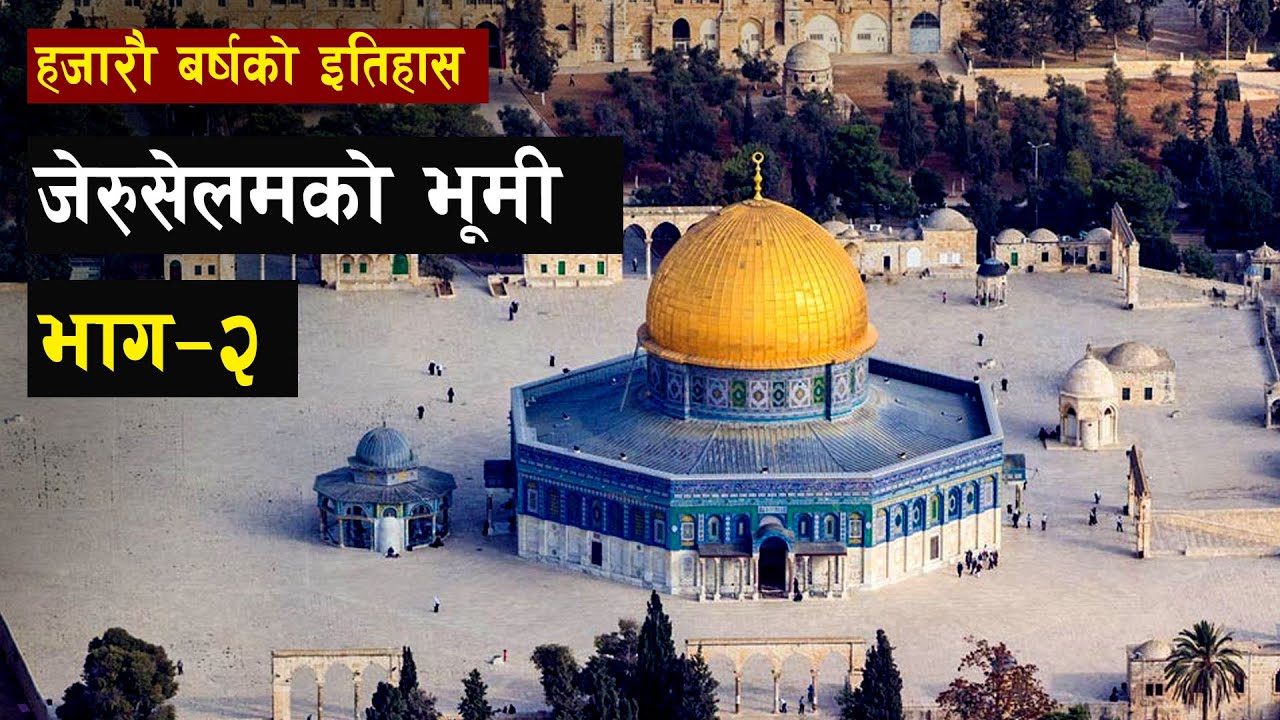
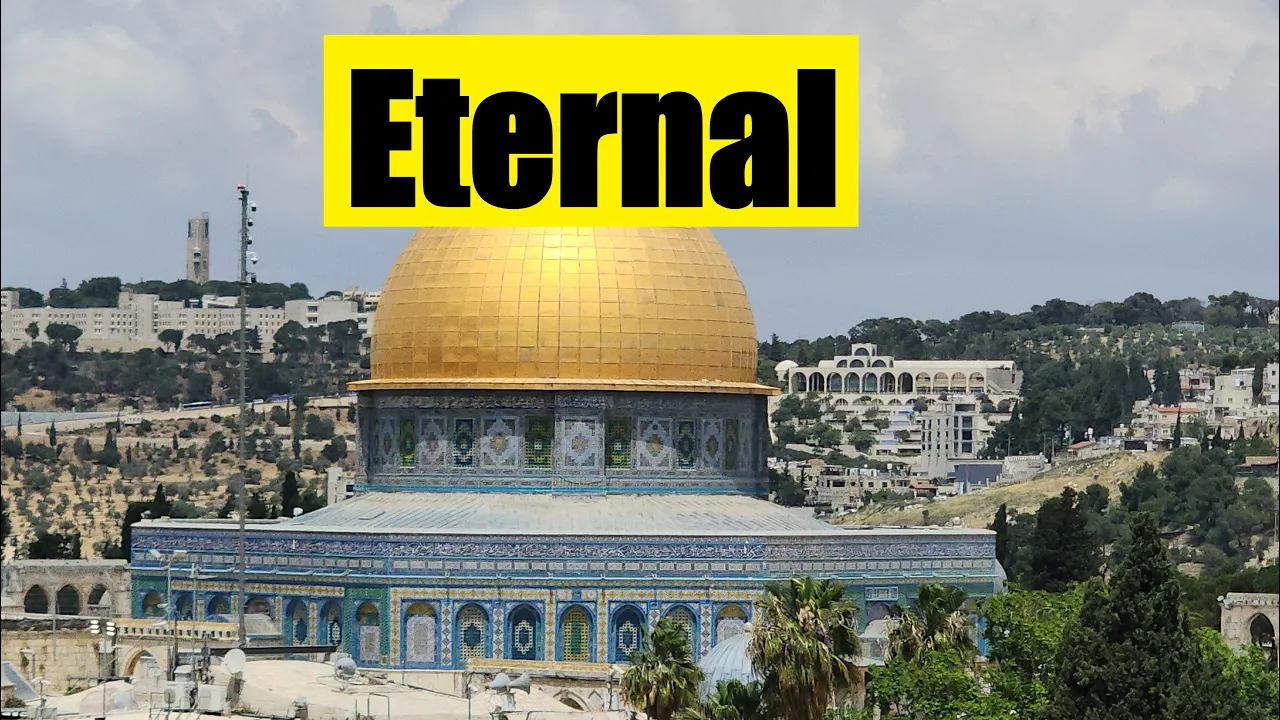








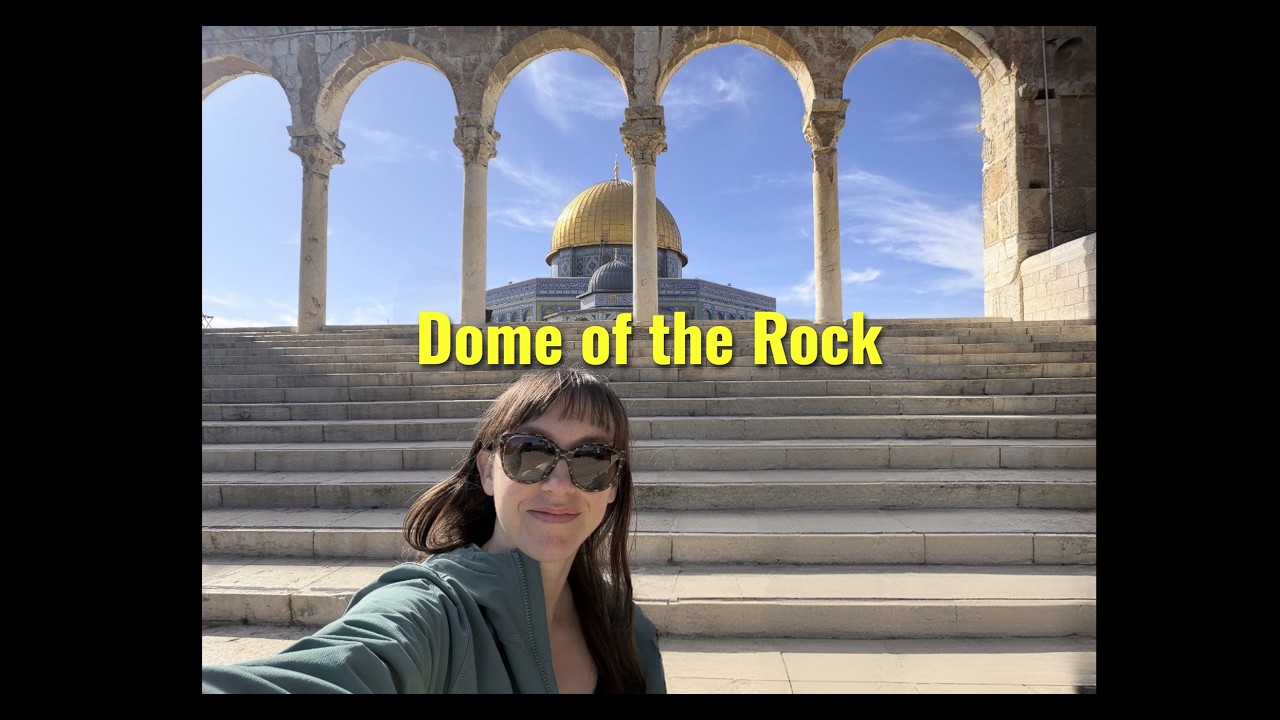

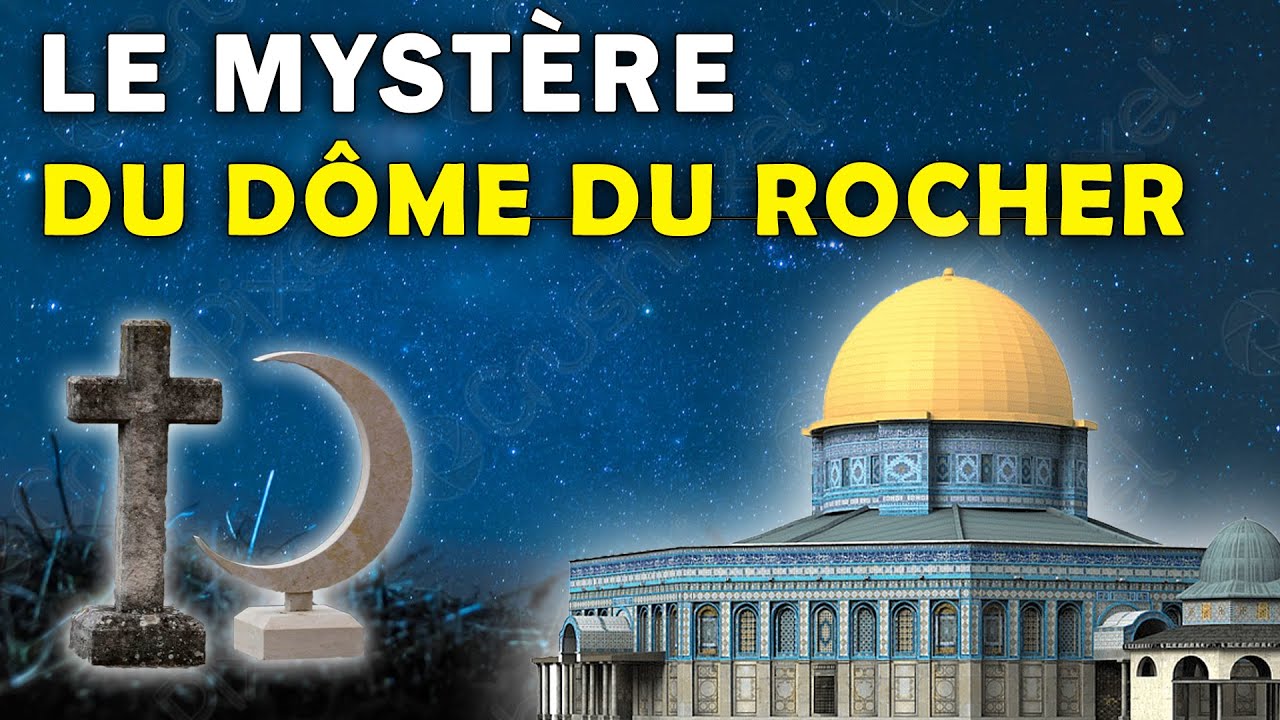


The Dome of the Rock, constructed under the Umayyad dynasty in 638 CE on Jerusalem's Temple Mount, represents early Islamic art's synthesis of Byzantine architectural traditions with Islamic religious symbolism; built by Syrian architects trained in Byzantine methods, it features an octagonal central plan with a dome, gold mosaic backgrounds depicting plant life and geometric forms (avoiding human figures), and Quranic inscriptions in Kufic script, illustrating how early Islamic artists borrowed from surrounding cultures while creating unique religious monuments that commemorate Prophet Muhammad's Night Journey and Ascension to heaven.
Dome of the Rock: Byzantine Influence in Early Islamic Art
Added:The historical context of the Umayyad Caliphate and the early expansion of Islam in the 7th century.
Key architectural features of the Byzantine Empire, particularly centrally-planned structures (like the Church of the Holy Sepulchre) and mosaic techniques.
The religious and historical significance of the Temple Mount (Haram al-Sharif) in Jerusalem to Judaism, Christianity, and Islam.
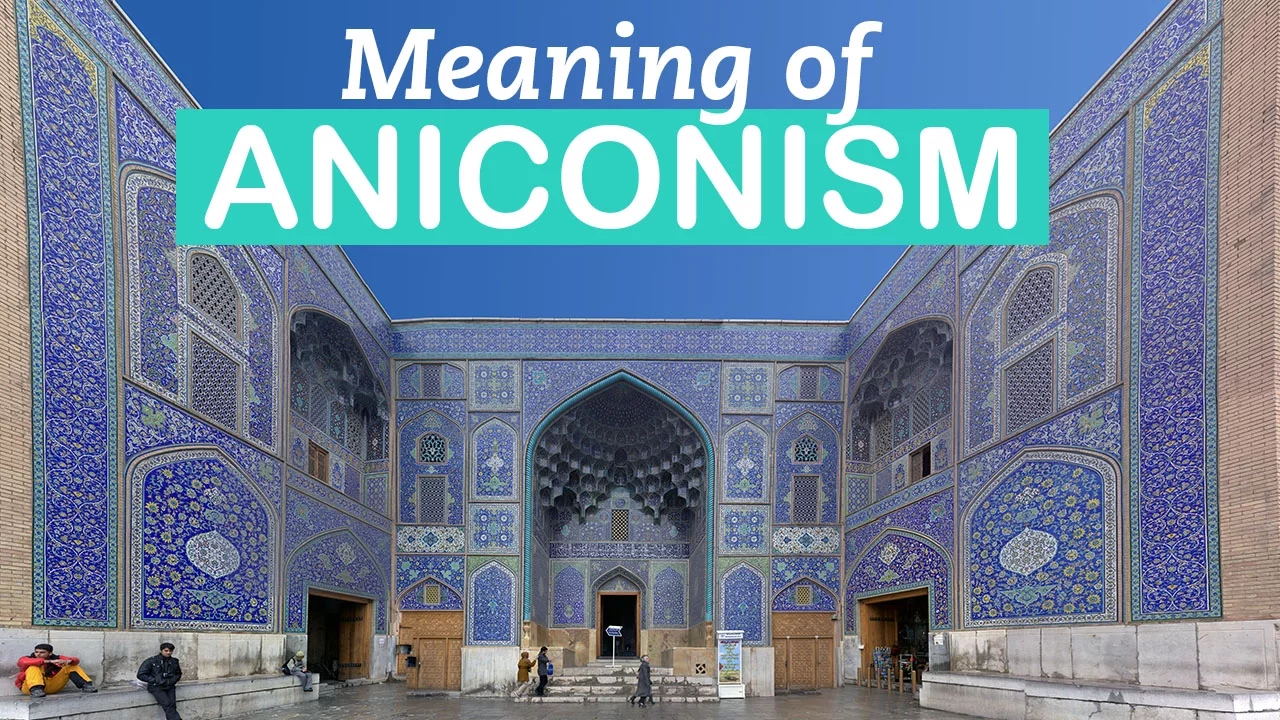
The concept of aniconism in Islamic art and the foundational shift away from representing human and animal figures in sacred spaces.
The architectural evolution from the Dome of the Rock to the Great Mosque of Damascus and subsequent Umayyad monuments.
The concept of 'spolia'—the repurposing of Roman and Byzantine building materials (like columns and capitals) in early Islamic construction.
An in-depth analysis of the epigraphic program (Quranic inscriptions) inside the Dome of the Rock and its theological messaging to contemporary Christian populations.
Comparative studies on how later Islamic empires, such as the Ottomans and Mughals, integrated regional artistic traditions into their monumental architecture.
3.6K views29likes5:57Original Release: 2017-10-28
so we start with early Islamic art and early in Islamic history these artists are going to blend various artistic influences to create something uniquely their own of course you have this basic problem which is Islam the religion the culture has developed and exploded with such speed that they can't really develop their own artistic traditions yet it's going to take time for that to happen so much like the Greeks interacting with the Egyptians and borrowing from the Egyptians the Islam especially early Islam will borrow from the culture surrounding them now the armies of Islam arrive in Jerusalem very early on in 638 the Muslim caliph is going to be assisted by the Jews in capturing the city from the Persians the Persians at the time are Zoroastrian they're not going to be Muslim the Islam would have seen them as pagan as someone who does not follow their faith and one of the earliest pieces that we see is actually the Dome of the rock and here we're seeing in aerial perspective because I want to point out a couple of things so when Islam moves into Jerusalem under the Umayyad dynasty they want to erect a Muslim shrine and this is the earliest Islamic monument or one of them to survive relatively intact now this is at the site of the Temple Mount or it's on the Temple Mount and what happens is this becomes very important because Mohammed in one of his visions God appears to him and says go to the furthest mosque that exists and he does and that mosque is in Jerusalem and when he gets there we have a miracle that happens where Mohammed actually ascends into heaven and speaks to some of the prophets as well as God himself before returning to earth and the sight of that is the Dome of the rock but also the sight of the Dome of the rock is the site of the Holy of Holies of King Solomon's Temple is believed to be on this site also this is believed to be where Abraham attempted to sacrifice his son Isaac and it may have some ties to Adam as well and what we have is the Dome of the rock in the center and this smaller building is actually called the Dome of the chain this is another element of that trip that Muhammad takes to Jerusalem and this is all on the Temple Mount which gives you some idea of why this is such a difficult structure to deal with today now the Temple Mount is historically where we see the Temple of Solomon I here we have the Western Wailing Wall and it's right beneath what is today the Dome of the rock then there's a massive mosque on one side and that mosque is the Mosque of Jerusalem it sits on the site of the mosque that Muhammad would have been going to visit at the time so this gives you an idea of the layout and where everything would have been when we look at the Dome of the rock itself it's built by Syrian architects but they're trained in the Byzantine tradition it looks very much like a Byzantine structure and it looks like a central plan Church its octagonal we have the dome in the center there borrowing from the Byzantine again they don't have time to develop their own tradition quite yet and all of that work that you see is all tile work some of which especially when we get inside can be tied to the mosaic tradition of the Byzantine Empire when we look inside the fact that it's a central plan really stands out by the way this is not a mosque this is a shrine so you would not go there to pray as such and what you're going to do is you have an ambulatory surrounding we actually have two of them an inner and outer ambulatory and in the center we see a barren rock and here we see inside the dome of the rock here's the rock itself that Mohammed ascended into heaven from surrounding it we have this gold background very Byzantine with these mosaics but you'll notice all of the mosaics are plant life or geometric forms or in some cases vases and other vessels but it's all an iconic there are no people being depicted the vines here not just decorative they actually speak to the idea of paradise in the Garden of Eden and then we also see up in the black above these quotations in Kufa k-- these are quotations from the Quran no different than a church today which would have quotations from various elements of Scripture you'll also notice they're using the arch the roman idea here that the Byzantines of course are very familiar with except that they're striping the arch this motif will be quite common in Islamic art and will actually come into the west and be used in some gothic Romanesque and gothic structures
Up Next
19:20
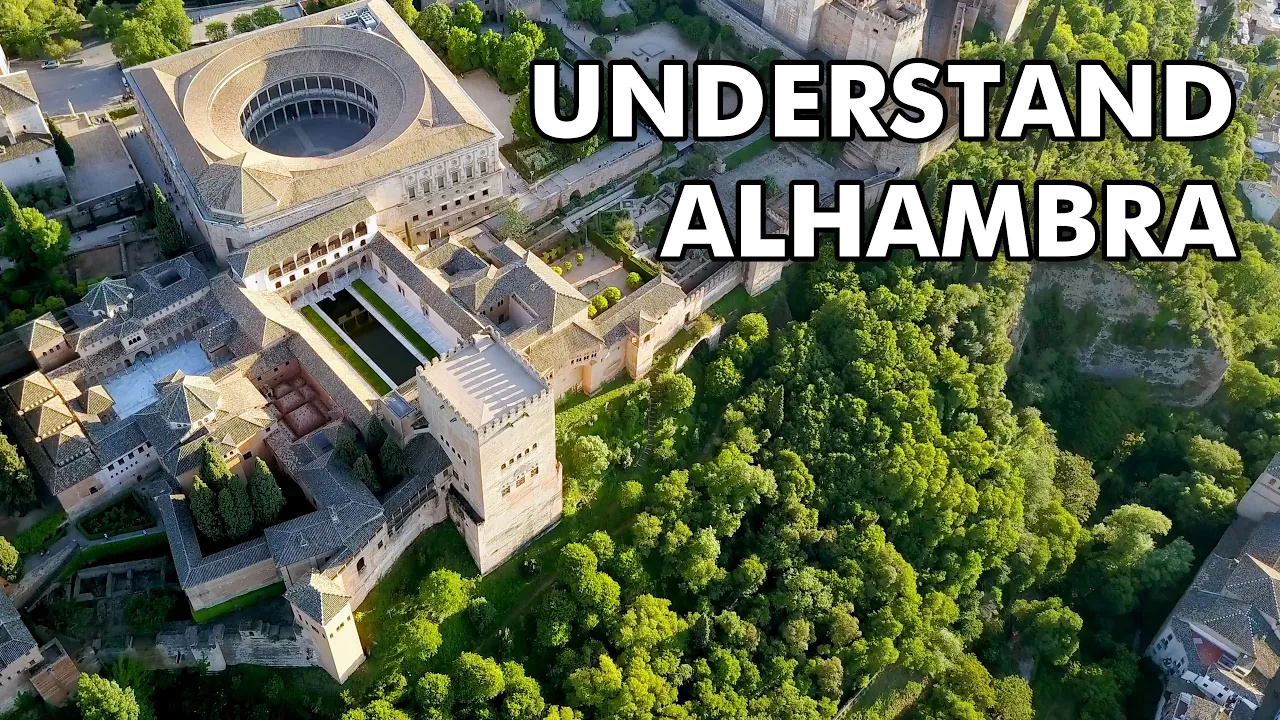
Alhambra Architecture: Nasrid Palace Design & Islamic Art in Granada, Spain | Medieval Citadel Explained
@ManuelBravo
1.4M views•2022-10-13

114:18
Christian Iconography: History, Theology, and Meaning | Fr. Panayiotis Papageorgiou
@Trisagionfilms
58.8K views•2020-02-21
7:48
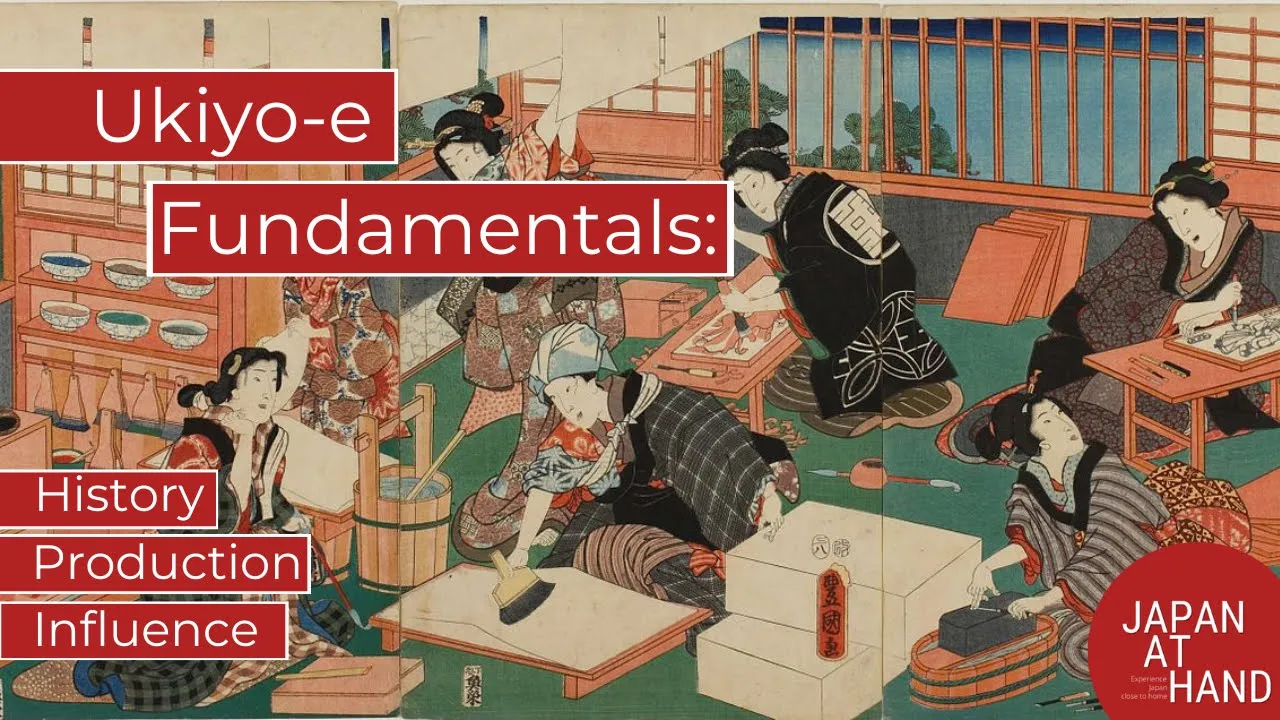
Ukiyo-e Art: History, Woodblock Printing & Influence
@japanathand
6.3K views•2023-06-08

16:34
Earliest Depictions of Jesus in Art: 10 Ancient Images Explained
@UsefulCharts
5.9M views•2022-06-03
Related Study Plans & Knowledge Roadmaps
Structured learning paths in Art History
art-history
Gothic Cathedrals: Engineering, Light & Society
01The Birth of the Gothic: Romanesque to Suger's Vision
02The Structural Triad: Pointed Arches, Ribbed Vaults, and Flying Buttresses
03Theology of Light: Lux Nova and Sacred Geometry
+ 2 more learning modules
14h5 modules
Explore Roadmap
art-history
Pre-Raphaelites: Realism, Symbolism & Critique
01The Victorian Art Establishment and Academic Formula
02The Founding of the PRB and Radical Realism
03Medieval Revivalism and Literary Symbolism
+ 1 more learning modules
8h4 modules
Explore Roadmap
art-history
Street Art: From Subways to Art Market
01Subcultural Origins in Philadelphia and New York (1970s)
02The Subway Era and Style Wars (Late 1970s - 1980s)
03The East Village Scene and Early Gallery Crossover
+ 2 more learning modules
10h5 modules
Explore Roadmap
art-history
Classic Maya Art: Iconography, Glyphs & Ritual
01Foundations of Classic Maya Visual Culture
02Deciphering Maya Hieroglyphs & Text-Image Integration
03Sacred Geography and Cosmological Architecture
+ 2 more learning modules
14h5 modules
Explore Roadmap