A hostile work environment is a legal term requiring proof of four elements: (1) the environment was offensive to you personally and would be offensive to any reasonable person, (2) the conduct was severe or persistent, (3) the mistreatment was based on a protected characteristic (such as gender or race) or protected activity (such as filing a harassment complaint), and (4) the employer is responsible for the environment, with managers typically being directly liable while co-worker conduct requires written complaints to establish employer liability.
Understanding Hostile Work Environments in the Workplace
Added:Deep Dive
Familiarity with the fundamental concepts of employment law, specifically Title VII of the Civil Rights Act of 1964.

Understanding Title VII of the Civil Rights Act of 1964
55.6K
Title VII of the Civil Rights Act of 1964 prohibits employment discrimination based on race, color, religion, sex, or national origin, covering nearly all employers with 15+ employees; discrimination claims fall into four categories: disparate treatment (intentional discrimination requiring plaintiffs to prove membership in a protected class, qualification, rejection, and employer's alternate decision), disparate impact (unintentional discrimination through neutral policies violating the 4/5ths rule), harassment based on protected characteristics, and retaliation against those who file discrimination complaints; the Equal Employment Opportunity Commission (EEOC) enforces these protections alongside other anti-discrimination laws.
Click to watch →
Sex Discrimination: Crash Course Government and Politics #30
552.3K
Title VII of the Civil Rights Act of 1964 is the key federal law prohibiting employment discrimination. It makes it unlawful for employers to fail or refuse to hire, discharge, or discriminate against any individual with respect to compensation, terms, conditions, or privileges of employment because of race, color, religion, sex, or national origin. Additionally, it prohibits employers from limiting, segregating, or classifying employees in ways that would deprive individuals of employment opportunities or adversely affect their status as employees based on these protected characteristics.
Click to watch →
EEO (Equal Employment Opportunity) Basics with Brian Farrington
17K
Employment discrimination is adverse employment actions taken because of membership in protected groups (race, color, religion, sex, national origin). Title VII of the Civil Rights Act of 1964 established these protections after the longest Senate filibuster in history. Originally excluding sex discrimination, opponents added 'because of sex' as a poison pill, inadvertently strengthening protections. The Pregnancy Discrimination Act later expanded Title VII to include pregnancy, childbirth, and related medical conditions. Bona Fide Occupational Qualifications allow consideration of certain characteristics only when genuinely required for the job, applied very narrowly by courts. Sexual harassment encompasses quid pro quo (exchange of job favors for sexual conduct) creating strict employer liability, and hostile environment (unwelcome conduct creating intimidation) requiring conduct based on protected group membership that is either serious or pervasive. Oncale v. Sundowner Offshore Services (1998) established that harassment based on non-conformity to traditional masculinity stereotypes constitutes sex discrimination. In Bostock v. Clayton County (2020), the Supreme Court unanimously ruled that Title VII protects LGBT employees because discrimination based on sexual orientation or gender identity necessarily involves discrimination based on sex. Texas imposes personal liability on supervisors who commit sexual harassment, unlike federal law which only allows suing the company.
Click to watch →

Amazing Lucas DESTROYS Jeffree Star After Defending Charlie Kirk | Piers Morgan & Panel SHOCKED
105.7K
The video explains that Title VII of the Civil Rights Act of 1964 prohibits employment discrimination based on race, color, religion, sex, or national origin. The New York teacher licensing test case was found to violate Title VII because the test was not adequately job-related and had a discriminatory effect on minority test takers. This illustrates how employment discrimination laws can be applied to educational testing policies.
Click to watch →

LEAKED: CEO of IBM Coerces Employees, Threatens to Cut Bonuses Unless They Discriminate in Hiring
97.4K
Title VII of the Civil Rights Act of 1964 prohibits employment discrimination based on race, color, religion, sex, or national origin. The Act makes it unlawful for employers to fail or refuse to hire or discharge any individual, or to discriminate with respect to compensation, terms, conditions, or privileges of employment because of these protected characteristics. This federal law establishes the legal framework for workplace discrimination claims and provides employees with legal recourse when they believe they have been discriminated against in employment decisions.
Click to watch →
Deep Dive
Understanding the basic definition of workplace discrimination and the legal definition of 'protected classes' (e.g., race, gender, religion, age, disability).

Protected Classes Under Title VII in HR: A Guide
3.3K
Protected classes under Title VII of the Civil Rights Act of 1964 are groups of individuals who have historically faced discrimination and are therefore protected from employment discrimination; these protected classes include race, color, religion, national origin, sex (including gender identity), age (over 40), disability status, veteran status, genetic information, and citizenship, and employers must ensure equal opportunity for all members of these groups.
Click to watch →
Workplace Discrimination Law
68.6K
Workplace discrimination occurs when employers make adverse employment decisions (such as firing, demoting, or refusing to hire) based on protected characteristics including race, religion, sex, age, disability, and other categories; victims must file a complaint with the appropriate agency (EEOC for federal claims or DFEH for California claims) within specific time limits to obtain a right-to-sue letter before pursuing legal action, and successful discrimination cases can recover damages including lost wages, pain and suffering, punitive damages, and attorney fees.
Click to watch →
HR Basics: Protected Classes
15.6K
A protected class is a group of people with a common characteristic legally protected from employment discrimination. Federal protected classes include race, color, religion, national origin, sex, age, disability, veteran status, genetic information, and citizenship. Title VII of the Civil Rights Act of 1964 prohibits discrimination in any employment aspect from hiring to firing. Race discrimination involves unfavorable treatment based on race or associated characteristics. Color discrimination targets skin color or complexion. Religious discrimination protects beliefs and moral convictions. National origin discrimination covers country of origin, ethnicity, or perceived background. Sex discrimination involves unfavorable treatment based on gender.
Click to watch →
HR Basics: Protected Classes 2e
13.5K
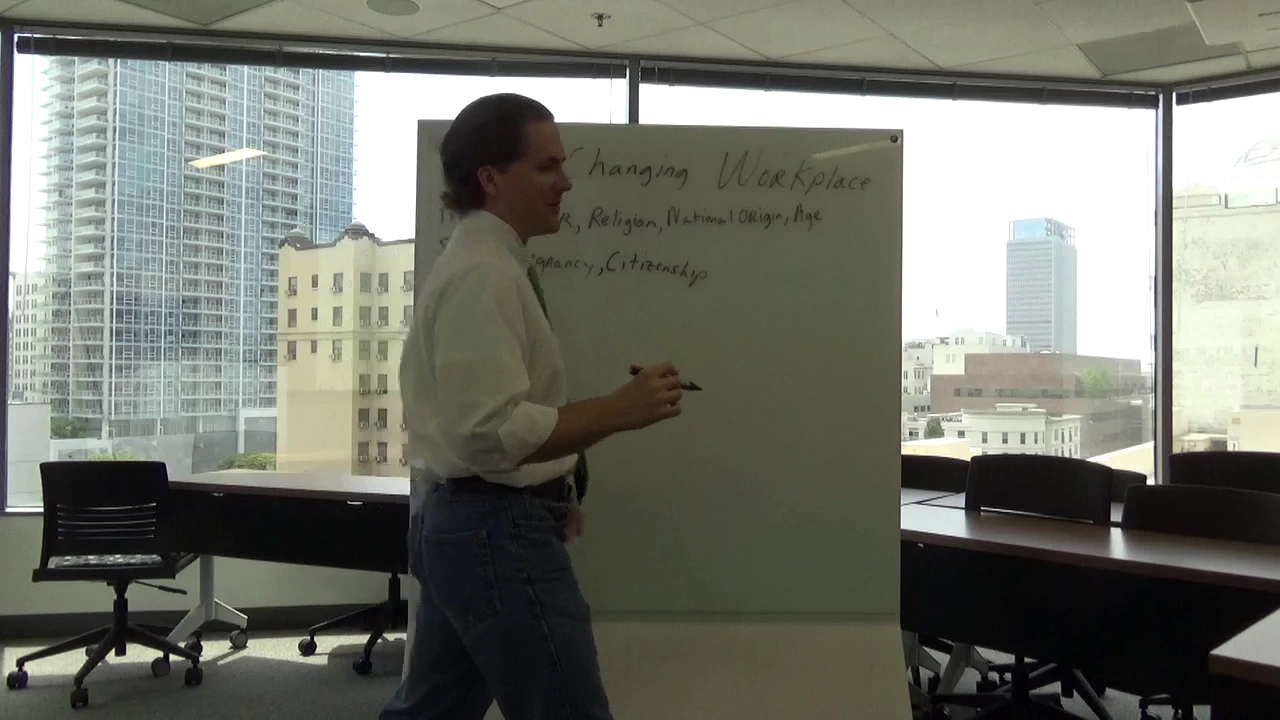
A protected class is a group of people with a common characteristic who are legally protected from employment discrimination based on that characteristic; federal protected classes include race, color, religion, national origin, sex, age (40+), disability, veteran status, genetic information, and citizenship, with discrimination falling into four categories: disparate treatment, disparate impact, harassment, and retaliation, enforced by the U.S. Equal Employment Opportunity Commission.
Click to watch →
Protected Classes
714
Protected classes are characteristics that employers cannot legally discriminate against in employment decisions. These include race, color, religion, national origin, age, sex/gender, pregnancy, citizenship, family status, sexual orientation, disability, veteran status, and genetic information. Age discrimination remains prevalent despite legal protections, with misconceptions about older workers' ability to adapt to technology. Pregnancy discrimination includes not only refusing to hire pregnant individuals but also asking inappropriate questions about future pregnancies. Interview questions about birthplace, age, religion, or family status are illegal. These protections apply to all employment aspects including hiring, firing, promotions, and workplace treatment.
Click to watch →
Deep Dive
Distinguishing between general interpersonal workplace conflict (such as a rude colleague) and legally actionable harassment.

SEMANA DE COMBATE AO ASSÉDIO E À DISCRIMINAÇÃO
3.2K
Not all workplace conflicts constitute harassment. Ordinary conflicts of coexistence, which occur in any social setting including families and friendships, are normal and should be resolved through dialogue and reflection. Harassment, however, is a serious and grave conduct that requires formal processing and potential sanctions. The key distinction lies in the severity, repetition, and impact on the victim's emotional well-being. Conflicts that become harassment must be addressed through institutional channels rather than informal resolution.
Click to watch →
Is Your Manager Bullying You… or Breaking the Law? Lawyers Discuss the Legality of Harassment
112
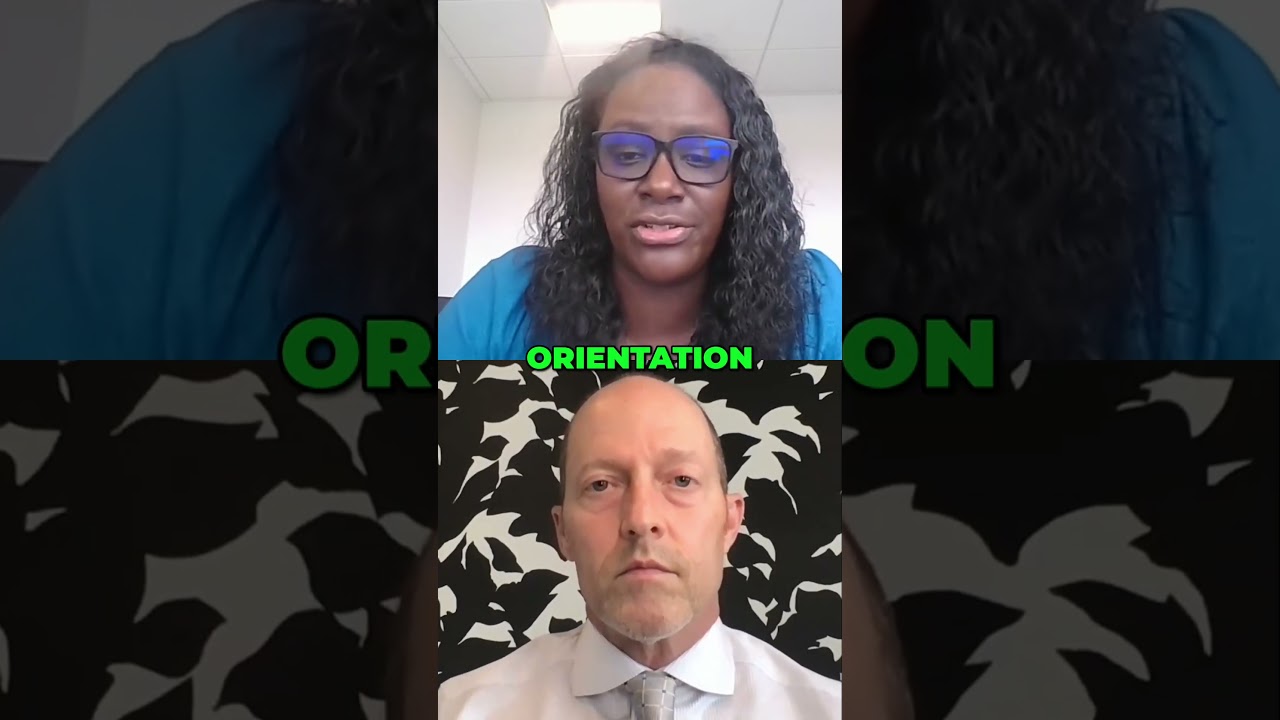
Workplace harassment is legally distinct from general bad management behavior. A manager who is difficult or unpleasant to everyone does not necessarily constitute harassment. For harassment to be legally actionable, the mistreatment must be based on a protected characteristic such as race, gender, sexual orientation, or pregnancy. The key legal test is whether the employee is being treated differently because of their membership in a protected class, not merely because the manager is being a poor manager.
Click to watch →
Sumarios y destitución: jurisprudencia actual y Ley Karin
2.4K
Not all workplace conflicts constitute harassment: (1) criticism, job reassignments, or performance evaluations are not harassment, (2) harassment requires a deviation of power where the accused is being passed the buck or charged for something they did not do, (3) the perception of the victim matters, as the same conduct can be interpreted differently by different people, (4) mutuals or health institutions may declare no harassment exists, but this is not conclusive evidence, (5) the fiscal must evaluate the totality of circumstances to determine if harassment occurred.
Click to watch →

Acciones Eficientes Frente Al Acoso Laboral
475
There is significant confusion between normal workplace conflict arising from work pressure and actual harassment. Workplace conflict involves opposition of interests that generates disagreements, complaints, or relational crises requiring solutions to prevent relationship breakdown. In contrast, harassment represents an extreme form of conflict where the aggressor attacks through a group, dominating and alienating others without intent to resolve the dispute fairly. The aggressor destroys not only the victim's life but also the self-esteem, reputation, and health of all participants. In distorted conflict situations, the stronger party with hierarchical superiority attempts to alienate a group to submit them to abuse of power, destroying the autonomy and self-determination of all involved.
Click to watch →
¿QUÉ ES EL ACOSO LABORAL? 👊 CÓMO COMBATIRLO 👊
103
Workplace conflict is normal and occurs when people work in teams, such as disputes over contracts, salaries, or delayed payments, technical conflicts between departments due to poor workflow or tool failures, or organizational conflicts from unclear hierarchies or excessive overtime. These conflicts are stressful but can be debated and resolved through action. Workplace harassment (mobbing), however, is not simple workload overload or deadline stress. It is a set of hostile, frequent, and systematic behaviors in the workplace whose central element is the intention to destroy the person. It is not merely a workplace issue but a direct personal attack on identity and psyche. If it is not a conflict, it is a crime. Dignity is a fundamental right protected by the Constitution, and the crime of moral harassment is typified in the Penal Code.
Click to watch →
Deep Dive
An awareness of typical organizational hierarchies and the standard function of Human Resources (HR) departments in dispute resolution.

Sydney Open 2024: Round 5 - Room 1140
730
HR departments often have to process serious stuff before disputes escalate, and at the point of escalation between HR and the individual, the dispute occurs. Under the status quo, people are less willing to go to HR because they see it as someone they work closely with, never responding to people. People have far less faith in HR's ability to make fair rulings. The national body ameliorates this by providing an external, impartial alternative that people feel more comfortable approaching.
Click to watch →
What does a hospital HR Department do?
9.7K
HR mentors new leaders on appropriate handling of difficult situations and leadership styles. Clear chain of command structures define hierarchical relationships from employees through supervisors, directors, senior leaders, and to the CEO and board. Organizational charts should be posted in accessible locations like break rooms. Formal dispute resolution procedures outline escalation paths from supervisors to directors to senior leadership, with direct HR access as an alternative option. HR maintains dual roles supporting employee concerns while developing organizational leadership capabilities. This comprehensive approach ensures effective communication and conflict resolution throughout the organization.
Click to watch →

Lecture 2 : Organization of HR Department and HR Policies
7.4K
The typical HR department hierarchy includes: Director of Human Resources at the top, followed by Deputy Director of HR and Staff Development. Both have assistants. The Deputy Director oversees four key areas: HR Executive, Staff Development, HR Manager, Recruitment, Employee Relations, Contracts, and Payroll. This structure reflects the diverse nature, size, management philosophy, and external environment of different organizations.
Click to watch →

المرجع الشامل في ادارة الموارد البشرية HRM
4.5K
Organizational structure serves as the foundation for organizing work, defining hierarchical groups, departments, and units with authority relationships. HRM plays a crucial role in designing structures based on organizational size and nature of work. HR departments are organized into specialized units: Recruitment and Selection (job postings, applications, interviews, candidate evaluation); Training and Development (identifying needs, conducting programs, evaluating effectiveness); Compensation and Benefits (salary structures, incentives, performance criteria); Performance Evaluation (periodic assessments); Employee Relations (conflict resolution, union negotiations); and HR Information Systems (data management, performance reporting). These units' existence depends on organizational size and work nature.
Click to watch →
Taking the Grief out of Grievance - webinar
665
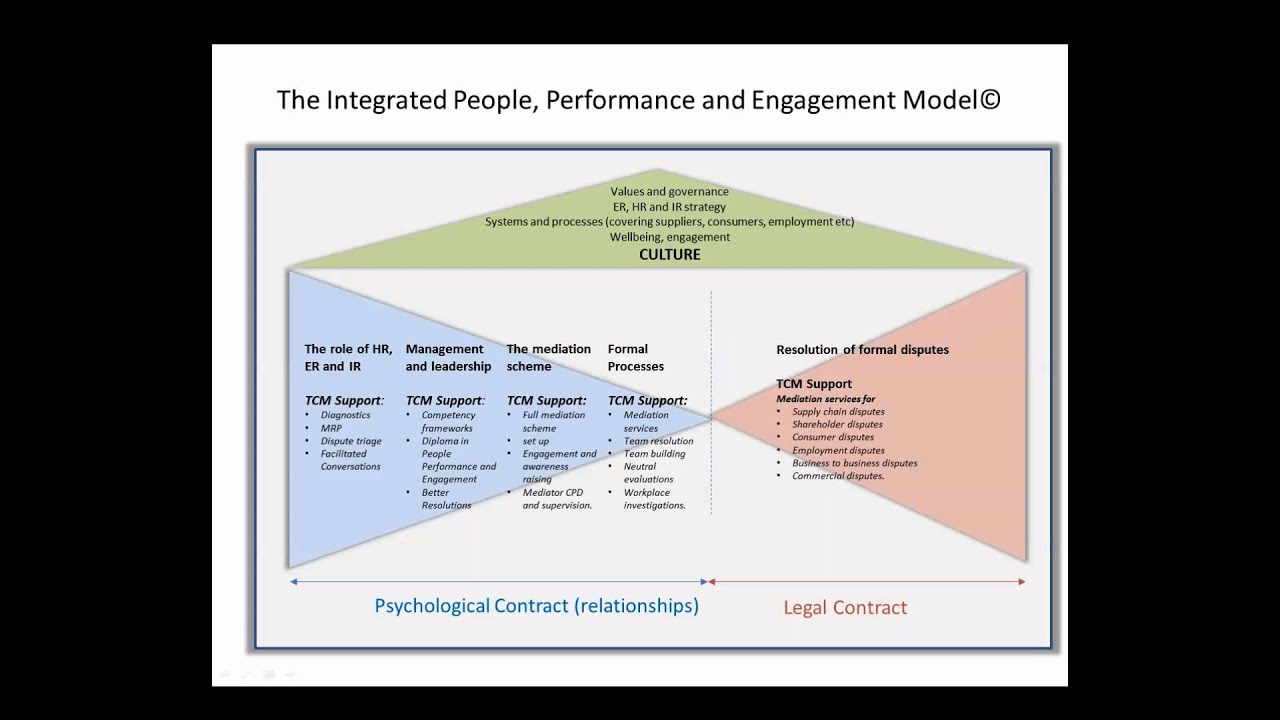
HR professionals should move away from being the 'police force' of the organization and become arbiters of a more common sense approach. HR should develop diagnostic and triaging tools, understand the nature of conflict and its impact, and help triage disputes. Lloyd's Banking Group saved £450,000 within 10 weeks of introducing a resolution policy by triaging more effectively.
Click to watch →
Prerequisite Knowledge
- Concept 01Familiarity with the fundamental concepts of employment law, specifically Title VII of the Civil Rights Act of 1964.
- Concept 02Understanding the basic definition of workplace discrimination and the legal definition of 'protected classes' (e.g., race, gender, religion, age, disability).
- Concept 03Distinguishing between general interpersonal workplace conflict (such as a rude colleague) and legally actionable harassment.
- Concept 04An awareness of typical organizational hierarchies and the standard function of Human Resources (HR) departments in dispute resolution.
Subsequent Learning
- Step 01Analyzing landmark legal case studies (such as Meritor Savings Bank v. Vinson) to understand how courts interpret 'severe or pervasive' conduct.
- Step 02Studying employer liability doctrines, including the Faragher-Ellerth affirmative defense and an organization's duty of care.
- Step 03Developing strategies for designing, implementing, and evaluating effective workplace anti-harassment training and compliance programs.
- Step 04Exploring the broader organizational psychology of toxic work cultures, focusing on the systemic prevention of bullying, retaliation, and psychological unsafety.
Legal Definition
Severity Required
Protected Basis
Employer Liability
Written Complaint
Legal Definition
0:00Playing Section
- 1
Hostile work environment is a legal term requiring specific proof.
- 2
Must show the environment was offensive to you and a reasonable person.
The Compliance Paradox and Chilling Effect in Workplace Communication
While understanding and preventing hostile work environments is crucial for employee safety, critics and organizational theorists point to the 'compliance paradox' or the 'chilling effect' of over-regulating workplace interactions. This perspective argues that an excessive focus on rigid, legalistic definitions of harassment can foster a hyper-vigilant, risk-averse culture. In such environments, managers may avoid giving honest, constructive feedback for fear of complaints, and employees may stifle open dialogue and creative friction out of fear of misinterpretation. Additionally, critics note that formalized human resources policies can sometimes be weaponized to resolve personal grievances or political maneuvering rather than addressing genuine, systemic harassment. This viewpoint suggests that relying solely on legal compliance is insufficient and can backfire; instead, organizations should balance legal frameworks with efforts to build high-trust, resilient cultures that encourage open, constructive communication.
Deep Dive
Analyzing landmark legal case studies (such as Meritor Savings Bank v. Vinson) to understand how courts interpret 'severe or pervasive' conduct.

Meritor Savings Bank v. Vinson (1986) PHR SPHR Human Resources License Exam PHRPass.com
2.4K
Meritor Savings Bank v. Vinson (1986) established that a hostile work environment constitutes unlawful discrimination under Title VII of the Civil Rights Act of 1964, not limited to tangible economic discrimination; the court determined that such an environment is unlawful when it is severe or pervasive, creates a hostile or abusive working environment, is unwelcome, and is based on the plaintiff's gender.
Click to watch →

III. Le molestie sul lavoro - 07/09/2018
240
Several landmark Supreme Court cases have shaped harassment law: Harris v. Forklift Systems (1993) established that harassment must be severe or pervasive enough to alter working conditions; Meritor Savings Bank v. Vinson (1986) recognized both quid pro quo and hostile environment harassment as forms of sex discrimination; Oncale v. Sundowner Offshore Services (1998) established that harassment can occur between members of the same sex. Victims can pursue remedies through federal or state channels, typically requiring pre-litigation administrative filing. Federal remedies require employers with 15+ employees, while states like California provide protection regardless of employer size. Remedies include compensatory damages, punitive damages, and equitable relief such as reinstatement and back pay.
Click to watch →
What Was The 1980s Like For Women?
212.8K
Before 'sexual harassment' was coined in 1975, courts viewed offenders as individuals rather than recognizing systemic power imbalances. A 1981 study of 2,000 executives found most men didn't recognize presented scenarios as harassment. In 1986, the Supreme Court ruled in Meritor Savings Bank v. Vinson that sexual harassment creates hostile work environments constituting sexual discrimination, giving women legal ammo. By decade's end, over three-quarters of Fortune 500 companies instituted formal anti-sexual harassment policies. Meanwhile, Operation Rescue engaged in violent blockades of abortion providers, bombing 77 clinics between 1977-1989, with perpetrators often having white supremacist ties. The FDA banned the abortion pill RU-486 in 1989, and only one corporation remained funding contraception research.
Click to watch →
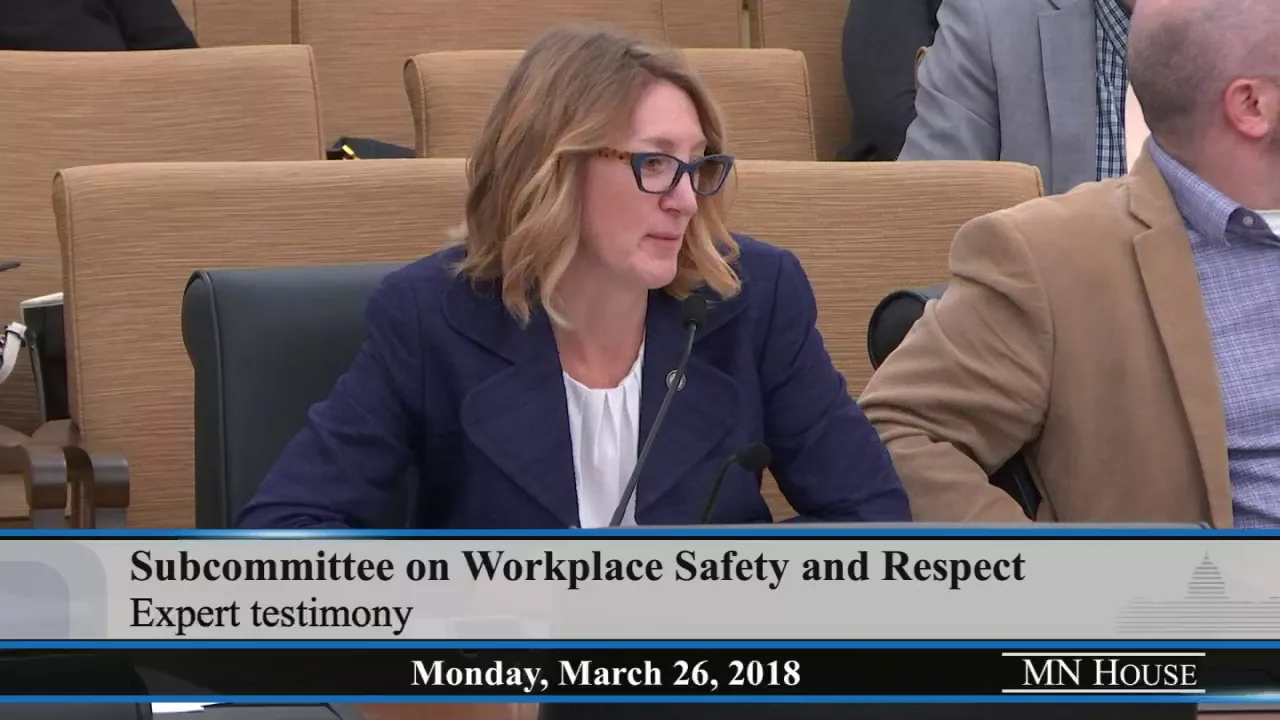
House Subcommittee on Workplace Safety and Respect 3/26/18
274
Courts have set an unreasonably high standard for 'severe or pervasive' conduct. Conduct that most people would consider offensive and egregious may not meet the legal standard. Organizations should set higher standards in their policies to address behavior before it becomes actionable.
Click to watch →
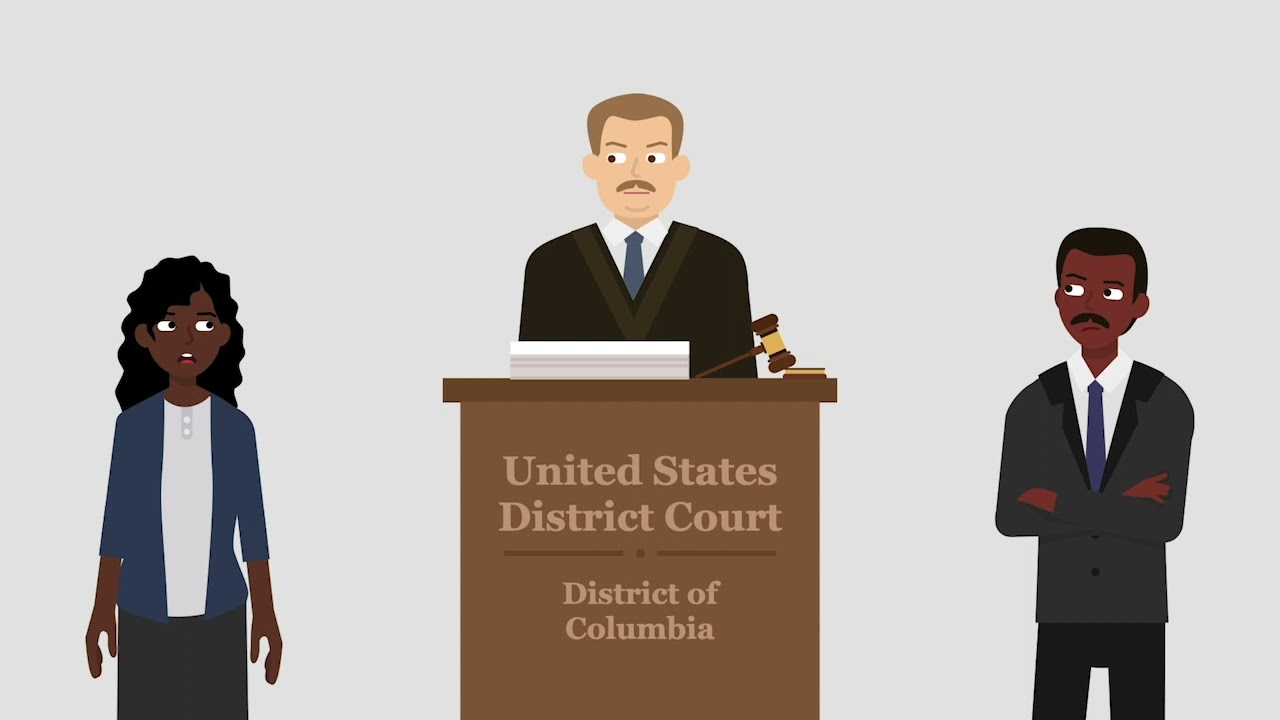
Meritor Savings Bank v .Vinson Case Brief Summary | Law Case Explained
3.4K
In Meritor Savings Bank v. Vinson (1986), the U.S. Supreme Court established that Title VII of the Civil Rights Act of 1964 prohibits sexual harassment creating a hostile or offensive work environment, regardless of whether the victim suffers economic injury; the Court held that employers are vicariously liable for supervisors' harassment when it creates an abusive work environment, and that such claims do not require proof of economic harm like pay disparity.
Click to watch →
Deep Dive
Studying employer liability doctrines, including the Faragher-Ellerth affirmative defense and an organization's duty of care.

Entrevista com Augustus Bonner III
224
The Faragher/Ellerth case established a complicated rule for employer liability in sexual harassment cases. If sexual harassment resulted in a tangible employment action (significant concrete change like discharge, demotion, or salary cut), the employer is strictly liable. If no tangible employment action was taken, the employer is still objectively responsible unless they can prove two affirmative defenses: (1) they took reasonable care to prevent and correct harassment, and (2) the victim failed to take advantage of preventive measures offered.
Click to watch →

Vance v. Ball State University: Oral Argument - November 26, 2012
644
The Ellerth/Faragher affirmative defense framework creates different burdens depending on whether harassment comes from supervisors or coworkers. Supervisors with tangible employment authority face different scrutiny than those with limited control. The framework allocates burdens between employees and employers, with employees needing to prove harassment while employers can raise defenses. The debate centers on whether informal supervisors should face the same affirmative defense requirements as formal supervisors, affecting employer liability and victim remedies.
Click to watch →

Can Trump Serve a Third Term & Wrongful Death Trial of Pitcher Tyler Skaggs | Bloomberg Law
334
Employers have a legal duty to protect employees from foreseeable harm. In the Skaggs case, the central question is whether the team should have foreseen that allowing a communications director access to players could lead to drug-related harm. The legal duty is a matter of law that judges instruct juries on. The key inquiry is whether the harm was foreseeable and whether the defendant breached that duty. Organizations can be held liable for employee misconduct if they knew or should have known about the misconduct.
Click to watch →

Lecture 6 for Module 1 (The Nature of the Employment Relationship) (LGLA 1323) (8.23.2020)
166
In sexual harassment cases, vicarious liability is automatic for tangible employment actions (dismissal, demotion, reassignment) but not for intangible harms. The therapeutic affirmative defense allows employers to escape liability for non-tangible harassment by proving reasonable care through training and reporting mechanisms, and that victims unreasonably failed to utilize those procedures. The causation doctrine holds that employer decisions can be discriminatory even when immediate decision-makers had no discriminatory motive, if they relied on information from someone with discriminatory motives. The integrated enterprise concept recognizes that legally separate entities may function as single units in practice, with courts looking beyond formal organizational charts to how employees actually work together daily.
Click to watch →

Sexual Harassment Employer Liability Lecture | LGLA 1323
244
Employers can be vicariously liable for sexual harassment by supervisors under the Faragher/Ellerth doctrine, but may assert an affirmative defense by proving they had an effective prevention policy (including training and complaint procedures) and that the plaintiff unreasonably failed to use it; this defense is only available in hostile work environment claims, not quid pro quo situations where tangible employment actions occurred.
Click to watch →
Deep Dive
Developing strategies for designing, implementing, and evaluating effective workplace anti-harassment training and compliance programs.

Assédio & Conivência
1.6K
Organizations must implement ten strategic steps to combat harassment: (1) Redefine mission, vision, and values to include anti-harassment principles; (2) Create a comprehensive code of ethics with clear language prohibiting harassment; (3) Disseminate policies solemnly before problems arise; (4) Conduct continuous mandatory training for all employees; (5) Use regular climate surveys to identify problematic leaders and groups; (6) Establish a serious ombudsman office that handles complaints fairly; (7) Implement exemplary punishment including immediate dismissal for harassers; (8) Use diverse training formats (digital, in-person, video, written); (9) Ensure leadership participation in training; (10) Align with organizational goals like UN Sustainable Development Goal 8 on decent work.
Click to watch →

LIVE | ASSÉDIO: Treinar para engajar ou apenas para cumprir tabela?
290
Organizations must implement workplace harassment prevention through four distinct levels: (1) Existência - having documented policies, channels, and risk identification in the PGR (Risk Management Plan); (2) Estruturação - establishing planning, responsible parties, methodologies, timelines, and coherence; (3) Implementação - executing training programs with proper documentation and traceability; (4) Efetividade - demonstrating that implemented measures actually function effectively rather than merely existing formally. This framework helps organizations move beyond mere documentation to genuine risk mitigation.
Click to watch →

Webinar: Harassment in the Workplace, Risk Avoidance & Transfer
163
Effective programs require: (1) written policies regularly reissued annually, (2) training for supervisors and employees, (3) strong complaint procedures with multiple avenues, and (4) designated investigators. Generic policies are insufficient. Policies should include workplace-specific examples, identify who can be harassers (employees, supervisors, clients, vendors), and cover social media conduct. Policies should be translated for non-English speakers and disseminated from leadership to show organizational commitment.
Click to watch →
Harassment Prevention Training and Requirements for 2024. Certificates and easy compliance tracking.
3.7K
Employers must implement harassment prevention training programs to comply with federal and state laws, including Title VII protections and state-specific mandates; effective training should cover legal frameworks (such as the EEOC's three-pronged approach), behavioral expectations, and practical response mechanisms, with recent developments like the Ending Forced Arbitration of Sexual Assault and Sexual Harassment Act expanding employee rights to pursue claims through courts rather than mandatory arbitration.
Click to watch →

Ep #19: A HIT-chat with Jacquelyn Thorp, founder and CEO of Train Me Today
135
Well-implemented anti-harassment policies can reduce workplace harassment by up to 75%, based on 20+ years of data from thousands of employers. Train Me Today's evaluation methodology uses two documents: a training evaluation form and 'Everybody Has a Voice' asking employees about changes since training and what they find offensive. The single most critical success factor is senior management commitment and visible involvement. This data-driven approach demonstrates that anti-harassment training is not wasted investment but produces measurable workplace improvements.
Click to watch →
Deep Dive
Exploring the broader organizational psychology of toxic work cultures, focusing on the systemic prevention of bullying, retaliation, and psychological unsafety.
"Hitch or Hike" | Nuances of Interpersonal #Relationships | #NCU Back to Basics Workshop | Sept 25
1.1K
A toxic workplace creates psychological unsafety through hostility, mistrust, selfishness, gossip, cliques, poor communication, power struggles, and negativity. Prolonged stress damages brain function, affecting reasoning and memory, with weeks of stress potentially causing irreversible neuronal damage. Signs of toxicity include lack of effective communication, constant criticism without remedial support, excessive gossip, discrimination, unrealistic workloads, and non-constructive criticism. Five distinct toxic workplace cultures exist: Hustle Culture exploits workers through micromanagement; Clear Culture excludes authenticity; Blame Culture avoids accountability; Authoritative Culture promotes bullying and favoritism; Fear-Based Culture silences employees through intimidation and gaslighting.
Click to watch →
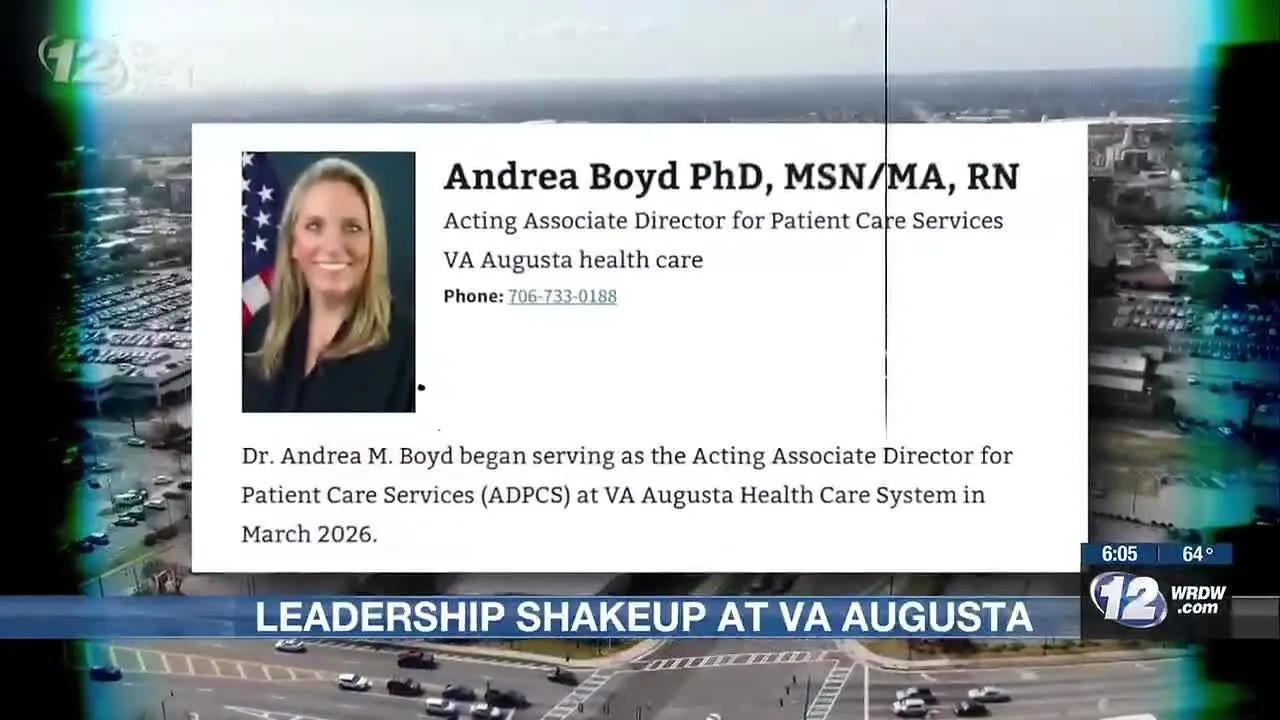
Augusta VA announces new interim leadership team
372
Toxic workplace culture manifests through threatening and abusive communication styles, retaliation against employees who share concerns, and creates an environment of fear where employees feel psychologically unsafe. This culture requires organizational intervention to transform.
Click to watch →
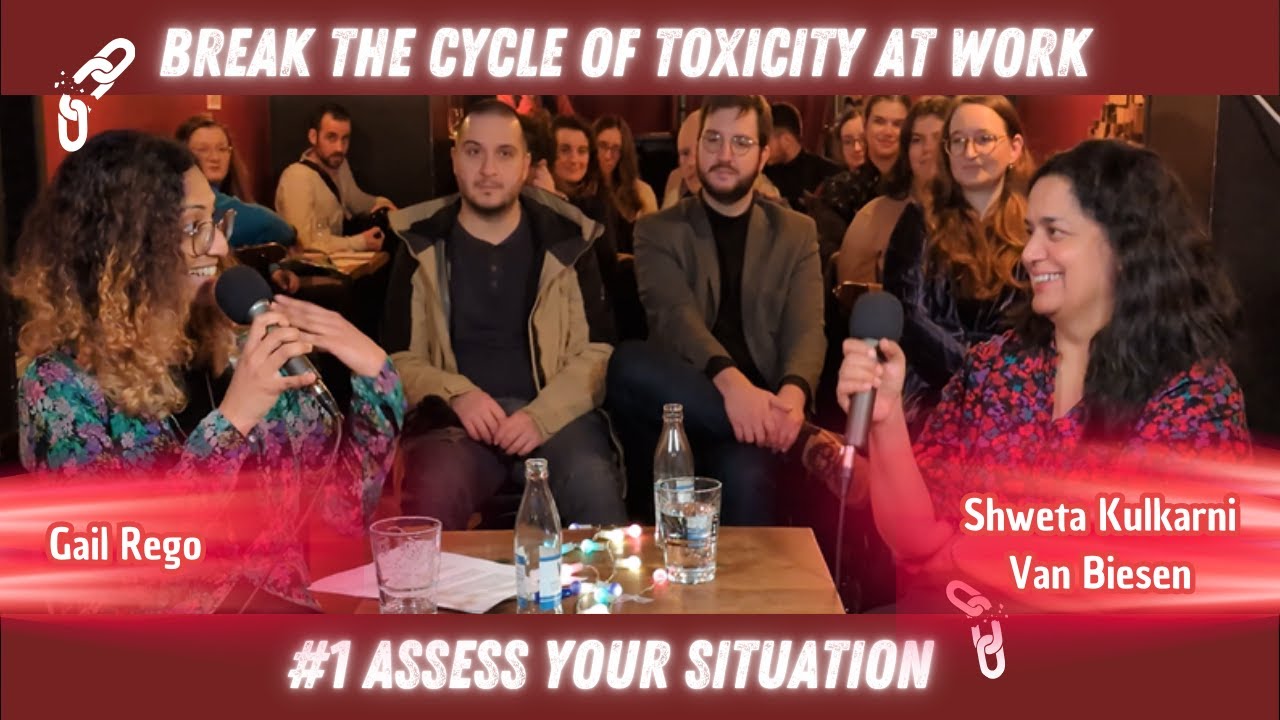
TACKLING TOXICITY AT WORK #1: ASSESS YOUR SITUATION - A DISCUSSION WITH SHWETA KULKARNI VAN BIESEN.
238
This segment addresses how organizations can prevent toxicity through systemic changes. Key points include: (1) Organizations need proper HR processes and dedicated HR personnel to protect employees; (2) Belgium's strong anti-bullying and anti-harassment laws exist but require implementation; (3) The challenge is often implementation rather than the existence of protective frameworks; (4) Organizations should apply the same conversations happening around online safety to physical mental health spaces; (5) Shame needs to change sides—victims should not be made to feel ashamed while perpetrators are not held accountable.
Click to watch →

How I didn’t become a victim to bullying | Caroline Dean | TEDxQueenstown
82.9K
Workplace bullying is a systemic cultural issue rather than an individual problem, and effective prevention requires shifting focus from victim-villain narratives to examining organizational culture, power dynamics, and structural mechanisms; this holistic approach involves developing clear behavioral expectations, implementing restorative relationship-building practices, and fostering a culture of mutual respect rather than punitive blame processes.
Click to watch →

Workplace bullying
13.5K
Humans unconsciously ask three central questions in any social environment: 'What am I?' (identity), 'Where do I belong?' (group membership), and 'What is my status within the group?' Bullying represents a destructive response to these fundamental questions. Effective workplace culture requires two key elements: creating effective meetings that structure conflict resolution and cooperative decision-making, and implementing motivational coaching with effective feedback that reinforces positive behaviors. Organizations must also adhere to procedural fairness and natural justice principles in disciplinary processes. Guidelines and legislation are only as effective as the people who implement them, making practical implementation critical for successful workplace bullying prevention.
Click to watch →
Legal Definition
Severity Required
Protected Basis
Employer Liability
Written Complaint
Legal Definition
0:00- 1
Hostile work environment is a legal term requiring specific proof.
- 2
Must show the environment was offensive to you and a reasonable person.
The Compliance Paradox and Chilling Effect in Workplace Communication
While understanding and preventing hostile work environments is crucial for employee safety, critics and organizational theorists point to the 'compliance paradox' or the 'chilling effect' of over-regulating workplace interactions. This perspective argues that an excessive focus on rigid, legalistic definitions of harassment can foster a hyper-vigilant, risk-averse culture. In such environments, managers may avoid giving honest, constructive feedback for fear of complaints, and employees may stifle open dialogue and creative friction out of fear of misinterpretation. Additionally, critics note that formalized human resources policies can sometimes be weaponized to resolve personal grievances or political maneuvering rather than addressing genuine, systemic harassment. This viewpoint suggests that relying solely on legal compliance is insufficient and can backfire; instead, organizations should balance legal frameworks with efforts to build high-trust, resilient cultures that encourage open, constructive communication.
Familiarity with the fundamental concepts of employment law, specifically Title VII of the Civil Rights Act of 1964.
Understanding the basic definition of workplace discrimination and the legal definition of 'protected classes' (e.g., race, gender, religion, age, disability).
Distinguishing between general interpersonal workplace conflict (such as a rude colleague) and legally actionable harassment.
An awareness of typical organizational hierarchies and the standard function of Human Resources (HR) departments in dispute resolution.
Analyzing landmark legal case studies (such as Meritor Savings Bank v. Vinson) to understand how courts interpret 'severe or pervasive' conduct.
Studying employer liability doctrines, including the Faragher-Ellerth affirmative defense and an organization's duty of care.
Developing strategies for designing, implementing, and evaluating effective workplace anti-harassment training and compliance programs.
Exploring the broader organizational psychology of toxic work cultures, focusing on the systemic prevention of bullying, retaliation, and psychological unsafety.
205.8K views12.5Klikes0:46@RyanStygarOriginal Release: 2023-02-16
is your job a hostile work environment here's how you find out a hostile work environment is a legal term and to prove it and win damages you have to show a couple of things first that the environment was offensive to you personally and any reasonable person would also think it's offensive after show the conduct was severe or persistent you also have to show that the reason you were being treated this way was because of your protected characteristic like your gender or your race or because of protected activity like making a complaint of sexual harassment finally you have to show that the employer is responsible for that environment the manager is treating you that way they're almost always responsible if it's just a co-worker you're going to want to complain in writing because the employer is not liable for their behavior unless they knew or should have known that you were being targeted
Up Next

9:06
Lively v. Wayfarer: Title VII Retaliation Claim Analysis
@littlegirlattorney
14.7K views•2026-03-06

4:27
US Secondary Sanctions Impact on EU Businesses and Blocking Legislation
@Bureauvandijk
1.6K views•2019-03-20

5:27
Forensic Phonetics: Speaker Identification in Legal Cases
@nptel-nociitm9240
539 views•2025-03-19

24:42
Police Interrogation Tactics: False Confessions & Legal Reform
@LastWeekTonight
7M views•2022-04-18
Related Study Plans & Knowledge Roadmaps
Structured learning paths in Law
law
Self-Defense Law: Imminence & Castle Doctrine
01Foundations of Self-Defense Law
02Imminent Threat & Reasonable Belief
03The Principle of Proportionality
+ 3 more learning modules
12h6 modules
Explore Roadmap
law
Defamation Law: First Amendment & Actual Malice
01Introduction to civil torts and the First Amendment
02Elements of Defamation: Libel and Slander
03Public Figures vs. Private Individuals
+ 2 more learning modules
8h5 modules
Explore Roadmap
law
Hearsay Rule: Trial Evidence & Exceptions
01Introduction to Trial Evidence & Courtroom Basics
02Demystifying Hearsay: The Core Definition
03Non-Hearsay: Exclusions Under FRE 801(d)
+ 3 more learning modules
14h6 modules
Explore Roadmap
law
Medical Malpractice: Law, Liability & Care
01Foundations of Tort Law and Civil Liability
02The Four Elements of Medical Malpractice
03Defining and Proving the Standard of Care
+ 2 more learning modules
12h5 modules
Explore Roadmap