

![[APUSH] Civil Rights Movement, 1940-1960s | comprehensive review | AP US history](https://i.ytimg.com/vi/7qaaG-VBzvQ/maxresdefault.jpg)

























Title VII of the Civil Rights Act of 1964 prohibits employment discrimination based on race, color, religion, sex, or national origin, covering nearly all employers with 15+ employees; discrimination claims fall into four categories: disparate treatment (intentional discrimination requiring plaintiffs to prove membership in a protected class, qualification, rejection, and employer's alternate decision), disparate impact (unintentional discrimination through neutral policies violating the 4/5ths rule), harassment based on protected characteristics, and retaliation against those who file discrimination complaints; the Equal Employment Opportunity Commission (EEOC) enforces these protections alongside other anti-discrimination laws.
Understanding Title VII of the Civil Rights Act of 1964
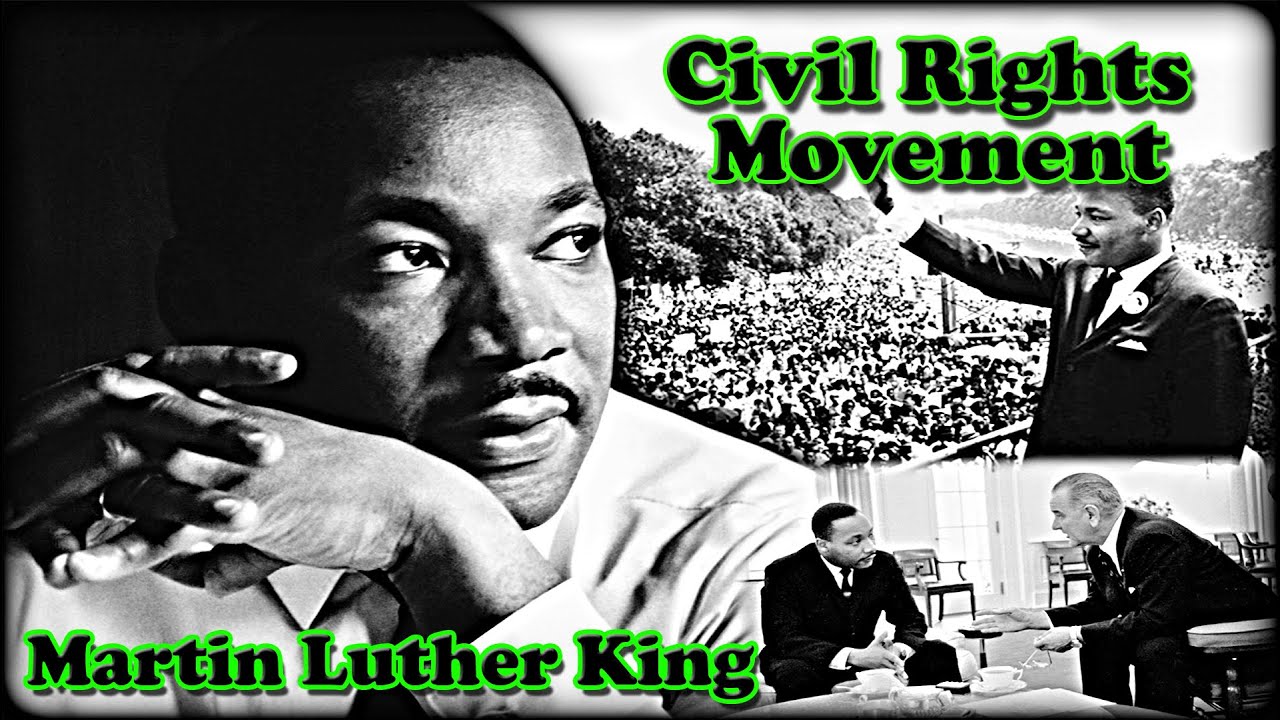
Added:The historical and social context of the Civil Rights Movement in the United States leading up to 1964.
Basic structure of the U.S. legal system, specifically the distinction between federal statutes, executive agencies, and the judiciary.
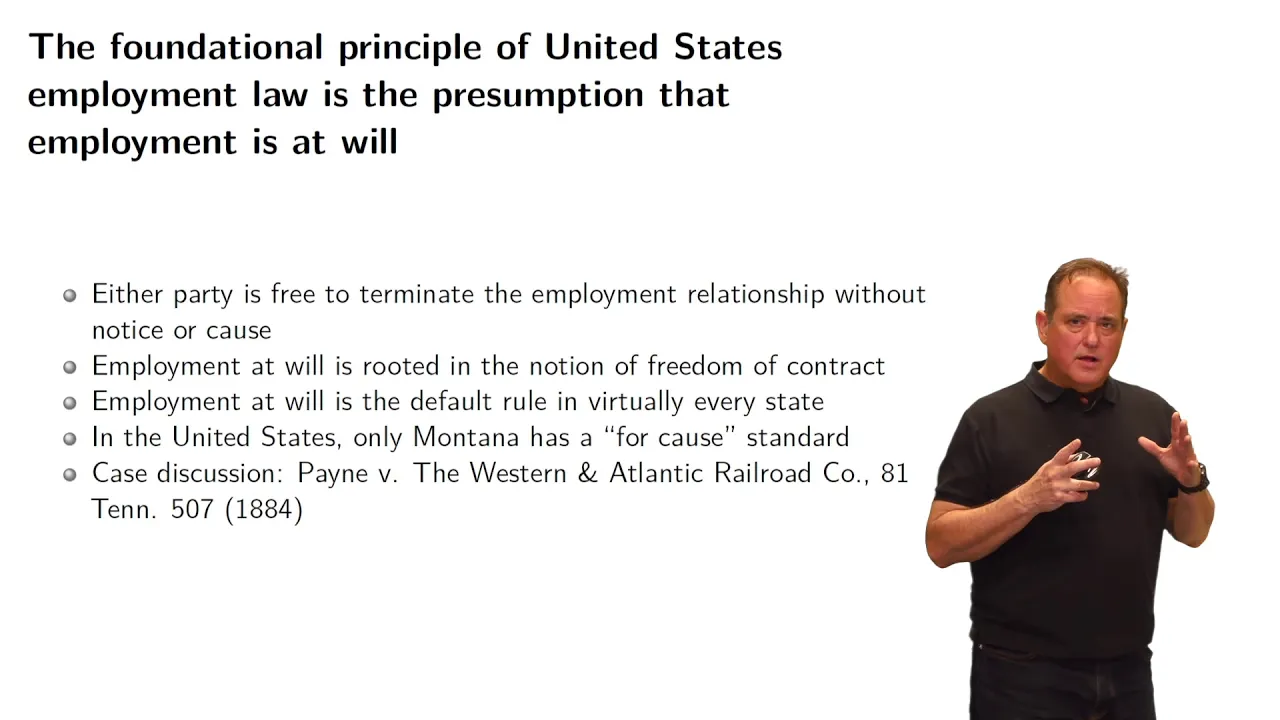
Fundamental concepts of employment relationships, such as the doctrine of 'employment-at-will'.
An introductory understanding of what constitutes a 'protected class' in a legal and social framework.
The legal definitions and evidentiary standards for 'Disparate Treatment' versus 'Disparate Impact' discrimination.
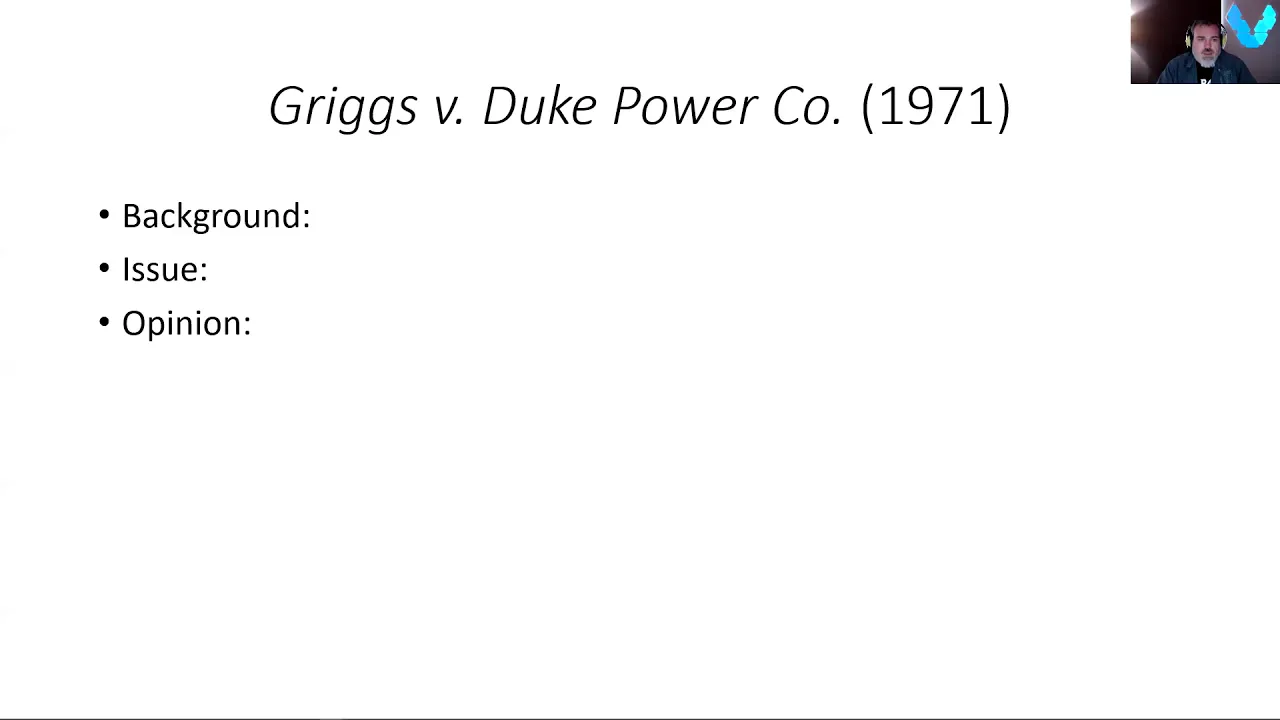
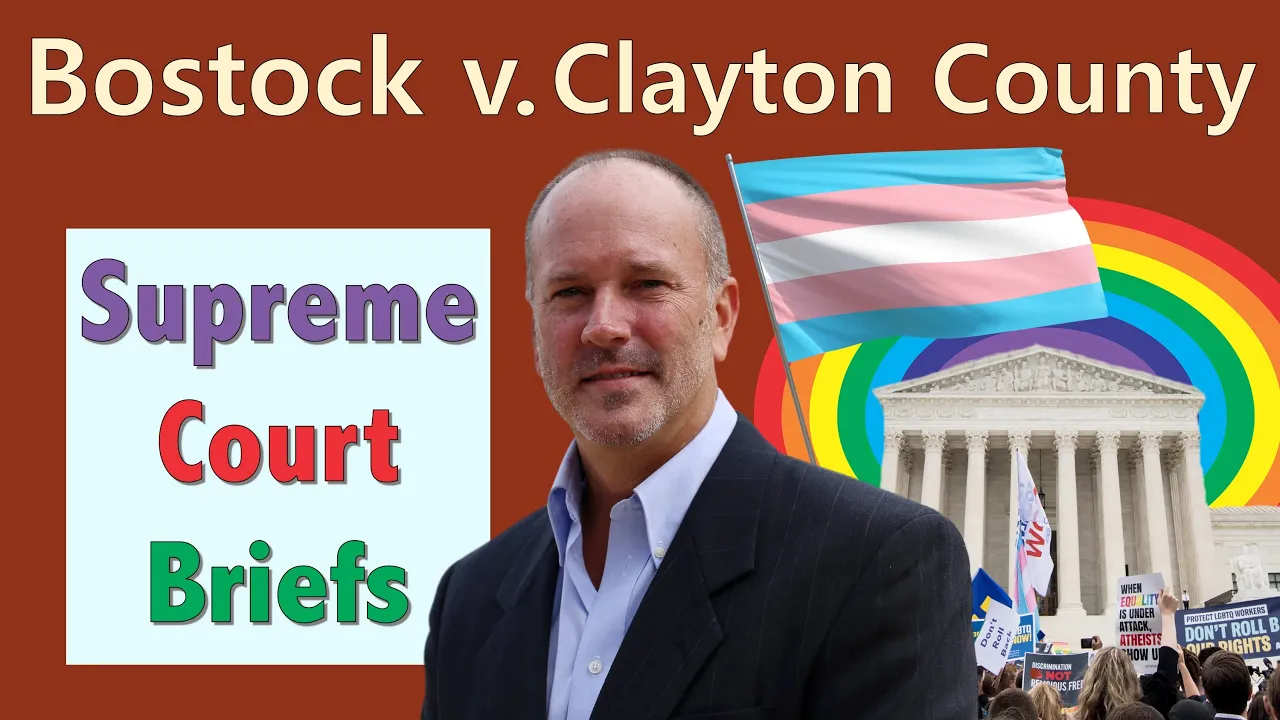
Analysis of landmark Supreme Court cases that shaped the interpretation of Title VII, such as Griggs v. Duke Power Co. and Bostock v. Clayton County.
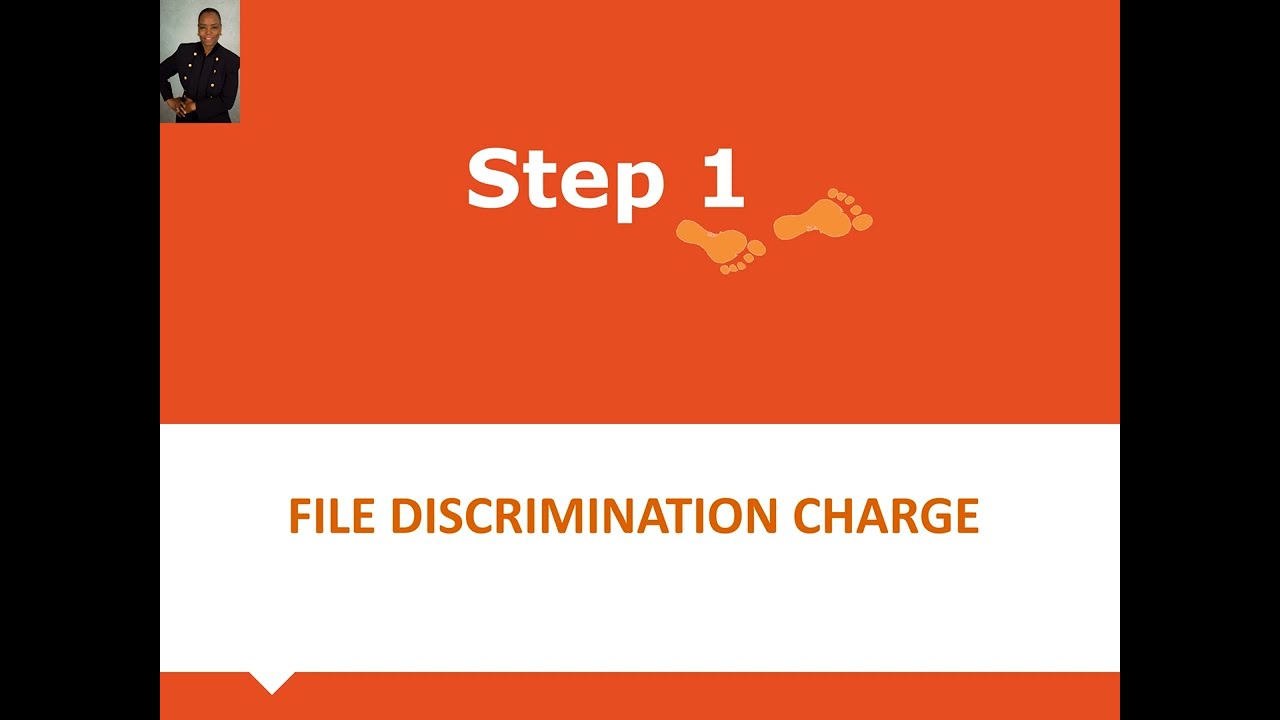
The step-by-step administrative process of filing a charge with the Equal Employment Opportunity Commission (EEOC) and the 'Right to Sue' mechanism.
Other key federal anti-discrimination laws that complement Title VII, such as the Americans with Disabilities Act (ADA) and the Age Discrimination in Employment Act (ADEA).
Best practices for designing and implementing corporate compliance programs, diversity initiatives, and anti-harassment policies in the workplace.
55.6K views278likes5:30Original Release: 2017-01-17
[Music] the Civil Rights Act signed into law by President Lyndon B Johnson on July 2nd 1964 is a landmark piece of civil rights and US labor law legislation that outlawed discrimination based on race color religion sex or national origin title seven is the section of the federal civil rights act that prohibits employment discrimination the primary objective of anti-discrimination legislation such as title 7 is to ensure that individuals are given equal opportunity in the workplace the demographic characteristics that cannot be used for employment decisions are known as protected classifications or protected classes nearly all employers are covered by title 7 of the Civil Rights Act this includes federal state and local governments as well as private employers with with at least 15 employees title 7 protects all applicants and all current employees of a covered employer title 7 Outlaws employment discrimination on the basis of race color national origin sex and religion in any aspect of employment from hiring to firing and anything in between these traits are called protected characteristics and are also referred to as protected classes discriminator practices can typically be grouped under one of four categories first desparate treatment second desparate impact third harassment and finally number four retaliation let's take a look at what each of these involves in disparate treatment cases an individual is treated differently because of the characteristic that defines the protected class not hiring a qualified woman simply because she's a female would be obvious and intentional discrimination this disparate treatment means that the company intentionally discriminated against a person or persons because of the characteristic an employee who believes that he or she has been the victim of a desperate treatment claim must make a primacia case or preliminary case using the McDonald Douglas test named after the landmark McDonald Douglas Corp versus green 1973 US Supreme Court case to make a case of disparate treatment using the McDonald dougl test the plaintiff must show that he or she is a member of the protected class was qualified for the employment opportunity was rejected and the employer made an alternate decision the burden of proof then shifts to the employer to provide a legitimate job related reason for the decision discrimination may also take a more subtle and usually unintentional form known as desparate impact or adverse impact desparate impact occurs when a company uses an employment practice that unintentionally discriminates against members of a protected class dispar impact refers to policies practices rules or other systems that appear to be neutral but result in a disproportionate impact on protected groups the 4 fifths rule also known as the 80% rule is the simplest and most common way of estimating adverse impact under the 4 fths rule a selection rate for a protected class group Which is less than 4 fths or 80% % of the rate for the group with the highest rate indicates adverse impact title 7 also prohibits harassment based on protected characteristics although the term harassment doesn't appear in the law the type of harassment you're probably most familiar with in the workplace is sexual harassment however any unwanted and unwelcome treatment because of race color religion sex national origin age dis ibility or genetic information are forums of harassment title 7 also prohibits employers from retaliating against an employee for making a complaint of harassment or discrimination whether internally to a government agency or in a lawsuit or for participating in an investigation or other proceeding or otherwise opposing harassment or discrimination retaliation occurs when an employer takes an adverse action against an employee who's filed the complaint for discrimination retaliation can take on many forms including but not limited to the following denying a promotion to the employee who's otherwise qualified demoting the employee suspending the employee for a period of time writing a negative evaluation of the employee or threatening the employee if a complaint is not withdrawn and finally title 7 also created the equal employment opportunity commission or EEOC which is the federal agency responsible for implementing and enforcing title 7 and other federal laws that prohibit discrimination such as the age discrimination and Employment Act the Americans with Disabilities Act and the genetic information non-discrimination act [Music]
Up Next

4:54
Protected Classes Under Title VII in HR: A Guide
@WORKOLOGY
3.3K views•2021-02-27

4:27
US Secondary Sanctions Impact on EU Businesses and Blocking Legislation
@Bureauvandijk
1.6K views•2019-03-20

5:27
Forensic Phonetics: Speaker Identification in Legal Cases
@nptel-nociitm9240
539 views•2025-03-19

24:42
Police Interrogation Tactics: False Confessions & Legal Reform
@LastWeekTonight
7M views•2022-04-18
Related Study Plans & Knowledge Roadmaps
Structured learning paths in Law
law
Self-Defense Law: Imminence & Castle Doctrine
01Foundations of Self-Defense Law
02Imminent Threat & Reasonable Belief
03The Principle of Proportionality
+ 3 more learning modules
12h6 modules
Explore Roadmap
law
Defamation Law: First Amendment & Actual Malice
01Introduction to civil torts and the First Amendment
02Elements of Defamation: Libel and Slander
03Public Figures vs. Private Individuals
+ 2 more learning modules
8h5 modules
Explore Roadmap
law
Hearsay Rule: Trial Evidence & Exceptions
01Introduction to Trial Evidence & Courtroom Basics
02Demystifying Hearsay: The Core Definition
03Non-Hearsay: Exclusions Under FRE 801(d)
+ 3 more learning modules
14h6 modules
Explore Roadmap
law
Medical Malpractice: Law, Liability & Care
01Foundations of Tort Law and Civil Liability
02The Four Elements of Medical Malpractice
03Defining and Proving the Standard of Care
+ 2 more learning modules
12h5 modules
Explore Roadmap