











![NEWS ON 2 – 12.30NOON [18 JUN 2018]](https://i.ytimg.com/vi/R4FXGafmBR8/maxresdefault.jpg)






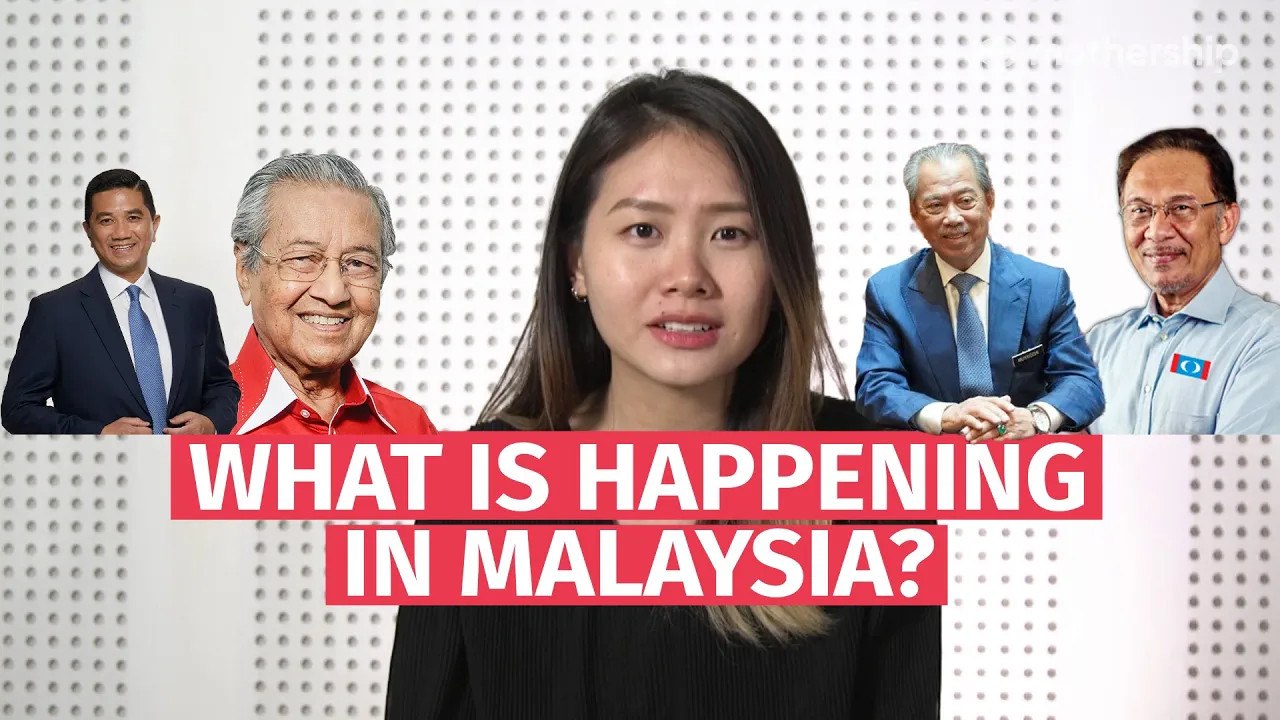


Democracy cannot be imposed externally or rushed onto societies unfamiliar with democratic principles; it requires time for people to understand and accept that a simple vote determines governance, as demonstrated by Malaysia's smooth transition from colonial rule to democracy through negotiation and gradual adaptation, contrasting sharply with the violent outcomes seen in the Arab Spring where rapid imposition of democracy led to civil war and mass displacement.
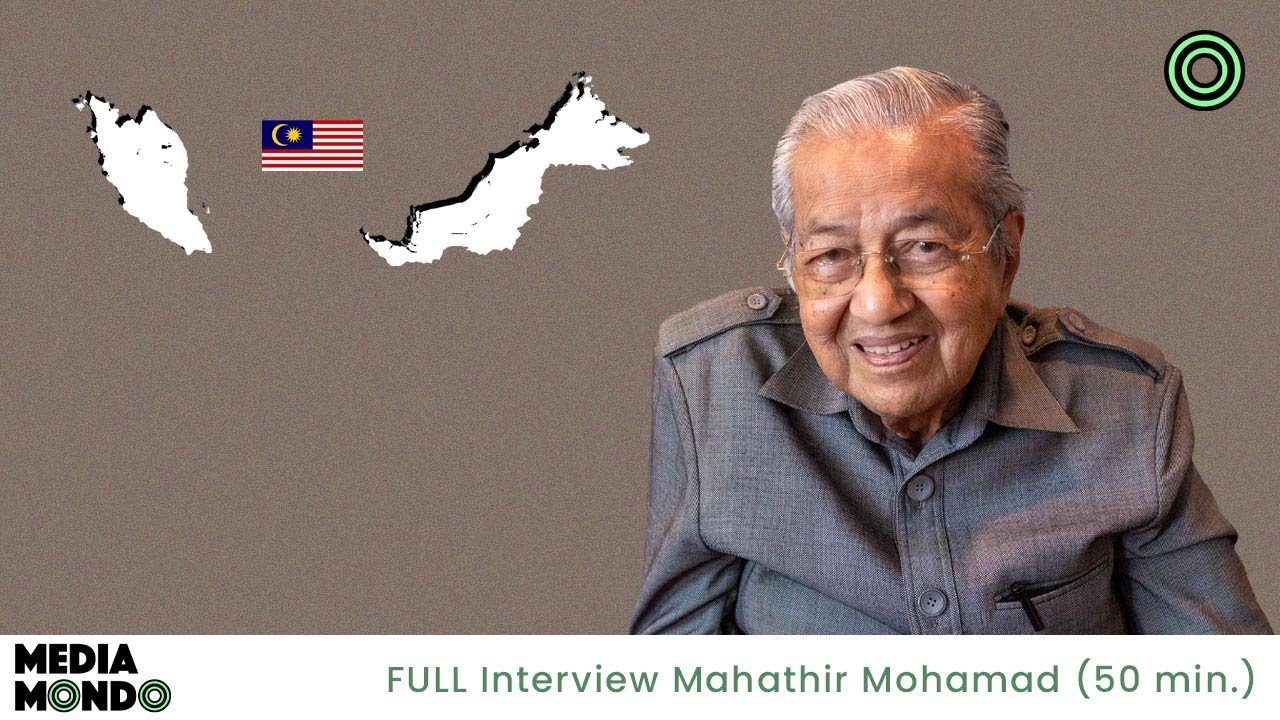
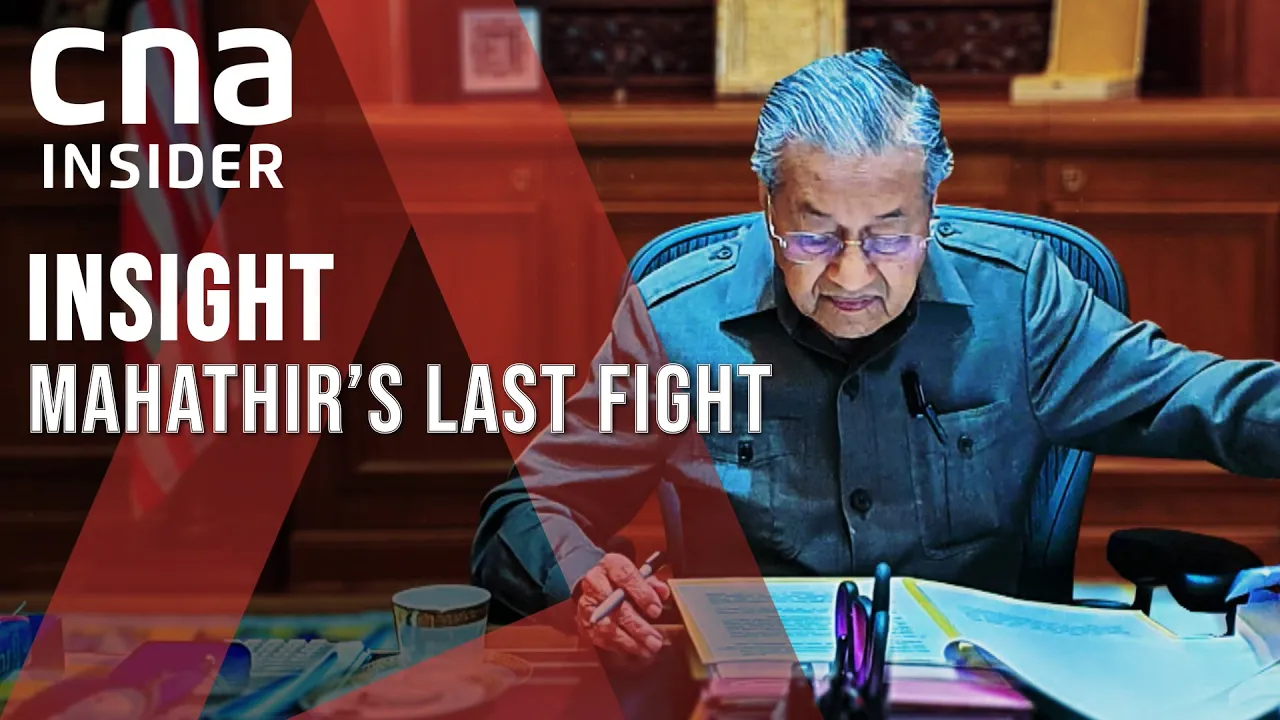
Mahathir Mohamad at Oxford Union: Democracy, Malaysia, and Global Politics
Added:The post-colonial political history of Malaysia, particularly the long-standing dominance of the Barisan Nasional coalition and Mahathir Mohamad's influential first tenure as Prime Minister (1981–2003).
The foundational principles of Westminster-style parliamentary democracy and how these structures are adapted in multi-ethnic federal states.
The definitions and socio-economic impacts of 'crony capitalism', state-led development models, and distributive policies like Malaysia's New Economic Policy (NEP).
The basic framework of Southeast Asian geopolitics, including the role of ASEAN and Malaysia's traditional stance of non-alignment during and after the Cold War.
A comparative political analysis of 'hybrid regimes' in Southeast Asia, contrasting Malaysia's democratic journey with those of Singapore, Indonesia, and Thailand.
An in-depth investigation into the 1MDB scandal, its contribution to the historic 2018 election (GE14), and the systemic challenges of anti-corruption reforms.
Advanced study of 'Middle Power' diplomacy, examining how developing nations navigate structural tensions and economic dependencies between the United States and China.
The dynamics of coalition politics and democratic transitions, focusing on Malaysia's political fragmentation and leadership shifts post-2020.
186.7K views1.4Klikes1:09:54Original Release: 2019-02-03
[Music] [Music] [Applause] ladies and gentlemen firstly I would like to say thank you to also Union or inviting me to speak to this very important audience firstly I would like to say something about my old country Malaysia Malaysia had independence choose to be just a democratic system of government and for 6000 years the system worked quite well but we also found a lot of weaknesses in the system it is possible for example for leaders who are elected to abuse their position especially the Prime Minister and reduce the democracy of ours into a kind of dictatorship now this happened quite some time ago but it is something that was not expected which happened with the foot in general election on the 9th of me the single party which had ruled the country for 6000 years lost to the opposition this has never happened before and the people were so keen to see a change in the government that despite all efforts by the government of that time to stop people from voting for the opposition parties the opposition one with a clear majority this is unprecedented it had never happened in Malaysia because from the time of our independence we had only one government differently this of course they were all together six liters by the time we had our foothills general reaction but at the foot in general direction for the first time the people showed that they wanted a change our government some people may say that this one party running the country for 60 years cannot be demography I would like to say that it is not so Democratic as compared to countries like those in Europe like here the Kingdom America and the rest but what happens is that despite certain deficiencies they might've won the elections repeatedly and there were no serious accusation that the government or the government party had fiddled with the election system but this time it is different the people really wanted to change the government they were afraid because Malaysians are very timid people they don't take to receipts easily surely they don't show any tendency towards violence so they suffered suffered in silence but they felt the operation quite as strongly as other people would when they demonstrate in the streets or go on site but the during the election there was still no expectation that the government party would you see in the election but on the ninth of me what other tens of me of last year it should became clear that the government party despite manipulations had lost to the opposition coalition of opposition parties it took a bit of time for the government red meat that is a sauce indeed a difference Election Commission not to announce the winners from the opposition what the now is only the witness from the government party so initially we could see that the government party was again winning but towards the end when they ran short of winners they had announced that they were opposition winners also and that their numbers exceed that of the of the government party the announcement did not take place until about 2:00 in the morning because by then they attempt to set up a different coalition government at fail and racer had the first change of government in its history since independence now as you can see even elected leaders or prime ministers can abuse his power to the extent that people became very scared of him who were afraid of him even when he abuses the laws of the country still there were no outright demonstration of disapproval by the people that was that government at that time and now because the opposition coalition has taken power and is trying to bring back all the pratik features of an independent democratic country we are reducing the power of the Prime Minister by transferring it more to the Parliament then to the Prime Minister so that he will not people will not feel obliged to support him beyond that of course we are reinstalling the rule of law which is very important he was you know during the previous government but in the end the election system proved that Malaysia is democracy many people would dispute what I see because many people think that Malaysia is not very democratic but I would like to tell you that since independence it has held 14 elections and there was not much complaints about the elections except the last one so in terms of the people selecting their leaders militia his problem that this Democratic to that extent maybe there are certain things which we should do not seem to be democratic enough for example we inherited a law from our colonial masters called is a the is about security or a country and gives power to the government and the Prime Minister of course the right to arrest people without trial that is of course something that nobody likes these days because he is very undemocratic but even in a democracy a leader like the previous government leader was able to abuse the laws of the country and rule the country more or less as a dictatorship now when I see this I'm reminded of course then I myself was a prime minister who was accused of being a dictator because many people believed I was a dictator how else could he govern the country except by being a dictator and just would like to point out that in the history of Nations there has not been a single dictator who stepped down while he was in power and a lot of others to take over from him dictators don't usually resign or retire they like to be teated until the day of their death so to that extent we claim that Malaysia is a democracy but democracy can be manipulated in many ways democracy is very difficult to work it's so complex so many people have freedom and they can do what they like say what they like and this is not something that strong people tolerate but democracy is good in the sense that it allows people to choose their own government today they extend democracy has proven to be the right form of common but we see attempts now to force democracy on all the countries in the world Democrats have now become very intolerant of other system they want to abolish other systems of government to the point where if you don't change you don't become a democracy you are not democratic your country will be invaded in order to put in a new leader that I think is completely against the concept or the idea of the more see democracy should not be possible people people should make their own choices and other powers should not threaten to do something to ensure that the leader is democraty the egg of forcing countries to become democracy is itself undemocratic but this is what has happened now because Democrats have become very intolerant to the extent that prefer to go to war to kill people to destroy whole countries if these countries do not embrace democracy so that is why I believe that democracy can only exist and help the country to prosper if people understand what democracy is all about we think that people understand that the majority should rule but to achieve majority you have to have elections and the looses do not feel happy about loosing they would like themselves to win and so when they lose they disrupt the whole country they go to the seats and have demonstrations in some cases it ends up with civil war even because the losses even if their democracy do not want to accept losing and election they feel that it was not right just because people put a tick in a square area therefore they would not become the government and so what we see today is what is known as the Arab Spring I don't think the Arabs regarded it as their spring we're Outsiders call it the Arab Spring at that time everybody feels that when the Arabs become democratic then opposed we doing just as well as old democracies while the fax has shown that when they embrace democracy and try to practice it they they got into a lot of trouble we see what's happening in Syria for example they attempt to overthrow the dictatorial government has reacted in war war between the people within Syria itself and we see people running away by the millions from their own country because they feel that they would be better off outside of Syria on the other hand we find that the during the time of the authoritarian government not made not so many people were killed because of disputes or anything else it is true perhaps that some people will be thrown to jail without trial would even be tortured but the number of death is far less than what we see in the attempt to impose democracy on the country we see a lot of wars being fought people being killed and injured and the whole country devastated so while we think that democracy is the best form of government we have to remember that these people are not familiar with the system they have had autocratic government for for centuries but to turn them into democracies overnight is something that is very disruptive and can result in Wars Democrats must always remember that it took a long time for democracy to be accepted and practiced by any country it took almost 200 years for democracy to be practice in this country they were they had time to enunciate what democracy is all about and to practice it in stages of course in England for example in the early phase only landlords were allowed to vote others were not allowed to vote he took a long time before women were allowed to vote and they need to grow much longer time for other categories of people to gain the right to vote for their government so the time taken permits the people to adjust themselves to this new idea that a tick in a square is sufficient for a government to be over so it takes a long time and this time is not given to the new democracies in the Arab countries overnight they had to change from edited dictatorial kind of government to this new form of democracy we see for example the overthrow of dictators the people were united in wanting to overthrow the dictators but once the dictator is overthrown then the people who overthrew the dictator now begins to quarrel among themselves as who as to who has the right through you may have elections but of course the losers invariably dispute the results of the election so now what you see is turmoil inside the democracy in this country I believe that democracy is a very good system but people must be given time to adjust to the democratic system they had to be learn to be patient they have also to learn that in a democracy not all parties can win somebody must lose if somebody is going to win and the losers must accept that they have lost and therefore they had to wait until the next election before trying again but we what we see is that when they lose the election invariably they were accused the winners of tittie or fraud etc and will refuse to accept the winning party as the government so because of that they you see a lot of turmoil in these new democracies because they are not used to the system and they cannot understand where somebody's little mark on a piece of paper who result in their being defeated so that is the decision that we see three and in many new countries trying to adopt the system the democratic system but Malaysia has been very positive in that the transition from being a colony colonial can a colony to an independent independent country is is smooth Rachel didn't did not fight for independence we negotiated our independence and because we did not find and we negotiated then the people who are the most capable of governing took over power in Malaysia and with that the country was able to be ruled after the after the defeat or the after the colony colony or powers were ousted the people could took to take over the German and were able to help rule the country and develop the country this is what we have in Malaysia today and we hope that this idea that a short stroke on a piece of paper will determine who governs the country must be understood and accepted by the people in Malaysia currently some people I still unable to accept the concept they are strongly attached to their leaders to the fine point where they will not do anything even when the leaders glittered as a lot of wrong things they continue to support not because the government was good but was the they are attached to the leader of their choice so when we have the strong type of obedience towards a leader then practice democracy can actually be sidelines and push aside so that a dictatorship would result this is what happened in Malaysia so we have had experience I have had the experience of winning or losing of really without any contest and also of winning many elections but instead of leading the party that I was that made me the prime minister for 22 years I am now the leader of the Opposition to the very party that I left there are disease of us quite funny because they used to call be a dictator and other nasty names and yet when I left my old party they accepted me and namely as the next parameter and not one of their own men to take over from from the government party if we should win but it I don't know what it means to them what they somehow or other the opposition party somehow already realized that maybe what they said about me was not correct I think so but we nevertheless have learned to work together we are still in the process of teaching people about democracy democracy is about choosing leaders to govern the country not about putting your your relative or friend up as Candide because then you can access him very easily in Malaysia it I was accused of cronyism because a lot of people did very well during the time 22 years I was a prime minister it seems that because people did well it must be because he is favored by by the Prime Minister the fact is that everybody gets a chance and if he is good enough he will succeed but the feeling of people at that time when I was Prime Minister was there anybody who succeeds must be because he's a crony of the Prime Minister so what I had to do if I do not want to be accused of cronyism is to ensure that nobody succeeds in Malaysia when nobody succeeds then I they will see I had no produce but then of course they will also ferment about the country is not being developed but in order to develop you have to depend upon people perfection actually the private sector because they are the ones who create wealth in the country so during my time when I was Prime Minister is not because I was a dictator he was because of the need to develop the country to enrich the country and governments are not good and enriching the country governments are good at collecting taxes but if the people are poor who who are they going to text so we must enrich the people first and make them make their businesses profitable then they will have to pay corporate tax and income tax that is where the government gets the money so when the government works with the private sector it doesn't mean that it is a form of cronyism it is a way in order to a way a way to enrich people to help create wealth for the government to tax the government is doing the best business possible they don't have to invest even a single cent the private sector will invest millions and billions when the parrot sector makes money twenty four percent of that money belongs to the government that is I think good business you don't have to invest even a single cent and yet you can make more money than the private sector that is how I see governments in Malaysia we work very well with the private sector under a concept called Malaysia incorporated and because of that Brazil has prospered to the point of being called an Asian tiger I think it was a small diagram of but we became quite well-off because of the so-called prune ISM like this by the Prime Minister so I would like to rest thank you for that speech Prime Minister now I wanted to start by asking you spoke about the importance of democracy and and your role in that why is your entering into a 90s did you did you feel a sense of duty to return into mainstream Malaysian politics and why do you think I had to be you that stood to take on the role of the problem well it wasn't my wish to come back as Prime Minister one week after I stepped down the whole system changed all the projects that were agreed between us were dropped and in in this place we find the Prime Minister had his children and his children were involved in making use of the Prime Minister's authority to enrich himself at that stage people came to see me very early on they came to see me in groups and asked me please do something they didn't specify what I need to do they see please do something so I tried to advise the Prime Minister he didn't work finally I had to resign from the party because the first Prime Minister and I'm fortunate fortunately he he resigned after the elections in 2008 and was replaced by another person but again the people came to ask me please do something because of what the Prime Minister was doing and in the end I had to leave the party join the opposition and help the opposition overthrow the government that's a story did you feel is that it had to be you to take on that mantle specifically no question of my belief is a question of those people belief that I can do something now as you know the Union the Oxford Union was founded on the principles of free speech honest and honest debate in that vein I wanted to ask you about the Internal Security Act upon re-entering the role of Prime Minister did you feel the need to defend your record on civil liberties having used the ISA as some of argued as a tool for suppressing free speech and honest debate I don't have to explain number my pass although I was accused of many things I think the most important thing is to work together with the opposition parties form a new government and then correct whatever mistakes was done by the previous government I suppose the question is do you feel the need to address the perhaps mistakes or the the accusations and the criticisms that were made about your use of the ISA what I feel is not important what the people feel is very important they feel that I should go back otherwise they wouldn't have given such support to me and the opposition group every time we have rally 20,000 people would attend but the government party cannot draw that number of people so if the people wanted at least well I assume then they wanted me to come back but the opposition party also proposed that I should be the leader of the Opposition then following up on that and you spoke about it in your speech as well you promised after re-election to focus on the restoration of the rule of law but my question is I suppose with the establishment of the investigation into the one Malaysian development waha scandal how can you raise your both Malaysians and the international community that this isn't another tool to facilitate an opposition crackdown similar who happened the is a well we decided that the Prime Minister should not have too much power so we've shifted the power to the Parliament in the in the case of choosing senior officials as etc it is no longer the prime minister who will name them the person concerned it will be the Parliament Parliament will have a select committee to choose the persons to hold whatever job that may be so I have actually agreed to reducing the power of the Prime Minister because that power can be abused during my time people did not demonstrate against me so that's because I didn't abuse Elysee in the eyes of the people concerned I did not abuse the authority Comfort on me but the plus Prime Minister openly showed that he was corrupt that he had taken government money etc because he feels that he is very powerful and cannot be defeated I suppose my question was with both examples and you used the example of protest both of these policies have been used to clamp down on opposition voices within the Malaysian opposition both when you've now switched the floor on both times do you feel is that you have to address that point and is there even if people want to be protesters protesting you that is because in some aspects there has been a clamp down on that using your I say and the new establishment of the committee so my question is about your clamping down of opposition voices you say that no one had done protested you before word do you not accept that that is in part because of the use of the is a previously know the is he was already add and nowadays it's no longer operating but the previous government enacted a new law which is even more severe than I say I am against that i was also against i say during my time but the m forces the police and the this they did not want to have the IC removed because of certain needs of the country then moving on to a more international sphere when addressing the United General Assembly in September last year you said that the international community rewards Israel for breaking international law my question is even if that were the case do you not think that a statement might be slightly hypocritical in light of your record with the I si and the history of that respecting human rights in international law I didn't get your point he's very limited somewhat my point is that you've said that the International unity rewards Israel when it breaks international law and it doesn't respect human rights and my question is do you not think that might be slightly hypocritical based on the use of the ISA and the is a role in respecting international law and human rights no the IC is meant for for detaining only people who are a threat to the nation it was enacted during the time when we were a colony of course after independence we still need the law because the country would be totally unstable if you find that people who threaten the community are free to do what they like so we the IC was meant for detaining those people but I must admit that at times the government detain political opponents that was wrong that is why I wanted to another the law but had the police and the the emphasis feel that the Loess needed now with specific reference to the banned even posed on his rallies women's taking part in the world's power swimming championships do you think it's legitimate to penalize individual Israeli citizens he may also be critical of the regime in this way well many countries today are seeing Outsiders come into their country very happy about it they were overthrowing their governments because their government allowed immigrants to come in so a country has a right to keep his borders close to certain people that's why borders are there but in Malaysia we we have had no diplomatic relations Israel at all and we don't think that what that they should come to our country because we have no relations with them and we feel that they were doing a lot of wrong things but getting away with it because nobody dares to say anything against them but I suppose my question was you may think that truth is running stating the government of Israel but is it fair to penalize the individual Israeli citizens from taking part in this championship well it is not fair to call me and the anti-semitic they should call other people anti 70 I'm not this amusing the Arabs are all Semitic people well I did one I didn't want to come on to that point you've previously called and defended yourself in calling the Jewish people hope to no use in saying that they have an instinctive sense of money statements like that are anti-semitic but my question is why do you oppose the actions of the Israeli government not with criticisms of those actions themselves but with racist anti-semitic remarks like those targeted at the Jewish people yeah I can understand this we talk about freedom of speech and yet you cannot say anything against Israel against the Jews why is that so if we are after it free to say what we like we can say that we are something that will be regarded as anti-semitic by by the by the Jews that is their right to hold such opinion of me this my right to tell them also that they have been doing a lot of wrong things that that in fact wasn't wasn't a pointed question the point of the question was these are remarks targeted apps individual Jews not the Israeli government so why don't you oppose the Israeli government's actions directly instead of attacking with these remarks the Jewish people themselves well it seems that most of them support the Sten taken by Netanyahu against the Arabs so when I say only the Chinese people do not understand what they do understand is the word yahoodi or Jews that is what they understand if I think action against the this this team cricket team is not wrong because for example Europe wants to declare palm oil as poisonous why do you hurt the poor pop farmer in Malaysia because you dislike the government I think I think the essence of the question was was different and I'll return to it again it was it was the you can criticize the actions of the Israeli government without criticizing in this kind of an attack away the Jewish people themselves and do you regret toggling the Jewish people themselves not the Israeli government in these cases well we can't do very much but the Israeli government they are very powerful so we don't say anything about the Israeli government but we don't have to show friendship towards them if you want to come to our country we have a borders which we got to allow only people whom we like to come to Malaysia but the people who have done a lot of wrong things if we consider them as unfit to visit Malaysia that is our right [Applause] even if what you believe you are saying to be true why do you think these reactionary racist politics is the way to finding a road to this juice to the two-state solution that you so desire so you your policy is in support of the two-state solution but why do you think these kind of remarks help achieve that goal instead of finding some kind of constructive way of building that solution I don't know if we this is a government that doesn't care about the opinions of others that's why they keep on committing war crimes all the time so what I see is what I have a right to see but if they don't like it they can see they don't like it I don't care but it's without respect it's not about caring it's about creating a climate of politics that is an anti-semitic or racist and do you think that these kind of statements aid that process or hinder the process of achieving a solution or it being a solution a solution should be to go down to finding our the reasons for the beef for the behavior of the Jews and of the Arabs it did not happen 70 years ago did not happen until you create the State of Israel you took airplane and gave to Israel and to expel from Palestine is that right when the people supported I am surprised they're reasonable Democrats keep on supporting the egg of seizure of foreign land to create a nation for some for somebody I think all that point of bigoted times right not flow to audience questions I'll take the hand at the very far back that yes you said I'm sorry not nothing sir yes yeah - to my left yeah you said a few minutes earlier unless I'm mistaken that it was wrong to detain political opponents do you therefore accept that you were yourself responsible for setting back your country's political development when you subvert it the judiciary and manipulated the organs of government in the late 90s to detain your deputy on charges of sodomy for something like 20 years do you also further accept that far from being reluctant to democratize quickly you've actively abused human rights using antiquated and unjust laws such as the ISA and laws concerning sodomy I couldn't get what you see are you referring to to whom are you referring I'm fine sir mr. Brahimi or Deputy Prime Minister huh and why Ibrahim your Deputy Prime Minister from the 90s oh I know a brain even if I tell you the truth you're not going to believe it what is the tree was tried in a court of law nine months before he was sentenced to jail and my successor immediately releasing but now I'm a good friend of his because we consider getting rid of native as Prime Minister is far more important than something that happened in the past so do you reject the claims that you have yourself weakened your country's rule of law in the decades that you were in power I hope I followed the rule of law that this way the thing was decided by the court not by me nine month trial and he brought in any number of witnesses in all kinds of things or shown in the court what else you do ask for if he had appeared before me and say I want to thank you then you have a right to complain but you said about the rule of law the rule of law says then if you come in something wrong you'll be charged and tried in a court of law and it is the judges who will decide not me it showed me something wrong in our society it is wrong if you want to do yourself go ahead but in England by running Malaysia yeah and we'll take the question if you just want to pass the microphone along when you look at the example of India the world's largest democracy it is a country with over 400 million illiterate people and yet I don't know that it ever waited to become democratic at the right time and so when one sees Democratic aspirations expressed in various parts of the world why do we disregard them based on the conditions of those societies rather than the aspirations themselves and to follow on about that point I know that you and other Southeast Asian leaders like the late Lee Kuan Yew have cited the example of democracies in Europe in the United States but of course the world's largest democracy is none of those and we get along better than most I would say well it is fair for everybody to speak his own mind because we have free speech but it is also my right not to listen to what people say right I think we'll take another question on that and and on the question of democratic aspirations among various people's are they legitimate or not regardless of where these people are in a sort of scale of civilization well if you go up to somebody and curse him in his face I think he has a right to do something to you my slap you but he doesn't do anything like that he expresses his opinions in some way some other place where I cannot reach him whether I had listened to him or not is a matter of choice for me not for him let's go to the hand the hand yeah he's not not you sir to the hand you said that Malaysia had to negotiate for its freedom his independence you have this last year intervened in a number of Chinese led development projects and you have also talked in Beijing about a new form of colonialism do you think that Malaysia now has to negotiate its independence from China do i well I was in China as somebody talks about Chinese wanting to dominate lettre well thinking they can talk about that but it's no it's not necessary for me to just agree I pointed out that there are other forms of colonialism including economic colonization that is my right to answer oh just a follow-on even though that is your right do you think it is the case do you think do you not think you have to stand up to China in the form of no I have to express my opinion I cannot always be seeing nice thing to everybody sometimes I see nasty things and they have a right to say nasty things to me yeah well past my friend just along to the hands please Prime Minister welcome to Oxford so I am from Pakistan and I understand that it takes a while to get to democracy we had 60 years of dictatorship after which we've had 10 years of democracy now so I understand that it takes some time but the idea of democracy is predicated on equality of opportunity so since 1957 since you've been independent how do you then justify practices like what is it bumiputra which is affirmative action for a specific part of the society and not the other because that is not equality of opportunity eventually democracy has been the form of government that has been running successfully for the past 200 years or even more how do you justify your stance on that well you are talking about bumiputra the American bumiputra do not want the Mexican to cross their border why they have a right we can see what they like they want to go to your country they should go but they like a wall and now Americans are not being paid their salary that is the kind of reaction you will see from great democracies we are not so great I'm not satisfied by the answer by the way [Applause] we're getting a hand in the front right in the red jacket Thank You Prime Minister just following up from that last question it is my understanding that bumiputra isn't a policy against immigrants coming into Malaysia but rather certain ethnic groups that have historically been in Malaysia for almost centuries in that situation how do you still justify the exclusion of certain people and do you think that this creates a lack of cohesion in Malaysian society when you divided into Indians Chinese people and Malay people well a country has a right to determine who should come who should not be allowed to come into their country especially to become citizens but Malaysia was very generous the bumiputra the indigenous people accepted people who were brought by the British to Malaysia and we gave them citizenship and they where they are not bumiputra of course but that is the right of the mudras to at least secure secure themselves you know if if this well if your country is except too many foreigners what would happen supposing there are 1.4 billion Chinese suddenly a billion of them want to go to Pakistan for example with the Pakistanis open the door and welcome them Middle's by in Malaysia we were more generous we allowed foreign people who are foreign origin who are still identify themselves with their countries of origin to be Malaysians we are not like Myanmar where people living in their own country and now Colet as non-citizens we are very open more more open than most countries in Europe I'm gonna take the hand on the front right Singapore and Malaysia again embroiled in an unnecessary and potentially potentially in Tunisia in maritime dispute just days after the two countries foreign ministers met and agreed to deescalate the issue you have the jihad Chief Minister unilaterally deciding to visit a Malaysian vessel docked in the disputed waters and he said that he got the unofficial blessing from the foreign minister earlier today we hear we spoke with try saying that there was no blessing and that being told him not to go so if we take we start with trust word at face value I'd like to ask what actions would you take against the jeho wintery Bursa and would you put any measures in place to ensure that something like this would not happen again 1 & 2 would you not agree to Dr Mahathir that actions like this contribute to the perception that your government is punishes that your government acts in bad faith and that your government in the words of najat Raza wants a return to the days of confrontational diplomacy and Barbara Tarek you're welcome to choose Najib but unfortunately I think you are not a malicious so you have no right are you a Malaysian the the question wasn't choosing Najib over you I simply quoted Najib's views on your foreign policy the question is whether through your actions over the high speed rail VSPs the maritime dispute the crooked bridge the water price revision you want to return to the fraud diplomatic ties with Singapore that we saw during your initial ten years p.m. or if you want to go beyond that well I'll tell you this Singapore by water raw water from Malaysia how much this is singapore p1 same for one thousand gallons they pay one Singapore sin equal to three Malaysia sin since 1926 you mean to say prices don't change and then this yes Malaysia has had the opportunity to revise the 1962 water agreement and Singapore cells treated water back to johor at a subsidized price and we sell eleven thousand gallons per day more than what you're obligated to do under the agreement well do you think that buying water at three cents per thousand gallons and then selling it at $60 per thousand gallons of clean water do you think that is fair to Malaysia they will receive three cents it may not be fair but out of goodwill Singapore has sold more water subsidized price we've sold 11,000 more per day than what we are obliged to and Malaysia had the chance you had the chance to revise the water agreement you didn't take the chance I took the chance before by Singapore refuses and refuses also to go to the courts for that but anywhere in the world when you tell them that Singapore buys water at three cents per thousand gallons and then sells treated water at 50 cent to Malaysia that is not a good deal we have to get we get only three cents per thousand gallons in some cases in Singapore it is sixty dollars per thousand gallons of treated water the course of treatment is very very little and yet Singapore makes tons of money I don't like to say this openly I like to talk to the leaders but receives you asked the question this is grossly unfair to pay three cents three Malaysian cents which is equivalent to 1/2 au u.s. cent if the u.s. still has cents but but when we asked to negotiate the price because you diggin himself to us a higher price also but we want to negotiate the price that is much more reasonable paying three cents for 1,000 gallons is absurd in 1926 when the figure was mentioned 62 it was okay at that time but is no not okay now we are different countries we have to get back our money for four years Singapore is benefited by buying some water at three cents per thousand gallons and then selling treated water at about sixty sixty dollars per thousand gallons I take your point Dr Mahathir but my initial question was about the maritime dispute and whether they are going to take any measures to prevent something like the venturi Bazaar going into the waters you need actually thank you well observe when without our permission he thought that he was Yoho what this that's why he went there I mean the reaction to to his going there is quite severe as if you are going to war I mean he is going to go in a ship into neutral water yeah I I think I'll pass on the mic to someone else but these are not neutral waters there are waters that even in your 1979 map that we don't recognize you haven't actually cleaned those before until you suddenly came out last year and say oh these are now suddenly malicious territory waters but I'll pass it on someone else it is not Singapore water either it is international water and the preeminent rebuttal can go into international water with her scent Singapore sending warships to chase him away I fundamentally disagree I'll pass it on thank you or take another question yeah - hand just over there thank you for minister for coming to Oxford it's a long way from Malaysia I can I can tell my question is about Chinese investment just now there are someone raising questions about Chinese new colonialism recently there's been a lot of what the Chinese government cause hysteria around the company called Huawei the phone company that also builds communication towers I think it was only yesterday that Oxford denied all the sponsorships and grants from Huawei for issues that they they did not disclose so on a matter of our way what's your attitude on this especially their future involvement in the 5g communication tower in Malaysia do you share the sort of strategic concerns that the US government does in general what was your review of always investment thank you what's the name of the company Huawei or the Chinese company who when of the what when where one of the daughters or what this is something between China and in Canada in Canada or us we feel the effect of this street war between them but we don't have any say about whether they should stop or do anything these are big powers they are very very powerful we are small countries we cannot tell them to do what we like them to do yes my question isn't about a trade dispute between China and the US my question is about whether you have any strategic strategic concerns about Huawei building communication towers in Malaysia a lot of Western company a lot of Western governments nowadays the US Germany the UK even Poland they they seem to think that they can't let how I do this anymore what's your view on how is role in Malaysia in the future we have not caught them doing anything wrong in Malaysia what Germany wants to do is for Germany to decide what Canada wants to do also is for them to decide but Malaysia does not just follow what other people are doing we have to study and find out whether there is a basis for the action that they took against this company another question yeah if you get the hand just with the benefit of historical hindsight do you believe it was the right decision for Malaysia to expel Singapore from the country in the 70s that has happened a long time ago we cannot do anything about it so we don't question whether it was right or wrong but the fact is that Singapore was a part of Malaysia before it is our country normally when a country decides to decolonize the land goes back to the owner of the land to the country which all set land that happens to Hong Kong to Macau and other places but in our case we find that Singapore people in Singapore and not compatible with the people in Malaysia they have a different viewpoint and the different ideas about how a country should be ruled so it is for that reason that they were asked to leave Malaysia and I think it was a wise decision at that time then I state two final questions yeah one from the hand in the back thank you Prime Minister Mahathir Mohamad I'm from Australia and in the history of Australia and Malaysia there have been some good times and there have also been some not-so-good times however in recent years there have been a number of important areas of cooperation on the multilateral level there's been a five power defence arrangements as well as the trans-pacific partnership on the bilateral level there's been the Australia Malaysia free-trade agreement the Colombo Plan and now the new Colombo Plan so however a lot of those happened under Najib Razak and before indeed but my question is how do you see Australia and Malaysia cooperating in the future on the bilateral and multilateral level well we consider Austria as a friendly country of course like all countries sometimes they say things which is not palatable to us and sometimes we say things which are not palatable to them I mean well your friends sometimes he'd never need to tell a friend a friend that you have done something wrong if you tolerate everything that somebody does because he is a friend then you had no friend so we tell Australia that because they decided to recognize Jerusalem as the capital of Israel that will only cause a lot of people to get very angry and some of them might become terrorists because of that that's what I told the Prime Minister is up to him to do what he likes of course he has a right but they were whether what I think will happen is that you're you are causing a lot of people to feel very angry and they are frustrated and when they cannot do anything they go and blow themselves up in your country that's what will happen and also one final question yeah triggers the hand very just in that yeah try to stand up so I would like to ask about biodiversity in Malaysia you have one of the most biodiverse countries in the world and climate change is coming we can't deny it I would like to know what your plans are with also developing Malaysia as a country making it more of an Asian tiger are you doing anything sustainable with your development as well as preserving the precious wildlife and ecosystems that you have as you develop as a country what are you doing to preserve the biodiversity of Malaysia well biodiversity environmental concerns Bella we appreciate that we cannot create an environment that is although our liking we have to accept things as they are and we are very tolerant towards certain things happening in our country but the main thing of course is that if you don't break the law you are okay yeah I don't think you quite understood my question what I'm asking is what are you doing in terms of your development and your political policy for preserving the environment and leaving your country as beautiful as it is because you have palm oh plantations which are expanding our ever-growing range what are you doing anything to have sustainable growth yeah where we of course all governments all countries want to become developed but of course we are aware about the environment we have preserved our environment much more than most developed countries Malaysia still details 50% of the land covered by forests but we have to have living space so sometimes we have to clear some forests but generally we want to preserve what is natural naturally found in Malaysia we are very concerned about the environment we want to clean up well we want to ensure that animals for example remain to thrive in Malaysia we have about 2 200 tigers left and we are looking after the Tigers of course Tigers sometimes eat people but that is well is the fall of the people get eaten but anyway we are we care for the environment and we will ensure that our development is sustainable and then the final question from the hunt justin fun hi ok thank you very much student Matthew for being here and for giving that speech I wanted to draw your attention to what you said about bumiputra rights and indigenous rights earlier and recently the federal government has decided to take on the case for the tamiya orang asli xin Clanton to sue the US government on behalf of the a breach of fiduciary duty to the orang asli and I was just wondering I mean this is a very late development I would say because fiduciary duties has I mean has been breached by both the federal and the state governments to orang asli is for the past 60 over years and I'm wondering if yes this case would potentially set very important precedent for the way or honestly rights are regarded in the future in Malaysia but what guarantee can you give that this isn't just a political strategy against the past government and for the recent you know federal government to gain support I'm hoping that this is a more genuine attempt to protect the orang asli rights because they have been given very different treatment compared to other bumiputra that's all thank you well I don't know about the differences that you mentioned by I know that special attention is paid to the well-being of the orang asli in fact in malaysia the number of orang asli has increased whereas we see in some other countries the orang asli have a diminishing number because they are not well looked after by in malaysia as you can see and orang asli can rise to the level of being Assistant Commissioner of Police that is a very high rank that's how we treat the Orange three not one thing to keep them in the forest eating eating of whatever animal they could find in the forest but we want to educate them we want them to share in the prosperity of the country and they are now accepted in many places and they have become senators in in in our Parliament and also we have sent them abroad for studies up to university level I don't see that happening in many other countries where there are orang Aziz thank you very much for answering those questions Prime Minister that's ten the question so ladies and gentlemen if you'd like to join me in thanking the Prime Minister for joining us today you
Up Next
10:18
Distributive Justice | Nozick's Entitlement Theory | Philosophy
@LibertarianismDotOrg
19.7K views•2016-02-16

24:30
BRICS Pay and de-dollarization: A New Financial Order Emerges? | 55 chars
@DannyHaiphongYT
164.6K views•2024-10-22

7:33
Government Surveillance Methods: 10 Ways You May Be Watched
@BeAmazed
1.6M views•2017-04-09
10:19
Explaining the Saudi-Iranian Proxy Conflict in the Middle East
@Vox
18.2M views•2017-07-17
Related Study Plans & Knowledge Roadmaps
Structured learning paths in Political Science
political-science
Economic Statecraft: Sanctions & Chokepoints
01Foundations of Geoeconomics and Economic Statecraft
02The Mechanics of Weaponized Interdependence
03International Sanctions: Types, Implementation, and Efficacy
+ 2 more learning modules
12h5 modules
Explore Roadmap
political-science
Central Bank Independence: Politics & Policy
01Foundations of Central Banking and Monetary Policy
02The Time Inconsistency Problem & Inflation Bias
03The Delegation Model and Designing Independence
+ 2 more learning modules
12h5 modules
Explore Roadmap
political-science
Consociationalism: Power-Sharing & Stability
01Democratic Dilemmas in Divided Societies
02Introduction to Consociational Democracy
03The Four Pillars of Consociational Design
+ 2 more learning modules
12h5 modules
Explore Roadmap
political-science
Rebel Governance: Legitimacy, Economy & State
01Foundations of Rebel Governance and Statehood
02Establishing Political Legitimacy and the Rebel Social Contract
03Wartime Economies and Rebel Resource Management
+ 2 more learning modules
14h5 modules
Explore Roadmap