










![LET REVIEW | Gurong Pinoy - GEOGRAPHY [Part 1 of 3] Social Science Majorship - FOR ALL - Coach Jun](https://i.ytimg.com/vi/WWY6JERXzUM/maxresdefault.jpg)
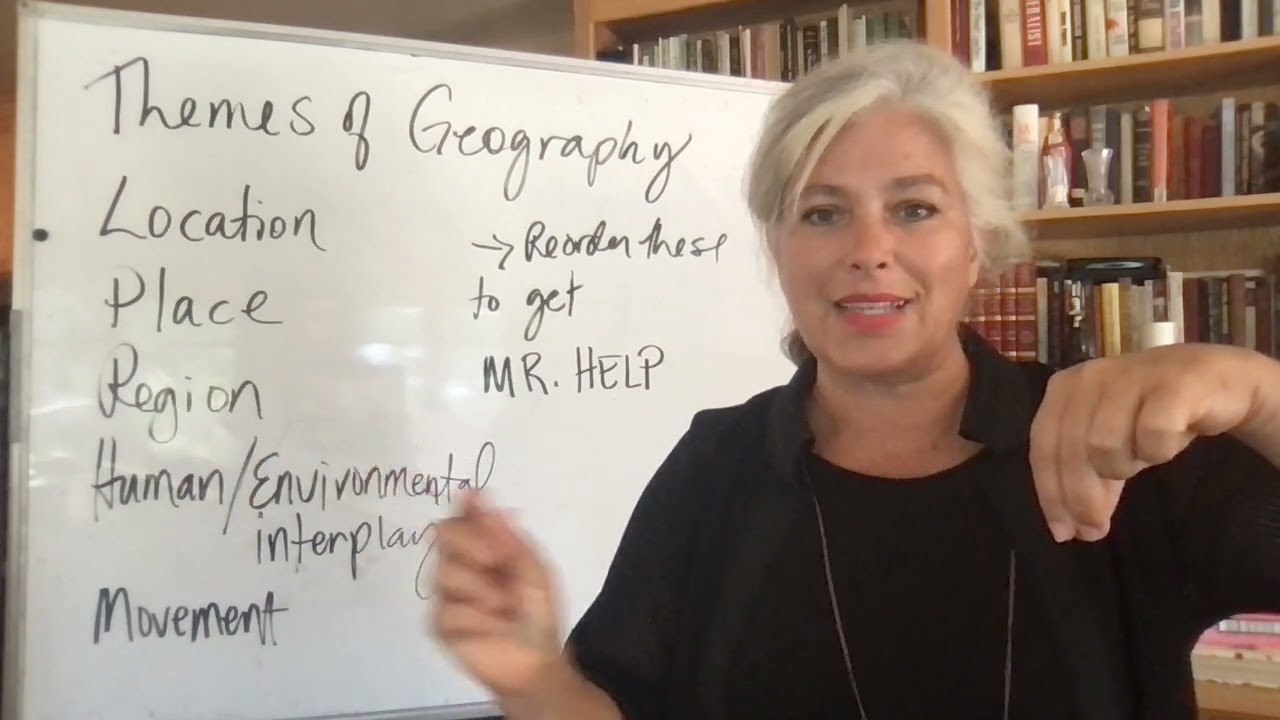



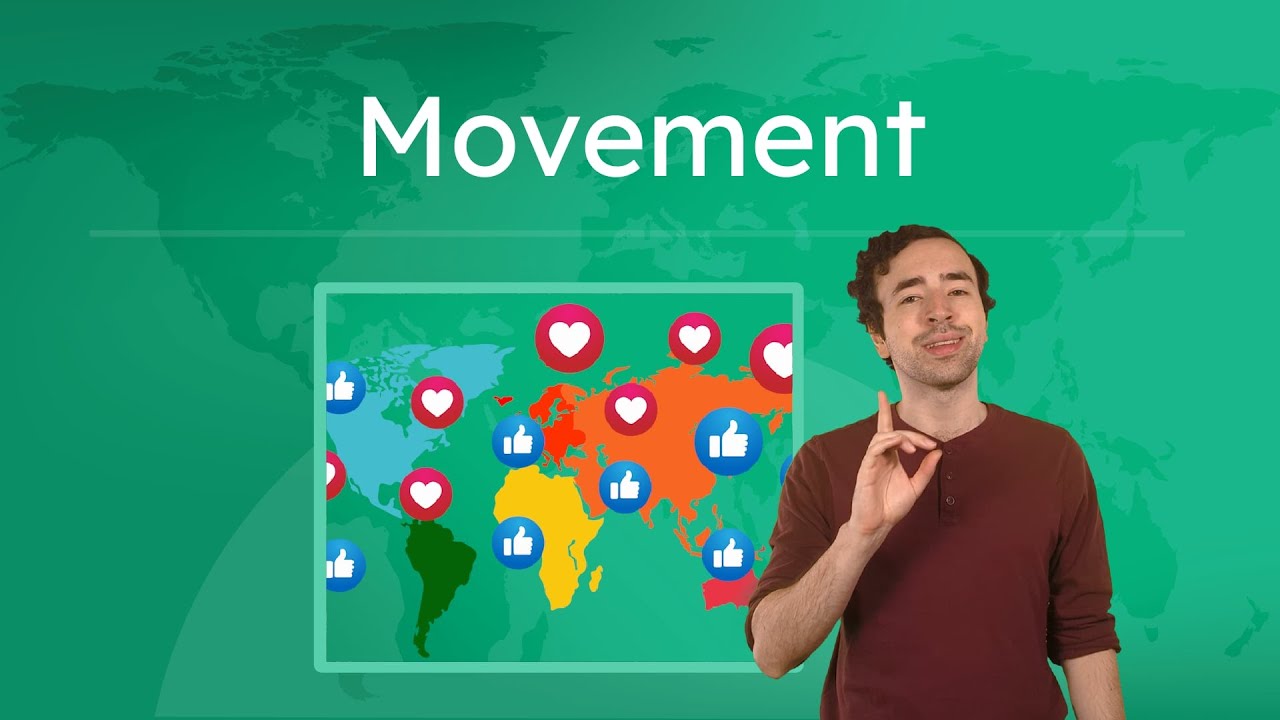
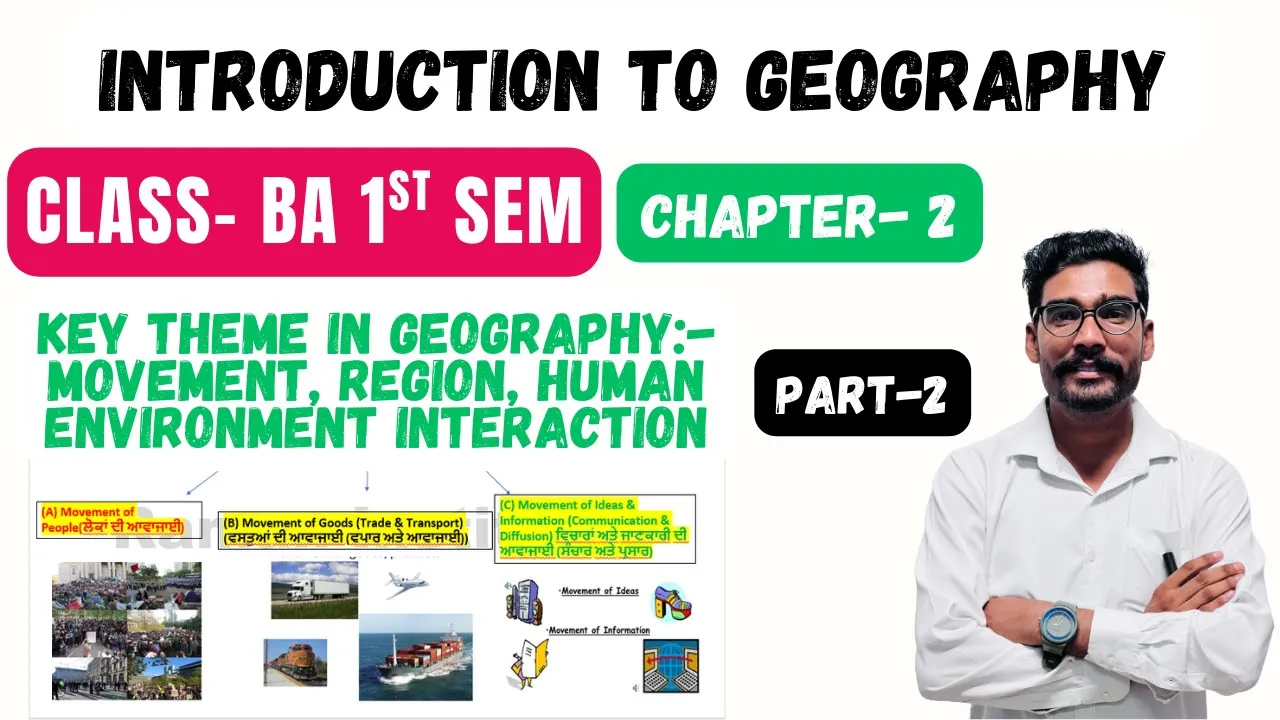






The five themes of geography are Location (exact position using latitude/longitude or relative descriptions), Place (physical and human characteristics of a location), Region (areas with shared physical or human characteristics), Movement (how people, goods, and ideas travel between places), and Human Environment Interaction (how humans adapt to and modify their environment).
5 Themes of Geography Explained: Location, Place, Region, Movement, and Human-Environment Interaction
Added:A basic definition of geography as the study of Earth's physical features and human populations.
Familiarity with basic map-reading skills, including cardinal directions and understanding globes.
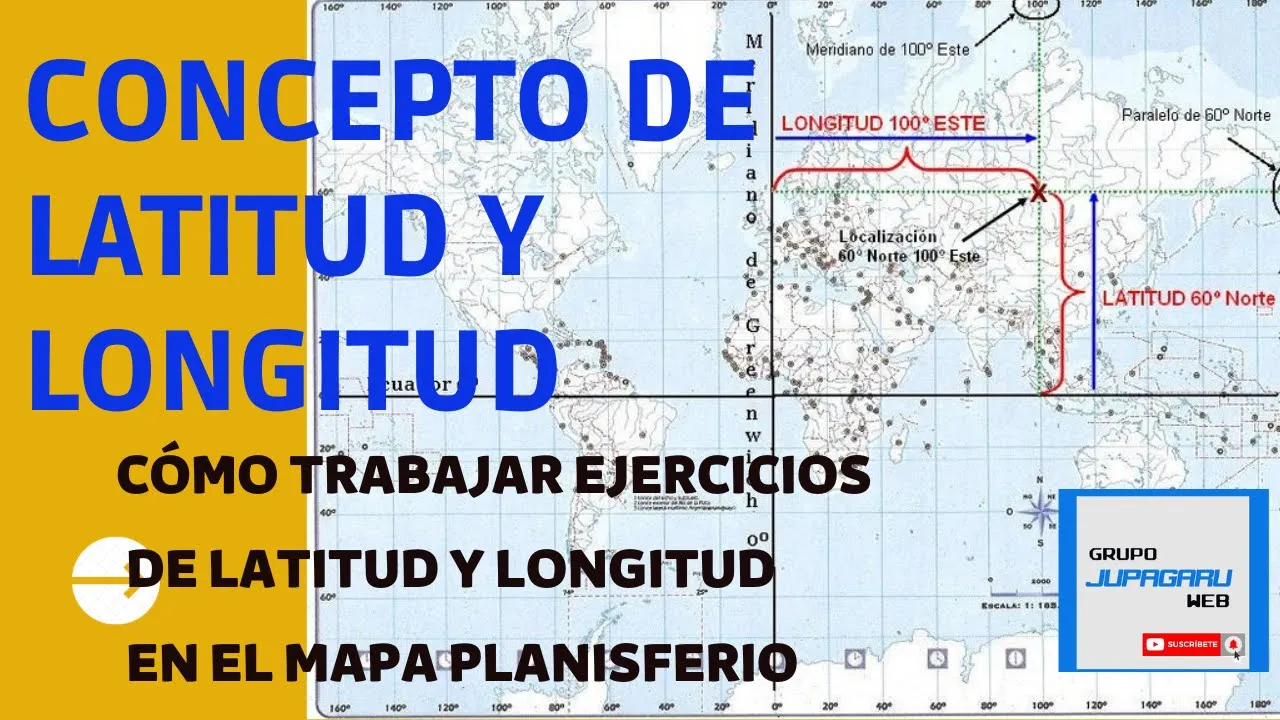
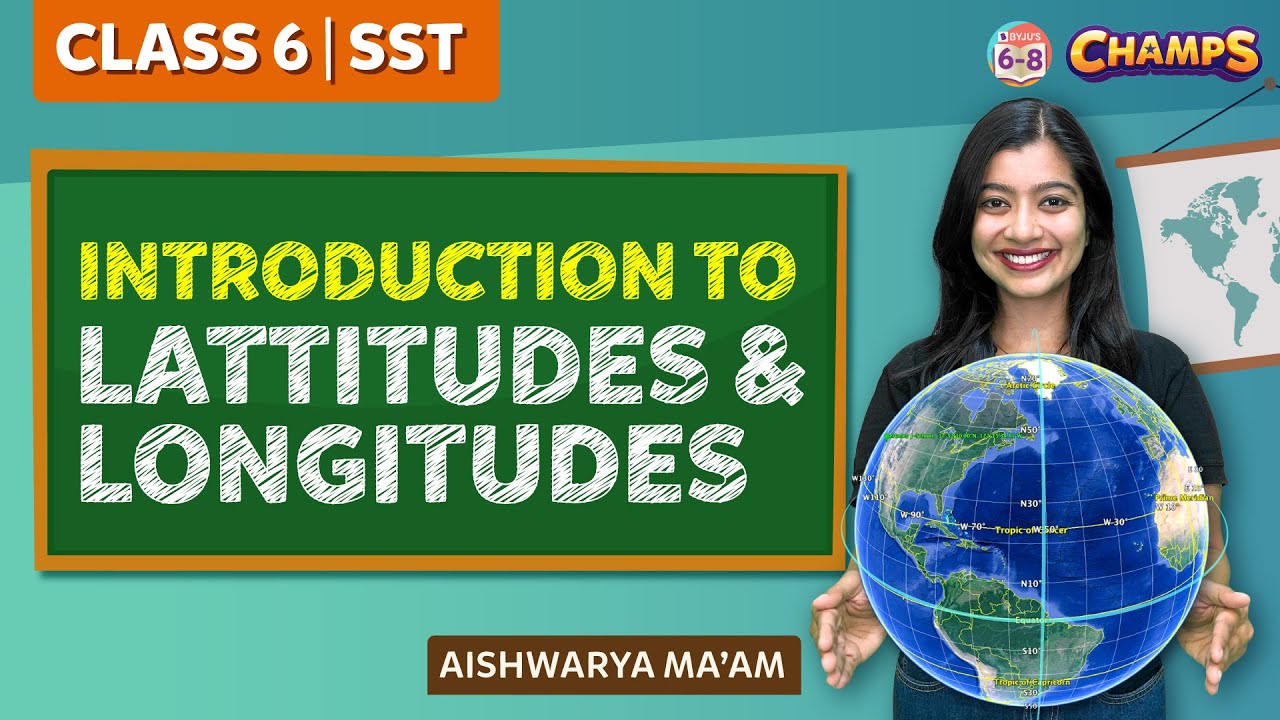
An introductory concept of latitude and longitude as tools for identifying coordinates on a grid.
The fundamental distinction between physical features (such as landforms and climate) and human features (such as cities and culture).
Application of the five themes to conduct a detailed regional case study of a specific country or continent.
Introduction to Geographic Information Systems (GIS) and geospatial technologies used for modern spatial analysis.
Advanced study of human migration patterns, global supply chains, and cultural diffusion (deepening the theme of 'Movement').
Analysis of environmental sustainability and climate change impacts through the lens of 'Human-Environment Interaction'.
Exploring urban planning and cultural geography to understand how 'Places' develop distinct local identities and economies.
16.7K views54likes15:01Original Release: 2012-09-12
hey everybody this is Mr Jackson and today we're going to talk about the five themes of geography now the five themes of geography are very important because when geographers gather information on population or different information they have about the different land forms that they may encounter on the planet they use the five themes of geography to organize all of the geographic information that they get so that's why it's so important so what we're going to do today is we're going to take a look at each one in a little more detail and hopefully I can clear up any confusion there may be about the five themes of geography all right we're going to go through all five today the five themes are location Place region movement and human environment interaction now for all of my people taking Cornell notes I would think that you would already have your paper ready don't worry about creating the questions on the leftand side I got that covered for you just look at the top of the slides those are going to be the questions that should go along with your notes so if you're ready I'm ready let's go the First theme is location now location is an exact position using latitude or longitude or a description of a place in relation to other places around it all right now that may not make much sense but hopefully when I get into it it'll make more sense all right there are two types of location there's absolute location and relative location now let's take a look at both of those so we can get a better idea of location absolute location that's when they use exact values like the coordinates that we've been looking at in class or an address to find a location now if you look at that picture right there this is92 Franklin Avenue all right now if I live in the city where this address is I know exactly where to go I had punch it in my GPS 10092 Franklin Avenue it's an exact value where I know exactly where to go just like the latitude and longitude if I have 35 Dees North and 81 degrees west I know that that is the exact location the absolute location of Charlotte North Carolina I know if I go to those coordinates I will be right there so that's an absolute location cuz they it gives you exact values and it tells you exactly where to go all right relative location is a little bit different relative location is kind of like what people do when they give people directions somebody might ask hey how do you get to the Starbucks oh well you know you take two blocks down this way and you make a right and then you make a left and it's across the street from the Pizza Hut that's a relative location you didn't give anybody an exact value you gave them directions to where it's around all right so like if I said Hey where's Bank of America Stadium oh Bank of America saying I'm not SAR to Panthers play it's Uptown oh well where is the bank oh the bank is around the block all right those are relative locations all right that's why I put this little picture in here somebody might say hey the Pizza Hut is across the street you didn't give me an exact value so you didn't tell me an absolute location you told me where it was in relation to other places that's a relative location all right so that's location let's go and look at another theme of geography and that is place all right a place tells you what a certain location is like all right place describes the physical characteristics of a place you know things like mountains and rivers as well as human characteristics like the people who live there all right when you think about it school is a place school is a place you know that has human characteristics like teachers and students now I can get more precise and give you a location of a school well Morhead STEM Academy is at 7810 Neil Road in charlott North Carolina 28262 is the zip code that's an exact valuable when I tell you about Morehead as a place I describe things that go along in there oh well Morehead yeah that's where I go to school it's it has kindergarteners all the way up to eighth graders it's like we have a lot of cool science classes we got the best social studies teacher in the world Mr Jackson he's like 9 fet tall you're describing to someone what Morhead STEM Academy is like you're not telling them where it is so when you're describing what a place is like you're talking about place you're not talking about location all right well people might be confused it's like man Mr Jackson location and place they sound pretty much the same well it's really nice it they're pretty different things location tells you where something is but Place describes what that that location is like now take this picture for example this is Time Square all right I'm sure most of you have heard of it all right now if I wanted to talk about location in Time Square well Time Square is in New York City at Broadway in 7th Avenue but if I wanted to talk about the place Time Square I'm describing It All Right Time Square it's a busy place with many tourists and a lot of bright lights and billboards all right location I tell you where it is place I describe what it's like all right I hope everybody can understand that let's move on regions what is a region regions are areas that have physical or human characteristics that unite them and either make them different than other regions or the same as other regions all right let's look at this a little bit further okay we have this picture over here on top on the right this is a desert region all right we all know that desert regions all deserts are dry and hot and Dusty all year long that's your standard desert region what's the physical characteristic that unites All Desert Regions they're dry and hot and Dusty it's like they have a dry hot climate all year long all right but if you come down here says tropical regions are warm and moist all year long this highlighted area on this little map between 23 1/2 de Northern latitude and 23 1/2 de Southern latitude this is this area between the Tropic of Cancer and the Tropic of Capricorn is called the tropics all right is right around the equator in this region of the planet it's always warm and moist all year long all year long this is where you're going to find most of your rainforest or all your rainforest all right what's the physical characteristic that unites them well they're all warm and moist all right let's bring it a little closer to home how many of you have ever heard of a region of Charlotte called University City well it's called the University City region because there's a human characteristic well a physical and a human characteristic that unites that area well the physical characteristic is the University of North Carolina Charlotte is in University City and the human characteristic that brings it all together is a lot of University students live in that area so that's why it's called the University City region or University City area because of those two characteristics that unite that region all right I hope that explained it a lot for everybody let's move on to something else that was regions What's Next Movement all right movement is pretty simple movement it just tells us how people good and ideas move from one place to another all right now I got a few pictures on this page look at this this just an interstate look whenever you go on vacation if it's on a road trip most likely you're getting on an interstate so that you and your family could leave from Charlotte and go to Myrtle Beach or go to Florida or go to Virginia Beach wherever people around here go on vacation I know when I go visit my family in Buffalo I have to get on an interstate and go all the way up North to New York all right how do good get around well good might get around on a boat you know sail in the Seas these other cargo ships or Goods can move in a delivery van delivery van on those interstates or other roads roads I'm sorry but I bet people are wondering it's like man Mr Jackson what is what does a phone have to do with movement well I'll tell you so like that's how you get ideas from one place to another if you have an idea that you want to tell someone the first thing you do is pick up the phone dial that number and you dial someone and you tell them that idea now that idea has gone from you to another person on the other side of town if it's to a relative that's in Georgia it went from North Carolina to Georgia all right that's how ideas move from place to place if you're not talking you're texting all right there's another tool that you guys use every day and I'm hoping that somebody will post it on in modo cuz I know you guys know it's a big tool that all kids today use and it's how ideas can travel globally not just from state to state but from country to Country continent the continent all right if you know what it is somebody go to Oto and post it in there and let me know what that big example of movement is how ideas are getting from one place to another all right so that's Movement we going to move on to our last theme our last theme is human environment interaction well what is human environment interaction actually it's exactly what it sounds like human environment interaction tells us how people relate to the physical world all right how do people interact with the Earth all right now we all know that humans adapt to their environment but they also change the environment to have the environment adapt to them all right look at these pictures I have here sometimes human environment interaction is good and sometimes it's not so good all right this man is fishing he's fishing in a river all right that's human environment interaction he had to interact with something that was already part of the environment this river is part of the environment and he's fishing maybe he's fishing for fun maybe he's fishing for survival to get food to eat all right but either way he's doing it he's in he's interacting with the environment as a human being these people skiing all right this these ski slopes are part of the environment these human beings are just interacting with it if you like to go swimming in the ocean that's human environment interaction surfing that's human environment interaction now those are all things that people do recreationally for fun with the how you enact how you interact with the environment but look at this over here this is not so good look at all this trash on the be Beach you see these people over here being disrespectful to Mother Earth killing her littering is not good all right that's how people that's how human beings are changing elements of the environment cuz this this trash is not meant to be here it's meant to be in a trash can it's not meant to just be all over the beach all over the environment all right when you see big bulldozers and they're chopping down trees in the forest to build a new office building or a new home all right that's an example of human beings changing their environment to fit their needs they're making their environment adapt to them I hope everybody understands that because that's a pretty simple really simple theme right the last two thingses we did movement and human environment human environment interaction are probably the easiest themes to grasp all right now that's all I really have for you today uh I hope that everyone enjoyed this little video just keep in mind it's the first video I've ever done so hopefully you know I can Jazz it up a bit make it look nice get a little mood music in there you know get people bobing their head
Up Next
12:27
Maria Kaika: What Is Political Ecology? Explained
@PoliticalEcologyeu
22.5K views•2014-02-05

12:54
Triumph of Orthodoxy Icon: Byzantine Art & History Explained
@BenCallan
2.1K views•2024-08-06

9:49
FastAPI vs Flask vs Django: Choosing the Right Python Web Framework
@TechWithTim
302.5K views•2024-05-26

1:42
Game of Thrones Opening Credits: A Cinematic Analysis
@gameofthrones
46.3M views•2011-04-18
Related Study Plans & Knowledge Roadmaps
Structured learning paths in General & Interdisciplinary Studies
general-studies
Elevator Engineering: History, Physics & Cities
01From Hoists to Safety Brakes: The Dawn of Vertical Lift
02Hydraulic vs. Traction: The Engineering Physics of Elevators
03Modern Speed, Safety, and Algorithms
+ 2 more learning modules
12h5 modules
Explore Roadmap
general-studies
Rubber: Material Science, History & Geopolitics
01Origins of Natural Rubber & Mesoamerican History
02The Chemistry of Natural Rubber & Vulcanization
03The Geopolitics of the Rubber Boom & Colonization
+ 2 more learning modules
12h5 modules
Explore Roadmap
general-studies
Containerization: Evolution, Logistics & Trade
01Ancient Trade & Bulk Cargo: Amphorae to Barrels
02The Industrial Revolution & Cardboard Packaging
03The Containerization Revolution: Malcom McLean
+ 2 more learning modules
12h5 modules
Explore Roadmap
general-studies
Textile Tech: Evolution, Labor & Global Impact
01Pre-Industrial Textiles: Handloom & Cottage Industry
02Mechanization: The Spinning Jenny to the Power Loom
03The Factory System & Global Labor Transformation
+ 2 more learning modules
10h5 modules
Explore Roadmap