














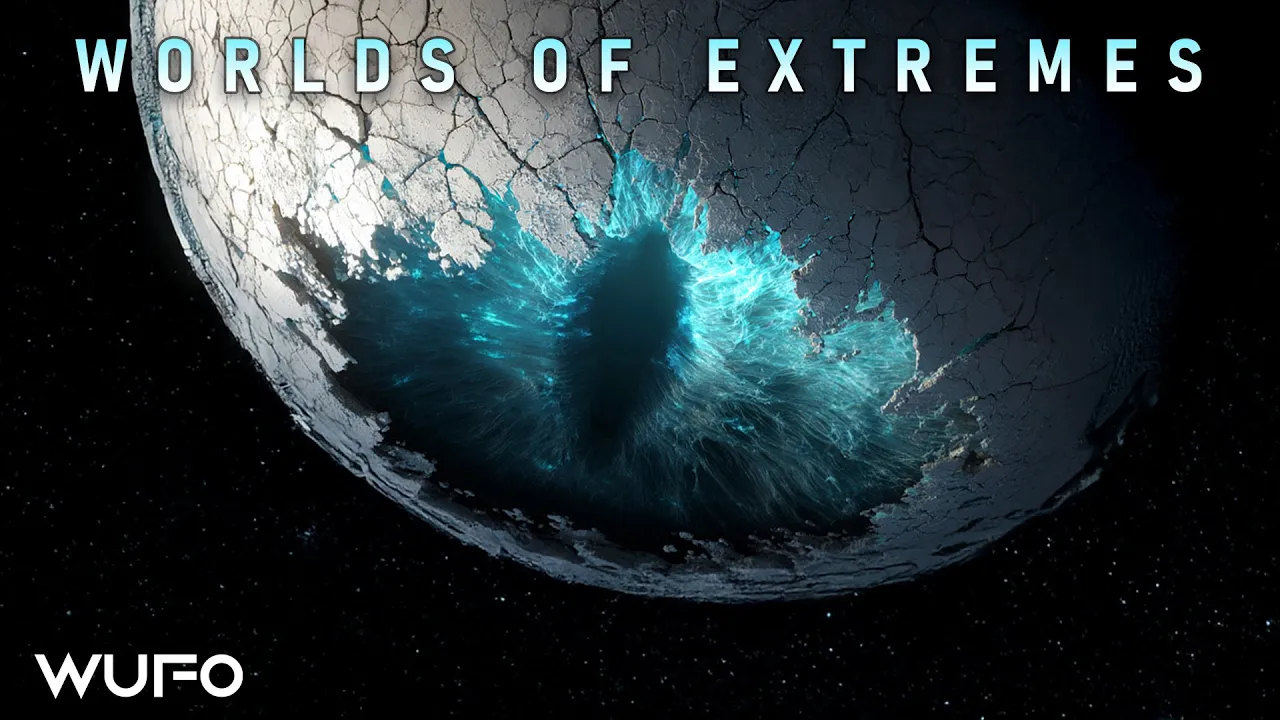













Researchers at Chalmers University of Technology and NASA discovered that hydrogen cyanide (HCN) can form stable co-crystals with nonpolar hydrocarbons like methane and ethane at Titan's extremely cold temperatures (-292°F), challenging fundamental chemistry rules that normally prevent such incompatible substances from mixing; this finding suggests that complex organic chemistry and potentially life-supporting processes could occur in cold environments beyond Earth, expanding our understanding of where life might emerge in the universe.
Hydrogen Cyanide Co-Crystals on Titan Challenge Chemistry Norms
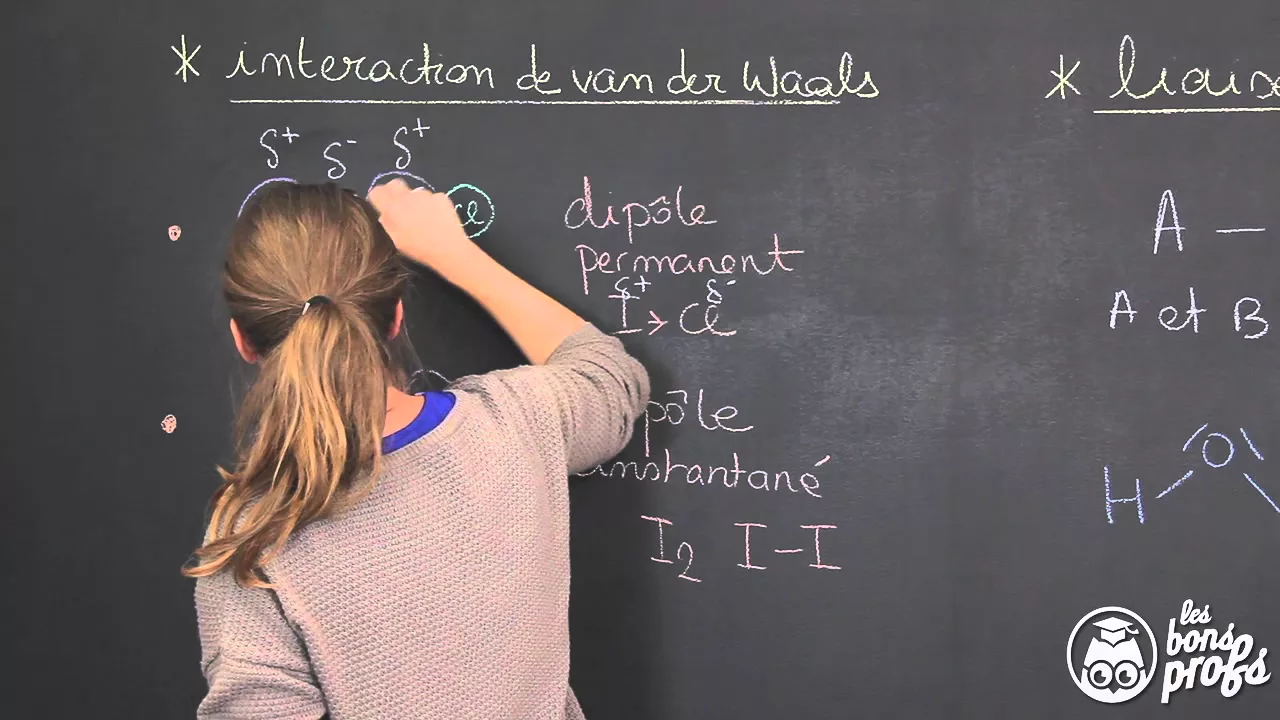
Added:Understanding of intermolecular forces, specifically hydrogen bonding and van der Waals interactions, which govern the formation of molecular crystals.
Basic knowledge of the environmental conditions on Saturn's moon Titan, including its cryogenic temperatures, dense nitrogen atmosphere, and liquid hydrocarbon lakes.
The fundamental concept of prebiotic chemistry, specifically how simple organic molecules serve as precursors to complex biomolecules like amino acids and nucleic acids.
The chemical properties of hydrogen cyanide (HCN), including its toxicity on Earth and its significance as a highly reactive building block in astrochemistry.
Exploration of non-aqueous biochemistry and the theoretical frameworks for how life could emerge and function in liquid methane or ethane rather than water.
Advanced study of cryogenic astrochemistry and how chemical reaction kinetics and thermodynamical properties deviate from terrestrial norms at extremely low temperatures.
Analysis of upcoming astrobiology missions, such as NASA's Dragonfly mission to Titan, and the instruments used to detect organic co-crystals in situ.
The principles of crystal engineering and supramolecular chemistry, focusing on how co-crystals are designed and utilized in pharmaceuticals and materials science on Earth.
4.8K views214likes15:14Original Release: 2025-10-25
Titan Chemistry Just Broke the Rules and Opens the Door to Life Researchers at Chalmers University of Technology in Sweden and the US space agency NASA have made an unexpected discovery that challenges one of the basic rules of chemistry and provides new knowledge about Saturn's enigmatic moon Titan. In its extremely cold environment, normally incompatible substances can still be mixed. This discovery broadens our understanding of chemistry before the emergence of life.
Titan is an extraordinary world. It's the only moon in the solar system with a dense atmosphere - denser, in fact, than Earth's own. The pressure on its surface is 60% higher than what we feel on Earth, as if you were 50 feet (15 meters) underwater in the ocean. But the similarities to our planet end there. On Titan, it rains methane. Its lakes and seas aren't made of water, but of liquid hydrocarbons: methane and ethane filling basins as large as North America's Great Lakes.
Its dunes aren't sand, but dark organic compounds called tholins that rain down from the atmosphere like chemical snow. The atmosphere itself is 95% nitrogen and 5% methane, with complex carbon-based chemistry constantly happening in its orange clouds. The average surface temperature is around -290°F (-179°C). At these temperatures, water becomes as hard as rock, and methane behaves like water does on Earth: it evaporates, forms clouds, rains down, flows in rivers, and collects in lakes. Titan has a genuine methane cycle, just like Earth has a water cycle. All these characteristics make Titan an ideal natural laboratory for studying prebiotic chemistry and the chemical reactions similar to those that might have favored the origin of life on our own planet.
In this regard, one of the most interesting molecules present in the satellite's atmosphere, produced by complex chemical reactions triggered by sunlight and cosmic radiation, is hydrogen cyanide. The molecule is in fact a key precursor for the formation of amino acids and nucleobases, the fundamental building blocks of life, which is why scientists hypothesize it could play a crucial role in the emergence of life beyond Earth as well.
It's precisely in this context that the research in question fits. At the heart of the study is the fate of hydrogen cyanide in Titan's atmosphere. The question the scientists were trying to answer was this: once formed in Titan's atmosphere, does hydrogen cyanide simply deposit passively on the surface, or does it interact in some way with the surrounding environment? To answer this question, the researchers recreated Titan's conditions in the lab, mixing the acid with methane and ethane at -292°F (-180°C), temperatures at which the former is a crystal while the latter are liquids.
Using laser spectroscopy - a method for examining materials and molecules at the atomic level - they then studied the mixture, discovering that although the molecules remained intact, some kind of interaction that wasn't clearly identified had occurred.
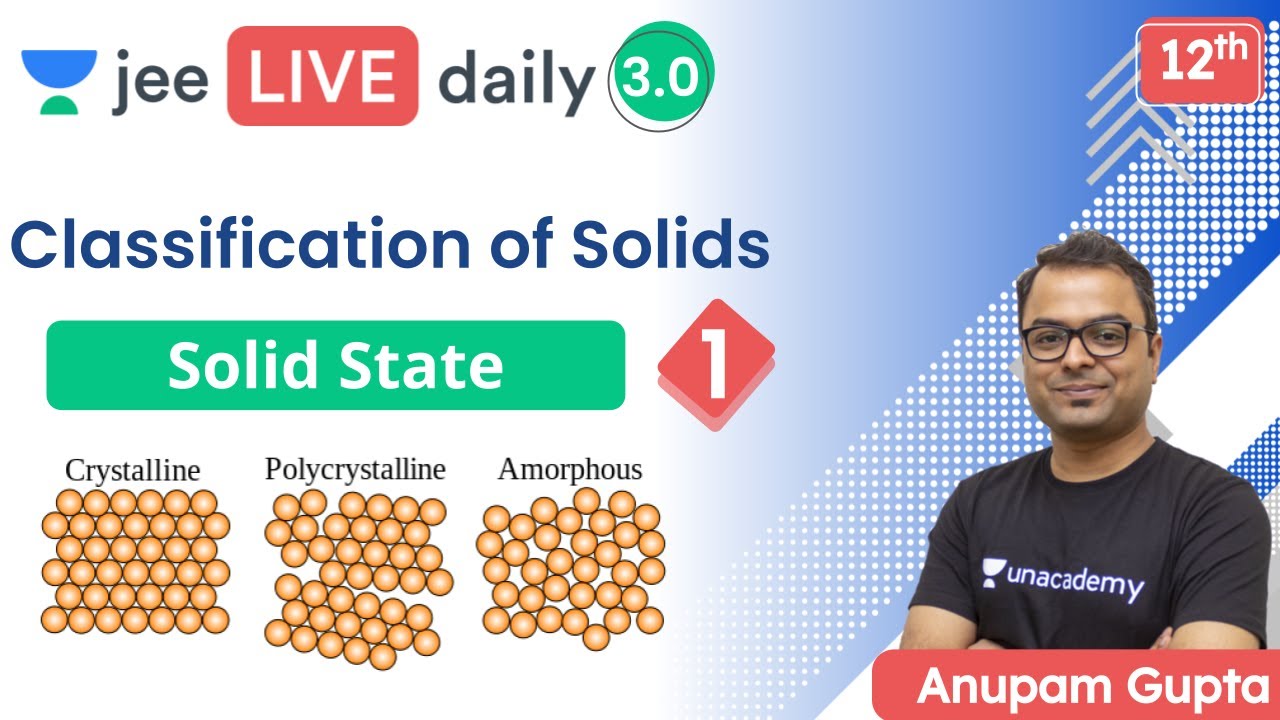
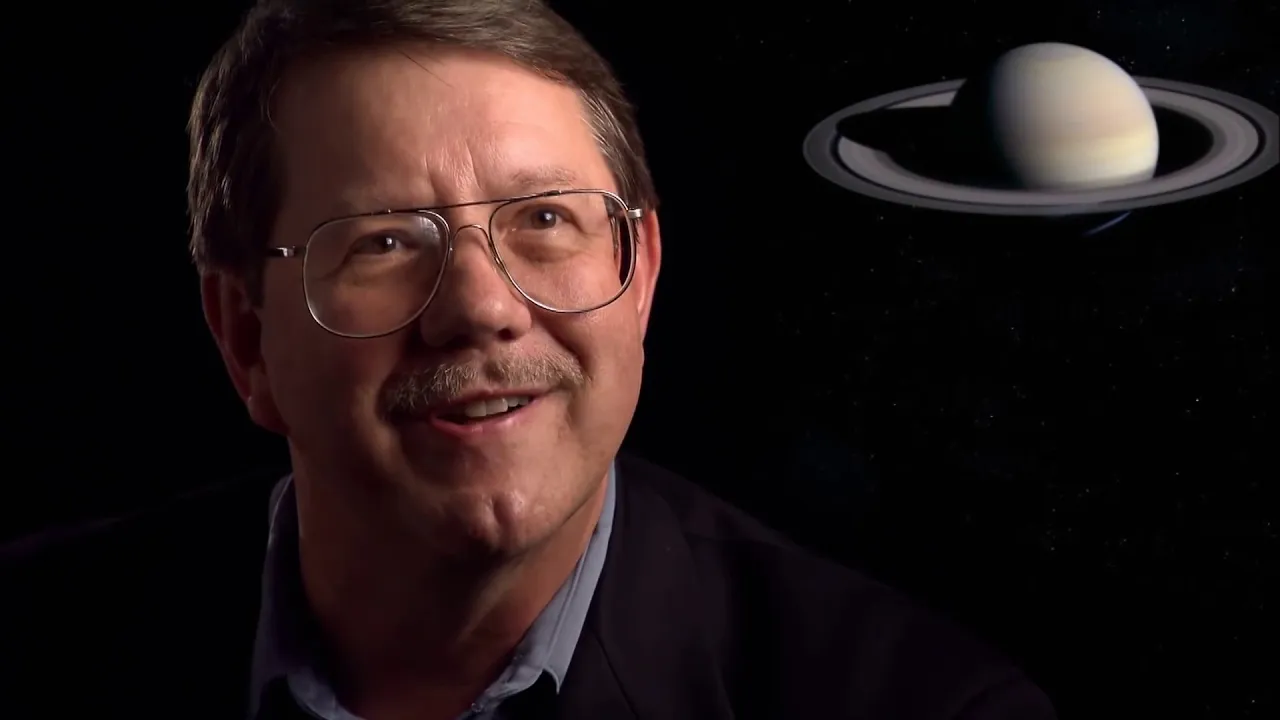
To understand what kind of interaction it was, the team conducted large-scale simulations, testing thousands of possible molecular configurations between the compounds. The results of the investigations were a surprise: the only configuration that explained the interactions between the molecules was a new stable structure called a co-crystal, in which methane and ethane, nonpolar hydrocarbons, had penetrated the crystal lattice of hydrogen cyanide. This is a discovery that effectively challenges one of chemistry's fundamental rules. The simulations indicated that these unusual mixtures are stable under the conditions present on Titan. Moreover, the simulated light spectra obtained matched very well with those from the laboratory experiments, confirming the formation of co-crystals. Okay, but why was this discovery presented as something of a revolution, as something very important for alien biology too? "This unexpected interaction could redefine our understanding of Titan's geology and its characteristic landscapes, shaped by lakes, seas, and sand dunes," explains Martin Rahm, a chemist at Chalmers University of Technology and co-author of the study. "Hydrogen cyanide could play a decisive role in the abiotic formation of some fundamental building blocks of life, such as amino acids and nucleobases, essential for constructing the genetic code. In this sense, our work provides new perspectives on the chemistry that precedes the emergence of life and on how it might develop in extreme and inhospitable environments." Well... let's try to wrap our heads around the characteristics of hydrogen cyanide. For us, it's a lethal poison, yet it might have been essential for the birth of life. This is the paradox that has fascinated prebiotic chemists for decades. Hydrogen cyanide, or HCN in its chemical formula, is an incredibly versatile molecule. In the Miller-Urey experiments of 1953, which revolutionized our understanding of the origin of life, HCN emerged as one of the first products when a mixture of primordial gases was exposed to electrical discharges simulating lightning. From this apparently simple molecule, composed only of hydrogen, carbon, and nitrogen, practically all the fundamental building blocks of life can be derived. Amino acids, which form proteins, can be synthesized through the Strecker reaction, which uses HCN as a key reagent. Nucleobases, the components of DNA and RNA that encode genetic information, can form from HCN polymerization. Even the precursors of lipids, the fatty molecules that form cell membranes, can emerge from cyanide-based chemical pathways.
"Hey Curious! Before moving on, be sure to subscribe to our channel clicking on the notification bell, and leave us a thumbs up ...so you don't miss out on our daily videos!"
Recent studies have also shown that HCN can serve as a starting point for the simultaneous synthesis of all three main cellular components: nucleic acids, proteins, and lipid membranes.
This approach, called "cyanosulfidic" chemistry, suggests that all cellular subsystems could have emerged simultaneously through common chemistry, rather than evolving separately.
But there's a problem: HCN is highly reactive and degrades rapidly. So before this discovery, it wasn't thought that it could play a significant role anywhere in the solar system... But now, as this new research suggests, we're beginning to realize that the super-cold environment of the outer moons might not be an obstacle to interaction with hydrocarbons - like those present in large quantities on Titan, for example! So perhaps on Titan, hydrogen cyanide doesn't simply accumulate in thick inert layers on the surface, as was thought, but might instead form stable molecular complexes with the lakes and seas of methane and ethane.
On Titan, the extremely low temperature is both a blessing and a curse. It preserves organic molecules, protecting them from the degradation that would occur rapidly at higher temperatures.
Compounds falling from the atmosphere accumulate on the surface for billions of years, creating a chemical archive of the moon's history. But the cold also enormously slows down chemical reactions. Reactions that would take days or weeks on Earth could take millions of years on Titan.
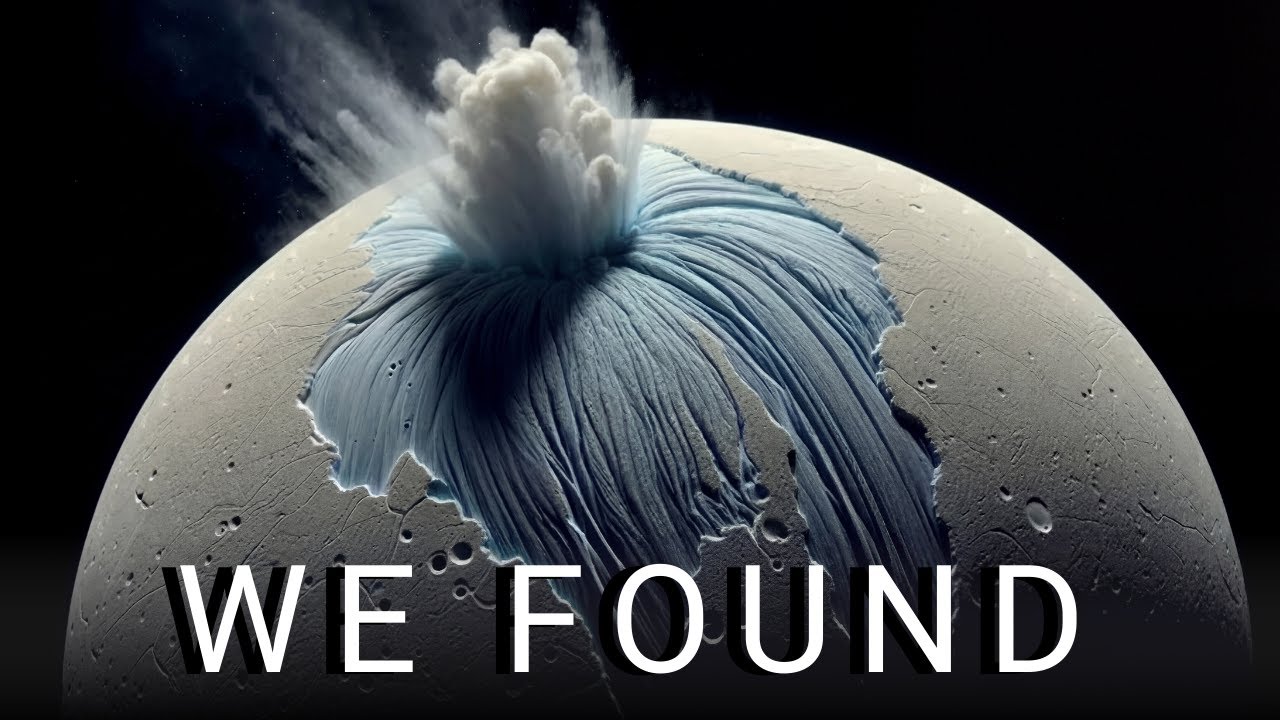
However, there are exceptions. Asteroid or comet impacts can briefly create liquid water conditions, dramatically accelerating local chemistry. Cryovolcanism, if it exists on Titan as some observations suggest, could erupt liquid water mixed with ammonia from the inner crust, providing another environment for faster reactions.
And perhaps the interaction between hydrocarbon lakes and precipitating organic compounds creates chemical microenvironments we can't yet imagine. Will we ever be able to verify this directly?
Maybe yes! In July 2028, if everything goes according to plan, a SpaceX Falcon Heavy will blast off from Earth carrying one of the most ambitious spacecraft ever built. It's called Dragonfly, and it's a drone. Not just any drone, but a car-sized octocopter powered by a radioisotope thermoelectric generator, designed to fly in Titan's atmosphere. After a six-year journey, including a close flyby of Earth to pick up extra speed, Dragonfly will arrive at Titan in 2034. It will be the second spacecraft to land on Saturn's moon's surface, after the Huygens probe in 2005, and the first aircraft ever designed to fly on a celestial body other than Earth (following the Ingenuity helicopter on Mars). But Dragonfly is much more than a tech demo. It's an astrobiology mission. Its goal is to study prebiotic chemistry on Titan and search for the chemical processes that could lead to the origin of life.
Titan's dense atmosphere and low gravity make flying relatively easy. Dragonfly will be able to travel over 71 miles (115 kilometers) during its planned 3.3-year mission, making one flight every 1-2 Titan days (one day on Titan lasts 16 Earth days). It will initially land near the Shangri-La dunes, not far from where Huygens landed, and then head toward Selk Crater. Selk is particularly interesting. It's a relatively young impact crater, about 56 miles (90 kilometers) in diameter, where an asteroid or comet punched through Titan's icy crust, exposing interior materials. The impact would have briefly created liquid water conditions, perhaps for hundreds of years, allowing water and organic compounds to mix.
If there's a place on Titan where prebiotic chemistry might have progressed toward something more complex, Selk is an excellent candidate. Dragonfly's instruments will include mass spectrometers to analyze sample composition, cameras to study geology and meteorology, a seismometer to probe Titan's interior, and a neutron spectrometer to measure the abundance of elements like hydrogen, carbon, and nitrogen in surface materials.
The discovery of HCN-hydrocarbon co-crystals comes at the perfect time. It gives Dragonfly mission planners new hypotheses to test and new phenomena to look for. Dragonfly will be able to verify whether these co-crystals actually exist in nature, not just in the lab, and study how they affect Titan's surface chemistry. Whenever carbon, nitrogen, and hydrogen meet under appropriate conditions, HCN can form. And now we know that in sufficiently cold environments, this HCN can form stable complexes with hydrocarbons, opening up new pathways for complex organic chemistry. This has profound implications for astrobiology. For decades, the search for extraterrestrial life has focused mainly on regions where liquid water can exist on a planet's surface. But this discovery teaches us that interesting chemistry - maybe even the chemistry that leads to life - can occur in much colder and apparently inhospitable environments.
Think about the icy moons of the outer solar system: Jupiter's Europa, Saturn's Enceladus, Neptune's Triton. They all have subsurface oceans of liquid water beneath ice crusts. If HCN and hydrocarbons can interact in complex ways at cryogenic temperatures, this dramatically expands the possible habitats for prebiotic chemistry. And what about exoplanets? We now know of thousands of planets around other stars. Many of these are "Super-Earths" or "Mini-Neptunes," worlds larger than Earth but smaller than Neptune, often with dense atmospheres rich in hydrogen, methane, and nitrogen. Some orbit in the cold outer zones of their solar systems. Could these worlds host Titan-like chemistry but on a planetary scale? The discovery suggests we need to expand our definition of "habitability." It's not just about liquid water and moderate temperatures.
It's about understanding all the possible pathways through which inorganic chemistry can transform into complex organic chemistry and, perhaps, into something resembling life. Naturally, there are still many unanswered questions. The formation of HCN-hydrocarbon co-crystals is just the first step. Can these crystals subsequently react to form more complex molecules? What conditions are necessary for this to happen? And most importantly, can this type of chemistry lead to something resembling biochemical processes? Martin Rahm and his group don't intend to stop here. "Hydrogen cyanide is found in many places in the universe," he said. "The findings of our study may help us understand what happens in other cold environments in space. And we may be able to find out if other nonpolar molecules can also enter the hydrogen cyanide crystals and, if so, what this might mean for the chemistry preceding the emergence of life." The researchers will continue conducting experiments, testing other combinations of molecules under Titan conditions, studying how these co-crystals evolve over time, and exploring whether they can serve as platforms for further organic syntheses. This discovery reminds us of something fundamental: the universe is more creative than we imagine. The rules we learn in terrestrial laboratories, at room temperature and standard pressure, aren't immutable universal laws.
They're guidelines that can be bent, modified, and even broken under extreme conditions. Life on Earth is based on water, moderate temperatures, and chemistry that occurs in aqueous solutions.
But life might be much more flexible than we think. Maybe it can emerge wherever there are energy gradients, the ability to contain information, and mechanisms for evolution, regardless of solvent or temperature. Titan offers us a natural laboratory to test these ideas. It's close enough to be studied in detail with our space probes, but alien enough to challenge all our assumptions about how chemistry - and perhaps life - can work. Titan awaits us.
And with it, perhaps, the answers to some of the deepest questions humanity has ever asked.
OK, guys...that is all for now! Is there anything you don't understand about what we've told you?
If so, let us know in the comments! And if you want to learn more about Titan, check out our viral video about why we should colonize TItan instead of Mars
Up Next

5:35
Cyclic Voltammetry of Ferricyanide with KCl Electrolyte
@dheerajdh
94.5K views•2011-08-14
83:56
Biocatalysis and Catalysis in Islatravir Synthesis | Merck Webinar
@SCIwheresciencemeetsbusiness
675 views•2020-10-08
10:06
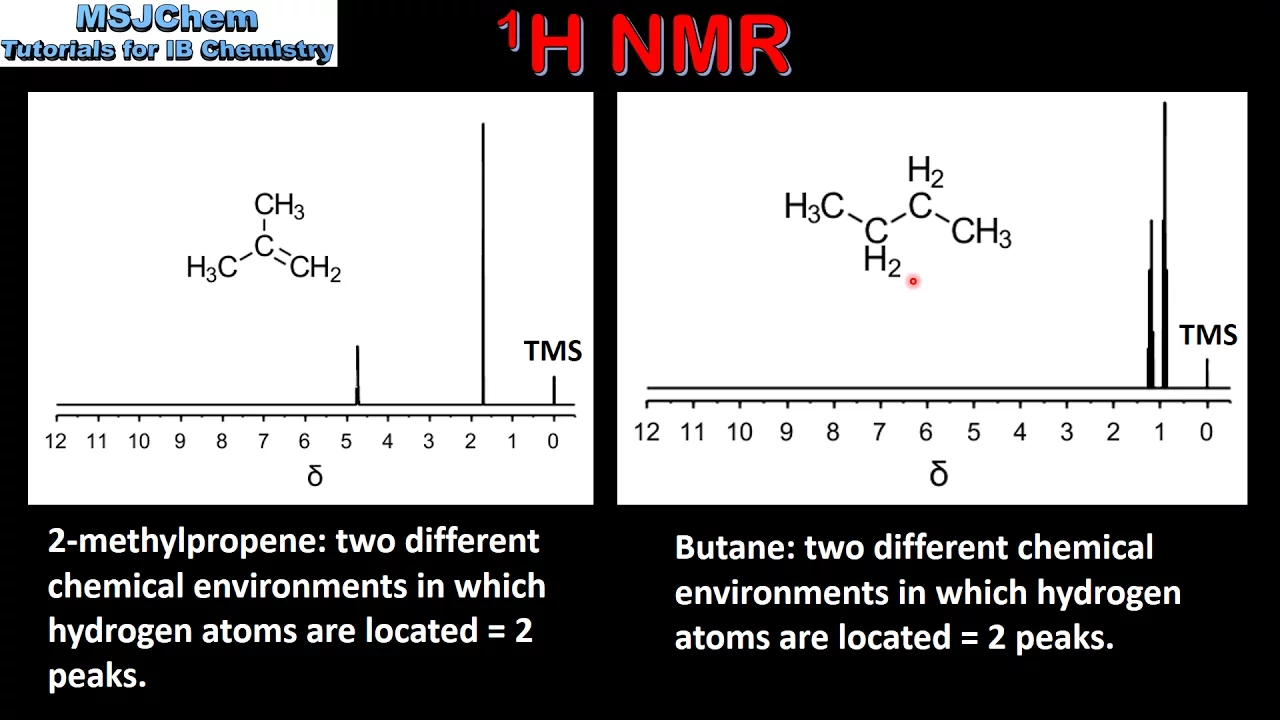
1H NMR: Determining Number of Peaks from Structure
@MSJChem
59.2K views•2017-04-06

17:31
Edible Water Bottles: A DIY Guide to Sodium Alginate Spherification
@ryan
10.5M views•2019-06-21
Related Study Plans & Knowledge Roadmaps
Structured learning paths in Chemistry
chemistry
Nuclear Chemistry: Decay, Meds & Fuel Cycle
01Introduction to Nuclear Structure and Radioactivity
02Decay Dynamics and Kinetics
03Radiation Interaction and Detection
+ 2 more learning modules
24h5 modules
Explore Roadmap
chemistry
Supramolecular Chemistry: Forces & Machines
01Foundations of Chemical Bonding and Intermolecular Forces
02Introduction to Host-Guest Chemistry
03Thermodynamics and Dynamics of Self-Assembly
+ 2 more learning modules
16h5 modules
Explore Roadmap
chemistry
Photochemistry: Excited States & Reactions
01Foundations of Light-Matter Interactions
02Molecular Orbitals and Electronic States
03Photophysical Processes and Jablonski Diagrams
+ 2 more learning modules
18h5 modules
Explore Roadmap
chemistry
Coordination Chemistry: Bonding & Properties
01Introduction to Transition Metals and Ligands
02Crystal Field Theory (CFT) and Geometry
03Magnetic Behavior and Spin States
+ 2 more learning modules
14h5 modules
Explore Roadmap