In Riley v. California (2014), the U.S. Supreme Court ruled that police generally cannot conduct warrantless searches of an arrested person's cellular phone, distinguishing it from traditional warrantless searches of physical items like pockets or bags; the Court found that cellular phones contain vast amounts of highly sensitive personal information and that alternative measures exist to secure data without violating constitutional protections.
Riley v. California: Warrantless Cell Phone Searches Explained
Added:Deep Dive
The Fourth Amendment to the U.S. Constitution, specifically the protection against unreasonable searches and seizures and the general warrant requirement.

LIVE UPC: Bill of Rights w/ Leonard |Diasiss on Iran | More w/ Jimmy Bell, Beau Benson | OPEN MIC |
426
The Fourth Amendment to the U.S. Constitution protects the right of the people to secure their persons, houses, papers, and effects against unreasonable searches and seizures. It requires that warrants be issued only upon probable cause, supported by oath or affirmation, and must particularly describe the place to be searched and the persons or things to be seized. This amendment was created in response to British practices of searching colonists' homes without cause, and it remains a fundamental protection of privacy and property rights in American law.
Click to watch →
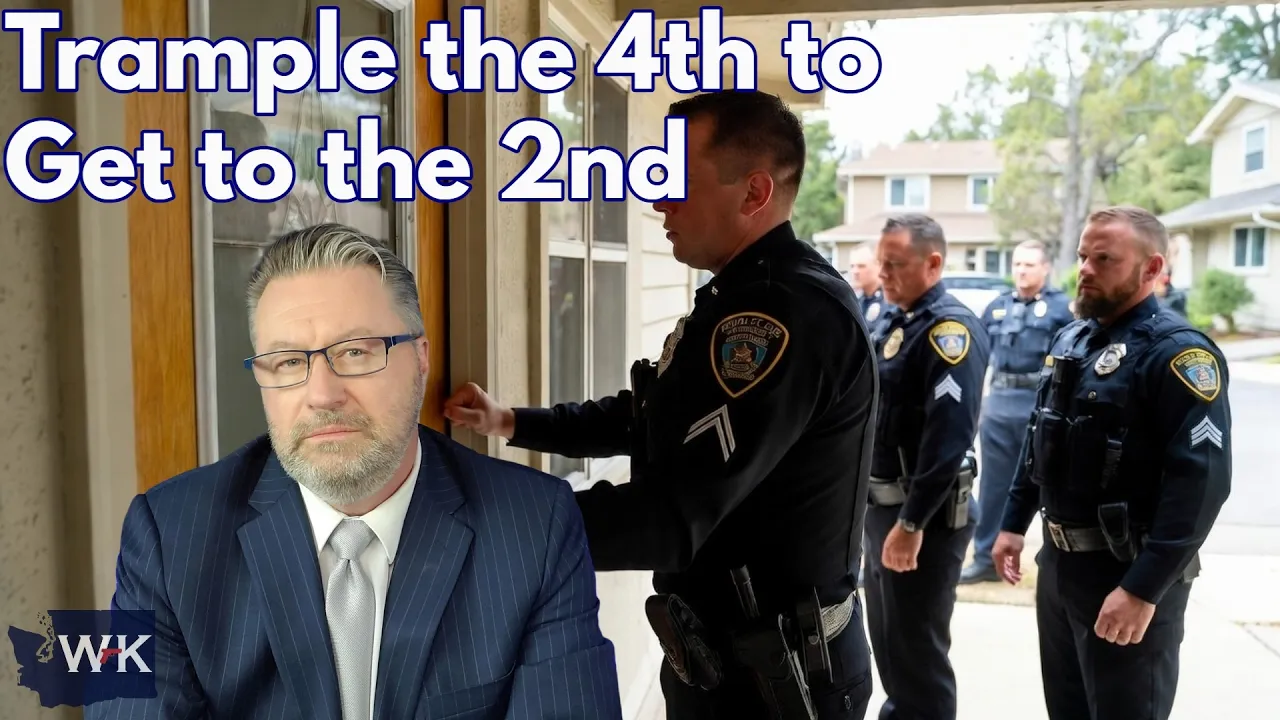
How They'll Trample Your 4th Amendment Rights to Get to Your Second Amendment Rights
15.4K
The Fourth Amendment to the United States Constitution protects citizens' rights to be secure in their persons, houses, papers, and effects against unreasonable searches and seizures. It establishes that no warrants shall issue except upon probable cause supported by oath or affirmation, and particularly describing the place to be searched and the persons or things to be seized.
Click to watch →

Louie Gohmert on Political Surveillance & Government Overreach | The Tudor Dixon Podcast
6.9K
The Fourth Amendment to the U.S. Constitution provides protection against unreasonable searches and seizures. It requires that law enforcement obtain probable cause that a crime was committed and that the specific person committed that crime. Additionally, the warrant must describe with particularity exactly what is being searched for. Without meeting these requirements, searches and seizures are considered unconstitutional.
Click to watch →

Our govt is SPYING ON US w/ Five Eyes!
5.4K
The Fourth Amendment to the US Constitution protects against unreasonable searches and seizures. It states that the right of the people to be secure in their persons, houses, papers, and effects against unreasonable searches and seizures shall not be violated. No warrants shall issue but upon probable cause, supported by oath or affirmation, and particularly describing the place to be searched and the persons or things to be seized. This amendment forms the basis for laws regarding search warrants, stop-and-frisk safety inspections, wiretaps, and other forms of surveillance, as well as being central to criminal law and privacy law.
Click to watch →

Conheça As 10 Principais Emendas da Constituição USA
4K
The Fourth Amendment protects against unreasonable searches and seizures and was established as a response to the abuse of general warrants by the British colonial government. It requires that searches and seizures be based on probable cause and supported by a warrant issued by a judge, which must particularly describe the place to be searched and the persons or things to be seized. The amendment establishes the right of people to be secure in their persons, houses, papers, and effects against unreasonable searches and seizures.
Click to watch →
Deep Dive
The legal doctrine of 'Search Incident to Lawful Arrest' (SILA) and its historical justifications, namely officer safety and evidence preservation.

Public Defender DESTROYS Illiterate Cop & Whiny Prosecutor In Unlawful Stop Case
5.1K
Chimel v. California established that officers can conduct a search incident to a lawful arrest for two primary reasons: (1) officer safety - to ensure the person doesn't have weapons before transport, and (2) preservation of evidence - to prevent the destruction of evidence. However, this evidence must be related to the crime of arrest, not any crime.
Click to watch →
![Case Study: United States v. Yusuf [Search and Seizure]](https://i.ytimg.com/vi_webp/emNA6n03nYk/maxresdefault.webp)
Case Study: United States v. Yusuf [Search and Seizure]
1.7K
The search incident to a lawful arrest exception allows officers to search the arrestee's person and immediate control area at the time of arrest for officer safety and evidence preservation. The defendant argued this exception did not apply because he was handcuffed in the bedroom and escorted out, making it impossible for him to reach weapons or destroy evidence. The court agreed, noting that when there is no possibility the arrestee could reach into the area officers seek to search, both justifications for the exception are absent. This illustrates how courts apply the exception's rationale to specific facts.
Click to watch →

Door Dash Scam Gone Wrong !!
590
Search incident to arrest is a legal doctrine allowing police to conduct warrantless searches of individuals and areas within their immediate control following a lawful arrest. This is an exception to the Fourth Amendment's warrant requirement, justified by three purposes: (1) Officer safety - protecting officers from potential weapons; (2) Prevent escape - preventing suspects from fleeing and losing connection to the crime scene; (3) Preserve evidence - preventing destruction of evidence that could connect the person to the crime. In the DoorDash scam case, the officer conducted a search incident to arrest after receiving information about a warrant, which changed the nature of the interaction from a simple inquiry to a formal arrest procedure.
Click to watch →
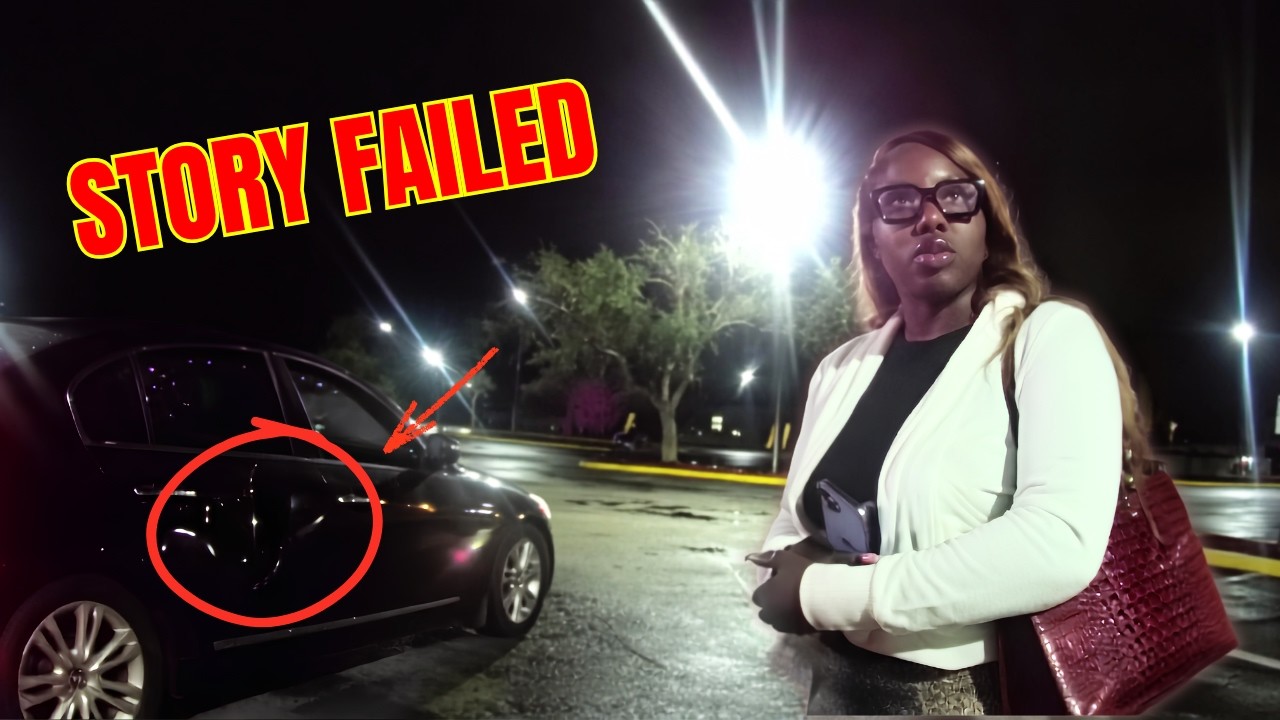
"I Don't Know Him!" | Toxic Couple Tries To Set Up Uber Driver, Backfires Fast | Legal Analysis
54.7K
Under United States v. Robinson, a search incident to lawful arrest requires no additional justification. Any items found during such a search are admissible in court. This doctrine allows officers to search the arrestee's person and immediate surroundings without a warrant or additional probable cause. In this case, officers discovered identification documents belonging to another person during the search, which led to an additional charge of unlawful possession of another's identification.
Click to watch →
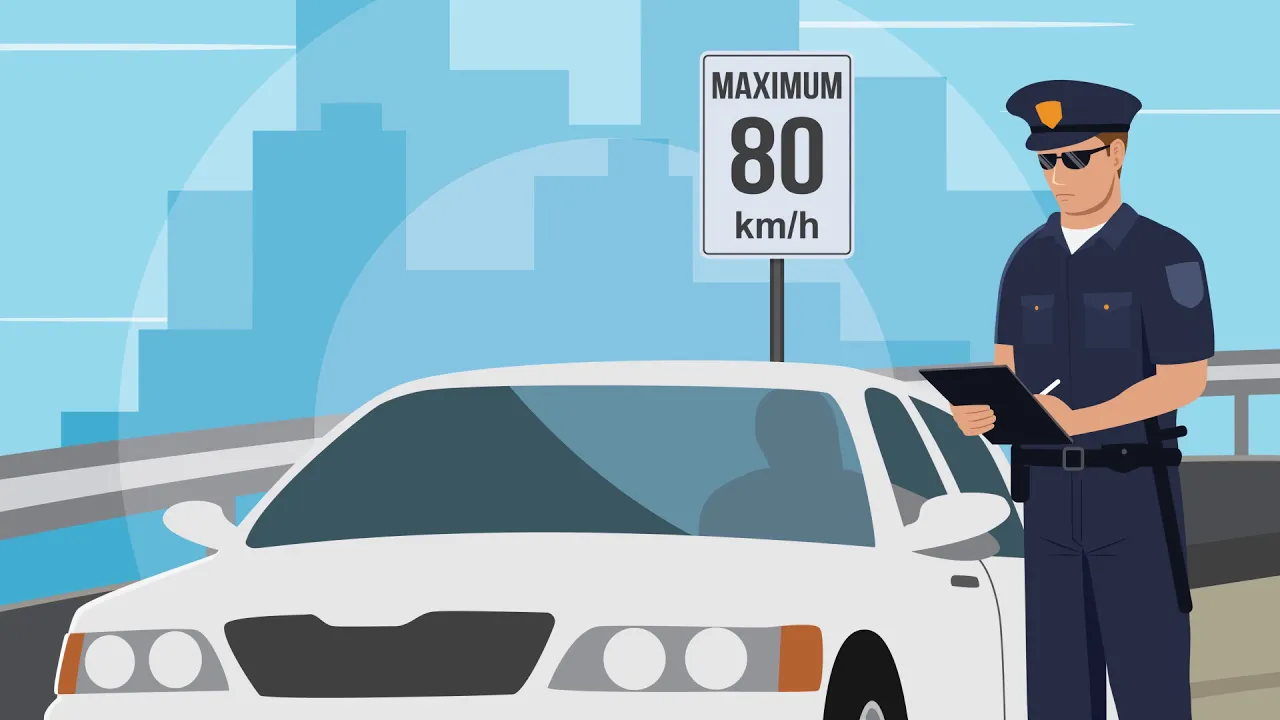
Fourth Amendment Warrant Exceptions: Search, Consent, Plain View
144.1K
Police do not need a warrant to conduct a search incident to a lawful arrest. When conducting a lawful arrest, police may search the person arrested, any area surrounding them, and any area within their wingspan. Courts permit such warrantless searches as protective measures for police safety and to secure evidence that might otherwise be destroyed. This exception was developed in the 1969 Supreme Court case California v. Chimel, which established that police may search the area within the immediate reach of the person being arrested. The rationale is that it is reasonable for arresting officers to search the person to remove weapons that could be used to resist arrest or escape, and to prevent concealment or destruction of evidence.
Click to watch →
Deep Dive
The legal standard of a 'reasonable expectation of privacy' as established in Katz v. United States.
50 years of Surveillance Law in America - Neukom - Spring Donoho Colloquium
448
In 1967, the Supreme Court case Katz v. United States established the legal standard that individuals have a 'reasonable expectation of privacy' in certain spaces. Charles Katz was arrested after police placed recording devices on top of public phone booths to capture his illegal sports betting conversations. The Court ruled that even though the microphones did not physically trespass into the booth's airspace, Katz had a legitimate expectation of privacy similar to being in a taxi, hotel room, office, or home. This case overturned the earlier Olmstead v. United States (1928) ruling, which had held that wiretapping without physical trespass was not a search under the Fourth Amendment.
Click to watch →

The Fourth Amendment (Advanced)
4.6K
In Katz, the Supreme Court overturned Olmstead by establishing that the Fourth Amendment protects people, not places. Justice Harlan's concurrence introduced a two-part test: (1) subjective expectation of privacy (did the individual expect privacy?), and (2) objective reasonableness (would society recognize this expectation as reasonable?). Closing a phone booth door created a reasonable expectation of privacy, making eavesdropping a Fourth Amendment violation even without physical trespass.
Click to watch →

Lectures in History: Supreme Court Cases and Privacy
988
In 1967, the Supreme Court ruled in Katz v. United States that the Fourth Amendment protects people, not places, establishing the 'reasonable expectation of privacy' standard. The 7-1 decision overturned Olmstead and held that individuals have a reasonable expectation of privacy in their phone booth conversations, requiring warrants for warrantless wiretaps. Justice Stewart famously stated courts should not debate whether payphones are constitutionally protected areas. This case established that if someone has a reasonable expectation of privacy in an area, law enforcement needs a warrant before searching it. The ruling transformed Fourth Amendment jurisprudence by focusing on privacy expectations rather than physical trespass.
Click to watch →

Expectation of Privacy: Katz v. United States | Criminal Law
4.7K
In Katz v. United States (1967), the Supreme Court established that the Fourth Amendment protects individuals' reasonable expectations of privacy, regardless of location, and overruled the requirement of physical trespass for a search to occur; the Court held that recording private phone conversations in an enclosed phone booth constitutes an unreasonable search and seizure without a warrant, establishing Justice Harlan's two-part test that an expectation of privacy is reasonable only if it is both subjectively held by the individual and objectively recognized as reasonable by society.
Click to watch →
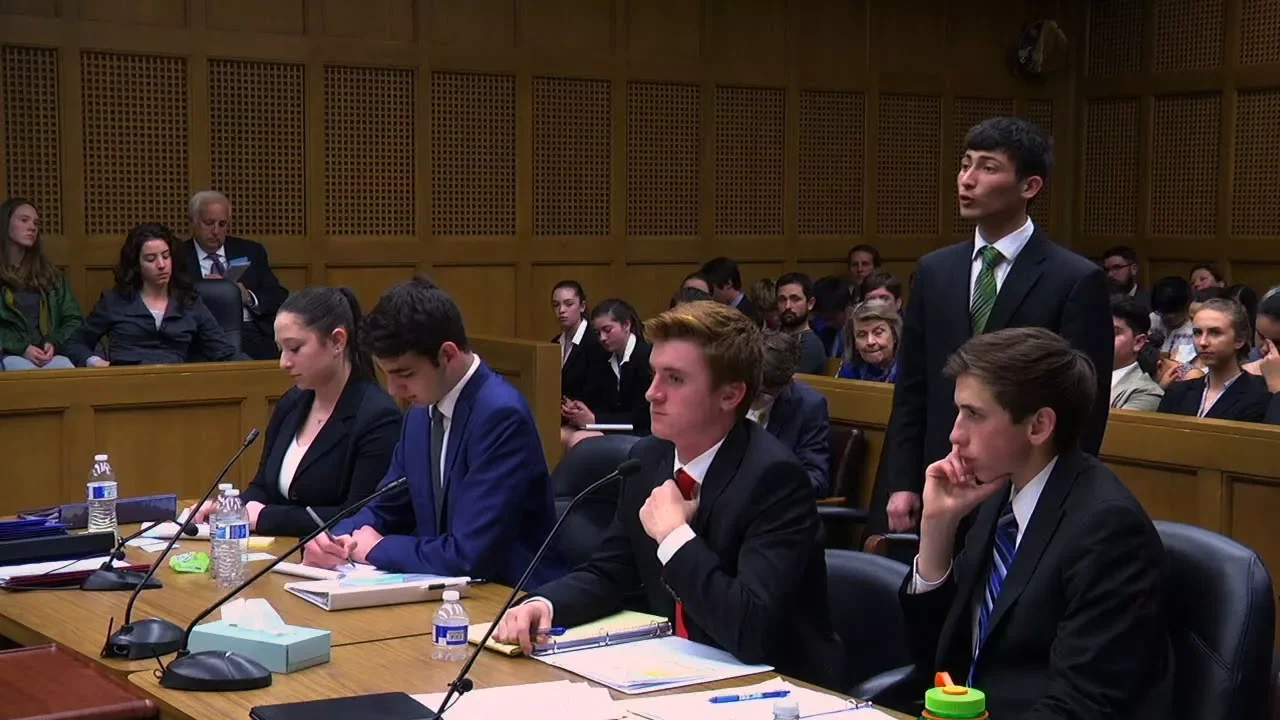
2018 Mock Trial Finals
437.4K
The Supreme Court case Katz v. United States (1967) established the two-prong test for determining whether a person has a reasonable expectation of privacy protected by the Fourth Amendment. First, the person must exhibit an actual subjective expectation of privacy in the area or item being searched. Second, this expectation must be one that society is prepared to recognize as reasonable. In this case, the defense argues that Casey Davidson meets both criteria because he had a legitimate expectation of privacy regarding his own personal GPS location information, which is analogous to the privacy expectations protected within one's home.
Click to watch →
Deep Dive
The basic distinction between physical containers (such as pockets, wallets, or bags) and digital storage devices in constitutional law.
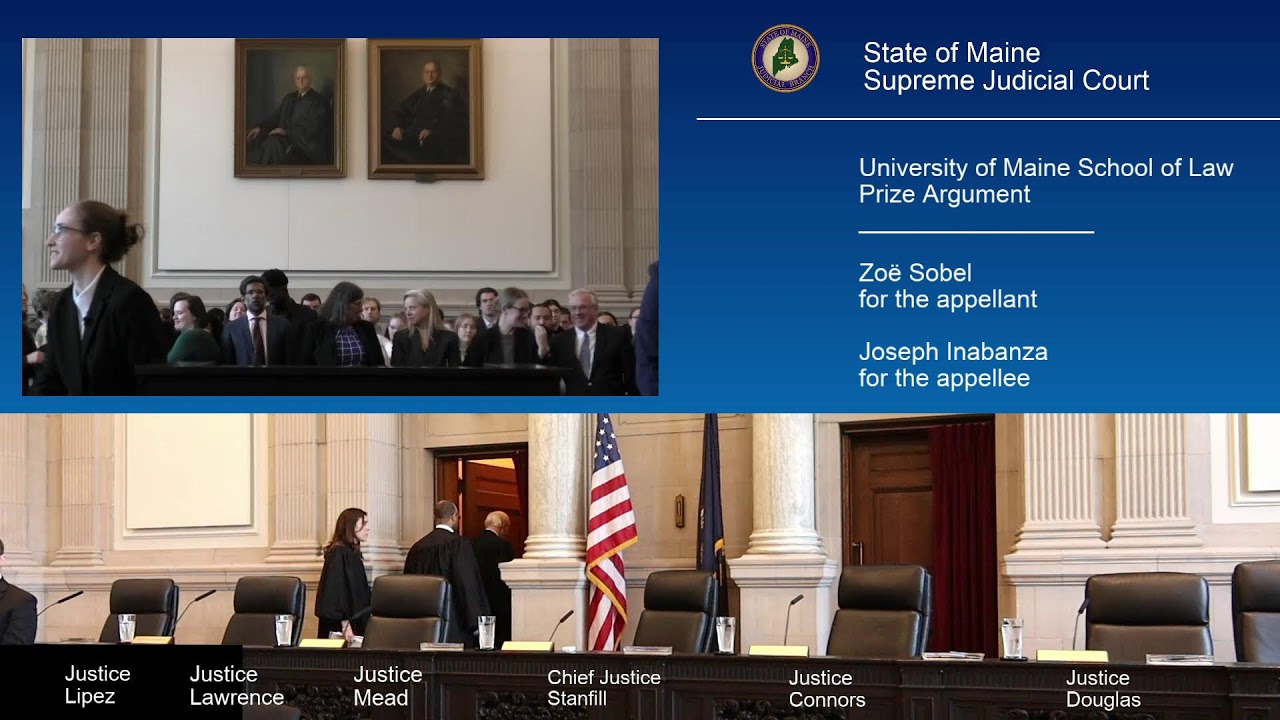
Oral arguments -- March 5, 2026 - Morning Arguments
154
Digital data differs fundamentally from physical evidence in several ways: (1) Digital data is not immediately visible like physical items; accessing it requires specialized equipment to translate binary code into readable information; (2) Digital storage has virtually unlimited capacity compared to physical containers, potentially containing years of personal information; (3) Digital data can be copied and transmitted instantly, unlike physical evidence that must be physically moved. These differences challenge traditional warrant requirements and raise questions about whether existing exceptions to the warrant requirement should apply to digital spaces in the same way as physical searches.
Click to watch →

Riley v. California: Fourth Amendment Cell Phone Searches
17.9K
The legal distinction between searching physical containers like wallets or cigarette packs versus smartphones lies in the level of intrusiveness into personal privacy. While traditional searches of physical items are limited to what might be found in a pocket, smartphone searches access vast amounts of personal data including emails, communications, photos, and videos. This significantly greater intrusiveness means that the same warrantless search rules that apply to physical containers do not necessarily apply to digital devices, requiring courts to evaluate whether technology warrants different treatment under the Fourth Amendment.
Click to watch →

La USB y CD para niños
12.4K
The instructor uses analogies to explain storage: physical items like notebooks, lunchboxes, and clothes are stored in physical containers (mochila, lonchera, closet). Similarly, digital information such as files, photos, audios, music, videos, Word documents, folders, and games need to be stored in digital storage devices.
Click to watch →

(May 2021) ArchivesSpace Basics: Multi-level records, container management & rapid data entry
2.2K
This section explains instances and top containers for tracking physical and digital storage locations. A top container is a unique record that can be reused across multiple components in a finding aid. Container types are based on Mark Leader fields, with top containers representing what you pull off the shelf and children representing contents. A single component can have multiple container instances if materials are spread across multiple boxes or folders. Digital objects require physical carriers (container instances) to be accessed. The system distinguishes between physical and digital storage, allowing tracking of both original and digital copies.
Click to watch →

John Underkoffler points to the future of UI
2.5K
In the luminous room concept, digital storage can exist within physical containers following the same contract as real-world objects. Whatever is placed inside a container must eventually come back out, maintaining the familiar physical relationship between objects and their containers while enabling digital interaction.
Click to watch →
Prerequisite Knowledge
- Concept 01The Fourth Amendment to the U.S. Constitution, specifically the protection against unreasonable searches and seizures and the general warrant requirement.
- Concept 02The legal doctrine of 'Search Incident to Lawful Arrest' (SILA) and its historical justifications, namely officer safety and evidence preservation.
- Concept 03The legal standard of a 'reasonable expectation of privacy' as established in Katz v. United States.
- Concept 04The basic distinction between physical containers (such as pockets, wallets, or bags) and digital storage devices in constitutional law.
Subsequent Learning
- Step 01The Supreme Court's ruling in Carpenter v. United States (2018) regarding warrantless searches of cell site location information (CSLI).
- Step 02The intersection of the Fifth Amendment (privilege against self-incrimination) and the compelled biometric unlocking of cell phones (e.g., FaceID or fingerprint scanning).
- Step 03The modern application of the Third-Party Doctrine to cloud-stored data, where information is held by service providers rather than on physical devices.
- Step 04The limits of the border search exception as it applies to electronic devices, and how Riley influences digital privacy at international borders.
Ruling
Impact
Ruling
0:00Playing Section
- 1
Supreme Court prohibits warrantless cell phone searches post-arrest.
- 2
Police must obtain a judge's warrant before accessing the device.
- 3
Protects sensitive personal data stored in modern phones.
The Critique of Digital Exceptionalism and Law Enforcement Efficacy
While Riley v. California was a landmark ruling protecting digital privacy, critics and law enforcement advocates argue that the decision creates an impractical standard that hampers criminal investigations. This counterpoint argues that treating cell phones differently from physical items like wallets or address books—a concept known as 'digital exceptionalism'—ignores legitimate law enforcement needs. Proponents of this view emphasize that cell phones contain fleeting evidence susceptible to immediate remote wiping or encryption, posing a unique threat of evidence destruction. Furthermore, delaying access to a phone to obtain a warrant can prevent police from identifying immediate threats to public safety, such as locating accomplices or victims in real-time. This perspective contends that the strict warrant requirement tips the balance too far away from public safety and ignores the practical realities of policing in the digital age.
Deep Dive
The Supreme Court's ruling in Carpenter v. United States (2018) regarding warrantless searches of cell site location information (CSLI).
Supreme Court: The Term in Review (2017–2018) Part 1 of 2
3K
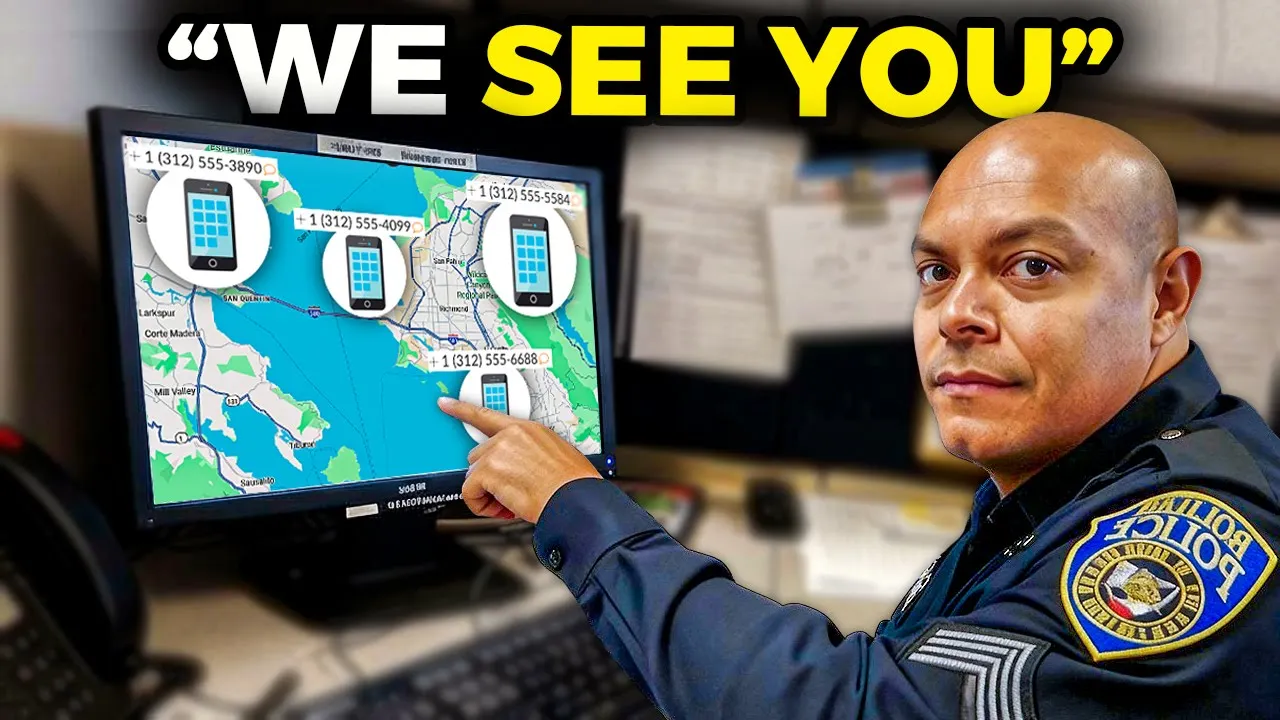
In Carpenter v. United States (2018), the Supreme Court ruled 5-4 that obtaining historical cell site location information (CSLI) from cellular providers constitutes a Fourth Amendment search requiring a warrant. The Court, writing through Chief Justice Roberts, distinguished CSLI from other third-party records because it reveals comprehensive details about a person's life including familial, political, professional, religious, and sexual associations. The Court created a narrow exception to the third-party doctrine, holding that law enforcement needs a warrant to obtain CSLI records. The Court specified that 7 days of CSLI records constitutes a Fourth Amendment search. This decision significantly impacts privacy expectations in the digital age, as major carriers provided location data 125,000 times to law enforcement in 2016 alone. The ruling does not apply to real-time CSLI, foreign policy/national security cases, or exigent circumstances exceptions.
Click to watch →
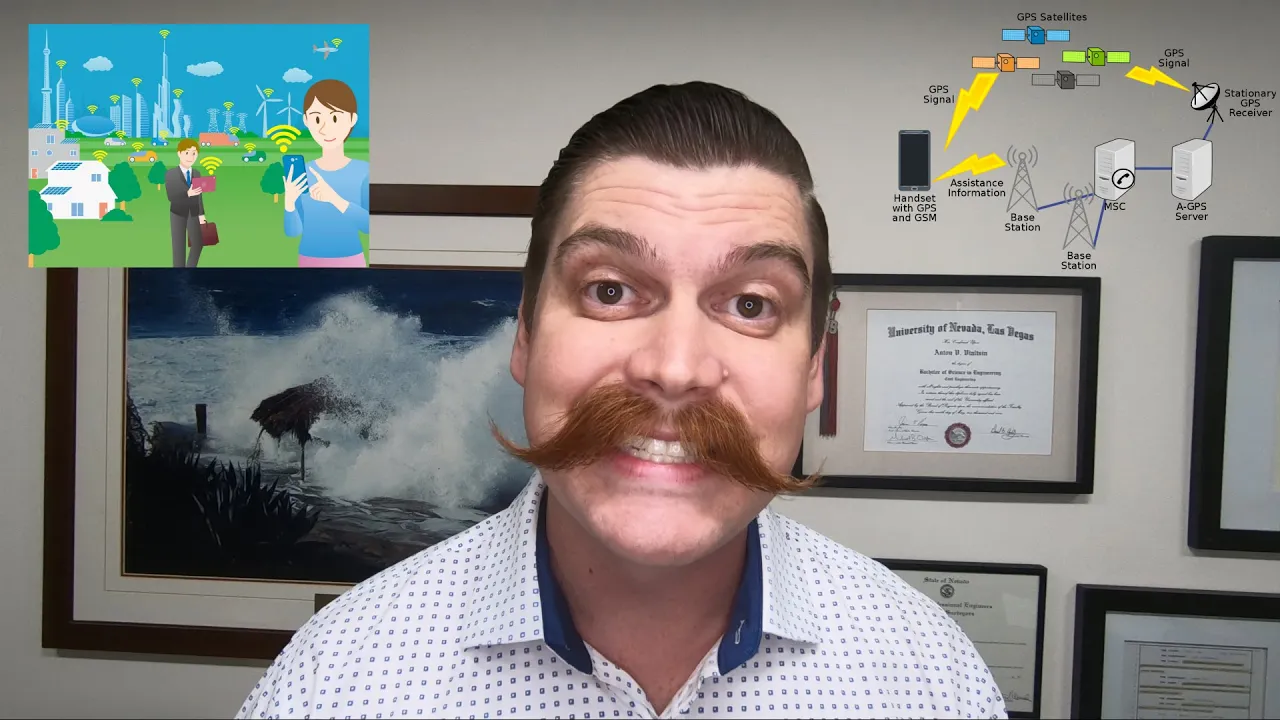
Can police get your historical location information from your cell phone provider without a warrant?
3.4K
In Carpenter v. United States (2018), the U.S. Supreme Court ruled that obtaining historical cell-site location information (CSLI) from cell phone providers without a warrant violates the Fourth Amendment's protection against unreasonable searches and seizures, rejecting the extension of the third-party doctrine to CSLI due to its comprehensive nature in revealing personal movements and private life.
Click to watch →
LAWYER: How to Stop Cops From Using This NEW Tech to Spy on You
823K
In Carpenter v. United States (2018), the Supreme Court ruled that collecting long-term cell phone location history constitutes a search under the Fourth Amendment requiring a warrant. Chief Justice Roberts wrote that there is a legitimate expectation of privacy in the record of physical movements captured through a person's cell phone, and tracking movement through cell signals is an invasion of that expectation. This ruling established that historical cell phone location data requires judicial approval before law enforcement can obtain it.
Click to watch →
Carpenter v. United States (SCOTUS-Toons)
9.2K
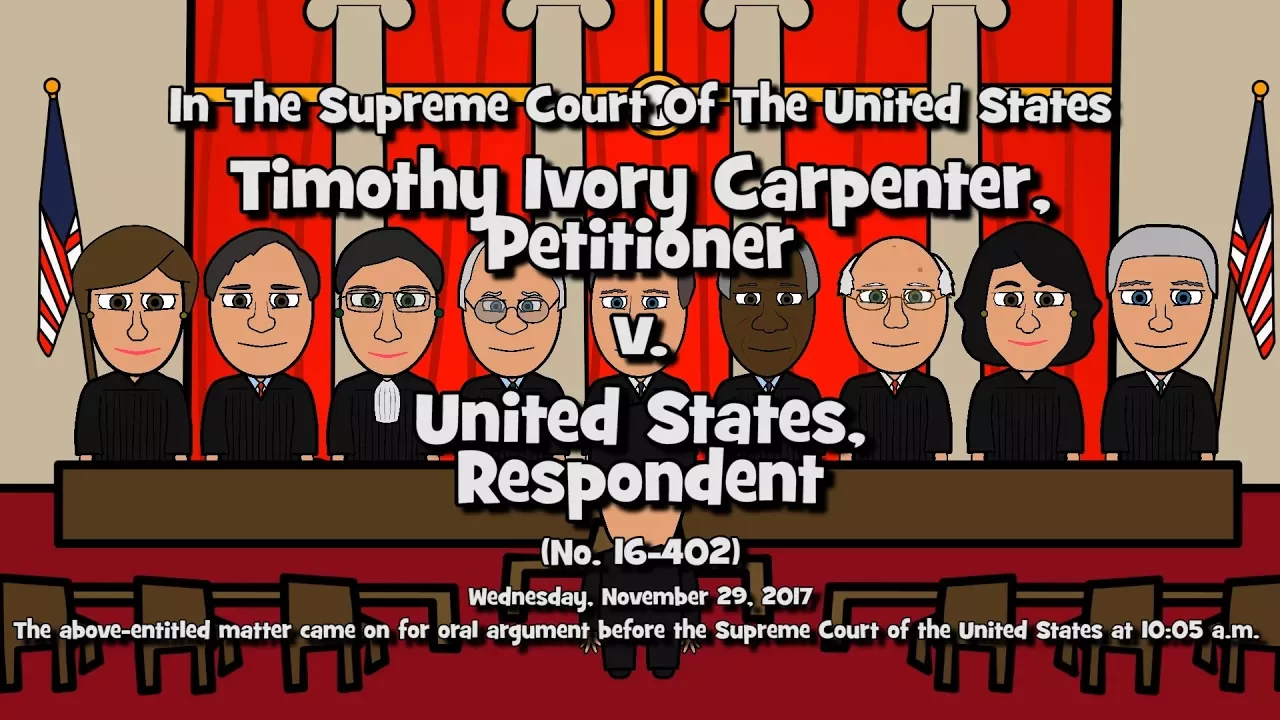
In Carpenter v. United States (2018), the Supreme Court ruled that the warrantless collection of historical cell site location information (CSLI) over a 127-day period constitutes a search under the Fourth Amendment, requiring law enforcement to obtain a warrant before accessing this highly sensitive data. The Court distinguished this case from earlier precedents like Smith v. Maryland and Miller v. California by recognizing that CSLI reveals comprehensive, detailed information about a person's movements and associations over extended periods, which fundamentally differs from the limited, discrete records those cases addressed. The Court emphasized that while CSLI is stored by third-party providers, the nature of this data—its ability to create a detailed, continuous record of a person's life—warrants Fourth Amendment protection. The ruling acknowledged that technological advances since these older cases were decided have dramatically increased the sensitivity and comprehensiveness of location tracking, necessitating updated constitutional protections for digital privacy.
Click to watch →
50 years of Surveillance Law in America - Neukom - Spring Donoho Colloquium
448
In 2018, the Supreme Court case Carpenter v. United States addressed modern surveillance technology. Timothy Carpenter led an armed robbery gang in Michigan and Ohio around 2010-2011. When authorities obtained his phone number from another gang member, they presented MetroPCS with a D Order (under the Stored Communications Act) requiring the company to turn over subscriber data showing 'relevancy to an ongoing investigation.' MetroPCS provided 127 days of Cell Site Location Information (CSLI), which tracks where phones connect to cell towers every few seconds. The Supreme Court ruled that this level of detailed historical location data constitutes a search requiring a warrant, establishing that the government needs probable cause to obtain such comprehensive information about a person's movements.
Click to watch →
Deep Dive
The intersection of the Fifth Amendment (privilege against self-incrimination) and the compelled biometric unlocking of cell phones (e.g., FaceID or fingerprint scanning).
Your Fifth Amendment Rights DO NOT Cover Biometrics
8.5K
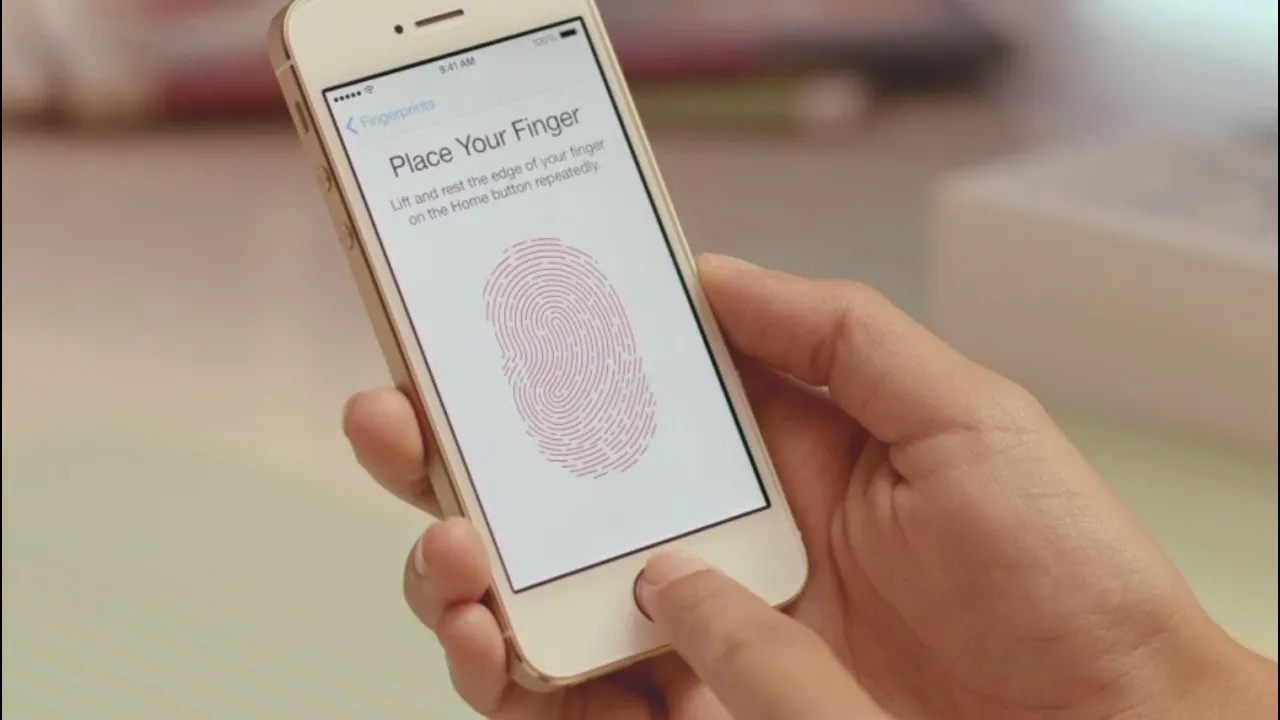
A Virginia circuit court judge ruled that while police cannot force individuals to enter their own passwords (protected by the Fifth Amendment's self-incrimination clause), they can compel biometric authentication like fingerprint scans to unlock devices, creating a legal loophole where biometric data may be more accessible than passwords despite serving the same security purpose.
Click to watch →

Constitution Day Part 4: The 4th Amendment And The Digital Age
100
The Fifth Amendment protects against self-incrimination, but its application to phone unlocking is unclear. Virginia v. Boss (2014) established that fingerprints are not protected because they are not testimonial, while passcodes may be protected as communicative acts. State courts have ruled that fingerprint unlocking is not protected, comparing it to blood draw requirements in DWI cases. The distinction between testimonial and non-testimonial evidence creates a 'razor-thin' line that determines whether Fifth Amendment protections apply.
Click to watch →

Say THIS When Cops Demand You Unlock Your Phone! #police #lawyer
117.3K
The Fifth Amendment protects what you know (verbal information) but does not necessarily protect who you are (physical identification), meaning officers may attempt to use biometric features like Face ID or fingerprints to access your phone, and you should clearly state 'Officer, I will not provide my fingerprint, face, or voice to unlock my phone' to assert your rights.
Click to watch →

ICE may try to hack your phone at a protest. Here's what you need to know.
156.8K
In 2024, the Ninth Circuit Court ruled in US v. Pain that law enforcement does not need a warrant to unlock a phone using biometrics (Face ID or fingerprint) and access all contents. The court determined that using biometrics requires no cognitive exertion, so it does not violate the Fifth Amendment right against self-incrimination. However, law enforcement cannot compel you to enter a passcode or punch in the code to unlock your phone.
Click to watch →
LAWYER: 5 Traffic Stop Rights You Just LOST in Your State—2026 Supreme Court (This Is Bad)
287
In United States v. Payne (Ninth Circuit, April 2024), courts ruled that fingerprint unlocking a phone is not protected by the Fifth Amendment because it requires no cognitive exertion—it is considered a physical key like a blood draw or fingerprinting at booking. This ruling applies to nine western states (California, Oregon, Washington, Nevada, Arizona, Idaho, Montana, Hawaii, Alaska). Face ID follows the same reasoning. The only protection is using a passcode, which requires memory and is testimonial. Drivers should disable biometrics and use passcodes only, stating 'I do not consent to a search of my phone' on camera during stops.
Click to watch →
Deep Dive
The modern application of the Third-Party Doctrine to cloud-stored data, where information is held by service providers rather than on physical devices.

Naomi Brockwell on How the Government Skips Warrants
166
The third-party doctrine originated in Supreme Court cases from the 1970s, predating the internet. In one case, the Court ruled that financial records given to banks were not protected under the Fourth Amendment because individuals had voluntarily shared them with a third party. In another case involving phone records, the Court applied the same reasoning. The entire internet runs on third-party servers, with all telemetry sent to countless companies worldwide. The doctrine has been applied to everything in modern life, including medical records, attorney-client communications, and cloud-stored data, creating a fundamental challenge to privacy protections.
Click to watch →
LAWYER WARNING: How Police Use Apple’s Latest Tech to Spy on Your Phone
193
One of four unresolved fault lines in digital privacy law concerns whether the third party doctrine still applies to integrated cloud data. The third party doctrine states that when you voluntarily share information with a third party like a bank or phone company, you lose Fourth Amendment protection over it. Historically, this made sense because you chose to tell your bank your transactions or your phone company what numbers you dialed. However, when Apple's features automatically sync health data, location, messages, and photos to iCloud, the question becomes whether you meaningfully chose to share that with a third party, or whether you simply used your phone as configured out of the box. Courts are split on this issue, and the Supreme Court has not resolved it.
Click to watch →
Fourth Amendment Explained: Privacy & Technology | Constitution 101
99.1K
The third party doctrine emerged from cases decided in 1976 and 1979. When individuals voluntarily turn over information to third parties (banks, telephone companies), they lose all expectation of privacy in that information. The Court held that government searches of third-party databases don't require warrants. This doctrine makes modern citizens vulnerable because cloud storage means our private data is held by third parties, potentially exposing diaries, letters, and intimate musings to government access without warrants.
Click to watch →

Ben Wizner | Something to Hide: New Technology, Dragnet Surveillance, and the Future of Privacy
1.3K
In a series of 1970s Supreme Court cases, the Court held that when individuals voluntarily divulge information to third parties, they waive their constitutional protection over that information. While this doctrine may have been reasonable when applied to single bank records, it now means that storing almost our entire lives in digital clouds with internet services provides no constitutional protection. A handwritten diary in a drawer requires a warrant for government access, but the same content stored as a Google Document in the cloud receives no Fourth Amendment protection.
Click to watch →
BRYAN KOHBERGER: All Defense Motions DENIED - The Interview Room with Chris McDonough
35.6K
This segment explains the third party doctrine and its application to digital records. The host explains that the third party doctrine is a legal principle that states individuals have no reasonable expectation of privacy in information they voluntarily share with third parties. The host explains that when customers sign up for services like Amazon or AT&T, they agree to terms of service that allow the company to share information with law enforcement when there is a court order. The host explains that the court found that the defendant had relinquished any privacy interest in his Amazon and Apple records by voluntarily creating accounts and making purchases. The host notes that the court found that the defendant did not have a privacy interest in the records protected by the Fourth Amendment or the Idaho Constitution.
Click to watch →
Deep Dive
The limits of the border search exception as it applies to electronic devices, and how Riley influences digital privacy at international borders.
🚨 Border Patrol Can Search Your Phone: What They’re Legally Allowed to Do 📱✈️
3.2K
The border search exception is a Supreme Court doctrine allowing CBP to search electronic devices at US borders without warrants, probable cause, or suspicion. This stems from the principle that borders are special zones with weaker constitutional protections. Key cases include United States v. Ramsay (1976) upholding warrantless mail searches, United States v. Flores (2004) affirming vehicle searches without suspicion, and Riley v. California (2014) clarifying that phones contain 'privacies of life' requiring warrants inland. However, Riley does not apply at borders. In 2024, CBP searched over 47,000 devices—more than five phones hourly—representing a 900% increase from 2015. Basic searches (texts, emails, photos) require no suspicion, while advanced forensic searches (deleted files, metadata, GPS logs) require only 'reasonable suspicion' based on vague factors like nervous behavior or ethnic profiling.
Click to watch →
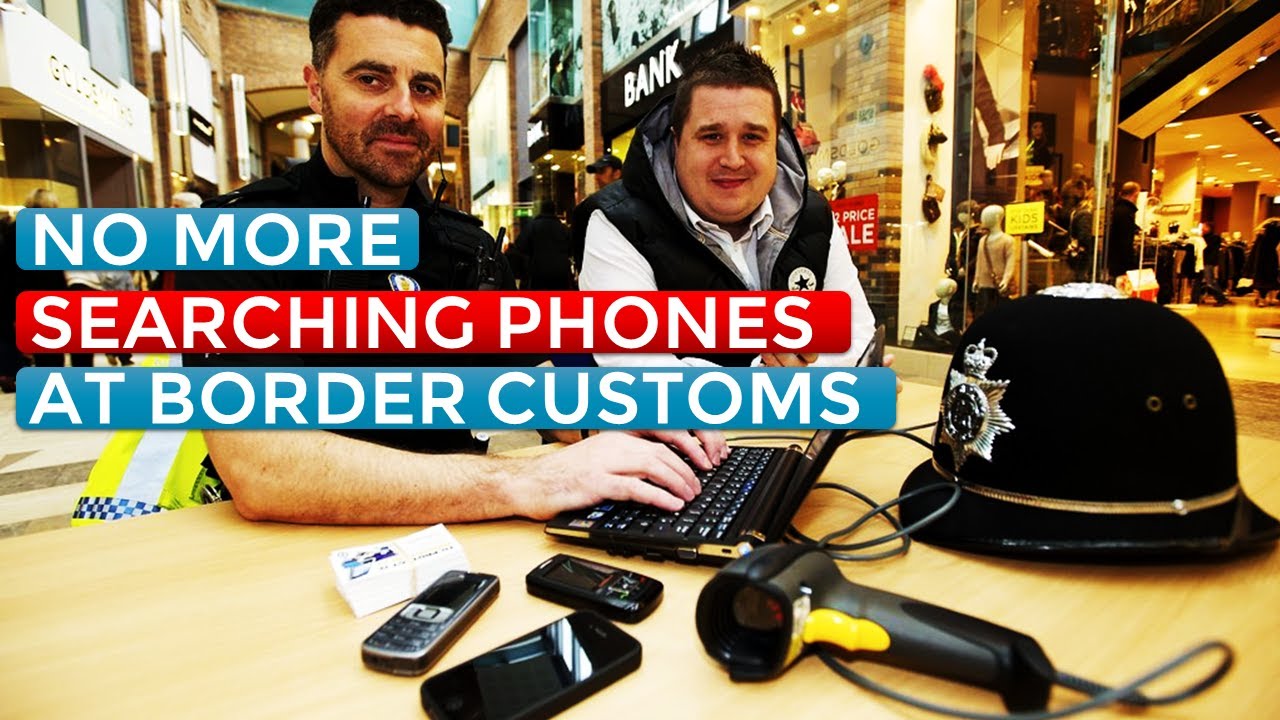
Customs Search Phones at the Border - Court says no more!
607
In Gassan Al-Assad v. Department of Homeland Security, the district court ruled that Border Patrol and ICE's electronic device searches at borders violated the Fourth Amendment because the searches were non-routine and required reasonable suspicion, applying the logic of Riley v. California that cell phones contain vast amounts of personal information warranting warrant protection, even though the government has heightened authority at borders.
Click to watch →
Digital Device Searches: Searching Computers, Phones, and Even Your Home Appliances
955
Riley v. California established that police must obtain a warrant to search the content of a cellphone seized from an arrested individual. The Court analyzed traditional search incident to arrest rationales (officer safety and evidence preservation) and found them less compelling for digital data. The Court emphasized strong privacy interests in digital data, identifying quantitative differences (immense storage capacity, multiple data types) and qualitative differences (sensitive information like browsing history, health data, location history). Riley's warrant requirement extends beyond cellphones to other digital devices with significant storage capacity. The government maintains it can search electronic devices at US borders without a warrant or suspicion, applying to both entry and exit searches. The CBP 2018 directive distinguishes between 'advanced searches' requiring reasonable suspicion and 'basic searches' requiring no suspicion. A 'national security concern' exception allows searches without suspicion. Device searches have increased from 8,500 in 2015 to over 30,000 in 2017. Appellate courts have taken different approaches to applying Riley at the border, with the Ninth Circuit requiring reasonable suspicion for forensic searches, the Fourth Circuit finding individualized suspicion must be in place, and the Eleventh Circuit holding no heightened suspicion is required.
Click to watch →

Searching Computers at the Border
845
The Supreme Court should apply the Riley v. California precedent to border searches, concluding that the traditional border search exception does not apply to digital devices because digital evidence fundamentally differs from physical evidence—it can be copied infinitely, transmitted globally instantly, and exists simultaneously in multiple locations, making the government's interest in preventing contraband from entering the country modest compared to the significant privacy invasion of warrantless digital searches.
Click to watch →
34C3 - Protecting Your Privacy at the Border
6.3K
US border searches operate under the border search exception allowing routine searches without warrants. Non-routine searches requiring additional legal process are defined as highly intrusive or conducted offensively. Forensic data copying requires legal process while manual searches do not. The Riley v. California Supreme Court ruling established warrantless phone searches are unconstitutional due to sensitive data contained. Current litigation challenges warrantless device searches at borders, seeking to apply Riley precedent to establish constitutional requirements for digital device searches.
Click to watch →
Ruling
Impact
Ruling
0:00- 1
Supreme Court prohibits warrantless cell phone searches post-arrest.
- 2
Police must obtain a judge's warrant before accessing the device.
- 3
Protects sensitive personal data stored in modern phones.
The Critique of Digital Exceptionalism and Law Enforcement Efficacy
While Riley v. California was a landmark ruling protecting digital privacy, critics and law enforcement advocates argue that the decision creates an impractical standard that hampers criminal investigations. This counterpoint argues that treating cell phones differently from physical items like wallets or address books—a concept known as 'digital exceptionalism'—ignores legitimate law enforcement needs. Proponents of this view emphasize that cell phones contain fleeting evidence susceptible to immediate remote wiping or encryption, posing a unique threat of evidence destruction. Furthermore, delaying access to a phone to obtain a warrant can prevent police from identifying immediate threats to public safety, such as locating accomplices or victims in real-time. This perspective contends that the strict warrant requirement tips the balance too far away from public safety and ignores the practical realities of policing in the digital age.
The Fourth Amendment to the U.S. Constitution, specifically the protection against unreasonable searches and seizures and the general warrant requirement.
The legal doctrine of 'Search Incident to Lawful Arrest' (SILA) and its historical justifications, namely officer safety and evidence preservation.
The legal standard of a 'reasonable expectation of privacy' as established in Katz v. United States.
The basic distinction between physical containers (such as pockets, wallets, or bags) and digital storage devices in constitutional law.
The Supreme Court's ruling in Carpenter v. United States (2018) regarding warrantless searches of cell site location information (CSLI).
The intersection of the Fifth Amendment (privilege against self-incrimination) and the compelled biometric unlocking of cell phones (e.g., FaceID or fingerprint scanning).
The modern application of the Third-Party Doctrine to cloud-stored data, where information is held by service providers rather than on physical devices.
The limits of the border search exception as it applies to electronic devices, and how Riley influences digital privacy at international borders.
14.9K views117likes2:55@USLawEssentialsOriginal Release: 2014-07-21
in this video we will discuss Riley V California a recent Supreme Court case in this case the Supreme Court held that the police after arresting someone generally cannot conduct a warrantless search of the person's cellular phone the Supreme Court held that the police must usually get permission from a judge a warrant before searching someone's cellular this decision was important because as a general rule the police are allowed to conduct a warrantless search of a person whom they arrest the arresting police officer can search the pocket bag cigarette pack and immediate surroundings of the person being arrested one concern is that the person who is being arrested might have a hidden weapon in addition it might be too easy for the arrested person to hide or destroy evidence that he has on his person the question for the Supreme Court was May a police officer conduct a warrantless search of the cellular phone of a person being arrested the Supreme Court said no first cellular phones are generally not weapons they're not dangerous to police officers in addition without searching the phone the police can take alternative measures to secure the data on the phone and to prevent the data from being destroyed finally searching a cellular phone is much different from searching someone's Pockets bag or cigarette pack cellular phones often contain large large amounts of highly sensitive personal information dating years back and even information that is normally stored on computers miles away the Supreme Court found that this type of intrusive search without a warrant was unconstitutional now in the United States with few exceptions if the police want to search the cellular phone of a person whom they arrest the police will have to get a warrant first if you'd like to discuss the Riley V California decision or any other matter related to US law stop by the message board and please visit my blog also feel free to send me an email and to submit your comments below
Up Next
5:57
Riley v. California: Fourth Amendment Cell Phone Searches
@ISCOTUSnow
17.9K views•2014-04-25

4:27
US Secondary Sanctions Impact on EU Businesses and Blocking Legislation
@Bureauvandijk
1.6K views•2019-03-20

4:02
Product Liability Claims: Manufacturing Defect, Design, Failure to Warn
@USLawEssentials
7.5K views•2021-12-14

24:42
Police Interrogation Tactics: False Confessions & Legal Reform
@LastWeekTonight
7M views•2022-04-18
Related Study Plans & Knowledge Roadmaps
Structured learning paths in Law
law
Self-Defense Law: Imminence & Castle Doctrine
01Foundations of Self-Defense Law
02Imminent Threat & Reasonable Belief
03The Principle of Proportionality
+ 3 more learning modules
12h6 modules
Explore Roadmap
law
Defamation Law: First Amendment & Actual Malice
01Introduction to civil torts and the First Amendment
02Elements of Defamation: Libel and Slander
03Public Figures vs. Private Individuals
+ 2 more learning modules
8h5 modules
Explore Roadmap
law
Hearsay Rule: Trial Evidence & Exceptions
01Introduction to Trial Evidence & Courtroom Basics
02Demystifying Hearsay: The Core Definition
03Non-Hearsay: Exclusions Under FRE 801(d)
+ 3 more learning modules
14h6 modules
Explore Roadmap
law
Medical Malpractice: Law, Liability & Care
01Foundations of Tort Law and Civil Liability
02The Four Elements of Medical Malpractice
03Defining and Proving the Standard of Care
+ 2 more learning modules
12h5 modules
Explore Roadmap