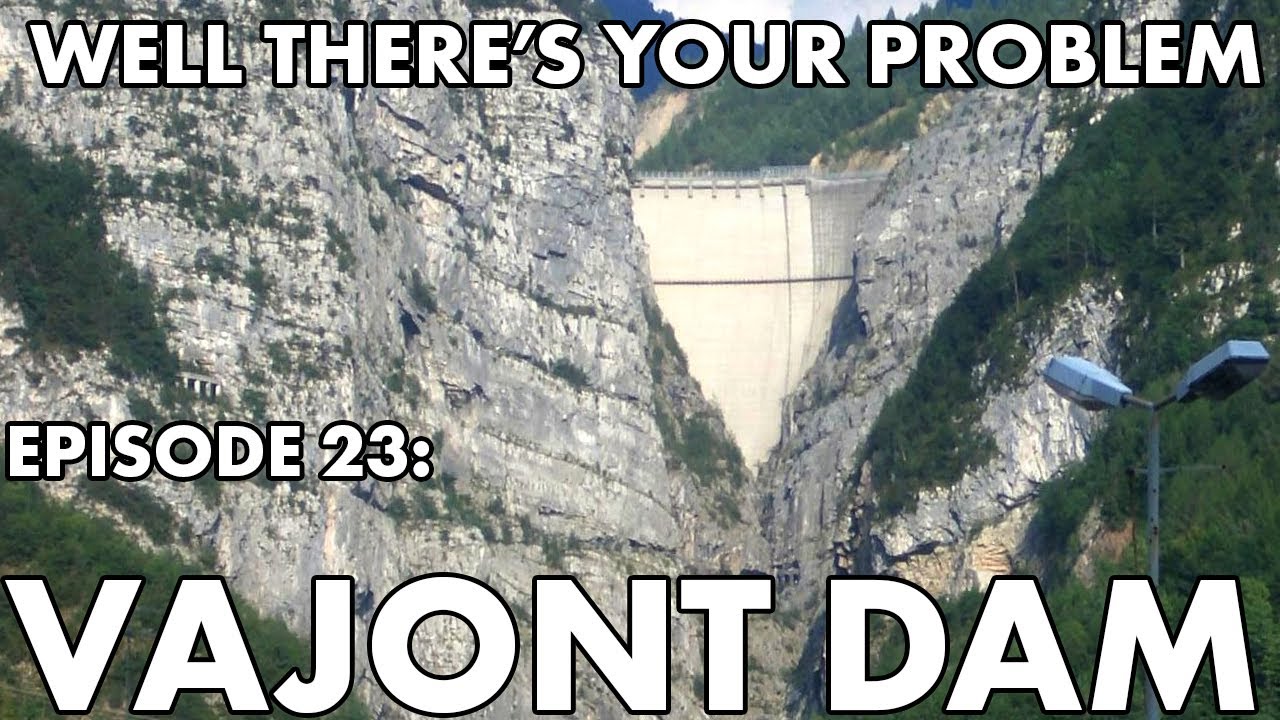




























Dams, despite their massive appearance, are fragile structures that become increasingly dangerous as they age, particularly when combined with climate change intensifying storm patterns; the Edenville Dam failure in 2020 exemplifies how aging infrastructure with inadequate spillways and maintenance can lead to catastrophic failures, and with approximately 403 U.S. dams rated as high-hazard and deficient, the risk of future dam failures is rising as climate change creates more severe flood scenarios that older dams were not designed to handle.
The Dangers of Aging Dams: Infrastructure Risk Explained
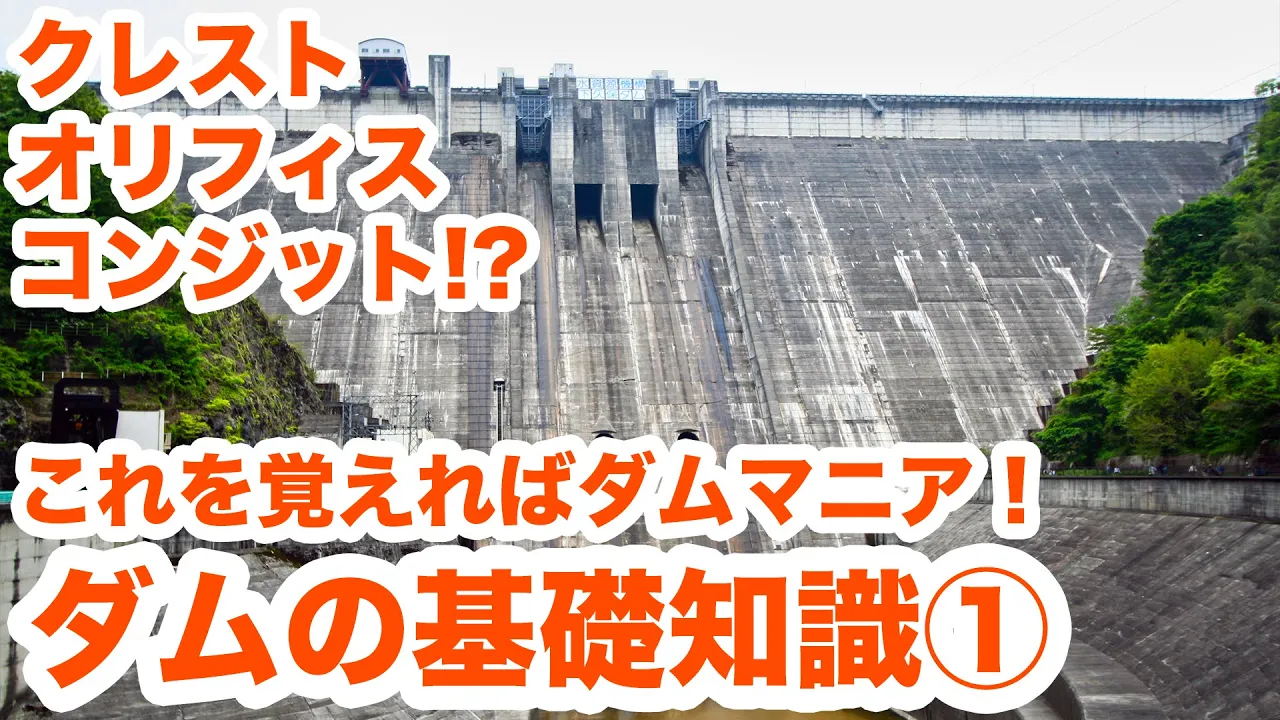
Added:Basic principles of dam engineering, including the structural differences between gravity, arch, and embankment dams.
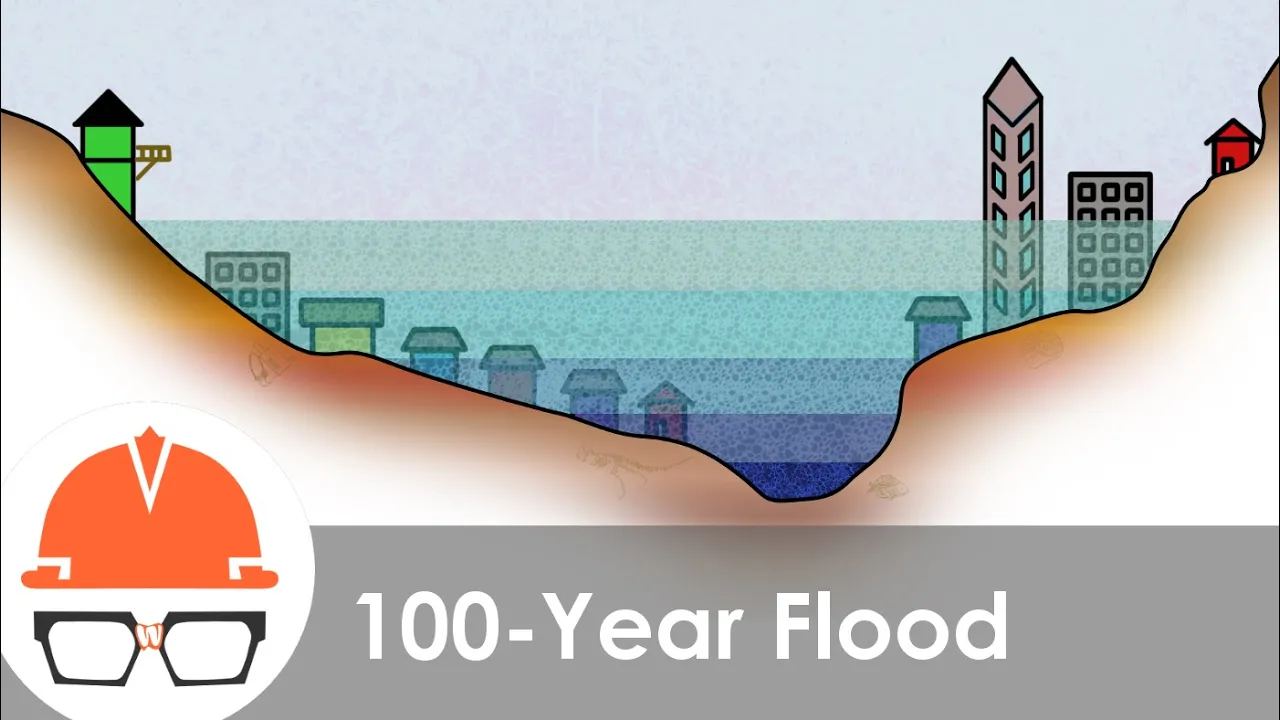
Fundamental concepts in hydrology, such as watershed runoff, flood plains, and the statistical definition of a '100-year flood'.
Mechanisms of material degradation over time, including concrete fatigue, internal soil erosion, and steel corrosion.
The role of regulatory bodies (like FEMA and the US Army Corps of Engineers) in infrastructure safety and oversight.
Advanced quantitative risk assessment methodologies for civil infrastructure, such as Failure Modes and Effects Analysis (FMEA).
The socio-economic and ecological implications of dam decommissioning and river restoration projects.
Policy analysis of national infrastructure funding, focusing on how public capital is allocated for emergency repairs versus proactive maintenance.
Climate change adaptation engineering, specifically redesigning spillways to handle unprecedented, non-stationary weather events.
The design and implementation of downstream Emergency Action Plans (EAPs) and community early-warning systems.
1.8M views42.3Klikes19:38Original Release: 2023-09-19
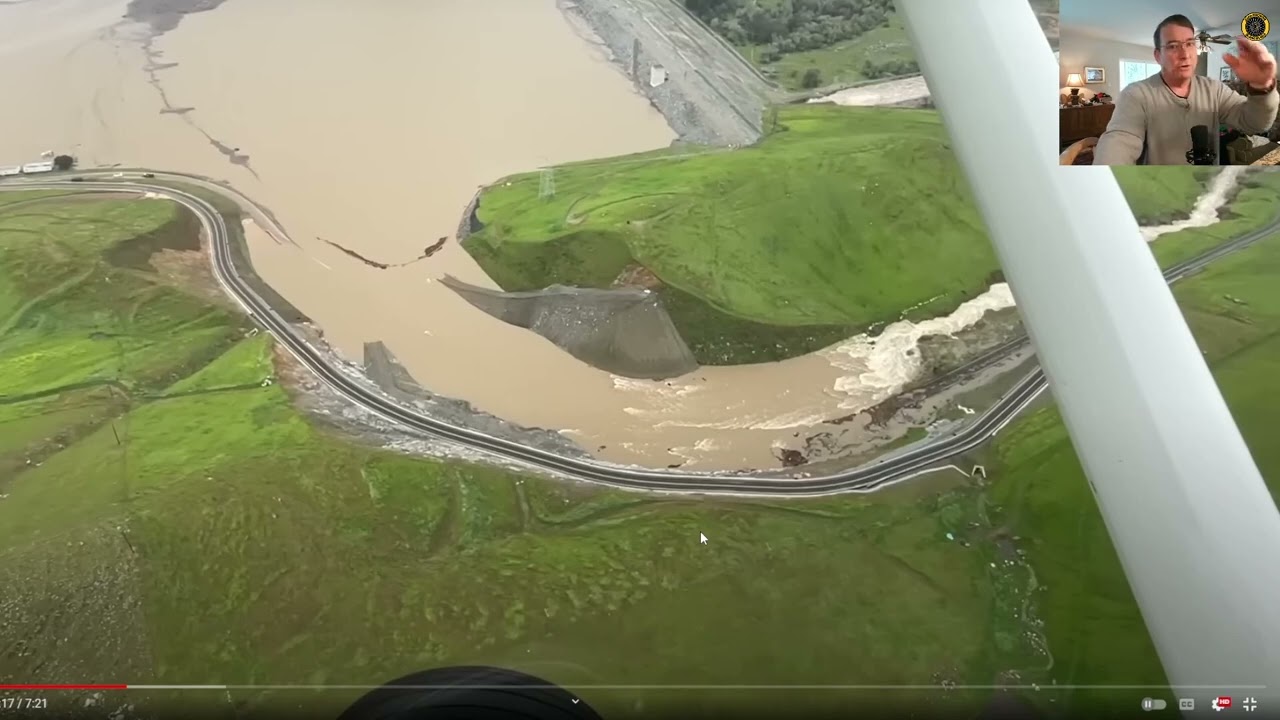
this is Wixom Lake home to a humble Marina a waterfront Church camp a Lakeside Campground and a host of small neighborhoods where front yards connect to the road Network and backyards connect to Docks but Wixom Lake isn't actually a lake rather it's a river the tintabawasi river whose flow happens to be Suddenly upended by the Edenville Dam creating a human-made reservoir but whatever you call it a lake a river a reservoir this non-descript body of water in a non-descript section of Central Michigan has real problems that start and will end with the dam Edenville dam is entirely unexceptional until 2020 even the most knowledgeable Mission ganderer would have a hard time placing it on a map in fact perhaps if anyone had heard of it it was because of what the dam was no longer allowed to do generate electricity its claim to fame was its lack of function in the United States there are some 91 000 dams in Michigan they're about twenty six hundred each and every last one was built with a purpose or two further justify cost multiple the Hoover Dam would stop flooding in the Imperial Valley as well as provide water storage and power Grand Coulee would provide electricity and irrigation water Glen Canyon the thinking went would air condition the Southwest a far humbler Dam in comparison Edenville has a purpose too composed not of concrete but of Earth a combination of clay Rock and Sand renting over six thousand feet or 1800 meters wide but standing only 52 feet or 18 meters tall at its highest point it was built to provide electricity for its surrounding communities with twin 2.4 megawatt generators Edenville at its peak output can only provide around 0.36 percent of the power of Glen Canyon Dam but that's still enough power to feasibly Electrify the 34 000 households of Midland County Michigan not bad for a Dam built with private funds some century ago but that Core case for its existence quickly waned when its owner and operator boys hydropower LLC received a federal order to shut down production in 2018 on account of its inability to meet federal regulations in the ruling's wake a power struggle between Dam owners Lakeside property owners and Regulators had seen the Lakes levels rise and fall as the dam let more or less water through but generally they sat below operating levels then beginning on May 14 2020 and intensifying on the 18th it rained first it was manageable by midnight at the start of the 18th the water level still sat below its lower operational limit in other words the water still hadn't reached the level that allowed for power generate let alone flood levels but that quickly changed the following day as an incredible 3 inches or eight centimeters of rain fell lake levels Rose nearly 2 feet or 60 centimeters in the next 24 hours then another foot in the next six hours then another foot in the next six hours then along an unremarkable section of dam along its eastern Edge it went now a river unleashed the waters overwhelmed the next damn down flooding 2500 structures racking up nearly 200 million dollars in Damages and causing 10 000 to evacuate no one died but a lake few knew of beforehand now made national news and a damn long overlooked suddenly became the center of attention as the water receded the forensic investigation began the findings were surprising the dam hadn't overtopped the water levels hadn't reached higher than the height of its lip it hadn't eroded either rather it had become unstable it had fallen victim to a phenomenon called Static liquefaction essentially the process of progressive loading of the soil to the point that it no longer functions as a solid but rather a liquid Dam failure due to static liquefaction is rare and as Engineers have readily admitted it's not well understood nor well documented in this way then the Edenville Dam failure was rather singular something rarely observed something that's easier to understand as a freak accident rather than a systematic failure but it'd be a mistake to chalk the collapse up to bad luck alternatively the dam had a real flaws of existential proportion that it seemed the Federal Energy Regulatory Commission revoke its license along with compliance issues and operational procedures the major issue that Federal Regulators took with the Edenville dam was its inability to deal with heavy flood water that its spillways the very structures present along practically every Dam to protect it from flooding were too small while dams may not look it they're incredibly fragile when water doesn't move through it as designed capable of holding back millions of acre feet just the slightest of spillovers are disastrous even a couple extra inches of water height above a concrete Dam will kick off a calamitous Cascade of erosion eating away at the structure's backside and base on an Earthen Dam like Edenville water will seep into the structure and potentially erode it from the interior could it over top a dam of any sort the unexpected pressure and weight is likely to rip away at the structure so to ensure water stays at a low enough level dams have spillways these are essentially extra throughput capacity while normally water routes through a Dam's Gates spillways provide an extra route in case that's not enough to lower the reservoir at the same speed that it's rising due to rain now to pass modern Federal standards edenville's two spillways would need to move enough water to avoid over topping in the event of a probable maximum flood a theoretical flood event calculated by forecasters that would represent the most severe combination of hydrological and weather conditions likely in the area conditions not so dissimilar to the rainstorm that rolled over Michigan in May of 2020. Edenville never actually over topped of course but it may well have if not for its earlier failure water after all was rising and while operators had opened the overmatched spillways they could only safely raise the gates up to seven feet as any higher would endanger the structure and its staff perhaps then it was less the fault of bad luck and more so an outcome made inevitable by the fact that the dam and its operators just couldn't keep up with the upkeep now at first glance what might not consider Edenville a regulatory failure as the Federal Energy Regulatory Commission attempted to get its owners to add Spillway capacity in a way that might have mitigated the eventual collapse but one must consider that such a story is far from unique Across the Nation there are some 7999 other dams that are considered deficient either in design or in maintenance and then of those there are 403 that have the Fatal pair a condition rating of unsatisfactory indicating that quote a dam safety deficiency is recognized that requires immediate or emergency remedial action for problem resolution along with a hazard rating of high meaning in the event of failure one or more fatalities is not only possible but probable of these 403 is in a situation like Lake Hodges Dam in San Diego California here the more than Century old structure is quite literally cracking and crumbling while also threatened by a known lack of adequate Spillway capacity for the maximum probable flood scenario if the structure were to fail it'd take less than two hours for this entire swath of land to get inundated with water as much as 23 feet or 7 meters deep leaving dangerously little evacuation time for the thousands of individuals living on both banks of the San Diego River in forming the regulator's belief of the inevitability of fatality looking past the regulatory failures and design deficiencies and exceptional weather what fundamentally makes these 403 dams so dangerous is the fact that they're just simply old age issues are always tricky as they only ever escalate but inconceivably this isn't like any other age issue it's worse that's because right now there is a massive disproportionate surge of dams giving to the age where age itself is an issue the impetus of this surge was a damn building boom that occurred some 50 or 70 years ago between 1960 and 1980 alone some 31 000 of the structures were constructed in the United States representing more than a third of those standing today and this was hardly confined to the US around the world dams were perceived as the perfect solution to provide copious quantities of cheap reliable geopolitically safe energy the World Bank in its role financing development oriented infrastructure projects in low and medium income countries was a major force in enabling the development of not just dams but large dams around the world the kind that would reshape entire regions the thought was that a country would benefit from the employment created by the construction of such structures then once complete they'd have so much cheap electricity that an industrial sector would pop up that would provide further employment meanwhile dams could also help stabilize a water supply mitigate floods and help with agricultural irrigation so with copious theoretical benefits hundreds of millions of dollars flowed from World bank coffers and they became the number one financier of large dams worldwide but each time a dam is built a geography is altered significantly for example when the crema Dam's Gates were closed for the first time and the flow of the Zambezi restricted that started the formation of what's now known as Lake Kariba these reservoirs are a fundamental component of dams they provide the pressure to turn a turbine for power and they're the natural byproduct of stabilizing Downstream flow but they're also massive Lake Kariba in fact is over twice the size of the nation of Luxembourg or put another way the Caribbean Dam removed more than two luxembourg's worth of land from Zimbabwe and Zambia 58 000 people lived on that Riverside but as water levels Rose they had to leave the only homes they'd ever known to DeCamp to less familiar less fertile land little to no compensation was given to these individuals and it took 50 years for any sort of meaningful Community Rehabilitation efforts to start this story was replicated essentially anywhere the World Bank developed a dam in Guatemala the chicksoy dam to place 3 500 and 444 were murdered by the government for resisting their forced displacement on the border between Argentina and Paraguay the yaketa dam displaced upwards of twenty thousand again without any meaningful compensation and problems persist Beyond just displacement the accredited Dam propagated malaria and Dengue Fever by enlarging the mosquito habitat and simultaneously led to the extinction of two species of snail due to Habitat destruction this is all to say dams are not some simple device that effortlessly translates water into electricity they have a colossal impact on average this impact is felt by poor rural communities so governments and developers have long found their cries easy to ignore but through the years as the case has counted up public pressure was mounting on the World Bank in 1994 2 000 ngos signed the Amanda belly declaration calling for a full-scale moratorium on Dam financing citing the Staggering statistic that 10 million people had been displaced from their homes by their actions so in response to this and other public pushback the World Bank partnered with the international Union for conservation of nature to form the world Commission on dams a multi-disciplinary panel of experts that would study past projects in order to develop a framework for future ones and answer once and for all how to build a good Dam the answer was perhaps not with the World Bank expected what the report said across 404 Pages was that in sum historically the benefits of dams had been overstated and the costs had been understated that's to say dams simply were not as good as previously thought while this answer had been coming into Focus for decades this was the most definitive official instance of it to date and in response both the World Bank and the world more broadly slowed down its damn development this coincided with a naturally waning Financial case for hydropower it's far from the cheapest source of electricity in the U.S multiple fossil fuel sources are cheaper and even solar and wind now beat its prices and it's not like its higher price can be strongly Justified on environmental grounds even ignoring habitat and home destruction the creation of a reservoir leads to the death of all the plants it drowns out which in many cases leads to as much or more greenhouse gas emissions in the first decade of operations as a Firepower plant producing the equivalent amount of electricity in all the that era of a rapid Dam development is now bookended leaving a huge quantity of Aging dams that perhaps most dangerously are increasingly unprofitable you see the Confluence between Financial well-being and physical Peril stems from the fact that 65 of dams in the U.S are owned not by governments but by private entities the failed Edenville dam was one such example after being passed around between companies for decades in 2006 it ended up in the hands of boys hydropower LLC voice was a small company whose operations were limited to the ownership of a few area dams and that was as intended they operated more as an investment vehicle in fact than a company that's because it was owned by the trust of William Dixon Boyce the founder of the Boy Scouts of America meaning after his death his wealth was put into this legal entity designed to manage it according to his wishes and therefore the trust's managers made Investments to maintain and grow the wealth including in this case by buying dams in Michigan theoretically dams could be a good investment since their assets with relatively low operational costs that provide stable ongoing income through electricity production in this case however Edenville was bought at a particularly low price since it was known from the start that it need some imminent and expensive upgrades nearly a century on from its construction the structure no longer conformed to Federal Spillway capacity guidelines after conducting hundreds of thousands of dollars of design work voice finally determined that it would cost some 8 million dollars to conform to Federal standards which the company said they simply could not afford therefore they just didn't make the upgrades and their operator's license was revoked the wide scale private ownership of these pieces of public infrastructure makes the situation far too feasible companies have assets that are becoming less and less valuable as their economic case wanes and therefore willingness to maintain or upgrade them is low so there's an overwhelming surge of dams getting dangerously old with increasingly disinterested owners meaning dams are becoming less equipped to deal with the worst case flood scenarios but the ultimate Crux of the dam issue stems from the fact that global temperatures are rising former air holds more water vapor meaning it creates stronger storms with more precipitation the sixth ipcc report determined that the worst storms of a given decade in a given place are already 6.7 percent wetter and if global temperatures Rise by 2 degrees Celsius as now seems all but inevitable this intensity increase will be as much as 14 and the intensity increase is even greater for the worst storms of a 50-year span meaning not only are bad storms getting wet better but the maximum potential of the absolute worst storms is intensifying even faster dams were designed to handle the worst case scenario from decades even over a century ago but now that worst case scenario is rapidly and meaningfully escalated and the dams are getting worse the worst case scenario has not happened recently in the United States there have not been recent Dam failures resulting in major loss of life but there have been warning shots in 2017 the Orville Dam had to use its Spillway to reduce water levels during heavy rainfall but it's concrete base quickly started to break apart operators had to keep sending Waters through to avoid over topping the dam but this an additional erosion from the emergency spill water escalated and escalated and started to cut deeply into the hillside marching further and further uphill getting perilously close to eroding the very foundation of the dam which likely would have led to collapse luckily Reservoir levels lowered soon enough that this did not occur but had the rains kept coming there's little that could have been done to stop the failure of this Dam the destruction of the heavily populated areas below every Dam anywhere is like a loaded gun it impounds a massive quantity of water and water is perhaps one of the most powerful dangerous forces on Earth the time scale of these structures means that many people live and die only having known the ultra geography of dam creates and therefore the ultra geography starts to feel like the normal geography people will get comfortable they build beneath the dams they enjoy the shorelines of the reservoir and a degree of complacency Creeps in as the dam itself starts to feel equally permanent that complacency is catching up with the world as perhaps best explained by this simple graph damn failures are rising and the Practical is matching perfectly with a theoretical there's no big mystery behind this most of these failed dams are just plain old there is some action it's not like the issue is going entirely ignored but not nearly enough to match the enormous quantity of dams reaching beyond their intended lifespans and the rising frequency of those riskiest flood scenarios so catastrophe will probably occur at this point it'd be an anomaly of probability for it not to then once it's too late for Change and the risk is solidified complacency might finally Wane and people might care about the wall of water sitting Upstream just waiting for one crack one channel one inch of over topping to allow it to come crashing down returning the river to its natural stage no matter what stands in the way I used to have a huge issue with data privacy my job is to make videos that are seen by a good number of people and inevitably not everyone loves every video so that's why it was so concerning to me that a ton of my private information had been scraped from public records and data breaches and published on data brokerage sites this was a real safety risk and as much as I tried to go through and remove these records one by one there was just always another site the process was endless so that's why I was so glad when I found this video sponsor in cogni they handle your data privacy for you all you do is sign up giving Cognito some of your personal data and Grant them the legal right to work on your behalf then they'll go through and find which sites have your data then handle removal requests until it's done basically you don't need to worry about whether your data is out there on some sites you don't even know about anymore this is not only important for security but these sites are where scammers and telemarketers often find your information so incognate can help reduce the frequency of those headaches knowing just how bad one security issue can be I consider the cost of incognity well worth it especially since it's not that much and even less when you use code Wendover and cogney.com Wendover to get an exclusive 60 off an annual incognitive plan you'll be supporting Wendover when you do so thanks in advance
Up Next
12:26
Hydropower's Future Amid Climate and Social Challenges
@DWPlanetA
348.9K views•2023-03-24

30:21
Damped Free Vibration of Structures: Viscous Damping Theory
@IITKanpurNPTEL
23.4K views•2019-08-26

54:16
Polymer Environmental Degradation: Mechanisms & Stabilization
@iit
1.8K views•2012-07-10
33:39
How a Student's Question Saved a NYC Skyscraper from Collapse
@veritasium
22.8M views•2025-04-26
Related Study Plans & Knowledge Roadmaps
Structured learning paths in Engineering
engineering
Structural Dynamics (DIY TMDs & Shake Tables)
01Foundations of Structural Dynamics & Resonance
02Designing and Building a Motorized Shake Table
03Constructing the Scale Building & Tuned Mass Damper
+ 2 more learning modules
35h5 modules
Explore Roadmap
engineering
Building Acoustic Levitators: Physics & Arduino
01The Physics of Sound and Standing Waves
02Piezoelectric Transducers and H-Bridge Drivers
03Arduino Programming: Generating 40 kHz Signals
+ 2 more learning modules
14h5 modules
Explore Roadmap
engineering
Building Peltier Cloud Chambers: Particle Tracks
01Cosmic Rays & Cloud Chamber Physics
02Thermoelectric Cooling (TEC) Fundamentals
03Custom Liquid-Cooling Loop Design
+ 2 more learning modules
18h5 modules
Explore Roadmap
engineering
Yagi-Uda Antennas: Modeling, Build & VNA Test
01Introduction to RF and Antenna Fundamentals
02Yagi-Uda Antenna Design Principles
03Antenna Modeling and Simulation in 4NEC2
+ 2 more learning modules
18h5 modules
Explore Roadmap