


![Как устроены и чем отличаются разные типы матриц [цифровых камер].](https://i.ytimg.com/vi/dMW5juXcgr0/maxresdefault.jpg)


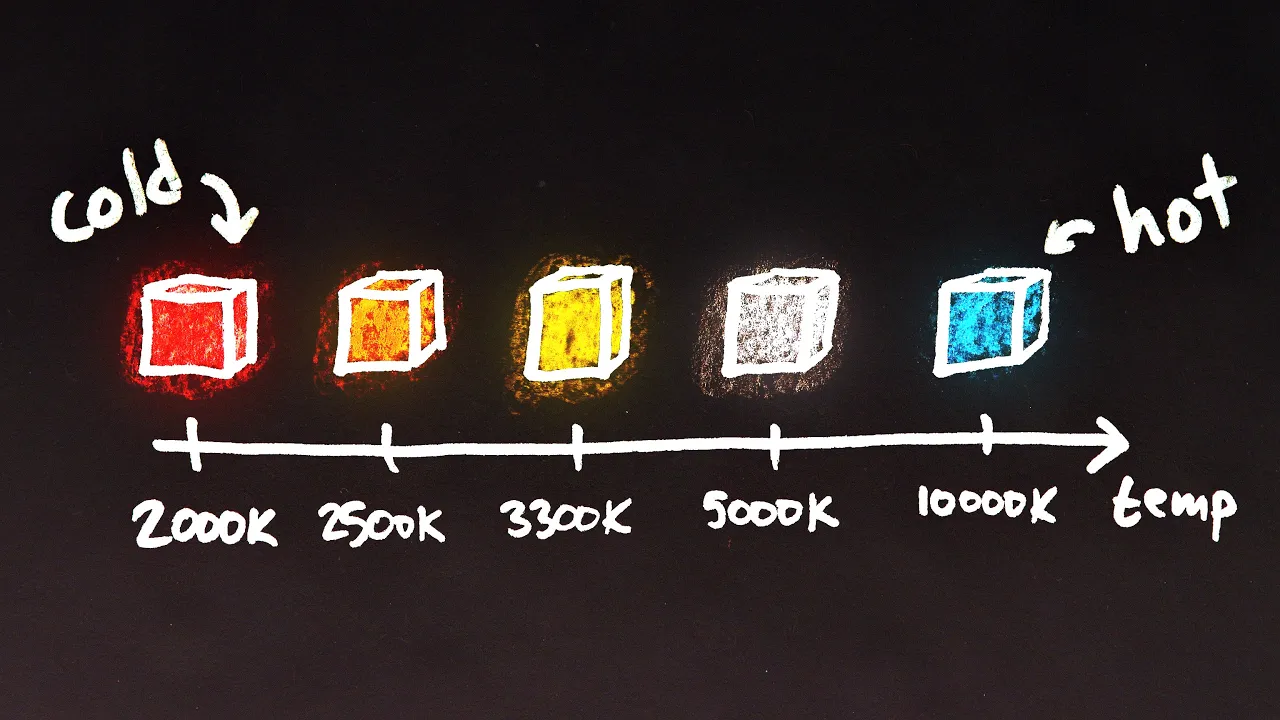











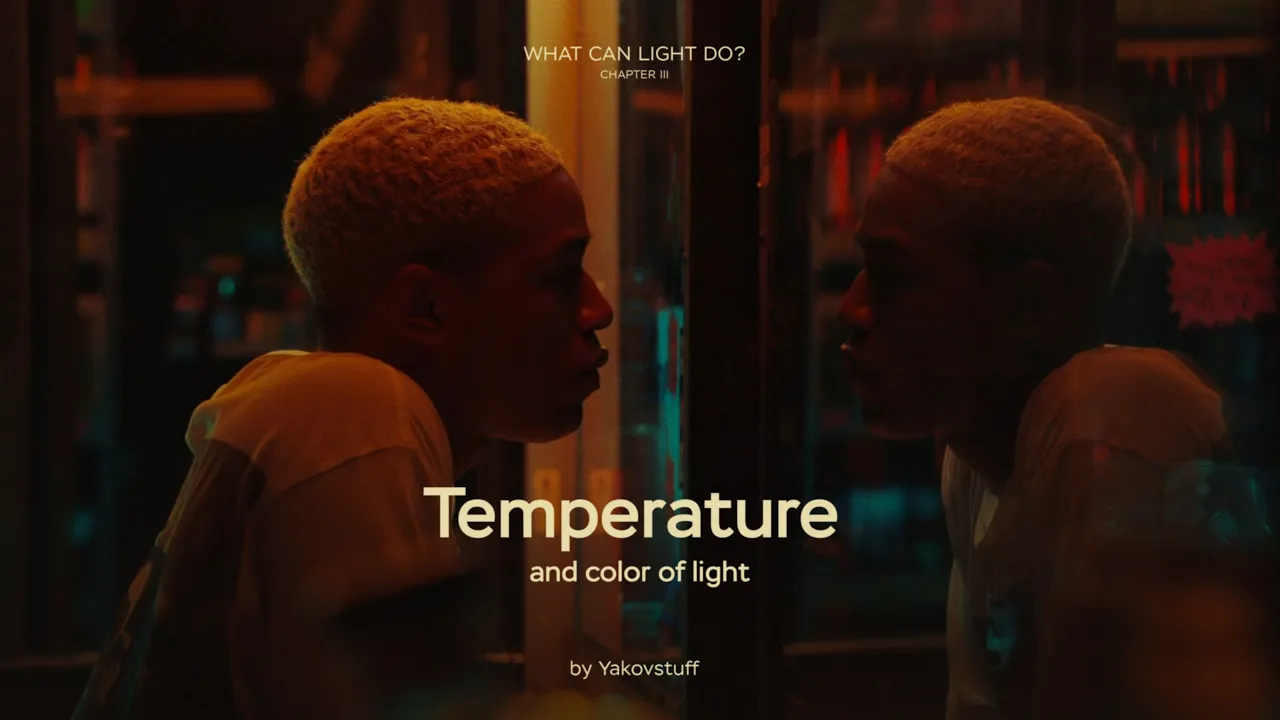


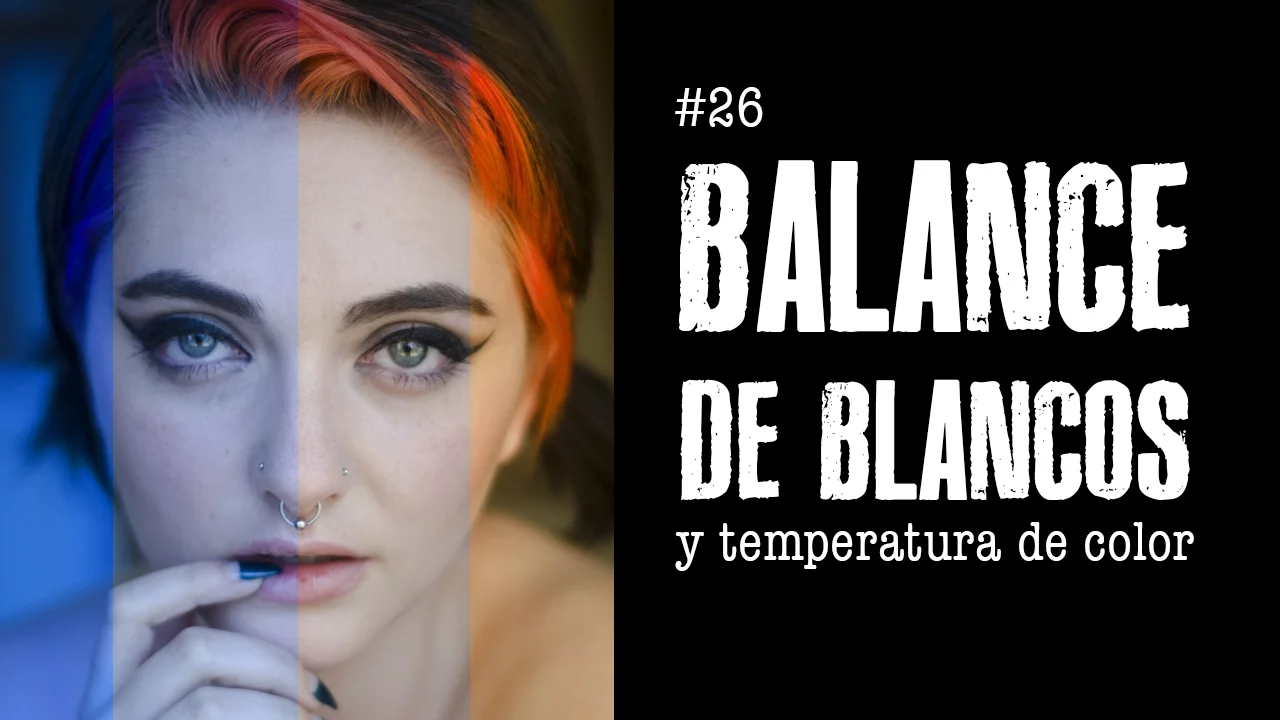
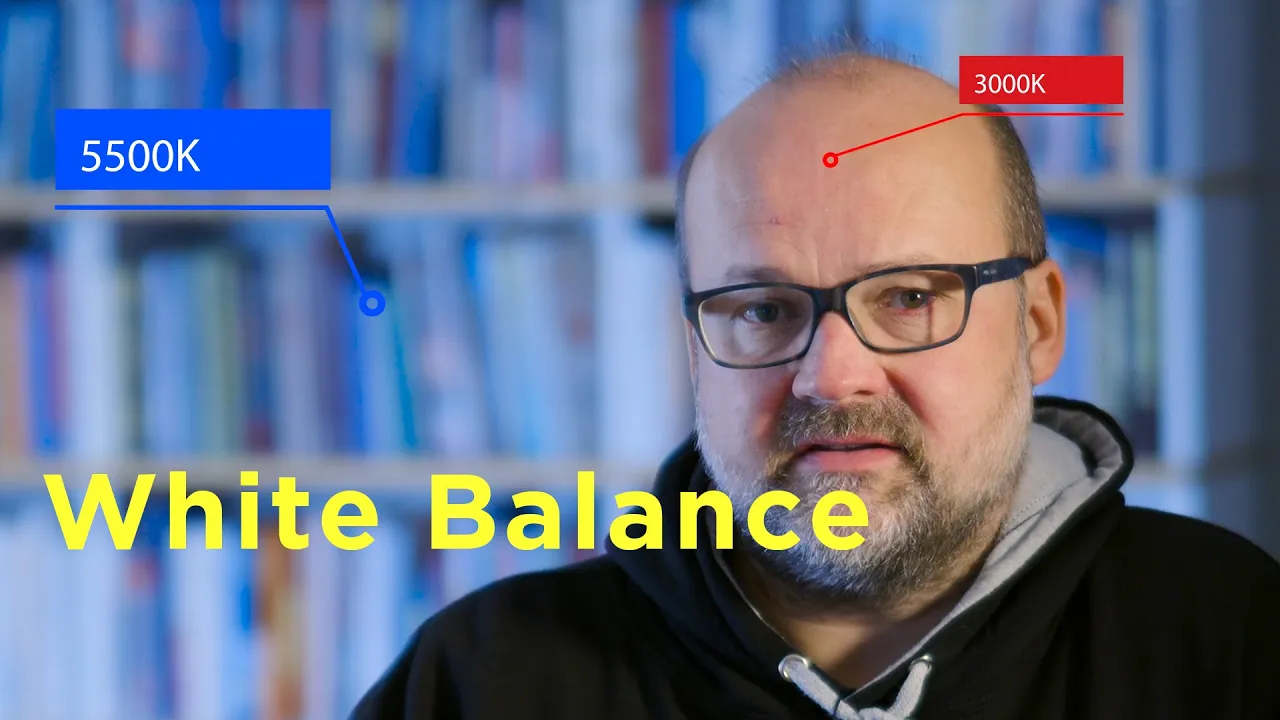
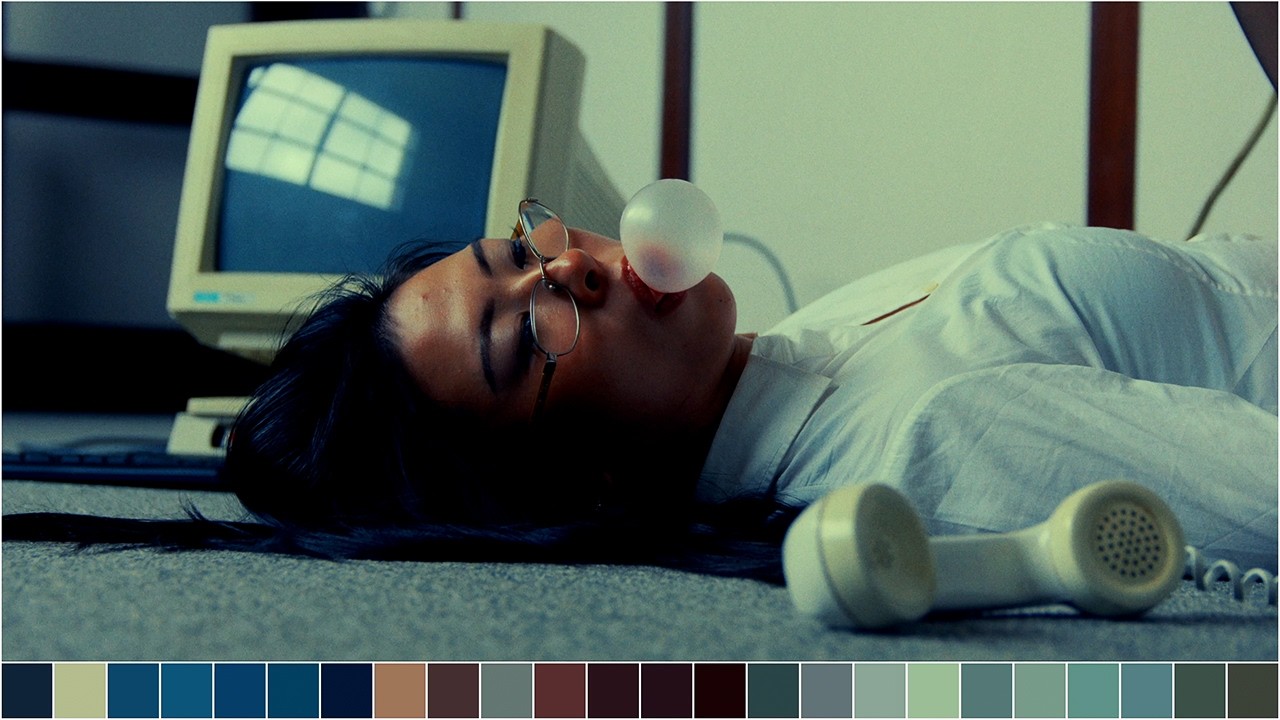



Color temperature, measured in Kelvin, describes the color of light sources where higher temperatures produce bluer light and lower temperatures produce warmer, more orange light; cinematographers use this principle creatively to establish mood, separate environments, and enhance storytelling, as demonstrated by filmmakers like Andrew Palermo in 'A Ghost Story' who used temperature shifts to mark time periods, and DP Linus Sandgren in 'No Time to Die' who employed contrasting color temperatures to create visual depth and emotional resonance.
Color Temperature & White Balance in Cinematography Explained
Added:Basic understanding of the visible light spectrum and how digital camera sensors capture color.
Familiarity with standard camera exposure settings, specifically ISO, aperture, and shutter speed.
An introductory concept of the Kelvin scale as it relates to physical temperature and light emission.
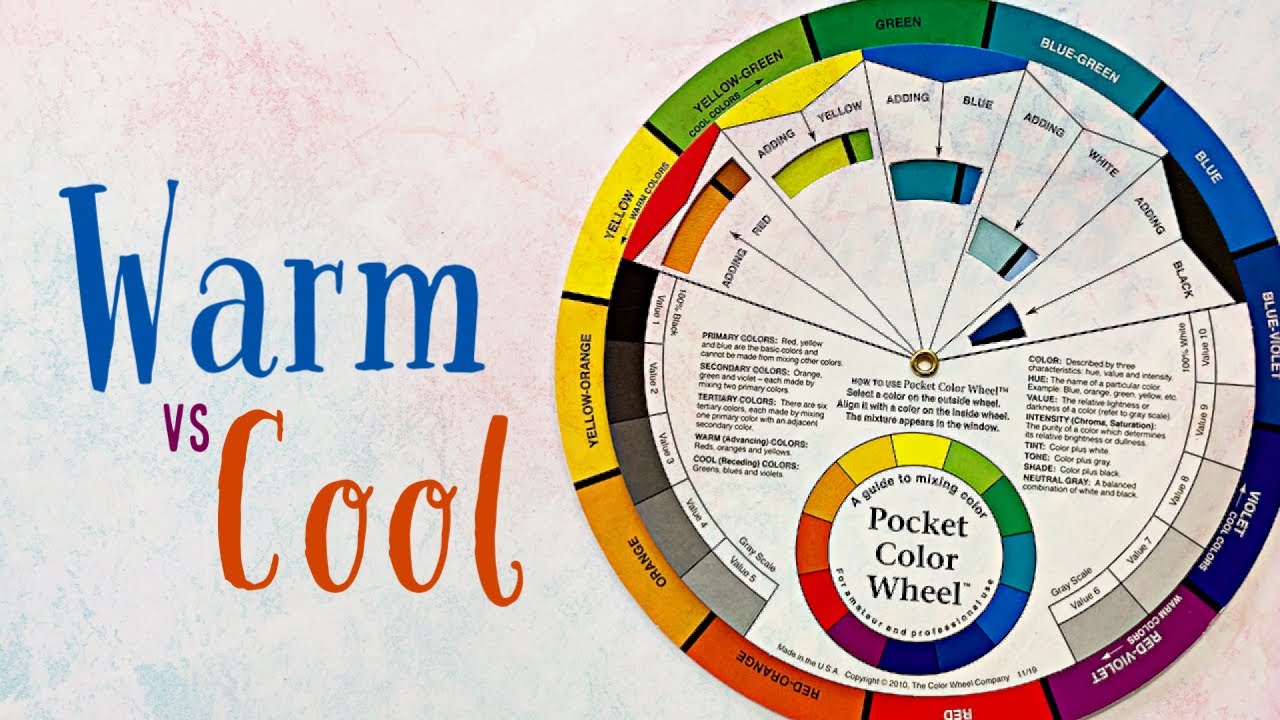
Fundamental concepts of color theory, including warm versus cool colors and basic color contrast.
Advanced color correction and color grading workflows in post-production softwares like DaVinci Resolve or Premiere Pro.
The practical application of lighting gels (such as CTO and CTB) to manipulate color temperature on a physical set.
Techniques for managing mixed-lighting scenarios, such as balancing indoor tungsten fixtures with outdoor daylight.
The narrative and psychological use of color palettes to evoke specific emotions and thematic depth in cinema.
359.9K views14.8Klikes10:47Original Release: 2022-01-24
color temperature is one of the most important fundamentals in cinematography a firm understanding of color temperature can help you create a compelling color palette that accentuates the mood of your film this is what is color temperature today we're going to look at all aspects of color temperature what it is where it comes from and how to use it and at the end of the video we'll provide a link to download a free color temperature reference chart before we get going be sure to subscribe and click the bell for more filmmaking videos now let's begin first things first what is color temperature in short color temperature is used to describe the color of a light source in the early 1900s german physicist max planck defies the formula known as planck's law this formula describes the electromagnetic radiation emitted by a theoretical black body at a given temperature yes that's a mouthful but here's a more simplified version it indicates the type of radiation or light color that is emitted by a black body or light source when it's heated to a certain temperature instead of fahrenheit or celsius these temperatures are measured in kelvin the base unit of thermodynamic temperature [Music] we usually associate orange with warm and blue with cool but with color temperature the opposite is true the hotter the temperature the more blue the light appears the cooler the temperature light appears more orange now that we have the basics let's talk about working with color temperature in film and photography knowing the color temperature of various light sources will allow you to master whatever look you're going for here are a few key color temperatures you'll often run into candlelight is around 1900 kelvin incandescent light and golden hour is around 3200 white fluorescent lights are usually set at forty two hundred clear daylight is around fifty five hundred if it's overcast it's more like sixty five hundred kelvin but knowing color temperature is only the first step you also need to understand white balance white balance is a digital camera setting used to determine how these color temperatures are registered for example once you set your white balance to a particular temperature any light source with the same color temperature will appear as white then any light source with a higher color temperature will appear cooler [Music] and anything lower will appear warmer correctly white balancing your camera will ensure that your footage accurately represents the color of the scene including skin tones but many filmmakers will adjust color temperature to emulate at different time of day such as shooting at a lower kelvin value to create a nighttime effect many modern cameras have an auto white balance setting but for accurate control there are more specific options you can use many cameras have white balance presets or you can enter a custom kelvin value and for accurate measurement of a lights color temperature you can use a color temperature meter or a grey card filters can also be used on the camera lens to adjust color temperature you can also modify a light source's temperature using gels a gel is a transparent material used to modify the color of a light source you can use ctb's color temperature blue to add more blue cto's color temperature orange to add more orange cts color temperature straw which is very similar to cto but adds more of a golden yellow tint these gels also come in a variety of strengths to help you dial in your look alternatively many of these colored decisions can also be saved for post-production if you shoot in s-log c-log or log-c formats this will preserve the wide-color gamut and dynamic range recorded by the camera sensor creating a flat profile which gives colorists more flexibility when grading it's important to note that color temperature is not the same as color correction or colour grading those processes occur in post-production and we'll cover those topics in a future video [Music] this is a lot of information so for an even deeper dive on the technicals such as using look up tables aka lutz white balancing in post and more head over to the studio binder blog for now let's take a look at color temperature decisions in movies before we discuss these examples it's important to remember that the color decisions we see in the final product of these films are a combination of color temperature correction and grading excuse me sure 125 so what are some creative ways cinematographers use color temperature in a ghost story the main location is a house that sees many occupants over many years to help mark these jumps in time dp andrew palermo explains how they adjusted the color temperature of the kitchen light depending on who is living in the house in this shot it has a half pink party gel on it with the latina family it had a little bit of ctb color temperature blue [Music] and then when it's casey and rooney's house it's cto color temperature orange orange was an important color in palm springs here's dp kuyentron to explain the color orange plays a very prominent role in their love story we use it for the cave light the color of the tent the orange fire light from the campfire scene when niles is at the bar and he finally recognizes that sarah is the reason for his existence i have an in-camera light gag where all the lights go dim in the bar and the color on her face goes from a neutral white to a deep reddish orange [Music] oh my god i'm an idiot this is an example of how color temperature doesn't just create mood but can alter that mood for significant moments in no time to die cinematographer linus sandgren explains his approach i love to light with color temperature to create depth in the imagery we figured out color temperature shifts for different environments here for the opening in norway the sequence was very cold and lit with a lot of contrast in colors then contrasting that colorful sky with lab interiors let's add a little cyan so it contrasts in a more beautiful way then add yellow colors to contrast with a cyan we tried to make the movie a little more romantic like romantic action heat can also be emphasized when you're using a variety of light sources like in this scene from the hangover too so the first image as they wake up is going to be them waking up in a grimy room in the middle of bangkok it's daylight but the lights are all on there's a tungsten bulb in there to show contrast there's uncorrected cyan fluorescence the warm light that's coming in there now is representing heat right because they're sweaty and hot one of the things that we talked about when we talked about color temperature is the way it shows up in the form of like cool white or warm white but the other thing that really plays into lighting that we see in our natural world is the green spike often with fluorescence they have a very high green spike so it means in relation to the 3200 film stock when it shoots an uncorrected fluorescent as i say it's also showing up with all that green so you mix that cool color temperature with the green and you get cyan garlic well i'm scared for ozark director of photography pepe avila del pino explains the decision to use only one white balance setting throughout we shot everything at 4 400 kelvin temperature interiors and exteriors day and night likewise we saw that using that setup would give us the most ability to keep that consistent cooler grayish bluish palette not only does this decision give the entire series a consistent look it helps accent the darker subject matter of the show you can't avoid color temperature every scene needs to be lit and every light source has a color temperature in the description you'll find a link to download a free color temperature reference chart to use in your projects now as you watch any movie just think to yourself how they might have achieved that look using color temperature subscribe to stay in the loop for more filmmaking techniques videos and remember to enable notifications so long for now good luck memorizing your kelvins [Music]
Up Next

18:42
Cinematic Lighting: 8 Essential Steps for Filmmakers
@TomorrowsFilmmakers
3M views•2021-04-29

12:54
Triumph of Orthodoxy Icon: Byzantine Art & History Explained
@BenCallan
2.1K views•2024-08-06

25:19
Post-Production Sound for Film: The Complete Process Guide
@StudioBinder
142.4K views•2025-03-17

1:42
Game of Thrones Opening Credits: A Cinematic Analysis
@gameofthrones
46.3M views•2011-04-18
Related Study Plans & Knowledge Roadmaps
Structured learning paths in General & Interdisciplinary Studies
general-studies
Elevator Engineering: History, Physics & Cities
01From Hoists to Safety Brakes: The Dawn of Vertical Lift
02Hydraulic vs. Traction: The Engineering Physics of Elevators
03Modern Speed, Safety, and Algorithms
+ 2 more learning modules
12h5 modules
Explore Roadmap
general-studies
Rubber: Material Science, History & Geopolitics
01Origins of Natural Rubber & Mesoamerican History
02The Chemistry of Natural Rubber & Vulcanization
03The Geopolitics of the Rubber Boom & Colonization
+ 2 more learning modules
12h5 modules
Explore Roadmap
general-studies
Containerization: Evolution, Logistics & Trade
01Ancient Trade & Bulk Cargo: Amphorae to Barrels
02The Industrial Revolution & Cardboard Packaging
03The Containerization Revolution: Malcom McLean
+ 2 more learning modules
12h5 modules
Explore Roadmap
general-studies
Textile Tech: Evolution, Labor & Global Impact
01Pre-Industrial Textiles: Handloom & Cottage Industry
02Mechanization: The Spinning Jenny to the Power Loom
03The Factory System & Global Labor Transformation
+ 2 more learning modules
10h5 modules
Explore Roadmap