





![Ep 63: A Medieval Travel Guide [feat. Anthony Bale]](https://i.ytimg.com/vi/mDcToMcCDos/maxresdefault.jpg)













Geographic differences in agriculture shaped societal development. Rice economies in Asia supported larger populations but created challenges for innovation due to resource constraints. European grain-based agriculture supported smaller populations but allowed more freedom for intellectual pursuits. This demographic difference contributed to Europe's ability to develop universities and new ideas while Asian civilizations faced different developmental pressures.
Renaissance History: Bernd Roeck on Modernity's Origins
Added:A foundational understanding of the European Middle Ages, including feudalism and the dominant intellectual role of the Catholic Church.
An introductory grasp of Renaissance Humanism and the revival of classical Greek and Roman texts.
Awareness of late medieval global trade networks, such as the Silk Road, which connected Europe with Asia and the Islamic world.
A basic conceptual understanding of 'modernity' as a historical era characterized by secularization, scientific inquiry, and individualism.
The intellectual progression from the Renaissance to the Scientific Revolution and the Enlightenment.
The Age of Discovery and the geopolitical consequences of European maritime expansion and early globalization.
Historiographical debates surrounding the Renaissance, specifically comparing Bernd Roeck's global perspective with traditional Eurocentric views.
A deeper exploration of how specific non-Western scientific, philosophical, and artistic advancements (such as those from the Islamic Golden Age) were integrated into European thought.
226 views5likes1:42Original Release: 2025-09-15
[Music] Hello, welcome to converging dialogues.
This is Xavier Bonia. On this episode, I am very happy to bring the conversation I had with Burn Rook. Burn is the was a chair of general and Swiss history of modern times at the University of Zurich. He also taught there. He was the dean of faculty of philosophy there and he's been ameritus since 2019. and also is a director of German study center in Venice, Italy and he's taught at other universities such as the University of Auxburg and the University of B.
He is the author of numerous books including the most recent the world at first light a new history of the Renaissance and that's what we talk about in the conversation. We start by talking about what the Renaissance gave to the modern world. We talk about the renaissance and its connection with the so-called west uh the seven pillars of modernity that he outlines and the impact that other civilizations namely from the east had on the renaissance. We discuss the level of impact that ancient Greece and ancient Rome deserve on the renaissance.
We talk about Christianity in the west, the Islamic impact on the Renaissance, uh, Western European marriage pattern, feudalism, origins of the university and the importance of art during the Renaissance. We talk about the Gutenberg press, new world discoveries, the high renaissance, the importance of Socratic dialogue in the Renaissance. uh we touched briefly on the Ottoman Empire, Martin Luther and the Reformation, the Hapsburgs post Renaissance, the Renaissance impact on the future and many more topics. Now, as I mentioned in the conversation, uh Burn's book is is big. It is a almost 1200page tome. Um it's very good. It's very uh expansive. It covers a lot of ground. uh very focused obviously well written as we mentioned the conversation he he wrote it in German and it was translated um which is wonderful um and so by kind of nature uh uh this conversation is almost 3 hours I I was very very happy uh of Burn being generous with his time and energy um he had told me he recently had some uh medical procedures so he was a little little horse in the throat, which is totally fine. I I I sort of felt bad making him go that long, but he was he was great. And uh we had such a fun time talking about these uh topics of the Renaissance. And I told him, I said, "If if you're going to write 1,200 pages, you got to give me three hours to to cover it." And he was he was so wonderful about that. And I he really was a delight. I I enjoyed my conversation with him lots. Um lot of ground we cover. When I listened back to it, I was kind of actually surprised at, you know, three-hour conversations are long. Uh, and a lot of people don't talk about or listen to three hours of the Renaissance. Um, but it feels very, uh, manageable, like it's very, you know, attainable to listen to, very easy to follow. It doesn't feel too in the weeds and doesn't feel too dry. And um and so I think there's he he is such a he has such a wonderful uh knowledge base but a way of expressing these things that are on on the one hand um you know very rich with data and on the other hand very u able to digest. So it's uh I think it makes for great conversation and and we got on well together. So he's he's just fantastic. Of course, you can find this conversation and all other conversations at converging dialogues.substack.com.
I'm also on YouTube. Uh get over to the Substack, please, and subscribe. I know some people follow, that's fine, but subscribing is uh uh a bit better. You can get it in your inbox. You get the alerts. You get all the things. So, please subscribe. Share with your friends if you uh if they like good conversations. Uh conversations I'm having. Uh I have at this point uh an archive of different conversations on different topics. So uh there's something there for everyone. So uh share share widely. And uh now I bring you burn.
I am here with Burnt Horic. Uh Burnt. Uh thanks so much for coming on the podcast. It's a it's a big honor, big privilege. So uh I'm very excited to uh to talk with you. Thank you for the invitation. So I'm happy to speak with you.
>> Of course. Yes. Yes. Yes. Yes. Uh as I was as I was telling you before we started, you have written uh an absolute masterpiece. Uh you have uh the new book just out uh called The World at First Light, a new history of the Renaissance.
And I'll just uh tell listeners uh this is a almost 1,200 page uh book. It is uh it's a tome of a book. It is a masterpiece though. I'll just say a lot of the times people have a bunch of like endnotes and footnotes which you also do. Uh but uh about reading material it is it is just about a thousand pages. So um it's uh it's fantastic. I greatly enjoyed reading it. Uh and so we'll talk all about it. Uh before we do uh just tell listeners uh a brief uh snapshot of who you are uh professionally, academically and uh and and and then yeah and then we'll we'll we'll talk about the the the book. I started at Munich in Bavaria with a ludic maximleian university and studied history and politics and then I was for some years uh journalist and worked in Venice as director of the gentroesco the studio venitanis it's a German institute for venation studies four years it was a privilege and then I got a job at the university of bon It's a important university and um I finished there with a job of a secretary general of a center of excellence the villaonei in Italy at the lake of ko. If you read David Lodge, changing places, you will meet the places where I was there. And after Viggoni, after Italy, again, I got a job in Turk in Switzerland.
And I still until today as a professor for modern history. And I resigned in 2019.
And now I have enough time to read or write books.
Well, you're taking you're taking all of that uh all of those years of wisdom and experience and and now you're just you're giving it back to everybody in your book. So, that's uh that's wonderful. That's that's uh that's also very very very uh nice that you're able to do that. Now, let me ask this is let me make sure if if I'm right here. Um this book, the the new one that you have here is um the world at first light. Uh, it says translated by Patrick Baker.
Shout out to Patrick Baker. Now, you you did you wrote this in originally German?
Did you the original the original language? Okay.
>> Yes, in German.
>> And so then did you did you write any of it in English or you had Patrick write it in English? And what was the process I guess between you and him on the English version?
>> Patrick was a brilliant translator and we had a very strong contact. We spoke about the some words and some special problems but uh the book is his. He was a translator. My English is modest as severe and I have no experience with the English speaking world. So I was very happy to have a translator as Patrick was no >> and we had collaboration of I think five or six years and uh >> wow >> he organized a seminar he hold a seminar at the university Berlin University and with his students he spoke two semesters only about my book and at the end we had a discussion about the translation about the contents of course oh it was a very good cooperation he's Renaissance specialist too. He's not only a translator, he's a historian.
>> And uh it was very useful.
>> That's really that's really really nice.
I I can't imagine I can't imagine five or six years with my own book, much less somebody else's book. And how that's that's quite amazing. That's that's that's uh that's that's really really nice. Okay. So I mean where where to begin? Did you initially set out to to I mean was this a pandemic book? I guess some people a lot of people had those but did you set out to write so much? I mean was it I want to write you know a new history of the Renaissance but then as you started getting into it you said you know I need to add this and let me put a lot of background and add things here or how did I guess how did it start to I don't think people choose to say I'm going to write you know 1,000 or 1100 pages necessarily but yeah how did you come to write it in this way with so much detail >> so it's um it's a long story in but the point was that this book is financed by his foundation, the Hankler foundation.
And so I had freedom to write a lot and had the freedom to put in uh illustrations, you know. So >> this was the first point that I had enough space, enough time to write it.
And then I saw that if you want to write a book about the Renaissance, you can't write a new edition of Jakob Burkart's famous culture of civilization of Renaissance or a story of Italian Renaissance, something like that. So it's important to compare the cultural renaissance with other cultures and to write a global history of innovations at the beginning of modernity. This was the idea. Of course, it was quite complicated to do the research and uh you had to have a lot of space to get it printed what you discovered. So this was the idea to write absolutely a new vision on the Renaissance and this meant that you had to compare it with other parts of the world.
There's a point that if you are a mathematician or uh something like that, you have to be make career if you're very young between 20 and 30. As a historian, it's good if you're 60 or 70 because you have a lot of experience.
You learned a lot and you have a lot in your in your library in your head. This was a point that I could write this book. I was always very interested in the history of Renaissance but more from a point of view as a cultural historian as a art historian. So I wrote a book about Pierro de la Franchesca's flagagillation, a newest discovery, a new discovered source. And so it's an entire book about one of the most fascinating paintings of the Renaissance. And I wrote a book about Renaissance architect. And so art and architecture were for me the door openers, the openers for the history of the Renaissance. But to write a book about the discoveries, the new discoveries and the special role of the west. This was new and this was my ambition.
>> Yeah. I mean, well, I mean, you you absolutely land it and you do a fabulous job. I do I do see understanding culture and understanding uh the Renaissance through art. I mean, obviously, it was a really big deal. You talk about it lots in the middle of the book. Uh I think there's a few a few German philosophers uh niche is one of them. It said that all most of or all of truth comes through art. There's a there's something so wonderful about understanding art uh and the truth that comes out of it. And so you other people have said similar things. So I do appreciate that lens.
Um, you know, so I think I guess the the one big question here for for people that don't know about the the Renaissance is, you know, you can kind of give us the the overview if you want of, you know, what it was and stuff, but my question here is is many people point to the Renaissance as this, you know, and you mentioned it as well. It's this period of having a dialogue about the exchange of knowledge, ideas and practices that really kind of sets the modern world uh on its course. I mean it really is you know these things are taking place you know in 15th 16th century etc. uh you know and throughout but most people see modernity as surrounds I mean there's no real starting point I guess I guess people fight about this but 1800 or so and then until the until current I guess we're in a postmodern period but um you know and and a lot of this this comes into play uh yeah what do you make about generally well we we'll certainly talk about the global sphere of it because I think that's I I really love how you you you took that approach but yeah this discursive revolution modernity, the west, all of these things. I guess what did the Renaissance give to the modern world with ideas and knowledge and practice and things of this sort?
Uh you're you're completely right that normally if somebody wants to explain the so-called rise of the west or the special position of the west in world history the discovery was the research starts in the 18th century with industrialization maybe with the scientific revolution in the 17th century. But my deal was my my goal was to explain why the scientific revolution the so-called scientific revolution and then the industrialization could take place in Europe and in the west and our western phenomenon. I say that it was not necessary but that in the west we find a space of possibilities where it could develop. It had not to develop but it could develop.
And I think if you want to explain the modernity with looking to the 18th and 19th century then you cannot understand why it was especially in Europe. So for me the Renaissance is an essential part of this story of the story of the rise of the west. In a certain sense, I think you could have called my book to the Renaissance and the rise of the west. So, it's a central problem because I think that the developments in the Renaissance, especially the Socratic dialogue, maybe we speak about that still, was essential for the special situation we find in the western world.
It's a it's a it's an interesting thing because I I'll I'll I'll bring it up here because uh you know we'll I'm sure we'll talk about it throughout uh throughout the conversation but you know there's been a lot of of uh discussion recently about the west uh this term this idea. Now, now one of the things I like about your your book and how your lens is is that you're going to plant us where it fits, you know, how the leadup to it, the influences of that and then but what was the fertile ground of sorts for all of the things in the Renaissance which came out of that. But there is a there is a sort of [Music] how do I say this? You know, a lot of historians have for many many centuries uh have really I think overemphasized this idea of the west and and what the history of it is uh you know in as it's become a more broader term um you know you think about you know in World War II it was you know saving western culture and you know all these things and you know and and so it's it's kind of become a sort of uh you know colloquialism of sorts that is in everybody's vernacular So you know you have people like Josephine Quinn who's wrote about the idea of the west. You have uh you know Walter Shidle who wrote you know who's written about you know obviously about the Roman period but you know what is the west you know how do we understand it and then also you have folks like uh Georgios Verraakis who wrote this whole new history on the west. So many people have been reconsidering or or or trying to re-establish what have we meant by the west? What are some of its origins? And of course, everyone's got its different lenses. And so I guess for you, you know, how are you seeing the evolution of this idea or this term? And how do we understand its sort of place and where it kind of sits of having all of these interactions from the east or transporting of ideas through the Mediterranean at a certain time and throughout Europe. Um most people focus on you know ancient Greece, ancient Rome which is fair but these ideas of those places came from other places too. Just so just generally how do you understand this idea of reconsidering what we what we think about origins of the west and how it's evolved over time?
>> Let me make one thing clear. Of course, I don't write about the west as the best of all worlds. Of course, I don't uh I speak about the dark sides of the west too. From the confessional conflicts to the wars of religion to colonalism and and witch hunting and so on. That's the first uh that I don't see an ideal west.
I see the west as it is. And I say that the rise of the west first point is a very complicated story. And this complicated story means to look to cultural exchange to look to the um uh to the long to the long time to the long periods when it developed. And I say that a the very central point is that we today maybe learn again what the west means. Our west, not the global south, not China, not Russia, but the west. Democracies, public opinion, universities where you can say and teach what you want, museums where you can show what you want. You can tell stories all this history how it was not how it should be. No, the west is today through you know that there are many many problems to maintain this situation.
some maybe you know it in America better than we in Europe today but we have similar problems and so I think it's worse to speak about the values of the west and the values of the human rights the values of democracy and I presume that the contribution of the renaissance to this developments and to this world of worth or this world of of um human rights and this democratic institution that the contribution of the Renaissance was very very important.
That's the central point of my argument.
>> I think I think that I think that that's right. I think that while while there aren't many like anywhere I mean this is where I think when people start to flatten certain ideas it becomes uh you know not not fully it becomes a little too parochial but obviously cultures and civilizations around the world have had many ups and downs and many challenges. Um but I do think it is fair to say just as you say we you you know you discuss it and write about it as it is. Uh there are you know negative and dark chapters and there are some really bright moments that have given a lot of things and so you you do lots of that. Now tell us you you kind of you know in the beginning you kind of outline kind of where the book is going and stuff and so this will be good to kind of uh you know just kind of set the table if you will. You talk about these seven pillars of modernity. You don't have to talk about all seven, but maybe you can just kind of go on uh a little bit about about this. You talk about um number one, geography and climate. Two, political and cultural competition.
Three, urban middle classes. Four, containment of religion. Five, critical dialogue with ancient and Arabic philosophy and science. Uh six, the media revolution, mostly with the printing press. And seven, the long periods of time, which is something that you emphasize at the end of the book as well. these kind of pillars well really kind of give you the uh for for listeners and readers as is sort of the loose outline of the book and how you follow things which is nice. Um but yeah tell us just you know generally how these seven pillars of modernity have impacted the rest of the world. So in brief summary of of thousand pages.
>> Yes.
>> Now there is geography um for me important was Jerry Diamond with his theories about the significance of geography. It's one factor. It's not the decisive point. But of course you have a a climate which is permitting to cultivate many different plants and to um have different animals from horses starting with horses for example you don't find horses in South America but you find it in the west you find it in in Europe no and geography means that it's easier to cultivate grain and and uh to cultiv divides certain plants in a moderate climate and not in the arctis and not in the not in the cold, not in the heat of the of the desert. Say very simple. You have the situation with the Mediterranean.
So you have good connections uh with the different political entities let us say not states maybe growing developing states that means that you have different possibilities to escape if you have a problem somewhere you can write things against your government and you can go from one city to the other you are as you cannot do in China China everything decided in Beijing in a certain time. But you have a lot of of countries with own economies, with own governments and you have a geographic situation with rivers and with uh the oceans, Mediterranean, Atlantic Ocean.
uh which means that you have a always flowering uh communication between the elites, between the scientists, between the peoples of these countries, of these different countries. And you have different countries. That means competition.
Competition means that can may mean war.
But war is only one factory. can mean that you want to have the more beautiful paint build, more beautiful castles, better architecture, the better agriculture, you have you want to earn more money. So competition means that you find all these people looking for innovations.
And if you pay these people for the innovations, you will have u someday more people looking for inway trying to to innovate something to invent something. So competition is very important and geography too because geography the European geography facilitates it to communicate about this developments >> urban middle classes. It's a very interesting point and it's a diff very difficult to explain why we find these middle classes in the western world and not elsewhere.
I think it has something to do with a marriage pattern and with the fact that you have um not the kinship deciding about your marriage but you have a European marriage pattern as we know today until today father mother children and then that means social mobility in the west is better is greater than elsewhere but I'm not sure whether this enough. That's a a good explanation because I I'm not a specialist this demographic problems. But it's clear that the middle classes you don't find these middle classes in other countries other cultures reading people be people with a certain economy economic basis with money money to buy books money to visit universities not only to work at home you know these middle classes you don't find in Africa you don't find in many Asian countries but you find it in Europe in every city more or less.
So middle classes are very important.
Urban middle classes all the great artists, many of the inventors, many of the intellectuals are have a social origin in the middle class. And so this is a very very important point.
Then I wrote containment of your religion.
You have only to look to the Islamic world to the Houthi to understand what it means that in a long long and bloody fight in Europe religion was contained. You find the first beginnings just in the 10th 11th century and then in the wars of religion wars of religion where huge armies fought against each other in the name of the same god. So it was a lecture that tolerance is better and tolerance is the only way out of these conflicts.
Tolerance is a very very important economic value. In tolerant countries, it's easier to sell goods, to produce goods, than in parts where you have a rigid religious government.
Than the critical dialogue in a world where religion is not um at the top society and can decide about everything what could be discussed and what should be believed. The critical dialogue we learned from the Greeks and from the Romans is a very important point. We can speak about that today. In every democ democracy you find the critical dialogue as a everyday life phenomenon. You find it in >> television, you find it in parliaments, you find it in policy and so on. And you don't find it in for example Beijing and you don't find it in >> and uh to be connected with this in developments is the media revolution Gutenberg's famous discovery not only movable types but the screw press a certain press which the Chinese for example didn't have and the Chinese had the problems that they have word science They have not letters, not an alphabet as we have.
So the printing press was less useful in the Chinese world. But with the printing press, it's maybe the most important invention in thousand years, scientists in all over the continent were able all over the culture, the European culture were able to communicate, to speak about their ideas and to improve ideas. No.
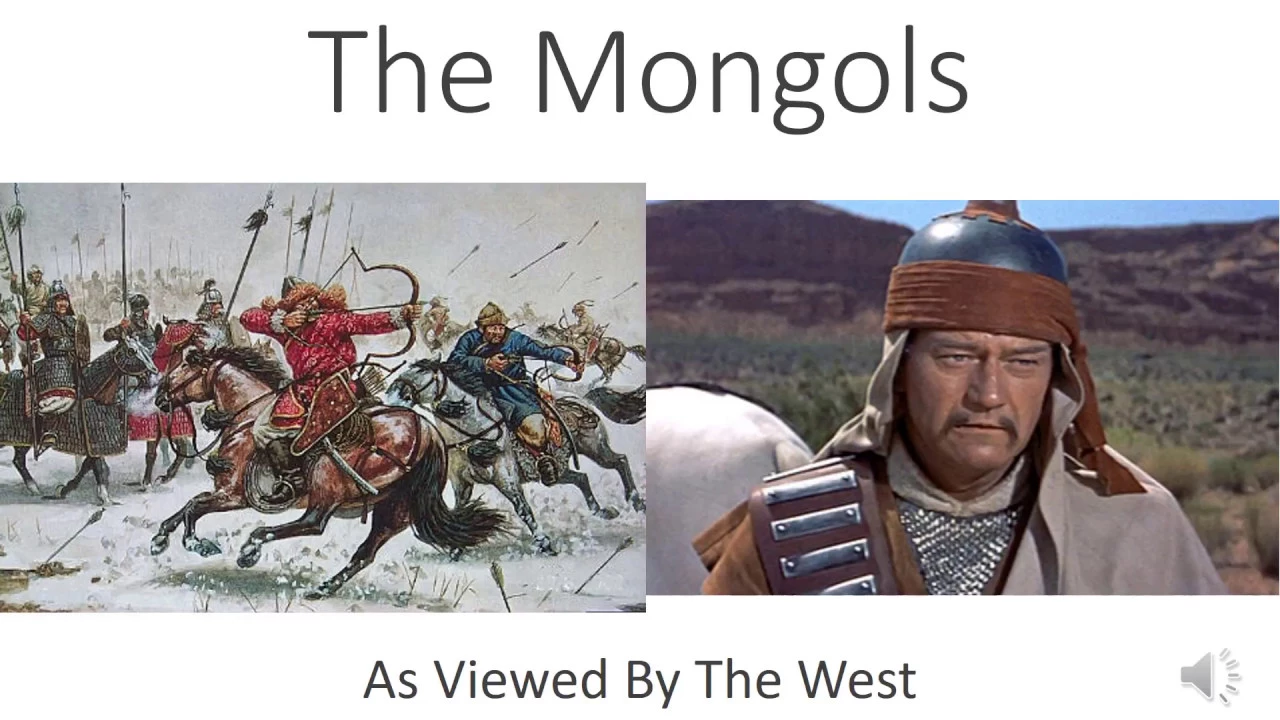
and they had time no invasions. And if we speak about the Mongols, the Mongolian Empire, we can say that was a very positive fact that it was possible to defend Europe against the impact of the Mongolian invasion.
You you mentioned well it's nicely done.
You you you hit hit all seven points. I I think uh towards the end you say the most important characteristic of the European Renaissance, the core of its identity was the gargantuan range of its thoughts and also the the amount of time it had. And you really just illustrated that is you have people in a particular region for hundreds of years refining and trying to understand many of these things. The Renaissance is, you know, a good, you know, 200 250 years in a place with time and to really iron these things out. And and that's in a sense when you look at it that way, it's special in a sense. Meaning, it's a it's a sort of a special moment in time to be able to do that. Like it's not they're not the only folks to do that, but it is an interesting thing to think about.
everything that came before it is now impacted at this sort of point to then spur out you know all of these other things we have even that we feel today many of the things you just mentioned.
So let me let me ask this. You mentioned that Renaissance is a really a kind of definitionally a rebirth of sorts. Uh and and and central Europe is at this sort of nexus point of the east and the fertile crescent and you know that's that's a huge part. I guess the big question here, we we'll talk briefly about Greece and Rome for a minute, but how much does the Renaissance uh I don't say need to give credit, but how much do they pull uh from the Indis Valley and and many of the civilizations there in India, from the Ottomans, from the Mongols, from uh many places in China, many places out in the east, so to speak, you know, as you have trade, you know, trade is goods, but trade is also culture and peoples and ideas across the Mediterranean. Um, so you can think of places like modern day Turkey and Greece and, you know, Macedonia and Bulgaria, all these places that filters into the rest of Europe.
Do, and let me ask it in a simpler, better way, do we get the Renaissance if we don't have some of the history and leadup from ideas of the East and everything like that? How how do how much of that impact is in the Renaissance?
>> Much we we cannot understand the Renaissance if we don't see that there was a great and very important cultural exchange.
The Renaissance was not only European.
The Renaissance was Asian. It was for example uh the the system of decimal numbers with a >> very important uh zero was an Indian invention and was brought by by Arab merchants to North Africa where the Italians learned it in the 12th century.
So for example, you have an invention hundreds and hundreds years ago. It was brought to Europe in the high medieval times and without this uh system of decimal decimal system the scientific evolution I think would have been impossible. This is only one example. Other examples other examples you find a lot if you look to the exchange with the Arabic world. The Arab, the Arabs collected antique texts written by Aristotal, written by Plato and so on and they copied it, translated it from Greek into Arab and the Italians learned it from the Arabs and translated it again into Italian or into Latin. So, uh, culturally exchange is always important.
I don't know any culture until today uh which has not been result of a intensive more or less intense intense cultural exchange. It's also renaissance you cannot understand without looking to the east and looking to the Arabic world.
Why why do you why do you think we don't or for many years? Why why do you think we we don't have that kind of 360 view?
Why why don't we say look you know the Renaissance did so many wonderful things but let's also say the impact and the influence it seems that the Arab influence or the Indian influence or things like that gets you know a footnote or sidelined or not spoken about at all and obviously you know your your work and others people's work has has tried to really highlight that but for many many years you know we didn't hear that part of the story is is that maybe maybe not for everybody is that an intentional thing or do you think It's just uh uh being short-sighted. Why why do we not hear this? I mean, it's changing, but why do we not hear this as much?
>> You're right. But but it's very complicated. Who can speak Chinese or Arab? So, I gave my chapters. I wrote about the Arabic world and about China and uh Japan and so on to specialists to friends who read it and said, "Okay, it's right. Yes, there you have to correct something. But the things that we have today, internet, we have very easy possibilities to read uh texts, distant text in distant libraries. But this was not so easy for Jakob Burkat and Jakobat didn't have context to the sinologists or people spoke Arab and so on. This is the point. It's simply very difficult to write a book like this without having the possibility possibilities of communication we have today. No, this is one point. Another point >> I think is more problematic that you find sometimes the idea that the European miracle is a consequence of the European race. That's something like a European race which was stronger and better than the rest of the world. Of course, you find this in in the Nazi era in in Germany in an very horrible way.
But until today, sometimes you find that Europeans are more intelligent, better people than people elsewhere. And this is of course totally wrong. It's not true.
>> Yeah. Yeah. Yeah. Yeah, I mean I I think it's it's it is interesting to see I mean obviously those those ideas are are you know latent with you know other ideas that are obviously you know false but it is interesting to see how so much of of different places are influenced by all these other places in the world and and it is nice to see uh many folks seeing and recognizing this. So, okay.
So, we we don't have to spend too much time on it. Uh, but um, look, ancient Greece is super important. Um, and I think there's, uh, you know, what I learned when I was, you know, in in school at various points, uh, was ancient Greece, ancient Greece, ancient Greece, right? You know, they created everything, right? They created democracy. They created uh you know they created the the dialogue. They created um you know all of these different things you know philosophy and all these things and and and for sure the the ancient Greeks have a major stamp on the you know quote unquote the western world. But um how much does ancient Greece uh owe to its concepts and ideas to the east and other parts of the world? You know, Greece is in the Mediterranean. It's it's, you know, more it's a lot closer to North Africa and to the the Levant and all these other places. I mean, is it Look, I mean, I don't want to I don't want to undermine it. I mean I think one of the things you mentioned which I do think is you know kind of you know the Greek kind of thing is this emphasis of critical dialogue which you had mentioned which we still use today you and I are using it now it's not that people before them didn't have it but it's the fact that they really um operationalized it or you know made this the kind of structure or made a kind of element of daily living in some ways that you know makes sense but I yeah how how How much do we give ancient Greece some of its due? But how much is it fair to say, yeah, ancient Greece was getting lots of their ideas, as you're saying, through this cultural exch ex exchange in and out of the Mediterranean, taking things from the east, all these things. What's the the what's the story there? And how does that spring us to how the Renaissance used ancient Greek ideas? Yeah, but I'm not a specialist of course for these things. And there was >> published a book black Athena. And that this book >> discovered and uh underlined the point that of course the Greece the Greeks the Greek philosophers learned a lot from Africa from the from old Egypt >> from >> uh the astronomic point problems until to to the arts. And uh the only point is that we understand and have the theory of democracy a reality of democracy just in the fifth fourth century before Christ antichrist.
So in the time of deost and platon and aristotal and so on.
>> So it's the first uh time we have written sources with a theory of democracy. That's really the beginning.
And >> this doesn't mean that I would neglect the fact that the Greeks learned a lot from other cultures. Only we don't have the sources to explain it until the last details. Of course, they learned a lot from Africa. They learned a lot from Asia. But it's clear that in the light of history, in the light of the sources, we find it in the world of the Greek uh of the Greek cities from Athena to Sparta and so on. No, >> on the on the Hagura on the marketplace, later the forum in Rome there were discussions, public discussions, first manifestations what we now call democracy.
And and how do you I mean this is a bit getting ahead but how do you feel those components of ancient Greece started to influence or impact the the big period of the Renaissance? you know what what are the folks from in Italy and Venice and you know the 15th century 16th century pulling from ancient Greece you know whether it's with art or whether it's through other forms of culture what do you see is the the the influence there I say in my book on starting with the calle dialogue the the dialogue about two uh world systems now the famous famous uh uh dialogue he wrote in the to defend the copernican view of the universe. I start with this dialogue because it's a fantastic example how the scientific revolution learned how to argue, how to discuss scientific problems learned from the Greeks.
This is a part of the old Platonic dialogue. We always forget that um discussions like this and a dialogue like the famous dialogue of Khalile about the most important world systems um that this text is a specific western text you don't find this kind of argumentation this kind of uh clearing something of to coming closer to to uh truth No, that this is a sociality we learned from the Greeks. You can't find it for example in China.
>> Until today, I have the impression that's a great different to discuss problems in the western world and in Asia. when I >> had to organize a panel in in China in but I must say in in Taiwan not in mainland China um we had a discussion about human rights and uh my idea was that human rights are universal you don't find Asian human rights you don't find uh specific human rights human rights are human rights and they are universal we had a long discuss discussion. It was a normal discussion as you have it in in every seminar in your university DC or somewhere.
>> Mhm.
>> But at the end of the discussion, there came three students to my table. We had a dinner, a conference dinner, and they brought me three glasses of wine and a glass of wine and said, "Professor Rick, we want to honor you. We want to excuse ourselves because you have been attacked in the discussion. You have been attacked and I was of course I'm an old man but it was a normal discussion and they want to excuse themselves because I was attacked.
By the way, this is sometimes in Switzerland similar. You don't interrupt people speaking. So I say Switzerland this point of view is a little bit more Chinese and Germany always.
So but I want to want to say that this culture of discussion you find not elsewhere in the world not everywhere.
Have a look to to Russia today.
Have a look to Beijing today. Where is people speaking about everything about understanding that uh good doubt is better than a belief truth?
>> Doubting is better than believing. No >> this is a >> this can you can learn reading the Socratic dialogue. The first example for this kind of discussion >> the everyday life of any democracy it's normal. That's the reason why we don't see that it was a great invention, a great progress.
>> Yeah. No, you you you really uh uh describe it well and give give examples of uh where it's a bit different in the world based on their long histories and culture. And I wonder if there's a uh you know, what is it about Greece or maybe the Aian region specifically?
uh you know is it the good sun over there you know they have you know they they have a lot of olive trees over there what what is what was it about that period of Greece where is there a kind of maybe embedded cultural thing where they're more you know the stereotype is there you know very passionate and very expressive you know is there just something in that that then they kind of formalize I wonder you know and again they're not the only you know many people in Latin America are that way too you know very expressive and passionate things but well I wonder what it was about that time and maybe some of the embedded cultural things that said hey let's let's dialogue about this let's have constructive conversation here I wonder about that yeah you discovered really a problem of my book then I I had had the idea that's a real one of the great mysteries of history why Greece why Greece why is Greece so >> so important and why developed democracy and uh a new on new science, a new kind of discussion. No, why Greece?
>> And I spoke with about the problem with with friends. You could speak with Vald Stanford or something.
>> And I think that's a great mystery until today. We >> Yeah. would speak about the the Mediterranean world again the competition the competition between city states republics the good weather the good weather >> in a rainy in a rainy world the the marketplace is not so important as a haga was in Greece where you have sun can discuss things sell things and so on >> but you are right >> it's a great mystery is Greece.
And to explain the great mystery, >> one should write a book with 2,000 pages.
[Laughter] >> That's right. Well, maybe. And I'm not sure whether he can explain it.
>> Yeah. I mean, when I talked to Shidle, he was he was on the podcast a couple months ago. Yeah. Yeah, we we talked about we kind of briefly, you know, touched at it and it is it is a sort of mystery about, you know, where where where these things you kind of what was going on there in Greece, you know, and so uh I mean it is a beautiful part of the world. So for sure. So >> so a sort of similar question here is is Rome. So again there's many people that have written about you know the Roman uh republic and then the empire and then you have the Byzantine Empire. You we we'll talk a little bit more about all those things but you know the Roman Empire lasted a long time. I think a lot of people will give it you know you know till 14 to the Ottomans right 1453 or 58 or whatever it is that was truly truly it was done but some people say 80 70 whatever doesn't you know there's there's importance here but you know there is things about the Roman Empire obviously you have the east west later on that splits you know and that's I think where some of the origins of the idea of west comes is the western empire so yeah I mean obviously there was huge impact of the Greek uh on the Roman Empire and the Byzantine Empire. But um I guess the essential question here I mean I again you know obviously many many people have written about the Romans um but what made the Roman Empire universal I think is the claim that you make right and that there is a sort of a universality obviously it was very big it it wasn't the biggest empire I mean again Mongols uh Ottomans they were also very large empires um but what made the Roman Empire universal and how do you see this sort of uh sort of dichotomy of Christianity in the Roman Empire. Yeah, definitely with after Constantine in three whatever it was 23 26 and then of course you have many of the Byzantine empires you know with Justinian etc. So yeah what there was uh there was the Roman Empire is universal and then Christianity becomes this honey and poison of sorts as you say for the Roman Empire. Tell us about that.
Okay, the Roman Empire uh to explain why it rose and why it fall it fell is a very complicated story and there's a recent book about the Roman Empire where the author only lists for three pages only with one sentence always theories about the fall of the Roman Empire.
three or four pages only only uh some u some words about this uh complicated problem.
>> Yeah. Well, uh uh I think first the first point is that the Roman Empire was always um pattern for a great empire for until until uh the United States in the 20th century. the Roman Empire maybe never realized pattern possibility to uh not only to be great for some time but to be a great well organized state for hundreds of years. That's the point. Not only for a short time but the only the only example for an empire well ordered empire on on his high times in the second century there were no enemies it was too great was too big from the Euphrat to Spain from Scotland to North Africa there was only the Roman Empire and the known world So the imperial structure is one fascinating point. The other is the republican reality. This possibility to organize a state not let us say it was far away from a modern democracy but republican Rome created patterns of political behavior.
You find still and I mentioned this in my book in the federalist federalist papers the famous texts written in the 18th century Alexander Hamilton and others >> uh to discuss the American constitution.
So you find still traces of the Roman Republic in the American constitution until today. Another point is Roman law.
The Roman law was an fantastic and very important discovery. Again, it's a it's a long discussion why it developed.
Maybe we can speak about that. But why the Roman law, a rational law, first law uh which was not only based on the uh belief to God and and to luck and uh so as as you you know this is the the not very rational laws and the rational right you find in the early modern times where the Roman law was not was not spread. No, but this very rational and very important discovery in Bologna and in other universities and uh important for the history of the Renaissance.
Then of course the Roman philosophy and the fact that the Roman culture integrated and transported Greek thought that the late Roman Empire was fascinated by the Greeks and um so it was a very important uh mediator for the Greek thought between antique times and medieval times.
You could say many more about Roman uh developments in Roman culture, Roman architecture, the Renaissance architecture, the Renaissance sculpture.
You cannot imagine without knowledge of the Roman >> the Roman patterns, Roman >> Roman examples. No, >> but uh >> uh so Roma Rome was a mediator was a cultural factor of primary importance.
>> Yeah. Yeah. And I I think that there's a again an interesting piece of this here of of how much they really de pushed out and developed that as to your point we're we're still using today even in some ways. And I think in in in terms of looking at you know the US example is very very young in in in historical uh framework. you know, a federated Republican uh Democratic, you know, all of those things are have more I mean somewhat a I want to say a direct link, but the yeah, the founding fathers so to speak of the US were very very influenced well read on Roman uh and Greek but Roman um ways of doing law and organizing things and I'm sure as as we we'll discuss you know this spread into Europe as well. So there is obviously a huge impact on what we do even now in modernity in terms of law and organizing the polus and all of these things. So this is very uh instrumental certainly. But I guess the the religious piece here is you start to see Christianity um and how it was used in the Roman Empire. And you know, as you get through the the the centuries, you know, you you start you you know, we can get up to the point where we're talking about the migration period where people are coming in and out of Europe. This Christianization of Europe initially was a top- down affair and you start to get this monasticism that starts to spread. But how did of all the the ideas um Christianity I mean obviously as I mentioned you can't understate the importance of Constantine and you know what Constantinople and all these things you can't underestimate that you know for you know we're talking in the 4th century this happens and so you have centuries of this and and you have folks like Justinian in the sixth century uh really codifying Christian kinds of of dogma into law and how we do things. So you you can't understate it enough. But even still, when you have different people groups and things across Europe as you go through the centuries, how was this Christianization such a top- down affair throughout Europe?
There's the reason why I call this development poison and uh honey because you find positive aspects and if you read the Bible you find uh uh very love as a very central factor of human um of of human culture. the love in the center.
Christianity is a is a religion of love you can say but it's always two religion a monotheistic religion not accepting the coexistence with other religions.
That means uh you find law, love as one important point in the Bible, but you find intolerance as another development which came with Christianity into Europe and the climax, the crisis you find in the 16th and 17th centuries with the wars of religion.
That's the reason why they poison And the walls of religion were uh Christianity, a Christian affair. So the Protestants, the Calvinists, the Catholics, the most important uh confessions were Christian denominations.
So >> you find this human concept, humanistic concept of love coming with Christ to to earth. If you want to say this. So on the one side on the other side the monotheistic uh absolutism and some monotheistic uh intolerance.
There's a another interesting here thing here. This is sort of a kind of uh rejoinder I guess to this idea. So I I'll bring it here. But many people have uh I I believe overemphasized but uh you know I think it's obviously important.
Uh so you have folks like you know Tom Holland you know he's great he's very nice he's he's we've I've chatted with him here as well you know he's he's great you know and he he wrote the big book Dominion which became a bit popularized and and really just his argument you know is saying how the the influence on of Christianity on many things including the west and the ideas but now you have I don't know how much you've heard of this but there are some some people that have this very pedestrian cartoon version of this where it says says, "Well, you know, I if you want to really hold Western values, you just need to be a Christian because it's all we don't get Western values unless you have Christianity." Almost as if they're it's a prerequisite to have Western values of rule of law and free speech and, you know, democratic ideas and human rights and all these things.
you need to have you need to basically believe in Jesus and the Bible and Christianity and whatever that version is. And to me that's a that's a very again kind of cartoon version of this.
And my my idea and I want to know what your idea is here is I think you have so much in the Renaissance in the the scientific revolution in many of these these different periods this emphasis and you talked about in the book so we don't have to get deep into it we'll get there but this emphasis on the individual and this emphasis on humanism it it's less of how do you have this reverence for a deity and that's where we're going to get ideas. Yes, you're right. Christianity has a lot of uh emphasis on, you know, loving your neighbor and all these things. It also has some some terrible things too. But um but even outside of that, there is still dogma and doctrine of you have to worship a deity, you have to live your life according to a book and all these rules and all these things. And I find that much of of the the thought outside of uh this is within the Renaissance within kind of modernity and all these things is this emphasis on humanism and human human potential and some of that is individualism. There's other pieces of it that are on other components. What do you think about this idea of and and I'm not saying that Tom does this, he doesn't do that. He he I think he treats it pretty balanced. I'm saying other other people have kind of taken off on that and and done some version. That's weird. But what do you think about this idea of you only get Western values or all these ideas, you know, that some of it is from the Renaissance. Uh you have to be Christian or you have to have some piece of that because they're inseparable. There it's a prerequisite.
What What do you What do you make of this?
>> I'm I'm not convinced that this is true.
Um I I have to say I person I personally am not a Christian. I have very free kind of seeing religious problems. But of course you find in the Bible wonderful sentences, wonderful words and truth, but you find horrible things too.
>> You find >> of course >> so just that Jesus says one day I don't think I came I came only with peace. I came with a sword too.
>> Mhm. And this is um but um I think if you have um the freedom of seeing the positive things in the Bible, positive things in the in the Christian theology, then you are free to take other positive things from the enlightenment too from enlighted philosophers from Montania.
I think he's one of the first really philosophers of the enlightenment to uh and to Montescu and many others. So >> um Europeans should not be only Christians. They can be Christians but should see the dark sides of a >> uh religion which is not tolerant against others and should see that the tolerance as a central point of Kant's definition of enlightenment is a very important value useful and economically important until today.
things like this we should say we could say that as Christianity is a heritage enlightenment is the same isn't is a heritage too and not only an atheistic enlightenment we have a Christian enlightenment too a Catholic enlightenment in baratum for example >> so again you see that I'm a um I'm appreciating exchange between different ways of all different philosophies, different approaches.
>> You have to be eclectic, not only to be a Christian, not only a secularist, enlighted philosopher, you have to find everywhere what's good and what's helpful to live together.
>> Yeah. No, that's a great answer. So, the the the the new kid on the scene, so to speak, uh is uh is Islam. you see Islam uh in the seventh century arise and and very quickly uh you know have uh some some big military winds and out of Arabia into Syria into Iraq and then off into the world. Uh and of course you had the Umayad and the Abbasa dynasties and you get the three uh kind of caliphates in the year 1000. I guess how much did Islam bring more ideas to the world and to Europe um you know not just Arab ideas or not just uh other parts of the world other regions you know Syrian or other otherwise it's Islam Islam did it there was a there was a there was a a spread of this and we obviously we we you get to the Iberian Peninsula in Portugal and Spain and you have you know kind of one of the three that are there uh you know Charlemagne is huge here.
You know, you talked about, you know, Charlemagne and the Renaissance, you know, for this kind of scholasticism.
Um, but yeah, how how did Muslim conquest in the, you know, se starting really in the late 7th century all the way up until, yeah, probably around, you know, uh, the the 11th or 12th century.
How did these conquests really create this massive economic zone in in world history as well?
I think that uh you have first to look to to to small things like for example the the Indian numbers the decimal system the zero I just mentioned it but on the other hand you have to see that there was a lot of knowledge of uh eastern knowledge in the Islamic Arabic medicine. So it was so important for the west to learn from the from the Arab doctors from the Arab physicians what the human life is made of.
On the other hand Islam was never very tolerant and it was never fa favored never democracy. It was democracy was negative uh form of living together. On the other hand, there were many Islamic Arabic uh philosophers many translating as I said antique texts, antique philosophers and for the west it was essential that the Islamic uh thinkers uh conserved all these preserved all these things for western salt. and uh could be copied, could be translated.
M also in this period we see you mentioned this you know briefly is is you know India and China and Japan and larger Asian civilizations you know they were doing some things in this period as well I mean obviously there's a big kind of how we talk about world history of sorts is people kind of center in on how things are connected or wars or things like that but there are other things going on as well and these places in in Asia Asia, India, China, Japan, they've had established civilizations and established intellectual and cultural life before the European Renaissance. I guess you know maybe it is through um you know obviously much has been said about the Silk Roads obviously maybe from India as well you have you know sort of you know Dimple's golden road with trade and the in the in the the the way that people would bring things on ships and things like that throughout you know the the the Asia and then out into the Mediterranean and off to Europe. But what do you think in in these places in Asia where there was established civilizations? What did they kind of by you know some sort of medium whatever that is trade or whatever that they also brought or their the impact of their um uh established intellectual and cultural life influenced the European Renaissance as it was starting to kind of kick up uh in the 11th and 12th century.
I think you find only the strongest encount encounters between the Arabic world and the Christian world in Spain.
But there's another point. I'm not so sure whether there was a lot of things the west learned from China for example.
Um, China was far away and uh, China was of course discovered by discovered by um, merchants. Marco Polo is the most famous but uh I think the reality was that um China hadn't enough time to develop similar scientific breakthroughs as you find it in the western world in the just in the 12th 13th century um you have invasions you have always the necessity to strengthen the military the militaric power of of China and uh you have not so lot of centers we find in the European world as that said we have in Europe many states and and then city states and republics in competition you don't have this in China if there's a civil war that destructs Beijing or another city then there is finished with uh in intellectual life, intellectual life and you cannot develop new inventions, new things. This was a point a great difference between China and Europe. Europe was free from the Mongols. China not China had a Mongolian period with a very hard and and restrictive government. And um you find the same in many African states, not not everywhere, but this quantity of different states surviving um the disasters of invasions as you find in Europe, you find not in other parts of the world.
It's it's very it's very interesting how what kind of gets through and and gets if you will transported or or seen and other things that don't and so it's it's very very interesting >> you know before but go ahead >> no thanks a another point is a famous Maltusian trap no I this is a point where I say I have an idea but I cannot prove it that the rice the rice economy in in in Asia no >> with rice you can u it's easier to to maintain a great population with same um with the same uh quantity of of of land with the same uh u surface you cannot um you cannot produce a grain for millions of people as you could do it with rice in China.
That means >> that uh disease at the end disease catastrophe in China is heavier than in the west and it's difficult and you have to find ways to avoid it. So the question to escape the maltusian trap in China is always more important than in the west and it was more important for the decisions of the government for the whole decisions of the governments and uh Europe's rice economy you have not your people is living with bread and grain and the cities are smaller Beijing had million inhabit a million inhabitants. You don't find any city in Europe. The greatest city in the Roman Empire in the 16th century was Cologne with 400,000 inhabitants.
See, so you have more more freedom, not to organize food, but to think to organize universities.
I say it very briefly with one word.
That's very that's a very interesting point again that's something that the the global perspective here helps you understand a little bit of these things that's not something I would have probably thought about in thinking about these things but yeah it goes back to your point in the beginning we said about time uh which is which is instructive um so briefly here in the year a thousand you know the the ad the you talk about agriculture production Europe you know you know became a big thing as kind of things you're mentioning there in Asia. But in Europe, the agriculture was was interesting. Um, but uh I think you mentioned it earlier it there was a a kind of this unique demographic structure which I think was kind into your urban middle class thing was this uh western European marriage pattern which I I thought was interesting. Maybe you you talk about how there's something, you know, we'll we'll talk about feudalism in a in a in a minute, but uh how does that kind of arise and and and how is there sort of a a sort of uniqueness to it in in some sense?
>> This marriage pattern was discovered by Halal. Halal is a historian, demographic historian and he said that there's a great difference a line if you take from St. Petersburg down to Athens to Athens to to Greece. No. Then you have on the west the European marriage pattern this core family father mother one two children children. No not more.
>> On the right on the eastern side you have kenships created in huge families as we find it until today in the Arabic world for example. Mhm.
>> And to prove that it existed just in the seventh century in the early medieval times is very difficult because we don't have the data. We don't have clear sources uh which we can use to prove it that this pattern existed just thousand years before. But I think as even if you cannot prove it, I I have not the the sources, this must have been a very important factor for explaining the difference between the west and the east because it explains why in the west there was social mobility more developed than elsewhere in the world. That in the west you have this uh possibility of competition. You have this social competition. At the end it's good for inventions, for new discoveries, for a great art and so on. No. So I think this is very important and it's important because it's always even uh against the rigid structures of feudalism.
If you have somewhere in the society this liberty that the daughter of a potter doesn't marry the son of another potter then you have the freedom that a potter daughter marries the daughter marries the son of a poor merchant or poor patrician. So the straighta are mixed. this is good for um social mobility. I think this is a point some we should discuss but it's not a clear uh proven development. I think u we have not enough sources to decide whether I'm right but I think it's an important point.
>> Yeah, I I would agree.
>> Yes. So let's let's let's uh sit for a minute on on feudalism because I think feudalism is a >> well you know it's uh it's it's super interesting in one sense but um I'll just put this in a sort of modern context. I mean obviously there's different parts of the world that you know have you different elements but even in the quote unquote developed world some people have even made the the kind of I guess tongue-in-cheek comment that we're kind of uh returning to a type of you know feudalism based on you know various oligarchy and massive wealth and income inequality etc you know blah blah blah you know I don't know how true that is but it it does give um uh feudalism a kind of bad kind of uh renaissance uh to to use the pun but yeah tell us feudalism was was became a massive element in Europe during the 12th century I think some people put it in the 9th or 10th centuries at the beginning but 12th century you really see it in Europe uh which is what you describe talk about how trading land for royalty with rapid expansion was a big part of many crisis you know rising with bad harvest and then there's obviously the military component of it as well and there's all these economic problems and social imbalances that happened and this is pre you know the the plague and the black death and everything. So, you know, what was the kind of not again I I don't know if you're an economic expert obviously, but you know, just historically from your lens, how do we get understanding the economics and the social components of what feudalism was for so long? Um, as you mentioned, this was the part of the downfall of the late Roman Empire, the Ottoman Empire, the Carleian Empire.
So this really had impact to just uh yeah kind of kind of land here for a minute and uh talk to us about your perspective on on feudalism in in Europe in the in the 12th centuries and subsequently. I think that's the the most important point in my my my argument is that what was against feudalism what was um dissolving feudalism um starting just in the 13th 14th century I think urban societies the urban society was um if you compare it with a feudalistic society rel relatively liberal relative relatively open >> feudalism blood was important. Your family was important and as I said in the European cities from Florence to Stockholm and from London to uh to uh Frankfurt or Huxburg my hometown there was the society organized in a more horizontal way. I makes a difference in my book between vertical organiz organization of a society against horizontal organization of a society. Horizontal means fraternities, crafts, craft uh um societies and so on. uh universities and uh vertical is a feudal um relationship between the lord and his uh his feudal servant. No. So this was again a consequence of the fact that European uh European development led to a development of free republics and free cities uh relatively free cities.
Florence, Venice, Sienna and so on. It's first in Italy, then sometimes uh in Germany and other way in other parts of Europe too. This horizontal principle was a European principle. You find it in European cities, for example, crafts associations or fraternities. Yes. Okay.
I said as I said but you cannot find it in many other parts of the world there the societies are in a certain sense feudalistic organized till the medieval ages the early modern times.
H yeah two two pieces here kind of building on that you you mentioned I I never really considered this actually but uh you mentioned we sort of see in the kind of uh precursor or even some ways in which we see today you start to see these origins of universities rise in 1200 in Bolognia and Paris so you know Italy and France are kind of taking the lead here and so now you we're kind of we're in the kind of pre- Renaissance era at this point, you know, uh 13th century, you know, but so universities, which is, you know, I mean, we take that for granted nowadays, right? You know, you teach at one, I teach at one, you know, we just go and we teach and it's a whole thing. But there was a time where that didn't happen or it didn't happen in the way that we see it today. There's a there's a origin point to that of like anything else. And it is something pretty pretty neat in a lot of ways to go to a place to study and dialogue and all these things. uh be educated to read. But you also talk about cities, courts, monasteries, cathedrals start to become these elements in the 12th century. Uh and Italy and France start to really kind of become at the center I guess in a kind of early preodern period of sorts. You know, this is still dark ages, whatever people call it. um you know is there a reason why Italy and France kind of jump on the intellectual cultural thought and start to produce this um as opposed to uh I don't know Serbia and and and and you know another another country why Italy and and France start to kind of do the leadup for what we see in the Renaissance >> it's a good question but I think I I would say that um you normally you don't find a necessary development. You cannot say it must have been in Italy or in France. But you can say this development had to develop in a in a world of economic uh uh prosperity of merchants of uh people uh selling houses and buying houses. So you need um the the security of your property. Yeah. So it was a one of the very important preconditions and Paris had the uh monasteries as Bologonia had.
Monasteries meets people monks which could read. This was a very important precondition.
more they were merchants selling buying goods and they need a jurist prudence on they need security.
So you find some different factors, different conditions coming together and then you find the individuals. Don't forget >> the importance of intelligent lawyers, humanistic cultivated lawyers know the Roman the Roman law. They know the the the positive aspects of the Roman law.
all what the the progress lman law means compared to the older ways of deciding juridic cases. So you find uh lawyers for example Hatsau Hatso Verelli is a very famous lawyer very intelligent lawyer and one of the first uh really um um important commentators of the Roman law.
So you find the sentence who didn't who doesn't know and his jurist prudence shouldn't go to the palace of justice. So it's a condition to know Hatso's commentaries and to know the Roman system and then if you don't have this knowledge you shouldn't go to the Palato of Justitzia.
No. So you need individuals. You need always individuals, not only structures, not only conditions, not only a urban society with intense traffic, with intense traffic between different centers of knowledge, with monasteries, with uh people able to read, to understand books and to buy books, with the money to buy books. with the money to buy to readic books, with the money to hire um to hire lawyers, many factors come together and uh but the chance that the university developed in a city like Bolognia or Paris was much um much greater much uh better than for example in Stockholm. Polmore in in >> Tunis.
Interesting. That's very very interesting. I guess it's sort of the the the kind of updated question of why Greece, right? You know, and so it's the sort of the same why Italy and and and France. Well, you know, just we got one day we'll figure it out culturally. I guess a footnote here just because I don't want to skip it over is uh you don't have to talk about it too much but you know this was the period where we had the Mongol Empire and it was a very big empire over I mean it was at the time the biggest uh it was huge it covered all over the step and into obviously Anatolia which is modern day Turkey and many other places and stretching into Europe I mean what was there what was there any impact or role of the Mongol Empire uh for pre-Renaissa Europe I I mean again any any comments here on this?
>> I don't think so. But I think that the most important point was that it was possible to hinder to defend Europe against the Mongols.
We were that uh it was an empire uh where all these points I found so important for the Renaissance development different centers um middle classes and so on didn't exist and there was no freedom of discussion. The same you find in the Byzantine Empire. You don't find uh innovations.
Uh you find an interesting reception of uh antique Roman texts, but you don't find new inventions and you have not these developments as you find it on the uh western side of the high null line.
But in the Mongol Empire, >> I think you don't find intellectual stimulations which could be interesting for the western the western development.
>> Interestingly, that that sounds right.
the mo maybe less of intellectual development in one sense, but there is a uh I mean they were incredible administrators which I think is I mean they were they were they did a lot of you know some some horrible things too but they were incredibly uh organized and good administrators for doing kind of localized government which you see later in in the Ottoman period but much much different so >> so before we come on to the >> go ahead >> again there was only one center only one center >> uh don't and you didn't have a competition between different centers and different straight eye in the centers it's always the same problem yeah know that's a good point so before we come on to the renaissance kind of head on there is a sort of right at the beginning and this sort of kind of you know is the I guess you could say the preface or you know dovetailes right into the renaissance fully of how people understand it and how you discuss in the book is this the origins of individualism kind of come here uh 13th century you know which was gaining much popularity and that humanism starts to become this sort of revolutionary movement you know engaging with you know critical philosophy of the Greeks and things we've chatted about already now help me out here on this because sometimes I mean granted you know this was 800 plus years ago so people are going to you know update and think about things differently >> sometimes culturally or sociologically, especially here in the so-called West and the States and Canada, maybe Western Europe of sorts, the UK, things like that. There has been a bit of a push back by certain folks of saying this whole individualistic versus collective cultures, blah blah blah, all these things. And I understand some of that. I mean, these things are not um, you know, they're they're not this one-dimensional thing. It's not this kind of false dichotomy of sorts. And I think these can kind of be reductionistic arguments, but you know, ju can you explain how individualism at the time where it became popularity in the 12th century, why that was important historically in the context and how you can see that it's not a versus, you know, collectivism, but that it's a kind of a it's not an eitheror, it's a both and how you understand individualism and what that means for the human condition, for secular humanism, but also how you have that in tandem with understanding within your group or things like that.
Tell us about the origins of this here and and how we we see it kind of go further throughout time.
Yeah, first I had to say that you touch one of the most famous ideas about the Renaissance, Jakobat's famous chapter about individualism in the Renaissance. He said that in the medieval times people saw the world through uh only uh as a as a holy uh event as as a group of persons and u they had no individualistic ideas. This is of course in this form it's not true but we find that after the 13th 12th 13th century first traces of a new conception of man humanism is some just a result but think about the point for example if you have your birthday you open a bottle of champagne I don't know or you can meet his friends you have a party No, the first birthday party or the first uh really mentioned birthday in the source was in the 13th century. And then a point which was not discussed by Burkart. This is strange but he didn't see that or he forgoted to to mention it. the fact that you find from the 13th 14th century on always more and more self-portraits or portrays of identifiable individuals.
This is very interesting that you find just in the in the 13th century find one two three then in the 15 find just hundreds the 16 thousand and thousands that's a very important point no >> so individualism this individualism you can uh just prove in a quantitative uh dimension this I want to say counting simply this um paintings >> and of course um humanistic philosophy puts man in the center of the discussion. Of course God is not dead of of course he's not dead but man um gets a new role. The famous sentences of Picod de la Mirandola in one of his most famous texts that uh God says to Adam, I created you.
You can be an animal and you can uh lose your dignity, fall down or you can climb up to heaven. It's your freedom. It's your individual possibility. your individual possibilities.
So humanism and this the reason why humanism is called humanism means that the condition of man and the condition not only of mankind but of the individual is in the center of a new philosophy. She's interested in um discovering possibilities of the human life and saying this you can become you can become much more as you are and you have the freedom to move away from this poor sinner who have been in medieval times. This is obviously I say it's not true if you say it this way even the medieval times had a positive conception of man but you find a lot of texts saying that a man is a poor sinner and he is only depends on the will of God whether you can rise to eternity or fell down to hell and this conception is losing uh um its significance its absolute significance just in the Renaissance.
>> Yeah. But so it's never again this a kind of a false dichotomy here. It's not in opposition to your your kin group or your family or even still a religious group. It's it's it's this idea of you still have those things but it's not again historically that was much different. It's how do we emphasize you as the individual? Not neglecting that you're part of a group, not neglecting that you're part of, you know, a collective in some sense, but that you're not overemphasizing that that you're emphasizing who you are as an individual, which is a makeup of all of those other things. Is that is this about right? Is this where this starts to take kind of uh some momentum here?
>> Yeah. But you have to be cautious because I think this absolute individual, the Superman was an invention of the Renaissance of the late 19th century, >> especially in Egypt.
>> Yeah.
>> If you study the sources of the 15th, 16th century, you don't find a Superman.
You find maybe universal >> or that means a man who is interested in many things who is um in many crafts a good uh um craftsman. For example, Leon Batista Alberti, the famous philosopher said he was not only a good uh a good thinker, a good writer, a good artist, a good painter, a good sculpturer, he says he could climb up as a sportsman and so on. So, uh you find but it's a rare exception. Alberta is is the maybe the unique unique example example of somebody >> uh describing himself as a superman or as a as a man on the other side more than a normal >> uh average as average people. No, but the superman in the sense of of nature is is a invention of of later times.
>> Mhm. Yeah. But it's clear that >> that the Renaissance had a new conception of man. A man >> of course religious of course Catholic or Protestant normally atheistic atheistic movements or theistic thought is rare absolutely rare even in the race.
many many few exceptions. One of the few I think is Leonardo da Vinci, but it's a it's a discussion. It's it's not not clear whether it's it's right what I what I presume. No, >> but you don't find a atheism, but you find a new significance, a new importance of the life, the life and the the shape of man, the figure of a man.
>> Yeah.
So, you know, we we've done, you know, uh an hour and a half of uh very elongated throat clearing, uh if you will, and uh and now we're we're we're we're finally at the Renaissance, right?
So, tell us, you know, all this leadup I think will really, much like your book does, give the Renaissance it sits, you know, where it sits in time and history and place and all these things. So you have the start of the Renaissance in the 15th century, the 1400s in in Florence and Constance. How did tell, you mentioned it earlier. Tell us about Renaissance art of Italy and how that moves through this process of cultural exchange and this massive troop of patrons. Just just kind of uh give give us walk us into the the Renaissance and you know, not not the high part. are still early but as it starts to begins in Italy and through art. Tell us about the the the the space in which this was operating there in the 15th century. You know, in the 15th century, you find that uh antique architecture, the tradition uh just in the so-called protoons in Florence um first traces often never forgotten culture, but you find that uh the antique ideas, the antique forms where build uh churches, palaces, find uh not only the the the vault, the great if takes a great uh discovery of the Roman architecture.
uh many many details in the the paintings. Um reflects the knowledge of antique art and antique architecture.
Um first I think you have always the discovery of antique texts. The first work was done by the humanists, by the writers. Then come the architects and at the end the painters because the painters need surfaces. They need uh walls where they can paint >> and uh that means that uh the antique patterns, the antique uh forms become always more important.
first in Florence and uh some other cities of uh centrality Italy, Orurbino, Remini for example.
And uh it was uh important if to prove your knowledge of the antique as a symbol of your social status as you today show that you understand something of uh the of modern culture buying if you're rich wealthy you buy let us say not only a Picasso What a what a painter.
I by way for example show and prove that you are men of culture not only of money but of culture. People in the Renaissance tried to prove that they had the understandings and knowledge of antique aesthetics and forms. And so they engaged architects uh that were able to create antique architecture and painters and so made de la Franchesca and under the others career.
Now, is it obviously the status piece is is is huge, but was there were there other motivations at this point of, you know, to do some of these paintings or some of these sculptures or these architectural things? I mean, it some of these things took years, months, years.
You know, the motivation couldn't have only just been obviously status, of course, but were there other things where they were more interested in the athet, right? And they were concerned about how they could leave something behind or was there any of those types of motivations as well or was it mostly primarily a status thing?
>> No, take take an in the interesting example. It's a linear perspective. So the linear perspective uh creating spaces on a on a surface on a planned surface no creating three threedimensional spaces um for us it's nice to see interesting to study Macho or other painters but uh I would like to use a word a notion created by the art historian Michael Baxendel the period time. The period means that every period has a certain way of perception. You see the world in a specific way. And if we see a three-dimensional movie today, you can with artificial intelligence, the Lord of the Rings, huge in fantastic movies and quite impressive at least for elderly people as I am. But in the 15th century, it must have been sensational to see a threedimensional space on a plan surface.
So just a sensation Macho created.
Pierro Pier de la Franchesca who was a great mathematician too made absolutely correct threedimensional illusions. And of course this was the first reason why he was estimated and highly paid. He got a lot of money for his paintings. And the same is valid for Alberti and for Leonardo and others that they were able to create um paintings very similar to reality.
Today we have photos. Today it's not a sensation if you see a photo of of thousand photos thousand movies we see in the television every week but in the 15th century it was absolutely exceptional to see uh the illusionistic space it's a famous Jan a Dutch painter so we have speaking about Italian Renaissance we should speak about the exchange between the Netherlands and Italy too.
If this famous fan created a an alter made with with illusionistic space and landscape, there was uh the same effect as today a great pop concert uh with Madonna would have. No, his mad was another, but she was fascinating because people could see a real women, a real space, a real landscape. The same was valid for for Heronius Bosch with his fantastic ideas.
>> Oh, of course. Yeah, >> this you and and this was one of the discoveries of the Renaissance. And this interesting again interesting question why the central perspective was invented the same time when the humanistic philosophers made the man the center of the thought.
>> The man the person uh regarding a painting regarding a painting looking to a painting is the center of the um perspective. He he must the painting is made for him from a specific point of view a certain point of view of you then you have the real illusion of a space so that's a new development first example early 15th century Santa Maria novela in Florence >> and uh this was one reason why it was fascinating and fascinating at the to pay these artists to buy their paintings because they said I have the money, I have the culture to afford me for the painting by massage, for example.
[Music] >> Yeah, it's it's very it's very fascinating how there's this craft of doing this. And look, I mean, you're right. We have today artificial intelligence. We have, you know, 3D, we have, you know, obviously, as they used to call it, moving pictures, films, all these things, all these different mediums and different technologies, but it feels like it's sort of a human kind of endeavor of sorts of doing these things. But I can still go to many of these places and go to these museums and still be stunned by stuff from the Renaissance period. I mean, I've seen some of the I think it was in Belgium. I saw some of the stuff of the Dutch masters and it was spectacular. I mean, I've obviously seen stuff in in the Louvre and other places that, you know, beautiful pieces from the Renaissance period of in in Italy and in in France.
So, you know, it's we still marvel at it. we still, you know, even though we've we've quote unquote, you know, Mcmodern and postmodern, whatever, there is still a sort of uh I don't want to be super uh dramatic about it, but there is an eternal quality to it. I mean you can still see it and see like wow like you know there is something spectacular here which I think is really interesting about their quality through time which is which again maybe also speaks to their sense of culture you know having culture and high culture and their sense of status and things like that. You can still kind of see like wow like this is this is really really you know incredible in that way. And here you have again the effect of competition of social competition between the u the patterns. The patrons want to have wonderful paintings on the one side. On the other side you have the painters and one painter tries to be better than the other one.
Leonardo Davinci was able to paint a landscape with his famous sumato with his uh without showing one line, one trace of his of of his uh >> a brush or pen or whatever he was using his utensil.
>> Yeah. Right. And uh the competition between the the patterns, competition between the cities and the city republics was very very important for the development of a new naturalistic supernaturalistic form of painting and the variety the variety of the different forms to paint.
For example, a Madonna in the 13th 12th century. It was a sign of quality. If you have been able to paint the Madona as it was painted by St. Luke, the first Madona of Madona painting, legendary painting by St. Luke the painter. So, it was a direct u um mirror of the real Madona. And so it was important to copy always this first painting.
In the Renaissance they develop always new forms of Madona.
Huben's tition they always painted different forms of Madonna. Sadona with flowers with animals Madonna with a child and so on and so on. And this um the mirror of a complicated art market. This art market was very European by the way, very Dutch and it's a Dutch shop art market was I think maybe sometimes more important than the Italian one.
And uh this art market many many paintings are lost of course but many famous have survived and this art market is a of course u it's a reflection of the prosperity of the cities of the city that he not only the the middle classes but always middle classes too not only the wealthy patrons uh nice Madona painting even uh craftsmen could pay. No, the prices were not so absolutely high. And uh >> so this uh variety of the arts um reflects the variety in the society, the variety of of the patronage of the great monasteries of the great uh bishop palaces of the great cities.
Do do you think that this if you will variance or diversity of different artists and different people having a kind of healthy competition etc. Do you think that that is sort of the origins or kind of birth of how we see artists today that they compete with their writing they with with film with still fine art with you know digital art you know do you really is that sort of the birthplace of where we really see that that continues until today? Yes, absolutely. So I think that then that um Isabella, she was a teacha said to her agent to to one of her agents she wants to have a Leonardo a painting by Leonardo.
It's not important what it is representing what it shows and the price is not important. He pays whatever he what what what he wants.
This is the first uh example for a very modern way to see art. No. And uh they wanted as you say it was a it was a very vivid very interesting market for works of arts where to be better to be different from the concurrence was important.
Competition was in the center as it is today. and uh work of art. Sometimes there were agents, mediators and they made a lot of money uh making artists great selling the art of is today. If you have a good gallery, then you know you if a gallery is important, galleries say what a what a work of art is worth.
>> Mhm. If you have a >> an important gallery as an artist, you can make a lot of money. And this starting in the 15th century too when you find the first agents until the 16th 17th century. Still the great majority of people we call artists have been simple craftsmen. They were members of guilds >> and they were paid for example for a great alter piece for the dimension the number of the represented figures that was simply a work of craftsmanship not work of art as we would say today but just these uh works of craftsmanship were paid and estimated like today works of art. So we see just a first glimpse to a modern world, modern world of art.
>> That's a nice point.
>> So you know, we mentioned it earlier, but you know, Gutenberg printing press, tremendous for the world, but how Okay, let me put it this way. This might be too uh too much, but you tell me. Do you think the Renaissance could have been as big as it was and impactful as it was without the printing press? Asked another way, how consequential was the Gutenberg press for the Renaissance?
>> Not only is the Renaissance, but the scientific revolution?
>> Yeah, >> I think that without the printing press, no scientific revolution. And by the way, without scientific revolution, no industrialization. a different modern world.
>> I won't say it's not a a worse modern world, but it's another modern world which could have been created or uh developed without the printing press.
Why takes the history of the Copionic revolution?
It is a very very long way where many authors, many astronomers participated writing studies criticizing what Copernic has discovered and um improving what he discovered. Kepler for example discovered the elliptical way. The planets have not a circle line but they have an elliptical way. And uh then Newton's gravity theory of gravity and they always could learn from the books of the others.
Newton read books published via Gutenberg Express books by Kepler. And if you read today Kepler's book was the new astronomia nova. I tried to read it.
It's in Latin. I understand Latin a little bit. I learned it in school in school >> but the mathematics and the astronomy is far away from my knowledge and if you are not an expert you don't understand what this book really what the significance of this book really was Newton was a reader who understood it who could see that this was a book a revolutionary book with a real same dimension as a copernican the revolution Obium cholestium. And so he invented a new theory and made a new theory of gravity. And without Newton, no cell phone, no satellites, no Elton, no Elen Musk with his with his rockets maybe.
And so I think that the the Gutenberg evolution was really important because say you have not only a small group of monks or scientists reading a manuscript written with handwriting, maybe illustrated, maybe wonderful, maybe copied 10, 12 times, but you read thousands and thousands of books and you have thousands and thousands of participants at a grand dial. dialogue thousands and thousands of possible critic uh uh people who can crit criticize what you have what another man man has written or people who could improve what you find. So I think it's a uh extremely important and you have a possibility of dialogues between Copenhagen and Moscow and uh Stockholm and Rome and Florence and Naples and so on. This dialogue would have been impossible without the printing press.
And if you look to the great discoveries from Newton to the steam engine from uh Copernicus to the new astronomy of Newton uh without the printing press impossible. Impossible.
>> Yeah. Yeah. Yeah. It's it's something I take for granted. I think a lot of people do, but it's I mean incredible.
It's incredible. I think I I took I started to recognize a little bit of it just just 2% maybe where during the pandemic I think in 2020 or maybe early 21 where there was a lot of backlog on on uh publishers they weren't able to print uh as many books and there were delays and I said oh I mean sure people get things digitally but I mean I still read things physically so But um I was like, "Oh, that wouldn't be good if we just weren't able to print as many books anymore."
And then how would And I I just I never really and I really had a moment where I was like, "Oh, there was a time where people didn't have the ability to go buy a book and read ideas and all these things and and I and I and I and I think your point is is is established. You're not going to get all of these thinkers at the time that, you know, had access to it and were able to then make better discoveries and keep improving. So yeah, it's it's it's definitely uh not under under it shouldn't be understated for sure.
>> And it's interesting that you that you cannot find you don't find the printing press with screw uh press and >> movable types.
>> Uh so essential parts of the Gutenberg invention in other cultures in the Islamic cultures you don't find it in China you don't find it. And until the 19th century >> in Turkey, people communicated via manuscripts.
>> So that's a great difference. And one one reason why the uh velocity of inventions in the west was more rapid than elsewhere.
>> Yeah, that's a good point. So kind of two things here together. I mean, you know, there's obviously the what's going on during the Renaissance. So, so this is, you know, 15th, 16th, 17th, 18th into 18th century. Uh there's also other things going on in the world of course and you mentioned in the book you know Spain of course goes abroad at the end of the 15th into the 16th century and you know Columbus you know 1492 the whole thing and then many explorers and and and there was this uh you know trying to find a new world I guess these finding new worlds did did this impact the renaissance movement in Europe so folks back home where you talk about in the high renaissance There was this emphasis on distant worlds of dreams and you talk about this in oid and Homer and Virgil and all these things but that the Renaissance was the high renaissance the peak of it of sorts if you will there was this fascination on utopia and distant worlds and was there a bit of where it's a kind of a moment of the time right if you have the Dutch and the Portuguese and the Spanish and you know sailing the world and trying to find other new worlds and interesting places.
Do are we seeing that in back in Europe with in the Renaissance with this emphasis on you know world of dreams and utopia um and and you mentioned very nicely in this way somewhere in the book about the we see the ungodly in Da Vinci as you kind of mentioned and the divine in Michelangelo and Raphael how do we understand these kind of big themes and concepts in the high renaissance period of the 16th century?
>> Yeah, you are absolutely right. The central point is that this utopia and this wonderful worlds of people living in under a blue blue sky and and with fruits and and free laugh and so on that this uh were worldly uh paradises. So not a paradise in the future after the uh last judgment and uh in eternity but on a real societies on a distant island and it's not a case that the utopia Thomas Mo utopia was inspired by the so-called discoveries by Columbus and by American IA I love Montania. If you read my Montia chapter, >> I'm fond of his philosophy.
>> He was the first who said, "Let us look to the Native Americans."
>> uh it doesn't say Indians as far as I see. Native Americans living in this uh bay which is so far distant from others from ours and we are killing ourselves.
we have our wars and still try to live in peace. No. And u this positive view the um starting a tradition you find in the enlightenment until today the dreams of a far distant peaceful world.
This is development of the renaissance and it has to do with the discoveries so-called discoveries we have to say. Of course, we know that uh the dis so-called discovery of the Americas was not always positive for the native inhabitants. It's another discourse, but it happened.
>> Yeah, absolutely.
>> Because the Europeans were curious because they could read because they could read and dig texts about distant islands, >> Atlantis, for example.
>> Yeah. talk about though about this idea thematically that there's that but yeah the the the ungodly and da Vinci and the divine and Michelangelo and I guess other other lesserk known pieces as well. You can talk about them but you can also talk about lesserk known artists or lesserk known things. I mean, you spend many, many chapters in the book or excuse me, many pages talking about some of these figures, if you want to use some as an illustrative example of really the the the color and the the the the essence of what the high renaissance produced. Uh these are the two main figures that many people will know. But maybe some lesserk known figures or other works of art that you could help you could use to to illustrate some of the the the the the in in a in a sense the genius of the Renaissance period and the high high part.
Yeah. Of course, the word high renaissance is a is a concept of art history and uh you describes the trias Leonardo Rafael and Michelangelo. No, it's a famous uh climax of the Renaissance and uh of course harmony, absolute uh uh symmetry. No, there's a person in the center right and left. But uh you find just if you read Pierro de la Franchesca or Alberto he wrote a treatise on on perspective or you read uh Albert's theory of colors you find just the beginnings of this development find that they attempt to find harmonic uh colors and to organize uh laws how to uh combine colors. you find laws how to construct a painting and I think that's a essential part of the so-called high renaissance in painting is this absolutely uh uh I emphasized um painting according to rules to rules of colors to rules of symmetry to proportions certain proportions you And in the architecture takes a high renance architecture. We have an architecture too from Michelangelo to Paladio from Malberi uh to Scamatsi and many other architects. You find just the attempt this very characteristic to construct proportions according to celestial to metaphysic um combinations of numbers.
see five to to three octave or two to one and so on. So Vitcover showed in architectural principles of the Renaissance a famous book showed proved that uh it was the idea to show a part of the celestial harmony. the eternal harmony of God in the construction of a building on earth and a Paladio famous Venetian architect in Harper Italy, North Italy uh influential as you know in Washington DC to White House to to to many other parts of the world. He tried to to realize what uh the Siri wanted to show a part of the celestial harmony the eternity of God's uh aesthetics.
This is I think that's high renaissance and you find this high renaissance from the chainsa in Italy to Washington DC.
Hm. You know, it's it's the it's interesting because, you know, kind of we were talking about all the things previously. You really see, you know, historically there's there's some there's some, if you will, scientific revolutions here, but, you know, meaning namely the the printing press and other things.
You kind of see all of there's a culmination of sorts of uh different ideas and culture and peoples and things like that from all different times of history. And there's this kind of lead, it feels there's a leadup to this point of okay, now we've in and not to say anything was perfect or whatever. Obviously not, but we've figured out how to do a little bit of organizing society. It's not perfect.
There's issues, but you know, we we we're not we're not necessarily going hungry and we're not, you know, famine all the time. Again, there's always war, there is famine, there's plague, but that this period was a time of yeah, we can build on all of these ideas and start to create in these ways to show these ideas and that it seems successively, although not maybe so specific, not linear, that everything's kind of building on each other. So by the time you get to the 16th century and into the 17th, you see basically a kind of building of sorts of whatever the previous people did and all these things. And look, let's let's let's not let's not say that there wasn't great things in, you know, the Roman or Byzantine period or things like that. I mean, you know, you could take, you know, stuff like uh, you know, other other buildings, synagogues, mosques that were built previously and they're they're beautiful. So, it's not unique to the Renaissance necessarily, but that there's this culmination of trying to find this pushing of structure and art and science and humanity that really seems to kind of climax or culminate in this point. And then out of it, you see all of these things, not all, but many of the things that we see in modernity that we that as you're saying, we talked about the printing press, we talked about architecture, we talked about art, we talked about that. Yeah, I can I can, you know, go into DC or you can go to New York or you can go to London or you can go to wherever and you can see the imprint of many of the things out of the Renaissance on things in our modern world. Is is that a fair assessment of saying the impact that the Renaissance has had from this period of what what was going on there or or is that too much to put into it?
No, I think it's not uh it's nice it's nice to find the impact of paladdio in America >> or in South America everywhere in the world >> and it's uh I think more important and not only positive but more important to speak about the Socratic dialogue and and the fact that the Renaissance was important to introduce this way of discussing and thinking in the western world. No, it's uh sometimes I would say it's not so easy to to say it's positive or negative.
>> Modern modern art for example, modern architecture takes a postmodern architecture takes Norman Foster take many others.
um zadit um is a total uh or opposite against the harmony of the renaissance and the modern art is an answer to all the renaissance created and uh then I could say defending the renaissance that one of the most important points and that's the reason why I wrote it at the end of my book is the fact that the Renaissance was able to criticize the old patterns, the old tradition >> to say okay Aristotal had some good ideas but he was in many other things completely wrong >> or to say that the galenic medicine is very useful but the system of for humorus the four the homemoral pathology It's nonsense and this nonsense. No, until or astronomy is astronomy useful to understand future of course not.
until today there are some people to believe that is helpful or not not the point whether astronomy is nonsense or not but the point that I'm discussing that the point that I'm criticizing that's that I'm criticizing my own thoughts in my own society >> I think that the western society is until today it's a great strength in our democracies that we are able to criticize our system to criticize what our government is doing or not doing or to to emphasize what they are doing or not doing and to understand that we are not correct in our governments, our parliaments in many things they are doing and saying and if we are right we have applause and if not we are criticized ourselves. And this process is a renaissance discovery and that's the most important one.
>> Yeah, I I I 110% agree with you. I couldn't agree more. I think that that is such a a to me a fundamental component of being a human in the modern world is to be able to do that. And I think that is the thing that is worth fighting over and disagreeing over is giving the people especially when they disagree with you especially is is in some ways you know in terms in the world of art you have yeah as you were mentioning I mean I love modern art but modern art is critiquing and in dialogue with all of the art that came before it you know maybe not all of it but definitely preceding it and vice versa and what you're saying the Renaissance was doing this is to be able to critique this and that's how you get better that's how you improve that's how you create that's how you progress that's how you move forward you know and and and and critique I would say or or dialogue and critique in a constructive way not to just be cynical or pessimistic although there might be components of that to to to to find to to to critique and to give constructive dialogue in a way to build better or to progress progress further in a better way.
I think um there are many great things about places all over the world and people groups all over the world. But I think where we have seen where many societies thrive is when they have a healthy element of being able to do that. That's not to say that other other places that don't have that don't thrive or that great, but I think that there's a a really instructive component of being able to to to do that.
Um, you you also, again, we we we mentioned it before, I'll just say this here. You had a really nice bit uh somewhere three4s into the book of sorts where you talk about the might of the Ottoman Empire. I'm a little bit curious here for your for your thoughts on this.
So, as the Renaissance is going on, you know, Ottoman Empire starts 1299, Osman, you know, etc. And and so by the time you get to the 16th century, it's at the mites of the the kind of the middle Ottoman period. And you say that Ottomans developed a sophisticated bureaucracy, a treasury with the spoils of war, and they had arrangements with local leaders, which I think is one of the most uh uh compelling things about the Ottomans. Um, of course, you have Solomon the Magnificent, 16th century.
He was uh you know I mean again everyone's got their pros and cons but there's many wonderful things about Solleman uh in the 16th century and you talk about how Istanbul became a very large city at the center of politics economics culture artists scholars craftsmen you know so what was the kind of again not that far away if you have France and Italy as sort of the center points of of the Renaissance.
Where do you fit Istanbul and and maybe to a larger extent the Ottomans, but do do they not fit under the Renaissance or are they just a uh adjacent traveler alongside the Renaissance in the in the 16th and 17th century? Where where do you see their place here understanding their importance and their might at this period?
I think um I'm not an expert for Ottoman history, but uh I think that I never want to say that the R renaissance and the aesthetics of the Renaissance, the quality of the Renaissance architecture and so on are the measure for everything and the I do want to emphasize that I don't see the art history as a development from average less from the uh less uh less quality to highest quality in the higher in essence and then a decline maybe no that's not the point >> so I think that the Ottoman architecture impressive as you know better than me knowing is the bull >> and uh that this architecture is fascinating great but it's a different taste and a different uh goal uh different kind of uh public audience.
So we have more uh art important for the for religion and for the power of the sultan not uh this uh very differentiated very u multiple uh kind of art market we find in the west. I I think do not know very very good Ottoman situation but I would say we should take other measures other uh criteria to understand what Ottoman art and Ottoman culture was.
>> Yeah, that's that's a that's a that's a a a nice way of framing it. I think that uh yes, when I've talked to folks that do study the Ottoman Empire, especially the middle Ottoman, I would say um there is a sort of my read I I could be wrong on this, but um there is a I think you're right, a different audience, a different obviously history and things like that, but there is a sort of um yeah, I think there's an adjacent or or parallel kind of thing going on. the Renaissance is going on maybe central west Europe but Ottoman had their own own period of also creating lots of wonderful art and culture and things like that. So it's very interesting to see at at the same time that there's these things going on and I'm sure as well if you look to maybe maybe India or China or things like that I don't know maybe further east you see that but at the time the Ottoman Empire was was was massive. Now I think you can go ahead.
Sorry.
I think yeah one point uh is the Renaissance and many other cultures on the Ottoman Empire have in common power real power wants to present itself what the Sultan u con let's makes top copy an impressive very impressive palace and uh so a small uh duke like uh Federico Monte feltro takes all his money to build a huge palace. Power always wants to be huge or to show to represent itself.
Luadors uh Ludik the 14th. Lu the 14th is a wonderful example how he can show his power with uh huge architecture of Versailles and with gold gold everywhere. The same your president is trying to do now in the Oval Office.
Yeah, it's uh uh all I will say about the current of of the United States president is that there's a there there is an attempt that is there. Um but in my mind it's sort of the McDonald's version of uh things of trying to do that.
So any any anyways so um so so you you spend a a long chapter is an important one on the allimp important Luther granted he's got his own issues and troubles and things like that but uh obviously he was super important for the Protestant uh faith uh and and further I think for for for Europe. Um how was he important for the English reformation and for the Renaissance movement at the time uh in this period?
>> Yeah. No, he was of course he was extremely important for for Northern Europe for England and uh you know that he didn't uh organize and begin a reformation a reform of the Catholic Church but separation. The result of the reformation were many churches, many different churches, not only a positive development. And uh he was not a great friend of the arts. That's another discourse. He was not a great friend of the Jews. If you take a famous famous texts by him, the about the Jews and their lies, that's the first step to >> Yeah. Yeah, >> it's the first step to anti-mitism to modern >> anti-mitism.
>> That doesn't change the fact that many of his critiques Roman church were justified and were correct. Yeah. And that the reformation had a historical right and it was important for my book because the reformation in a certain sense was the end of the Renaissance. Religion became be more important again. And so >> the renaissance is separated by a reformation and counterreformation from enlightenment.
>> That means we have a development to enlightenment starting in the 13th, 14th, 15th centur century. Then the reformation changing everything and the enlightenment starting after the wars of religion. A horrible lesson. If you think that alone in in the German world the 30 years war had more than two or three million deaths. Horrible.
>> Yeah.
>> This is a but Luther was important in a negative way and in a positive way. Of course, >> history is always complicated. That's the problem.
Well, before we get to the counterrevolution real quick, I just want to say, you know, you you you >> you talk about the the Habsburgs and how that conglomerate kind of crumbled due to strategic overstretch.
>> What was the kind of kind of circling around I guess during the Renaissance period of the Hapsburgs and and their sort of I don't want to say fall, but they do splinter and crumble. what what was I mean they were a big also a big uh uh empire of sorts. How do you how do you see their kind of you know position here as well in in this period?
>> Of course the Habsburg Empire was of primal prim absolutely primary uh importance. It was a world power just in the 16th and 17th centuries you know um with the colonies the empire of Charles the f was a empire where the sun never set as people uh described it no very important as a negative uh in a negative sense because u the rise of Europe European states of the republics of the monarchies of the continent from France to the Swiss u confederation was always a rise in a certain sense against the Spanish imperialism.
Spain was a negative uh enemy for many European uh leaders and so it was not only a cultural power and religious power of primary importance but it was a negative uh enemy and uh in this sense it was important for the development of nation states national states u so let us the early forms, the uh embryos of nation of later nation styles. Think in England, England for example, the Armada battle in 1588. This was one moment when the British nation was born as we know the British Empire in this 19th century.
>> So you have to start 1588.
It's very very very uh peculiar here to see how you where things there's all these turns right and all these kind of waves of how things go as as things move. So tell us so tell us about this this counter kind of uh uh you know revolution here of course you know so the scientific revolution you know after the reformation has many scientists and reason again became central for the enlightenment and things like that and you you you talk about you know this long taming of religion with the massive upheaval rules of the scientific revolution and then following it the industrial revolution which you know the industrial revolution probably takes us close to the 20th century I would say uh you know it's 1800 so you know yeah how how do we see this sort of you know based on where the renaissance sits in history we start to see afterwards this sort of dance between how do people now use reason and scientific method and all of these other type you know critical dialogue with also religion as well. Um, and they, you know, and people have talked about this a lot, you know, they're in opposition, they're not, they can cohabitate together, whatever, whatever. But we start to see this sort of dance. How, how is the Renaissance place for that uh, in the immediate kind of aftermath of the end of the Renaissance, you know, we see the ripple effects of what the Renaissance gave and then how sort of after we see that dance between science, reason, dialogue with kind of religion as well. What is the kind of impact there of of this?
>> Yeah, I think if you want to understand the the invention of the steam engine, no, then you have to go back to the first uh attempts the Greek world made with power with power of steam. So you will you will discover that in Alexandria there were different exper experiments attempts to to use the power of steam.
By the way very interesting that the Romans didn't see the military possibilities the power of steam had. It's interesting point. Why not why not the intelligent military >> uh state? The Romans didn't see that.
But uh if you see that the history of the power of steam goes back 2,000 years or the history another example I wanted I I discussed in my book the invention of the screw.
screw. First the example you find reading Leonardo and then uh it was reinvented because Leonardo never p published his inventions than try to construct an engine without screws. Mhm.
>> It's much I say it's much more interesting for the development of capitalism in industrialized capitalism than all Protestant ethics.
>> So Maxva the idea by Maxva that's Protestant ethics were so important for the development of capitalism. No the screw was more important a very small >> uh object. No, no, but uh to understand all these things, this is a basic idea.
You have to go far away back to the past to understand scientific revolution.
Without scientific revolution, no steam engine. Without steam engine, no industrial revolution. As I said before, without industrial revolution, another modern world.
So when we I guess when we when we think about all of the things the Renaissance gave us, you know, before and then certainly after, what would you say or why is there the longevity and you could say success of the West so impactful on the world today? another way I mentioned this earlier but how did the European Renaissance you know produce this gargantuan range of thought and ideas and exchange uh through time that the rest of the world benefit benefited from and still benefits from. So, so, so tell us, yeah, I guess the Renaissance giving us sort of this longevity of the West, a a concept we still, I would say, live in and reside in and people still talk about, h how is how does it have its tentacles into 2025, even still today?
I had to give a lecture some month ago about the future. Historians are prophets of the past. We can't normally we are not able to to say what will happen in 200 years >> right >> and um I spoke about China and the development of China by the way my book has been translated into Chinese too.
>> Oh very nice.
>> Yeah. Yeah. Two two volumes in Chinese.
And uh I said um maybe a small quantum of solace or little bit light of hope for me is that the positive developments in the economy, inventions, Nobel prizes and so on always happened in democratic societies.
So democracy tolerance is are two factors of a huge importance for developments in economy inventions and so on. And so I would say that we'll maybe after 20 30 years we'll understand that the Chinese model Chinese developments or Chinese model won't work this successful way we now presume it will go ahead possible that the west not the global south as you if you have a look to the so-called global south you find dictator leaderships, corrupt governments and and uh no democracies few exceptions uh that then in the long run in the long run democracy could win the competition.
It's as I said as a historian I'm not a prophet and I'm not sure whether I will be right but we can speak about that uh again in after 200 years then you will see whether I'm right or not.
Let me let me just ask about that I guess a little bit is sure you're you're uh no profits here but right now I guess in the world I agree with you I think for the most part although there are I as a as a as a as a fan of democracy uh and US has a kind of democracy it's not a direct democracy representative blah blah blah but okay what China is doing and has been doing for the past 2530 years is I mean the the the marvel of the world at the moment in terms of infrastructure in terms of technology in terms of development in terms of um you know people people go to China I haven't been u I don't know if you have either but people go to China and they say it's like going 20 years in the future now. Like that's what it feels like. And then you come back to the rest of the world and you're like, we're still doing all these things. And and listen, you know, I I love my country. I love the United States, but the United States is is is behind Europe on some things by 25 years. So, you know, it's it's it's insane how we the world, and you're right, the global south, many, you know, African countries, many Latin American countries. Yes. They they're bogged down in all of these, you know, strong men, authoritarian, blah, blah, blah. And not all, not all, but um I see in China this production they are they are creating, they are producing and they are pushing very fast into the 21st century. Now, let's let's let's let's be honest here, right? Their human rights issues are are a challenge. Of course, I think the US has human rights issues and other places around the world have human rights issues. So, okay, but there's some some some issues there. They have uh basically, you know, their country is run by a board of of, you know, the Communist Party. Um, you know, so on and so forth. There are certainly certainly certainly certainly huge issues there.
You know, there what they do with climate on and on and on. But you know considering those things they are creating and they are producing and they are building and the rest of the world does not seem to be doing that. Western Europe has its issues. The central and eastern Europe has issues. Obviously Russia is where it's at now. The United States has many challenges. So when you look on the world and where it's going now, not 200 years, right now, China seems to be and and look, I listen, I'm by no means I don't uh uh I'm not sympathetic to communism or authoritarianism.
I don't know how you govern a country of 1.3 billion people, but you know, I don't know if direct democracy is the way. But how do you how do we make sense of that? How do we make sense of right now there is a lot of the positive aspects of what China is doing for technology and and modernization or in some ways a future kind of component infrastructure buildings all these things creating you know elements of jobs what do we do with that how do we how do we say yes I agree with you democracy has allowed for a lot of these things for many hundreds of years but maybe there's a shifting maybe there's a moving of sorts here in some ways. Uh what do you think?
>> I said it's only a small light of hope only a small because it's easier of of course it's easier for authoritarian >> government for a mighty secretary to decide what should be topic of research.
What should we where should we invest money?
>> Yeah.
>> Should we abolish vaccination because it creates autism? No. Or should we do other things? This is right that from one moment to the other uh authoritarian regime can foster certain things and bring and with a lot of money create new infrastructures and so on. But experience, historical experience shows that on the long run you need creative individuals.
So you need unorthodox ideas.
You need uh competition. You need open societies and that you have not you need the liberty of thinking to say what you're thinking about the politics of the government and the politics of a government saying you have to do this or that research.
So on the long run there's a the chance that the advantage of the democratic system is too attractive >> and the Arabic revolution in long time ago it was attractive for a moment but uh history shows that things change.
>> Yeah. I I I have >> I agree with I I I do agree with you in the long view. I think that's right. And uh I I agree with the the glimmer of of of hope there. It's a small window. So I guess the last question here is is is you you say this at the end which I thought was nice. You say that there's the great divergence led to the great convergence which maybe produced global modernization.
Again, just to to to to finish here, how do you think throughout in your your very magisterial uh book that you wrote, how how do we see all of what came before the Renaissance that informed it?
Uh the the the centrality and the usefulness of the Renaissance and everything after it. How does all of that kind of really continue to have relevance for us today in some of the ways we talked about maybe in other ways that that why why studying it and understanding it is helpful for us uh globally of where where we are you know today and where we want to go.
>> Yeah. First very simple you go to a museum. Go to a museum. Have a look to Leonardo. Have a look to the Leonardo da Vinci in the National Gallery, Washington DC, the fantastic Geneva Raeni.
Then you have a happy moment. Sometimes you are in another world. You have the freedom to think about that. You have freedom to to enjoy the beauty of a painting and to know something about its history. Its history.
That's studying another culture, another uh time can be very very good for your for your psychic life, for your for your spirit. No, that's very simple. That's a power of history, the power of the aesthetics of old art. No, it's one point. Then as I said and sometimes we spoke about that now you can learn how important and how unique the discovery of the free discourse has been until today and should remain.
This central point mediated from antique times via renaissance to our times.
This is for me and them tolerance humanism. Humanism and as one of the great discoveries of the period the human rights as a great discovery of the enlightenment but prepared in the thinking of the Renaissance. These are the a heritage we shouldn't forget and we should always try to communicate to our contemporaries.
You saw my small glimpse of hope comes from the study of a long long history of inventions, innovations and the development of democratic societies.
>> So let us uh hope that this small glimpse will sometimes be a little bit more realistic than it seems to be today.
>> Yeah. No, I I I wholeheartedly agree. Uh uh learned what can I say you know you you've given me almost you know 3 hours of your time and energy and and wisdom and knowledge and and you know and and I'm very grateful for that but uh somehow it doesn't feel quite enough to to do justice to 11200 pages so I highly recommend listeners if they they they really enjoyed your this wonderful conversation with you to get the full deep dive in your fabulous book which is just a feat And um and and if if I if I can do something even half of this where I can write a book and was so rich in in information detail and and leave that behind, you know, when I'm gone from this earth, uh that would be I mean something special. So you you should feel super proud of of what you've done here. It's it's really uh a fabulous uh standard into the cannon of Renaissance history. So big thanks for coming on and for for all your wisdom and your generosity and your your kindness. I I greatly appreciate it.
>> Thanks again for the invitation. I'm very proud to have been your guest.
Thank you for the discussion and all the best.
Up Next

54:25
UK Chancellor Norman Lamont on Economics and Brexit | Cambridge Union
@cambridgeunionsoc1815
1.3K views•2021-06-24

33:02
The Great Schism of 1054: Causes and Consequences
@SacredCathedrals
113.5K views•2026-02-19
91:57
The Geopolitics of the Ukraine War and the Rise of Global Autocracy
@JordanHarbingerShow
468K views•2025-04-19
17:05
Understanding the Cold War: Superpower Conflicts and the Road to Détente
@OverSimplified
46.1M views•2019-01-24
Related Study Plans & Knowledge Roadmaps
Structured learning paths in History
history
Byzantine Iconoclasm: Theology, Art & Politics
01Foundations of Byzantium and Early Christian Images
02The First Iconoclasm: Leo III and the Crisis of Images
03Empress Irene, Nicaea II, and the Second Iconoclasm
+ 2 more learning modules
9h5 modules
Explore Roadmap
history
Iranian Revolution (Causes, Events & Legacy)
01The Pahlavi Dynasty and the Roots of Discontent
02The Spark of Rebellion and the Rise of Khomeini
031979: The Fall of the Shah and the Climax of the Revolution
+ 2 more learning modules
8h5 modules
Explore Roadmap
history
Mali Empire: Mansa Musa, Trade & Timbuktu
01Foundations of the Mali Empire
02The Trans-Saharan Gold and Salt Trade
03The Reign and Pilgrimage of Mansa Musa
+ 1 more learning modules
6h4 modules
Explore Roadmap
history
1947 Partition: Politics, Borders & Legacies
01Foundations of British India and the Divide
02The Political Negotiations and the Mountbatten Plan
03Drawing the Boundary: The Radcliffe Line
+ 2 more learning modules
8h5 modules
Explore Roadmap