























![¿Qué es la ARQUITECTURA BIOCLIMÁTICA? 🏡🌞 [AHORROS ENERGÉTICOS] # 1 Sistemas PASIVOS](https://i.ytimg.com/vi/dX6T1Nc5ODc/maxresdefault.jpg)






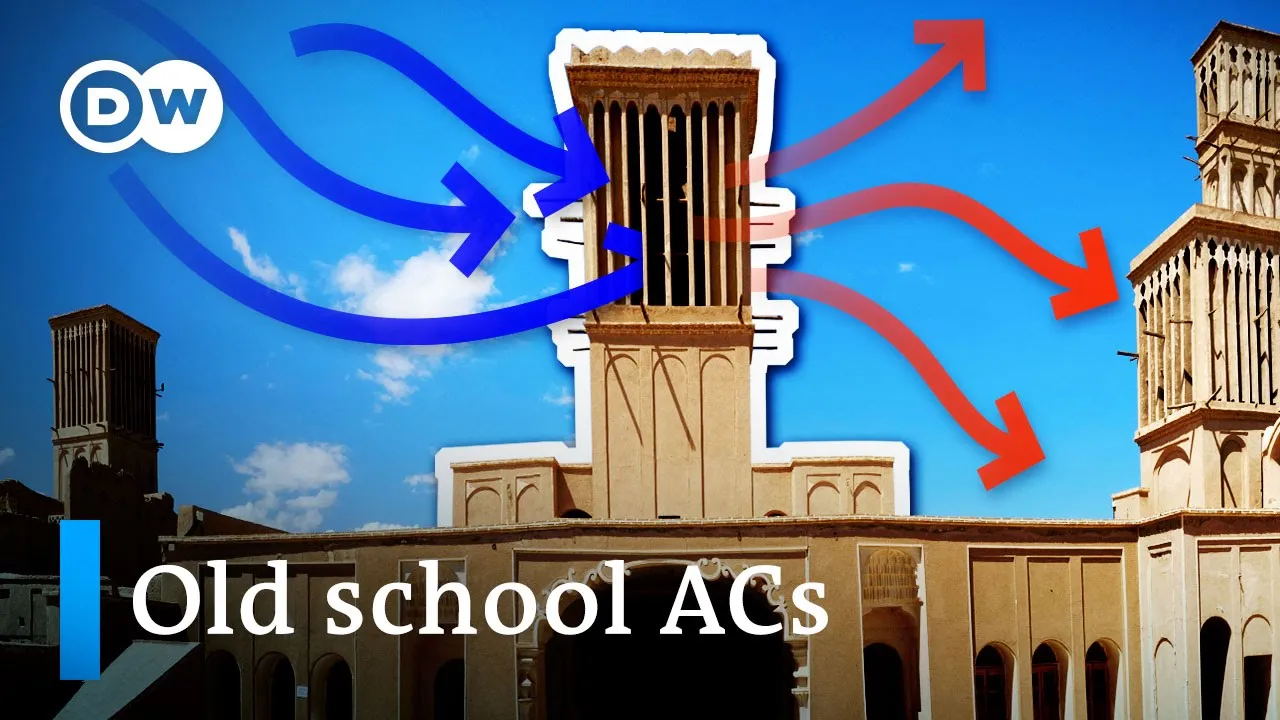
The wind catcher (badgir), an ancient Persian invention dating back to the 8th century AD, is a passive cooling system that uses natural ventilation and thermodynamic principles to regulate indoor temperatures without electricity; it works by capturing wind through strategically designed openings, drawing air through underground water channels for evaporative cooling, and using chimney effect to expel hot air, making it particularly effective in arid climates like Yazd, Iran where temperatures can reach 46°C (115°F).
Ancient Persian Wind Catchers: Passive Cooling Architecture Before AC
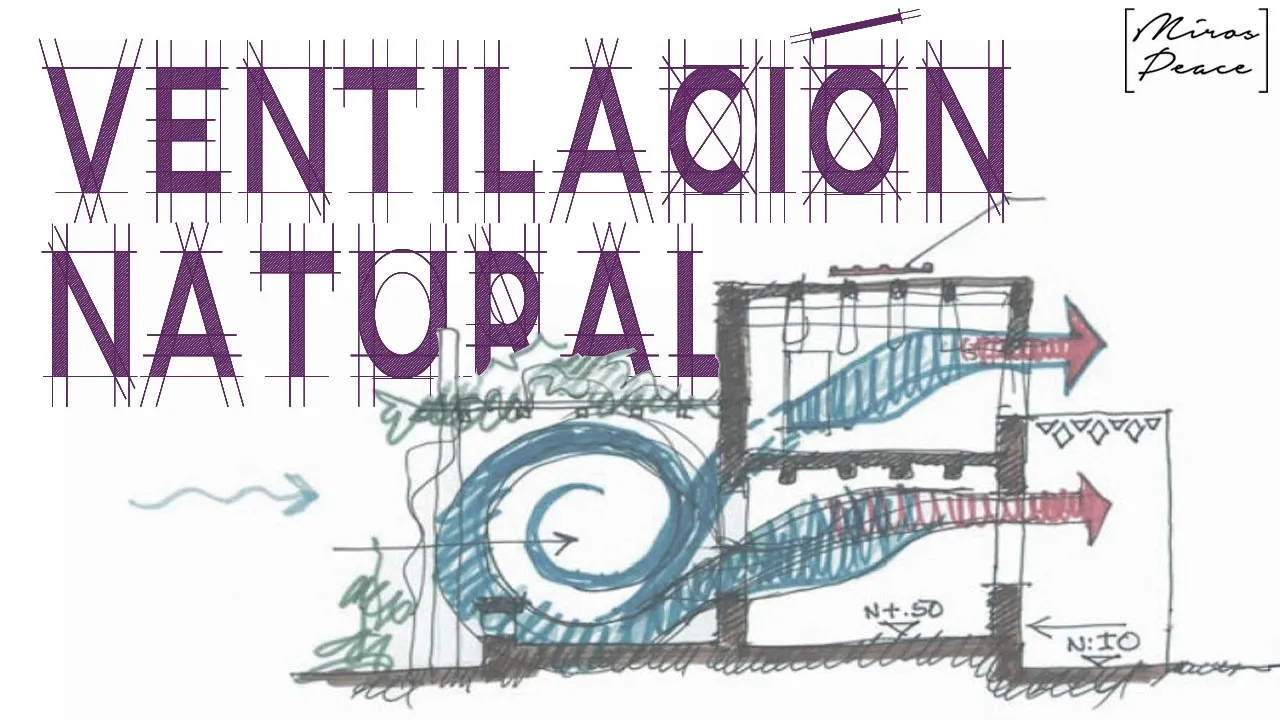
Added:Basic principles of thermodynamics, specifically heat transfer via convection and the behavior of rising hot air versus sinking cool air (the stack effect).
Fundamentals of fluid dynamics, including pressure differentials and Bernoulli's principle, which explain how air velocity changes create natural suction.
The concept of thermal mass in materials science, particularly how traditional building materials like adobe, stone, and clay store and release heat over time.
Climatology of arid desert environments, emphasizing extreme diurnal (day-to-night) temperature variations and the physics of evaporative cooling in low-humidity zones.
The integration of wind catchers with underground 'Qanat' water systems to achieve enhanced evaporative cooling and refrigeration.
Modern bioclimatic architecture and the adaptation of passive cooling designs in contemporary, sustainable infrastructure (e.g., Masdar City or modern eco-domes).
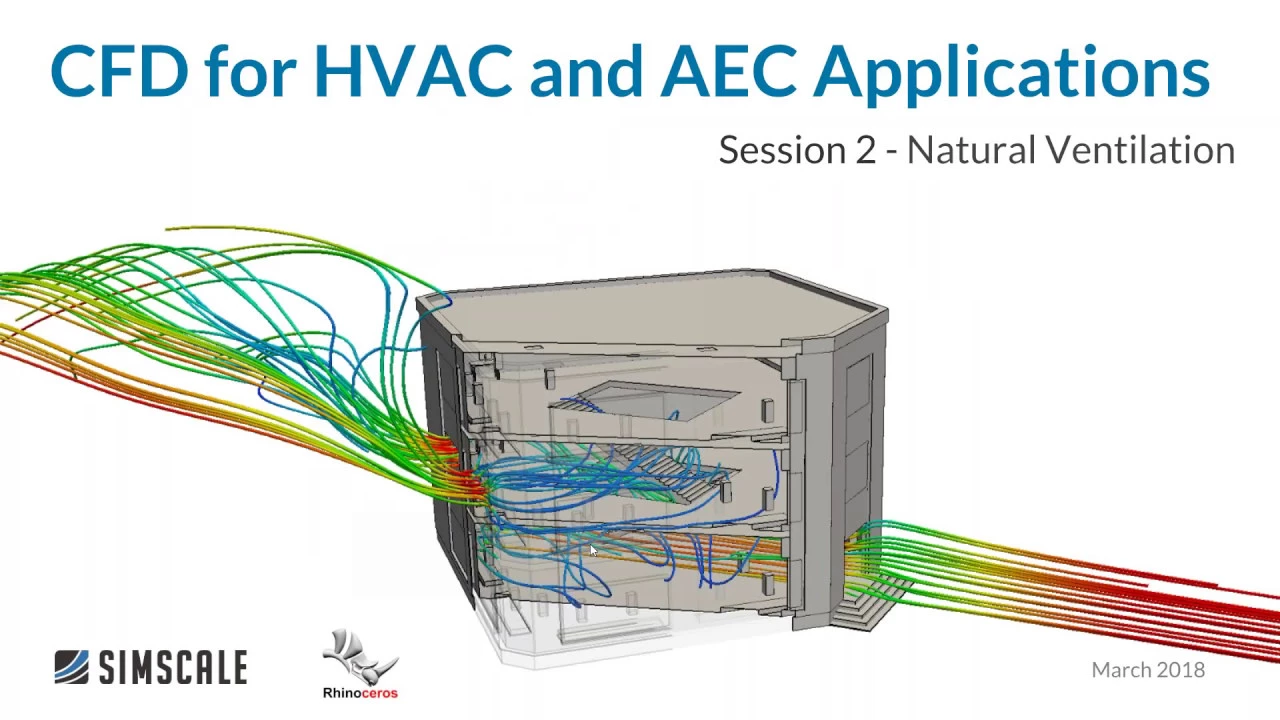
Using Computational Fluid Dynamics (CFD) software to simulate, test, and optimize natural ventilation pathways in modern building design.
A comparative study of global vernacular architecture techniques, such as Arab mashrabiyas, Indian stepwells, and traditional Mediterranean courtyards.
1.9M views31.7Klikes4:17Original Release: 2023-06-18
this is a bad year an ancient air conditioner invented around the 8th Century A.D despite using no electricity it has a cooling system during the hot summer months however in the winter the building still remained warm and comfortable these buildings are found across Iran but they are most prevalent in the ancient city of yes as you can see this city is surrounded by extremely dry and desert conditions the climate is pretty extreme with the hottest month being July which has an average temperature of around 38 degrees Celsius or 102 Fahrenheit and the highest recorded temperature in the city was a whopping 46 degrees Celsius that's 115 Fahrenheit there is also little to no rainfall throughout the year with the average annual rainfall being somewhere between 0.4 to 0.7 millimeters it's crazy to think even today in this city most buildings do not have modern air conditioning but instead they still rely on the ancient air conditioning system this is because unlike powered air conditioning and fans bed gears are silent and continue to function when the electrical grid power fails the bag ear literally translates as wind catcher it's a traditional structure used for Passive air conditioning of buildings it works by creating cross ventilation and passive cooling Wing catchers come in very designs depending on local prevailing winds they can be unidirectional bi-directional or multi-directional and despite the name these wind catchers can also work without wind wing catchers rely on local weather and microclimate conditions and not all techniques will work everywhere Wing catchers work in a few ways the first and most common is to cool the inside of the building the tower has openings that are facing the wind and trap it inside creating a nice breeze inside the building when used with a connect which is an underground water Channel or pool air is drawn down it reaches the water and then is drawn up to the wind catcher to be dispersed into the building when there is no wind the wind catches a like a chimney letting the hot air rise and escape the wind catchers can also be used with a filter to stop dust particles and pollution entering the building there are hundreds of these wind catches and yes which is a city entirely made of adobe there are also lots of dome-shaped roofs with small holes on top these shapes also help to keep the air inside the building circulating and therefore cool when it's hot and warm when it's cold outside these shapes and structures are also widely used in North Africa West Asia and India paintings dating back to around 1 300 BC discovered near modern day Egypt depict two triangular structures atop of a Pharaoh's Royal residence leading archaeologists who believe this was the first wind catcher developed but still it's unclear which country or culture invented these architectural designs first but the idea of keeping buildings cool have clearly spread far and wide with variations depending on the region since the early 20th century modern day housing has failed to design houses to stay cool instead favoring electric powered air conditioners which are more prevalent than ever and they account for 22 of all the total electricity used in buildings around the world today however in the last decades modern architectural designs have been looking back towards these ancient techniques by using the concept of the wing catchers to create buildings that are more cost effective and environmentally friendly such as this new 33-story double-skin tower in Pittsburgh which is utilizing thermodynamics these engineering techniques are also essential for off-grid buildings such as this desert school in Rajasthan which is located in the middle of nowhere if you like this video and love ancient technology make sure to check out these videos here thank you for watching until next time
Up Next

19:24
Willis Carrier: The Father of Air Conditioning's Impact
@LMT
20K views•2019-12-02

30:32
Ultrasonic Transducers: Resonant Frequency Measurement and Horn Design
@imajeenyus42
229.9K views•2017-02-22

54:16
Polymer Environmental Degradation: Mechanisms & Stabilization
@iit
1.8K views•2012-07-10
33:39
How a Student's Question Saved a NYC Skyscraper from Collapse
@veritasium
22.8M views•2025-04-26
Related Study Plans & Knowledge Roadmaps
Structured learning paths in Engineering
engineering
Building Acoustic Levitators: Physics & Arduino
01The Physics of Sound and Standing Waves
02Piezoelectric Transducers and H-Bridge Drivers
03Arduino Programming: Generating 40 kHz Signals
+ 2 more learning modules
14h5 modules
Explore Roadmap
engineering
Building Peltier Cloud Chambers: Particle Tracks
01Cosmic Rays & Cloud Chamber Physics
02Thermoelectric Cooling (TEC) Fundamentals
03Custom Liquid-Cooling Loop Design
+ 2 more learning modules
18h5 modules
Explore Roadmap
engineering
Yagi-Uda Antennas: Modeling, Build & VNA Test
01Introduction to RF and Antenna Fundamentals
02Yagi-Uda Antenna Design Principles
03Antenna Modeling and Simulation in 4NEC2
+ 2 more learning modules
18h5 modules
Explore Roadmap
engineering
ECG Monitor Design: Op-Amps, Filters & Noise
01Electronics & Breadboard Basics
02Op-Amps and Instrumentation Amplifiers
03Bioelectricity and ECG Fundamentals
+ 2 more learning modules
18h5 modules
Explore Roadmap