










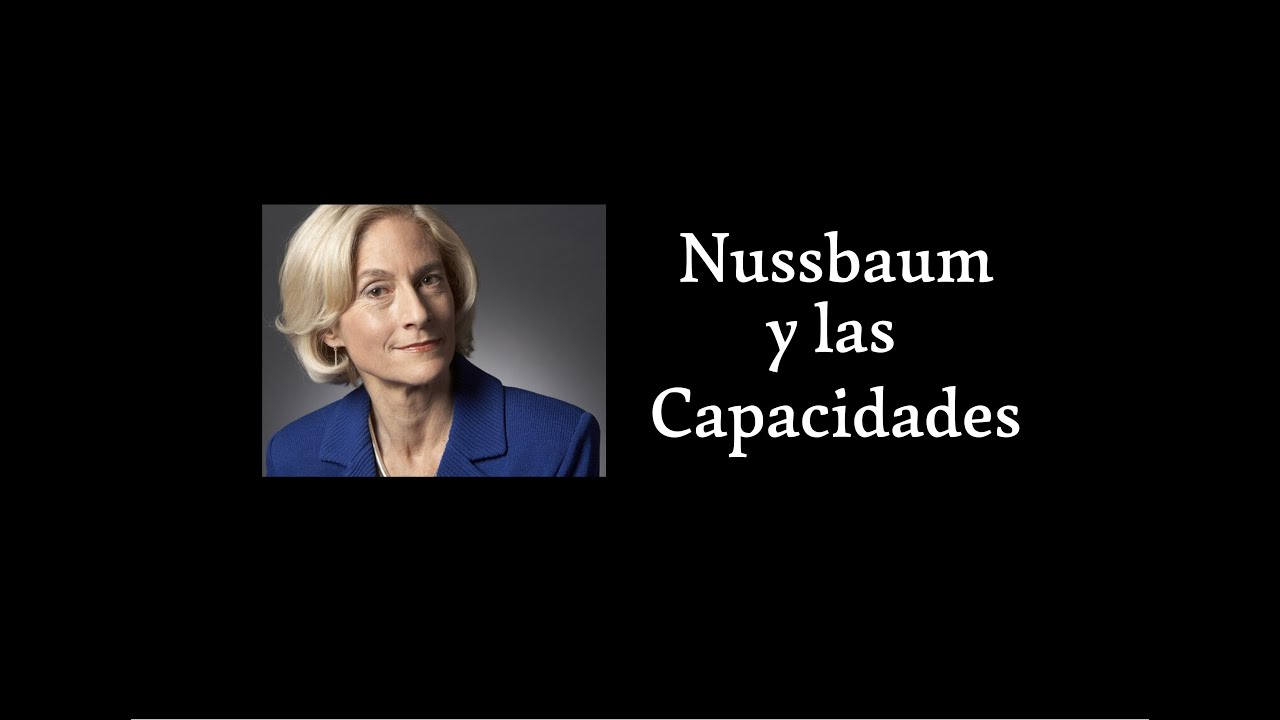













GDP fails as a comprehensive measure of quality of life because it ignores income distribution and conflates diverse aspects of human well-being into a single number; instead, the Human Development Approach, pioneered by Mahbub ul Haq and developed through Martha Nussbaum's work, measures what people are actually capable of doing and being across multiple dimensions including health, education, political liberty, and personal freedoms, emphasizing that development should create opportunities for individuals to lead long, healthy, and creative lives while distinguishing between harmful vulnerabilities (like poverty and violence) that governments should eliminate and beneficial vulnerabilities (like love and attachment) that should be supported.
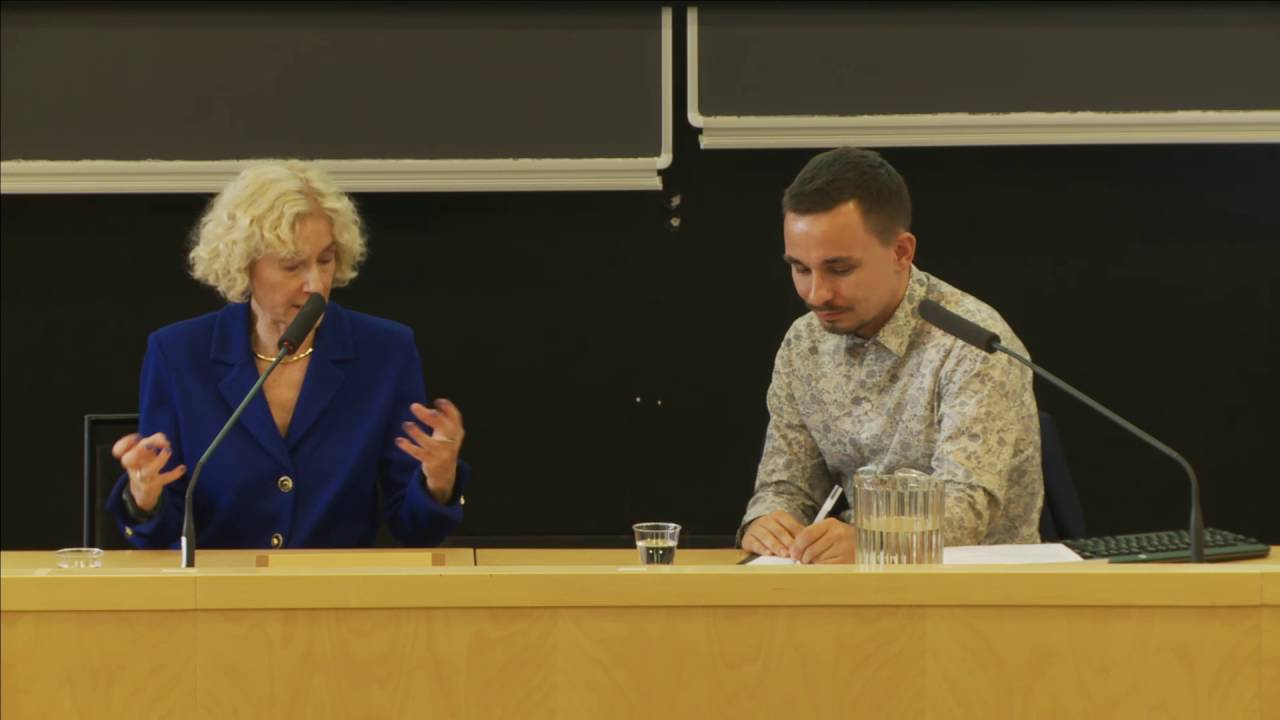
Martha Nussbaum on Human Development vs GDP Metrics
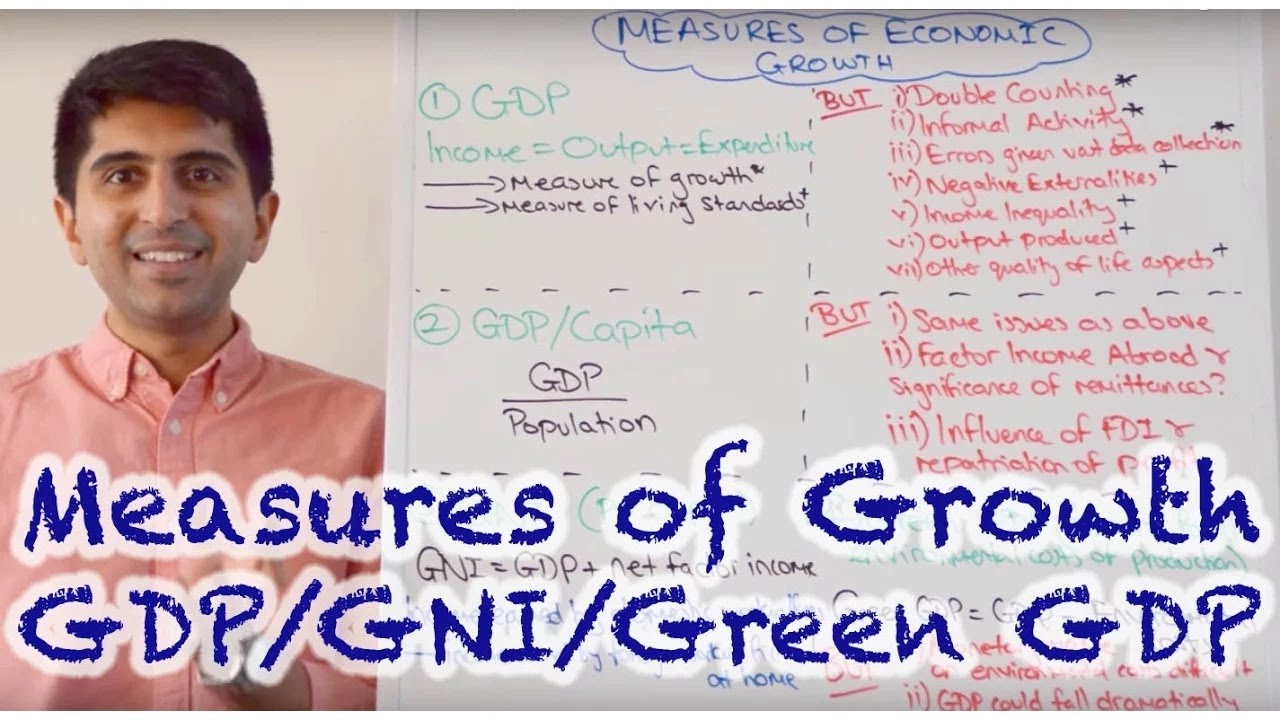
Added:Well, of course GDP has been used for many years as a measure of quality of life, but what we want, if we're measuring quality of life, is we want to know how people are really doing. And for several reasons, GDP really doesn't get at that. First of all, it doesn't take account of distribution. So it can give very—it's an average—so it can give very high marks to nations that have huge and alarming inequalities. Where the people at the top may be doing very well so the average is high, but then a lot of people at the bottom are living very miserable lives. Second, because it funnels all parts of human life together in a single number, it doesn't really tell you how people are doing in separate areas of life that you really want to care about, such as health, education, political liberty, race relations. So they're so many things that bear on the quality of a human life.
And you might argue that GDP is good proxy for all of them and that if you just simply push for economic growth it'll trickle down and improve these other things. But actually that's not true. Empirical research by now has show that health and education are not very robustly correlated with increased GDP. In the different Indian states, health and education are subjects that are left for the states to manage, so you can use them as experimental laboratories. And it's really quite interesting to see that some that have shot for increased GDP and have achieved that have very poor achievements in health and education, while Kerala, which is a relatively poor state whose economy has not grown well actually has 99% adolescent literacy in both males and females, and health achievements that are comparable to inner city New York. Which is, I think, shameful for New York but it's actually quite fine for a poor Indian state. But then if you think about political liberty, gender relations, race relations, it's even more obvious that that's not highly correlated with GDP. I mean, everyone admires China for the stunning economic growth but we know very well that there are lots of things that are lacking there.
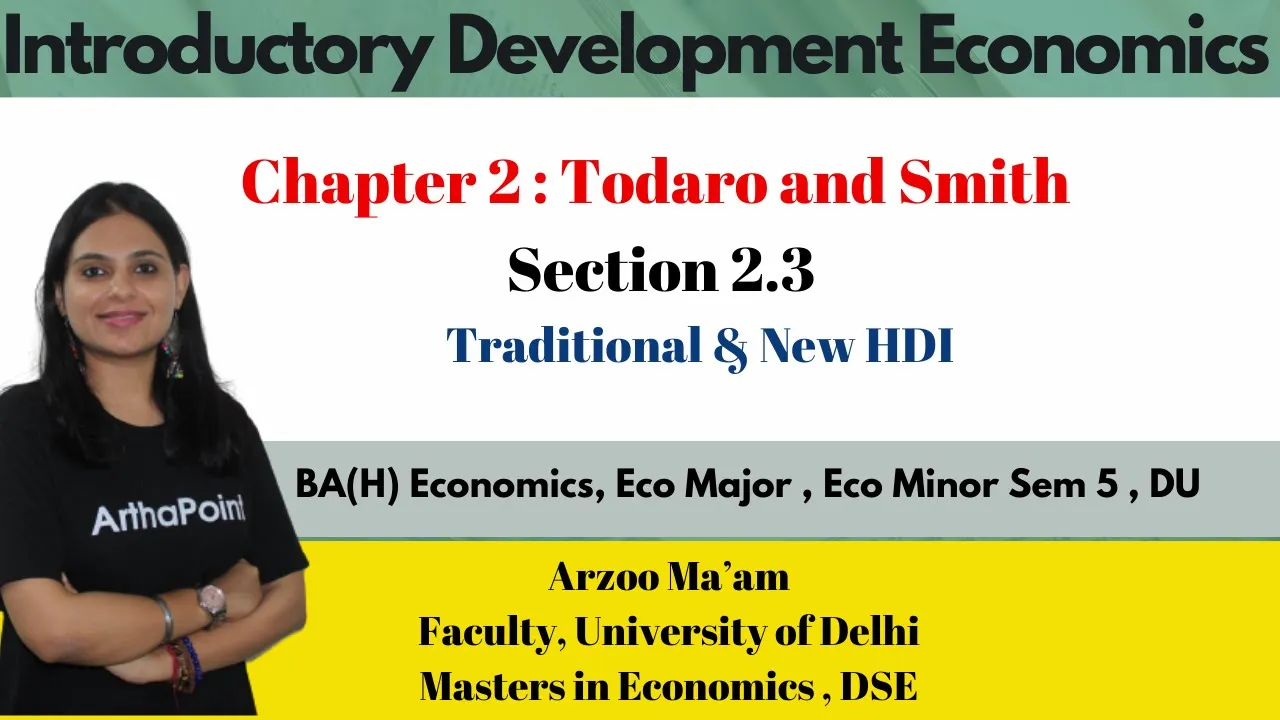
Well, the first time that the United Nations published a Human Development report using this approach, the great Pakistani economist Mahbub ul Haq said the real wealth of the nation is its people, and the purpose of development is to create an enabling environment for people to live long, healthy, and creative lives.
So, that's the purpose of the approach, and so essentially it asks the very basic question: what are people actually able to do and to be, in a wide range of areas which are thought to be of central importance for the quality of a human life. Now, I've actually made a list of ten because I'm interested in constitutional law and so I'm interested in the way that you could actually write this down and put it into constitutional documents.
But, other people don't make a list, but they pick out certain things to compare. And then you have to figure out how to measure each of them. So, what would be a good proxy for education?
And so, of course, data have to be reshaped to the new approach. And I think right now the Human Development reports use mean years of schooling as a proxy for education, and that's because they can get data on that. It's much harder to get inside the school and figure out exactly what people are able to do. So I think we always need to be pushing for better measures. It is, again, very hard to know what you should be looking at when you measure health. Health opportunities is what you really want to look at, not health achievements, because we do think that people should have choices about how to live their lives. And so what's important is that they should have opportunities to have good health, and then some may choose to live an unhealthy life. But there's a huge difference between "fasting" and "starving," you know, and if people are fasting for reasons of their own choice, that's one thing. But if they're malnourished and they're starving, that's another. So it's very hard to know how to measure that, and, of course, one of the things you just do is look at the incidence of different kinds of diseases, nutritional diseases. Then you look at longevity, which, of course, is a very good proxy for health opportunities.
Those books are about how political arrangements can address problems of human vulnerability, and prior to that we have to ask "what forms of vulnerability should be addressed?"
Some forms of vulnerability, such as being open to love, or caring about your children, we don't want to remove from human life. But we do want to support them and make them fruitful, rather than sources of just constant, daily, agonizing uncertainty. You know, so if you think about my work on the emotions, it's all really about love, and it's about attachments that people have, and I'm certainly trying to send the mess age that people should not shrink from attachments. But then, you know, it's just not the case that we want people to be as vulnerable as possible when they have children and they love them.
No, you know, how would a decent society support that relationship of love and attachment and make it not the case that you have to worry from day to day, are my children going to get their food or not? And so, yeah, thinking about how vulnerability plays out and how good governments can leave room for the good kinds of vulnerability where you're open to loving somebody, but get rid of the bad sorts where you're afraid that you're going to be beaten up if you walk outside of your house, or you're afraid that your children might starve.
I guess the first thing to say is it's a persuasive document.
It's not meant to be imposed by force of arms or even by economic threats.
And actually I think those things are almost never justified. I do think that when you're thinking about what you want to fund, if you're a nation in the developed world, it might make sense to give priority to things like health and education. But most of the time, I mean, I'm really a big supporter of national sovereignty, I think you should do it by giving it to the nation and let them decide what to do with it. So it's a template for nations to consult when they think what they might want to protect. And I have some arguments, which I think are good arguments, that these are things that they should pay attention to, so we hope that people will be persuaded. But it's certainly, I think it's not imperialism if you try to persuade people of something. So that's the first thing to say.
Second thing is that it's, unless you defend certain things, you don't have meaningful pluralism.
For example, the freedom of speech, the freedom of association, the freedom of religion.
Unless you give those a very strong place in your nation, in your constitution, or whatever you have as your founding document, then it's very hard for meaningful pluralism to even exist.
So the relationship between universalism and pluralism is complicated, and you have to say "this, we defend for everyone," if you're going to have the difference and the plurality that really I think we all want to see. Third thing is that this is a list of capabilities and it's not a list of functionings. It's not meant to dragoon people into pursuing one of these. It's a set of opportunities. So, you might hate religion and still think it's a fine thing to protect the freedom of religion so that the people who do care about religion can use it when they want to use it. Similarly, you know, many of us love to work, we work a lot, but we still think that there should be maximum hours protections and that people shouldn't have to work all the time. They shouldn't, lives should not be swallowed up by that, so that if they want leisure time they should be able to have it. You know, again, some people may want to engage in fasting for religious reasons or personal reasons, but what's important is they should have the opportunity to be well-nourished. So I think that's a very permissive approach, it's an approach that really is all about opportunity and choice.
So, then the last thing I'll say is that because I'm thinking so much about constitutional law, I think that what I put on my list is something extremely abstract and general, with the idea that each nation will do it somewhat differently. And that they'll take some abstract thing, like "the freedom of speech," and then they'll think what version of that they want to endorse.
As we know, different nations around the world have very different doctrines of free speech.
The doctrine of free speech in the U.S. is extremely speech-protective, for example defending anti-semitic protesting and marching in Skokie. Whereas in Germany, anti-semitic speech is illegal.
Well, I actually think both are right, given their different histories and traditions.
So the whole point of the list is to say "well, here's a kind of general idea, now you think what you want to do with that in keeping with your history and traditions."
Up Next
John Rawls vs Robert Nozick: Debating Theory of Justice | Medical Ethics Discussion
@TORCHOxford
17.5K views•2016-03-08

John of Damascus on Holy Images: A Theological Defense
@BannedBooks
139 views•2026-04-25

Should We Destroy the Machines? Big Tech Surveillance Critique
@TheStoriesWeTell303
167.9K views•2025-11-30
The Myth of Sisyphus: A Greek Legend of Eternal Punishment
@TEDEd
8.6M views•2018-11-13
Related Study Plans & Knowledge Roadmaps
Structured learning paths in Philosophy