




















Light pollution, defined as the human-made alteration of outdoor light levels from natural conditions, affects 99% of Americans who live under light-polluted skies, disrupting circadian rhythms in humans, altering wildlife behavior, and obscuring our view of the stars; however, this problem can be addressed through simple solutions such as using exterior lights only when needed, employing motion sensors or timers, directing lights downward with full shielding, and choosing warm-colored bulbs (below 3,000 Kelvin) instead of blue-white LEDs, which contribute more to light pollution despite being energy-efficient.
Reducing Light Pollution: Protecting Illinois' Dark Skies
Added:Understanding the basic definition and main types of light pollution, such as skyglow, glare, and light trespass.
An introduction to circadian rhythms and how artificial light at night (ALAN) affects melatonin production and human health.
Basic ecological concepts regarding nocturnal wildlife and how species rely on natural dark-light cycles for migration, mating, and foraging.
The fundamentals of observational astronomy and how atmospheric clarity and light interference affect our view of the night sky.
Analyzing local municipal zoning ordinances and policy frameworks used to regulate outdoor lighting in Illinois and beyond.
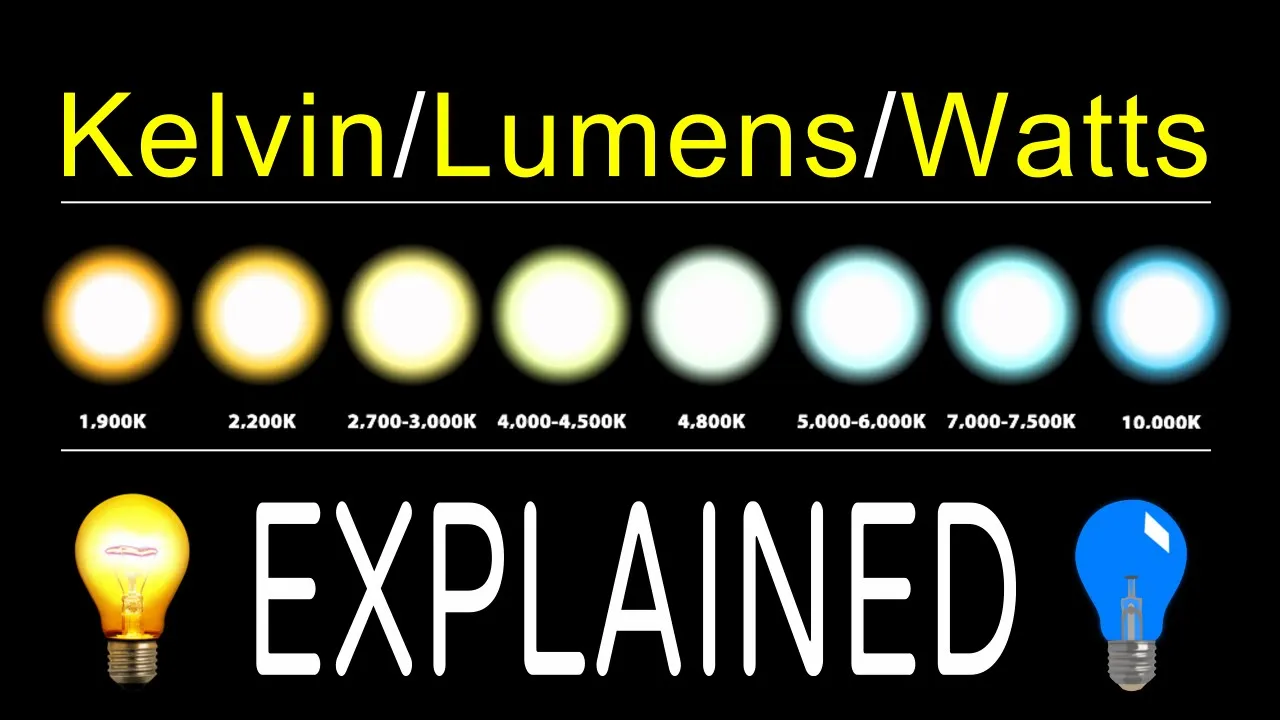
Exploring advanced lighting technologies and design principles, including color temperature (Kelvin ratings), shielding, and motion-sensor integration.
Participating in citizen science initiatives, such as the Globe at Night project, and learning how to measure sky quality using Sky Quality Meters (SQMs).
Investigating the establishment and management of Dark Sky Parks and Reserves certified by DarkSky International.
Studying the intersection of urban planning and ecological restoration, specifically focusing on creating 'dark sky corridors' for migratory birds.
863 views15likes46:21Original Release: 2024-04-02
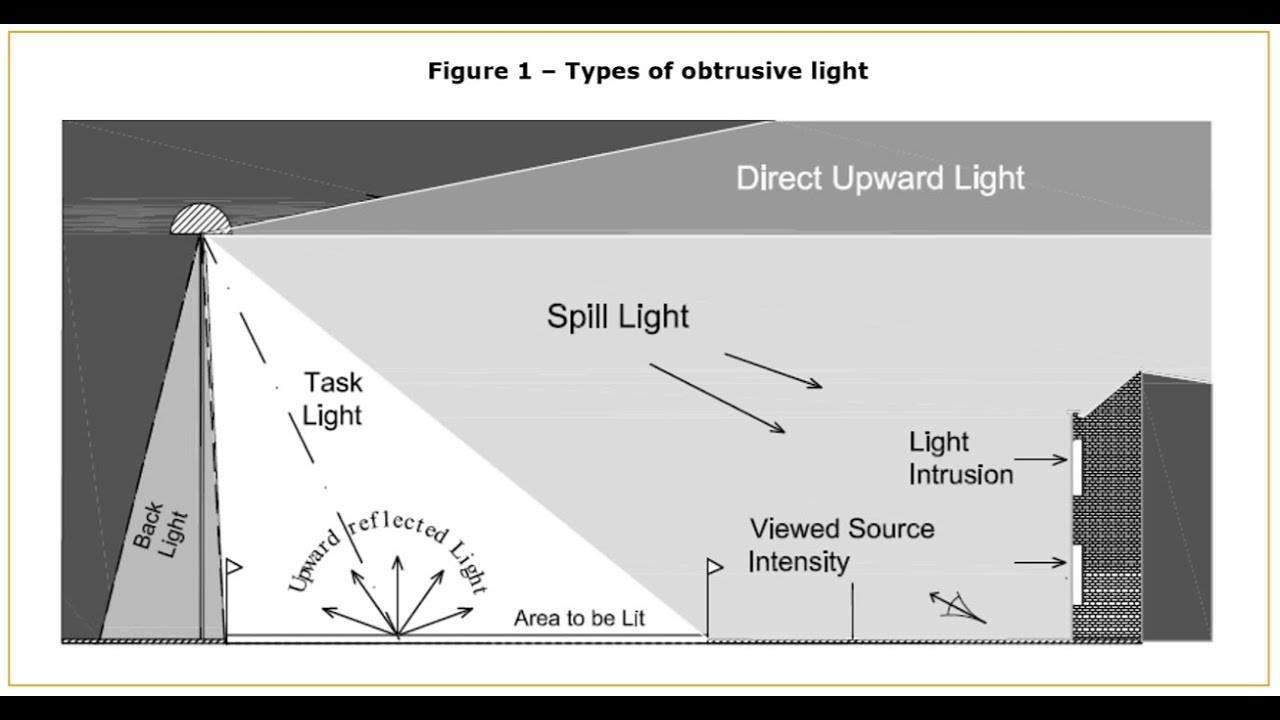
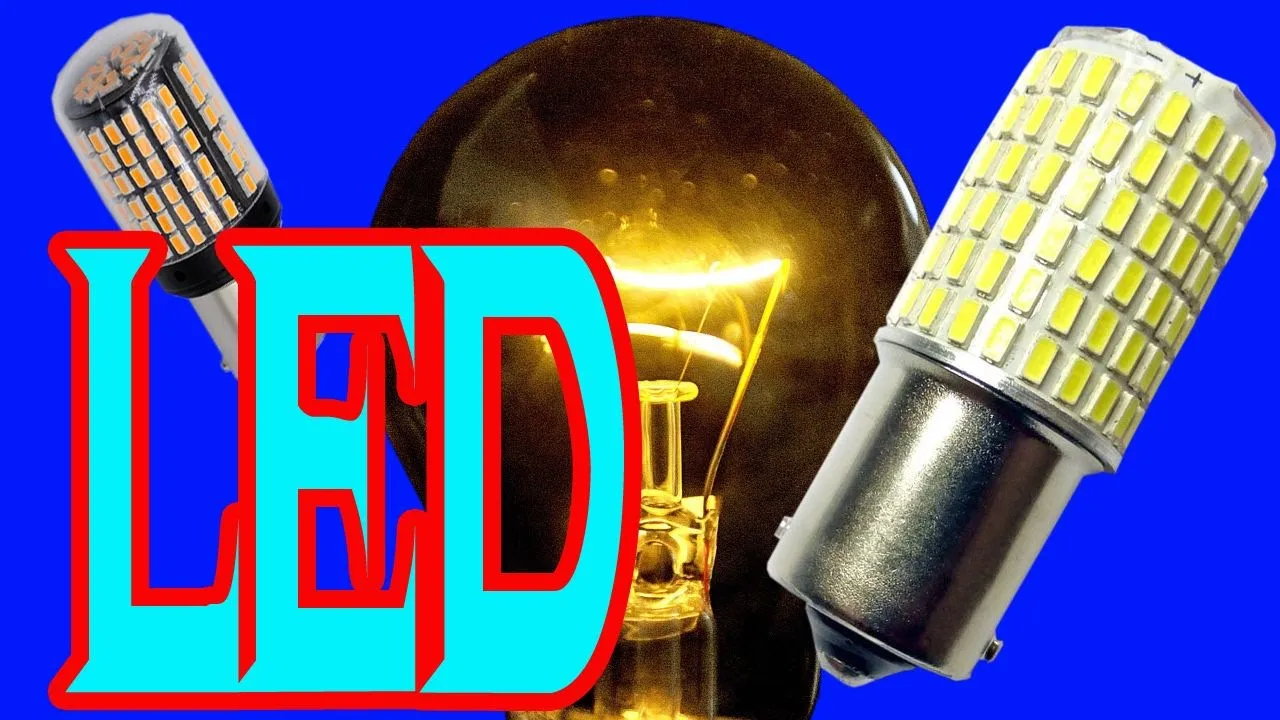
recording is on wonderful thank you so much Kurt and everyone and I guess you could hear me because you you answered me but thank you everybody for joining us today um like Kurt said I come to you today from Quincy Illinois which is the very very West Central um part of Illinois so I welcome everyone from throughout Illinois um here today just wanted to say hi I am going to turn off my video so we can save bandwidth and I will get started so I'm sure none of you on this webinar today would be surprised to hear that the star-filled sky evokes us with a it binds us together uh with the univers and with each other we are all looking at one sky the Starfield sky has guided us in our discoveries and our Explorations for many generations so before we get into some of the technical stuff I just want you to take a moment to picture your last experience or a childhood experience where you were sitting under a dark sky looking up maybe searching for a meteor in a meteor shower maybe looking for looking at the Milky Way or maybe searching for constellations were you at a campfire sitting around a campfire were you on a family farm or were you out in the mountains maybe out west on vacation chances are you were not at home in fact 80% of Americans live in locations where they cannot see the Milky Way the Milky Way cannot be seen in those areas so the first time I was a naive young person and I lived in kind of a rural area so I could see the dark I could see the stars in the sky so the first time I took notice of light pollution was when I started to lead a youth astronomy club and we were tasking the students to find to learn how to to U use the telescope navigate to different objects in the sky and we were about 30 minutes away from Quincy and about 25 minutes away from Hannibal and we had challenges finding some of the objects in the sky when they were near the Horizon I just didn't realize how far light travels and really how much it affects Darkness we also had a security light going we had some security lights outside of our buildings and I didn't realize how much it affected what we're what we are doing what we were doing out there so today we are going to cover um the importance of Dark Skies we're going to Define light pollution um look at a light pollution map talk about the effects of light pollution and discuss some easy solutions that there are um to combat or mitigate light pollution so the two takeaways I want you to um take with you today number one the effects of light pollution can be reversed with Simple Solutions but number two I bet that you will never look at exterior lighting the same after today so again I probably don't have to explain um the importance of the Dark Knight Sky to those of you who have joined us today um but just an overview um these dark knight skies are very important they signal significant events in plants and Wildlife so this could be plant development um it could be for wildlife breeding migration it signals th those events to happen nocturnal animals rely on this Darkness for survival so they're finding their food in this in these dark times for humans a dark night sky improves our Sleep Quality and reduces the risk of different diseases so if we interrupt our circadian rhythm our day night rhythm them um that increases our risk for illnesses like obesity Sleep Disorders diabetes mental health issues um for those of for for us as humans dark night skies also reduce glare for drivers and for those of us walking and last but definitely not least um The Dark Knight Skies provide better views of the Stars so I wanted to show you this graphic here that shows the different divisions of of a night sky so this shows the bordal scale um where the sky is divided into different classes and on the right hand side you can see an excellent dark sky that's a class one sky according to the bordal scale and the bort scale was developed about 20 years ago for amateur to help amateur astronomers um find out what they would what objects they might be able to see in the night sky and so they classified different um Skies to to show what could be seen so class one um skies on the right hand side are areas where you can see the Milky Way very easily the fine details of the Milky Way you can see um the pin wheel Galaxy or m33 the triangulum Galaxy it is a it is an obvious object in the sky if if you have a class one night sky in Illinois we do not have any class one night skies jumping over to class five in the middle a Suburban Sky the Milky Way is going to appear washed out um it also you can see light pollution domes over lighted areas in a in a class five sky and then jumping over to the to a class nine Sky the inner city Sky those are areas where the Milky Way is not VIs ible at all the entire um night sky has a bright glow so that's how we kind of categorize our our Dark Knight Skies so light pollution is well what is light pollution there are many definitions it's been written about light pollution has been written about for decades mostly um in the the realm of AST atomical views how it affects astronomical views for astronomers but a few different definitions out there in the literature um occur so the dark sky international organization is a not for-profit organization they're a real uh leading advocate in um light sky or light pollution mitigation and responsible lighting but they Define light pollution as the human-made alteration of outdoor light levels from those occurring naturally if we flip over to the UN the United Nations they refer to light pollution as the artificial light that alters the natural patterns of light and dark in ecosystems and another definition comes from research they just Define it as when artificial outdoor lighting because becomes inefficient annoying and unnecessary so here are a few considerations I want you to just to U keep in mind as you're listening today where there is high wealth and where there is high populent population density there's going to be a high level of light pollution so you'll see that in the eastern United States you'll see that in in um Eastern Asia where those population densities are and the wealth are high and the wealth is high you'll find your highest levels of light pollution in those areas now 99% of us in the UN United States live under a light polluted sky so there is some type of light pollution basically for all of us living in the United States 99% of the outdoor lighting is wasted and only one% of that is useful and last which provides you know that 99% is wasted that provides a lot of uh or it provides um opportunities for us to change our outdoor lighting and 70% of our existing us buildings are aging and in need of lighting upgrad so again an opportunity to upgrade our lighting to make sure that we are that we can reduce and mitigate that light pollution and last um nowadays the light that is being emitted is being cast at different times and places and also at different spectral spectral patterns so those are all considerations we need to take into account um as we move forward with mitigating light pollution so there are different types of light pollution as you can see at the top of this slide this shows your Sky glow so the sky glow light type of light pollution is that Haze of light that occurs over your urban areas right it's caused by the light of scattering um from the air droplets or the water droplets in the sky or other air particles so it pro it provides this glow over a city so that's called Sky glow in the graphic you can see light trespass that's another type of light pollution so light trespass happens um when there is unwanted light that is moving into an adjacent um area that is unwanted so it could be um you know your neighbor's security light is shining into your house or into your area um or you know other examples like that that is called light trespass glare then is what we see as humans this horizontal light so you'll see that you know vehicle headlights or when you're looking up at street lights that glare that horizontal light and last there is over illumination so that's just using more light than we need right we are over Illuminating um and that is a type of light pollution here you can see um in 2015 researchers put together a new world atlas of artificial Sky brightness so this map this um is a graphical representation of that research so I found this at light pollution. info um you can see in the United States on the western side we've got uh less dense uh areas of population we have the mountains out there you can see a lot more dark darker areas obviously on the Eastern side of the United States we see a lot of our population centers higher population densities and um you can see also the legend shows The Wider it is the whiter in color it is the brighter the sky and the darker the color on the map um the darker the sky in Illinois um you can't quite see the the borders of illino Illinois on here very well but I'm sure you can figure out where we are here but um you can see the Big Met uh Metro areas of Chicago and St Louis um downtown Chicago residents to get out to those blue areas it's about an hour and a half to two hours just to get to some of the blue areas uh the blue areas are about class 4 um Skies that white whitish purple area of Chicago is actually over a million Acres up there so 3% of our Illinois land and we'll talk about this later but Chicago is very important in our um migration Flyway for birds so it's very it's a very important and very critical part of of our area you can see pockets of blue and darker blue in West Central Illinois East little pockets in Eastern Illinois East Central Illinois a little bit I thought there would be more um open darker areas in Southern Illinois but you can see some in Southern Illinois the darkest Skies that we can find in Illinois are that class or a class three on that bordal scale zooming in to a few different areas um in Illinois this is Lincoln Park Zoo and downtown Chicago so this is classified as 8 sl9 so we're City inner city you can't see the Milky Way here clees the star cluster only you can only see that if you have an experienced eye and of course the entire sky is glowing above you even at the Zenith which is right straight straight above you now in Quincy where I'm at um downtown Quincy is actually classified as a seven Sky Suburban Urban transition still have that grayish view Hue in the sky can't really see the Milky Way it's not really there the clouds are still brilliantly lit even with a telescope you can't see some you can you can barely see some of those Messa objects if you were looking for some deeper Sky objects and last um we do have a dark sky Park in Illinois Middle Fork River Forest Preserve in Champagne County um which is great uh to have in our state but they are listed within this map at least as a class four sky you can see the Milky Way straight up above you some of the fine details are lost the Orion Nebula can be seen with the uned eye so you can look up and you can see that pleades again experienced eye has to be has to find pleades and then um the clouds are faintly illuminated just from neighboring neighboring towns um except straight up above you you still have a dark sky straight up above you and then the sky tends to be a a little bit brighter than the dark terrain on the horizon so what are the effects of artificial we've seen where artificial light happens but what are the the effects of artificial light at night or Allen as an acronym has been um derived in research um so what are the effects on Plants wildlife and humans well let's start with plants plants depend on light quality the the intensity or the brightness and the duration of light they plants do not care if it is natural sunlight or if it is artificial sunlight so they have to have um that light for growth and development those you know different stages of growth flowering plants specifically are governed by the duration of uninterrupted Darkness during that 24 um hour cycle so that's growth that's you know budding that's shoot growth that's flowering all those types of um growth and development are triggered by that un uninterrupted darkness when you extend that uh uninterrupted Darkness or when you extend the light day with artificial lighting you can extend those growth periods into Times where it might be unsafe when the the temperatures start to drop right um um and we'll see that in pictures here in the next slide and then last continuous lighting keeping that light on causes larger Leaf size so that larger leaf leaf size creates more pores in the leaf where plants can be more susceptible to air pollution and also water stress so you can see here a couple different examples of light light being on all the time or security lights being on all the time and it affects a tree on the left hand side you can see um is keeping their leaves on long after the rest of the tree has dropped its leaves um on the other side you see a suac plant here where some of the leaves near the light are still green whereas the rest of the um the leaves are transitioning in the fall and then agriculturally I'm sure this farmer isn't happy um with these lights installed along the highway but definitely extending that growth period of the um soybeans in this field um you can see the different where where the each individual light is those soybeans are affected um switching over to Wildlife so the effects of of artificial light at night on wildlife and specifically mammals so Wildlife Behavior changes as a response to longer light periods in many different ways and some of those ways could be the changes in predation um the ability to find prey they might be able to see prey better um which affects the prey populations but then for prey that artificial light at night extending that light period doesn't allow them for camouflage so they can't hide from their predators they can't escape from their predators uh behaviors also changed in their reproduction and finding mates um insects can um it affects their finding of nectar plants and then if you think about dial species and nocturnal species when you're extending that daytime those di dial species are expending more energy right they're um they're continue to search for food even during those times when nocturnal species would start their active times so they're starting to compete with each other they're not in those separate niches now they're starting to compete with each other instead of complimenting each other so that is you know obviously a huge change so I came ac across this study actually done in Chicago and they were looking at the behavior of mammals in relation to to the levels of lighting so first they found in the lab and in the field a certain light level where it starts to change the behavior of the critters and they found that lighting level and they did both a lab they did both lab experience and field experience with TR camera traps and they found that that level was about six looks which is just a measurement of Illumination so six looks with that data then they overlaid it on top of the city of Chicago and they were looking at the green spaces in the city of Chicago and are they dark enough to or are they light you know lit up too much where they are changing the behavior of mammals and what they found were was 36% of the green spaces in Chicago were actually above that lighting level so Behavior changes in mammals could be affected um because some of those green space liting levels were too high so this this just shows that we need to pay careful attention even when we're putting in Green Space areas where we think is is you know is beneficial to Wildlife we need to really think of in the planning stages what our lighting um uh might be in those areas so artificial lighting at night what are the effects on birds and birds this we the University Dr Van Benjamin van Doran at U ofi has done a ton of research on bird migration and the effects of light so we know that birds are attracted to light um we know that most birds migrate at night so 70% of our bird species migrate first of all and then 80% of those species migrate at night so we know that most birds migrate at night so now we're looking at treating that airspace as habitat and Dr Van Doran at the his lab of migration biology has been doing some great research some great applicable research for um helping these bird populations so a few of his um a few of this Labs uh projects are looking at bird building collisions so they found 365 to 988 million bird fat fatalities are happening every year in the United States um as as um with bird building collisions they have um developed a really neat tool and hopefully some of you guys might uh know about this tool but birdcast is an as an interactive tool online that shows um bird migration numbers and I'll show you the interface here in a little bit but the use of that tool can be really helpful it can help building managers cities you know even us us as individual residents know when to schedule lights out time periods um that can help when it is very critical when birds are migrating through so this is especially critical in targeted large cities that are located in flyways and we talked about Chicago earlier and in their research they found that Chicago is really the number one um city that could um reduce those bird building collisions um with some light out um procedures within their tall buildings and if cities and um folks start doing this we could reduce bird building Collision mortality by 50% they found so and you guys might know this already but I just wanted to show the flyways in the United States you know we live in the in the uh Mississippi Flyway um with the blue ducks there that you can see up and down North and South and then obviously right next to us is the central Flyway and there's a lot of um cities along the Mississippi River and into the um Central Flyway that that have really large tall buildings or large masses of people um people and Chicago being number one um Dr Van doran's lab talked about Dallas and Houston as being a couple other cities that can really um really positively or negatively uh affect you know bird migration um and bird window collisions so this again is the birdcast tool um that the lab has put together and this is an example of the one of the the bird migration forecast tool this is a screenshot of last night and over here in West Central Illinois you can see on this map but this was actually a forecast so this was put up before um before last night but you can see weather came through our area and what they have found is the time frame obviously we're right now in the early migration time but the time frame and um the weather really affect the um the risk of bird building collisions so last night we had some weather um it looked like 30 million birds were predicted to come through um the go through the United States and start moving in in in terms of migration last night the cool another cool thing about birdcast is and this is just a plug for it because it's just so awesome is a migration dashboard and this migration dashboard can be fun filtered down to the county level which is really super cool so I ran this earlier today um on Wednesday night in Adams County uh last night in Adams County we had 236,000 Birds cross Adams County last night according to this tool on the right hand side you can see the nocturnal migrants that they um uh that they I guess expected to see a lot of them um being waterfoul but there's a few um song birds in there um your tree sparrows your white Thro of sparrows phoebes um but anyway this tool is really neat birdcast dotinfo is the website for that um but again really applicable to um mitigating or helping um bird window reduce the bird window Collision numbers moving on to Insects um moths of course we know they are the major night pollinator um and we know we also know that their populations are declining and light pollution is has been found as a major contributor to those declining populations and we know that when Moth populations are declining that is affecting the organisms who feed on moths it is also affecting those plants that are pollinated by moths so it goes further than just um the effects directly on the moth um and then at the end another study I found is nocturnal po pollination is affected less in areas with tree high tree cover so again using that research to think about how we are planning our green spaces and and how we are U managing those green green spaces um to to mitigate some of those effects of the light pollution that we have to help our to help our insect populations and last the effects of artificial light at night on humans we already talked a little bit about the health effects um it disrupts our circadian rhythm but also it um affects our human nature connection when we can't see the sky and I thought this term was really interesting it was Extinction of experience and some people may never be able to see the Milky Way some people will never maybe never be able to see the the constellation oryion and that is just one of the effects of artificial light at night we might not be able to some people might not ever be able to have those experiences and that's I don't know that's crazy to me um agriculturally um the extended light period increases pressure on our insects again they provide ecosystem Services um that are very important to our agricultural economy this includes pollination by those insects it includes natural Pest Control nutrient cycling all of those things that insects do for us for free um in our agricultural Landscapes and then last energy use added lighting at night it's going to cost us more out of our pocket right and that added added energy use also means added fuel fossil fuel use which of we know that can um contribute to higher levels of greenhouse gases and then in turn affects our weather patterns and our changes in our climate so why is artificial light at night important to our society well this is pretty much common sense but it provide that artificial light at night is good for us in some ways so we have greater safety for when we're walking when we're driving we have a reduced fear of crime we use our outdoor facilities more after dark right it enhances our economic growth the more we go out and feel safe going out at night we're going to spend our money at different places and these areas that we build and the natural environments where we have lights out are a source of beauty and entertainment so these are all values that we hold and that we are really not willing to give up we know that this that the the artificial light at night increases with population growth we know that the world is expected to grow by 170,000 people per day through 2050 so that's like adding the population of the like the city of Aurora every day for the next 25 years so we know that people aren't going to give up the artificial light at night we know that there are going to be more people in the world um and we are going to expand that artificial artificial light at night so what can we do about it so there is a bright side or maybe we should call it the dark side about what you can do at home easy solutions that you can do at home and I'm going to say this over and over again but practice responsible out lighting so all of this all of the responsible outdoor lighting practices will reduce your light lighting bills and your energy use so the first thing is use exterior lights only when needed so take a look at your exterior lights at your home your security lights your you know pole lights whatever you've got your landscape lights do ask yourself do you need that light if the answer is yes so yes I like it because it's sa it makes me feel safe people don't trip on the sidewalk when they're walking up to my house okay cool if you're using exterior lights you there are some practices I want you to follow use the lowest level of light needed um use a motion sensor or timer so it is suggested that we have lights off between 11:00 p.m. and 6:00 a.m. ensure the the light fixture is directed down and fully shielded and we'll talk more about shields in in just a moment and last ensure that the light emitted is warm it's the color is a yellow or a Amber we love the blue white lights they're bright but what's but that is um contributing a lot more to light pollution than um the warm yellower ambers colored light bulbs so you should see on your light bulb pack packaging these lighting facts labels and those labels should read below 3,000 Kelvin so you can see there with that Arrow shows um that this light bulb would be at 2700 Kelvin which is great it's on the warm side of everything and then um the indoor lights that you have make sure you're trying to keep those indoor lights inside so at night you're closing your blinds you're trying to keep that light inside your home so here's a quiz true or false LEDs save energy and decrease light pollution what do you guys think if you answered in your head false you would be correct um LED lighting does save on our energy use but the blue Rich cool white LED lighting appears to be the most ecologically unfriendly so again when you're taking a look at your light fixtures think about that color of your light at work or at your business these are some of the things that you can do um if you're in a place where you have influence over the lighting policies or even if you're not ask the questions does your work or business have lighting policies are there policies in place you know as far as when the timing of the lights the location of the lights when they're shut off um the types of light fixtures do you have lighting policies and procedures in place at your work or your business if you own a business also you are the decision maker right in the light fixtures that you have at your place of business if you can't F if you can't you know change a entire light fixture that's way expensive maybe looking at the bulbs or or the lamps that are in those light fixtures um really take an assessment of your outdoor or your night visible lighting so if your place of business or if your work if your um business that you own has lobbies Atrium um lights that are on all night long do they need to be on all all night long for very very tall buildings um the perimeter Lights of the tall buildings do they need to be on the entire night um those are those could really um turning those off could really help our Birds migrating at night and avoiding spotlights or flood lights that are just showing they're just shining up into the sky as um somewhat wasted light so on the right hand side um this comes from the village of Homer Glenn they um and we'll talk more about homerglen in a little bit but they put together a little guide of light fixtures that are fully shielded and examples of fixtures that are not fully shielded so when I say shielded I mean there is like some kind of covering over the top of that light that Shields and directs that light straight down to the ground um so you can see the examples at the top those are all fully shielded and and looking or pointing straight down bottom area shows lights that are only partially shielded or not at all even shielded so those are great guidelines in when you are choosing your light light fixtures so here's an example of shielding and non- shielding this example here and I have them in my own little village where um my kiddos go to school but this is an example of a an unshield fully unshielded light fixture along the street now what you may or may not be able to see is there is a man standing underneath that light and most of the time the purpose of these lights are for Safety and Security right but when you have an unshielded light that light is just producing lots of glare and lots of light that's just going straight up into the atmosphere and you're not seeing what you think or what you want to be seeing is is types of things that are um underneath those lights right maybe any security issues that are under those lights tripping hazards things like that that might be underneath those lights now on this particular um photo you can see that these are fully shielded lights they are pointing straight down and you can see the person standing at the base of those lights again safety security you can see anything that's underneath there that you might be tripping on the curb or anything else so again the uh just an example to illustrate the importance of those Shields so again we're talking about at work um or your place of business so I a while back took these photos again you will look you'll never look at exterior ior lighting or light poles ever the same ever again but I went around my town and looked at different lighting fixtures that were at um commercial parking lots so the decision makers were the actual businesses in these in this area so you can see different types there's looks like L lights maybe and then some older versions of Lights um so T so each of these tell me whether or not they are shielded or fully shielded well we've got the first one in the upper left hand corner yes this one is fully shielded it's pulling to downward the next one yes I think that that area that white thing is some other type of um device but the lights are the flat lights that are pointing out to the horizontally and those are shining straight down those are fully shielded um the bottom row we've got yes a good fully shielded light although these are very old and probably not very energy efficient but they are fully shielded and then what do you think about this last one we're going to say no go on this last one so this these are only partially shielded um again shielding is one factor but also the number of Lights is another Factor do you need that many lights again do you need them on the entire night can you T can you place a timer on these lights and turn them on or turn them off after 11 o'clock now switching over to in your community so advocating in your community could be something that you could do to um limit light pollution so at the state level there are a couple different resolutions that could help you make your case um 2010 the Illinois House adopted a resolution that supports the improved um the Improvement of outdoor lighting practices in the state and encourages municipalities and the state agencies to do so and then last year in 2023 um another resolution adopted in the Senate um requests that local governments in Illinois abide by the uh the international dark sky Association um that not for profit that I talked about earlier it recommends them to abide by those guidelines and the lighting principles um that would miate mitigate the effects so we have a couple different um legislative resolutions at um at the state level and then at the local level um Homer Glenn Illinois is a a leader in the communities of Illinois in practicing responsible outdoor lighting um in 2007 they adopted an outdoor lighting ordinance and then in 2011 they became the world's third certified intern International dark sky community so there's pretty rigorous um uh parameters that they have to meet and that includes things like um requiring light fixtures of a certain level um ensuring that you have lighting zones around the um around their City it it requ requires them to produce different construction projects where entities have used responsible outdoor lighting um requires that the city uses all um appropriate uh light fixtures outside um it requires you know I guess um oh acknowledgement from other organizations too around the local level so Homer Glenn has really been a a a leading level so they are some an community that you can look toward um as an as a good example so again in your community practicing that responsible lighting we talked about unacceptable unshielded to being the very very best outdoor lighting is fully shielded with a timer or a motion sensor again more Community Street and intersection so these lights are those where the decision makers wore the local municipality okay so the other light fixtures that I showed you were part of businesses and parking lots this is part of intersections or street lights so the top one on the top left this is a major no no so um those are the ones like in that example where the guy was standing underneath there and we couldn't see him um the second one here again this is only partially shielded we've got an LED light where it is fully shielded but what color is it is another question to ask and then down here on the lower right we've got a part another partially shielded um light fixture and I gave an example here look to your community as to who makes the decisions in your community about um the street lights and in the City of Quincy there is a committee um of a couple of alderman so contact the alderman write them a letter make a phone call to them and ask them about and start talking to them about um the different street lights because the benefits to them you know could be more than they they might not even realize that light pollution is even a thing whatsoever so you know ask them about what they know about it tell them that they can achieve some Energy savings um that shielded lights are safer as we saw with the the man standing underneath the light um your citizens would be able to see the stars there are negative effects you know all of those benefits that would be um good for the city here's an example of an interstate overpass again this is at the state level um this would probably not pass as fully shielded as well so there are local level and state level decisions being made and last participating in Community Action so the University of Illinois um has an Eli lights out program where they are turning out lights in on campus During certain um dates through the year and this is just a dashboard that uh University of Illinois puts out to talk about how much um how many light bulbs were turned off about how much energy was saved as far as uh dollars tons of carbon dioxide equivalent that have been um you know avoided so that's kind of a cool dashboard for but there are other cities that have lights out um events so participating in those lights out events or even advocating and starting one in your own Community could be something that you could do and I I did want to just reiterate that critical time of 11:00 p.m. to 6:00 a.m. and the critical dates of of major migration um time periods is right now we just started um the spring migration period from March to June and then in the fall when they're coming back through from August 15th to November 30th are those those critical critical times and critical dates so all in all at home and at work and in your community the solution to light pollution is as easy as turning off a switch so that's all I have for you today and I'd be happy to answer any questions before we Before I Let You Go um I do want to say I do have some references cited but I do want to say a couple things um if you'd like to give your feedback um about what we talked about today or what you learned today we'd be happy to hear from you um by using this super short survey um by using the QR code or the URL there is go. illinois.edu light eval and then if you guys are normal participants in our everyday environment webinars we do have a um webinar scheduled for next month on April 11th at 1M and it is covering the dos and don'ts for managing invasive plants in the spring so if you've ever heard Chris Evans talk he will be the presenter he's amazing he is our extension Forester
Up Next

5:25
Urban Soils: Pollution, Remediation & Technosols Explained
@annapaltseva
790 views•2024-12-05
62:52
HUMUS sapiens: Open Soil Research & DIY Ecology | 36C3 Talk
@mediacccde
1.7K views•2019-12-29

67:00
Microplastics in the Great Lakes: Sources, Impacts, and Solutions
@UIExtension
3.8K views•2024-06-18
10:28
Ice Stupa Artificial Glaciers: Solving Ladakh's Water Crisis
@SonamWangchuk66
3.2M views•2015-05-03
Related Study Plans & Knowledge Roadmaps
Structured learning paths in Environmental Science
environmental-science
Phytoremediation: Soil Clean-Up & Plant Biology
01Introduction to Soil Contamination & Heavy Metals
02Plant Anatomy and Nutrient Transport Basics
03Biological Mechanisms of Hyperaccumulation
+ 3 more learning modules
16h6 modules
Explore Roadmap
environmental-science
Ocean Noise: Cetacean Impacts & Mitigation
01Fundamentals of Underwater Acoustics
02Marine Mammal Bioacoustics
03Anthropogenic Noise: Shipping & Seismic Surveying
+ 2 more learning modules
16h5 modules
Explore Roadmap
environmental-science
Road Ecology: Corridors, Overpasses & Fencing
01Foundations of Habitat Fragmentation and Carnivore Ecology
02The Road Barrier: Ecological Impacts of Transport Infrastructure
03Principles of Ecological Corridors and Connectivity Mapping
+ 3 more learning modules
14h6 modules
Explore Roadmap
environmental-science
Ocean Acidification: Kelp Buffering & Shellfish
01Fundamentals of Ocean Chemistry & pH
02Chemical Pathways of Coastal Acidification
03Bivalve Physiology & Calcification Under Stress
+ 2 more learning modules
18h5 modules
Explore Roadmap