


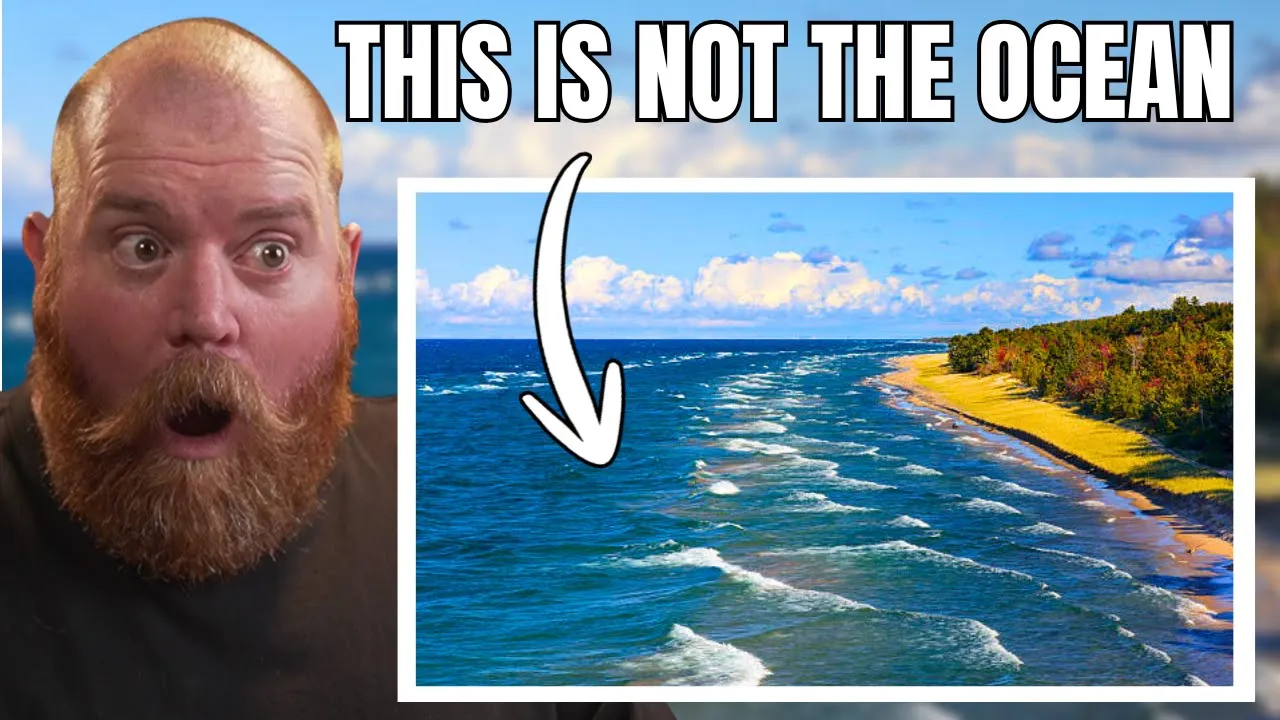



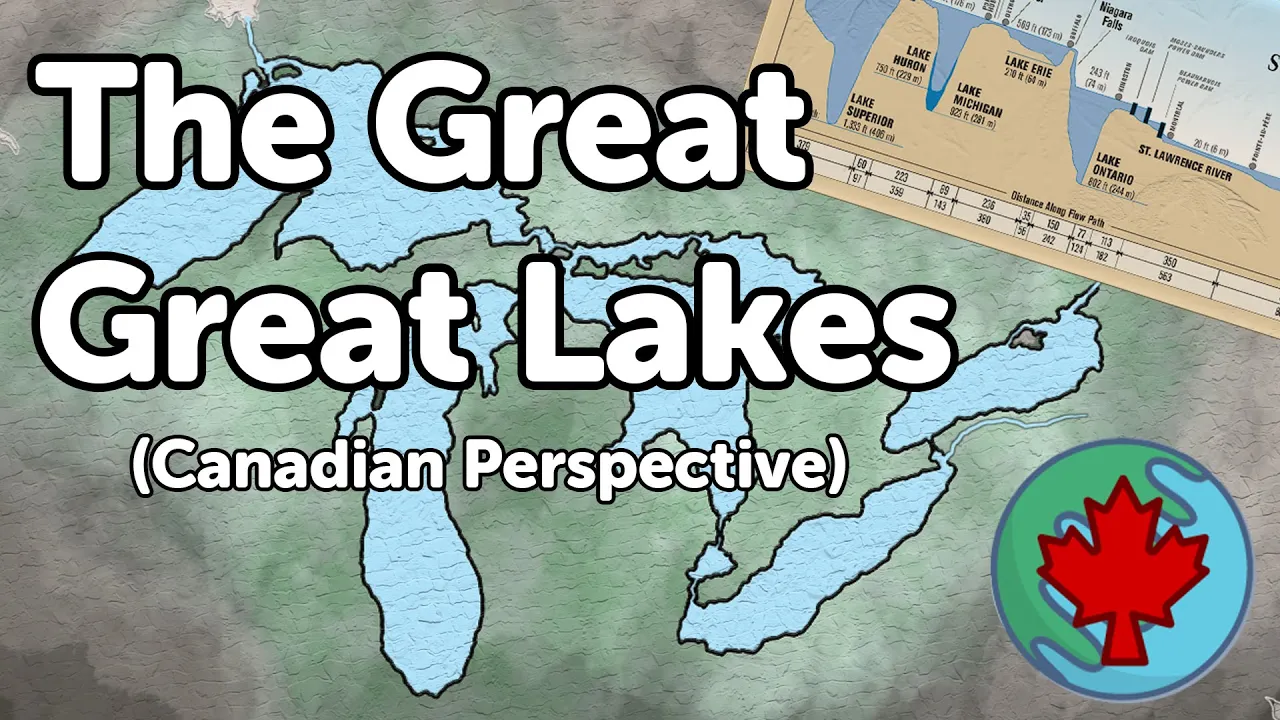















Microplastics are plastic particles less than 5 millimeters in size that originate from both primary sources (like production pellets and microbeads) and secondary sources (from degradation of larger plastics). Research indicates that microplastics are now found in virtually all ecosystems, including the Great Lakes, and have been detected in human blood and lungs. While the full health impacts remain uncertain, microplastics can absorb toxic chemicals and potentially disrupt aquatic food chains, with studies showing negative effects on zooplankton—the base of aquatic food webs—which could cascade upward to affect fish populations and ultimately human health through seafood consumption. Solutions include reducing single-use plastics, using reusable alternatives, supporting legislation like the Break Free From Plastic Pollution Act, and adopting engineering solutions such as laundry filters to capture synthetic fibers before they enter waterways.
Microplastics in the Great Lakes: Sources, Impacts, and Solutions
Added:here today talking about um microplastic pollution so I am a bit uh unique um as a University of Illinois Extension employee so I I work for Illinois extension but I am one of a few folks within extension who works for Illinois Indiana SE Grant and um that is a it's one of 34 programs across the country in every Coastal State including the Great Lakes um and we focus on build buing sustainable resilient coastlines um so much of what I'm going to talk about today is really applicable to anybody of water any type of pollution but I will touch on some Great Lakes specific things um because that's what a lot of my work focuses on okay so um I'm gonna kind of start big picture and then narrow it down a little bit so I'll start by sort of giving a brief overview of what um what we consider to be contaminants of emerging concern or CC's or emerging contaminants and then talk about Plastics in general and then we'll get down to microplastics um so we'll kind of make our way through that as we go and then hopefully um even though most of what I talk about will probably spin towards um the negative a little bit um we'll wrap up with some sort of tangible things and ways um that you can help with this problem sort of in your own daily lives so contaminants of emerging concern have an official um US EPA definition so the Environmental Protection Agency and these are things that are detected at low levels in surface water there's concern about impacts to Aquatic Life there's no regulation um of these materials says it's not working yesterday they were discovered due to improvements in either analysis or detection so they could have been there all along we've just recently found them because we are getting better at finding these things there's a bunch of different things that fall into this um this category contaminants of emerging concern it includes things like persistent organic pollutants um which are flame retardants and things like pasos which you may have uh heard about in the news recently things like Pharmaceuticals and personal care products um endocrine disruptors like BPA which is that chemical um that hardens plastic that was recently removed is is being recent removed from um water bottles and plastic cups and plates and things like that nanomaterials like nanot tubes or titanium dioxide like from sunscreen so very very small things and then microplastics and what we call anthropogenic debris which is just a really really fancy way of saying garbage from people so I want to kind of start first with um with a little bit of a reflection so I'm going to ask sort of three questions no need to to think too hard about this just what comes to mind so what's the most common thing that you think is in the trash at your home is it food scraps is it paper is it maybe plastic are single-use Plastics a part of your daily life do you buy bottled water or um pop in bottles um do you use disposable silverware um things like that and how much trash in pounds do you think that you generate every day and I like to think of this as a gallon of milk weighs nine pounds so everybody kind of knows what a gallon of milk feels like so how much trash do you think that you generate every day the answer might actually surprise you so every person in the United States generates nearly five pounds of waste per day um in 2018 that amounted to 292.00 um this is from the the US EPA um they started releasing 2019 data in 2023 but they haven't updated um the the next few uh Graphics that I'm about to show you yet so I'm looking forward to seeing more updated information on this but yeah so about half a gallon of milk that's the weight of the garbage that each one of us generates every day about half of that garbage goes to the landfills uh 32% of it is recycled and nearly 12% of it uh is burned so that's how we're getting rid of things so hundreds of millions of tons of garbage is being landfilled and recycled the problem with recycling as good as it is is that the pace of recycling has not kept up with how much plas we've generated um over the last 50 years you can see here that in red we have the generation of plastics and it is just on an upward Trend and then the um the trends of recycling and how much plastic we're able to recycle it has increased since the 90s if if folks remember back in the 90s when we all started recycling I remember that all uh the waste companies started delivering little recycling bins and we were all so excited with to separate everything and that was the mid 90s and so that's when you can start to see that uptick but in no way has recycling kept up with how much plastic were generated and that's because Plastics are really integrated into our way of life okay the first plastic was introduced in the early 1900s in 1909 in 1946 Tupperware the most famous plastic was invented and as a result of that and the sort of single-use plastics Boon we can see in this Life Magazine cover by 1955 Plastics were really well integrated into our way of life so this is a a cover from 1955 talking about how wonderful throwaway Plastics are for cutting down on household chores on on the work that we we're doing in our homes um and there's no denying the fact that it has done that it has made many people's lives much much easier um but it does come at a cost we've learned in 1962 plastic bags were invented um and by 1977 they were replacing paper bags in um stores primarily in grocery stores um that was sort of the biggest uh group of stores that adopted using these plastic bags um and by 1976 shortly before um plastic bags were introduced into grocery stores plastic was the world's most used material so again it is really well integrated into our lifestyles disposability is really a way of life um and we resolved a lot of challenges with that but we also created our biggest challenge which is all of this waste and the impacts that it has on the environment and on us so back in 2017 um This research team undertook a project to figure out the production use as the title says production use and fate of all Plastics ever made and they came up with some really interesting results and so this is a graphic from that paper and what I really want to call your attention to is up in the corner you can see 8,300 million metric tons have been produced and of that you can see the blue arrow on the bottom about 7% 600 million metric tons is recycled the gray area Arrow going to the side 700 um metric tons or 8% are incinerated and then we have 55% or 4600 is being discarded and the rest is is still in use and so this is a a literal ton of of plastic this is a huge amount of plastic but there's one really important thing that I want you to note here and that is that what this graphic tells me is that 92% of the plastic that was ever produced still exists because the only way to truly get rid of plastic is to incinerate it incinerating it breaks it down into you know the chemical compounds recycling it doesn't do that putting it in the trash doesn't do that so 92% of the plastic that we have made is still somewhere on Earth whether that's in a landfill whether it's been turned into another plastic um but it's it's still there and of all of this all this plastic 20 million tons of this plas plastic every year enters our Waters and that's sort of where we're going to focus the rest of our energies today so the garbage that ends up in the water ends up in different a few different places it has what we call several Fates and the first is that it accumulates it ends up in the water it ends up in the beaches and it just sort of gathers um and that's sort of the most frequently discussed when you talk about uh garbage in the ocean um many of you may have heard of the great garbage patch um there's multiple garbage patches out in the oceans um so many people have heard of that and that's sort of thanks to the accumulation of garbage ingestion is also another big one right we know um and we hear in the news on really a regular basis that Aquatic Life eats plastic and often they die with a large quantity of plastic in their stomachs and most important for our purposes today is these Plastics can also break down they can decompose um to a certain extent um but really we're talking about Plastics that are breaking down into smaller and smaller and smaller pieces so in terms of microplastics there are um a number of different types but they all share sort of the one key characteristic and that is that there are less than 5 millimeters in size so a half of a centimeter they're very very small pieces of plastic there's two different types of microplastics primary and secondary primary microplastics are those that are made in the form that they are found in so they are made small production pellets or um they're also called nurdles um are sort of the biggest um of the primary microplastics these are tiny little plastic pieces that get molded into larger pieces um I like to say if anyone has ever done a um a moldarama at the zoo or anything like that I actually have one right here grab it so this is a moldarama I put money in uh the machine and it heats up nurdles and it melts them into whatever shape I chose this happens to be meat micro beads are another type of micr uh primary microplastic these are found less often um in our products that we purchase now but for a long time micro beads were a huge huge addition in personal care products right the scrubbers in the scrubs that we use and things like that and as a result there are billions of micro beads out in the water they have been banned at the federal level from being in our personal care products um and so we're not producing more micro beads at that scale um but the ones that exist are still out there then you have secondary microplastics these are Plastics microplastics that were created by breaking off of larger Plastics so they're small pieces of a larger plastic so little shreds of of um water bottles that break down or plastic film um they are often the result of like weathering of larger Plastics um Beach cleanups attempt to pick up a lot of the garbage that turns into this type of secondary microplastics fo is another one I should mention too like large styrofoam coolers um you know if you break those in half you get a lot of little tiny little pieces um those are another type of secondary microplastic and then there's also synthetic fibers these are um pieces of fiber plastic that comes off of textiles um so it's coming from clothing carpets um any sort of of of situation where garments are rubbing against one another or you're agitating these fibers like in a washing machine you could be shedding um synthetic fibers if you're clothes are not made of a natural material so this is what these look like like in in practice for real so um if you can imagine this is a petri dish it's about three and a half maybe four inches in diameter and then there's this filter paper in the middle and that filter paper blown up is what you see in this large image on the screen and so this is what these look like you can see a a large Blue fragment a small piece of Styrofoam um a nice blue fiber right here and then a micro bead um probably a nurdle um which is a pellet over here so these things are very very very small um in many cases in particular in the case of fibers these are essentially invisible to the naked eye so we know and have known for a very long time that microplastic is everywhere in Marine systems and I'm just going to kind of go through this timeline and um highlight just a couple things on it and we're not going to go over this whole thing because that would bore you all to tears um so in 1973 um there was a paper that was published where marine pollution was found to cause considerable harm so we already knew that pollution in oh I didn't realize that I was giving myself Applause there um we knew in the 70s that this was a problem that marine pollution was a problem in 1982 we knew that plastic was bad for marine Birds we knew that they were eating this plastic right so it's been 40 years now that we've known that this was an issue in 1987 we found that the major inputs of plastic debris and debris that is found in the ocean actually comes from land so it's things that are washing from Land into the ocean it's things that are being transported across the ocean from one land to another that are ending up in the water um it's things like that that are causing these problems aren't being generated in the Water by 1999 research was finding that plastic was outweighing Plankton or the tiny animals in the oceans by six to one and in 2010 we knew that fish were eating plastic um the North Pacific G gy is one of the garbage patches um and so research out there um they went out caught some fish dissected them found plastic in their stomachs by 2016 the United Nations estimated that there were 5.25 trillion pieces of plastic in the ocean both macro and micro and I can't even fathom um what five trillion pieces of plastic looks like but what we know now and what we've known since probably the early 2000s is that it's not just the oceans for many many years freshwaters were neglected and we worried about the oceans rightfully so but we didn't look to our backyards right at least us here in Illinois right we didn't look to the Great Lakes we weren't looking at our rivers and our streams and our Inland Lakes and we know now that microplastic is everywhere it's in all ecosystems it's on land it's in all kinds of bodies of water not just the ocean now the first study that looked at the great lakes and here's where I'm going to get a little Great Lakes specific um for a few minutes the first study that looked at the Great Lakes um went out and sampled in Lakes Superior hon and eie only um they skipped Lake Michigan which is our great lake here in Illinois um but you can see that they found a lot of plastic right the larger the circle the more plastic they found um and in particular you know near some of these hubs particularly Buffalo you know offshore of Cleveland um Downstream of Detroit things like that they were finding you know large pieces of plastic a few years later um a group of researchers funded by Illinois Indiana SE Grant went out and sampled Lake Michigan same story lots of plastic everywhere they looked um a lot of concentrations near um harbors and places where people were right which makes sense especially if things are washing off into um the water this makes a lot of sense and really at this time the big news item was micro beads they'd found micro beads they were talking about micro beads Illinois was one of the first states to actually start to ban micro beads um which is wonderful um but the federal government really jumped on it right away and um they banned it shortly thereafter but really that's what everybody thought that they were going to find but that's not the story especially in Lake Michigan that's not the story um and it's interesting because this first study that looked at the first Three Lakes Superior um here on and Erie found primarily fragments you can see under fragment uh 42% fragment 48% pellet so pellet microplastics or micro beads I'm sorry micro beads um and then no fibers which is line here a little bit of film and um a little bit of foam when our study went out into Lake Michigan this completely changed the amount of micro beads that were found in this study was significantly smaller and instead we found a lot more fibers and this kind started the dialogue um about microfibers in in our water and I can um give credit to the This research team that was Illinois Indiana SE Grant Affiliated because I myself was not affiliated with it at the time so I'm not patting myself on the back I'm patting some former colleagues on the back because they did really great work and it caught on and um became newsworthy across the country but there was a lot we didn't know right clearly that's Illustrated if you're you think you're going to go out and you're just going to find a ton of mic microplastics and tiny little little fragments of plastic but you're finding all of these fibers um they raised a lot of questions and we realize that there were a lot of questions about microplastics that we didn't have any answers for and this is in the early 2010s for one are all these studies sampling water the same are they finding these Plastics using the same equipment are they using Nets that have the same size mesh or is one of them allowing All the Small Things to go through and another on trapping All the Small Things there were no standard methods for uh for sampling microplastics and so as a result it was really hard to compare apples and apples but most importantly there wasn't a lot of information about what the effects of microplastics were not just long term but also on the health of organisms and on the health of us how does this impact people a couple years ago um there was a feature in nature magazine that was really popular microplastics are everywhere but are they harmful this was 10 years 15 years 40 years after we knew about microplastics we're still asking these questions we know they're everywhere we know they're in things but are they harmful still is a question that we're trying to get answers from and that's sort of what I'm going to talk about next so we know that there are impacts what we call toxicological impacts right so these are sort of the chemical impacts that microplastics can have have in the environment the biggest thing here is that plastic itself can both leech chemicals out into the environment and chemicals can absorb onto plastic and so these plastic particles then become sources of other types of contamination right other types of toxic chemicals can be released and binded onto um these Plastics and so it can move them around and move them up um into the food chain and and different Plastics have different risks where that comes in so there's some research on Marine Plastics that showed that certain types of plastic um really absorbed toxic chemicals a lot better than others um which is important when you're deciding sort of what materials you want to buy and use we also know that there are impacts on the Ecology of organisms we know that animals eat Plastics and top picture you can see this is just a zop Plankton and the the bright green inside of it is plastic um this picture of the fish the dissected fish and the plastic that has come out of it that's one of the fish that was caught in the North Pacific gy um when we figured out that fish were eating this plastic um so there's been a a lot of studies that have shown a real wide variety of impacts on organisms how bad those impacts are is still sort of one of the outstanding questions but we know that certain organisms have decreased reproductive success and as a result they have decreased survival we know that predators are eating prey and when they eat prey with Plastics in them they also eat the Plastics um and Plastics may be changing ecological communities as a result of that so some folks at Illinois Indiana seagrant decided um and this was at Purdue funded by Purdue University they decided to take a look at systematically take a look at a lot of the studies that had been published looking at the impacts of microplastics on aquatic organisms to see if they could tease out any patterns and they did this using a what's called a metaanalysis and this is really just a fancy way of saying that they did a study on a bunch of different studies so they took data from existing studies and um tried to assess the effects of exposure to microplastics on it and the way they did this is is a little bit over my head so this really all you need to know is that they were looking at already published data and trying to figure out the patterns among all of this data collectively so they looked at 43 different published studies and there was pretty significant and and rigorous criteria that these studies had to follow in order to be included they had to measure effects of micro Plastics exposure on an organism it has to have been an experiment not um something where you just go out and Sample a bunch of organisms and see what's in them it had to include a control where there were no microplastics and it had to report specific types of data in order to compare them the one most I think important thing about this is that this meta analysis accounted for what we call publication bias and this is a term um that was sort of invented through research in the medical community but essentially what it is is the tendency of researchers to publish research that only has significant results or the tendency of um Publishers to only accept uh research that has significant results um one of the things as a scientist that you learn is that uh a result that's not significant is still a result and it still counts just because your result um doesn't come up with a negative effect doesn't mean that that's not important right maybe no negative effects is the important result so they wanted to account for the fact that a lot of these studies that they were looking at the the group of studies that they were looking at might be missing some key pieces because important research that could have contributed to it may not have made it into the publishing um so they were able to mathematically account for that so the question they asked was for aquatic organisms what is the impact of exposure and they looked at four different um categories they looked at consumption and feeding growth reproduction and survival rates and here's what they found and and there's no need to really take all of this in there's just a couple things I want to point out so if you look at the the pluses it's I'm sorry the Stars it's significant negative effects and the pluses as possible negative effects and it's really the significant negative effects that were most important um and so I want to call your attention to the zop Plankton line so zop Plankton these are the smallest animals in our Waters these are the base of the food chain um so we found this paper found significant negative effects on growth on reproduction and on survival of zop Plankton which again the base of the food chain so what does that mean well it's not really a slam dunk because we're only looking at 43 different studies and that may sound like a lot but it's really not but it tells us that we think that Z Plankton are really maybe more susceptible to microplastics exposure than some other groups and many people then the next question they ask is why should I care about Z Plankton these tiny little animals well let me show you this is the food web in Lake Michigan so if you start at the top that's all your big predatory fish lake trout shinuk and coo salmon bass um the trout walleye you know these these are um the important fish that we've built multi-million doll Industries um on fishing right there's a lot of money involved in sport fishing on the great lakes and in Lake Michigan but there's a trickle down effect or rather a trickle up effect if you go to the bottom this is where you see phytoplankton the very po bottom is phop plankton these are the tiny plants the tiny plants feed the tiny animals we have native water fleas kinoid cyclop pods water fleas possum shrimp amphipods those are zop Plankton tiny animals those feed smaller fish rainbow smelt deep waterer sculpins yellow perch ale wife those in turn feed those big fish that bring in big dollars into um you know communities along the coast of the Great Lakes and and anywhere really that has these types of of sport fishing so there's a c skate effect the smallest animals have a really big impact up front because if we're seeing reduced growth and reduced survival of zop Plankton that means there's not enough food for the prey fish there's not enough food for the pre fish their numbers are going to decline and if the pre fish numbers Decline and there's not enough food to feed the large um sportfish then those numbers are going to decline as well so all of these things are really really interconnected so microplastics having an impact even at the very base of that food chain can be felt way up at the top and can even be felt sort of by us um in terms of the economic impacts of these things we really I think most interested in is how these microplastics can affect our health um and we're starting in the in the past I would say five years in particular we're really starting to see a lot of research um come out that has um tried to answer this question the trend in in Plastics research first uh was to find it where is the plastic um how's the plastic getting from one place to another what kind of plastic is out there then the impacts sort of follow from that um and we're still kind of looking more at distribution in people right where are we finding microplastics in people what microplastics are we finding in people um and so then those impacts are likely to follow shortly thereafter so um this is not an ex exhaustive list but what I can tell you is we have found microplastics in all different kinds of natural salts chicken gizzards honey beer tea bags both bottled and tap water seafood and shellfish um a lot of different exposure routes or possible exposure routes um for microplastics research has found that people consume about 52,000 microplastics particles per year this was big news when it first came out um because 52,000 pieces of plastic is a huge number um we have no we have no concept of of what this actually means yet though we've been doing this for years likely with no known ill effects um so I don't want you to read too much into this um because this is been happening for some time but it was the first time here that we really Quantified how much plastic we were consuming if you add how much we inhale from Plastics that are floating around in the air fibers are a really big culprit there um that adds another 69,000 particles of plastic per year so we're really consuming um a lot of plastic on an annual basis um and one thing I want to point out from this study is that consuming only bottled water added an additional 990,000 particles per year as opposed to people who only drink tap water who are only adding another 4,000 particles per year so the bottled water industry whether it's from um the plastic bottles themselves the the bottling process you know what's in the air whether it's the water that they're using um but that process and and the impact of that is a lot more tens of thousands more microplastics potentially being consumed per year um these polypropylene bottles um that we used to use for uh these are for for feeding babies essentially um release a huge amount of plastics per liter particularly when they're heated that was another um study that came out shortly after this one showing that um that plastic baby bottles are a large source of plas itics now looking in our bodies research has found microplastics throughout our lungs um fibers being the most abundant because again we're inhaling them these fibers are tiny they're light they fly through the air really easily and so we know that at least for people inhaling these fibers is a huge huge route of route of exposure um and I think that's important to note even though I'm mostly focused on what's going on in the water um you know microplastics is a broader category and you can't just talk about what's going on in the water without talking about other ways of exposure as well it's also been found in the human bloodstream um and so essentially it's we've found that these Plastics have the ability to cross over into our bloodstream um now I want to point out that this study only looked at 22 people very early stages of this type of research but conceivably it is possible and one of the things that we are concerned about as I kind of mentioned before is that these larger microplastics that we now know are in our bodies may start to exhibit effects or could potentially exhibit effects because of the chemicals that are either being released by those Plastics or that have stuck to those Plastics and then made their way into our bodies so how do we fix this um there's a lot of different ways that people have Digest did um that we address this and I'm going to sort of talk about this in in three categories so um sort of from the consumer angle right consumers and corporations and and that angle and then legislation and then also some engineering Solutions so so are the solutions to this driven by us by the consumers or is it totally the responsibility of corporations that are creating this plastic um to take care of this and I would say that overall both from the larger companies and sort of even you're hearing this sort of from people like me that personal responsibility is a really big part of this um the the larger corporations would love for you to believe that you switching from plastic straws to a paper straw is going to fix this problem they would love for you to believe that and that is simply not true um the scale of plastic production at these large corporate um levels and the scale of plastic waste that's created you and I changing straws is not going to fix all of this um but personal responsibility is really important and if you make a decision to give up plastic straws then maybe you make a decision to give up something else when that becomes easy and something else and maybe it has that sort of trickle down effect and the more people that do that the more plastic is prevented um from becoming a problem but research has found that really there's only about 20 firms that produce um about half of the world's plastic and um of that I think Coca-Cola PepsiCo those are the real big Heavy Hitters and and I think that that is probably um that probably makes a a lot of sense to most people so we can't legislate um plastic away um but the legislation can help spur people into action many legislative Solutions can be accomplished on a personal level first um you know straw bands have been effective at um you know reducing the amount of plastic straw waste plastic straws are a big um problem in beach cleanups and things like that no doubt um and so removing those all together just takes that out of the equation and that's not a bad thing similarly plastic bags we've seen those um baned in certain areas um but then we've also seen in some states in the Great Lakes anyway we have bands on bands right they have been preventing the at the at the state level they have prevented smaller municipalities from Banning those bags um we've seen single-use plastic banss um in New York they have a Statewide ban on styrofoam like clamshell containers and things like that that's for a lot of like takeout packaging and things like that um and at the federal level um a new bill that's being discussed is the break free from plastic pollution act and it's incredibly ambitious and I have no idea if it's actually going to go anywhere um but it is intended to hold those large polluters uh responsible for reducing the amount of plastic that they put out into the environment um and so it could really do a lot of good so one of the other ways I think that you can um sort of personally use your personal responsibility to address this through legislative Solutions is by supporting this legislation as well right support the legislation let your elected officials know um that it's important to you to reduce plastic waste then there's engineering Solutions and I think these ones are really interesting um in particular I'm going to talk about engineering solutions for fibers fibers in the laundry is a huge huge issue um just hundreds of thousands millions of fibers are released in laundry Wastewater on a regular basis and wastewater treatment plants are not necessarily designed to capture all of those fibers although they are very effective at it when you're talking about millions of fibers even if they're catching you know 95% of it which some of them are that's still a lot of fibers that's making its way out into natural Waters um so trying to figure out a way to catch those fibers before they end up in the water um you know get them into the waste stream and landfill them instead um where they can maybe be you know contained uh that's there's a real push for that and so um the three things I want to touch on are um The Guppy friend which is a washing bag and these are uh pretty effective you put your and I use I'll use a fleece for example here because um fleece are notorious shedders of plastic fibers um you put your clothing items into the washing bag and then throw it into your uh washing machine not unlike a delicates bag that you might use for lingerie or putting sockin so they don't get lost um and the it does two things one it cuts down on the friction of the fiber of the the Fabrics that releases the fibers and it also traps those fibers so that you can um clean them out from the seams uh and then dispose of them properly I would say that a cotton pillow case could also be somewhat effective I've never seen any research on this but in terms of stopping the friction a cotton pillowcase might be just as efficient um in reducing fibers as well then there's a product um on the market called the Kora ball and this is a ball uh it's about the size of a soft ball kind of looks like a cush ball if some of you um are familiar with those either from your childhood or your kids um and the idea is that it goes into the washing machine and it captures fibers the fibers get trapped on um all of the little nooks and crannies and then you can kind of clean it out um and I actually have one of these and it it works it collects fibers and then probably most effective here is a filter um just like you put a filter on your tap to capture impurities in your drinking water this filter filters out fibers from your Wastewater before it goes into the waist stream and the fibers are captured in that tube and then you just clean them out this you here is we're talking about installation and a product that costs more um upwards of you know in the hundreds of dollars rather than something that costs you know in the tens of dollars but there has been research evaluating these um and U paper in 2019 found that cor balls reduced microfibers in washing by 26% by count um and the the lint lover this um this uh filter that can be installed reduce them by 87% so really can be really highly effective there's another study that came out in 2020 that evaluated even more options the percentages differed but the point here is that all of these options uh effectively captured or prevented the release of microfibers um so people are getting really clever and coming up with ways to prevent this pollution from even ending up in the water so I promised sort of uh Solutions f end um to what we're going to talk about um and so first before I sort of give you the laundry list of things that maybe you can do I want to touch on this um what is the five RS so I kind of talked um early on about you know the mid90s when recycling became really popular and everybody was talking about the three Rs right reuse reduce recycle um we now know that more is needed than just those things right so the base of the new RS pyramid now it's a pyramid right now it's the five RS the base of it is refuse so now we're really trying to talk with people about not using these products in the first place recycling rates are not going to stay high it's becoming more and more difficult to recycle a lot of plastics there really isn't the market for Plastics anymore so people aren't taking them um we used to send a lot of our Plastics the United States used to send a lot of their Plastics overseas um for disposal and a lot of those countries aren't taking our Plastics anymore China I think was one in particular that is not accepting Plastics from us anymore they they have no use for them they have plenty um so refuse has become really the the biggest best way um to to cut down on this type of pollution um if you can't refuse it maybe you can reduce it using something uh maybe you can wash that plastic fork instead of throwing it in the garbage you know and use it more than once um so that you're using less than you were um you know I may have said earlier that or I did say earlier that just one of us switching from plastic straws to paper straws isn't going to totally fix the problem but if all of us are doing little things it adds up to a lot and that I think is really important to remember um refuse Reduce Reuse things again reduce and reuse are kind of um integral to one another repurpose things right find a new home for things don't throw out that plastic toy find a new home for it um and then recycling um it's still important to recycle um but recycling now is not the same as it was you know 20 or 30 years ago when it first became um incredibly popular to do so so here's my laundry list of possible things that you can pick from and I like to kind of offer this as um as sort of like a menu of options and you can pick and choose um any ones that might fit into your lifestyle maybe some of these do not fit into your lifestyle maybe some of these are unavoidable for you um and that is okay right everybody just sort of does the best that they can but this is sort of a variety of things that you can do and pick from um and really feel like you're making a difference so avoiding single-use Plastics and using reusables whenever possible um is is a big one avoiding plastic water bottles not just because it creates more plastic pollution but also because it's better for your health I think as well um and so using reusable water bottles um reusable containers um switching from glass or from plastic to Glass sort of Tupper Wares is great um I know it's not always feasible particularly when you're packing stuff for your kids and know we tried to make a switch um and then we had a a new baby and he is a terror we had to put them all up and away um because the glass ones became a real Hazard um when my tornado Sun ends up in the kitchen um so you know but figuring out what works best for your lifestyle is is really important when it comes to this choosing natural fibers whenever you can is another way all of our carpets generally are made out of plastic rugs polypropylene plastic um but now you're you're finding that there are more natural fiber options oftentimes they are more expensive oftentimes a lot of these things that I'm going to tell you may cost money and that I think is important to keep in mind as well that there is a cost associated with a lot of these things but tap water's free you don't have to buy a fancy water bottle um but maybe you can't choose a wool rug because it's more expensive maybe you can't re um recarpet your home in wool or hardwood um and you just have to deal with the the carpets that you have um that that's okay that's fine um but being aware that that those are non natural fibers and that plastic fibers May being shed um from these things is important to keep in mind okay choosing tap water filtering your tap water filtering your tap water like through a brda filter or something like that does remove some fibers too so if you choose tap water you're already getting fewer fibers than you would if you were drinking bottled water and if you filter it it's even fewer um so tap water is um by far your best choice it's the number one thing drink tap water is the number one thing um that I tell people when it comes to preventing um microplastics um from getting in you and also from sort of creating more microplastics or or supporting an economy that creates more microplastics right if fewer and fewer of us drink bottled water maybe bottled water won't be as popular or as common taking steps to reduce laundry fibers when you can um you know fleece this is Illinois right we have horrible Springs horrible Winters and most of fall is very cold too um we all wear fleece um and so I don't think anybody's going to give up their fleece I'm not going to give up my fleece um but I don't wash my fleece as often as I used to um newer fleeces are Tighter and shed fewer fibers so I spot clean my fleece whenever I can because the more it goes in the washing machine the looser those those um fibers get and the more can be shed um so even just doing less laundry right not washing things that are made from rayon or polyester um or microfiber um washing those things less is a great solution um consuming Seafood carefully is important too um there's a lot of plastic microplastic pollution in Seafood um so keeping an eye on how much Seafood you're consuming um I think is is important in particular shellfish shellfish has been found to have um pretty high amounts of microplastic in it as opposed to like fish fillets and things like that um dusting and vacuuming regularly is another big one that I think a lot of people don't think about um but if you're dusting and you're vacuuming and you're disposing like a of what you vacuum up in the trash you're removing loose fibers as you do that and so you're removing the ability for those fibers to get kicked up into the air and then enter into your lungs so dusting and vacuuming regularly is actually really important and then the last thing um and I mentioned this already is supporting policies that limit single use Plastics and supporting policies that hold these polluters responsible right let's get Coca-Cola to pay for more of this not just paying for more Beach cleanups but let's get them to just reduce how much plastic they're using um and I think even if that's just the one thing that you could do um you know is send an email to your legislator when you hear about these things if that's all you can do you're doing a lot and that and you're doing something that's really really helpful so hopefully one of these things um speaks to you and you can um you know incorporate it into your daily lives if you're not already um or maybe you can add something else or if anything you know maybe I just convinced you to that tap water is is fantastic and and I'll take that um but yeah so that's uh what I wanted to leave you with and um with that I'm happy to take any questions thank you so much Sarah that was so Illuminating and really well put out throughout the entire presentation um we have a few questions um one of them uh was asked early on and I know you're with cant um kind of like affiliated with UI um but so if you were aware of any um ways in which like any initiatives that the University is doing to um kind of like do something about the plastic pollution problem um things like that is there is there anything that you know of and that's okay if not because I know like you're not necessarily on campus I'm not on campus but I feel like I did hear I know um I guess I can't speak to to the University of Illinois um and but I do know at least in my extension office that used to provide bottled water and they switched to because the water isn't um the pipes are very old and um they switched to a service that brings like the larger jugs which again you know it's not ideal but is better um and I don't know if that's something that happened extension wide um but yeah I'm not aware of anything that's happened on um the U ofi campus but I do know that universities in general there's a huge huge push um for more sustainable um more sustainable options in in dining halls and coffee shops and things like that um the college students in particular are very vocal about that and they really um are committed I think to more sustainable ways of life so I think in general um there are likely things going on I'm just not aware of them it's a great question yeah I wonder if the Illinois uh The Institute for sustainability energy and and environment I see um is is has some things on their website that might be U more Illuminating for that person if that's helpful actually that makes me think so I do know one thing that that IC does is they certify on campus events as green events and um I host a emerging contaminants conference um and some years it's on campus and we certify ourselves um self it's a self-certification process but you pick from a list of sustainable activities um and not offering single used Plastics is one of the initiatives on there and that's one that we do every year you know we offer you know real silverware and glassware for people we don't offer bottled water things like that um and so that helps us become a green event so I'm sure there's something on icc's website uh you know mentioning that yeah in fact I think in 23 and 22 I'm not sure what the state was for 204 um but we were also a certified Green event um the everyday environment webinars so because it offering virtual versus in person is um another way to kind of reduce emissions and things like that yeah absolutely yeah we've been able to certify even when the conference is virtual we still say that we're certified even though it's very easy to certify a virtual conference true um so um somebody was just wondering about you know water filters filtering out microplastics you answered that a little bit um is recycled plastic used to produce composite Lumber if so if is there a downside to this yes um it is uh and is there a downside to this maybe so I think one of the things that it's important to keep in mind with recycling in particular is that whatever plastic you're recycling you're not if if it's being turned into something else it's turned into a lesser product so if you're recycling a water bottle it's not going to make water bottles again it's going to make something that's a little bit less strong or requires um you know a little bit less a little bit more work um to create it's really down cycling we call it rather than recycling because we're not just re-upping these bottles right like it's not like glass returnable pot bottles where you they get sanitized and refilled they get broken down and remolded into things and they don't have the structural Integrity to make what they used to be so they end up as something smaller in a lot of ways that's okay um because I think things like composite Lumber and decking and things like that are a great way for some of these lesser Plastics to really get compressed into a product that's useful they do wear right and you I know I've seen like old composite decks where you can see that like I don't know the plastic kind of um Reds a little bit um but is that better than those Plastics going to a landfill absolutely I wouldn't steer people away um from from that another way I know they're using reusing Plastics and and things like that is in Road surfaces that one has me a little bit more nervous because roads are made to wear down um and so I'm not a huge fan of that um but composite Lumber composite decking I think is is probably a very good use for recycled Plastics I don't think it's all made from recycled I think you would have to check the the particular one that you're looking at but I know some from recycled Plastics nice um so the Kora ball can be about like $40 or more is there a similar product that is less expensive I wish there isn't um and I think personally um taking off my C Grand hat and putting on my um everyday consumer hat uh they're ridiculously expensive um and they're actually they used to be anyway kind of hard to find too um like you used to only be able to get them at like Museum Gift Stores I don't know if that's the case anymore um but but yeah no they are expensive and um I'm not sure if in time as they become more popular maybe costs will go down um but yeah I think a lot of these things guppy friend too the the washing bags they're made by and sold by pagonia which is a great company and they have a really great reputation um in terms of they recognize that you know pagonia is really known for making fleeces and they recognize that they are contributing to the problem and so they're really committed to finding solutions to that they're um they're a company that I would really stand behind in terms of how they've addressed this issue but they're not cheap either right they're I think they're $25 a bag and it's not like you can fit it all in there I mean they're only like this big right they're maybe a half the size of a stand pillowcase um and so cost is a barrier on a lot of these things and that's really um that's really unfortunate and hopefully with time and you know more engineering and uh new a crop of new Engineers right that are in University in high school growing up in this world where we're all talking about this now um hopefully we'll see you know bright things from this younger generation in the future awesome our uh plastic bag IE Ziplocs also adding to this problem yeah um Unfortunately they are and uh those are a trickier one right like I think it's really easy to refuse a plastic grocery bag you can bring your own bag um you can carry your items um you know if you go to a big box store you know can use a box instead of bags um but Ziploc bags you know if you've got kids in particular they're kind of a necessity and so there are a a lot of products um on the market now that are reusable zip top bags um they're typically made from silicone so they're fairly easy to clean but they're really kind of inconvenient I um I use them for my daughter's lunch and the worst part about her coming home from school is that I have to wash her reusable bags or reusable zipx when she comes home because especially when she has a peanut butter and jelly sandwich because they get really messy um but again those are products that you have to purchase um so you know that's kind of unfortunate you can also buy I have seen Ziploc um these are only for sandwich bags right for school lunches really but they are um paper bags that are the size of sandwich bags and I think that's um really great so in for Ziplocs you know I think maybe one of the um you know and looking at those five RS um you know I think that reusing and repurposing um might be really important here you know can you wash out or rinse out those bags and reuse them if so get as much life out of them as you can um before putting it away and I think if things are responsibly disposed of in a landfill and they don't become you know Beach litter or things like that um you know then you're also being responsible when it comes to that you know it's you know don't open up a package of or don't open up a um uh Cy bar and throw the wrapper on the ground you know those are the things that we're really worried about more so than what's happening um you know going into your household garbage um well it is two o'clock Sarah but I have a couple of other questions what are you thinking do you want to um can okay um are farm raised fish as susceptible to having microplastics that's a great question um and I don't have an answer for you a good answer for you I can speculate that they're certainly as susceptible to it whether they come into contact with as much is a totally different story um my instincts would say that they do not um but there's still going to be Plastics in the the water you know in the holding ponds they're still going to have things that are settling into those holding ponds um or into those you know recirculating systems so it it's not going to avoid Plastics um but my gut says that it's probably less I'm gonna write that down actually and I'm gonna look into that and um yeah that's a really great question yeah um as far as like dishes um like cups clothing Etc made from recycled products are those safe to use when it comes to microplastic yeah absolutely CU ver like what we call Virgin Plastic Products and recycled plastic products likely are degrading at the same rate so any plastic is um just as safe as another I know there have been some studies that have shown that heating plastic does make it a lot more susceptible um to like shaving off and and losing little pieces of plastic so I wouldn't recommend heating things in plastic heating heating glass on ceramic um or you know over the stove and in a stainless pan I think that's best um but certainly using plastic cups and things like that you know is is not a dangerous syndome um have there been studies to say to tell us if using tap water reduced microplastics in the human body uh no not that it reduced it really I think the the studies that I have seen have judged shown that this is the amount from tap water and this is the amount from bottled water and so you know the the advice is then to avoid the bottled water but I don't think that drinking only tap water will necessarily reduce what you're taking in but um the amount that you'll be taking in will be less than the alternative I hope I answered that question right yeah I think so um and then when it comes to like soap um you using bars of soap versus liquid soap in a pump bottle um as far as like microplastic exposure and um things like that yeah that's a great that's a yeah that's a really great idea um I think bar soaps and they are making bar shampoos now things like that anything that you can do to avoid buying Plastics that's going to end up in the trash is a great thing a great thing or even if you buy liquid soap and you refill it from larger thing of liquid soap or um or you make your own hand soap you know I I um have been known to um make my own Foaming Hand Soap out of Castile soap before and refill plastic containers with it again I'm reusing these things multiple times I'm getting a longer life out of them and then when I can't use them anymore I recycle them um so yeah any every little bit of that that keeps that keeps plastic out of the waste stream in general is a good thing in terms of microplastics pollution and exposure got that tip myself from Sarah in a podcast she recorded a couple years ago so that's what I love making my own soap it's kind of I don't know why it's it's so that's like that's as far as I go in terms of like homesteading I make my own foamy hand soap that's so fun um so of the similar line of question I just got two left um when it comes to there's like some new laundry soaps out that come as sheets is that like what are your thoughts on that as far as like um I love those actually I um so they can be more expensive um I actually found some really cheap ones on Amazon um they came in a cardboard box wrapped in plastic which you know can't really avoid that I guess um but they came in a cardboard recyclable box and I took them on vacation um and I went to the beach with my kids and I did so many loads of laundry on that vacation and those worked great they were fantastic I was shocked by how well they worked um so yeah I'm a huge fan of those and again anytime you can avoid buying things in plastic it's a good thing um or you know buying a larger thing of la de detergent and and rather than smaller bottles right that's going to use less plastic over time but yeah those um those uh laundry detergent sheets are um surprisingly great I'm a big fan nice um so this one is uh does the human body remove the Plastics from itself over time that's a good question too and I don't think I know the answer to that I I would say yes but there's so much that we don't know if it's in your digestive system yes it is it is um for the most part I would imagine it is being removed Mo through the waist stream right your your bodily waste um the things that make it into your bloodstream into your lungs and things like that um I don't know that we know what our body does to them um but most things move and make their way out right like these tiny tiny tiny nanoplastics that they're finding in our bloodstream are likely ending up um you know being attacked by white blood cells and and um you know removed in that way uh but that's a great question and um I'm not sure that there's a definitive answer about that yeah oh we just had one more come in and then we'll close it out um okay just in case they missed it um using fridge filters versus brida filtering containers um is there like a difference is one better things like that no I don't think so in terms of the quality of water that comes out of them I don't think there is much of a difference both charcoal filters um the only thing about the brda filters is they typically don't last as long and can't filter as much water so they themselves then become plastic waste um but there are ways that you can recycle them I know I used to take mine I don't know if this is possible anymore but I used to to take mine to Whole Foods they had a recycling it's I think it was terracycle it's the same way that you can recycle like applesauce pouches and toothpaste tubes and things like that toothbrushes I think um but yeah I used to be able to drop them off at Whole Foods um and I know like I have a fridge filter because my refrigerator happens to have filtered water and we only have to change it twice a year um it's a bigger filter but twice a year is not very often um so but in terms of the water that comes out of them I would say that they're equally as as clean and and the filters work great either way wonderful all right well that kind of that concludes our questioning um Sarah thank you so much for joining us we really appreciate the time that you've taken to just give this really Illuminating talk and um leave us with a little bit of Hope at the end too and something to do about it so I really appreciate that as well and um look forward to our follow-up email about you know the recording and what um ex is expected NE next out of the everyday environment program so thank you everybody have a really wonderful rest of your day and uh look forward to us in your inboxes thanks for coming everyone
Up Next
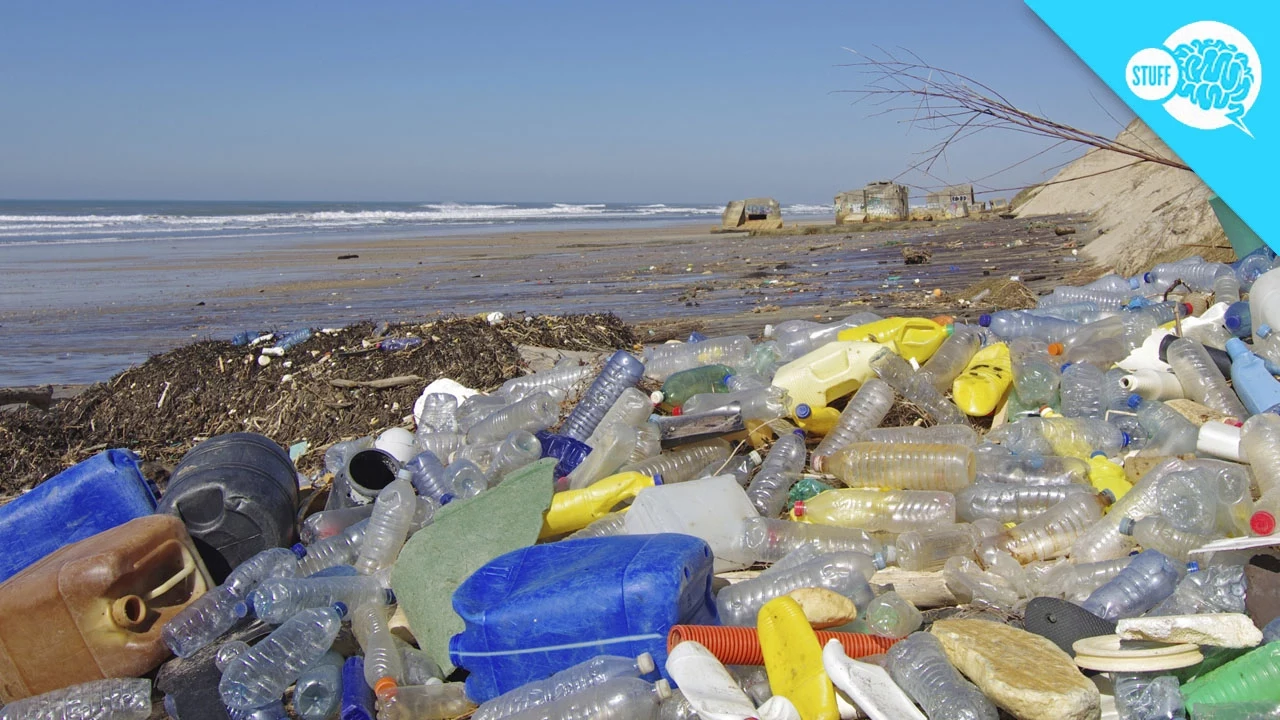
The Great Pacific Garbage Patch: Earth’s Largest Ocean Trash Zone
@BrainStuffShow
599.8K views•2015-02-10

Life in Biosphere 2: Sustainable Ecosystems & Human Survival
@TED
334.9K views•2009-06-16
Microplastics Everywhere: How Plastic Impacts Our Lives
@TEDx
100.9K views•2018-05-08
Ice Stupa Artificial Glaciers: Solving Ladakh's Water Crisis
@SonamWangchuk66
3.2M views•2015-05-03
Related Study Plans & Knowledge Roadmaps
Structured learning paths in Environmental Science