
![[Geography] Ocean Currents | GC Leong Series | UPSC Prelims 2025 | Anirudh Malik](https://i.ytimg.com/vi/yIWcKPfs6mM/maxresdefault.jpg)












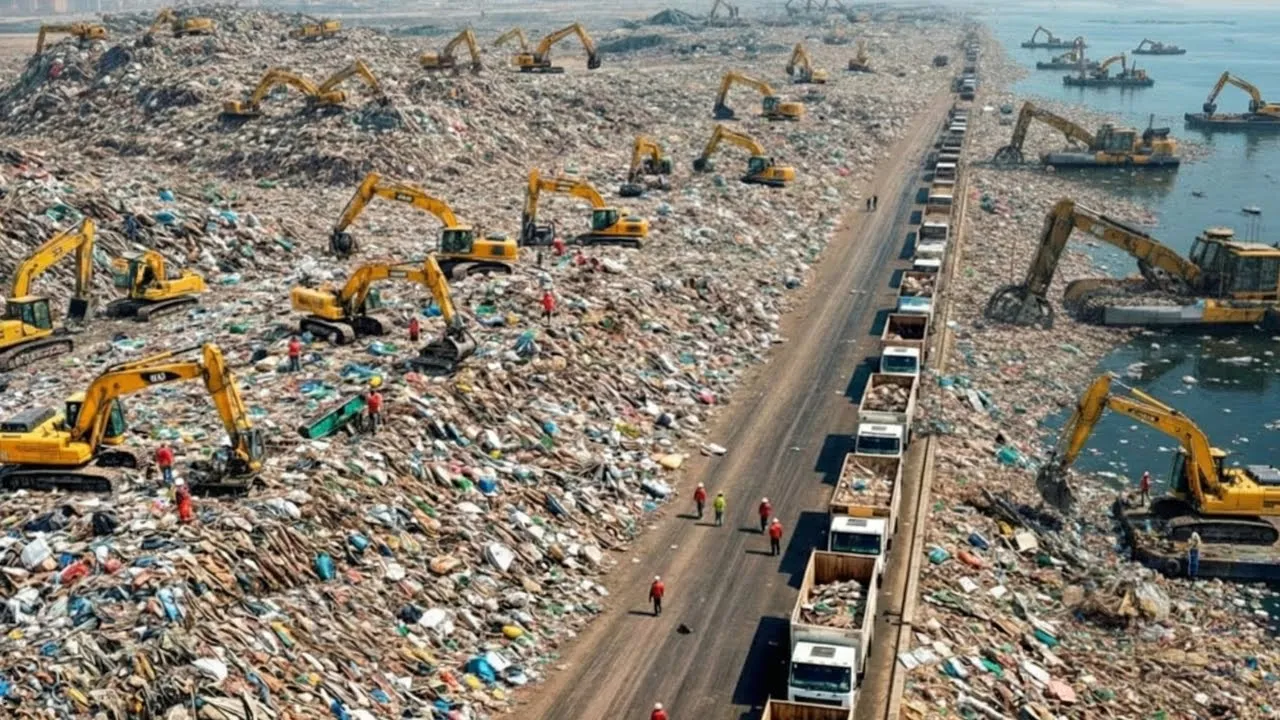
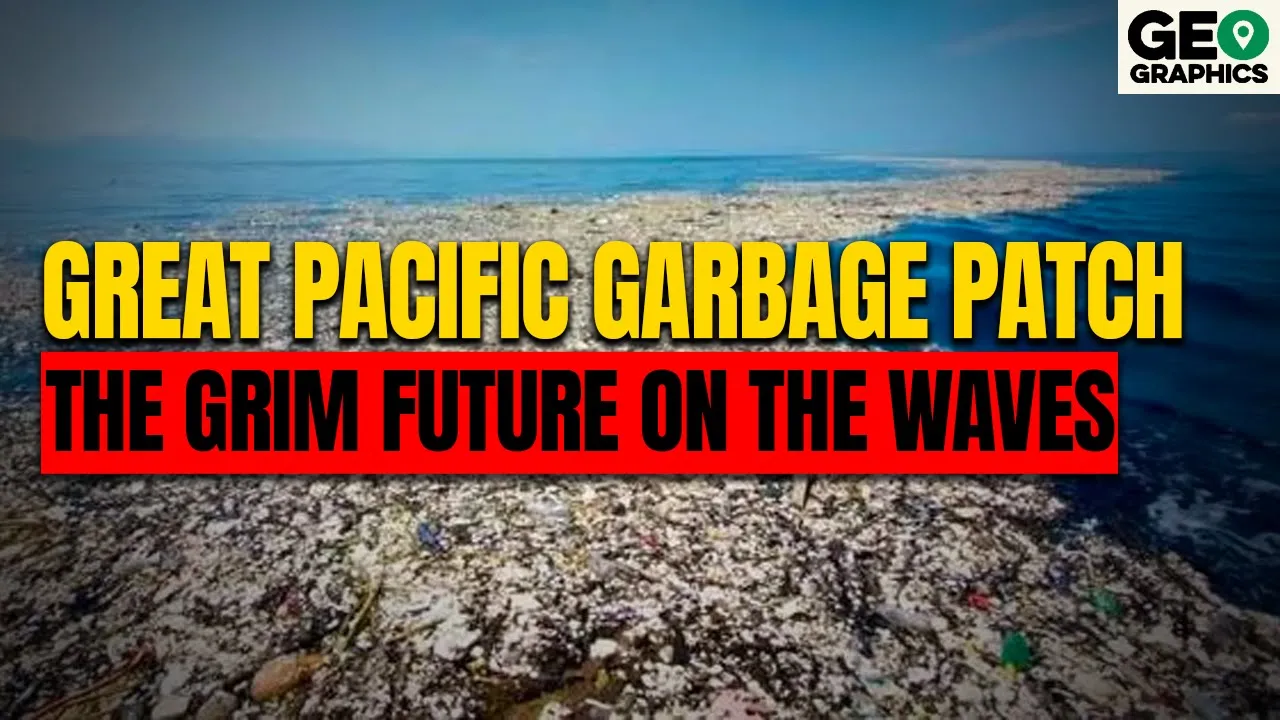


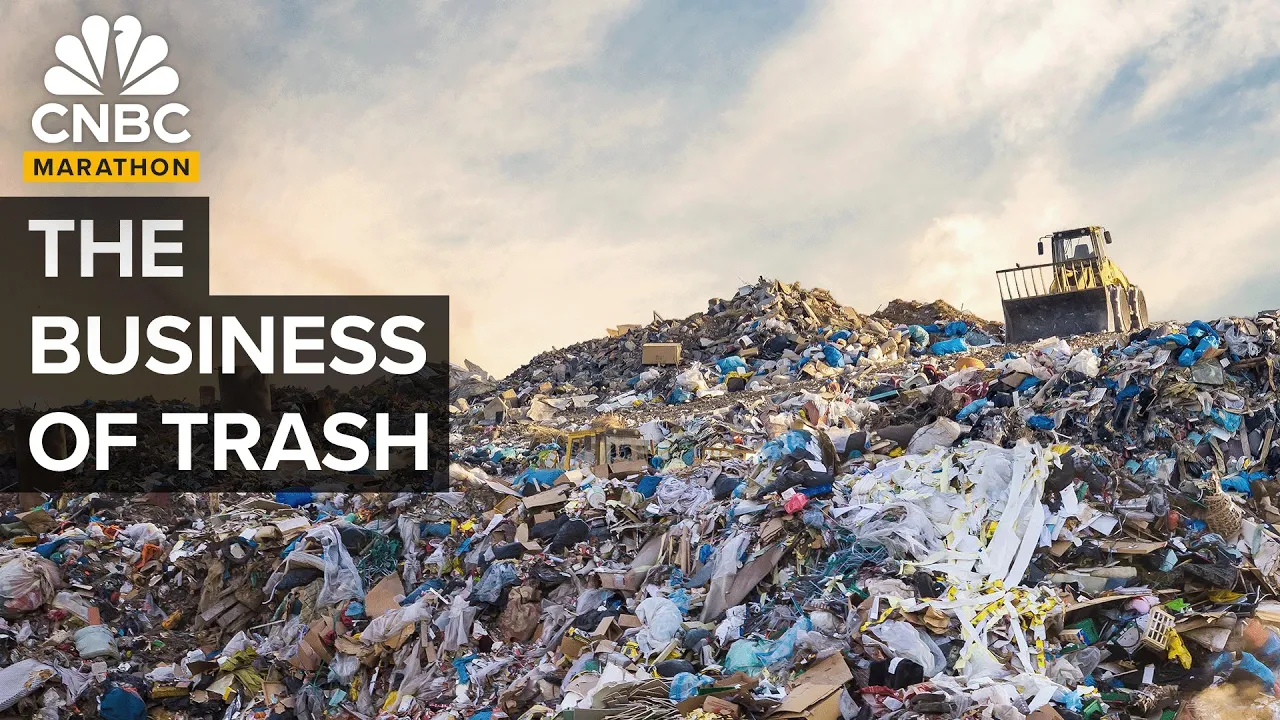


The Great Pacific Garbage Patch is the world's largest garbage dump, located in the North Pacific Ocean where ocean currents and global winds create rotating gyres that trap plastic debris. Discovered in 1997 by Charles Moore, this massive accumulation consists of two smaller patches connected by a 6,000-mile subtropical convergence zone. Approximately 80% of oceangoing trash is plastic, which takes about 500 years to degrade through photodegradation into smaller particles called nurdles or 'mermaid tears.' These nurdles pose serious ecological risks as they contain original plastic chemicals and attract other pollutants, entering the marine food chain when sea life consumes them. Cleaning the patch is impractical, making prevention through reduced plastic use, recycling, and biodegradable alternatives the better solution.
The Great Pacific Garbage Patch: Earth’s Largest Ocean Trash Zone
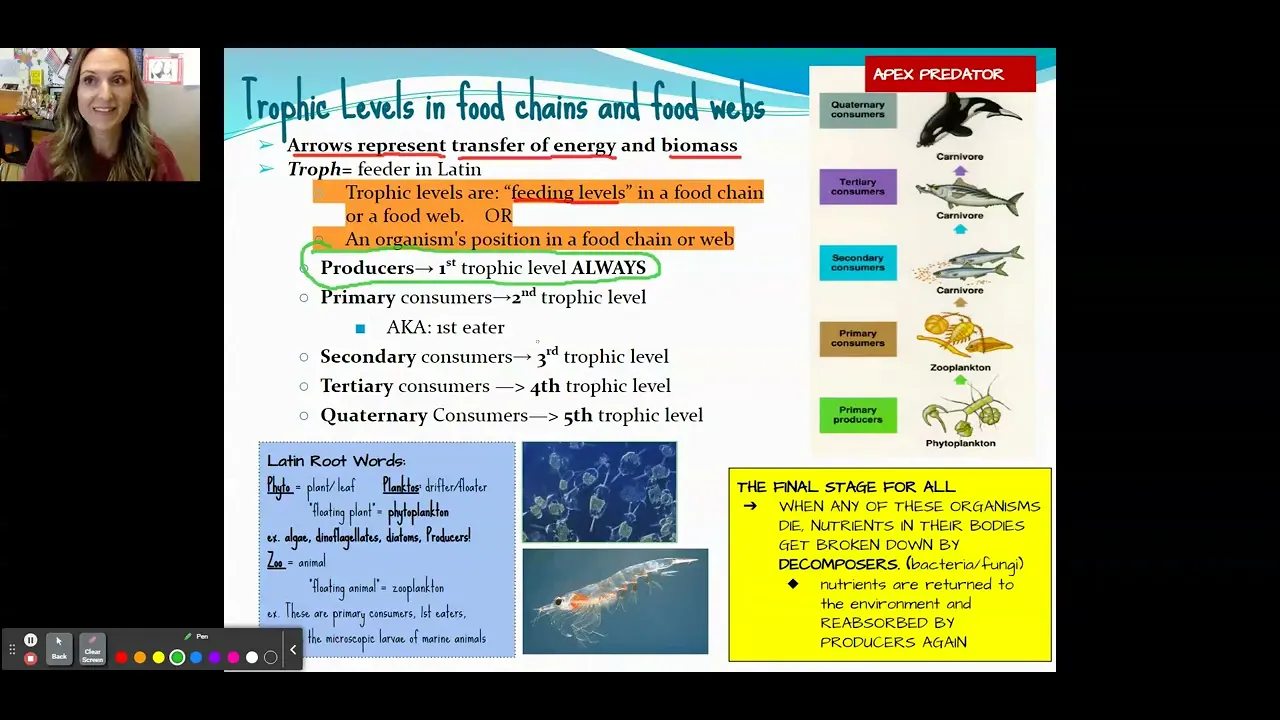
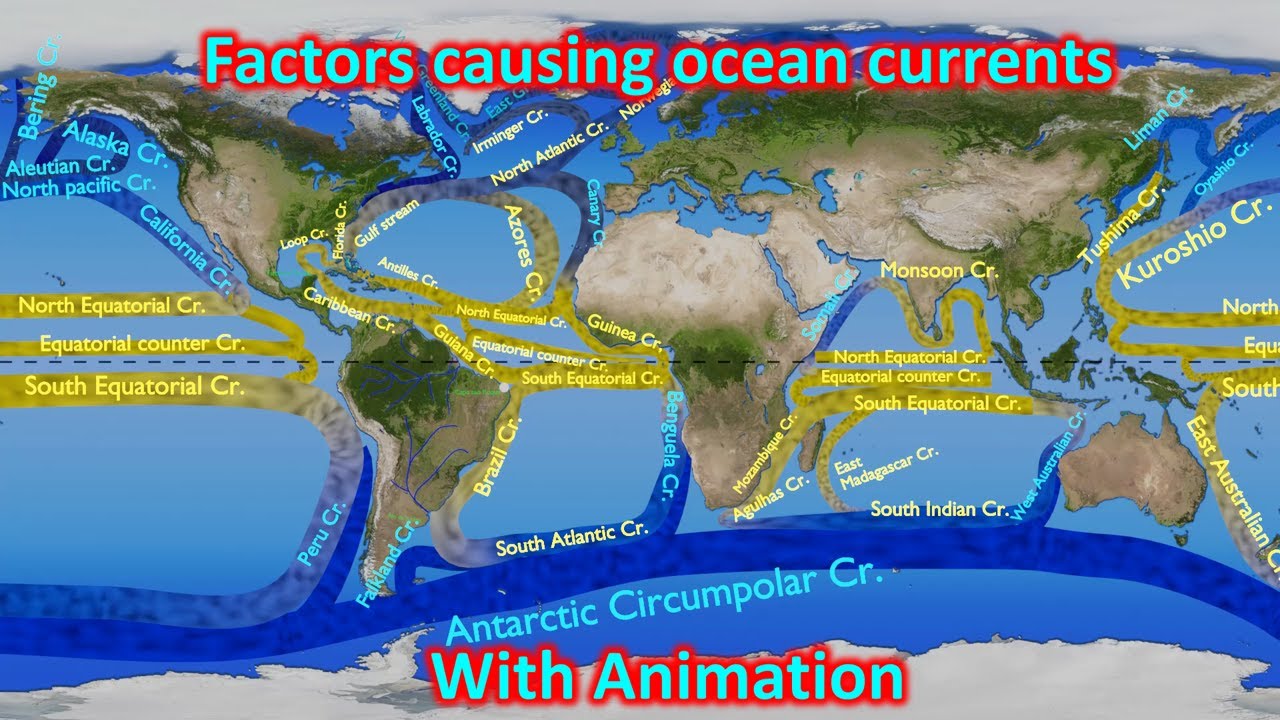
Added:[Music] quick where is the world's biggest garbage dump did you say in the middle of the Pacific Ocean well that's the right answer it turns out that there's something called the Great Pacific Garbage Patch and they call it that because it is an enormous amount of trash floating in the middle of the Pacific Ocean so the name Works see the rotation of the earth and some of the global winds form what are called GS these are Mass rotating ocean currents found around the world but the bulk of the world's trash ends up in the North Pacific gy which is home to the Great Pacific Garbage Patch now the GP squared that's what I'm going to call it from now on okay is actually two smaller garbage patches there's one between Japan and Hawaii and there's another bigger one the size of Texas between Hawaii and California and they're considered one large Garbage Patch because there's a 6,000 M subtropical Convergence Zone that connects the to and acts like basically a highway of trash isn't that delightful sounding now who knows how long this thing has been there but in 1997 a racing boat captain named Charles Moore who very much likely wears ascots all the time found the Great Pacific garbage patch and a lot of people say that the amount of trash there is inestimable while we don't know exactly how much it is the good people in Hawaii can tell you it's a lot there's some beaches in America's most beautiful state that have trash piled 10 ft deep that's a lot of trash and it's coming from the Great Pacific Garbage Patch now 80% of all oceangoing trash is plastic which doesn't quite make sense because while we use 200 billion pounds of plastic a year just 10% of it ends up in the ocean so why is so much oceangoing trash plastic well that's because plastic takes so long to break down researchers estimate it takes about 500 years for plastic to degrade and it doesn't biodegrade which means it would break down into its original components instead it photodegrades which means that exposure to the sun breaks the plastic down into smaller and smaller versions of its original Self these smaller and smaller versions out in the ocean are called nurdles or mermaid tears and despite their astoundingly cute names they're actually of a very Insidious nature that's because nurdles not only contain the original chemicals used to make the plastic they also have the Terrible capability of attracting other pollutants in the ocean like oil slicks and condensing and concentrating it turning nurdles into toxic powerhouses and then even worse nurdles are eaten by sea life that's because these little nurdles floating in places like the Great Pacific Garbage Patch commingle with phytol Plankton tiny organisms that are supposed to be there and sea animals eat phytoplankton and when they do they can't help but also ingest some of the nurdles which which means they've entered the food chain which is not good when a larger animal eats the animal that ate the nurtle it also ingests the chemicals and so on and so on up the food chain which very frequently ends with you the human grocery Shopper at the seafood case so what do we do about all this well it turns out that cleaning up the Great Pacific Garbage Patch and other jars isn't much of an option it would take 67 ters a full year just to clean up 1% of the GP squared instead the better alternative is to control the Plastics on land that end up as oceangoing trash we can find alternatives to plastic that actually biodegrade we can expand plastic recycling programs to include more types of plastic and of course there's reducing and reusing the amount of plastic so where do you stand on oceangoing trash are you for it are you against it let us know in the comments below and while you're down there go ahead and subscribe and for more great stuff go to brainstuff show.com
Up Next
Ocean Currents: Causes & Driving Factors Explained | Oceanography
@zetaupsc
4.5K views•2023-12-06

Life in Biosphere 2: Sustainable Ecosystems & Human Survival
@TED
334.9K views•2009-06-16
Microplastics Everywhere: How Plastic Impacts Our Lives
@TEDx
100.9K views•2018-05-08
Ice Stupa Artificial Glaciers: Solving Ladakh's Water Crisis
@SonamWangchuk66
3.2M views•2015-05-03
Related Study Plans & Knowledge Roadmaps
Structured learning paths in Environmental Science