











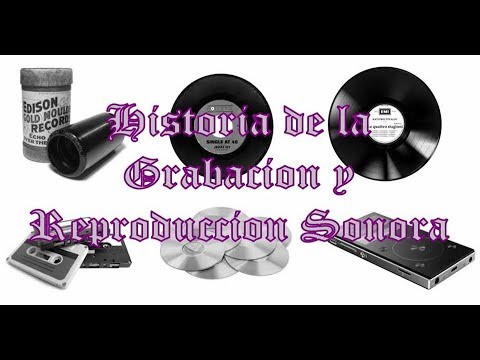


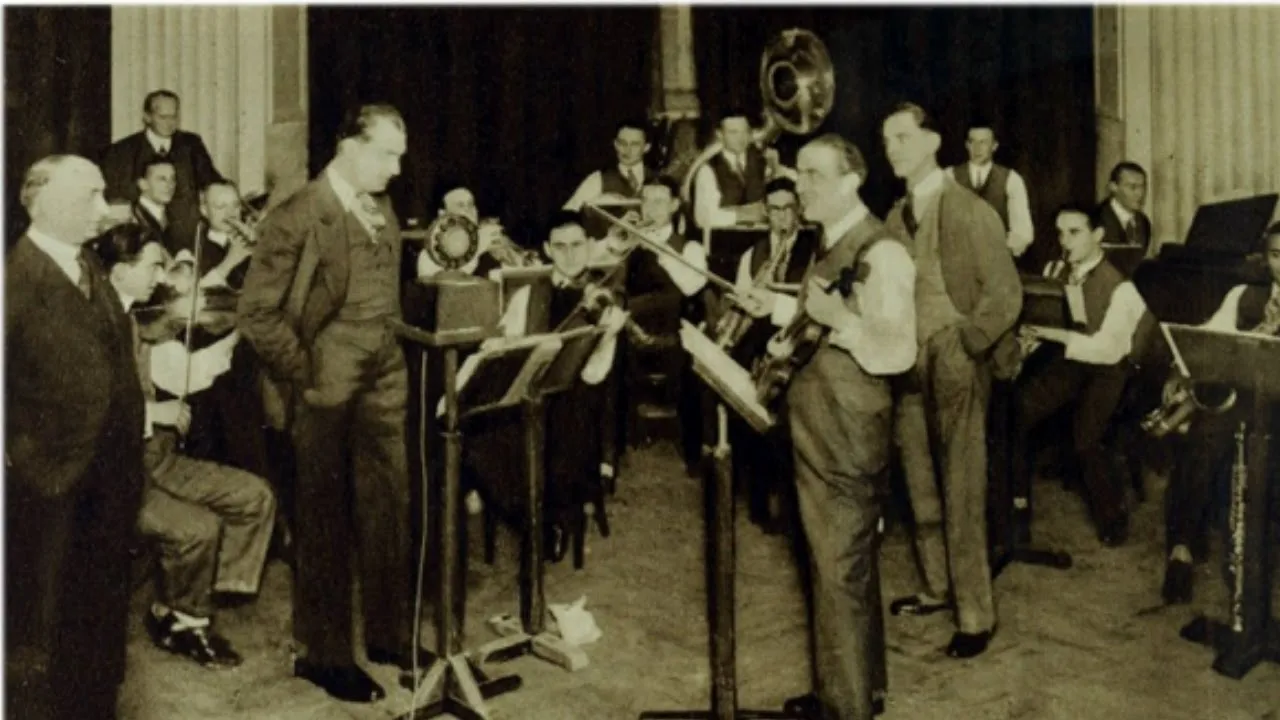






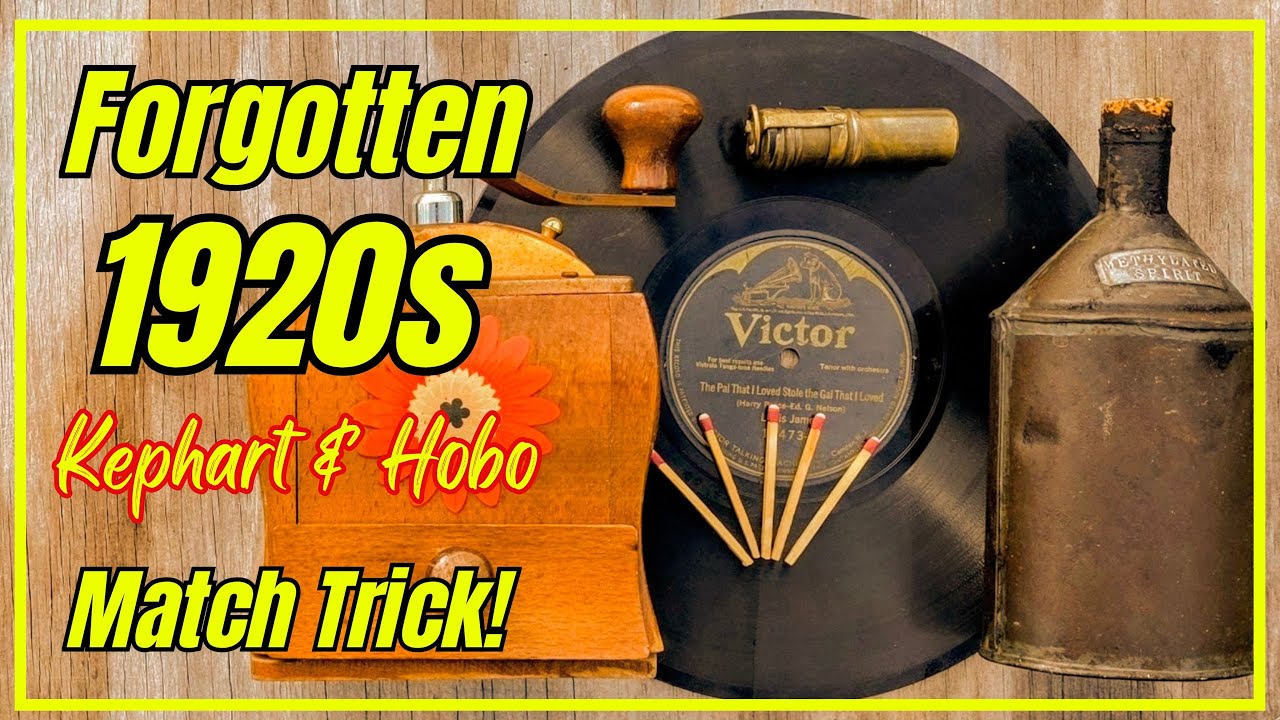


Wax cylinder recording technology works by cutting the vibrations of sound into a rotating cylinder of soft wax, where the grooves created by the recording head physically capture the acoustic energy of the voice or instrument; the quality of the recording depends on the smoothness of the cylinder surface, with smoother cylinders producing clearer recordings, and the technology was limited to approximately 2 minutes of recording time per cylinder.
Wax Cylinder Recording: 1899 Pump Organ Phonograph Demo
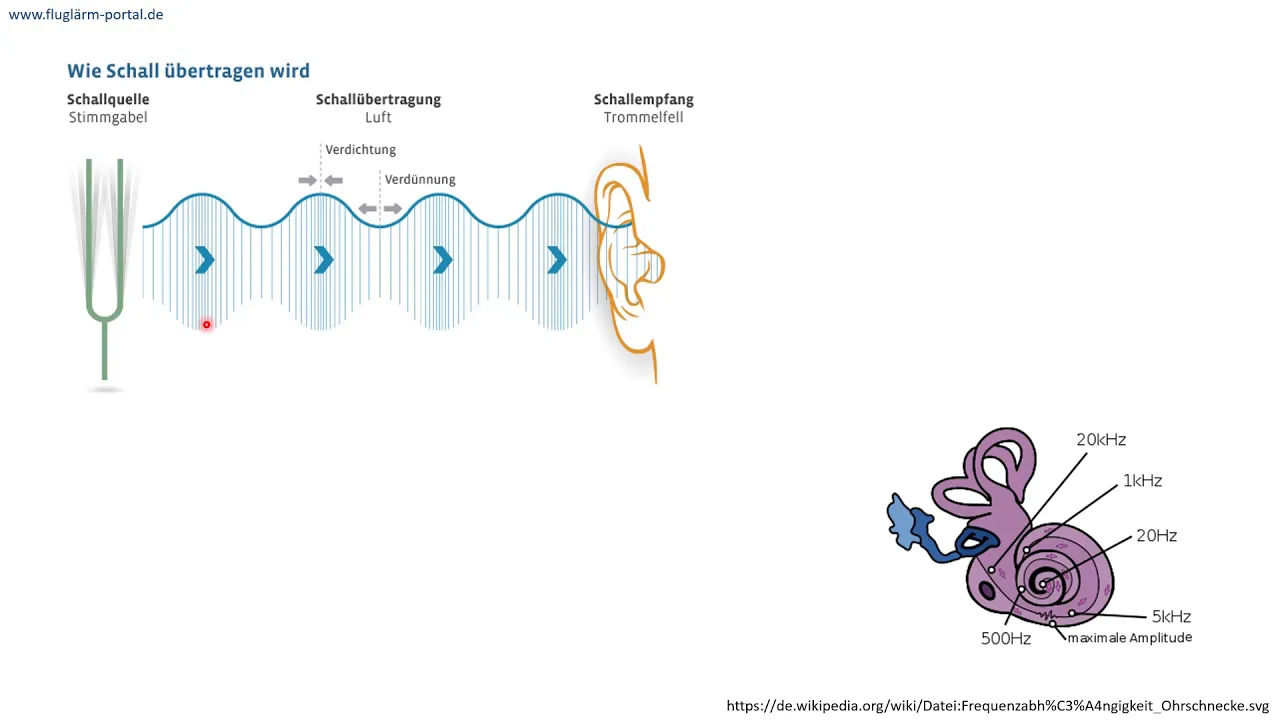
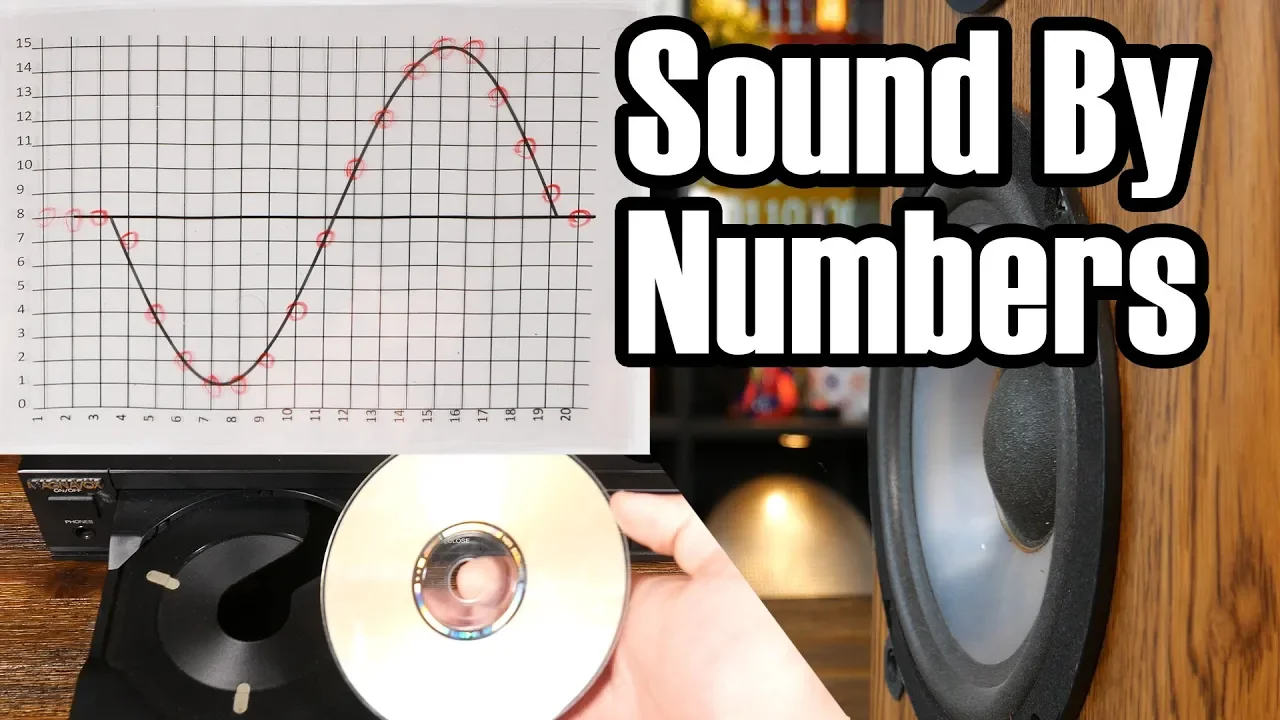
Added:The basic physics of sound, including how sound waves travel through air as physical vibrations and can be mechanically captured.
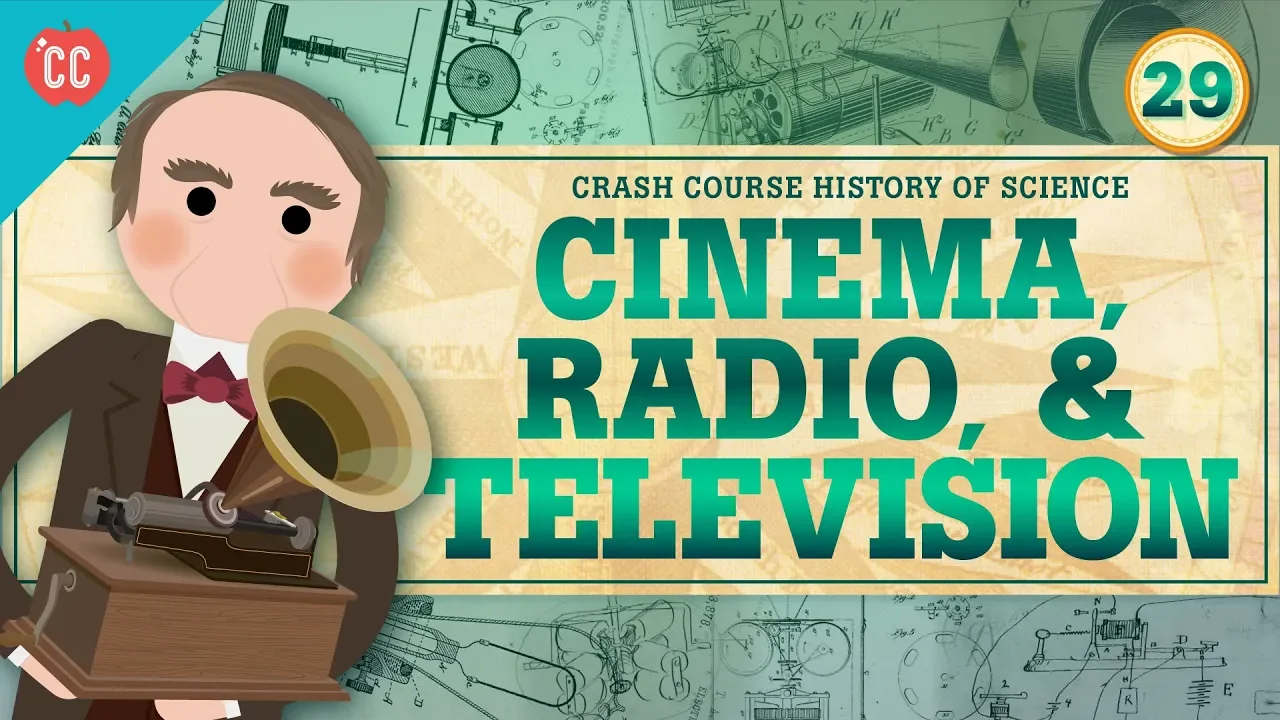
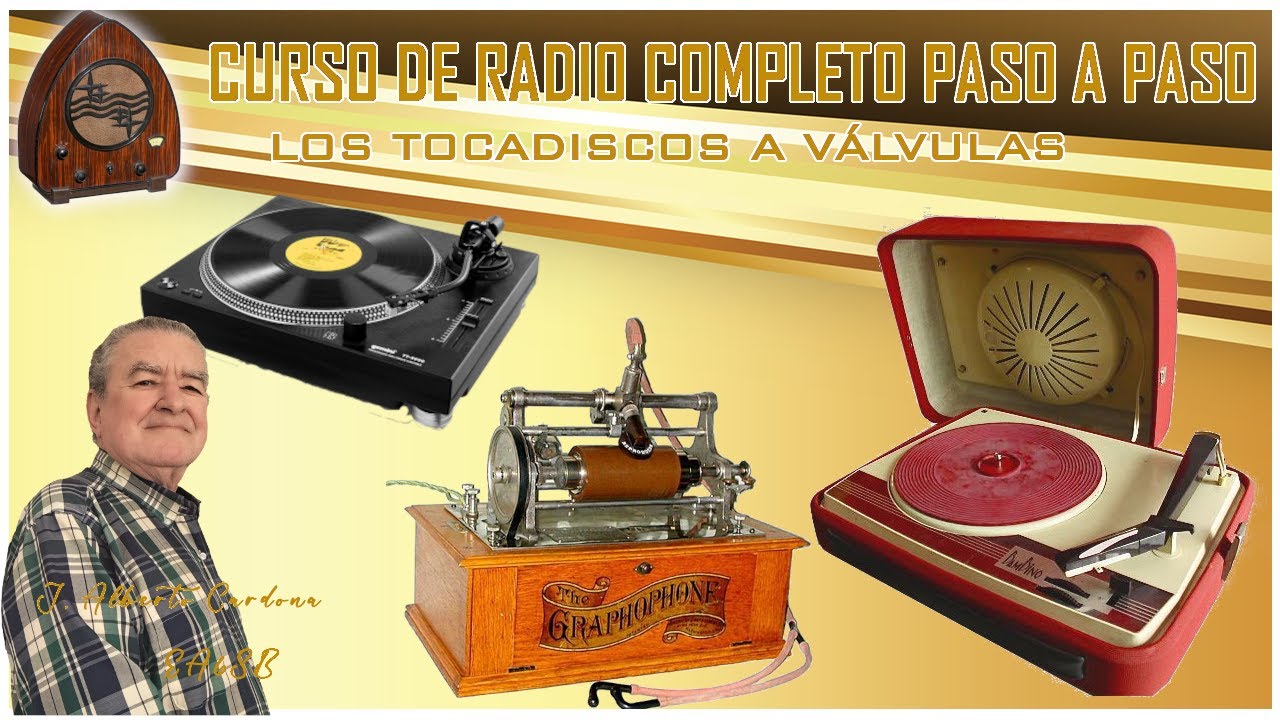
The historical significance of Thomas Edison's phonograph and the concept of acoustic (non-electrical) sound recording.
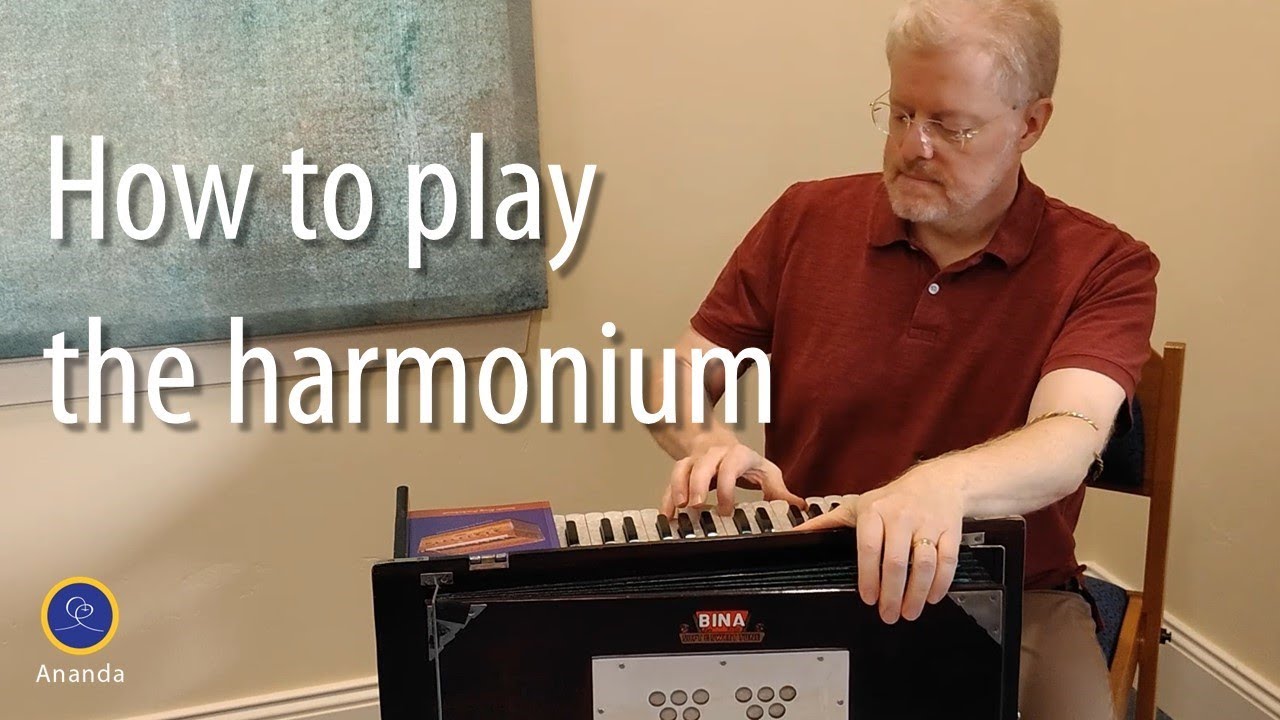
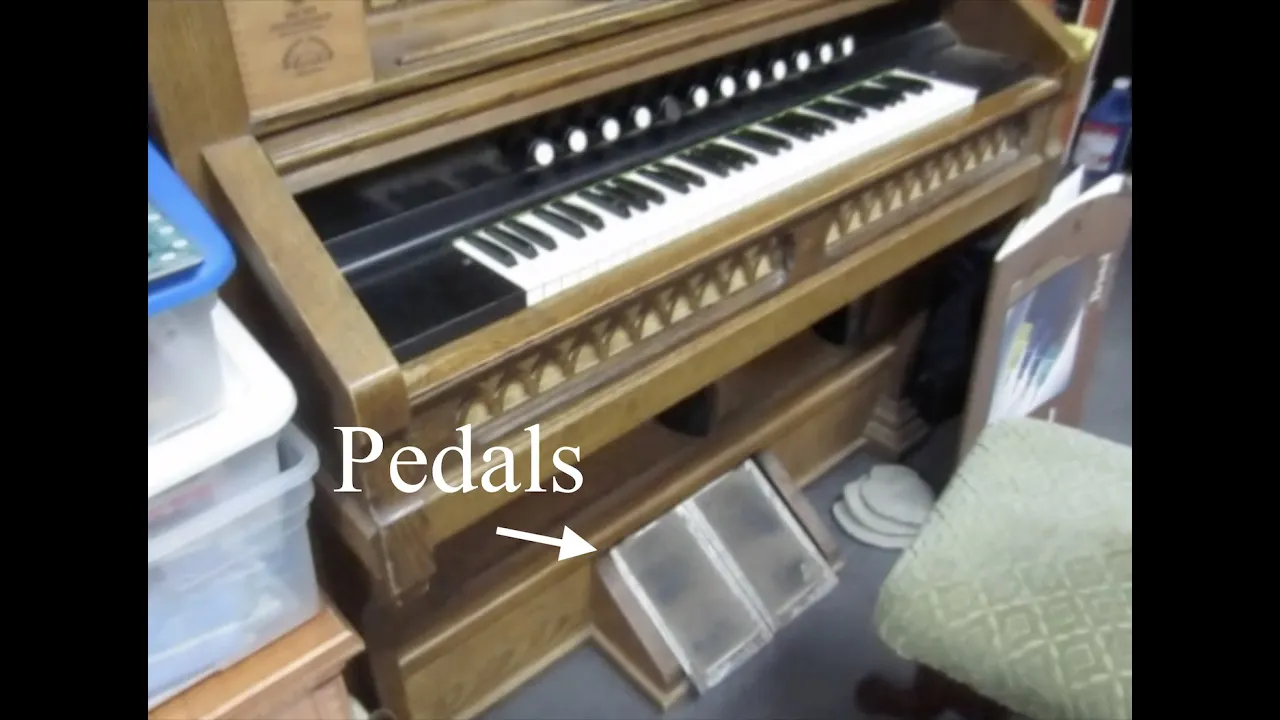
The mechanical operation of a pump organ (harmonium), particularly how bellows and brass reeds generate sustained musical tones.
The concept of analog physical media, specifically how sound vibrations can be physically carved into a groove on a malleable surface.
The historical transition from cylindrical audio formats to flat disc records (such as gramophone shellac and vinyl).
The scientific shift from purely acoustic recording techniques to electro-mechanical recording using microphones and vacuum tubes.
Modern archival preservation techniques for delicate historical audio formats, including optical scanning methods like the IRENE system.
The material science of early recording media, comparing soft metallic soap waxes with more durable celluloid and shellac compositions.
2.2K views261likes10:02Original Release: 2026-05-30
Okay, today I'm going to be recording The Red Rose Rag on my 1906 model B phonograph.
Let's get started. I've got to record the song first on my pump organ from 1899.
This is what I'll be recording the background track on.
My 1899 Kimball pump organ.
Okay, I recorded the background track on the pump organ and I didn't really show that part and I know some of y'all will be salty about that and I don't really care. Yes. Anyway, let's go.
Okay.
Okay, here we go. So, first I'm going to remove this reproducer on here um because we're not reproducing sound, we are going to be cutting into the cylinder. People all often ask, "How does that work?" Well, it works by cutting the vibrations of your voice into a wax cylinder because everything in the universe is vibration. Energy, frequency, vi- I can't talk. Energy, frequency, vibration are the keys to the universe.
Um anyway, let's put this in here. Where is the thing?
There it is. Okay. Now, let's tighten this down.
Okay, and then we'll put this in here.
And then we'll put this on here. This is what we'll be singing in.
If I had my bigger horn, it would be louder.
Question mark.
I'll be right back.
Okay, I found my bigger horn.
Uh this one will provide for a louder recording. I just got to figure out where to put this.
Um I'm going to have to hang it from the ceiling.
Okay, I've attached the bigger horn to the machine. This will amplify my voice more. Let's get started.
Okay, the recording head is on here. All that's left to do is put the cylinder on here. Now, this cylinder is a note means ideal. I just erased it with gasoline.
Well, actually it's benzene, but we won't talk about that. Anyway, um here it is. Uh let's go ahead and do this.
And hopefully it doesn't cut the recording short.
Okay, we're going to be recording in 2-minute mode.
Okay, and let's make sure the machine is cranked up cuz that would be unfortunate if it wasn't cranked all the way up.
We would not get a good recording.
Okay, there it is.
I believe we are ready.
Uh let me get my music situated.
Okay, here we go.
Hopefully nobody calls me during this.
Okay.
We will start cutting that wax.
Ooh, okay, this is going to be interesting. The beginning of this recording will not be perfect in any way.
The red rose rag played by Dr. Parkinson and sung by Dr. Parkinson.
Down in the garden where the red roses grow, >> [singing] >> oh my, I long to go.
>> [music] >> Like we like to follow her cuddle me and I will.
Let me let me learn that [singing] red rose rag.
>> [music] >> With me there's a fun and a rosy romance. These hard >> [singing and music] >> times now's your chance. Now go on and have a swinging with the bottom in the flowery flowery dance.
>> [music and singing] >> Oh, honeymoon shine on in June and hear me croon this loving tune?
Trees and breezes [music] are sighing and climbing. Let me let me learn that red [singing] rose wreath. Sweet [music] honey bee, be sweet to me. My heart [singing] is free, but here's the key.
Lock up the garden gate, honey, you know >> [singing] >> the way. Under the red rose tree.
Picky picky buttercup for your budding bride.
Daisy and bindweed blossom for your budding [music and singing] bride.
Loamy land, that wonderful wiggle land.
My honey tiptoes, excuse me, I tickle too.
>> [singing] >> Do the dainty dance like a dainty do-do-do.
Ring-a-rosy, round and red rose wreath.
>> [music] >> Out in the garden where the red roses grow.
Oh my >> [singing] >> eyes long to go.
Like me like the flower, cover me with flowers.
Let me let me learn that [singing] red rose wreath.
>> [music] >> Red leaves are falling in a rosy romance.
Be calm, >> [singing and music] >> now's your chance. Don't go hunting after rose maidens in the blossoms and the flowers by our lady's dance.
Oh my honeymoon shine on in [singing] June.
>> [music] >> And hear me croon, this loving tune.
Trees and breezes are sighing and climbing. Let me let me learn that red rose wreath.
>> [singing and music] >> Sweet honey bee, my heart is free, but here's the key.
Lock up the garden gate, honey, you know the way.
Under the red rose tree.
Picky picky buttercup for your budding bride.
>> [singing] >> Daisy and bindweed blossom for your budding [music] bride.
Loamy land, that wonderful wiggle land.
My honey tiptoes, excuse me, I tickle [singing] too.
Do the dainty dance like a dainty do-do-do.
Ring-a-rosy, [music] round and red rose [singing] wreath.
>> [music] >> Okay, we ran out of recording time, but I mean, we should be fine. We should have a good recording. Well, semi-good.
We'll see.
Now, we must change out the horns and put the reproducer back on there. That looks like a good recording.
Let's clean this off.
>> [snorts] >> There we go. Ooh, the grooves are good in that.
We'll see. It's probably maxed out, but we'll see.
Okay, I've put everything back together.
The reproducer's now on here instead of the recording head. Let's crank up the machine and see how it is.
Okay, I don't expect this to be a perfect recording. Here we go.
So, that was a pretty rough recording.
Um, it is because the cylinder was not smooth. I unfortunately do not have um, more blank cylinders that are smooth.
So, I'm going to play you something that I previously recorded quite a while ago, but it's on a perfectly smooth cylinder.
So, it will sound ideal and you will see how it should have sounded. Um, and I will also order some more blank cylinders and then I will redo that.
But, let me show you what it should have sounded like.
Now, like I said, I knew that recording would not be perfect because that cylinder was not perfect. But, when I get it dialed in, I recorded this um, quite a while ago.
Um, you can see how the cylinder is smoother than the other one. There's a grease um, thing right there.
Got grease on it. But, this is how it should sound when it's perfectly smooth.
And this is a different song, by the way.
This is the one that those down imagination line.
>> [screaming] [screaming] [screaming] [screaming] [screaming] >> And of course this would cut it short cuz you can only record about 2 minutes on these cylinders.
>> [screaming] >> These words going to cut off.
>> And that was that on that cylinder cuz that's all that would fit. But, that is how a smooth cylinder will sound. You can see the thickness of this cylinder right here versus the thickness of the one I just recorded on.
Not to say and look how rough it is, see?
Anyway, so I will order a new cylinder and we will do part two.
Anyway, that's it.
Up Next

17:34
How Edison's Phonograph Recorded Sound: A Technical History
@TechnologyConnections
398.7K views•2015-10-01
30:32
Ultrasonic Transducers: Resonant Frequency Measurement and Horn Design
@imajeenyus42
229.9K views•2017-02-22
54:16
Polymer Environmental Degradation: Mechanisms & Stabilization
@iit
1.8K views•2012-07-10
33:39
How a Student's Question Saved a NYC Skyscraper from Collapse
@veritasium
22.8M views•2025-04-26
Related Study Plans & Knowledge Roadmaps
Structured learning paths in Engineering
engineering
Building Acoustic Levitators: Physics & Arduino
01The Physics of Sound and Standing Waves
02Piezoelectric Transducers and H-Bridge Drivers
03Arduino Programming: Generating 40 kHz Signals
+ 2 more learning modules
14h5 modules
Explore Roadmap
engineering
Building Peltier Cloud Chambers: Particle Tracks
01Cosmic Rays & Cloud Chamber Physics
02Thermoelectric Cooling (TEC) Fundamentals
03Custom Liquid-Cooling Loop Design
+ 2 more learning modules
18h5 modules
Explore Roadmap
engineering
Yagi-Uda Antennas: Modeling, Build & VNA Test
01Introduction to RF and Antenna Fundamentals
02Yagi-Uda Antenna Design Principles
03Antenna Modeling and Simulation in 4NEC2
+ 2 more learning modules
18h5 modules
Explore Roadmap
engineering
ECG Monitor Design: Op-Amps, Filters & Noise
01Electronics & Breadboard Basics
02Op-Amps and Instrumentation Amplifiers
03Bioelectricity and ECG Fundamentals
+ 2 more learning modules
18h5 modules
Explore Roadmap