
















![Watch Dogs: Online Privacy Concerns in Real Life | VICE Reports: User Profiled | Ubisoft [NA]](https://i.ytimg.com/vi_webp/g2kaibWuW80/maxresdefault.webp)

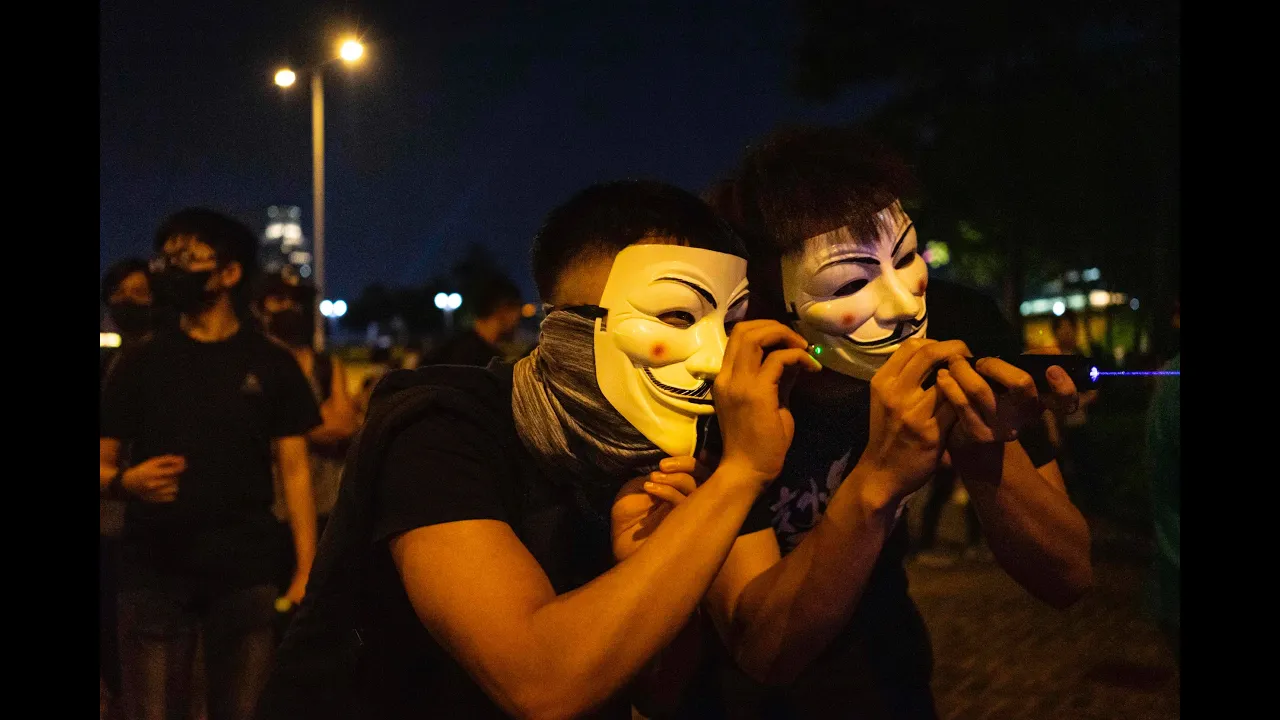
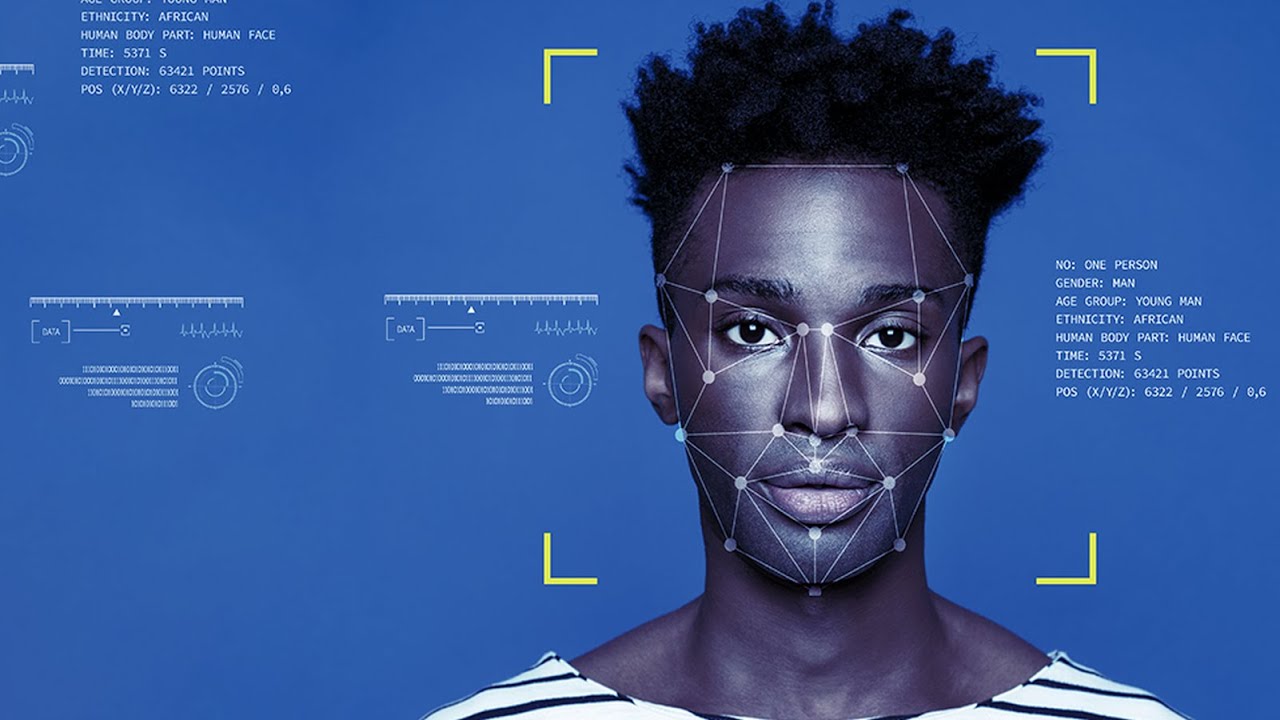
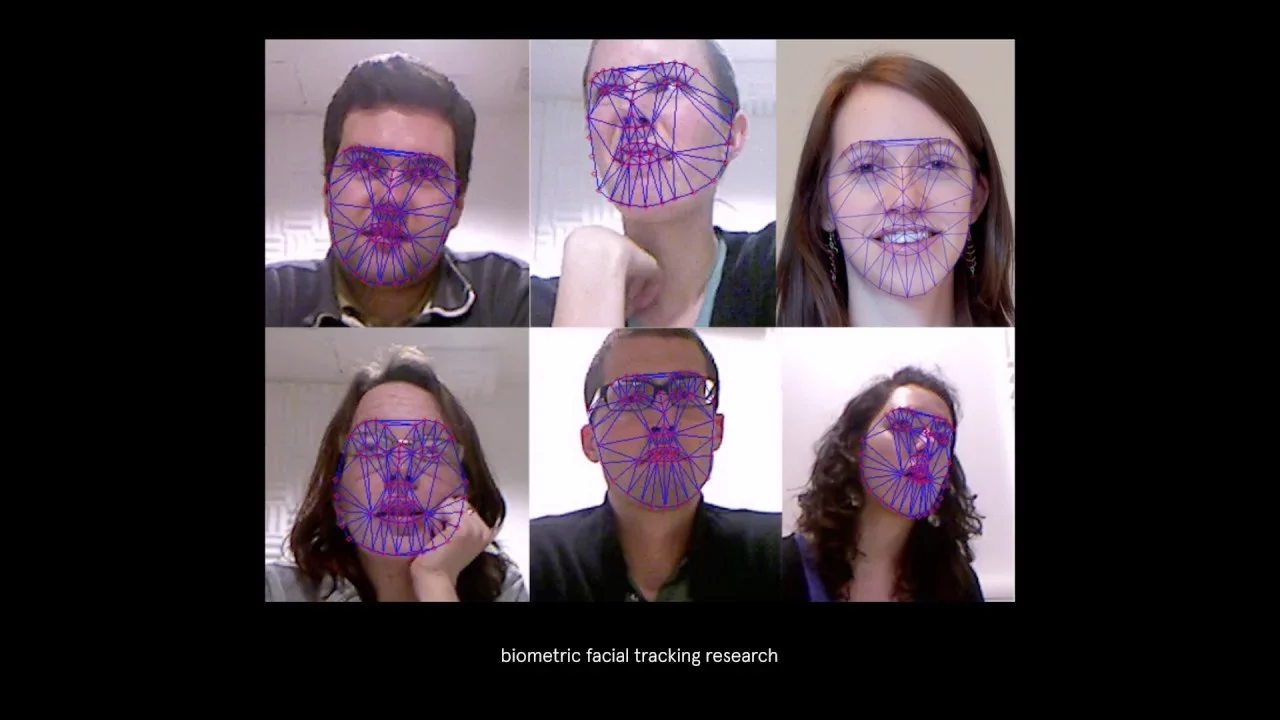
Biometric mass surveillance (BMS) involves pervasive tracking of individuals using sensitive characteristics like faces, bodies, and behaviors across public spaces, creating significant risks to privacy, freedom of speech, and fundamental rights; the Reclaim Your Face coalition, comprising 68 organizations, is collecting 1 million signatures through a European Citizens Initiative to urge the European Parliament to ban indiscriminate biometric surveillance, as evidenced by documented cases across Europe including general monitoring against protesters, predictive policing that amplifies discrimination, border control experiments against asylum seekers, and social media scraping that creates invasive databases, with the EU's Artificial Intelligence Act providing a key legislative opportunity to establish protections.
Banning Biometric Mass Surveillance: The Reclaim Your Face ECI
Added:yeah welcome to the second talk of the diggy guest tonight and this talk is going to be in english because it's about a european initiative it's about reclaim your faith um ella will take over the main part allah works for for idris and she will explain why a ban of biometric mass balance is so important and what yeah this what is the state of the laws at the moment and why do we do support this initiative and um and we'll have uh two two short videos from from italy and from billy felt and see what what other organizations are doing because the reclaimer face campaign is i don't know how many how many initiatives are in there it's like quite a few 68 68. wow wow that's a that's quite a bit yes yeah but before we start we do have the honor of a world premiere of a short film explaining uh what reclaim your face is all about it's a animation film by alexander lehmann and the film will be available under cc licenses after this talk at media cc digital garage and well the regular sources i guess you know them okay so let's let's watch the watch the video first at a time when injustice is growing populists and racists are on the rise as we are also trying to combat discrimination based on appearance and origin the eu supports the research and use of technology that further intensifies these problems biometric mass surveillance systems the hope associated with this is understandable more security more efficiency less crime but from a scientific point of view it is not justified because every artificial intelligence has to be trained with selected data so it always learns the unconscious biases of its programmers in practice they are self-reinforcing fully automated and incredibly fast these people cause problems quite often they need to be watched more closely these people cause problems quite often they need to be watched more closely these people cause problems quite often they need to be watched more closely we need to watch and if you are thinking oh that doesn't concern me i have nothing to hide it is worth looking at how this typically progresses even harmless-looking systems which were initially intended only for convenient selective identification are subsequently also used for large-scale monitoring it makes sense if the technology exists it was expensive to purchase and it can recognize suspects up until now virtually every system that was potentially capable of surveillance has sooner or later been used for it and with biometric data it becomes especially dangerous for example even without your knowledge your face can end up in databases which can always identify you everywhere completely automatically if your data is then shared or sold on and linked with other data it could have a devastating impact on your life your credit worthiness for example could be restricted you could lose just your freedom to travel or you could lose all your freedom but even if a perfect safe fair and completely neutral monitoring system existed there would always be a side effect the so-called chilling effect according to this effect people who feel that they are being watched automatically behave in a more conformist way because they want to avoid attracting attention as a result resistance to injustice and solidarity within society decrease with far-reaching consequences but the eu has the opportunity to stop this trend now help us and reclaim our public space claim your rights to privacy to freedom of speech to protest and to freedom from discrimination what we need now are fair non-discriminatory systems with a human sense of proportion and reason this creates jobs and frees up urgently needed resources because the biggest problems that threaten our security cannot be solved with biometric surveillance profiling and associated questionable fortune telling on the contrary these are an additional danger to our rule of law and our most important fundamental rights so sign the european citizens initiative for a new law for a ban on biometric mass surveillance reclaimyourface.eu yeah so thank you very much to alexander lehmann and the ks computer club for producing this video i know talking about mass surveillance at an event like this is always like uh preaching to the choir but i think the video is very helpful if you want to explain others what the whole problem is all about and also all your ten thousands of hackers out there please sign this petition so um now uh i give give the word to you um and you're gonna yeah explain us what what the initiative and um the eci is all about right that's exactly what i'm going to do say thank you epanc and i will jump into it right now hopefully you can see my slides yes we do fantastic all right i will get straight to it then um hello rc3 i'm ella jacobski coming live to you from brussels the home of eu law and policy making so it's quite convenient that i work here for an organization called edgary european digital rights which probably many of you are familiar with um i work as a policy analyst researcher and a campaigner against biometric mass surveillance and on lots of other digital rights topics as well and i'm one of the coordinators and i helped to found and shape the reclaim your face campaign along with well for now 68 organizations that are a part of the movement um we started with just 12 so we've come such a fantastic way in a really short space of time um and i'm going to try and outline a bit more about biometric mass surveillance some real examples of it from across europe because we're not talking in hypotheticals here um we're not scaremongering we're actually talking about real things that are happening right now with real consequences for people's lives and then i'll talk just a touch about the political context and why it's so important that we all act now and do everything we can to ban biometric mass surveillance so yeah you've already heard a little bit about reclaim your face but as a recap we're a coalition of european and international organizations fighting against biometric mass surveillance and when we refer to biometric mass surveillance or bms that's us referring to the phenomenon where governments or corporations are pervasively tracking us using our most sensitive and intimate characteristics our faces our bodies and our behaviors and they're doing this across time and place as you saw in alexander's wonderful video obliterating our privacy and anonymity and when we're talking about bms with we're thinking very much about the use of these systems these devices in our public and publicly express accessible spaces um because if these these systems are in use in those spaces it stops us from having a free choice to participate in public life and in public services and it's already happening across european public spaces like streets parks supermarkets hospitals college campuses football stadiums train stations and much much more and although facial recognition is probably the best known type of biometric mass surveillance when we're talking about bms we're we're talking about so much more than just faces um we're talking about gate which is the way people walk we're talking about specific bits of people's faces we're even seeing research being done that looks to uniquely identify people by their breath and so creating breath prints and even the way that people smell you know our individual scents being used to uniquely identify us which can then track us across time and place so really there's there's no frontier of our identities of our existence of our bodies what makes us us that isn't being experimented right now as a way to surveil and track us and we're seeing it being done through traditional cctv cameras but kind of cctv on steroids because sometimes there's a smart technology and you can't see right now but i i'm doing air quotes for for smart because it's not so smart after all but these smart surveillance cameras uh we're seeing uh biometric analytics being applied retrospectively um and we're seeing sensors often as part of again in inverted commas smart city projects where really what's being rolled out is widespread surveillance infrastructures and this issue of permanently identifying us isn't the only issue in biometric mass surveillance although of course this destruction of our anonymity and the chilling effect that comes with it is a huge issue but also we're seeing these systems being used to analyze and judge us on the basis of how we look whether that's putting us into boxes in order to sell to us because we look like somebody that might buy a particular product um or all the way through to deciding if we look like a security risk if we look like a terrorist and sometimes some of these systems even claim to know our emotions what we're thinking or how we're going to act in the future based really on total junk science um so briefly i'm just going to explore some of the facets that actually make up biometric mass surveillance and give some of those real examples that i talked about so the kind of general monitoring use cases is one of the main methods of bms that we're seeing across europe um we're so worried about it and it's not just us it's we've got the un's high commissioner for human rights and several un special reporters have spoken out about what a risk it poses to people's rights and how it can threaten journalists and their ability to speak to sources how it can threaten human rights defenders and stop them from doing their work and that's actually led the un high commissioner for human rights to say that it should be banned and it's bms practices in europe we've seen this kind of general monitoring monitoring being used against people who are expressing their legitimate right to protest at a minimum in slovenia germany sweden the uk and serbia but we have suspicions that it's even broader than this but often it's so hard to get information about what's actually happening because it gets hidden and buried um and on like a broader global context we've seen it being used for example against black lives matter protesters in the us and against pro-democracy protesters in hong kong and russia um with really really chilling results and you know the real disincentivization of people's ability to express their rights and freedoms and raise their voices against government practices that they don't agree with uh in germany specifically for example we've got so many examples but just a couple we've actually seen this facial recognition being used outside places of worship and outside queer bars so if you think about the capacity for these systems not just to identify and target people but also to link them to protected characteristics like their religion or their sexual orientation the potential for discrimination and misuse is just enormous um you know the use of these general monitoring systems treat all of us as guilty until proven innocent in a twisted trial by algorithm which goes against the rule of law and our fundamental principles of democracy and and also due process it's something that often gets forgotten when we're talking about biometric mass surveillance but part of having um you know a democratic society means having investigations being done into criminals or suspects in a way that has accountability that follows rules follows due process and we've even spoken to some police officers off the record who have said that they feel that this quick resort to facial recognition is a bit like a shortcut it's an attempt to get away from following processes um doing more resource-intensive and complex police work and some of them have actually said to us that they prefer good old-fashioned police work because it works better and it's more likely to get justice for victims than this attempt to kind of shortcut these democratic and procedural processes another facet that's often linked to biometric mass surveillance and that we saw in the video at the beginning um is this issue of predictive policing and how the discriminatory patterns of who gets targeted for police intervention who gets stopped and searched um and how that then gets encoded and amplified as multiple systems across policing but often also linked with social services and welfare systems and how it really amplifies and concretizes these discriminatory patterns um so yeah we're not just talking here about bias in the sense that facial recognition and other biometric systems are less accurate for people of color although we know that they are and we know that the more that biometric systems are used in our society uh the more of a risk there is for certain people to be pushed out um everything from it not working as well on certain skin colors but also if you've got biometric kiosks for people to identify themselves and it's not been set at the right height for people with certain disabilities like people in a wheelchair um or it's not configured to work well for manual laborers whose fingerprints for example can often be less readable so there's a whole world of potential discrimination but even more so than that and again i think is the video fantastically touched on the bigger issue is how these systems are systematically disproportionately deployed uh against certain communities um really chillingly we've seen across europe that people who are on the margins of our societies are the ones that are most experimented with and subjected to these technologies and people who often have the least power to be able to speak up against it so to just give a couple of examples in the city of como in italy we've seen smart systems used to detect if migrants are loitering in a park which is an incredibly inhumane response to a humanitarian issue and that's in itself is a wider trend that we see with this tech is the attempt to try and shortcut these more meaningful sustainable interventions into social problems instead with a quick fix that's offered by a tech company that stands to profit from these systems being everywhere and speaking of those companies that profit there's one in spain for example called herta security they're a biometric surveillance company and they advertise and we've been calling this out for over a year and they're continuing they still haven't taken it off their website advertising that they do racial profiling for both law enforcement surveillance purposes and also commercial purposes so shopping advertising um and when we challenged them about it they said oh well we don't use that feature within the eu it's just people outside of the eu that get racially profiled by our technology another issue that kind of underpins biometric mass surveillance is the issue of biometric ids um and that's because biometric id's here the more that all of us have identity cards identity documents that contain our sensitive biometric data the more the conditions are created for us to be permanently and constantly identified everywhere we go every person we meet with even years later um to never be able to have privacy again um and just two examples are the netherlands and france where we're seeing this boom in huge biometric mass surveillance database or biometric databases um and we've seen in in some of these databases a systemic inclusion of people who've never been convicted um being put in these criminal or quasi-criminal databases so what we're saying earlier about these systems treating people as criminals is exactly what we're seeing in practice poland is another good example where it's a research that we commissioned earlier this year showed that biometric identity cards which were rolled out even for children as young as 12 um on using the justification of national security that's what the government said when they brought these cards in have only ever been used for access to services so again we're seeing this trend of how national security and keeping people safe is used as the excuse and in reality our ability to take part in public life our ability to access welfare or other services is actually what is being controlled here we then have border biometrics and for me this is one of the most harrowing and dystopian examples that we come across because we're seeing eu member states and the eu's the eu itself using public money to conduct biometric surveillance experiments against people on the move um it's often people seeking asylum [Music] one really egregious example of that is called eye border control and which german mep patrick breyer actually took to court recently um because there was complete secrecy shrouding this project by border control that was funded with millions of euros of public money and which was trying to predict or detect if people uh on the move people seeking visas were telling the truth or if they were lying in their immigration interviews um which you know going back to my point earlier lacks a credible scientific foundation and is part of this broader pattern of people in vulnerable positions being used to experiment on and another related story broke just a few days ago just before christmas about the centaur project which is another partially eu funded project in greek refugee camps so against people who are in incredibly vulnerable situations and they're rolling out these systems which include a lot of biometric surveillance for identifying threats so rather than investing in the sorts of resources and help that these people who are in these already really punitive situations are in they're just investing in yet more technology to further punish people at the edges of europe and then kind of my last case study is around social media and other online scraping and that's because this is one of the final puzzle pieces in how we're seeing biometric mass surveillance explode across europe and this is where most of us many of us are having our faces scraped from our social media profiles uh even if we're not on them we've seen people being scraped from their friends social media profiles if they're in the background of a photo for example um creating these vast databases that are not compatible with eu data protection law but that hasn't stopped companies like clearview ai from creating these databases and selling their services we know that clearview ai is used by several eu police forces and some of the reclaiming your face coalition has been fighting back against that um raising complaints and and trying to take action we've also got pimi's which is a bit like clearview ai except it's able to be used by individuals without the potential for stalkers for harassment if any random person on the street when you walk down when you sit in a coffee shop can identify you and find out personal information about you um it's really scary and then other kind of online scraping that you know biometric mass surveillance connects to we see an example such as a company called cogniware in czechia which is a company that offers a service called insights cockneyware insights and we know it's being sold or is in use by the czech police and although we don't know exactly what functionality the czech police are using through that cognitive insights it is a facial recognition system um and the company on their website advertised that they can connect people using facial recognition not just to that person's identity but also to information about that person's colleagues the meetings they've been to where they've driven their predicted emotions all sorts of incredibly invasive information about people so without wanting to be too doom and gloom um hope is not lost there is so much that we can do about this you know we've established why biometric mass surveillance is a problem um and so being a bit more hopeful i want to share a little bit about how we're taking action and fighting back and that's where the reclaim your face coalition of all these organizations comes in tirelessly investigating taking companies and governments to court doing research analysis organizing all sorts of manifestations and public events and organizing across different social justice and human rights groups to try and take um so this is just a tiny snippet because we've got this big coalition who have all been engaged in so many acts of resistance but just to show a couple of them um we've got digital fry height who did this fantastic uh demonstration with their camera heads kind of trying to highlight the problem um and then you see all these people with paper bags on their heads and that's part of the paper bag society stunt that a lot of the organizations in the coalition have run um to just try and show how ridiculous biometric mass surveillance is the fact that when it's in our public spaces we can't avoid it we can't escape it and the only thing we can do is put a bag on our head and of course that's not practical that's not safe um that's not a good idea and so it's a fun stunt but with a serious message underlying it which is the only way to actually protect us is not to rely on individual responsibility but to call on the eu to ban these biometric mass surveillance practices there's been other acts of resistance um this one called paulo cerrillo is a sorry by artist palo sario is a an art installation called capture um where paulo who's one of the members of our coalition created this really provocative piece of art that stirred up a huge reaction in france um and made a really critical point about facial recognition paulo decided to turn the camera back on police officers um and to capture their faces and to ask the public to identify these people to do a manual form of facial recognition and there was an outcry um there was censorship of his exhibit um which i think really shows how much you know some of our states don't want us challenging them don't want us turning the camera back on them um but as you can see here you know these are real live photos of police officers carrying out their duties in france and some of them policing protests for example and you know i think it's quite powerful to stare down the barrel of a gun and realize why it's so dangerous and how it further heightens the imbalance of power between us and our governments if they have this technology to use against us when really instead we should be focusing on transparency and accountability um so moving on to the political dimension i'm getting close to the end of my slides now and so bear with me uh really what i want to emphasize here is why we should do something right now and that's because we have something called the artificial intelligence act which is a new law that the eu proposed at the beginning of this year and the eu have chosen to deal with issues of biometric surveillance including practices that we say would clearly amount to biometric mass surveillance in the artificial intelligence act and we've already had some great successes we've had an in-principle prohibition of some forms of bms so specifically remote biometric identification by law enforcement prohibited in the draft ai act and the european commission actually specifically said that civil society like the reclaim your face coalition played a big role in getting this prohibition into the draft act which is fantastic news but at the same time we've got pushback we've got resistance from countries um and from uh certain ministries that are trying to weaken this prohibition when in fact we should be strengthening it because it's a good start but it's not where it needs to be it's not currently going to protect people's rights and freedoms so we have this window to act to convince our governments to put pressure on our government um and so yeah that that really is is is why we have this moment to make history before this law gets passed it's it's being negotiated now and it will be fought a lot next year um so we need all the help we can get but we've also got some other developments across the eu law and policy space we had the european parliament adopt a report a few months ago where they said that we should ban biometric mass surveillance in the eu and we've had a couple of national successes as well of course the newish german government coalition's commitment against biometric mass surveillance was a fantastic symbol italy has also had a symbolic moratorium on facial recognition and biometric mass surveillance laws that were being introduced in portugal and serbia have both been scrapped so there's a lot of reasons to be hopeful and a lot of momentum but this is also a crucial time for us to be able to make a difference so one of the major ways that we are trying to do this and where we need your help is with our european citizens initiative um also known as an eci and an eci is kind of somewhere between a petition and voting and so it's actually an official legal instrument for participatory democracy in eu laws and policies so it's created by the eu it's given to citizens by the eu and if you succeed in your eci so that means you get one million signatures and reach a minimum threshold in seven countries then the eu has to put your topic on the political agenda you go and you meet with the european commission there can be a debate in the parliament and you're really kind of showing the eu and making sure that they take notice of your topic so in our case biometric mass surveillance so by running an eci which we've been doing uh throughout this year we have a chance to push and encourage national governments and the eu to ban biometric mass surveillance which will make a difference not just for now but for future generations and it's an expression of solidarity for all those that can't participate because it is limited to eu citizens um whereas a lot of other people as i've already explained that are affected by biometric mass surveillance are actually people who are not eu citizens and so people that are most harmed are the ones that need us those of us that can to raise our voices and the eci is a fantastic way to raise your voice um so what about our eci specifically uh we have it online and you can also sign on paper it's been running for most of this year people can sign it in 15 european languages and we also have resources in some other dialects for example romani dialect but you can only sign the eci in an official eu language but it's all on our website and in case you're wondering how we're doing so far uh these are our top seven countries in terms of those that are closest to reaching the threshold that we need of signatures to succeed in our eci and we still have about seven months to go um so a huge well done to germany and to all the organizations that have been campaigning so hard in germany for reclaim your face because it's thanks to them that we're at almost 43 of our threshold for germany but we do have a big way to go overall we have just under 65 000 signatures and we need a million um so we really do need your help we've got all our evidence is here we've got our arguments but we need to get the message out and we need to convince people beyond um our kind of privacy and data protection space and you know get our grandmas and our uncles and our cousins and the person that runs the shop down our road equally convinced about why this is a problem and why we need to act and signing the eci is one really easy way that people can do that so how can you help well you can join reclaim your face if you're an organization or if you're an individual you can support the organizations that are already in the campaign by volunteering for them donating to them doing research or investigations for them you can spread the word and raise awareness across your network and we have resources that we make available for this you can help us translate stuff you can create resources you can help us collect signatures online or on paper we've got boot camps coming in the first quarter of next year where you can get trained up in how to collect eci signatures in a data protective way and also be a part of our community you can write to local national representatives to ask them for a city ban on biometric mass surveillance we have templates for that um and you'll find all of these things and more on our website so i've i've linked there to a bit of information about it and our email address if you want to get in touch with the coordinators um so yeah that's that's my bit done a huge thank you um from the 68 of organizations and thousands of people in the reclaimer face campaign and yeah you can go to our website right now and sign and join us and be a part of the movement thank you very much yeah that was quite shocking there were actually a few details that i did not know about um uh yeah crazy crazy stuff happening there um [Music] okay i don't have your picture right now still have your your screen background but i guess you're still with us eh i'm still here yeah okay um i think they come again yeah thank you that was very very detailed and i do think that even even here at the congress at the rc3 experience there are still still some things that people did not know um yes we do have a guest here that's this andreas geppad from the digital gazelle shaft of switzerland and um he will tell us a bit about how things are going over there in switzerland and uh come on um [Music] yeah getting old earth okay sorry something is definitely not happening here come on there we go okay yeah so uh welcome andreas gephardt from uh digital alexa switzerland and uh back in a minute thank you e-punk yeah i'd like to give you a quick overview um on the swiss perspective what reclaimer face is doing in switzerland so in switzerland the situation is so that face recognition and biometric identification are not allowed there's no there's no in the sense there's no legal basis currently that would allow police or law enforcement to do it but it's also not forbidden so it's a bit unclear on what the situation actually is and that allows on police departments for example to experiment with it we know that it has been used on an experimental basis and of course these experiments tend to turn into regular practice um and that's something we we want to avoid um to that end digital excel chef switzerland has joined recrim reclaim your phase early on with a few to achieve a ban of biometric mass surveillance and face recognition also in switzerland um and um diggy guest is also part of the eca right from the beginning so you might ask as ella has mentioned it it's the eu thing um you might know that switzerland is not part of the eu so why are we are why are we a part of the eci um actually um you don't have to be a eu resident you if you are a citizen if you have citizenship of an eu country you are entitled to sign and so what we do we collect signatures among the eu citizens living in switzerland so swiss residents but eu citizens um additionally or we are um encouraging people to design very via various channels so in addition to blog posts for example or newsletters these are our vendor congress where we reach typically a couple of hundred people for example in this year's window congress in february we had a talk and a podium and there will be presentations on reclaim your face and the eci in next year's winter congress as well also we had recently a roundtable stompish in german in november 21 also about face recognition and reclaim your face in addition we have on on a national level we have um reclaim your phase collaboration with other partners um namely algorithm watch switzerland and the space section of amnesty international algorithm watch and ai are both partners of reclaim your face and as well and this alliance has started a national campaign a campaign namely a petition in november 2021 it's called in germany it's called gun so the the aim is um a ban of biometric master veins and face recognition in switzerland in in addition there have been oil as in the context of that campaign there have been postulates requesting a ban of biometric surveillance in selected cities submitted by local politicians members of the local parliaments for example the two cities have been lausanne and zurich and um why these two um it was important that that we have two cities um one each from the the um to two large parts the french speaking part which is the sun and and one from the trump speaking parts eric unfortunately we don't have one yet from the italian speaking part maybe hopefully that will come later um also the um there's a good chance in both both cities that we um that we get a majority um based on the on the political um majorities in these cities that we get um that the bank comes through we hope that there will be further cities in the future um once we have hopefully we have achieved a ban on the local level we will take it to the next level which would be the the cantons and finally the federal level um hopefully in the future so if you're if you're watching this um and if you if you're a swiss citizen um please sign the petition um the the link is the url is um dot ch um and um i don't know if the slides will be available but the link will then be there on the slides as well thank you thank you very much yes um yeah not a part of the eu but the same problems the same questions thank you very much uh for that uh update okay um we have a little video message from our friends in italy so uh we'll have a look how things are going there they have some uh successes as well but uh yeah um have a look at it for for yourself 2021 has been a great year for the italian national coalition of reclaim your face we manage finally to public events to to enter into our public spaces and for example in this picture you can see where we stage our actions of paperback society so we wanted to raise awareness towards the public of how our societies might look like in the future if we don't act now against biometric surveillance when it comes instead to results and our direct advocacy we see for sure this is as one of the biggest news so our italian data protection authority intervened against a university in italy which was using proctoring softwares to monitor students while doing exams so the data protection authority basically say that this university the university of balcony didn't have a legal basis to process the metric data of their students so while taking exams this software was monitoring their face checking that their face was still in front of their monitors and this is something that was illegal and this was a great win for italian also it shows that the barometric surveillance is entering into all sorts of areas including universities for example another great result of our national coalition was the introduction of a moratorium in a recent law introduced at the beginning of december this moratorium it's a great initial steps because shows that the subject of biomedical surveillance is something that is it's reaching the politicians and they're willing to act however this temporary ban has some caveats huge carrots for example this law doesn't include system such as those developed by clear vi at the same time the the good news is that this temporary ban applies to all private sorts of entities and also some public authorities it's is going on until december 2023 and it applies to video surveillance systems that use facial recognition technologies in public spaces and public accessible spaces so this means for example sports centers shopping malls public transports all these sorts of areas of public spaces won't be under the monitoring of this kind of fresh recognition technologies at the same time there are two major drawbacks from this law which is the first one is that the police can use this kind of technologies subject to a case-by-case approval by italian notable protection authority the other one is the judicial authorities and public prosecutors instead they can do whatever they want so basically they are exempted from any sorts of preemptive control and these two exemptions are quite worrisome from our perspective another activity that we did as the arma center in italy that i did together with my colleague laura carrer was a research regarding the use of and collection of biometric data belonging to migrants this this was a fascinating work because it shows that the technological infrastructure of italy when it comes to dealing with migrants is basically one of um full criminalization what does it mean it means that the pictures and fingerprints are included in the same database in which there are criminals like thieves killers and so on so basically migrants that derive in italy asylum seekers that apply for production in italy but also visa orders so foreigners that come to live in italy are basically all included in the database which is called office this office database is used during police investigations and the facial recognition system used by lithuanian police search faces in this very same database so this is a real criminalization of foreigners that is happening in italy so again these actions these activities shows that a moratorium isn't enough so the temporary bond that is datal introduced is not enough first of all because these broad exemptions for criminal investigations are unacceptable they're too broad and at the same time because we need to remember that biometric surveillance is not only facial recognition there are other sorts of surveillance that use our barometric data and at the same time the very uh existence of biometric data for example is in the case of migrants is something that we should take into account and we should act against so that's why we are still calling for a ban yes thank you ricardo from italy um usually we do some kind of hello and we go directly to the face with digital as a campaigner i am happy to be partner on the reclaiming phase team and work towards ban on facial recognition and other forms of biometric mass surveillance with this amazing team campaigning during the pandemic has been quite challenging for us because we couldn't organize as many in-person events as we would normally like to do however this summer when i got to speak at until in berlin that was one of the highlights because it allowed us to engage with people in person to have conversations with other activists that want to strive for a more healthy democracy and see that a lot of them would support our demand for a ban of biometric mass surveillance at other times we would choose more indirect forms of communication to get a word out for example at the paperback society challenge that we participated in for example in brussels and beethoven a society that is under constant surveillance where people cannot leave the house without masking their head together with the e3 network we also contacted members of the european parliament to tell them that we are closely watching how they are regulating artificial intelligence in the upcoming ai act we want to make sure that they know we demand strong regulation and protects our fundamental rights and freedoms meanwhile in germany there were federal elections and we drafted a position paper in which we carry the reclaimer face demands towards german politics we told politicians and political parties that we expect them to reject the identification of our faces and bodies and that we want a clear statement against biometric mass surveillance and we were quite happy that we found out that the new coalition plans to reject biometric surveillance in public spaces that was the result of a strong civil society in germany among others the uh ccc uh digital gazette shaft and us carrying these demands towards berlin and having conversations with digital politics representatives of the political parties we know that facial recognition and similar technologies invade on our privacy on a mass scale and that they amplify discrimination that's why we also fight biometric mass surveillance in other forms for example last year at the rc3 we presented the person under finger campaign in which we all called upon people to make a new id before a new law takes effect this law would regulate that every citizen has to record their fingerprint on their id card and we believe that is an unjustifiable infringement of our rights we were quite thrilled to see that a lot of you followed our call to action because this bought us time now receiving in court against this new regulation and we're hoping that eventually the court of justice of the european union will decide to strike it down just one more thing if we want to get the european commission and member states to respect our rights and follow suit on our demands we need to work together so please join us and sign a reclaiming face eci and tell everyone about it if you haven't done that already and then have a great rc3 okay so thank you constantine welcome back ella we only have a few minutes uh so um we'll try to answer some some questions from our online audience and the first one i can answer myself uh the introduction video it is available in three languages it is in german in english and in italian and if you know some sound engineers and speakers whatever there's always a possibility to to produce another language also there are um i think right now we had 12 languages in subtitles so um [Music] i hope one of the languages is understandable for you um and if there's a language missing you can still get in touch with the with the producers of this video and do subtitle in your language the second question uh was how do i mess with cameras the best is there possibility to hide from biometric cameras i know that the masks alone are not enough anymore ella can can you give us some some tips on staying anonymous in public for sure and yeah you're totally right about the masks actually there's one company in particular um that got a seal of excellence from the european commission during the pandemic for making their facial recognition five times more accurate during the pandemic with people wearing masks because they invested in um being able to identify people just from that little strip of their face so yeah a mask is no longer going to cut it um we've seen some awesome acts of kind of resistance and camouflage against these surveillance cameras um there's a project called cv dazzle um by some activists and artists where people have experimented with using hairstyles face paint contouring kind of dramatic makeup as a way to fool the cameras um so that can work there are some people who've developed either sunglasses that have lights in them that kind of scramble the cameras um and also fabrics like scarves that you can wear around your neck and your head that will actually also mess with the cameras um we've also done some of our own research into messing with the cameras we created a face mask for the replay in your face campaign which we gave to people that donated to help us with our fight and that also had a pattern in it that would scramble some facial recognition algorithms but the big issue here is that these systems are constantly under development they're constantly being improved a lot of them are not uh not publicly available they're kind of um systems so it's really really hard to have a method of resistance that's going to work against all the different types of biometric mass surveillance and so really that's why we say we need a legal ban because as an individual there are things you can do um but this is a political question um unless you're gonna put a paper bag on your head or take yourself out of society really we need to stop this being done you know tackle it at the root um and that's why we have the eci which calls for a law that will protect us yes i think the next speaker here at sea base she will try to hide herself behind makeup that could could be interesting one more question was um are these issues also tackled on a more international level like at the united nations so like a worldwide ban on uh surveillance absolutely there's actually a coalition that we're a part of called banned biometric mass sorry band biometric surveillance or band bs and that's a coalition of over 200 organizations globally campaigning for the same thing um and different organizations are working in different for us so there there is there are discussions happening at the united nations um we have some special reporters um that we're working with um who are some of the human rights experts of the united nations who have already been speaking out against biometric mass surveillance and and we're hoping to do more with them um we've got organizations uh like amnesty international who are doing projects in um new york in india and awesome organizations like uh i can't remember the name but there's organizations in india who are doing a lot of work about biometric mass surveillance there because india is actually one of the most biometrically surveilled countries in the world so absolutely this is a global thing and for those of you that are interested in in laws like the gdpr general data protection regulation we saw the gdpr have a knock-on effect around the world and we really hope if we can get a strong law against biometric mass surveillance in the eu that that might also help push the needle in other jurisdictions that sometimes look to the eu for leading the way in privacy and data protection yes and as far as i know there are some cities in the united states that already banned the use of cameras in public right there are and a lot of the places where there are bans um on facial recognition and other biometric surveillance in public are cities where there are a high proportion of tech startups which i think is is pretty telling but the people who are creating this tech are the ones that don't want it because they know how dangerous it can be um but some cities uh like portland for example have did some fantastic work where they uh did a lot of outreach into the community they spoke to the queer community the latinx community in portland lots of different people that have historically been targeted by the police for example or who've been marginalized and they had a resounding message from from people in portland that they don't want this technology they don't want to be treated as walking barcodes and suspects and so they decided to ban it um so really the eu and across europe we're lagging behind a bit so we've got a long way to go okay i'll see it is um almost 10 o'clock so we have to wrap it up here thank you so much ella for for joining us here and giving us so detailed information on the whole thing thanks a lot and i yeah wish you a good start in the new year and of course thank you to andreas who joined us here uh from uh digital gazelle chef switzerland thanks to the sea bass for hosting us once more okay i think i think the next people are preparing so i say um yeah yeah so we'll finish here and we have one more video to motivate you and please sign this petition thank you very much [Music] so [Music] [Music] [Music] everything is licensed under a cc by 4.0 and it is all for the community
Up Next
The Ethics of Predictive Policing: Risk, Bias, and Civil Rights
@WIRED
148K views•2018-05-22

BRICS Pay and de-dollarization: A New Financial Order Emerges? | 55 chars
@DannyHaiphongYT
164.6K views•2024-10-22
Government Surveillance Methods: 10 Ways You May Be Watched
@BeAmazed
1.6M views•2017-04-09
Explaining the Saudi-Iranian Proxy Conflict in the Middle East
@Vox
18.2M views•2017-07-17
Related Study Plans & Knowledge Roadmaps
Structured learning paths in Political Science