






















Gas chromatography employs various detectors with distinct working principles and applications: Thermal Conductivity Detector (TCD) measures thermal conductivity differences between carrier gas and solutes, offering universal detection but lower sensitivity; Flame Ionization Detector (FID) detects organic compounds through carbon ion production in a hydrogen-air flame, providing high sensitivity (picogram level) but being destructive; Electron Capture Detector (ECD) identifies electronegative compounds by measuring electron capture, achieving 1000x higher sensitivity than FID for halogenated compounds; Nitrogen Phosphorus Detector (NPD) selectively detects N/P-containing compounds using a heated rubidium silicate bead; Mass Spectrometer (MS) provides molecular weight information through mass-to-charge ratio analysis. GC applications include qualitative analysis via retention time comparison and quantitative analysis through peak area measurement, with uses spanning environmental monitoring, pharmaceutical quality control, food safety testing, and clinical diagnostics.
Gas Chromatography Detectors: Types, Advantages & Applications Guide
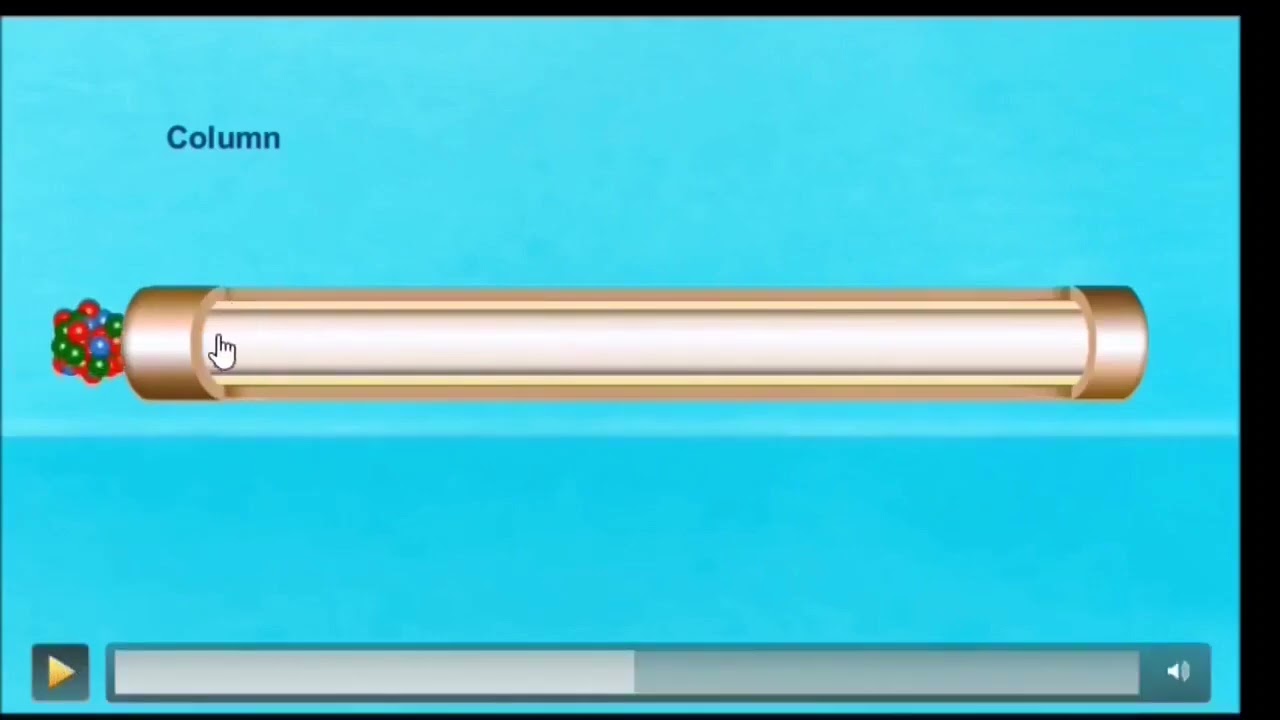
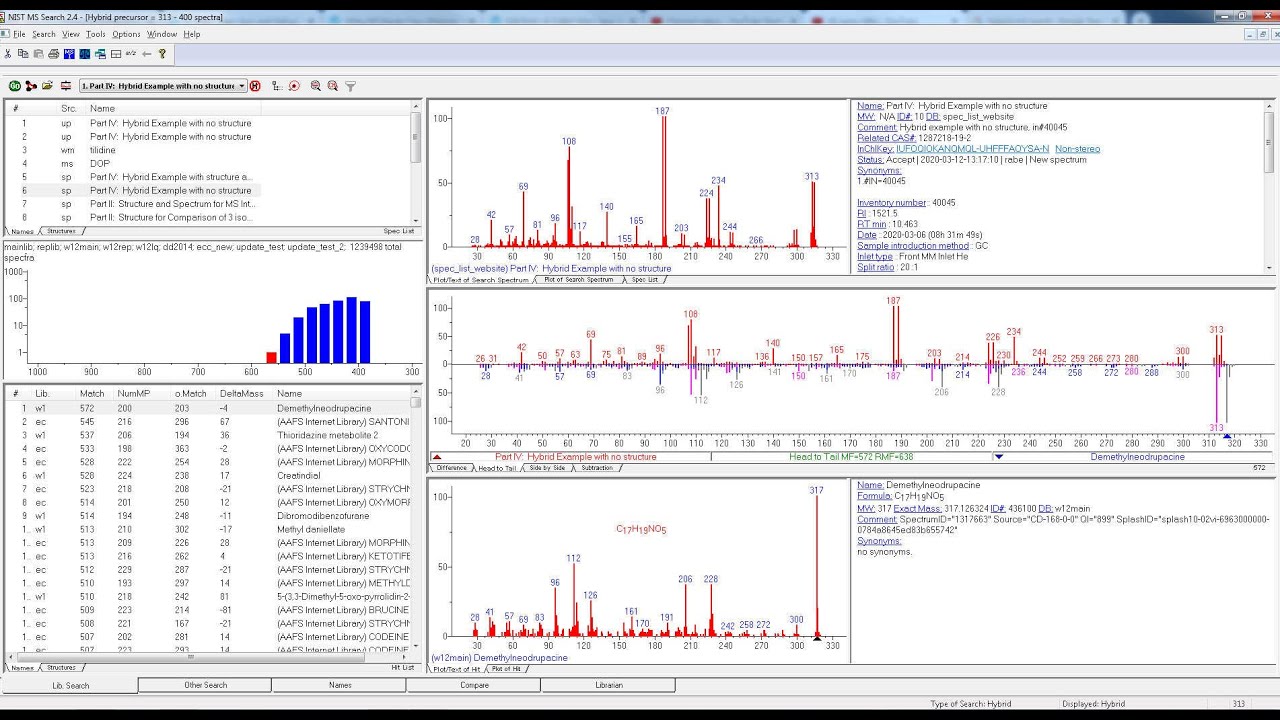
Added:in this video I'm going to explain detectors used in gas chromatography advantages disadvantages and applications of gas chromatography in previous video I have explained introduction Theory sample preparation sample derivatization sample injectors columns used and temperature programming in gas chromatography Links of those videos are given in description box if you are new on my Channel Please Subscribe now let's start today's video first we'll see ideal characteristic of Ideal detector first characteristic is detector should have good sensitivity now good sensitivity means it should detect Trace amount of solute in Sample uh now uh flame ionization detector can detect up to picogram or fogam level of sample while thermal conductivity detector detects up to nanogram sample so U flame ionization detector has good Sensi sensitivity than tcd detector next is it should have good stability and reproducibility now what is reproducibility if we inject same sample 10 times in the GC we should get almost same result for all those St reproducibility it should have short response time detector should detect the sample quickly flame ionization detector electron capture detector have very short response time detector should be non destructive in nature that means while detecting detector should not destroy the sample structure if we want to collect our sample back or our solute back for further analysis this destructive detectors are not useful in that case we have to select some non-destructive detector thermal conductivity detector is non-destructive detector detector should work at high temperature as we are talking about GC detectors it should work at higher temperature now we'll see different detectors used in gas chromatography there are number of detectors used in gas chromat graphy few detectors I'm going to cover here first detector is thermal conductivity detector which is also known as tcd or cthomer second is flame ionization detector which is known as FID third detector is electron capture detector ecd these are most commonly used detector in gas chromatography fourth one is nitrogen phosphorus detector NPD and fifth one is Mass chromatographic sorry Mass spectrometer detector that is Ms now uh thermal conductivity detector and electron capture detector are non-destructive detectors they do not destroy the structure of sample while flame ionization nitrogen phosphorus detector and mass spectrometer detector these are destructive detectors they destroy the uh sample the structure of sample now we'll see each detector in detail first detector is thermal conductivity detector also known as catheter first we'll see construction and working this detector has a metal block with two cavities four tightly coiled tungsten filaments are mounted in these cavities two filaments in each cavity so four filaments are mounted in these cavities two filaments in each cavity these filaments are connected to a electrical circuit which will form four arms of Wiston Bridge these filaments are heated electrically when through both these cavities pure carrier gas is Flowing these filaments will get cooled because uh when only pure carrier gas is flowing through these cavi these filaments will get cooled because the thermal conductivity of carrier gas pure carrier gas is excellent for example if the carrier gas is hydrogen or helium their thermal conductivity is excellent they will carry heat from the filament to the metal block and the filaments will get cooled as these filaments are cool cooled the current FL flowing through them is constant but when through one cavity pure carrier gas is flowing and through the second cavity the colum if fluent is Flowing that is vaporized solute molecules plus carrier gas if it is Flowing the filaments in second cavity remains heated because the thermal conductivity of carrier gas is reduced due to presence of vaporized solute molecules now as the filaments are heated the current flowing through them is reduced because uh the relation between temperature of wire and current flowing through it is inverse if the wire is heated its resistance is increased and current flowing through it is reduced so here in the second cavity the current flowing through the filament is reduced the difference between current flowing through these filaments is same Ed by a sensor and we will get chromatographic Peak principle of this detector it works on the difference in thermal conductivity of pure carrier gas and gaseous solute molecules the thermal conductivity of hydrogen or helium is generally 6 to 10 times greater than most of the organic compounds in gaseous form now we'll see advantages and disadvantages of tcd uh advantages it is most simple detector of GC it gives linear response that means as the concentration of solute increases the response given by the detector is also increasing it can detect both organic and inorganic solutes it is non destructive in nature the solute structure is not destroyed by this detector now next we'll see disadvantages first is it has low sensitivity it can detect up to nanog solute uh so its sensitivity is less now we'll see applications of tcd it is a universal detector and it can detect both organic and inorganic compounds even though its sensitivity is less it is used widely second is flame ionization detector its construction and working at the end of GC column Platinum jet is placed which will carry column effluent this column effluent is mixed with hydrogen hydrogen gas and air because flame is going to burn and for burning of that flame air and hydrogen is required hydrogen is provided separately if it is not used as carrier gas the Platinum jet will act as polarizing electrode and another electrode which is known as collector electrode is placed at the top of flame and this whole thing is present in a chamber the potential difference is applied across these electrode it is about 400 volt the flame of Colum fluent hydrogen and air uh is burned at the tip of when only pure carrier gas is burning in the flame some ions are generated in the flame and they will get attracted towards the collector electrode it will cause a constant current to flow between these two electrodes but when along with carrier gas some solute molecules are burning in the flame it will create large number of carbon ions in the flame and these carbon ions will get attracted towards the collector electrode and it will increase the amount of current flowing through these two electrodes as the amount of solute is more more number of carbon ions are generated and there will be increase in the current when only pure carrier gas is Flowing a constant current uh is uh generated when solute molecules are burning in the flame the the current will increase and we will get Peak for our solute molecule flame ionization detector is based on difference in electrical conductivity of gases at normal temperature and pressure gases will act as insulator but they will become conductive in the presence of electrons so this is the principle of flame ionization detector now we'll see advantages and disadvantages advantages it is a highly sensitive detector it can detect the solute up to picogram or ftog level it gives linear response it is insensitive to presence of moisture presence of water or presence of air in carrier gas it cannot detect hydrogen oxygen carbon dioxide carbon monoxide nitrogen dioxide water Etc it is beneficial in analysis of many organic samples and air pollution studies disadvantages of FID it destroys the sample now applications of FID flame ionization detector or FID is widely used because it sends carbon ions allowing it to detect virtually all organic compounds next is electron capture detector ecd construction and working this detector has two electrodes one electrode is coated with radioactive isotope nickel 63 here in this case the cathode surface is coated with radioactive isotope other electrode is collector electrode it is anode in this case voltage difference is applied across these two electrodes there is a Inlet for column influent and there is a outlet the radio isotope emits electrons gas uted from column is passed over the surface of radio is isotope the electrons react with the carrier gas molecule and these electrons will ionize the carrier gas molecule and produce large number of secondary electron due to the voltage difference these secondary electrons get attracted towards anode and current will be flowing through these two electrodes if only carrier gas is Flowing then steady current will be produced but if some solute molecules which has tendency to capture electrons the amount of current will be reduced this reduction of current is proportional to the amount of solute present in Sample if the solute molecule has um hallogen sulfur phosphorus or nitrogen or any electr negative group in its structure then these solutes will capture the electron and as the number of electrons is reduced the amount of current is also reduced now here in this detector a steady current is Flowing if only carrier gas is uh there flowing through the detector but if the solute molecules which has tendency to capture electron the the amount of current will reduce and as the solute molecules goes out of the detector they go to the exhaust the current will come back to its uh normal constant state now here in this case a inward Peak is obtained in electron capture detector the software will convert into a regular Peak and we'll get chromatographic Peak by this ecd detector now we'll see advantages and disadvantages of ecd electron capture detector is thousand times more sensitive than flame ionization detector for the molecules which has Electro negative functional group it can measure solute components in parts per billion or parts per trillion level it is much sensitive detector it is a non-destructive detector now disadvantages it is insensitive to functional groups such as amines alcohols hydrocarbons Etc applications of electron capture detector it is used in environmental testing for detecting pcbs polychlorinated binil polychlorinated bipen are man-made chemicals which are contaminating food air water soil and large amount of pcbs are harmful to human health so electron capture detector is used in environmental testing it is used in environmental testing for Organo chlorine pesticides herbicides and various halogenated hydrocarbons so electron capture detector is a very important detector in case of environmental sample next is nitrogen phosphorus detector it has many names it is also known as thermionic specific detector or alkal flame ionization detector or thermionic emission detector this detector is very sensitive to nitrogen and phosphorus containing compounds construction of this detector is almost same to the flame ionization detector it has a flame burning at the end of column which is supplied with hydrogen and air the difference between flame ionization detector and nitrogen phosphorus detector is that a rubidium silicate bead is placed 1.25 CM above the flame tip this is the rubidium silicate bead which is present above the flame tip this bead is electrically heated now this rubidium silicate bead is present in a heating coil uh and it is heated electrically two electrodes are present one is a collector electrode a fuel poor hydrogen plasma or low temperature flame is used in this detector which will suppress the normal flame ionization response and enhance the response to the nitrogen and phosphorus containing compounds here hydrogen plasma is generated due to use of low temperature flame and when nitrogen and phosphorus containing compounds burn in this hydrogen plasma they will increase the amount of current flowing through the electrodes exact working of this detector is not known but this detector is most sensitive detector for nitrogen and phosphorus containing now we'll go for advantages and disadvantages of nitrogen phosphorus detector First Advantage is it gives 104 to 106 times more response to nitrogen and phosphorus atoms than carbon atom the response to phosphorus atom is 10 times greater than the nitrogen atom it is more sensitive than flame ionization detector disadvantage it is not a universal detector it destroys the sample now we'll see applications of nitrogen phosphorus detector it is used in analysis of food it is used in forensic analysis it is used for analysis of environmental samples now next is mass spectrometer detector when GC uses mass as detector the technique is known as gcms and it is a hyphenated technique the separation capabilities of chromatography are combined with qualitative and quantitative detection capabilities of spect Mass spectrometer is a powerful detector of GC it measures mass to charge ratio of ions produced from sample uh here the sample injection system and carrier gas connected to it they are present in the OV and uh in the oven separation column of GC is placed this separation column is then connected to the mass spectrometer now in GC the sample is under atmospheric pressure while in Mass spectrometer the sample is under vacuum so to interface these two systems a proper transfer line or a proper Inlet system is required when the column a fluent enters Mass spectrometer it enters at the ionization Source or ion ization chamber the solute molecules will get ionized in this chamber and they will convert into positively charged ions now these are the focusing lenses which will focus these positively charged ions uh these positively charged ions will then enter into the mass analyzer in the mass analyzer these ions will get separated or sorted according to their Mass to charge ratio and these sorted ions will then enter in the electron multiplier tube which is the detector here this electron multiplier tube will give response to each of these uh separated positively charged separated ion and we will get uh chromatogram in the recorder so this is about uh gcms now next we'll see advantages of GC gcms the speed of analysis is very fast in gcms it gives total ion chromatogram one can select a single Mass to charge value and monitor it throughout the chromatographic experiment and this is known as uh sing selected ion monitoring now disadvantages of mass spectrometer as detector the dis disadvantage is only that it is a expensive technique now we'll see overall advantages and disadvantages of gas chromatography advantages gas chromatography is a highly efficient technique which can separate complex mixtures it gives sharp reproducible paks highly sensitive detectors are available in gas chromatography disadvantages gas chromatography can be used for analysis of thermally stable and volatile compounds the most of the detectors used in gas chromatography are destructive in nature applications of gas chromatography first application is qualitative analysis gas chromatography is widely used to establish purity of organic compound in qualitative analysis first one is identification of unknown compound for identification of unknown compound we require a standard Peak uh on on x-axis there is retention time and on y AIS there is detector response in chromatogram now suppose this is the chromatogram of standard substance and this is the chromatogram of sample substance in identification we have to compare retention time of both now these uh standard and Sample Peak are taken in identical instrumental uh conditions like FL rate of mobile phase temperature of column detection system these identical conditions are followed for both standard and Sample Peak for their run now under these identical conditions the retention time of standard is 1.55 minute that is 1 minute 55 second and for sample we get the retention time uh same retention time that is 1 minute 55 second now now the retention time of sample and standard is same so we can say that these are same substance so in this way we can identify the sample now Suppose there is another substance whose um uh run we have taken Under The Identical conditions of mobile flate mobile phase flow rate and detection system uh under these identical conditions if this speak is obtained for second sample whose retention time we got it is 3 minute 5 Second now the retention time of sample and standard is not matching so we can say that these two are not same substance so in this way identification of unknown substance can be done by using gas chromatography next is to check purity of organ any compound and to detect presence of impurities now suppose this is the peak of next sample uh in this uh chromatogram we obtain the retention time it is retention time is 1.55 minute uh the retention time of sample and standard it is matching so Under The Identical chromatographic conditions but in in sample chromatogram some additional Peaks are present which are not there in the standard chromatogram so we can say that some other substance some impurities are present in our sample so in this way we can uh identify the presence of impurities now next is quantitative analysis in gas chromatography quantitative analysis is based Bas upon comparison of either Peak height or Peak area of sample Peak with that of standard if the conditions are properly controlled the peak height and Peak area are directly proportional to the sample concentration now here uh in any chromatography the peak height and Peak area are very important if the conditions are proper the peak height and Peak area is directly proportional to the concentration now Peak area it is calculated by using uh Peak height into width of Peak at its half height now how exactly the peak height and Peak area are calculated suppose this is the uh chromatogram of a substance now the total height is denoted by small H this is the peak height next is Peak height uh half Peak height this is the width WB is the width of Peak at its base and W2 is the width of Peak at its half height so these four are very important parameter Peak height Peak half height of Peak at its half Peak width at base and Peak width at its half height so these are parameters are very important in quantitative analysis now these are further few applications of gas chromatography it can be used in diagnostic purpose gcms detects Trace levels of compounds present in urine of the patients of genetic metabolic disorders GC is also used for testing environmental samples for uh to monitor pollution it is also used in food analysis aromatic compounds such as fatty acids Esters alides alcohols stir pins present in food and beverages can be easily analyzed by using uh GC GC is used in pharmaceutical industry to check purity of API active pharmaceutical ingredients GC is used for analysis of inorganic gases aromatic solvents detection of impurities and allergens in cosme cosmetics so this is all about gas chromatography I hope you understood all these points if you like my video please share it and subscribe my channel and thank you for watching my video thank you very much
Up Next

Reverse Phase HPLC: Principles, Retention, and Optimization
@ChemComplete
56.8K views•2020-08-17

Biocatalysis and Catalysis in Islatravir Synthesis | Merck Webinar
@SCIwheresciencemeetsbusiness
675 views•2020-10-08
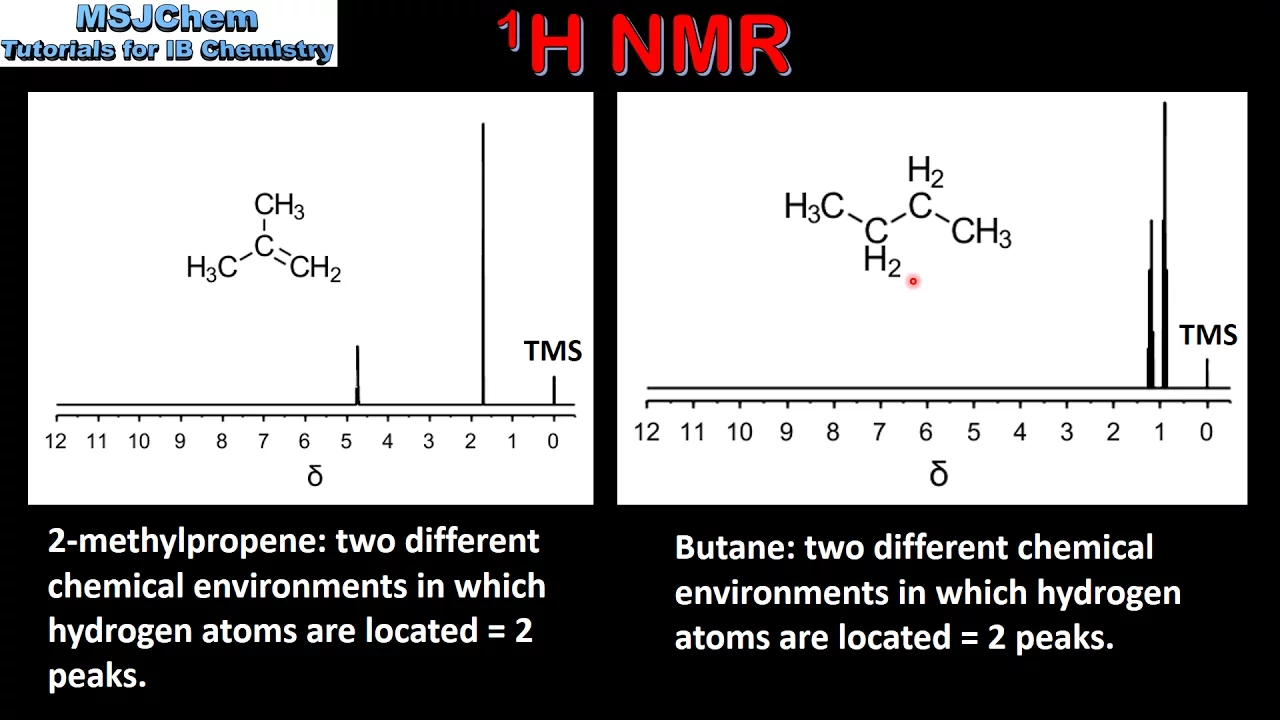
1H NMR: Determining Number of Peaks from Structure
@MSJChem
59.2K views•2017-04-06

Edible Water Bottles: A DIY Guide to Sodium Alginate Spherification
@ryan
10.5M views•2019-06-21
Related Study Plans & Knowledge Roadmaps
Structured learning paths in Chemistry