

















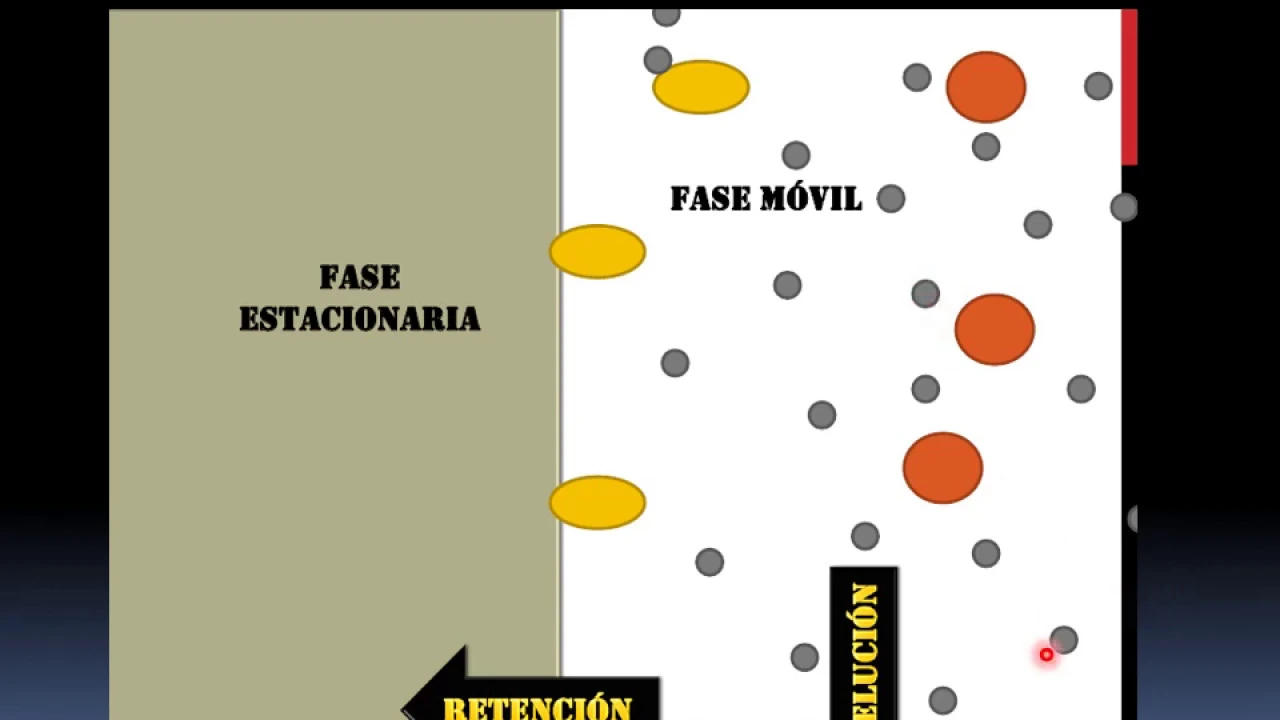

Reverse Phase HPLC is the most popular HPLC method where the stationary phase is non-polar/hydrophobic (typically C18-modified silica) and the mobile phase is polar (water with organic solvents like methanol or acetonitrile), causing hydrophilic compounds to elute first with low retention times while hydrophobic compounds elute later with high retention times; this technique works best for compounds under 2000 daltons and can be optimized by adjusting the ratio of organic to aqueous solvents in the mobile phase.
Reverse Phase HPLC: Principles, Retention, and Optimization
Added:Basic principles of chromatography, including the definitions of stationary phase, mobile phase, and chromatogram.
Chemical polarity, solubility, and intermolecular forces (specifically hydrophobic interactions and hydrogen bonding).
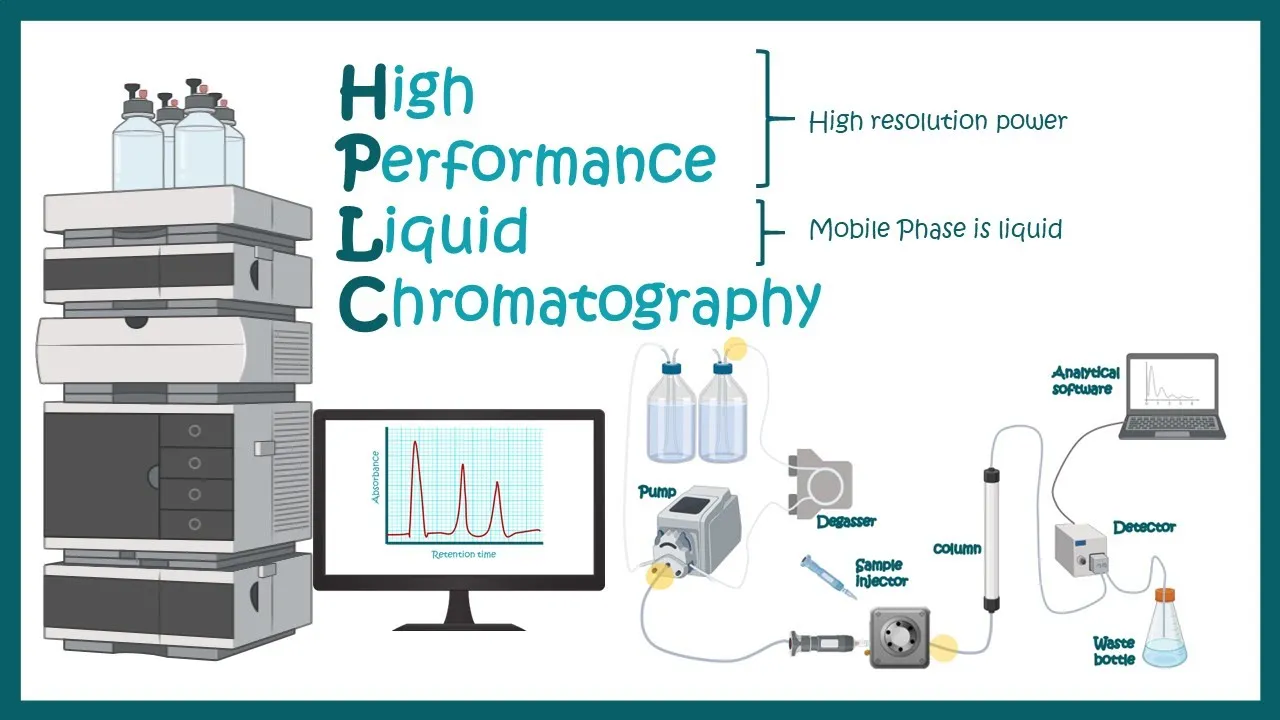
The operational mechanics of a standard High-Performance Liquid Chromatography (HPLC) system, including pumps, injectors, columns, and detectors.
The concept of partition coefficient (K) and how it dictates the distribution of solutes between two phases.
Development and optimization of gradient elution profiles versus isocratic elution for complex sample separation.
Selection of stationary phases beyond standard C18, such as C8, phenyl, and polar-embedded phases for specialized selectivities.
Method development strategies, including the systematic adjustment of mobile phase pH, buffer choice, and column temperature.
Troubleshooting common chromatographic anomalies such as peak tailing, split peaks, and baseline drift.
Integration of HPLC with detection methods like Mass Spectrometry (LC-MS) for qualitative and quantitative analysis.
56.8K views1.4Klikes48:46Original Release: 2020-08-17
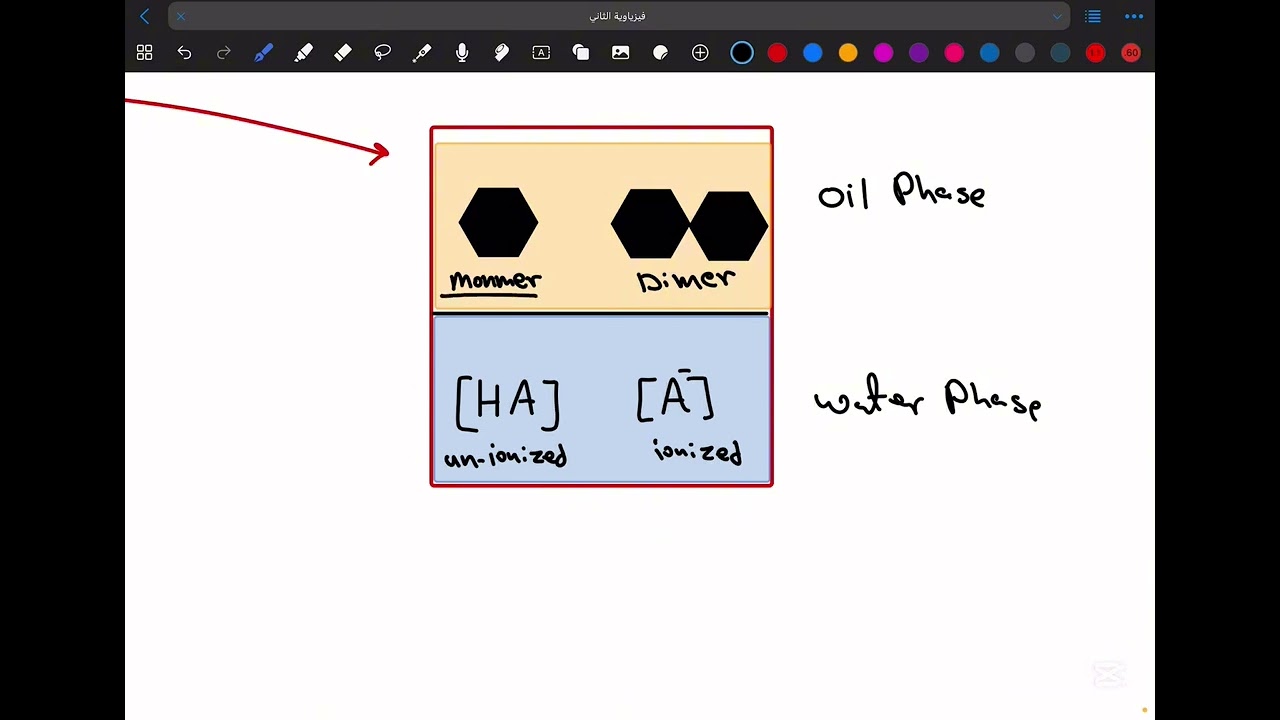
all right everybody the time has finally come for the long awaited return of the hplc lecture series and today we are going to be discussing the details for reverse phase hplc remember to head on over to chemcomplete.com for guides details will be in the description below and individual tutoring and consulting is available over there aside from guides so with that being said let's go ahead and get started [Music] so thank you for joining me for the third lecture in the hplc series if you have not checked out the first two lectures i encourage you to do so and links will be in the description below or you can check out the hplc playlist and it should be ranked just above this video here and those videos are important if you want to understand some more about column chemistry um the different types of columns end capping poor size all those different types of techniques relating to column and how column chemistry is important how ph affects columns that's all in the first two lectures uh so check that out as the general background and layout so from the third lecture forward here we are going to be discussing more specific targeted information for hplc so this will be reverse phase and then we may have a lecture on uh ion exchange we'll have a lecture on how ph can affect uh functional groups especially when we're talking about amino acids so we're going to get into very specified topics okay whereas the first two were more general topics so today we are going to discuss the reverse phase hplc which is arguably going to be one of the most popular if not the most popular hplc method that is out there so anytime that you hear people sitting and discussing common hplc conditions for instance a c18 column or aqueous and organic mobile phases they're almost always referring to reverse phase hplc when they're discussing that it is very common for research and development and it can capture a pretty broad spectrum of compounds as far as retention time and what it can deliver so where does the term reverse phase come from because this had to stem from somewhere if we have regular hplc and that's actually a hint right there so when hplc was originally being designed and studied as well as developed the first methods that were used involved a polar column and a really relatively non-polar mobile phase or liquid that was being pushed through so after the original setup the polarity of the phases were switched for experimentation purposes and with those conditions we ended up with the term reverse phase because they're reversing the conditions there so a reverse phase hplc setup is going to be one where the column or the stationary phase is going to be non-polar in nature so another word that we would use for that is hydrophobic in nature and then the mobile phase which is the solvent system that you're going to move through in order to push material through the column is going to be polar and we can see that because uh when you start research and development here it's very common to start with water which is about one of the most polar liquids you can find and then usually water with a combination of some sort of polar organic solvent will be sort of a gradient technique so as you continue to move through you can play around or tinker with the amount of organic material that gets presented for instance methanol acetonitrile thf all of those are good options and they start to slightly decrease the polarity in the mix because water is the most polar of the bunch then it would be methanol and we'll take a look at that as we get to that point okay so to reiterate in reverse phase chromatography the mobile phase is going to be polar usually it'll be a mix of water and some sort of polar organic solvent and the stationary column phase is going to be nonpolar so usually when we talk about a non-polar column and again go back and check the column chemistry lecture for the hplc series which is the one that came before this all right but usually when you're using a long based carbon chain modifier on a silica column that will be non-polar so one of the most common ones that we talk about for the column here is going to be something along the lines of a c18 and when we talk about c18 we're talking about that you have the normal silica bed conditions and then they are going to be modified with these long carbon chains coming off and these not that i've drawn that exactly the scale there but they're going to be 18 carbons long and if you talk about these long chained hydrocarbons that's going to be extremely nonpolar as far as the stationary phase is concerned for those columns all right so you can start with the c18 and then you can play around with it if you want to try to use some different ones maybe that's a little too hydrophobic for what you're trying to separate okay so our first goal is to understand what these conditions mean for the separation when we actually start putting material in there when we have a mixture of components that are going to be subjected to reverse phase we can expect that the hydrophilic or the polar compounds are going to have a very low retention time all right so if we have something that is hydrophilic that means it's something that is going to be very easily or readily dissolved in water and a hydrophilic compound is going to in reverse phase conditions is going to equate to a low retention time so remember retention time is how long the column is retaining the actual compound so if it's a low retention time that means it will come off the column fast the column is not going to hold on to it very long you'll see it showing up in the early stages of the printout and then of course we have on the flip side here the hydrophobic so if we're going to deal with hydrophobic material that is in the mixture this is going to interact with the column to a much larger extent so those c18 chains or maybe it's a c8 or whatever type of hydrophobic reverse phase setup you have the hydrophobic material in your solutions that you're trying to separate they will adhere to the column better they're going to have better van der waals interactions dispersion forces they are going to basically be more miscible or meld well with the stationary phase and it's going to take a lot more to push them off all the way to the detector and so that would mean that they will have a high retention time and so we would expect that these are going to be very slow in comparison okay and this is all a sliding scale so certain hydrophilic to hydrophobic right you're going to have certain items that come off very fast and then some that'll be in the middle and then you'll have some that could be very slow and that tends to be why we have to change the mobile phase over time in order to help assist some of these materials that might have uh the higher retention times and sort of kick them off of the column when it's time or move them along slowly enough okay so that takes care of understanding how the column is going to hold on to hydrophilic versus hydrophobic materials and how long they're going to stay on until they are washed off to the detector so knowing the general separation patterns now that we have an understanding of that what types of mixtures is a reverse phase going to be suitable for considering that we could have hydrophobic and hydrophilic in there that seems like a large mix there are some limitations but reverse phase as i mentioned earlier is pretty versatile we can use it for a lot so it tends to be used whenever we have mixes that are going to contain materials that are less or under 2 000 daltons now when we use the term dalton for the sake of this lecture and understanding this okay you can equate a dalton to a gram per mole essentially so a dalton by definition is going to be 1 12 of the carbon 12 atom as far as mass is concerned okay but for general purposes and for making it easy to understand because we usually talk in molar mass if you have compounds that are under 2 000 grams per mole then it would be acceptable to be used reverse phase conditions now that being said 2 000 grams per mole is pretty generous so you're going to be able to find most certainly all small and most medium sized compounds are going to be able to be handled by reverse phase chromatography you may start to struggle if you get into some very complex proteins some higher more complicated structures in the biochemical realm there might be better options suited for characterizing and separation at that point but if you have anything that is under 2 000 daltons or again 2 000 grams per mole that tends to be pretty acceptable okay so one of the things that will work well here is acids and bases you can separate acids and bases well on a reverse phase column now keep in mind in the previous lectures we talked about the effect of ph on columns so you need to still remember that when we're dealing with acid and base solutions something that is extremely acidic or extremely basic could be detrimental to the columns especially the silica based columns so you just need to keep that in mind and there are some other things that go along with this when we're talking about acids and bases usually you will end up using a buffer for your mobile phase okay and when we start looking at some of this it will get into a bit of the ion exchange okay so we'll talk about ion chromatography now ion chromatography is kind of a subset of the reverse phase but it's detailed enough that it's going to warrant its own lecture at a later date this is just a general reverse phase that we're going to talk about here okay so speaking of which if you have smaller and again by definition we're really talking about 2000 grams per mole but smaller proteins and peptides are acceptable for separation using reverse phase and with some of these if we're talking about uh amino acids we obviously have to consider and again this will be a separate lecture but the ph can affect the side chains and the forms in which some of those uh protonatable or deprotonatable side chains exist and that can change their retention time because certainly when you're in an ionic form you'll be far more polar and that's going to interf that's going to change how the compound will interact with the column at that point okay so those are some of the things that reverse phase is suited for okay so this is uh we'll say ideal for reverse phase now just like there's things that are ideal for reverse phase there are also going to be things that are non-ideal that's why we have other forms of hplc and the things that would be considered non-ideal for reverse phase is going to be any time you have a mixture of compounds that are vary or you can use the word extreme here okay hydrophobic or hydrophilic okay and the reason for that is the opposite extremes of what we talked about at the beginning so when you start talking about using reverse phase anything that is excessively hydrophobic is going to stick to the stationary phase almost like super glue and it's not going to be released to the detector very well so you can have trouble when you get into very very hydrophobic compounds they stick to the columns and they can't get washed out very easily and then if you get very very hydrophilic columns you are very very hydrophilic material you have the opposite effect with the columns where you can't even adhere it to the column so it essentially gets washed out in the first pass effect and it just basically all gets bundled up at the front of the detector without any sort of separation and that's not good for us either we're looking for a nice clean separation that's got some uh good clarity as far as the peaks are concerned with resolution and how easily they're separated there a one of the other things and this should be a concept that is familiar to organic chemists is that you're going to have some issues if you're trying to separate stereoisomers okay so stereoisomers when we start talking about them many times they share almost identical uh physical and chemical properties it's only the rotation of light that can change them so when we're talking about stereoisomers for instance we could talk about enantiomers okay or diastereomers um and those are very difficult to separate with reverse phase hplc they tend to cluster together and they are not going to separate very well okay and then the final thing that's probably not ideal for reverse phase is and you can tie this back into the first point but in inorganic ions okay so inorganic ions are obviously being inorganic they're not going to have carbon and if you don't have carbon you can't have hydrocarbon based material and hydrocarbon base tends to help balance out with some of the uh hydrophobic nature so inorganic ions by their very nature because they are ions they tend to be extremely polar and because of that you can see the first point up there with things that are extremely hydrophilic uh they're not going to be very well in uh very well separated by the reverse phase techniques there all right so one of the techniques that we can utilize in hplc optimization is the ranking of hydrophobicity and this is very important so we sort of have a general idea now because we've made a list of what is reverse phase suited for and what is it not suited for so when we pick out a mixture that reverse phase would be suitable for how could we maybe have some predictive power or have a general understanding of what we would expect to come off of the column first and then last now you can do that by just having a general sense of if something is hydrophobic or hydrophilic okay but uh there's better ways that you can actually quantify this if you want to so you have to keep in mind that just visualizing something is sort of a qualitative method when you're trying to do that okay so we know that hydrophobic molecules will have longer retention times in the reverse phase conditions so the ability to rank compounds by their hydrophobic characteristics is going to prove useful in predicting the general order of retention times right so for example we would expect small chained ethers to have a much higher retention time compared to a carboxylic acid of a smaller size right so if i consider an ether an ether is relatively nonpolar compared to a carboxylic acid so let's just take a small ether here so we've got uh the met dimethyl ether right and then if we have acetic acid you can see the carboxylic acid acidity component is extremely polar compared to what we have with the ether and so just a general small molecule to small molecule comparison here if you understand your functional groups you can determine that this should have a relatively high retention time it's going to be non-polar compared to this which would have a low retention time i would expect that to come off the column much quicker if we have reverse phase conditions set up okay now how can we quantify this because we're still looking at material qualitatively and sort of making guesswork of it based on that which is fine so while general comparisons are useful the hydrophobicity of a molecule can be calculated and quantified using what's known as the log p scale okay so this is log referring to logarithmic and p okay so log p is going to be the base 10 log of the ratio of solute in octanol to solute in water so the way that we can write that is the log of the concentration of the solute that is found in octanol which is relatively nonpolar over the solute that is found in water okay and that is again known as log p so a log p value is going to be a value that is basically looking at a ratio of how soluble is something in a hydrophobic liquid compared to a hydrophilic liquid with the hydrophilic being water okay now this calculation is known as a partition coefficient which examines the solubility of a compound in different solutions so this is a generalized type of equation but right here we're making it specific to the octanol and the water in order to give it sort of a hydrophobic ranking but anytime you want to look at extractions like in a separatory funnel you can use partition coefficients in order to see what will optimally pull something out of one solution compared to another okay so if a compound is mostly dissolved in the octanol that's going to mean the numerator of this term is going to be extremely large and the log p should be greater than zero okay now if the compound is equally soluble in both liquids then log p will be equal to zero because that means that you'll have the log of one and the log of one is equal to zero and then finally if the compound is water soluble more than it is hydrophobic or soluble in the octanol then that number is going to shrink rapidly and the log p is going to become a negative value okay so if we have a log p value for a compound that is going to be greater than one it usually means that we're dealing with a hydrophobic material and if we have something that is a log p is equal to zero then that means that it's sort of right in the middle okay and then if the log p ends up with a negative value we'll just use negative one here as a placeholder okay we're going to say that this then is starting to become hydrophilic in nature all right so this is useful because what i could do is i could take a bunch of compounds uh now i would need to have them isolated but i could take a bunch of compounds and i could take a mixture of octanol and water in a separatory funnel and mix it up and see how much of that compound ends up in the octanol how much ends up in the water and if you wanted to do this experimentally speaking you could essentially turn around and set up a laboratory extraction and then you'd need to go through some rotovaping trials where you remove the liquid and then see how much of it ended up in each solution okay now if it's a common compound you might be able to reference this in some sort of a handbook like the crc handbook but if you needed to you could also do it experimentally provided you could get a hold of the individual compounds to judge that so that is the log p scale in relation to uh reverse phase and making predictions on how something would proceed forward so obviously uh the the more negative the log p the quicker it's going to come out in terms of retention time and then the larger the log p the longer the retention time will be it's going to hold on to it a lot longer okay so what are some good general guidelines when we start talking about predicting retention time in reverse phase hplc well for one thing as the amount of hydrocarbon content increases for a molecule we're going to expect the retention time for that molecule to increase and that only makes sense because hydrocarbons are going to correlate to hydrophobicity or being hydrophobic and that means that they would adhere to the column longer and when they're interacting with that stationary phase for a longer period of time they're not going to hit the detector for a longer period of time meaning their retention time on the column is going to be increased right so if we were to take something like methanol and compare it to octanol and we were able to detect that we would expect that octanol is going to stay on a column far longer than methanol as far as the adherence would be concerned okay for retention time so we can also say along the same general premise that if something has relatively low water miscibility and another word for that would be solubility okay so something is low in water solubility then we're going to expect it'll have a high retention time because again things that are not very soluble in water are going to be hydrophobic by nature hydrophobic means they're going to interact well with the c18 column have a higher retention time right now something else that you should look for is when we start talking about branched chains okay so as far as organic compounds are concerned when you have a branched chained molecule compared to a normal chain molecule the branched chain molecule is going to have a lower retention time okay and the normal chain is going to have a higher retention time and this can be traced back to you look at the surface area as far as the amount of hydrocarbon material exposed over some amount of area then you are going to have these branch condensed chains don't have as much they can't interact with the column nearly as well and they get pushed out a little bit quicker they have pretty low retention times you expect to see them on the closer end as far as minutes of retention time okay and then the last one that we should probably consider here is unsaturated compounds so when we use this term if you ended up taking my unknown spectroscopy course on youtube which is free here you're welcome to hop over to that playlist and check it out we discuss unsaturation and degrees of unsaturation very often okay but to be unsaturated means that you do not have full saturation of hydrocarbon or in other words you have rings or double bonds and it could be triple bonds but rings will put or pi bonds okay meaning double or triple bonds present okay and if this is present you're going to expect the retention time to go down because that's whenever you have a degree of unsaturation you are removing a little bit of hydrocarbon material from a compound which means that that compound compared to its saturated analog is going to move through a little bit quicker it's not going to adhere to the column or the stationary phase quite as well all right now this has been we've mostly been talking so far about the column hydrophobic hydrophilic and the materials that were passing through the column but we haven't really discussed a whole lot about the mobile phase other than what we initially said at the beginning which was that uh you know when a lot of times people are talking about water and uh organic mobile phases they're talking about reverse phase hplc so when we start talking about the mobile phase for hplc uh reverse phase hplc water tends to be the go-to for starters so you're going to start with just regular water okay now this is going to be relatively weak for the elution process okay and then you can bump it up from there and the reason we say that this is weak illusion is water is extremely polar and again when you're talking about a reverse phase column a c18 column for instance you're going to have a lot of hydrophobic material adhering to it and water is not going to be able to solubilize that material very well and sort of push it along the number of theoretical plates that it has to get through in order to actually be alluded to the detector so it's going to repel those hydrophobic molecules they're going to cling to the stationary phase quite rapidly and they're not going to let go okay so there's a general sort of alignment that most technicians when they're doing reverse phase hplc will utilize and that is water is going to be your weakest as far as elution then your next step is going to be methanol and again this is on a sliding scale and it doesn't mean that if water's not working you go to pure methanol it might be that you do fifty percent water and fifty percent methanol and see what happens there it might be that you do uh with thirty three percent water and sixty six percent methanol see how that works okay so you have to keep in mind when we're talking about a lot of this this is research and development so if you're trying to separate something you're not seeing a good separation you need to usually start adjusting the mobile phase that's one of the first things you want to check provided you're you're actually running a compatible setup meaning uh you know i have all compounds that are under 2 000 daltons and so reverse phase is acceptable given the material i have because it's generally running a mild range between hydrophobic and hydrophilic right so if you know that you actually have a decent setup the first one of the first things and one of the easier things and more affordable things to change is your solvent right because changing columns out and swapping them all the time that can get very costly um you usually want to use a c18 column when you start and then you can play around with your different solvents so you've got water then methanol okay then we're going to use acetonitrile and then we would rely on thf now thf tetrahydrofuran is going to be a cyclical hydrocarbon ether okay so again as far as non-polarity is concerned uh and this right here right would just be the cyanogroup as far as hydrophobicity is concerned this would be the champion of the four of them here so this would push things along fairly readily with thf okay so the way that you can view this right we come along here you can say that this would be considered we can call it illusion power okay so how well does something elute material off of the c18 column and then going this way right we could call this polarity right so water is extremely polar thf is relatively non-polar compared to water and then water has very weak aleutian power right which we said at the beginning up there under the mobile phase and then we increase the power as we go along in this order of solvents here so you can certainly pick other solvents you don't have to stick to these four although they are arguably the most common uh of the bunch that tend to be used in reverse phase but you can utilize other solvents provided the following so a solvent that you're going to pick out to use in your mobile phase should be water missible okay and that's because you want to be able to mix it and create some level of like a gradient or at least a ratio mixture when you're talking about that so water miscibility is going to be extremely important all right one of the other things you need to consider is your detector and a lot of people are using uv detection here so you want low uv detection because it obviously would not be ideal to be picking out a solvent that is going to be constantly hitting the detector and interfering with picking up other compounds that you have interest in okay it's usually a good idea to make sure that you have a solvent that has a low viscosity okay so viscosity is referring to the thickness how well it flows and you want low viscosity because something that's high viscosity or basically flows very slow almost like a syrup you're going to end up with pressure issues and you need to be careful that so if you go back to the original lectures that we had okay you one of the things you need to be very careful about is building up pressure that's why we have those pumps there and we're continuously trying to move but having lots of pressure build up can become problematic when you're trying to run the hplc and i can damage the instrument at certain points okay so the last thing this is a general premise for all solvents not just hplc but you want a solvent that's going to be non-reactive right so when i say it's universal we're also talking about reactions if you run a reaction an organic chemistry reaction in a solvent the solvent needs to be non-reactive unless it's supposed to be doubling up as a reagent for your actual reaction an example like solvolysis or something of that nature but in general you want non-reactive solvents that just sort of act as carriers for this material they're not going to be reacting with it whatsoever okay now again mobile phases will often be water and then they become water with organic material as you start to sort of tinker around with the perfect development when you're doing research and development and you're optimizing the conditions okay now one of the things that's important with your solvents is you want to be able to change your solvents readily enough uh when they are sort of made because you could buy these big liters of solvent right four liter bottles whatever you might have big gallon drums like 55 gallon drums or whatever but you need to realize that certain certain mobile phases have certain shelf lives and a lot of it has to do with whether organisms are going to be able to readily grow in those environments so water is going to be the least of the bunch here and you can also say that this is true for buffers because most buffers are going to be aqueous occasionally buffers can last a little bit longer than this because of the salt content but in general uh any water based needs to be changed every 48 to 72 hours okay so this includes if you're going to be running an hplc right let's say that you load up your hplc and you've got it over the weekend and you're using water that's fine 48 to 72 hours you could leave it on a friday come back on a monday but let's say that you uh have some sort of hplc with a backup sampling tray and you load it up and you want it to be running off of the same solvent bottle for two weeks while you take vacation that could be problematic let's say that you've got an hplc and you don't really properly flush the lines or the column out and it sort of just sits there for a long time because you don't have any samples to run that water that's sitting in there that is not ideal you don't want to let that sit around for more than 48 72 hours you want to refresh it each time in order to avoid this sort of stuff okay so 48 to 72 hours is the shelf life for most water and buffer solutions when you're doing reverse hplc okay now if you have a mixture and the mixture is less than 20 percent organic material okay so meaning the block of it is water this is appropriate for up to one month okay so you need to have 20 or less but you should have some organic material in there so some methanol some acetonitrile okay so think about when we get ready to sterilize things uh right people using hand sanitizer stuff like that the alcohol is what's actually coming along and doing the killing of this bacteria or whatever it might be so organisms don't thrive particularly well in most organic solvent conditions and certainly the higher the concentrations go the more applicable that is so a mix an aqueous mix that's going to be less than 20 organic material you can usually give or take get around a month out of that shelf life before you have to make it up again okay now if you have a mix that is going to be greater than 20 and this is what's usually suggested if you're gonna have long-term uh sort of hplc idling or whatnot okay that you could have potentially up to three months because the higher organic content is really going to prevent any sort of issues there and then what if you're just doing straight organics so meaning you're using pure methanol or something of that nature generally to be safe three months you could probably push it up to five or six months but three months is just hplc's are expensive pieces of equipment you want to make sure you're maintaining it you would like good results usually every three months if you've got a methanol or an acetal nitrile that will be appropriate to change once every three months now again this can depend on how quickly you're pushing out samples so a lab that is constantly doing analysis like an analytical lab that receives a large number of samples each day and needs to separate them you probably wouldn't even get close to a three month out of a four liter bottle because you're running it constantly so you might need to be replacing that every couple days every week every two weeks um the water content and the buffers tend to be more important there that you're making up fresh water and buffers every two to three days uh when you're involved with that okay now another note here for the mobile phases it is very important you always and i'm going to stress this you always want to be using hplc grade solvents so if you go into a thermo fisher or you know a sigma aldrich or wherever you're ordering your chemicals from you can buy cheaper and it will be far more affordable uh solvent when they don't purify it to the degree that is usually required for hplc grade so when you get to hplc grade solvents you're certainly above most of the time 99 purity with that and um it is very important because when you are pushing this through even the smallest amount it could affect the retention time and the results and it's also introducing material that you don't necessarily want to be pushing through your very expensive columns okay so you need to make sure that you are always attempting to use hplc grade now i'm starting to run out of room on my whiteboard here so let me clear some of this and i will be right back okay so what if the desired resolution is not obtained right you pick out what you think might be a good solvent mixture here and you get poor separation a lot of the peaks are clustering together it doesn't look like what you want so what do you have well logically without running off and again changing methods or columns or something like that you really can look at two things which is number one if you're having trouble with this you can change the ratio that you're working with okay now this is assuming you're already working with a ratio so meaning you're not just working with pure water or something like that but you can change the ratio of the organic to aqueous or water mixture okay and play around with that so if you're seeing that everything's coming off too soon then that means that you probably have a little bit uh too much as far as the uh hydrophobic portion is concerned right so it could be multiple things it could also mean that the mixture that you're trying to separate has too many uh hydrophilic components and they're all just pouring off immediately but if you really do have a nice range and then they're all sort of just coming off it could mean that you ended up using a little bit too much organic material because it's sort of washing off the hydrophobic material a little bit too early and it's all coming to the detector and clustering in one area so maybe you need to back off and add a little more water okay now if you have the opposite problem and you're trying to set up a reasonable timed run let's say you want to separate a couple compounds over the course of 15 minutes based on the number of samples you have to get through in a day and you're sitting there you're sitting there you're waiting 45 minutes you're still waiting for material to come off well then maybe at that point you need to consider adding a little bit more of the organic material to start moving this along in a reasonable pace so it's a very fine dance between how much organic and how much aqueous in order to optimize those conditions okay now the second thing that you can do if the ratios just really don't seem to be working is to change or add a new solvent okay so i would always suggest playing with the ratios first that you're working with usually you're probably going to be basing your research and development off of previous literature maybe you're not um so there might be a starting point or some good idea and then you can tinker around with a little bit based on your needs but you could always change to a new solvent so let's say that you're really not seeing the results that you need for the water methanol mixture so head on over to a water and seed a nitrile mixture or head over to a water and thf mixture now it is also possible because i said change or add you can start making ratios of three so maybe it becomes that you want 20 methanol 30 acetonitrile and 50 water again that's arbitrary you would test that out and see how the separation looks if it looks horrific then you can change it around based on whether it's coming out too soon or it's not coming out at all it's coming out too late okay so those are the two major things and just keeping in mind from everything that we've talked about um and sort of referencing back to that uh that chart that we made where we said okay here's water on this end right and the thf on the other end if you're dealing with water methanol okay so either of these or a mix of the two in general you're going to be trying to promote longer and slower retention time okay so longer and slower spread and maybe that's something that you want maybe right now you're currently working with acetonitrile and it's just it's coming out too fast and you'd like to see a longer and a slower spread then water and methanol might be what you want to go to you might want to increase with some of those now you could be having the opposite problem and say this is taking forever we need to get through it in a reasonable time then you might want to start tapping into the acetonitrile and the last resort being the thf because that'll really push things along okay and so this would be fast dilutions that would be expected right and this is going to have a relatively what i would say is a strong pace so you're going to be pushing things off the column at a good clip you need to make sure that it's not too good at pushing material off the column because again you could just end up sort of clustering everything in the first initial wash that comes off the column and then you're not really effectively separating stuff at all and you do want good separation of those peaks right because one of the things down the road that we're going to talk about and that we would be interested in is looking at the area in relation to those peaks because that can tell you how much of each individual component is in your mixture right so that becomes important if you've got clients sending you samples and they're saying i'd like to know the percent makeup of these five different amino acids in here well in order to do that you have to have clean separation of each peak you can't have them all clustered together or shouldering off of one another because you're not going to get clear areas under the peak that allow you to basically integrate that area and determine the relative ratios or percentages of each material in the compound or the mixture right so uh just one last thing to wrap it up because we're headed to 45 minutes here this is one of the longest lectures i've made but reverse phase has a lot of stuff okay so uh columns let's just talk about them very briefly here uh i don't want to go into too much detail because we already had an entire hplc lecture dedicated to columns again if you need to check out any of that stuff link in the descriptions below um so for the column the stationary phases it is almost industry standard you start with a c18 when you're doing reverse phase it's the most common as far as being hydrophobic and it's very good for researching uh doing research and development you can end up switching around the solvents however you'd like if a c18 just really isn't working for you then the general flow tends to be c8 followed by a c4 okay if those still are not working you can look at sort of a cyano based column so these are derivatives that have cn groups that are coming off okay after that and now this is really starting to get into some higher levels of polarity but you could have a phenyl based column so phenols generally are considered hydrophobic but compared to an 18 membered hydrocarbon chain they would be considered fairly uh polar all right in comparison to that um we've got multiple degrees of unsaturation occurring there and then finally uh the last stop could be that you could potentially consider some sort of an amino column right so that's going to be uh sort of some sort of n group that could either have like an r or an h if it's all nh then you're talking about a fairly polar column at that point we're starting to talk about just regular phase hplc and not reverse phase anymore so sliding scale here um and when we take a look at this okay we've got you come and you look at this and we've got decreasing hydrophobicity okay so when we talk about that it means that it's getting more and more polar at the bottom so the most hydrophobic would be the c18 that we see at the top there and then if we wanted to draw something going the other way that should be a b there oh my goodness i'm messing up excuse me messing up with the pen there okay so if we come up this way then again we could say something like increasing polarity i'm sorry no not that increasing polarity is down here this would be increasing retention time retention you can tell i've been talking too long it's 45 minutes here okay so that is going to conclude reverse phase i think we will leave it there that's quite a bit of information to take in for this so i haven't exactly decided what i'm going to do for the next hplc lecture i will try to put it out in the next couple of weeks i might do a course on going into more detail about ph because ph is very important so we've already discussed ph with the columns but talking about ph um for different compounds that are being passed through like again amino acids and how that could affect the side chains um i might do ion exchange next or start looking at ion chromatography so we'll figure it out um but this concludes the reverse phase um as always like comment subscribe all that good stuff if you subscribe and hit the little bell you'll be up to date anytime we are releasing new content particularly the big lectures like this i know this there have been a lot of requests i'm sorry this took so long there's been some shifting around of various things going on in life but here you go reverse phase hplc lecture three lecture 4 will be in the works shortly thank you for all the support as always head on over to chemcomplete.com down in the description you can show us support over there anytime thank you very much for learning with us and i will see everybody for the next lecture [Music]
Up Next

4:50
Mass Spectrometry Explained: Fragmentation Patterns and Molecular Ions
@ProfessorDaveExplains
688.7K views•2016-04-26
83:56
Biocatalysis and Catalysis in Islatravir Synthesis | Merck Webinar
@SCIwheresciencemeetsbusiness
675 views•2020-10-08

16:49
Carbon Hybridization in Organic Chemistry: sp3, sp2, sp Explained
@ChemComplete
48.8K views•2015-01-30
17:31
Edible Water Bottles: A DIY Guide to Sodium Alginate Spherification
@ryan
10.5M views•2019-06-21
Related Study Plans & Knowledge Roadmaps
Structured learning paths in Chemistry
chemistry
Nuclear Chemistry: Decay, Meds & Fuel Cycle
01Introduction to Nuclear Structure and Radioactivity
02Decay Dynamics and Kinetics
03Radiation Interaction and Detection
+ 2 more learning modules
24h5 modules
Explore Roadmap
chemistry
Supramolecular Chemistry: Forces & Machines
01Foundations of Chemical Bonding and Intermolecular Forces
02Introduction to Host-Guest Chemistry
03Thermodynamics and Dynamics of Self-Assembly
+ 2 more learning modules
16h5 modules
Explore Roadmap
chemistry
Photochemistry: Excited States & Reactions
01Foundations of Light-Matter Interactions
02Molecular Orbitals and Electronic States
03Photophysical Processes and Jablonski Diagrams
+ 2 more learning modules
18h5 modules
Explore Roadmap
chemistry
Coordination Chemistry: Bonding & Properties
01Introduction to Transition Metals and Ligands
02Crystal Field Theory (CFT) and Geometry
03Magnetic Behavior and Spin States
+ 2 more learning modules
14h5 modules
Explore Roadmap