














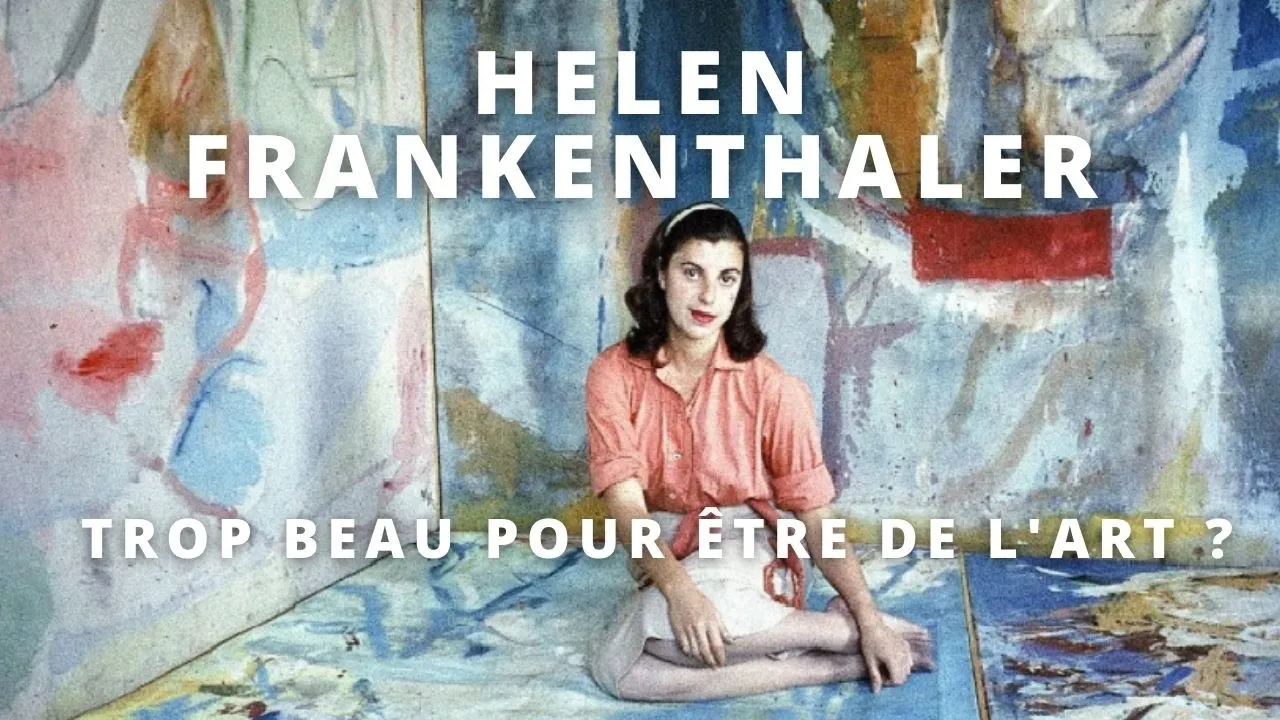


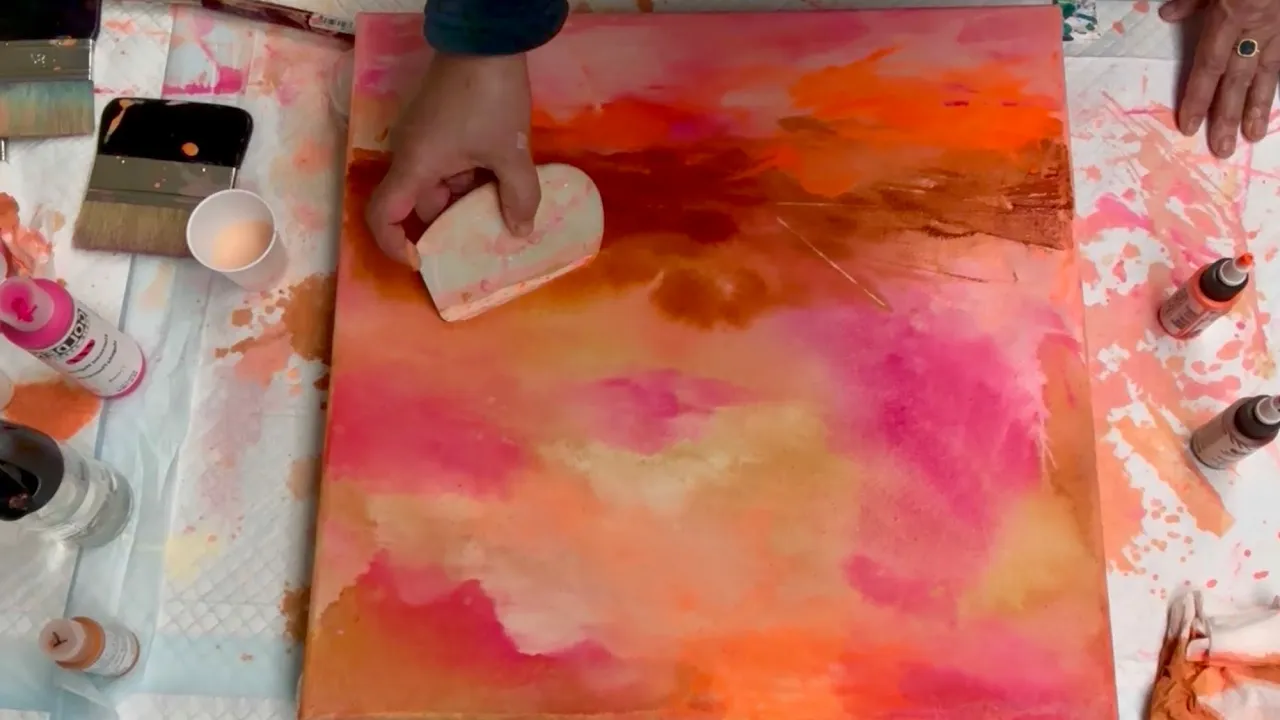

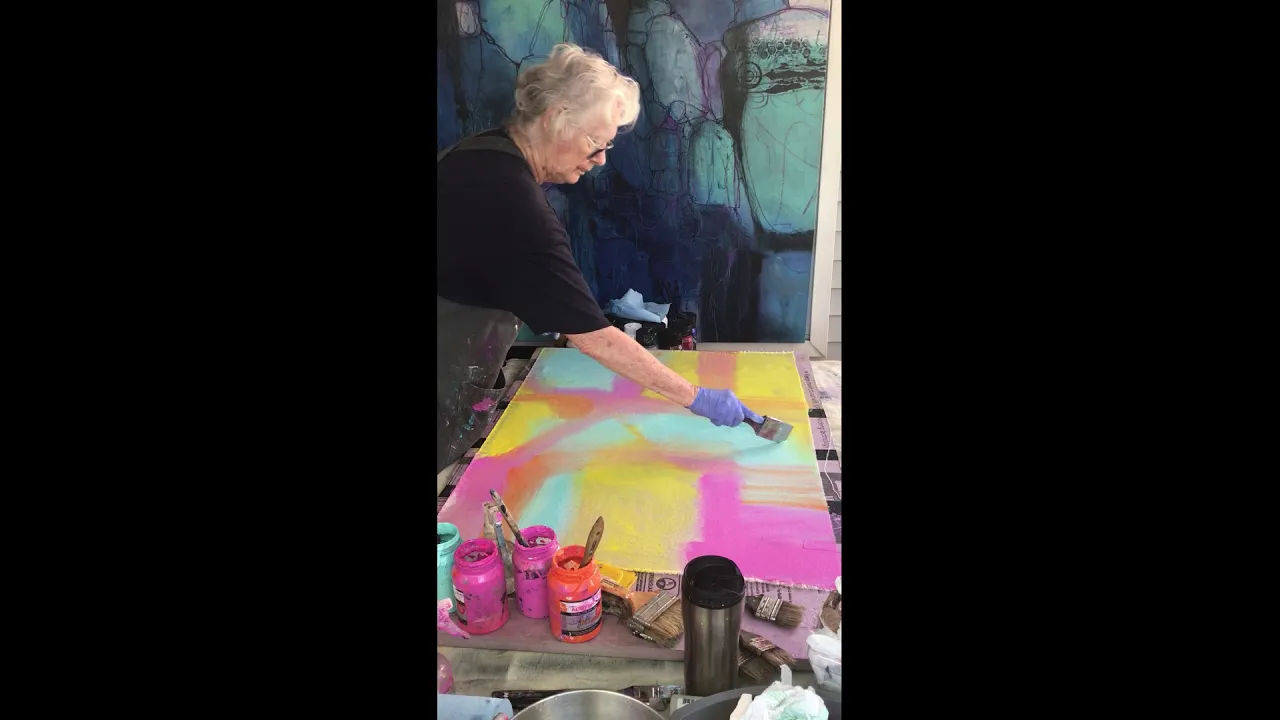
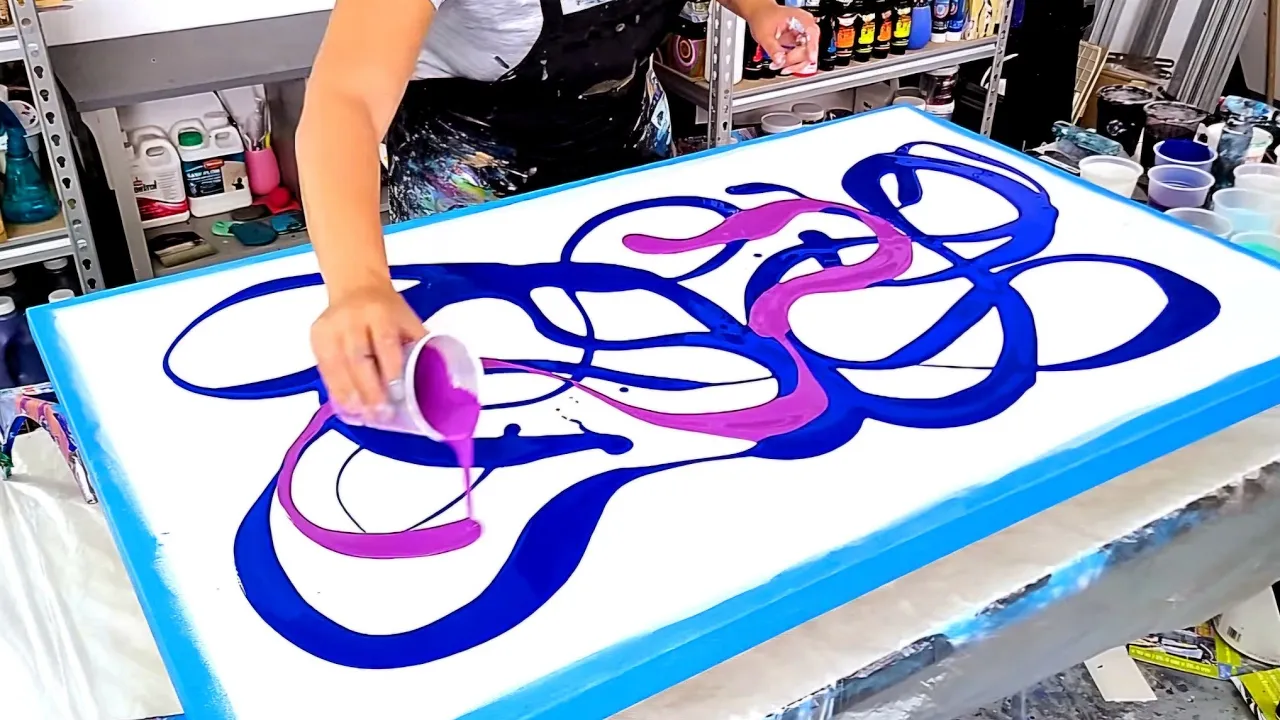
The soak-stain technique, developed by abstract expressionist painter Helen Frankenthaler, involves pouring thinned acrylic paint onto unprimed canvas laid flat, allowing the paint to soak into the fabric and create organic, fluid color fields with natural movement and depth; artists can layer additional colors while the paint is drying to enhance vibrancy, and adjusting the water-to-paint ratio affects color intensity.
Helen Frankenthaler Soak-Stain Technique Demonstration | Acrylic Painting Tutorial
Added:Introduction to Abstract Expressionism and the history of the Color Field painting movement of the mid-20th century.
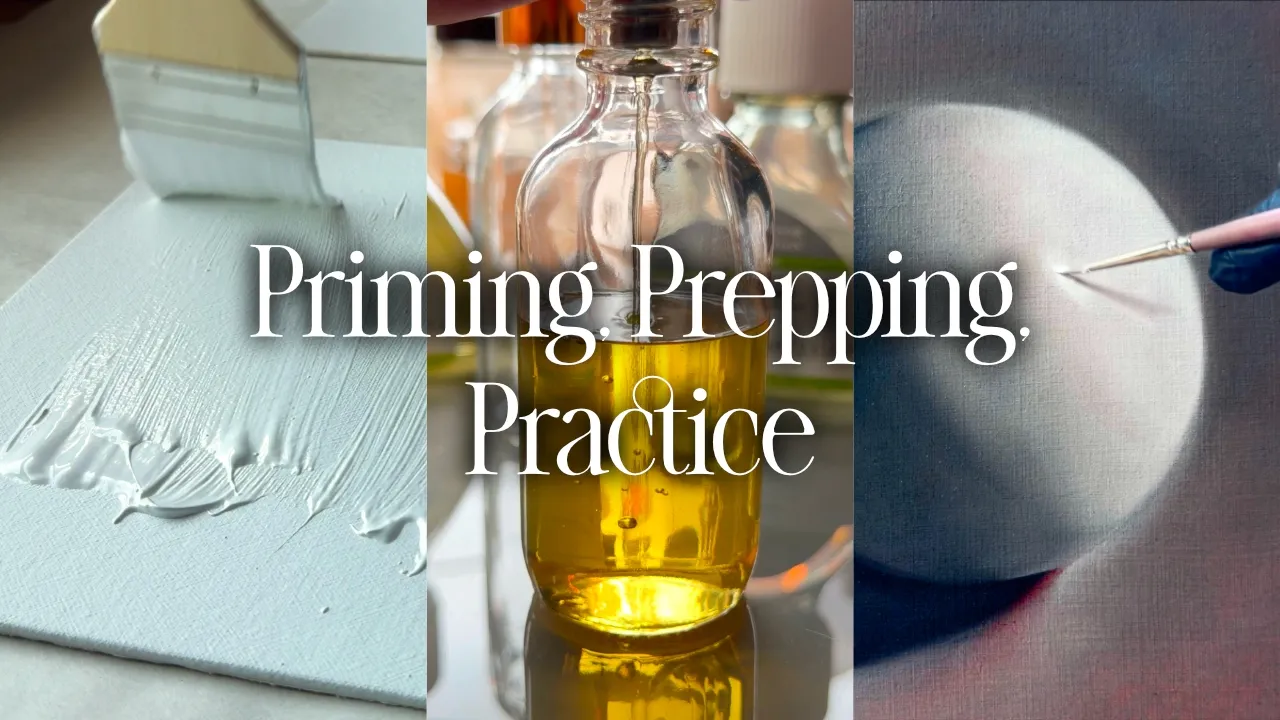
The physical differences between primed (gessoed) and unprimed (raw) canvas, specifically regarding absorption and surface tension.
Basic chemical and physical properties of acrylic paint, including pigment load, drying times, and how viscosity changes with dilution.
Fundamental principles of color theory, particularly how transparent layers of color interact and blend visually when overlaid.
Advanced fluid dynamics in painting, including the use of flow-release agents, pouring mediums, and acrylic retarders to control paint spread.
The historical impact of Frankenthaler's work on other Color Field painters, specifically analyzing the techniques of Morris Louis and Kenneth Noland.
Conservation challenges and archival preservation methods unique to paintings created on raw, unprimed canvas.
Scaling up the soak-stain technique to large-scale, unstretched canvases, exploring gravity-assisted and floor-based paint application methodologies.
17.6K views273likes5:51Original Release: 2022-10-07
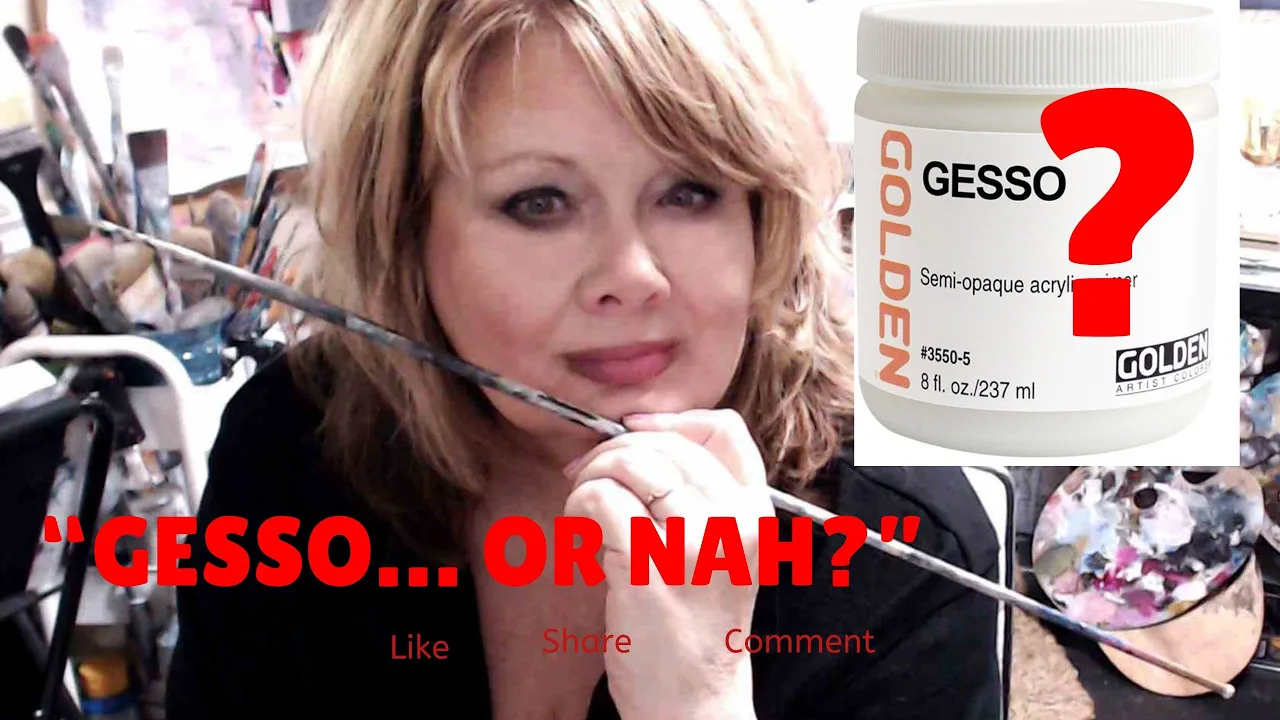
hi everyone and welcome back to art history shorts so as you can probably see this is going to be a different kind of video today so a few weeks ago I did a video on the abstract expressionist painter Helen frankenthaler and her painting mountains and sea in that video I talk about how she kind of created this new technique of a soak stain method which involved using thinned out paints and kind of laying the canvas on the floor it was an unprimed canvas that she used and kind of like pouring out that paint on it and so I thought it would be really fun to demonstrate that technique today and maybe that would even inspire you to try your hand at your own abstract art so basically you just need two things you need the thinned out paint and you need unprimed canvas so the canvas that you're going to find at like an art supply store is going to be primed with what's called gesso that's where you see these white canvases on frames so you're going to get I'm gonna get unprimed canvas that's the more of the fabric um you can see it's like moves so that's going to help with the absorbency of the paint that you're using is going to allow that movement but you won't really get if you're using a primed canvas so I'm I have set this little thing up here because the fabric is going to be directly on the table um you might want to put something under it when you're doing it and so I'm just going to lay out a piece of the canvas here okay so you have your section of canvas and then you're just really going to start kind of experimenting and pouring the paint down so Helen frankenthaler would kind of experiment with the paint and she would let it pull in certain sections and to get this deeper look and then she would move it around and you know kind of create these drips and get this like flow and movement from the paint so you can see how the paint really like takes its own Direction and moves where it wants and then you can kind of play with directing it and having it pull in different places and you know like I mentioned in the video that I did of um on mountains and sea it's really like you're creating or co-creating with the materials that you're using and then something you can do while you're while what's drying or while it's almost dry is you can go back in and add layers on top and this adds a little bit more vibrancy to it you can go in and add as many layers as you want and so like I added a little bit more teal here I'm just going to add a little bit more purple and then it's just has this brighter appearance over here so I'm going to stop here and see what happens let it dry and then we'll come back and see what it looks like so as you can see I did not stop there I kept going I had so much fun trying out this technique it was uh it was just so so freeing to use and to play with and just so experimental I definitely recommend trying it out uh something I do want to touch on though um is to mess with your ratio of water to paint I think at first I had maybe too much water with mine so I would um yeah I would play with that and you know you can get some brighter colors and it doesn't have to be super watered down it can just add just adding a little bit of water to acrylic can go a long way so I hope you enjoyed this this video with me and something a little bit different for art history shorts and um yeah it was a lot of fun if you're interested in seeing more of Helen frankenthaler's work I'll have a link to that in the description it's it was so much fun just to do it on a small scale but I seeing her work in these large canvases I just can only imagine how much fun that was to do and to to see that to see her work in person is really um is really something it just envelopes you it's really really awesome we're interested in learning more about our history I have other videos on the channel there's a Helen frankenthaler's video in particular if you're interested in that and learning a little bit more about the context behind her painting and the different time periods of painting so check those out too thanks everyone I'll see you next time
Up Next
5:02
AlleleA1 Tutorial: Population Genetics Simulation | Bio 202L
@DukeBio102
12.3K views•2012-10-05

12:54
Triumph of Orthodoxy Icon: Byzantine Art & History Explained
@BenCallan
2.1K views•2024-08-06

9:49
FastAPI vs Flask vs Django: Choosing the Right Python Web Framework
@TechWithTim
302.5K views•2024-05-26

1:42
Game of Thrones Opening Credits: A Cinematic Analysis
@gameofthrones
46.3M views•2011-04-18
Related Study Plans & Knowledge Roadmaps
Structured learning paths in General & Interdisciplinary Studies
general-studies
Elevator Engineering: History, Physics & Cities
01From Hoists to Safety Brakes: The Dawn of Vertical Lift
02Hydraulic vs. Traction: The Engineering Physics of Elevators
03Modern Speed, Safety, and Algorithms
+ 2 more learning modules
12h5 modules
Explore Roadmap
general-studies
Rubber: Material Science, History & Geopolitics
01Origins of Natural Rubber & Mesoamerican History
02The Chemistry of Natural Rubber & Vulcanization
03The Geopolitics of the Rubber Boom & Colonization
+ 2 more learning modules
12h5 modules
Explore Roadmap
general-studies
Containerization: Evolution, Logistics & Trade
01Ancient Trade & Bulk Cargo: Amphorae to Barrels
02The Industrial Revolution & Cardboard Packaging
03The Containerization Revolution: Malcom McLean
+ 2 more learning modules
12h5 modules
Explore Roadmap
general-studies
Textile Tech: Evolution, Labor & Global Impact
01Pre-Industrial Textiles: Handloom & Cottage Industry
02Mechanization: The Spinning Jenny to the Power Loom
03The Factory System & Global Labor Transformation
+ 2 more learning modules
10h5 modules
Explore Roadmap