










![[FULL] NADIEM: KRIMINALISASI ATAU KORUPSI?](https://i.ytimg.com/vi/fyOUYTsME9I/maxresdefault.jpg)

















This video analyzes a retail fraud case where a cashier systematically suspended point-of-sale transactions to allow merchandise to leave the store without payment, totaling approximately $3,100 over three weeks. The legal analysis demonstrates that such schemes constitute both grand theft under Florida Statute § 812.014 (theft exceeding $750) and scheme to defraud under Florida Statute § 817.034, which applies even when the perpetrator does not personally retain the stolen property. The constitutional analysis confirms that Miranda advisement was properly administered, and the subsequent waiver was voluntary under Colorado v. Connelly (1986), as the subject's emotional distress did not render her waiver involuntary. The case illustrates that loss prevention systems capturing employee ID, transaction status, and timestamps serve as primary detection mechanisms for retail fraud, and that documentary evidence combined with proper interrogation procedures creates a strong evidentiary foundation for prosecution.
Retail Fraud Arrest: Legal Analysis of Grand Theft & Miranda Rights
Added:Can you call them back and talk to him?
I can't go to jail. I can't do anything.
Just tell him please don't go to jail.
>> I was wrong. Please don't take me to jail.
>> Okay. I pay the money back. Please. I can't go to jail. My boy everything.
[music] Can't go to jail.
>> You got $3,100.
>> I can play payments. I can do something.
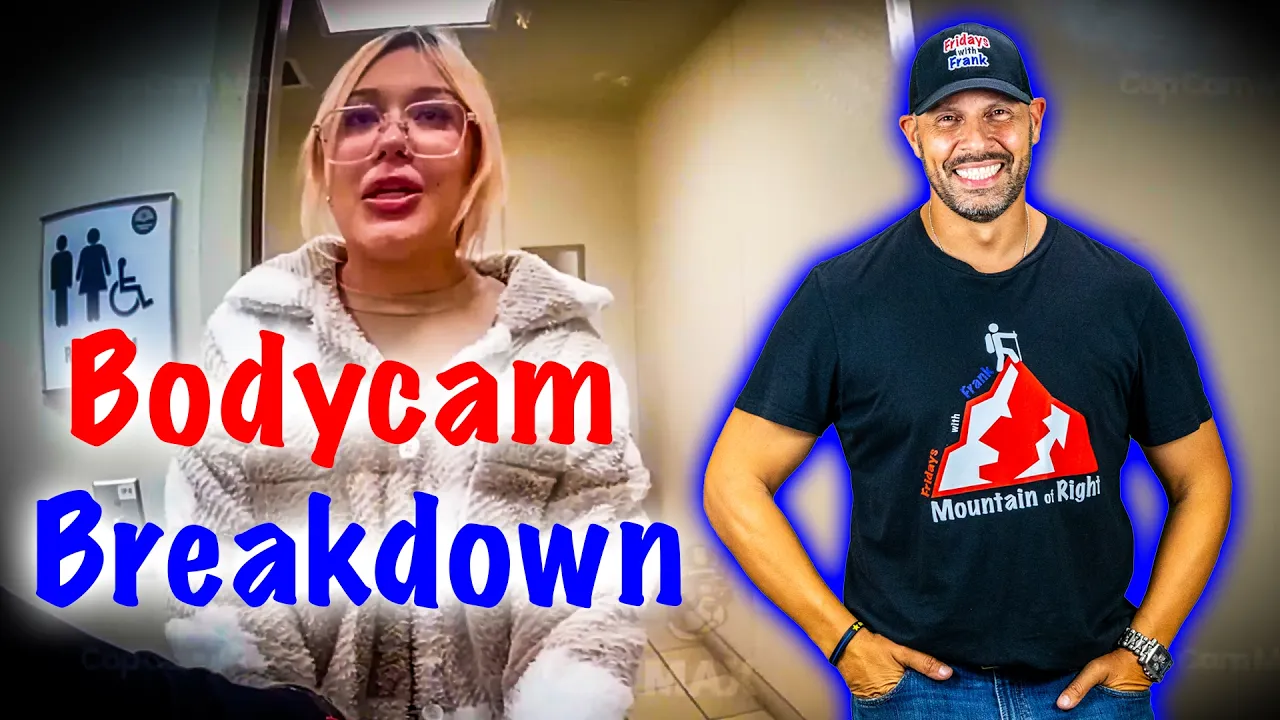
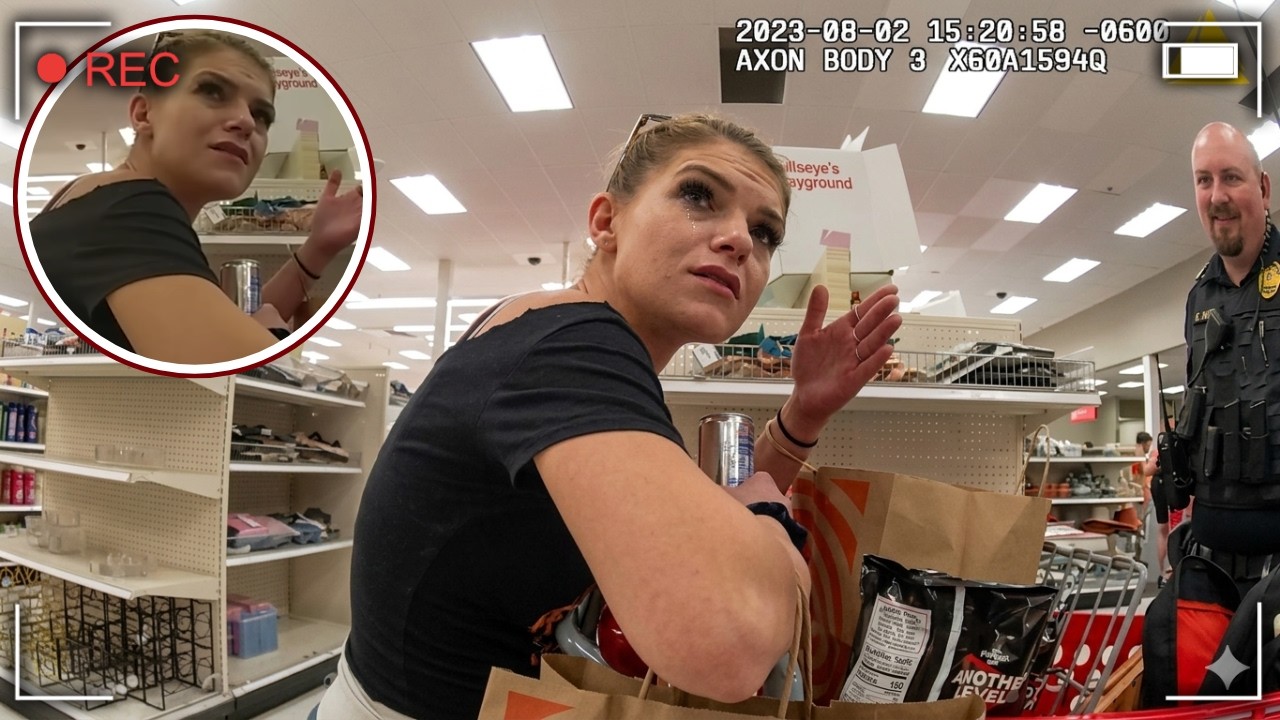
On January 8th, 2023, Palm Beach County Sheriff's deputies responded to a Burlington Coat Factory regarding an employee fraud scheme. A cashier had been systematically suspending point of sale transactions, allowing merchandise to leave the store without payment being collected. Store loss prevention had already linked her cashier ID to approximately $3,100 in fraudulent transactions over 3 weeks.
This footage raises three distinct legal questions. Was the Miranda advisement constitutionally sound? Was the subsequent waiver voluntary? And were the charges correctly identified?
Oh yeah, yeah, yeah.
Good. So, what's going on?
>> When officers arrived, the manager explained exactly how the fraud worked.
The suspect decided to recruit almost everyone on the entire shift to steal various clothing items and make the transactions appear as if they were paid for. She got away with this for almost 3 weeks. But what she didn't know was that loss prevention could see all suspended transactions which made their scheme easy to uncover.
>> She was always the cashier.
>> Like she was always giving the stuff for you. You know the other associates I haven't found any were there. She's just she's at the cashier. So, she's really committed to like $3,000, which is about what I came up with. Um, so minimum of $3,000 she allowed to leave the form by not properly ringing it. Um, but I I put it on here like I kind of put this is her. So, she's responsible for let's say three grand. The other one from what I can see on the transactions 16 of that is what this associate walked out with. And this one here is like a farmer associate she received.
>> That's just their names. I just had all the other names and >> but that person you're here in prison here today. She was involved in all the transactions.
>> She was involved in all. She was the cashier.
>> She was the cash. So she was like letting the employee let leave with all those stuff.
>> She would ring some of the stuff up. you know, it looks so it looks if anybody's looking, it looks like everything's getting ranged, but then she's instead of cashing it out, it would hit suspend.
So, it just suspends the transaction, but she still gave them the stuff and they walked out. They never paid for it.
>> But on this this here, that's every one of these are >> items taken or none of that was paid for.
>> Okay, that's why I just want to make sure it's on our rules. 3100.
>> This is her generic statement.
>> Yeah, they passed one to us. It's >> No, no, no. I didn't know you needed.
>> Give me one second. All right. We're going to go in and talk to her at least when we make contact with her. What's going on, Sure.
Here to talk to you.
>> All right. I'm Deputy Frankie with the sheriff's office.
>> Well, you unfortunately there's no choice. You're going tonight.
>> Can I pay the money back, please? I can't go to jail off my room and everything. I can't go to jail. You got $3,100.
>> I can play payments. I can do something.
>> That's That's not on my hands. That's on them. But they want right now. They're prosecuted.
I can't go to jail. I can't I my >> I know that's awful. I mean, I can't deal with I can't I can't go to jail. I really can't go to jail.
>> I'm a single mom. I can I can make payments. I can do a payment plan.
Please know I can't go to jail, >> right? And I and I did this. I know. I know it's tough, but I did. And they, you know, it's >> Can you call them back and talk to them and explain them? I can't go to jail.
>> I will I will call back, but I don't, you know, I don't know.
>> Please talk to him. I can't go to jail.
I can't I can't >> I will I will I will call him but just talk to this guy on >> well first we're going to talk and then we'll go from there >> first and just um but I I will go step out and call [clears throat] I did tell them all that ahead of time you know >> I can make payment based on I can do anything just tell him please don't take >> I was wrong please don't take me to jail please >> we'll talk to this guy all All right. Do you What's your name, ma'am?
>> Yes.
>> All right. So, I'm going to read you Miranda because we are going to talk.
So, just make sure you acknowledge everything that I say. All right.
>> You have the right to remain silent and not answer any questions. Do you understand?
>> Yes.
>> Any statement must be freely and voluntarily given. Do you do you understand?
>> I just need a yes or no.
>> Yes.
>> Okay. You have a right to attorney of your choice or a court attorney before you make any statement or any question.
Do you understand?
>> I can make no promise to induce you to make a statement. This must be in your own free will. Do you understand?
>> Any statement can and will be used against you in a court of law. Do you understand your rights so far?
>> Yes.
>> Okay. Do you want to speak to me what happened? Cuz we got a lot of stuff here.
>> So, would you like to talk to me about what's going on or >> Hello.
I'm sorry.
>> That was wrong.
>> Okay. Well, I mean, I know I know you you've spontaneously audited that a few times. What I'm getting at is >> Okay. So, we have all these transactions that were not rung up. Okay. You with me so far?
>> Yes.
>> And some of these were for employees that work here. Correct.
>> Okay. So, do you want to explain like like we have one that's on layway like what happened? What what happened here?
I mean, >> were you ringing did you ring it up and just let him walk out and not pay for the product? Is that what's happening?
>> You tight and he's going to call corporate.
So, nothing's official yet, but we are going to talk cuz >> So, they've got they say about 31 almost $3,100 in items so far. But like I I don't even know half of them people. I told it might was a mistake for some of them. But they saying that the the receipt came out after they put their card there. And the receipt came out. I didn't know if I suspend it or not. Just explain that to some of them people. I don't even know.
>> Oh, you explain. I don't understand what you mean by suspend. That's what I don't understand. What does that mean?
>> So like this one here has your name, right?
>> Yes.
>> So this [snorts] was a transaction for 13 items on the 20th, right?
So, and it says status suspended. What does that mean?
>> The the the transaction was suspended.
[snorts] >> Okay. Was that a decline card or >> No, it just was I just cancelled the whole transaction.
>> All right. So, you can you suspended that transaction, right? So your your end of the day count is not looking for that money cuz that transaction was suspended. Correct.
>> So we have a total of uh like $103. So >> did you allow a product to leave the store?
>> Yes.
>> Did you know that this that the that the transaction was suspended?
>> Yes.
>> Is that something you >> It's the No. This it's this is where it says >> she used one person used the card. She put her card in but the receipt still came out. He said I put suspended. So the receipt still came out. So he saying I suspended it and the items did leave the store.
>> Okay. So the the the transaction was suspended. You knew it was suspended and >> not this one. It's another one that I knew was suspended.
>> Okay. So regardless, [snorts] how does it go and suspended? Is it because a payment wasn't accepted or there was no payment or is it something you have to do? You can press F12F.
You can press your number on there and it suspended.
>> Okay. So that's that's happened. And so you knew that this transaction was suspended for whatever reason. Then you allowed the product to leave.
>> I'm sorry.
>> Not on all of them because the receipt will come out. If they put their phone right there, it won't tell me if it won't pay. It just the receipt will come out.
>> Okay. But it does it always have suspended? I mean, every one of these receipts has suspended on them.
>> That's what the system said.
>> Okay. And I also have one here. I'm looking for it. That was a layaway that they came back in the next day. That layaway was then cancelled and then the product still left the store.
>> Yes.
>> So, I guess where I'm getting at here is I mean, you're knowing allowing the stuff to leave the store, correct?
weird.
>> So you So why would you do that?
>> I told I was a person.
>> Are you getting any kickback for that?
Are you I mean are they giving you anything for this product or >> how long you work for Burlington?
>> I started in March.
>> In March?
>> Yeah.
All right, because they also got video which they're going to provide us for all these transactions.
So I guess another question is how do you pick and choose who you're allowing to leave without paying for product? Cuz some of these are some of the things are associates that work here.
>> Two of them. Two of them were definitely associates that we know of. Um, is this something they do that they told you about?
Because I mean they coming up to you asking I mean do you know them from like the neighbor? I mean how do you know them? Are they didn't work?
>> Two of them work two one of them I know >> that works here.
>> Do you know them prior to working here >> and then they did they tell you that this goes on?
>> No.
You ever been arrested before?
>> No. You >> ever been in trouble?
>> No.
>> All right. I know he's talking to some people, but as of right now, if this goes the way it is, it's it's a felony.
You will have to take you if they do decide to prosecute, it's up to them.
They could turn around and be like, "We'll work something out with you." I have no control over that. If they do, the only thing I would definitely be cognizant of is that this is a felony.
So, they have a certain amount of time that they can report this without any repercussions. So, if they decide to work out a payment plan, which I have no control over at all, and you fail on that payment plan, they can call us right back. And there's without everything I have here and after speaking with you, there's there's without a doubt probable cause for a felony theft.
of of three grams. Um, so if that's something that they allow to happen, again, I have no control.
Then it's something that you need to uh stay stay with because there's enough here. I mean, you there's $1,000. It's you could almost be charged with um a scheme to defraud >> if you're working with other people to defraud. That's another charge on top of it's not just a theft of three grand because you didn't keep the product. You don't have it. You allowed it to walk out. So, there's a charge on the books is called a scheme to defraud, which is you're facilitating it and other people are benefiting from it cuz you're not benefiting. You didn't get any other product. It's not like it's sitting in the car waiting for you to get out unless you all are taking it and reselling it on the outside.
>> I I get it. Listen, times are tough, right? I I I get it. Trust me, I I I understand that. But you also have to understand, too, that you know, you're not talking a couple $3,000. You've been here since March.
>> Yeah.
>> Yep. That's what I thought.
>> Yeah. Prosecute.
>> Okay.
All right. Well, we're going to have to uh we're going to I am going to be cordial and I'm going to respect you.
We're going to get everything we need from him. We're going to walk you out like a like normal. So you give us any indication that you're not going to cooperate, you're going in cuffs. You're going to go in cuffs at one point, but instead of what they call per walking you through the store and embarrassing you in front of all these people, we can do it cordally and then go outside cuz this isn't going to be you get released here. You you have to go you're going to go to county.
>> So you you're going to buy that. I mean, if it was under if it was a misdemeanor, I could release you on scene. I can't.
This is $3,000. I can't do that. You have to >> um you going to have to see a judge. You if you ain't got no record in there.
>> What's that?
>> Got stony if we don't get you down there quick enough. Yeah. I can't I can't undo that. But if you got a good record, no history, you know, that might be an RO.
That's up to the judge. Um where do you stay at? Okay. So, guess what? I'll take you out there. All right. Because I can take you to gun club, which means someone got to come all the way over here to coast to get you. I can take you out to the Glades, which is where we're supposed to take you. And then when you get out, you're right there.
>> All right. I'm going to do as best I can. As long as you cooperate with us and and be cordial, then we can work and he's with me. We we got we can take care of this. But if you start acting up >> cuffs and all the way through. All right.
>> Where's your purse?
>> In the >> in her vehicle.
>> All right.
>> She's got what she wants out of it. So if you if you want to go back to the sub with me and help me do the property real quick. All right.
>> And then we can get her down where we got to go. Like I said, ma'am, if you cooperate, let's go this route. If you don't, >> well, you want to leave your stuff in the car >> to the the bag.
>> All right.
>> She's going to take a couple items that she needs and the rest.
Show us where your car is. One of us will take that out there and drop it off. Once you go to Micardo, we have to go in cuffs and then we'll give you a double them up and we'll transport you to our district here for this.
>> This is Impa.
>> What's that?
>> It's the black Chevy.
>> Black Chevy.
>> All right. Do you want to get that in the keys? This is me right here.
Try and make it as comfortable as you can, right? It ain't built for comfort.
>> Hold on. We got one. We're going to double it up, which will give you a little bit more freedom. All right.
>> Let's examine the constitutional framework first. Miranda. Under Miranda versus Arizona, decided by the United States Supreme Court in 1966, law enforcement must advise any suspect of four core rights prior to custodial interrogation. The right to remain silent that any statement may be used against them in court. Attorney, if they cannot afford one. Absent these warnings, any statement obtained as presumptively inadmissible. The deputy delivered each adisement individually and paused for verbal acknowledgement after each element. This segmented approach is best practice. It creates a clear record of knowing intelligent waiver. Second, voluntariness. The subject was visibly distressed throughout the contact. She invoked a recently deceased grandmother. Her status as a single mother and made repeated emotional pleas. Does this render her waiver involuntary? The answer under federal precedent is no. In Colorado versus Connelly 479U s 157 decided in 1986, the Supreme Court held that emotional distress or mental state alone is insufficient to render a Miranda waiver involuntary. The critical question is whether the waiver resulted from police coercion not from the suspect's internal state. Here, the deputy made no promises, issued no threats beyond legally accurate consequences, and explicitly disclaimed authority over the prosecution decision.
The waiver was legally valid. Any subsequent statements are admissible under existing doctrine. Third, the charges. The deputy correctly identified two distinct theories of criminal liability. The first, grand theft under Florida statute section 812.014.
Grand theft in the third degree applies where the value of stolen property exceeds $750 but remains below $20,000.
At approximately $3,100, this case clears the felony threshold.
Maximum exposure, 5 years imprisonment, 5 years probation, and a $5,000 fine.
The second theory is more legally nuanced. Scheme to defraud under Florida statute section 817.034, the Florida Communications Fraud Act.
This charge captures systematic ongoing fraudulent conduct involving multiple transactions or victims. Critically, it does not require the perpetrator to personally retain the stolen property.
Facilitation is sufficient because the subject allowed merchandise to leave the store for the benefit of others without retaining it herself. Both charges are independently supportable under Florida law under Florida statute section 777.011.
She is also liable as a principle in the first degree for any theft she facilitated. It is worth noting what the deputy did not do. He did not make any false representations about the strength of the evidence. He did not promise leniency in exchange for cooperation and he did not engage in minimization tactics, a common interview technique where officers downplay the seriousness of the offense to elicit admissions. All three of those techniques, if used improperly, can form the basis of a motion to suppress under the fifth and 14th amendments. The absence of coercion here is legally significant. It insulates the confession [clears throat] from challenge. Now the grades, his explicit disavow of prosecutorial authority, stating repeatedly that Burlington controlled the charging decision, was legally accurate, and ethically sound. Arrest logistics were handled with notable discretion. The deduction from a perfect grade reflects two minor observations. The question, "Are you getting any kickback?" is leading. Open-ended technique would have been preferable, and Primaranda spontaneous statements should be more carefully documented to distinguish them from interrogation adjacent prompting.
The suspect receives a C plus. However, her decision to wave Miranda and speak without counsel was the most consequential and most damaging choice she made in this encounter. The documentary evidence was already substantial. Transaction logs tied to her cashier ID, a manager statement, and surveillance footage. Her admissions confirming she knew the transactions were suspended, confirming she allowed product to leave the store, converted a potentially contestable case into a near certain conviction. A competent defense attorney would have advised silence. The subsequent petty theft charge while on probation compounds the legal assessment significantly. A new criminal offense while on probation for a felony constitutes a violation of probation, exposing her to revocation and incarceration on the original count. The initial sentence achieved no measurable deterrence. Lessons from this case for law enforcement. This encounter demonstrates that a legally sound arrest does not require coercion, intimidation, or misrepresentation. Documentary evidence, a proper Miranda procedure, and professional demeanor are sufficient. The deputy's restraint is the standard, not the exception for employers and loss prevention, suspended transaction fraud, is a well-documented retail theft vector. Back-end audit logs that capture employee ID, transaction status, and timestamps are the primary detection mechanism as they were here.
Real-time anomaly alerts on suspended transactions can significantly reduce exposure windows. Let us know if there is an interaction or legal topic that you would like us to discuss in the comments below. Thank you for watching and don't forget to check out our second channel, Audit the Court, for even more police interaction and courtroom content.
Up Next

Missouri v. Seibert (2004): Miranda Warnings and Interrogation
@LSData-CaseBriefs
321 views•2023-07-30

US Secondary Sanctions Impact on EU Businesses and Blocking Legislation
@Bureauvandijk
1.6K views•2019-03-20

Forensic Phonetics: Speaker Identification in Legal Cases
@nptel-nociitm9240
539 views•2025-03-19

Police Interrogation Tactics: False Confessions & Legal Reform
@LastWeekTonight
7M views•2022-04-18
Related Study Plans & Knowledge Roadmaps
Structured learning paths in Law