![[AULA] Linha do Tempo da História da Arte](https://i.ytimg.com/vi_webp/SEyhdqLQ6lA/maxresdefault.webp)


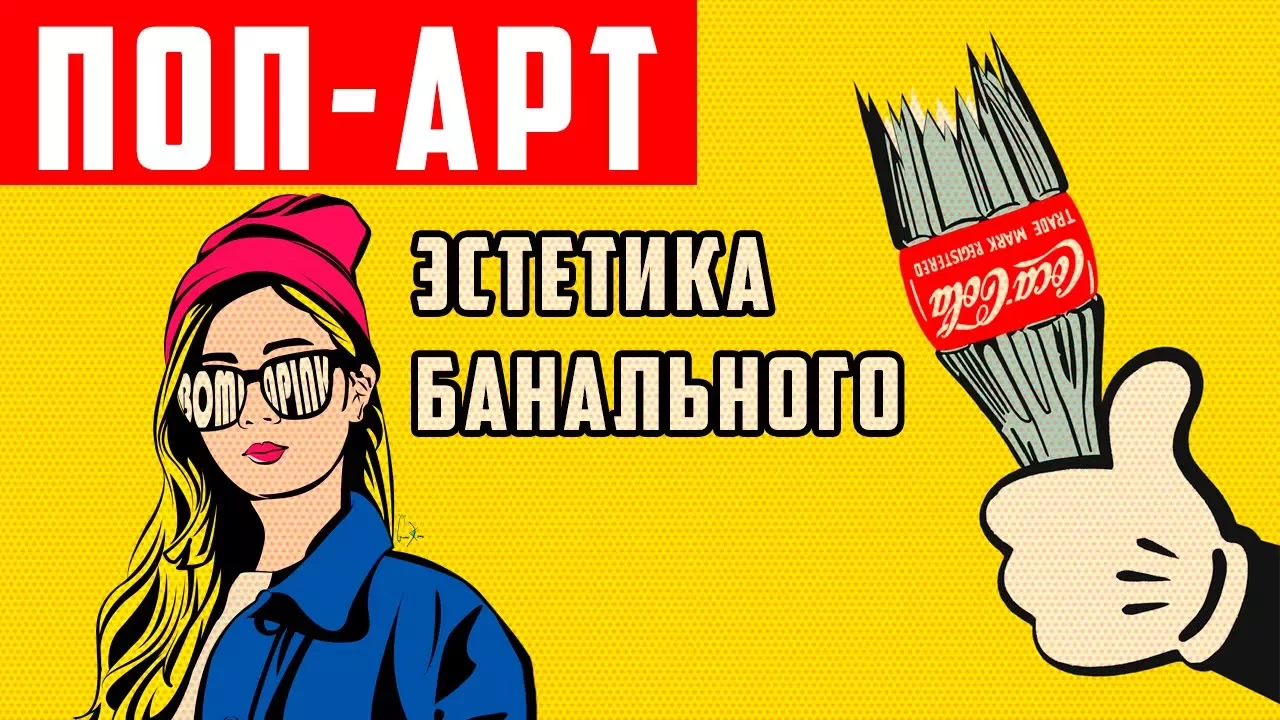




















Pop Art emerged in the 1950s-60s as a revolutionary movement that challenged traditional artistic values by embracing mass-produced imagery, celebrity culture, and commercial aesthetics, questioning why art must be unique, philosophical, or elite to be valuable, and democratizing art by proving that cultural significance can come from everyday popular culture rather than just galleries and academies.
Pop Art Movement: History and Cultural Impact | Educational Guide
Added:Understanding Abstract Expressionism and the mid-20th-century academic art establishment that Pop Art reacted against.
The socio-economic landscape of the post-WWII era, specifically the boom of mass consumerism, television, and industrial advertising.
The historical distinction between 'high art' (fine art galleries, classical painting) and 'low art' (commercial illustration, comic books, caricature).
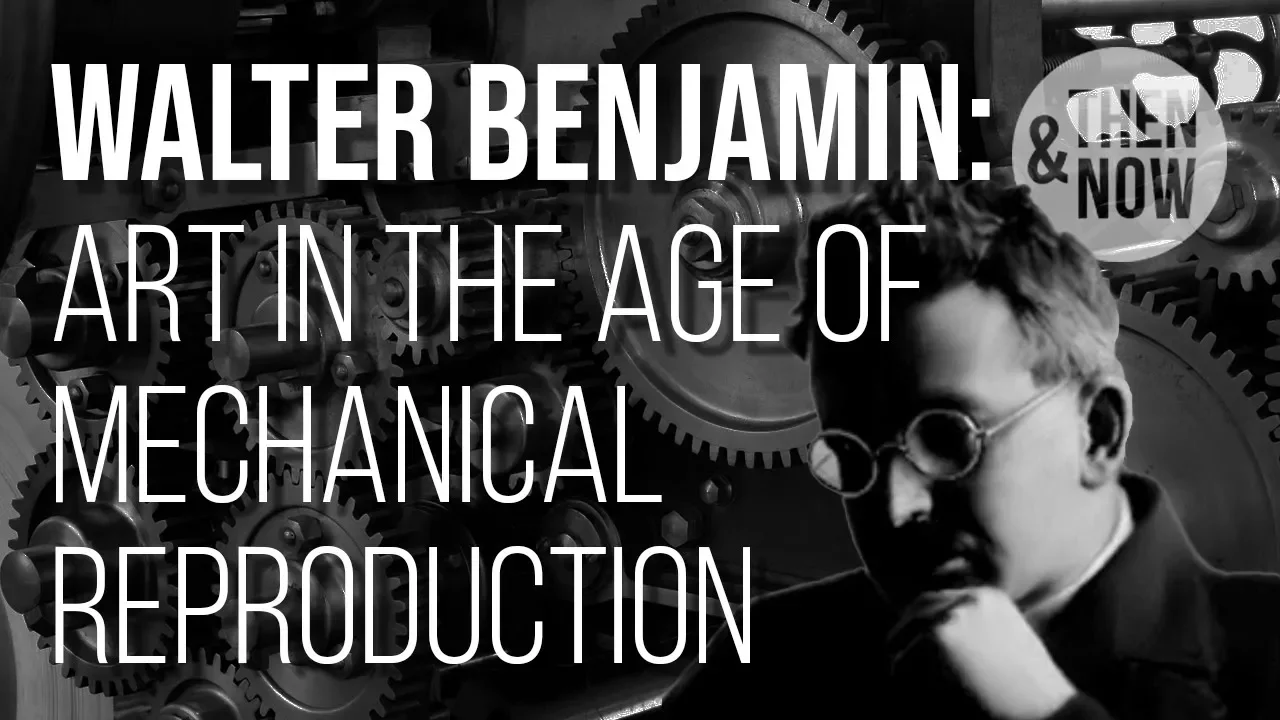
Basic concepts of mechanical reproduction and printmaking, such as screen printing, which challenged traditional notions of a unique, handcrafted art piece.
The transition into Postmodernism and how Pop Art laid the groundwork for questioning artistic authorship and originality.
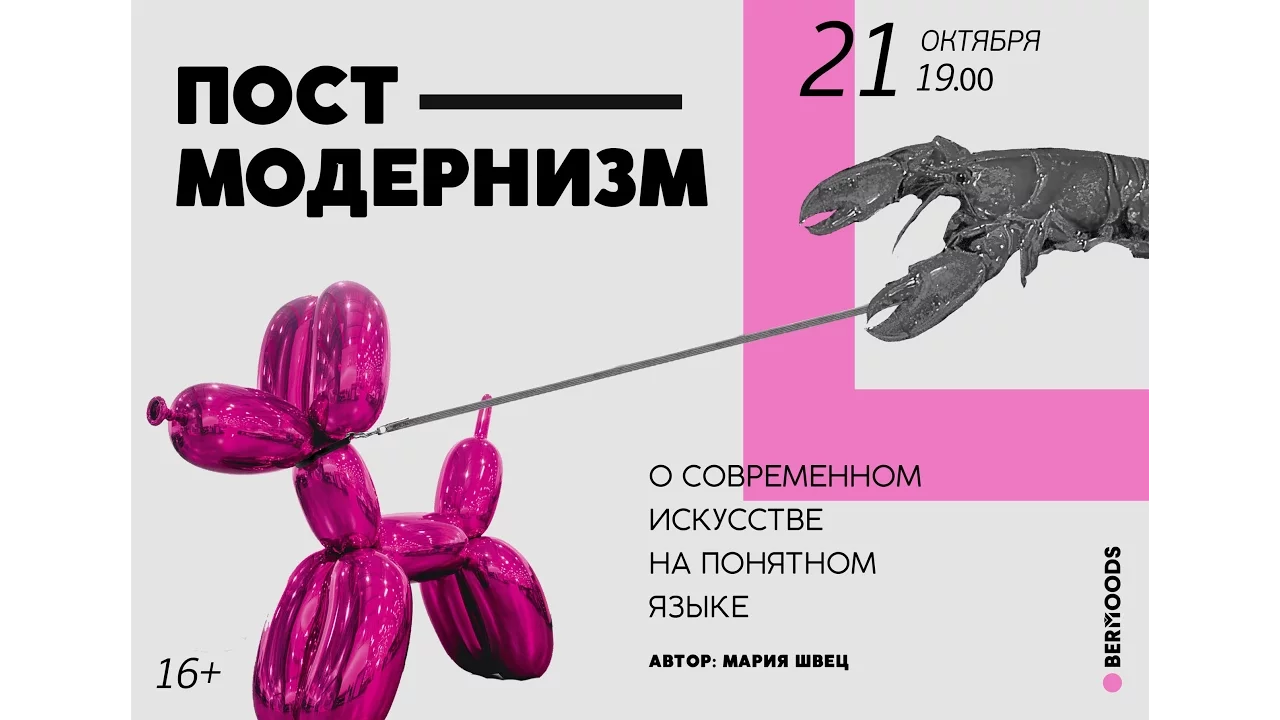
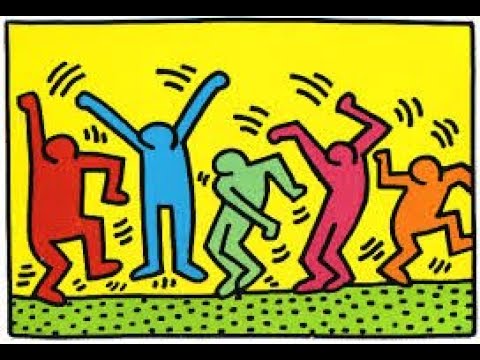
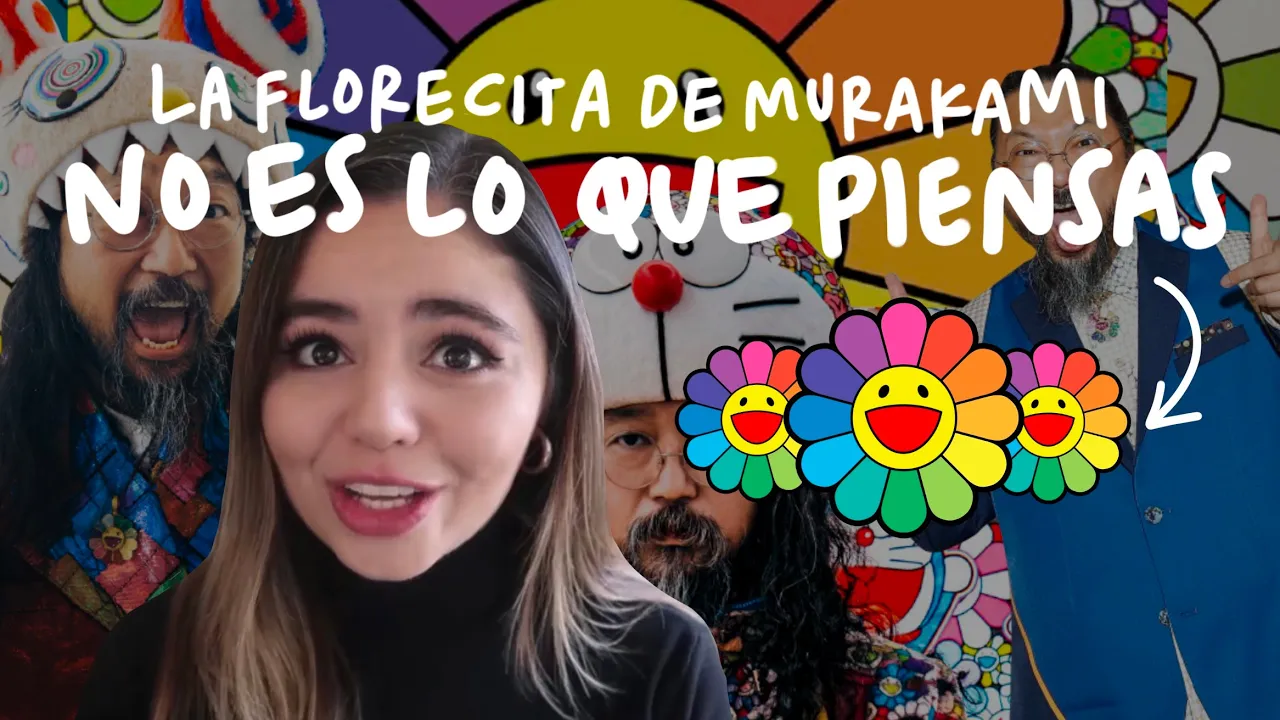
The rise of Neo-Pop and Contemporary Art in the late 20th and 21st centuries, examining artists like Jeff Koons, Takashi Murakami, and KAWS.
The reciprocal influence of Pop Art on modern graphic design, brand identity, and commercial marketing strategies.
The sociological study of celebrity culture, hyperreality, and media consumption in the digital age, expanding on Pop Art's initial critiques.
52K views635likes4:32Original Release: 2016-03-19
In the last episode we took a look at colour field painting which many people find frustrating because they’re seemingly lacking in contextless and narrative. So what about something that is on the completely opposite side of the spectrum? Something that is full of cultural reference, explicit ideas and popular imagery? Well apparently on this opposite end of the extreme, some people find it equally frustrating. So today, we’re going to talk a little bit about the Pop Art movement.
Let’s think about something for a moment. Historically, why did people find art valuable?
Perhaps it’s because they’re unique and one of a kind. Perhaps it’s because they were deemed by prestigious academies and wealthy individuals to be important. Perhaps it’s because they’re deeply contemplative and philosophical. Well that’s great and all, but some would argue that these ideals could lead to art being highly elitist and inaccessible to the masses, which in many cases it did. And that’s probably why at some point, some people came, took a look at these ideals and went - screw all that.
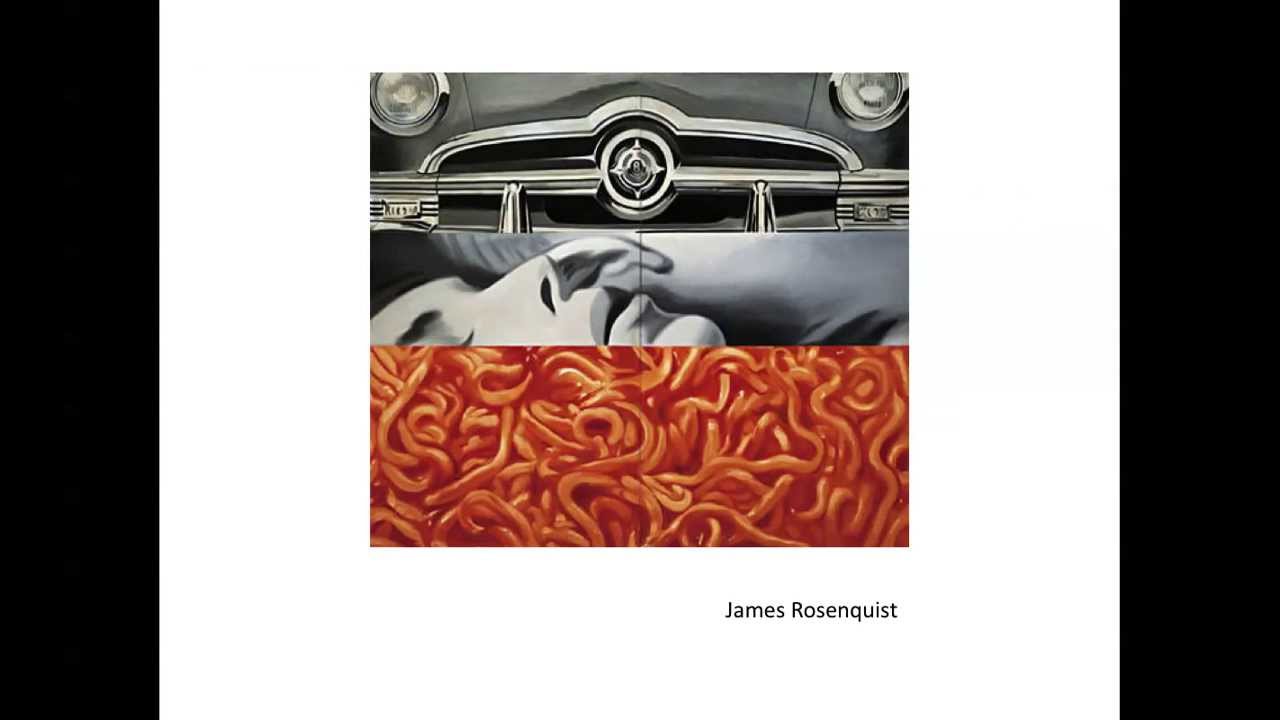
Now let’s think about the 1950s, an era of film, television, advertisements, and mass produced imagery on magazine covers, comic books and newsstands. Many images were burned onto people’s collective consciousness through these media and our culture became undoubtedly shaped by celebrities, consumer products, and big corporate brands. And whether you think that’s a great thing or a devastating thing, artists saw this thing and they wanted to reflect this new reality. And that’s why many of them highlighted the mass produced and sensational nature of the mainstream media, like Andy Warhol making multiple copies of the same image over and over, or Oldenburg’s overt larger than life depictions of decadence and food consumption.
And by doing this they called into question many of the established values of art, whether intentionally or unintentionally. Why does something have to be unique or limited in quantity in order to be considered valuable? Because clearly many things that are carving out significant cultural impacts are precisely the opposite of that. Why should it be up to the elite or academics to determine what is culturally significant or important? Doesn’t culture belong to the masses and shouldn’t we all get say? And why do art works always have to be deeply philosophically or contemplative, or ask grand questions about life and the universe? Why can’t a work of art just be cute, funny or sexy?
It has also been argued that many pop artists also aimed to emphasize the harsh reality that art itself is a commodity. While there are some people who like to think art is some sort of special thing that sits beyond capitalism, many other people also think that those people probably live in some sort of utopian fantasy land not based in reality. So while there are some people who are busy labelling commercially successful artists as “sell-outs,” some pop artists are kind of turning around at them and saying “well what exactly did you expect?” Pop artists also brought attention to how other artistic practices such as filmmaking, packaging, brand design, performance, comic book illustration - can be just as artistic, interesting or sophisticated as “high art” pursuits such as painting and sculpting. Many pop artists would collaborate with creators across disciplines - such as artist Robert Rauschenberg collaborating with experimental musician John Cage as well as choreographer Merce Cunningham. Or Andy Warhol collaborating with the band the Velvet Underground such as designing an album cover in 1967. This bridged the boundaries between artists, musicians, performers and creators of all kinds, leading to today - where an artist’s collaboration with a filmmaker, musician or fashion designer seems pretty normal.
And it’s for some of these aforementioned reasons why some people didn’t, and still to this day don’t take Pop Art seriously. They think it’s gimmicky, ironic and unserious.
But one could also say - well why can’t an art be gimmicky, ironic or unserious? And let’s face it - it’s important for us to to challenge the concept of cultural hierarchy, it’s important to highlight the undoubted impact of mass culture, and it’s important to democratize both the creation and consumption of art. Pop Artists facilited this discussion back in the 1950s and 60s, and these are conservations that continues to be had today.
So what do you think? Do you think reproducing pop cultural images is just gimmicky and pointless?
Or do you see value in bringing attention to our culture’s collective consciousness and shared experiences? As always, let me know in the comments and I’ll see you next time.
Up Next

80:47
Lee Lozano's Early Paintings & Drawings | Art History Talk
@HauserWirth
2.2K views•2021-01-08

114:18
Christian Iconography: History, Theology, and Meaning | Fr. Panayiotis Papageorgiou
@Trisagionfilms
58.8K views•2020-02-21
7:48
Ukiyo-e Art: History, Woodblock Printing & Influence
@japanathand
6.3K views•2023-06-08

16:34
Earliest Depictions of Jesus in Art: 10 Ancient Images Explained
@UsefulCharts
5.9M views•2022-06-03
Related Study Plans & Knowledge Roadmaps
Structured learning paths in Art History
art-history
Gothic Cathedrals: Engineering, Light & Society
01The Birth of the Gothic: Romanesque to Suger's Vision
02The Structural Triad: Pointed Arches, Ribbed Vaults, and Flying Buttresses
03Theology of Light: Lux Nova and Sacred Geometry
+ 2 more learning modules
14h5 modules
Explore Roadmap
art-history
Pre-Raphaelites: Realism, Symbolism & Critique
01The Victorian Art Establishment and Academic Formula
02The Founding of the PRB and Radical Realism
03Medieval Revivalism and Literary Symbolism
+ 1 more learning modules
8h4 modules
Explore Roadmap
art-history
Street Art: From Subways to Art Market
01Subcultural Origins in Philadelphia and New York (1970s)
02The Subway Era and Style Wars (Late 1970s - 1980s)
03The East Village Scene and Early Gallery Crossover
+ 2 more learning modules
10h5 modules
Explore Roadmap
art-history
Classic Maya Art: Iconography, Glyphs & Ritual
01Foundations of Classic Maya Visual Culture
02Deciphering Maya Hieroglyphs & Text-Image Integration
03Sacred Geography and Cosmological Architecture
+ 2 more learning modules
14h5 modules
Explore Roadmap