


![Artes visuales: Abstracto y figurativo [Cecuny En Casa]](https://i.ytimg.com/vi/fMP-5Dw-fIM/sddefault.jpg?sqp=-oaymwEmCIAFEOAD8quKqQMa8AEB-AH-DoACuAiKAgwIABABGEMgWyhyMA8=&rs=AOn4CLDaEnGhziyFuyWpP3cUjuKUwfa3pw)











Lee Lozano's early 1960s figurative and cartoonish paintings represent a significant but largely overlooked chapter in American art history, emerging from New York's experimental downtown art scene characterized by artist-run galleries like the Tanager and Hanza, which provided venues for innovative work outside the mainstream art market. Influenced by European modernists like Bonnard and Hofmann, Lozano developed distinctive technical mastery through her training at the Art Institute of Chicago, creating works that anticipated later developments in conceptual and pop art while simultaneously exploring themes of eroticism and popular culture that challenged contemporary artistic conventions.
Lee Lozano's Early Paintings & Drawings | Art History Talk
Added:The historical context of the 1960s New York art scene, including the transition from Abstract Expressionism to Pop Art, Minimalism, and early Conceptualism.
The fundamental definition of 'Conceptual Art', specifically how ideas and processes are prioritized over aesthetic or material outcomes.
The distinction between 'Figurative Art' and abstraction, and how artists used representation of the human form to explore psychological and social themes.
An introductory understanding of the socio-political climate of the 1960s, particularly the emerging feminist movement and its relation to the art world.
Lee Lozano's radical transition into her 'Instruction Pieces' and conceptual actions, such as her famous 'General Strike Piece' and 'Decide to Boycott Women'.
The history of Institutional Critique in the 1970s, examining how artists challenged the power dynamics, commercialization, and politics of art institutions.
The study of 'withdrawal' as an artistic medium, comparing Lozano's departure from the art world with other artists who chose to drop out or cease production (e.g., Charlotte Posenenske).
A comparative analysis of other key 1960s and 70s feminist conceptual artists, such as Adrian Piper, Martha Rosler, and Yoko Ono.
2.2K views35likes1:20:47Original Release: 2021-01-08
well hello everybody welcome to heisman somerset i'm debbie here director of education uh welcome i'm here in the exhibition lee lusano which runs until the 10th of january it's open to visitors so if you want to come and visit you can make a booking by our website thank you so much for joining us for cure for gloom a talk about lozano's early paintings and drawings with melissa rash left barry rosen yat van lea and randy kennedy i guess you're all joining us from new york this digital event is closed captioned so if you want to utilize this function simply click the closed caption icon at the bottom of your zoom screen the panelists are also going to take questions and you can ask a question anytime they'll take them at the end and you can also add your question using the q a button at the bottom it gives me great pleasure to hand you over to new york to randy kennedy our director of special projects he's going to introduce the event and our guests while you're taken through a virtual sort of visual tour of the exhibition here in somerset i really hope you enjoyed the discussion thank you i'm randy kennedy i'm the director of special projects for the gallery and i'm really happy to welcome everybody here today and thank you for tuning in um we're here uh for on the occasion of of this exhibition of early lazano paintings and drawings at hausern worth summerstep that opened this fall and continues through uh through january 10th it the show is another in a series of pretty rare looks at lozano's predator naturally mature and assured beginnings as an artist in the early 60s which was a time of immense transition in the new york art world and that's really what we're here to talk about today that that period in the art world then was a as a sort of a brief lacuna at the end of abstract expressionism's reign and just just before pop and minimalism came to be the dominant language through the 60s it was a period that was remarkably open and experimental and included more women artists and artists of color than would subsequently be the case by even the mid 60s professor melissa ratcliffe's uh 2017 uh book and exhibition inventing downtown um was really the first comprehensive chronicle of those years and that scene from which lozano emerged and in which i'd say you know she was one of the more dynamic and iconoclastic forces melissa who's a clinical associate professor at new york university joins us today with barry rosen and yap van lier who direct the lozano estate and have worked for many many years to bring lozano's work and legacy to its rightful place in the history of um of post-war american art um so as i said today we'll talk about the early 60s uh a scene at a time that's still among the least well known in lozano's history and also a time that still needs some far deeper historical exploration overall um and before i hand it over to uh to melissa and barry um and yeah i'll just say that i'd like to say that the talk for today's uh the title for today's talk um which is sort of inspired by the repetitive and vaguely erotic images of airplanes in these early lozano paintings comes from a sort of a whimsical offhand note he writes quote cure for gloom crankiness blues etc have a disembodied paper airplane flying around all the time and um you know i think we probably all all of us need a cure for gloom about right now and that sounds like a good one to me um so uh we're and we're looking here at that uh that page from lozano's notebook so i i'll hand it off to to barry and yap and melissa um and and we have uh images from the show but also a lot of historical images from those years that sort of ferment uh in lower manhattan that lozano came out of uh to make these paintings um melissa maybe you could start off a little bit just talking about the work that you did to make that show at the gray art gallery and to make your book inventing downtown and i know lozano was one of the one of many figures who who were pivotal to that time thank you randy thank you so much for inviting me and allowing for me to take a a deeper dive into lozano's early work and uh in our conversations i was really struck by what a conversation is going on in her early work uh with other with a number of other artists some of whom um will will show in the slides and some of whom are here with us in the audience um so hopefully they'll have a chance to also weigh in the moment that i was looking at began begins roughly in 1952 with the formation of the tanager gallery on east 10th street which was an artist run gallery that lasted until about 1962 and shortly thereafter the formation of the hanza gallery um and these uh which was around the corner on um on east 12th street uh right right near east uh 10th street in in downtown manhattan these artist galleries uh showed work of member artists as well as other artists who were living downtown and at the time the uptown galleries were mainly not showing contemporary art there were a few but for the most part of the art market in new york was looking you know you know turner um i'm thinking a british artist like turner was uh there were exhibitions of of artists um who were impressionists artists etc the the business was really not geared toward contemporary art so it would take an artist a really long time to get an exhibition uh artists still talked about the uh exhibition of um willem de kooning's work uh you know his first one-man show you know at age 40.
and that was all they could expect if they were a painter in their in their 20s or 30s that it was just going to take until their middle middle career middle age before a gallery would look at their work so that was one of the reasons why they decided to start galleries not so much in thinking that these are going to be businesses that will flourish or profit but really as a venue to show work and new work in ideas so my research began there with the hanza and one of the employees of the hanza was a man named richard bellamy or dick bellamy as people knew him and he went on to start a gallery called the green gallery which opened in the fall of 1960 with a mark to suvro sculpture show and it ended in 1965 and it was that gallery and that legacy from the hanza to the green and then to um at the green that some of the new artists in newark that richard bellamy was looking at that lozano um finds uh a venue for her work and richard bellamy was hugely enthusiastic about lee lozano's work and so and and i believe she begins exhibiting in group shows in uh 1964. had the gallery continued i richard belney wanted to do a one-person exhibition with lozano um i think so the slideshow i don't know if we want to advance the slides to the next one but we put together a conversation between what lozano is doing and what some of the other artists were doing and i'm hoping that barry and yappas things look familiar from the estate um that that you weigh in but we um uh when we're putting this together emily and i were talking about how we love that this is a resume i mean it's it's done in 1970 but it really looks at the different identities that she's tracking um as part of her you know important biographical shifts and then um you know her work her her studies her scholarship to in in europe um the art institute of chicago had um and maybe possibly still has an an award that's given to peter passantino's here he can correct me but one or a couple of artists and and you travel uh it pays for a year to live in in paris and france and i know john mitchell was an earlier recipient of that award um but lee lozano um won that award as well and melissa your uh work around those east village uh co-op galleries um for for the show uh sort of demonstrated that there were that after the dominance of avex that there were a number of people who were who who had been and continued to paint figuratively um and part of what we will end up seeing in these paintings uh that are in somerset um uh and the paintings of her you know peers and friends was this sort of um uh you know brushy figuration to a degree uh work that kind of in some cases like bob thompson's look back to you know to to impressionism um but also to surrealism um and what what do you think were the uh sort of ingredients or elements that led to that kind of flowering of figurative painting in those years before pop made it into a different thing and then and minimalism went went on its way i you know a lot um but i think that there were several important exhibitions at the museum of modern art uh in the late 40s this is a little slightly older than lee lozano but pierre bernard died in the after world war ii and moma organized a retrospective i think in 46 or 47.
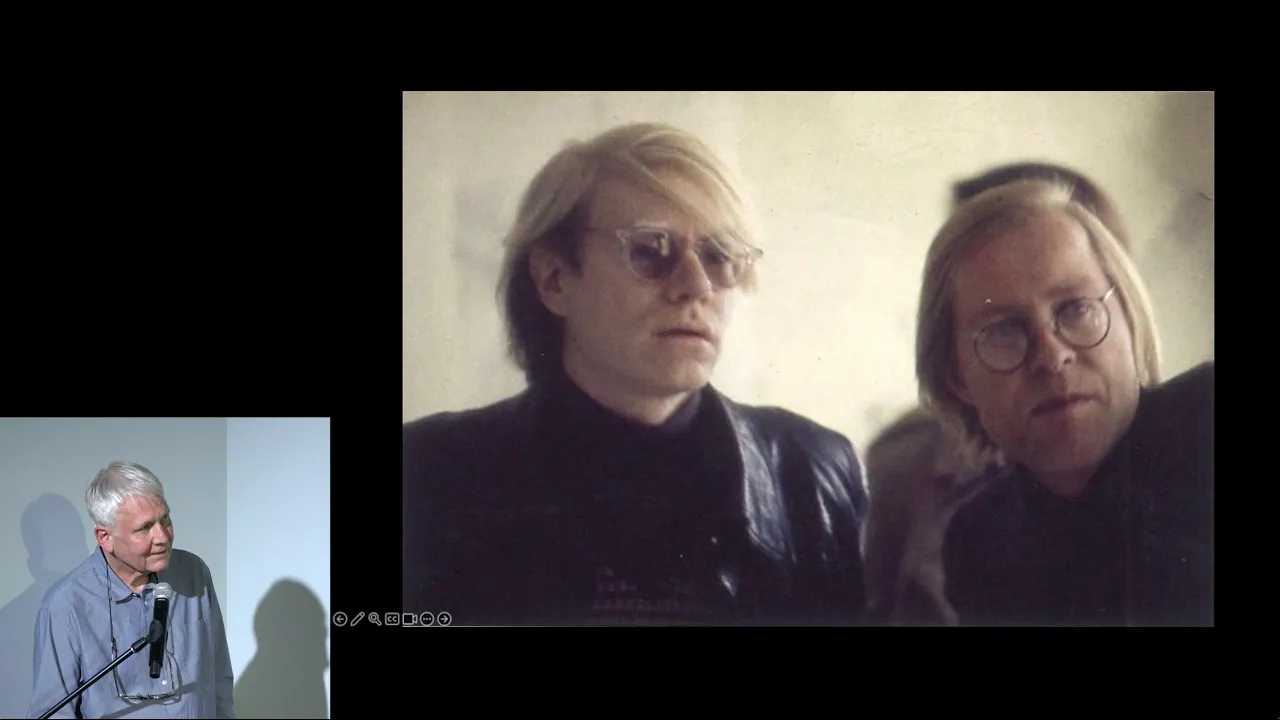
bernard's subject matter and the use of color was received you know kind of like a lightning bolt through the community and you know someone like um larry rivers had the bernard catalog you know in his studio and would just constantly refer to it and cut cut things out of the catalog and use it and so when i was interviewing different artists who were in new york in the immediate post-war years bernard came up again and again sutin um is another artist who came up again and again um um again moma the museum of modern art being a tremendous resource um for so many of the artists um there other artists would talk about um you had and these artists were really looking at the school of paris um and they would say well you had two choices you were either a picasso person or a matisse person meaning you were really thinking through like cubist construction of composition or you were really thinking through color the other major major influence in new york um for artists again in the post-war up through the through the 50s was hans hoffman who had a school um and many people involved in these artists-run galleries um studied with hoffman at his school of art on 8th street in in greenwich village and he also went to all the openings downtown so he was a really familiar presence and um just someone um who not only taught but was who had been friends with picasso and matisse and this school of paris artists so people felt that they were getting you know the school of paris in new york from hoffman directly so these this is a generation that is looking at europe you know later you'll meet you know you'll find artists um like lozano um and then her people closer to her age like um uh uh robert morris and donald judd and they're not thinking about europe anymore but um but this but this is um in these early years you know these were if you went to art school even if you went to art institute chicago which had a relationship with the museum of modern art in terms of the exhibits traveling you know back and forth um the um there was close scrutiny on on the uh cubist principles of composition and an attention being paid to color theories and so this is what these artists were immersed in in terms of their training and you can really go ahead i'm sorry barry well i was just thinking i mean as you were speaking i mean the whitney of course existed and there was a huge figurative tradition in american art at that time i mean did none of these people engage all of that oh yeah oh absolutely i didn't i moma was very aggressive i'm doing a lot of work a mid mid western the midwest art school network uh that often had a gallery and um and there were definitely exhibitions that the whitney was going to tour and of course the whitney peggy bacon um uh you know the the zorax you know there's a there's a whole uh tradition of figurative painting that's extremely important but it's american um and the advanced artists at the time i mean the prejudice was that they were really looking also at europe and and and you felt as an american artist that you couldn't be taken seriously unless you actually studied or went to paris and had a studio there for a time to really absorb what was happening in europe there europe was considered um particularly paris and you know kind of authority around modern art um but yes the whitney was also extremely important but moma had as a way of making money they had a traveling exhibition department and a network across the midwest to california um and to and and commercial galleries were sometimes the um um the venues for these shows but the art schools were also an important venue um and so there were modern art collectors in the midwest um et cetera and and so this is something that i've been digging into recently trying to understand you know what what these what these networks um um entailed barry and yep i wanted you you would talk to us yesterday about when we were preparing for this about the fact that you know these early paintings are not that well known to us now but among her peers and within her art world at the time they were they were pretty successful and that like i think yap you had said that when you look at the canvases and stretchers that you know beginning in those years it was apparent that she was able to afford you know better materials and that she was she was kind of working from a position of success and we don't think about that now because these kind of disappeared and she went in another direction um but that these were well regarded at the time well the work that's in this particular show which is 1962-63 are drawings and paintings that that uh use fairly rudimentary materials some of them is canvas stretched over wood some of it is tiny little pieces of uh uh self self-framed works the the work that reflects that she was a success or developed a success uh is the 1964 work that that melissa referred to that that green gallery was going to be showing and green gallery closed when i believe mr skull referred retracted to support and that is the work that ended up being shown at bianchini but those paintings all of those aren't stretches that are formed are built for her by other people we have in her her notebooks many sort of uh references to how she's she developed from drawings the paintings and then needed the stretchers to build them that is shortly this is really right after this period of work but in fact that is what reflected her her success um going back we haven't gone to we haven't gone to the slideshow yet that shows those drawings oh okay just hold that um i didn't want to go back earlier to melissa's point about the art institute and and uh and lozano lozano went to university university of chicago where dick bellamy also went and one of her connections to she always felt to uh to dick was that they went they both went to the art institute i mean to the university of chicago which was a hugely serious and demanding program um and after that she went she worked at container corporation of america canadian corporation of america which is where she met adrian lozano her husband um that represented really all a big european influence in design uh because a lot of the the bauhaus people ended up there and um in container corpus sort of intellectually and aesthetically a really important design moment in america then and and and lazana was part of that and it was from there that she went to the art institute with a whole that other background or that other foundation um to um to become the artist that she became well and and this is probably these paintings nobody knew these paintings i don't think people saw them at all even her peers i don't think so really do you yeah well we don't we don't know that we do know that you know there was she was included and we see this later on in our little slideshow on our powerpoint powerpoint that that vambov comp did a show contemporary erotica we assume that this is the work that was in that show but we don't know that because we don't have a checklist for that show um we do know that bellamy did sell some of these works because for instance holly solomon important collector and later gallerist uh owned some of this some of this work that was acquired from bellamy in that period which would be we assumed 364. so it's also possible that that have been acquired later we don't know that yeah well and yes but to the point that this was this scene and was exhibited no and people in 1995 when when some time ago when barry and i did a we had a private space on west broadway uh did a show that included some of these earlier works people just had no clue that this is what she did because what she was known for was the work that you know the abstract work the wave paintings and the special language work which she continued with throw out later after the dropout but this work was not as barry says we don't believe was seen really i mean somebody came in one day and said oh it's figurative and then left didn't even come in the room and that was somebody very knowledgeable who was part of the art world at that time so i would say that you know people didn't know this work at all particularly well while we have this on the while we have this on the screen and we'll talk about this a little bit uh in more depth later but looking at these images right now i think it is important to mention that the influence of kloss oldenburg in chicago uh in those years and how all of those artists you know knew him and loved what he was doing and you know i don't know if there's any direct lines of influence but you you know you look just looking at these works and the the sort of the uh amorphous imagery and the airplane imagery there's some thought in my mind that that oldenburg you know has had some kind of sway on some of these artists i think it's more like they had a related training frankly because if you think about oldenburg's early work at the time in the late 50s with capro and [Music] george siegel and all those people they were doing something else entirely they weren't doing this sort of illustrative cartoony stuff but i think the training at the art institute is very classic and people are trained to control the medium that they work with and i think that's where it's connected to oldenburg more and where it all comes from because we have student work by lozano from institut and it's brilliant and perfect and very you know she's an expert of using her materials and i think that's something quite different than the content and where that derives yeah and i i'm sorry just one second is also in that early student work which is often in the form of assigned classroom assignments where she had to do something like this or something like that um it it would seem that that she takes it into another direction because it's hilarious i mean there are there are works in in the style of indian miniatures that are just just hilarious and um could i take my thing over there and show it what's that here i can do that i can show you oh this is barry you're showing us student work we're moving we're moving yeah it's it's it's in the style of an indian miniature it's a couple in the front of it barry move it move your your uh computer a little closer it's off go down down down go down a little bit go down a little bit yes there we go yeah yes it's a couple and there and they're caressing each other and are more in the theater eating popcorn eating popcorn there we go part and parcel of the theater experience but i mean the point is that i mean that's the kind of training that there was at the art institute along with various formal studies of anatomical you know skeletons body parts muscles it's a very different kind of education than what artists are getting now and they even think about it i think so to me i mean that's a really important aspect to what generates her ability to make the art that she makes because her art looks like it looks because she makes it look that way in every instant not because it's just what she happened to be able to do right right so and i think you know it's it's it's quite a different idea i think that sort of cross-pollination yeah yeah but it does seem to me that um that that uh turn toward kind of cartoonish imagery um was at the very least in the air and it might not have come directly from from oldenburg but um but that it was it was happening and we'll see that in the slideshow to a degree that it was happening in those in those years among a group of artists yeah absolutely what um just quickly could we go back to the previous image in the slideshow i just wanted melissa to talk a bit about where where this is and what uh the context for the you know this is just obviously a snapshot in washington dc a a few years before the paintings in the show were made well this is um peter's and and peter will you know we'll probably remember but i was in peter's studio uh uh you know a number of years ago when when i was doing the research for inventing downtown and peter very kindly pulled out he found photographs from from this this time when you first came to new york and and he this wasn't even one he you know that that i was really interested to you know it's not new york it's washington but peter said look melissa i was um i don't know if you heard of the artist lozano but she was a good friend and if i'm not wrong and peter will correct me um i think adrian lozano took the photograph and peter was moving to new york because peter was part of the city gallery which was begun by um red grooms with jay milder and peter was part of that group of artists that showed frequently at the city gallery so i know that peter's peter's on his way to new york at this time peter looks exhausted in this picture i think it's a long drive um but that's peter sitting down and um and that's lee lozano across from them and they're on this road trip together and then and then later lozano worked in in peter's studio or borrowed peter's studio or i mean that was one of her first new york uh places to make work yes yes they stayed in touch and they were friends and um and and peter um i think in 60 or 61 went to paris himself and spent a couple years in paris and lozano sublet his studio in new york and peter will be able to tell us where the studio was um my understanding was that was in chelsea and that was her first workspace in new york and then from there uh when she had to move i guess when peter came back uh and he will confirm uh what moved to green street and then ultimately shortly thereafter um to grand street where she worked until 1971 when she closed her studio and so some of the works in this show in in somerset might would have been made possibly in passantino's in the space that she was borrowing from passantino one would assume certainly that the subway drawings on the so-called subway drawings which refer to ads and and popular culture where you know three out of four doctors uh recommend um you know spoke territon or whatever those ads were i wasn't around but you know her say nine out of ten doctors recommend eat con for mental health i mean you know the transformation from popular culture advertising yeah those are those those are uh uh drawings based on ads that were on the walls in the subways as you see the tile you see the subway track uh and and that would you know that would have you know the imagery would have could have driven her when she first moved to new york and you know that those are dated 6061 right um let's see if we can go to the next uh slide here so this was earlier melissa when you were talking about suteen um i mean you see something like this which is leading to what what we're seeing two years later um but does seem to to come out of certainly out of looking back to europe you know maybe looking to regional figurative painters too but really you know feels like she's still working through some of those european influences and you know in the color i mean i know that it might have faded or gotten a little brown sometimes that happens with the reds but you know there's also this real attempt here to not use black very much um i mean i think that those darker colors aren't supposed to be black but it looks like it's made with dark dark reds and that's another um art school kind of lesson at that time you know to really use color and to avoid you know just like what happens if you can't use black young muller um this starts to just briefly set this up this starts to get us into talking a little bit about her you know some of her contemporaries some of them lesser known now um around this time and maybe you could just set up talking about young mueller a little bit yeah so he was one of the founding members of the hanza gallery he was close to richard bellamy he had a heart condition and died um in 1957 or 58 i think the january 58 he died and it was just [Music] a a really devastating uh event for the art community downtown he began as an abs he studied with hoffman in new york he he actually he he escaped the nazis he wasn't jewish but his family was left-wing politically active and one by one they all got out um uh it was a you know a perilous journey and actually um he became very ill in in trying to you know get out of germany um and and it was and he subsequently had a heart condition um he um painted abstractly and then began moving into into gradually moving into figure figurative work and he was one of the first painters uh downtown to do that and it really broke open for many painters you know talking about abstraction being dominant it was mueller's insistence that figuration you know that the idea of abstraction versus figuration was just a false dichotomy and so he um uh he decided to take scenes from the bible or medieval literature um mueller's um german background and um and also looking at these classical paintings again you know for for composition uh um ideas and then bringing them up into the present but um you know jackie ferrara i mean artists you wouldn't expect you know artists like jackie ferrara they're they're they're really struck by mueller's work and his subject matter um and perhaps none more than the artist bob thompson whose work we'll see later who also takes these themes also looks at renaissance painting but updates them um considerably um and then i wanted to put in the work of some of the other female artists um downtown at at the time uh who would have been downtown when um lee lozano was there one is the painter marcia marcus she co-founded a space called the march gallery and uh she's um had a recent retrospective exhibition at eric firestone gallery um this is um one of her pieces from 1957.
um she did a series of male nudes uh many of which um i think were made on the beach in provincetown i don't know if um alan caprao ever modeled for her but she has some nice half nude shots of alan capro on the beach from around from around this this period um and she um anyway so she had this exhibition um and you can see again very classically uh done and then i thought from the very same year uh carolee schneemann who was studying art at bard college but also from the midwest um carolee uh is from ohio uh jt which stands for james tenney and her cats and who would agree these ones that we've just seen show us what you know you've talked a bit about the there and this we see this reflected a bit in an odd surreal way in the lozano paintings is this kind of uh strain of eroticism that runs through some of this work in those years i mean marsha's is more chased let's say um than lozano um but the point is that women were getting flack for representing you know a male nude um it didn't go unremarked in the reviews at the time um the in terms of other types of figuration that could move into something that was more um you know let's say uh into the cartoon um or um you know just more playful more um you know just a different a different sentiment than maybe marcia marcus's work um is mimi gross um who was quite young at this time but she also met red grooms and another artist jay milder who had just started the city gallery and so mimi participated in some of their group shows and this is one of her drawings from the time she would use oil stick uh crayon and this is um a city scene and then lester johnson who was older also painted um figures from downtown this is red in his studio so when you see some of that cartoon work um as you call it from lee lozano i also think you know red grooms um you know another um really important um artist uh and also extremely generous in terms of turning his studio into galleries and then here barry and yap we're at 60 61 um and we start to you know maybe see the beginnings of of where these paintings that we that are in the show begin to come about with this you know it's not exactly not exactly cartoony but it becomes more figurative no these are one these are this is an early part of a whole series that uh refer to the stu that are in the studio so we see a window we see stretchers leaning okay um red and green light that uh is the is the traffic light out the window uh on the street um and all of that begins to represent all kinds of other things yes and no on and off uh and a lot of these sort of dualities end up in a lot of these drawings that she produces and one can assume that the ptr is peter but i don't know that of course i mean we don't know what that letter those letters stand for um but basically it's it's a drawing for me in this from within the studio let's see and then what and and then we we come into these that then become a lot more raucous and a lot more uh you know to a degree sexualized and eroticized and funny like outwardly funny and cartoony by the early sixties and also use language and words which appear through you know starting quite early on and and she uses language in words as part of the composition and also to to drive how one response one sees right the one with the right is of course one of those subway drawing ones i was referring to earlier right and melissa what's what's your sense of you know this is before the the you know the full first wave of feminism had had hit this is um like what would what would the reception of work like this have been at the time do you think you know the um i'm thinking of some of the early work also of roy lichtenstein which would have been on view at uh like costelli gallery um he's he's less um you know he's less raucous let's say but there is some of that you know in in in his work um i i think that um who is it henny youngman like is that some of that kind of humor am i am i in the right era yeah right and and also and also lenny bruce yes lenny bruce of course right um so there's this um [Music] you know this this kind of underground you know humor uh going going on that is you know the the beginning of a kind of new generation of comic um art i'm thinking also like at this time we there you know there's other um artists that they're in the bay area but you know people like s clay wilson robert crum um you know artists like that who find that they they just go straight into underground publication and they were called underground publications because they knew that the mainstream you know wasn't going to publish it but this is all also part of a moment where people are starting to figure out the boundaries of you know around um freedom of expression in terms of artwork right and and erotic work too yeah and around the same time wasn't kusama was doing kind of like event type things that were that that had that were had to almost be underground or published underground because of their erotic content yes and um and you know and aldo tambellini um another artist started uh a space um on uh second avenue where that was a venue for a lot of experimental um um performances and music performances as well that could you know that could have had a sexual kind of sexual subject matter as well right i also i mean they don't really come into the conversation here in terms of the slideshow but when i look at work like this to a degree two other names pop into my head which is william copley and and h.c westerman not not so much it will copley with erotic stuff but westerman was just this kind of like really super boisterous comic uh voice in a way um and i don't i don't know whether those two artists were at all a part of the conversation in in the early 60s in new york i mean copley probably right but yeah i don't know so much about westerman and the hairy who that group um also right chicago um there were dealers that um that had new york galleries but also had ship um galleries in chicago so um i'm i'm sure that i know that the artists were in conversation with artists in right chicago peter's work and now here yeah we come to peter passantino's work itself there's a couple of drawings that we have peter's a painter but these are some of his drawings and um oh yes and then um so the happenings were also a really important um outlet for so many of the um artists downtown and musicians and poets downtown would also attend the happenings and it's just listening to a interview with uh the poet diane deprima and she was an avid attendee of the of the happenings um so this is alan capros um 18 well it's okay and here's bob thompson and you were you said before bob thompson what was and lee lozano were close right there was a you know looking at each other's work and very friends possibly even possibly even lovers um i don't know but peter um knew them peter introduced them no so bob thompson was um part of the city gallery and then he was a co-organizer with red grooms and jay milder of the delancey street museum a year later in 59 to 60 and as we saw bob thompson would perform in the happenings he himself didn't didn't initiate any happenings but he was a good sport and would perform for you know be an actor for his friends but this is a studio um portrait of some of his work i also want to make mention of the fact that bob thompson would would also paint on like found boards or matchbook covers like really small things that he would find on the street or things he didn't throw away and so when i saw those really small lee lozano um paintings uh it really reminded me of a lot of those smaller works that um uh that bob thompson also did you know um just uh somebody bob thompson died tragically young in 66 but he had um he was just ferocious in how much work he got out he also dealt with some um you know with these kind of orgy scenes or bachanal scenes this was a recurring motif in um his work and lozano would have seen this work as well and perhaps you know responded um um to that i mean i'm sure lozano's work is lozano's work i'm not saying that she saw this and then went to her studio and um you know did did you know did something um but the point is is that it's in the air yeah well and it is interesting to look at mueller and thompson and the fact you know they died so young and um and and then looking at this work of lozano's which wasn't known and thinking about these kind of roads that weren't taken in the art world to a degree i mean you could say part of that was because of pop and minimalism but it was also just the existences of life and and you know people didn't stay around people passed away people didn't keep exploring this work in this vein but you go back to these years and this you see this snapshot of this little brief intense time when work like this is being made and shown i think that pop really and i mean barry and yap would know better than i but pop really changes because you this is the beginning of an art market around contemporary art that really literally just didn't exist in new york prior to that um in the same way and um and so pop changes the visibility you know once again you know for for a certain type of work that suddenly doesn't quite fit and it doesn't get shown um sometimes it gets shown uh if uh around um shows that tribute you know the 10th street galleries or with women artists you know in the 70s starting to like look back at a at a different time and do retrospectives of women who got pushed aside because pop was also predominantly male 1 yeah well and it it's interesting to remember that 1962 was the that was the show at the ferris gallery the very first show of warhol's soup cans this very same year right and all it was that same year you have the show of um james rosenquist and also uh roy lichtenstein um and that and soon thereafter the stable gallery has the warhol brillo boxes and you know so so things are really shifting and jim dyne um at martha jackson gallery um and you know oldenburg um who later goes to sydney janus but um we'll see his work but that you know there's this you know interest then in in ordinary objects and that's where i feel like lozano kind of skates this line between well we haven't really talked about minimalism but she really skates this line between you know something recognizable but something also quite spare and it's this is one of my favorite that's one of my favorite paintings of lozano from this early period yeah yeah go ahead i had also looked back like 62 was the year if i'm not mistaken it was the year that judd that donald judd came off of the wall and started to make objects you know he was experimenting with minimalism and painting but but that i think 62 or late 61 was the first time that he started to with you know he was making objects so this was all happening this sort of work and this work that we're looking at by martha edelheit was always kind of happening in the teeth of that yes and martha edelheit um was close with alan capro um she was part of a gallery called the reuben gallery um which was a somewhat successor gallery to the hanza gallery and also part of the judson gallery um which was um curated by oldenburg and then curated by capro in the in the judson memorial church which is on washington square park so martha edelheit's work at this time um she was doing series of drawings of female figures um and male figures um this is a little bit later 66 um but this is she calls them flesh walls and she really um wanted to just cover you know get the feeling that you're just immersed in you know these these different figures she did women and men this is an image of her um male um flesh wall and uh barry and y'all you i mean you'd alluded to this a little bit earlier barry but in the years since you've started to show this early work of lozano's how have you seen reception for it change um you know oh well i think that interest in it when lozano was showing actively in new york and when people knew her most it was for the later work and actually after we started working with hauser north and our first show was subway drawings which took and then but a lot of it has been a turn towards the figurative work which is interesting because the later work hasn't been at all successful in europe so far and it's kind of been very interesting to see that people now want to think about this figuration more than they care to think about maybe the beauty of paint in a funny way because i mean lozano is a great painter and the paint film is very very beautiful all the time but these figurative things are so filled with content and i think we're in a time now when as you know there's loads and loads of narrative figurative art everywhere right there's really really shift i think and that's been great for lozano in terms of people wanting to know about her more but it doesn't coincide with what happened while she was actively working and i think what and i was going to say what what sense did you have toward you know say the end of her life about whether she was interested in in this early work being out there being seen what was her own view of her early body of work do you have a sense of that well she was very connected to her work i mean she didn't forget about her work at all and the images she walked away and doesn't make art ever again of course is inaccurate because in hers perspective she continued working until the end of her life and i've said a number of times that the show we had at basel you could really understand why she would have stopped painting because she had accomplished everything she wanted to do with that medium and then she continued working in conceptual work so because she wasn't invested in the art market for sand didn't even exist and that kind of idea of money and object making wasn't necessarily where she wanted to go she kept working but you know a lot of other conceptual art has like a map that you sell or you know they those people stayed in the active market because they made objects that could be exchanged her conceptual work is 100 intellectual and conceptual right right um this we we hadn't talked about uh lucas samaras earlier but i know melissa you wanted to sort of mention because i think maybe to a degree this history of his has been forgotten a little bit too about his uh involvement and influence in the scene in those years yeah and also you know thinking of surrealism um lucas's work definitely um you know mined um you know the same kind of uh associative surrealist uh uh tendencies this um i also wanted to just show this is something from 64 which is around the time lozano gets involved with the green gallery and is being shown at the green gallery lucas demaris had a one-person show but he um he had a bedroom with his family in west new york new jersey that people always talked about have you ever been to lucas's bedroom you know it's it's there wasn't really the word installation but people found that the bedroom was just this aesthetically sealed space that was entirely lucas's so when bellamy was discussing lucas's one-person show in 64 and lucas family was going back to macedonia um and and he had to leave his his home to find a new one it was bellamy who suggested why don't you reinstall your bedroom in the gallery and so they created a space that was approximately the size of his bedroom and that's indeed what he did he actually transported everything from his bedroom into the space and invited people to come in and sit and sleep on the bed or as he said make love on the bed um in the gallery and i wanted to put that in there just to show how bellamy um was really open to a variety of artists and approaches he didn't have one you know one particular aesthetic and he didn't see people in terms of movements and so um i just wanted people to see that as well and i think you you had mentioned that maybe yesterday you talked about what a champion of mueller's work that bellamy was right yes and then and then you think he was also you know he he essentially introduced judd he introduced morris he introduced but it's in sort of wildly different you know work stylistically and and um yes he he especially when uh the skulls were um um robert skull was really funding the gallery the last year robert's club pulled out and they kind of squeezed out a season but it was very difficult um but he has this wonderful um he had an interview where he says this wonderful thing about i was just seeing everything with an open eye without any static interfering so he really didn't care like how things were getting categorized if it was new if it felt um astonishing or surprising um he wanted to show it that was you know so he and and it didn't matter you know he wasn't interested to show his friends he was really looking um for the new work and here's here's the group show um it's such an interest i mean miles forest is a very uh someone who goes back to the hanza gallery mark de souvero is how he opened the green gallery neil williams um um an abstract painter richard smith a british painter that probably the london uh or the audience um from the uk was probably familiar with richard smith's work and there's lee lozano i mean it's not you wouldn't see this group of artists together but for the fact that you know these are artists that bellamy is looking at really intently and really closely and then and i guess also talking about rhodes not taken i mean this was right this was at the end of really at the end of the green gallery's life right well it did survive through through the uh uh spring of the year but yeah this is the very last season yeah and then when did he begin or his next gallery which was what oil and steel he spent a while noah um um uh uh holds worthy right goldsworthy godowski right sorry yeah uh he he did that for a time and then um and then he opens up oil and steel gallery and tribeca where he still shows the you know um he he had a mueller show at oil and steel so you know he if he decided that your work was significant um he didn't change his mind yeah but oil still didn't i mean wasn't that like in the 70s yes i mean i think it must be like 77 78 when he opened well i'm still on chamber street yeah and and through the 80s yes but he was still he was still a champion of some of these artists that he had come to love back in those early years and mark de souvero also you know he had formed you know they were you know um uh just um mark de souvero is absolutely essential in in bellamy's um later career yeah now we we doesn't oil and steel move out to long island city to the decision yeah he gave him an office and a space there yeah um we we're coming up in an hour and we should take some questions but i do want to you know we through this whole talk we've had the strain of of um how erotica bubbled up through a lot of this work in those years and melissa could you tell us a little bit about this well and barry and yap it's like not knowing what lozano's work was in this show but it's it's quite an interesting group of artists in in this show in 64.
right peter saul has i think the last days if it's still on view at the new museum um his work here in new york city right now um the there is a an amazing art historian uh rachel middlemen who wrote a book on um the history of these erotic art shows but focusing on the um on five female artists and one of them um martha adelheit whose work we saw is also included um in this exhibition and there's miles forest again um you know but of course lee lozano um is included but you so many of these artists their work is you know more more broad um uh than um then of course just the um work that would be characterized at the time as erotic and bruce connor is in this yes as well as dali of course and martha edelheim right robert beacham um and um and and you also louis louis chemnitzer who who really comes to attention more in the 1980s but this would be um some of the earlier work that he was doing have you ever seen a list of what was in the show you know the way to find this would be to um and one of the people you can ask is martha adelheit if she kept the checklist but the only way to find it would be or peter saul you know to ask these artists if they happen if they're savers if they saved the checklist themselves that would be good and barry and yacht you you don't know specifically what what oblizano's work was in the of a mystery oh listen as barry said this is a different time and the old standards of how you ran spaces is different i mean we once asked the whitney what was in the checklist and they didn't have the checklist for us i mean you know this is really a completely different time what's interesting to note here though is this is 19 1964 and on the work that we assume was included is these works that have body parts never complete bodies almost never complete bodies but body parts um but the work that she was doing at that time of the 1964 show was the work that was going to be the last one of the last shows at green gallery which were these paintings that were quite abstract and that ended up not being shown because green gallery closed and that then ended up being shown at bianchini where dorothy lichtstein was associated and how that came to bianchini so um that she lozano has actually moved on to the abstract work that she became better known for by 1964. i forgot well also do you even look at the poster i mean it's completely abstract it's not so literal with all those other erotic i mean so and i think that there was a psychological definition of art as erotic per se anyway at that time that emerged at that time so to discuss it as erotic it's just to say that it's you use it with your senses right right um well we we do um melissa we do peter passantino is sort of on the line with us as it were right i mean so we're talking about this history and people who remember it um it might be i mean before we're uh i mean we can begin taking questions but also it might be interesting to have peter yes peter talk for a moment about those years um as a participant yes yes do i see myself hi peter hello can we wait can we see we can hear you i don't see you wait i think we lost him oh his microphone is turned off here i am hello everybody hello hi yes so we've been we've been talking about some of your history as well here today yes i heard some of the did we get it all wrong yeah yeah i i could uh maybe bring to um subject uh highlights of uh leilazano and perhaps lowlights as well i was a good friend of hers i um met her when she uh first entered the art institute of chicago she had just graduated um the university of chicago and she came to school i remember she would come to school in a suit and a tie you know she was really uh very boyish and she didn't look at all like an art student she slowly uh assimilated to the art institute and did some wonderful work there when uh when i graduated and left chicago she was it's about the same time that uh leaf finished lee came to visit me in new york with her husband adrian and um lee told me that unfortunately she and adrian were going to break up because she wanted to live in new york and adrian wasn't able to move because he was an architect in chicago and he was with a high a very big firm and couldn't afford to come and leave his job there so sadly she came to new york i helped her find a place i found her a lot to work in and she asked me for some favors for example would i introduce her to bob thompson who is a artist doing very well in the art world he was a figurative painter and i regretted having introduced her to bob thompson because bob thompson was a heroine addict he was this generation of uh artists we now have like who died very young like good he was like john michelle uh bestia he died at 29 years old bob thompson if you look up his work up in history you'll see he's an extraordinary artist probably parallel to um vasquille's work just as valuable and expensive um i went to paris i got a grant to go there a fulbright or something and when i came back from paris after three or four years i asked where is lee no he said oh poorly she's gone you can't talk to her she's heavy on drugs and unfortunately even though she had an incredible history and painting which she achieved numerous shows and accolades she uh slowly uh deteriorated into drugs so i have i i'm bringing that up because sadly for me i haven't been surrounded by so many artists of that generation whose life's artistic life was shortened uh basket bob thompson now lee lozano and i think lee after being in new york for four years only and she was like a rocket ship she went through she had shows up to whitney she had the green gallery she had everything going for her but unfortunately she couldn't control the drugs she was using so i'm sorry to bring that note of her because everybody knows lee's work she's an amazing artist she's a great artist and uh what she did in that four or five years is is uh extraordinary she went back to uh texas to live with her parents and um i guess that's where she died so i like i say i low lights and highlights she doesn't have to have anybody praise her work her work has been praised all over she's every three or four months i find on the internet there's another show of hers she did so well so that that's all i can contribute thank you it does seem though that like unlike thompson who died fairly early lee continued to work and and even though she didn't work in in this vein and painting uh her as barry and yap said her own conception of what she was doing was she never stopped working exactly no she didn't i'm sure she didn't but uh i think she just that's later on she was just consumed by whatever drugs she was taking private i was very you know we in the art world at that time we were like a family we helped each other and that's why when i was when i came back from paris i was very upset with my friends when i said why didn't you help her why don't you do something but they all tell me yet there's nothing we could do you know she was gone it's a very sad story sorry um well i think that we should probably we're at ten minutes after one o'clock um we haven't had any questions come over the transom just as of yet i'd like to say if if you want to um uh ask ask question you can do it in the q a button on the bottom of the screen um and and we we're sort of we're ending here with um a view of lee herself with some of the implements that i think yap you said she gathered on from stores on canal street that ended up being some of the forms in her paintings canal street was clearly a source of materials for lots of artists that's the one that went out the canal street clearly some of these are are things that came from those refuge bins yeah yeah there's there's probably a at some point a history to be written of um the influence of canal street junk on a certain era of artists work indeed um there's one question has just come across which is uh one that i had sort of expected what is asking was lozano influenced by gustin or vice versa um and you know i guess you think about gustin's that later well-known figurative work which was much later right like maybe eight or nine years later barry and yap do you have any sense of whether she and gustin had any kind of intellectual artistic conversation or awareness of each other i don't think she mentions him at all really um and he was living in woodstock during all that time so it wouldn't have been part of that whole downtown world i mean he's from the generation before in terms of that stuff um but i do think it's important to note that i mean a lot of this sort of cartoon based stuff i mean she anticipates a whole way of working yeah that goes on even in through the 70s and into the 80s i think in terms of content and intellect and execution and i think that more than being influenced by whatever came after her or even at the same time she just anticipates it i'm not even sure that people saw it but she anticipated hearing everybody in a way yeah and the kind of work that the people in her generation weren't so interested in that kind of illustrator stuff right but i mean as melissa said i mean it's probably there's harry who and everybody i mean there's a whole really active tradition and you know active world of that kind of way of working and maybe that's where to look as opposed to the new york art world well in the interesting thing i i wrote a few months ago i wrote an obituary in the new york times for sue ellen roca who was one of the you know original harry who members and and there was a you know there there was a show this was probably you know after their heyday but there was a show at pace in the early 80s of harry who work and the new york times critic john russell reviewed it and and he was sort of nice about it and funny but he really he hated the work he just it just he called it eyeball grabbing and he just talked about how how kind of like crass and you know uh horrible it was and and you look you know you go back you look at a lot of this work now and and her early work and harry who and and you know uh talked earlier about westerman and copley which was really kind of thought of as in bad taste and out of favor for quite a while and now you look at it and i think people look at these works of lozano with new historical eyes and it feels very fresh because they did anticipate as you were saying barry they anticipated a lot of things that came later you know and came with gustin although gustin what you know that worked by gustin was pretty reviled in some quarters of the art world too at the time that it came out but it anticipated a lot of what's happening now ish and but was kind of not exactly reviled but not liked for a long time well in her case i don't think people saw it yeah actually i mean i just don't think people saw that work i think in the case of guston he had withdrawn to woodstock and when he did that that entire body of work that we now know so well that wasn't really seen in this in the early 60s and mid 60s at all i don't think right weston had a big influence on artists in the 80s and 90s 1980s and 1890s yeah right and you wonder what sort of influence lozano's these works lozano would have had had they been seen and known at the time yeah i mean you can't guess that no no no they would have had a major influence in the world would be a better place that's right exactly cure but there were i mean to to sort of sing his praises a little bit um but richard bellamy did work really tirelessly for the artists he believed in even if they kind of fell out of quote fashion to place work um in museums and so in the united states for example the um uh at the university of texas and um uh the bl blanton museum has on a really important lozano and that that yeah i've seen that yeah that that that i believe came through bellamy and but he was doing this with all the artists um that didn't quite fit you know the quote-unquote you know fashion um at the time and so some of the reason why we have um our artists who's who might just be names on posters to some um it's it's because of dealers like bellamy that really believed in the work and and worked his whole life you know trying to get the work recognized um in any way he could yeah yeah the the the blanton the blanton work that that that bellini put together was paid for by james michener and michener made a whole collection of work that he acquired specifically to donate and that was all in it's my understanding in conjunction with guidance from bellamy um and um yeah so that's that's an important historical moment i guess that that they knew that they needed to get this into museums well skull gave work to museums too didn't he uh i mean i think that one of the paintings that the weather's women came from school and the other one came from donald and then others are later than that there's a very big uh tool painting at the at the weatherspoon peel that was uh that was given by skull yeah one thing that i want to contribute to is that i want the uh the artists of the 60s um were really instrumental in breaking down what painters painted they broke down subject matter the um that's one thing it's very um examples of uh lei lozano she broke down that people no longer just painted flowers or pretty things they were looking for subject matter if you look at the exhibition that melissa put up of inventing downtown wonderful book you'll see that most of those artists were all struggling to break down the walls of subject matter they uh and from that time on anything went yeah you could anything was was the subject matter you could use i think joseph boyce came to new york lectured at the new school and actually forged the different philosophy of what is necessary he he uh he was um quite uh influential in in the 60s uh but oldenburg and uh painting and making ice cream excuse me ice cream cone art or wing table painting cupcakes or or westerman painting the american nude anything went went anything went okay as long as you did it well yeah i just thought i'd had that yeah no it's it is it's true you think about lozano's tools and um and all that other work that came out it was it was trying to say these are all valid and interesting subjects to to figure out and paint um we're probably we're getting around uh dinner time in uh in the uk so we should probably sign off here but um i want to thank all of you uh all four of you now that we've got peter passantino here with us um i learned a lot and uh it does seem like this is a part of uh new york and american art history that that even with all of melissa's work still there's just there's lots to be found out um about about those years and and lozano was really you know quite a a phenomenon and a mover in those years um so thanks everybody and uh and i hope to see you all again soon somewhere in you in in real life thank you all right thanks a lot bye everybody bye thanks peter thank you thank you thank you i had my two cents you did you
Up Next
13:56
The Calling of St Matthew by Caravaggio: Baroque Art Analysis
@ExploringArtwithAlessandro
12.5K views•2020-08-14

114:18
Christian Iconography: History, Theology, and Meaning | Fr. Panayiotis Papageorgiou
@Trisagionfilms
58.8K views•2020-02-21
7:48
Ukiyo-e Art: History, Woodblock Printing & Influence
@japanathand
6.3K views•2023-06-08

16:34
Earliest Depictions of Jesus in Art: 10 Ancient Images Explained
@UsefulCharts
5.9M views•2022-06-03
Related Study Plans & Knowledge Roadmaps
Structured learning paths in Art History
art-history
Gothic Cathedrals: Engineering, Light & Society
01The Birth of the Gothic: Romanesque to Suger's Vision
02The Structural Triad: Pointed Arches, Ribbed Vaults, and Flying Buttresses
03Theology of Light: Lux Nova and Sacred Geometry
+ 2 more learning modules
14h5 modules
Explore Roadmap
art-history
Pre-Raphaelites: Realism, Symbolism & Critique
01The Victorian Art Establishment and Academic Formula
02The Founding of the PRB and Radical Realism
03Medieval Revivalism and Literary Symbolism
+ 1 more learning modules
8h4 modules
Explore Roadmap
art-history
Street Art: From Subways to Art Market
01Subcultural Origins in Philadelphia and New York (1970s)
02The Subway Era and Style Wars (Late 1970s - 1980s)
03The East Village Scene and Early Gallery Crossover
+ 2 more learning modules
10h5 modules
Explore Roadmap
art-history
Classic Maya Art: Iconography, Glyphs & Ritual
01Foundations of Classic Maya Visual Culture
02Deciphering Maya Hieroglyphs & Text-Image Integration
03Sacred Geography and Cosmological Architecture
+ 2 more learning modules
14h5 modules
Explore Roadmap