















![How The 1916 Rising Indirectly Led To A Lost Caravaggio Masterpiece Being Found [50-mins radio doc]](https://i.ytimg.com/vi/9iB1ISHo1f4/hqdefault.jpg?sqp=-oaymwEmCOADEOgC8quKqQMa8AEB-AHUBoAC4AOKAgwIABABGGcgZyhnMA8=&rs=AOn4CLBl0axPkQcd18txcdgBa-bSwUKUpA)
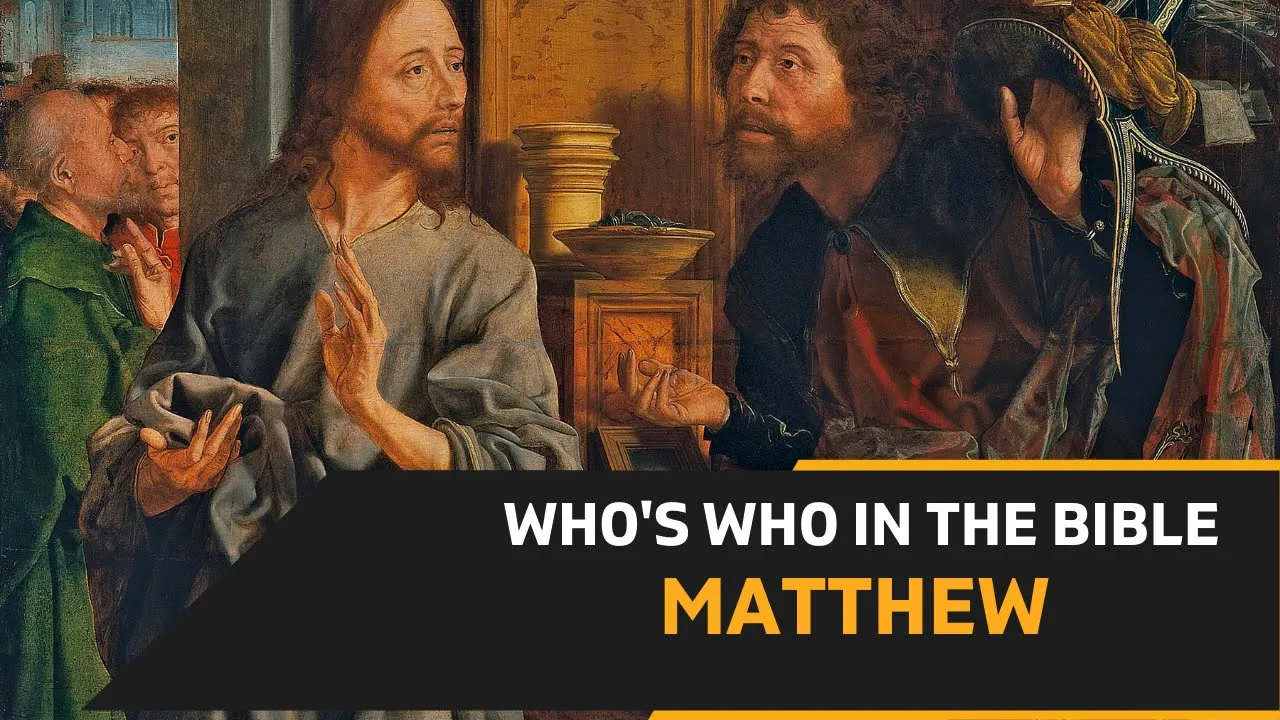
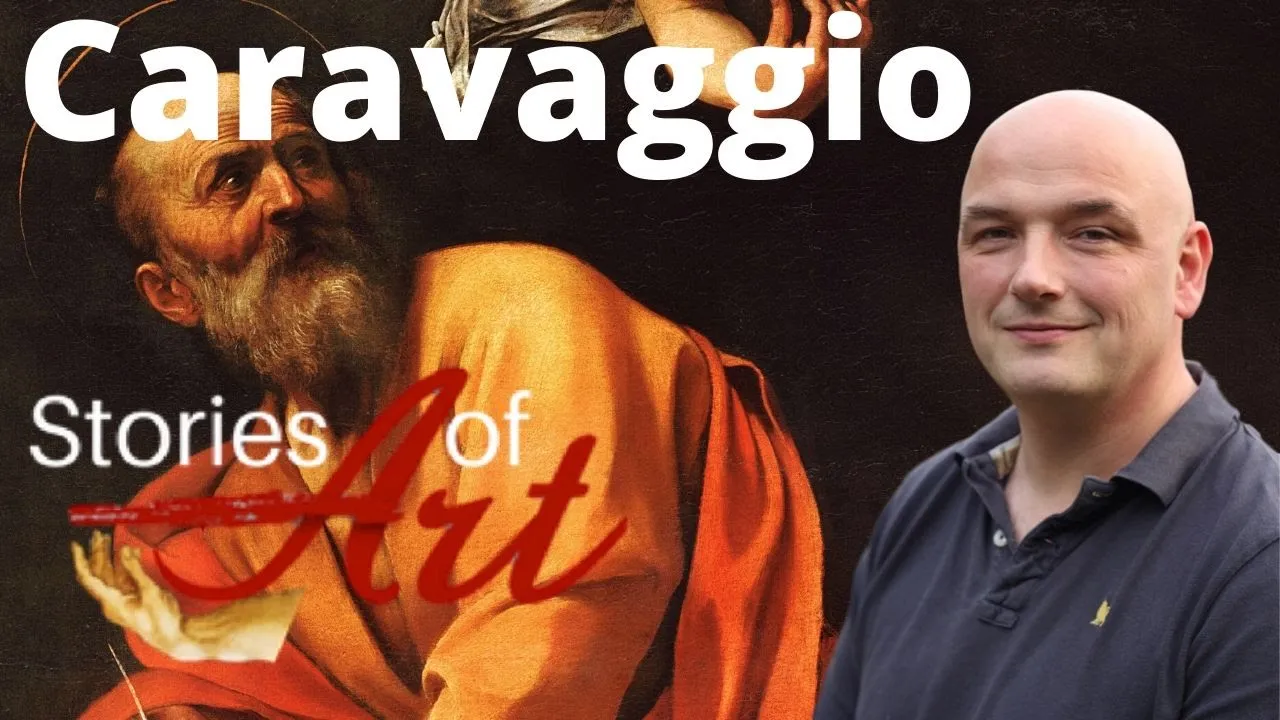
In Caravaggio's 'The Calling of St Matthew' (1599-1600), the artist masterfully employs chiaroscuro (dramatic light-dark contrast) to symbolize divine illumination, with Jesus as the light source guiding tax collectors toward spiritual transformation; the painting's deliberate ambiguity about which figure is Matthew—the bearded man pointing at himself or the young man about to respond—reflects Caravaggio's genius in creating layered meaning through realistic gestures, including a hand gesture mirroring Michelangelo's Creation of Adam, and X-ray analysis reveals Saint Peter was added later, emphasizing the theme of multiple witnesses to Matthew's calling.
The Calling of St Matthew by Caravaggio: Baroque Art Analysis
Added:Familiarity with the Counter-Reformation and how the Catholic Church used art to reassert its influence against Protestantism.
Basic understanding of the core characteristics of Baroque art, such as drama, dynamism, and emotional intensity.
An introduction to the biblical story of Saint Matthew, specifically his role as a tax collector called by Jesus.
Knowledge of foundational art concepts, particularly 'chiaroscuro' (the contrast of light and dark) and 'tenebrism' (extreme chiaroscuro).
Analysis of the remaining two paintings in the Contarelli Chapel cycle: 'The Martyrdom of Saint Matthew' and 'The Inspiration of Saint Matthew'.
An exploration of the 'Caravaggisti' (followers of Caravaggio) and his profound influence on artists like Artemisia Gentileschi, Rembrandt, and Velázquez.
An examination of the theological debates regarding divine grace and free will during the 17th century, as reflected in the painting's ambiguity.
An investigation into the modern restoration history of Caravaggio's works and how physical analysis has aided in attributing disputed paintings.
12.5K views328likes13:56Original Release: 2020-08-14
this is the calling of saint matthew a real masterpiece by caravaggio that today we are going to discover together intro let's start hi everyone and welcome back to exploring art this is alessandro and today i'm super excited because we are going to talk about the calling of saint matthew by michelangelo merisi da caravaggio one of the most irreverent but also one of the best painters ever with such a messy life full of passions and contrasts and whole his skills and aptitudes are visible inside his paintings and in particular on this one we can see really something unique and unbelievable and i could continue with many adjectives to describe the importance of this baroque painting but it's better if we start to read it so you can understand better what i mean and there we go this painting is an oil on canvas completed in 1599 1600 for the contarelli chapel in the church of san luigi the franchising rom where it remains today and actually it's a big canvas almost a perfect square of 322 centimeters by 340 centimeters or 127 inches by 130 inches by the way i suggest you to watch this video full screen so you can enjoy better the details and leave a full immersion in this beautiful work of art it thanks alongside two other paintings about matthew's life painted by karabaj as well the martyrdom of saint matthew and the inspiration of saint matthew and this is an important info so don't forget it because it's going to be useful soon but let's go in order the scene depicts the moment when jesus inspires matthew to follow him matt in fact was a tax collector and the story from the gospel of matthew says jesus saw a man named matthew at his seat in the custom house and said to him follow me and met eros and followed him very simple and direct what we have here is matthew sitting at a table with four other men and on the right jesus with another character probably sent peter and jesus is pointing at matthew ok that sounds pretty easy flat but which one is matthew there is still a debate about it and it depends on the surprise the gesture of the bearded man at the table most of the experts in fact assume cemetery to be the bearded man sitting at the table and pointing at himself like asking me in response to christ's summons and this theory is justified taking into consideration the other two works of art of the series the inspiration of saint matthew and the martyrdom of saint matthew where the bearded man who models as s matthew appears as well caravaggio in fact used to have models posing for the scenes in order to reach a deeper level of realism and it seems that the model of saint matthew was the same in all the three paintings of the series because of that this is the theory commonly accepted and the experts identifies and met you as the bearded man but what if instead the bearded man is pointing at the young man at the end of the table whose head is lumped asking him in response to christ's summons well this is the other theory based on the idea that the painting depicts the moment immediately before a young matthew raises his head to look at christ i wanted you remember both theories but now let's move on reading the painting because caravaggio was a genius and for sure he wanted to keep the work of art deliberately ambiguous but there are a lot of other surprising elements that we can understand let's start with the main element of the painting probably you are thinking now jesus and not really and actually this is the first surprise we have the light coming inside the scene in fact christ brings the true light to the dark space of the sitting tax collectors but it is the light to rule the scene we can divide the painting in two sections a lower half with the characters and an upper part completely empty except for a blind window and a light and look how big is this empty part plus without the light the scene would be completely dark okay i know this could sound obvious but usually the painters want to make everything visible and clear while caravaggio uses the light with various purposes first of all it is a metaphor a common idea in the catholic religion jesus son of god is the light for the man the contrast between light and dark is one of the main elements that identify caravaggio's paintings and he is one of the best artists or probably the best to master these combinations in all his works this contrast called keroscuro is actually a fusion that allows caravaggio to create drama volumes and drive messages and ideas if you follow the light so jesus the son of god you can save yourself and that is why the light reaches the faces of all men sitting at the table but just few of them decide to look at it god let you decide to believe or not so let's follow the light path jesus is the first figure on the right and it is extraordinary the realism of his face that caravaggio is able to create playing with the keroscore effect what apparently surprise is also the fact that jesus eyes are in low light and just a part of his face is visible actually this is part of caravaggio's genius since this solution makes more difficult to understand who jesus is really looking at and we cannot clearly read his feelings since mouth and eyes are in the dark it is not a deep dark but enough to make the interpretation difficult even if looking at him we feel oh and we perceive a sense of power and extreme confidence the strength of a leader a young man who has a clear plan and i want to emphasize the word man since the oriole is barely visible and of course this is not casual but a choice of caravaggio on making the scene more human and less divine another element that seems obvious is jesus hand before i said pointing at him but i disagree on this common opinion jesus in fact is not pointing he is in the act of pointing both his fingers and wrist are bent and caravaggio caught the exact moment when he is indicating the right person at the table the hand completes the line from jesus face and if we look carefully it seems almost floating in contrast with a dark wall on background that hand is a gesture of creation creation of a new man and it is not a coincidence it is a symmetric copy of adam's hand from the famous the creation of adam in the sistine chapel following the light we reach the two young figures that often i hear saying are looking at jesus i disagree they are not they are looking in jesus direction like they are surprised by the intense light but they are looking behind him they represent the choice the choice on belief or not they are not only not impressed at all but completely indifferent but on them we can see caravaggio skills the faces are so so real as well as the garments and every single shade is so realistic and i want to focus a moment on this detail look how the muscles of the left leg are perfectly designed in the moment of the torsion of the body continuing following the light direction we can draw some straight lines and now we are going to find out the magic and genius of caravaggio drawing a line from jesus eyes and following the top of his hand we can perfectly reach the bearded man so it seems jesus is pointing at him but look what happens if the line goes under jesus hand parallel to the light and then i draw another parallel line that follows saint peter's hand surprise now it seems that everything indicates the young man has matthew so who is right both and none hear what i think and it's a personal theory both the young man and the bearded man is matthew the young man is a young matthew during his activity as a tax collector and before the faith touches him while the bearded man is a more mature matthew changed by the light of god let me explain to you why the body language helps to understand that the young man is just nodding on the money perfectly focused on it without noticing what is happening around him he is keeping tight on his left hand a bag of money conversely the bearded man is really astonished his eyes staring at jesus and his torso and legs twisted in surprise as well but one of the main details that makes me think they are the same person is their hands the young is keeping the money collecting it in front of him while the bearded man is caught in a clear gesture of giving it these two hands so posed in the gesture and in the shapes we see three fingers starting from the pinky of the young and thumb and forefinger of the bearded man these two hands seem not just touching each other but almost one single hand a connection between the young greedy sinner matthew and the wise sent matthew the old man between them could represent the transition getting old matthew started to really see what is important in life and i don't think it's a coincidence the fact that we cannot see the old man's eyes to understand if he's looking at the money or the hands now the bearded man's left hand seems to have a clearer meaning don't know if he's pointing at himself or the young man because probably is indicating both that's why his left hand is between his chest and the young's head and maybe because instead of indicating just with the fourth finger like we usually do and both jesus and peter are doing in this scene as well is using also the thumb two fingers one pointing at the young man's direction and the thumb exactly pointing to his face one last point studying the painting with x-rays researchers discovered that the figure of what we think to be saint peter was added by caravaggio in a second time we don't know why but it's interesting the fact that saint peter is pointing to someone while there was already jesus doing it it's true that caravaggio was irreverent and we are going to learn more about it in the next videos but it's true also that he was used to give a meaning to every character in particular someone so important to stay with jesus that means we have two important figures jesus and peter pointing in parallel to two figures set at the table what can i say more in front of something like this we understand why art is so beautiful and this journey is so fascinating check calls on my website because you can find more information about this work of art and not only and remember to subscribe and turn on the notifications because in the next episode i'm going to continue talking about barack so see you soon
Up Next
8:39
Tenebrism vs Chiaroscuro: Explained with Baroque Art
@AmuzeArt
34.7K views•2021-08-27

114:18
Christian Iconography: History, Theology, and Meaning | Fr. Panayiotis Papageorgiou
@Trisagionfilms
58.8K views•2020-02-21
7:48
Ukiyo-e Art: History, Woodblock Printing & Influence
@japanathand
6.3K views•2023-06-08

16:34
Earliest Depictions of Jesus in Art: 10 Ancient Images Explained
@UsefulCharts
5.9M views•2022-06-03
Related Study Plans & Knowledge Roadmaps
Structured learning paths in Art History
art-history
Gothic Cathedrals: Engineering, Light & Society
01The Birth of the Gothic: Romanesque to Suger's Vision
02The Structural Triad: Pointed Arches, Ribbed Vaults, and Flying Buttresses
03Theology of Light: Lux Nova and Sacred Geometry
+ 2 more learning modules
14h5 modules
Explore Roadmap
art-history
Pre-Raphaelites: Realism, Symbolism & Critique
01The Victorian Art Establishment and Academic Formula
02The Founding of the PRB and Radical Realism
03Medieval Revivalism and Literary Symbolism
+ 1 more learning modules
8h4 modules
Explore Roadmap
art-history
Street Art: From Subways to Art Market
01Subcultural Origins in Philadelphia and New York (1970s)
02The Subway Era and Style Wars (Late 1970s - 1980s)
03The East Village Scene and Early Gallery Crossover
+ 2 more learning modules
10h5 modules
Explore Roadmap
art-history
Classic Maya Art: Iconography, Glyphs & Ritual
01Foundations of Classic Maya Visual Culture
02Deciphering Maya Hieroglyphs & Text-Image Integration
03Sacred Geography and Cosmological Architecture
+ 2 more learning modules
14h5 modules
Explore Roadmap