

![[4] Gaya Angkat (Lift)](https://i.ytimg.com/vi/DDdV5b_CckM/sddefault.jpg?sqp=-oaymwEmCIAFEOAD8quKqQMa8AEB-AH-CYAC0AWKAgwIABABGGUgZShlMA8=&rs=AOn4CLBmpKyhD4J1g0dJIAbNz3fXGmT_HQ)














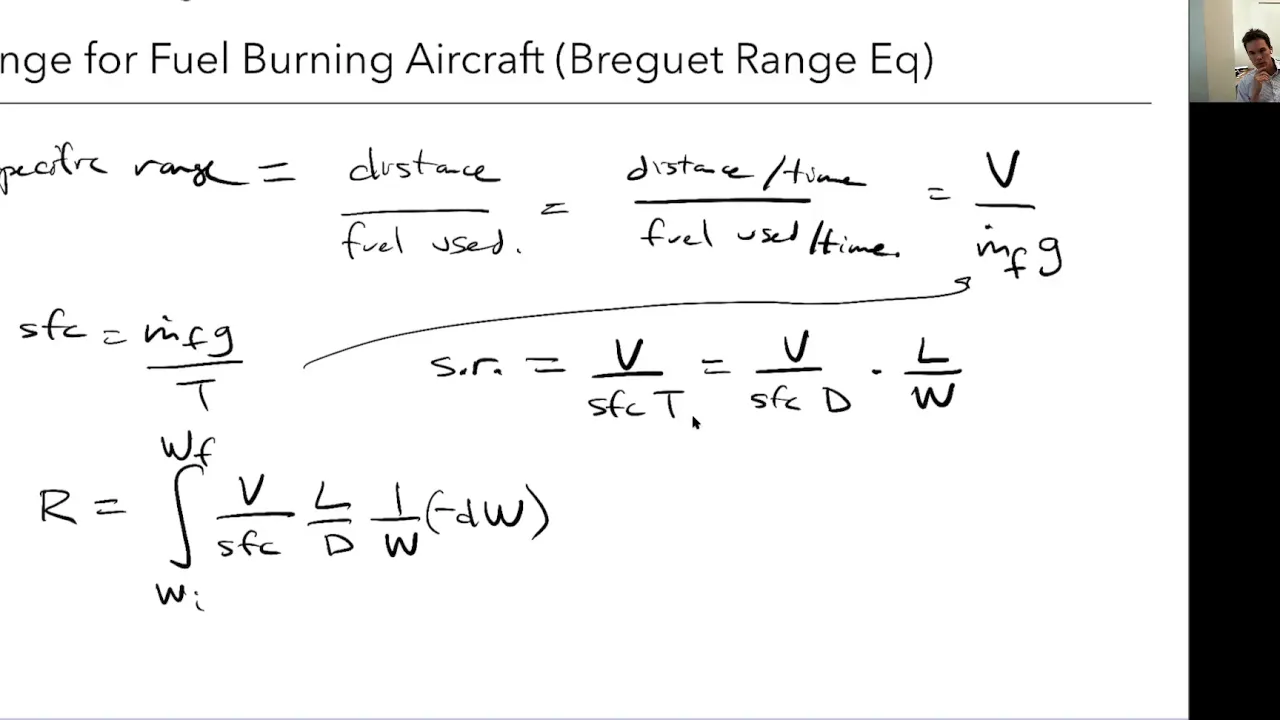
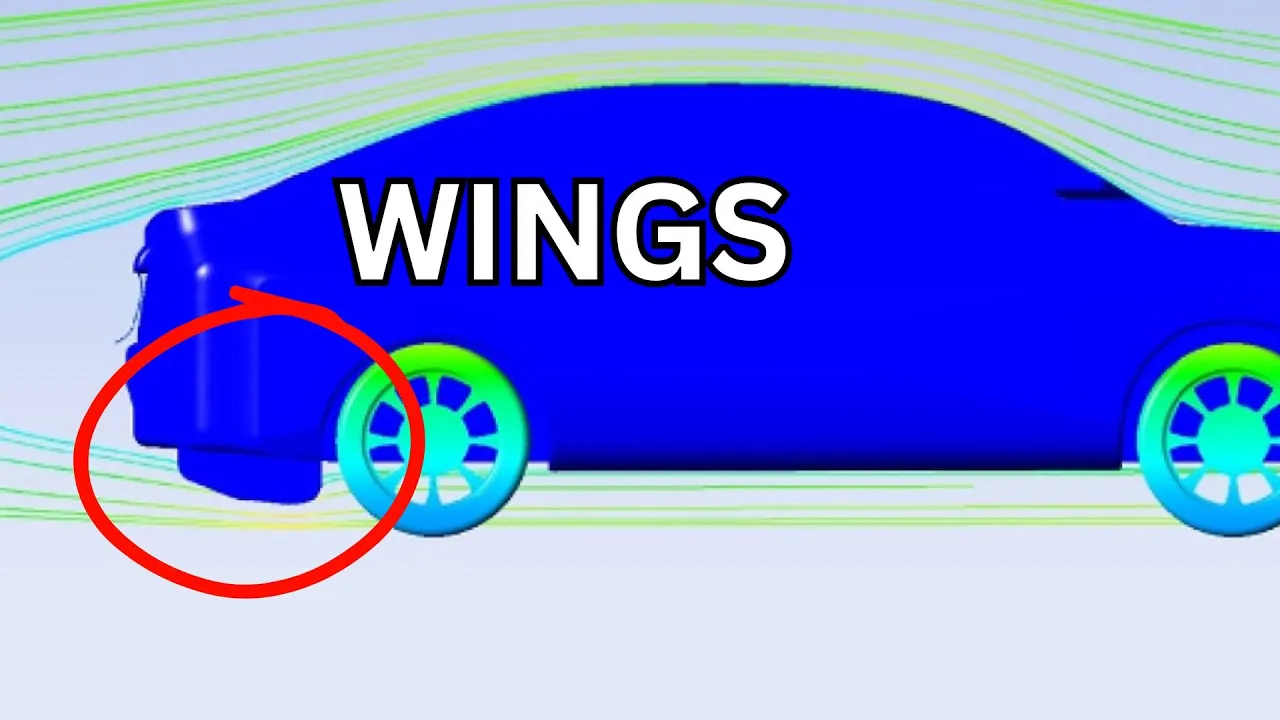


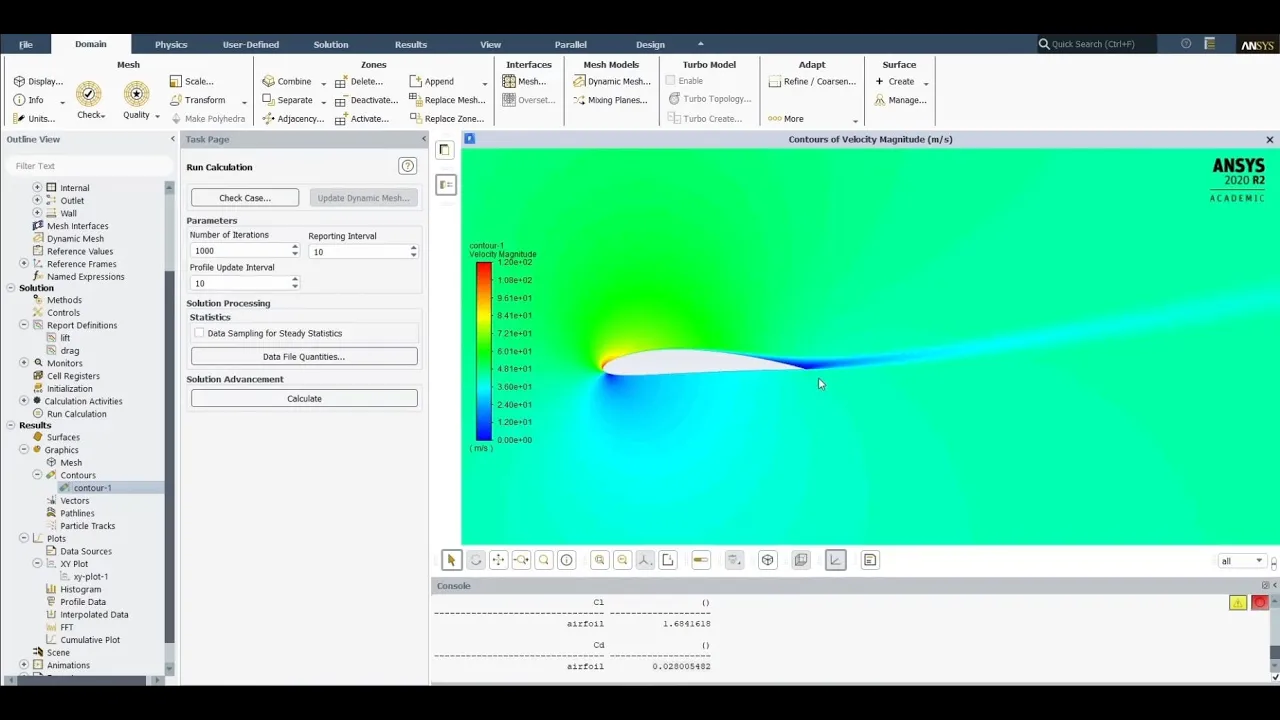
The Lift Drag Ratio (L/D ratio) is calculated by dividing lift by drag, and the most efficient angle of attack for an airfoil is found by identifying the angle with the highest L/D ratio value; additionally, the stall point occurs when lift values stop increasing and begin decreasing as the angle of attack increases.
Calculating Lift Drag Ratio for Airfoil Efficiency
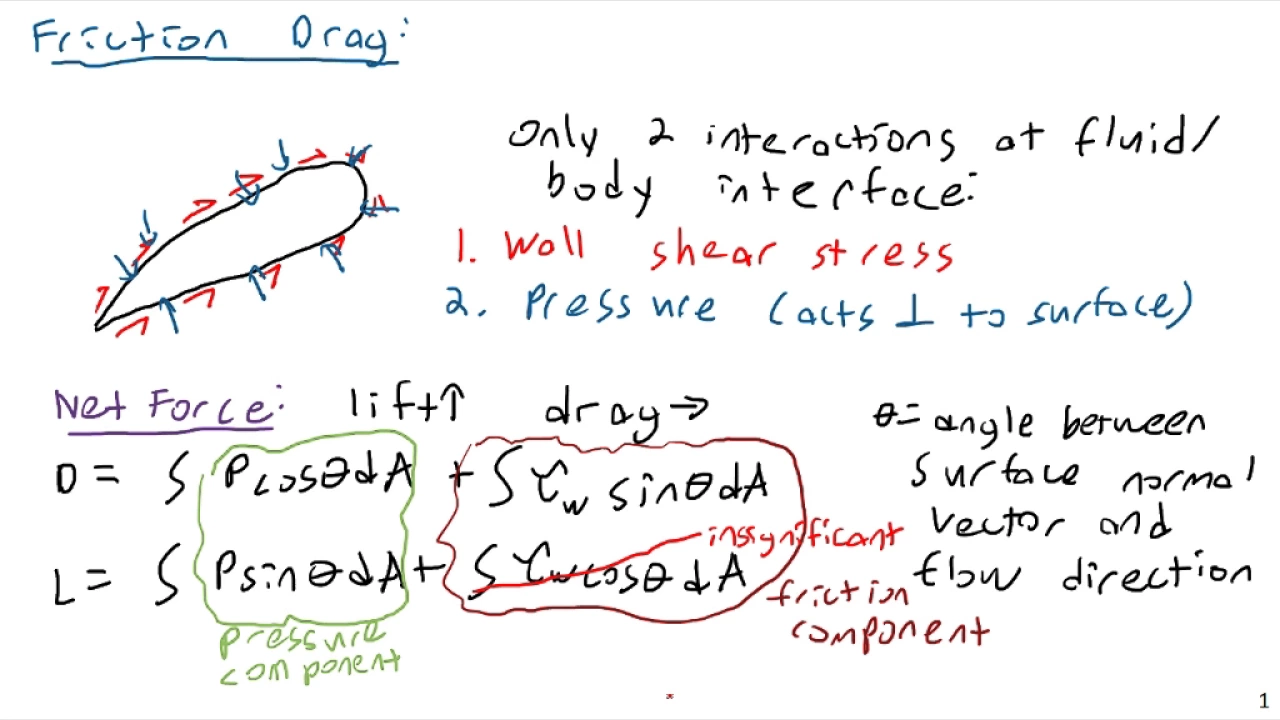
Added:Fundamental definitions of aerodynamic forces, specifically lift (L) and drag (D).
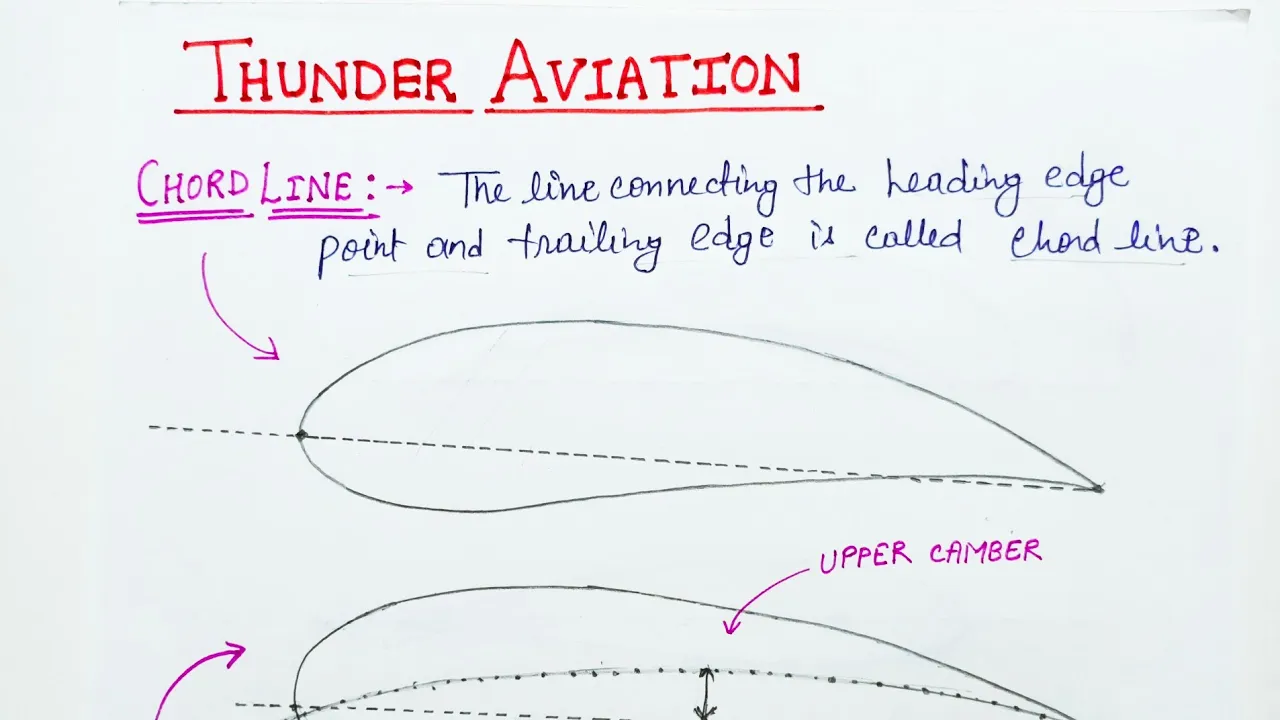
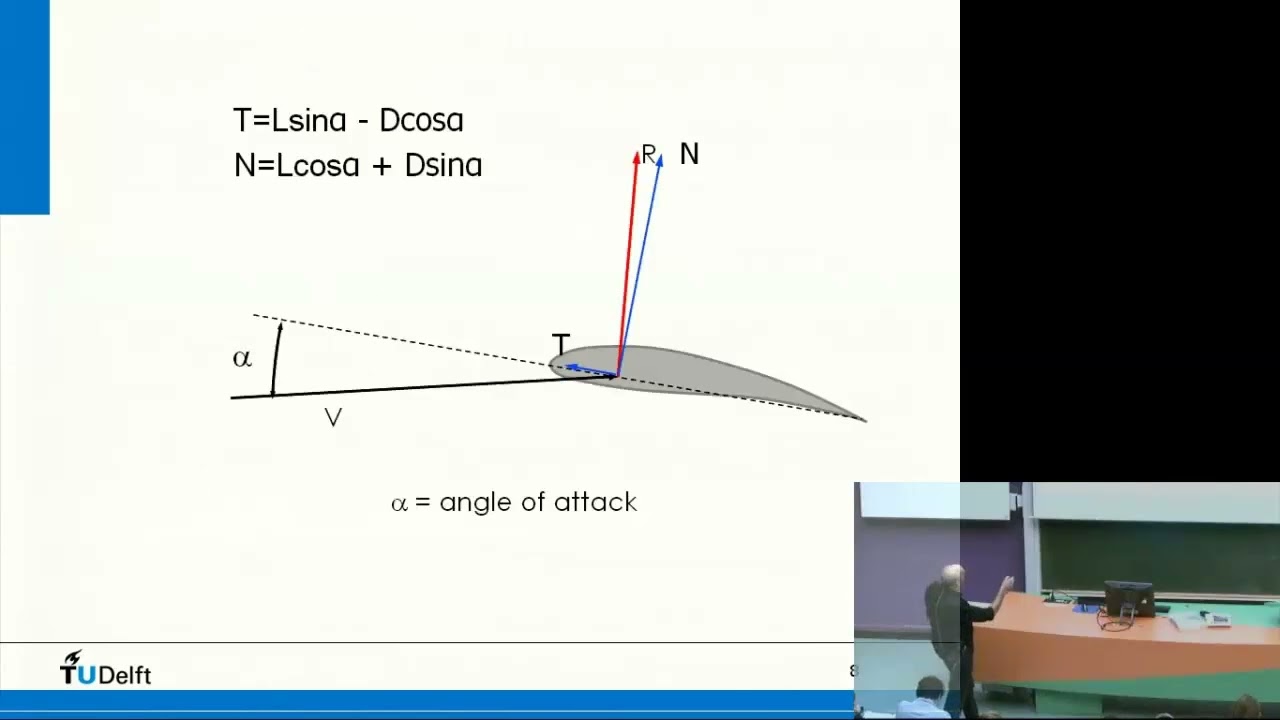
Understanding of airfoil geometry and terminology, including the chord line, camber, and angle of attack (AoA).
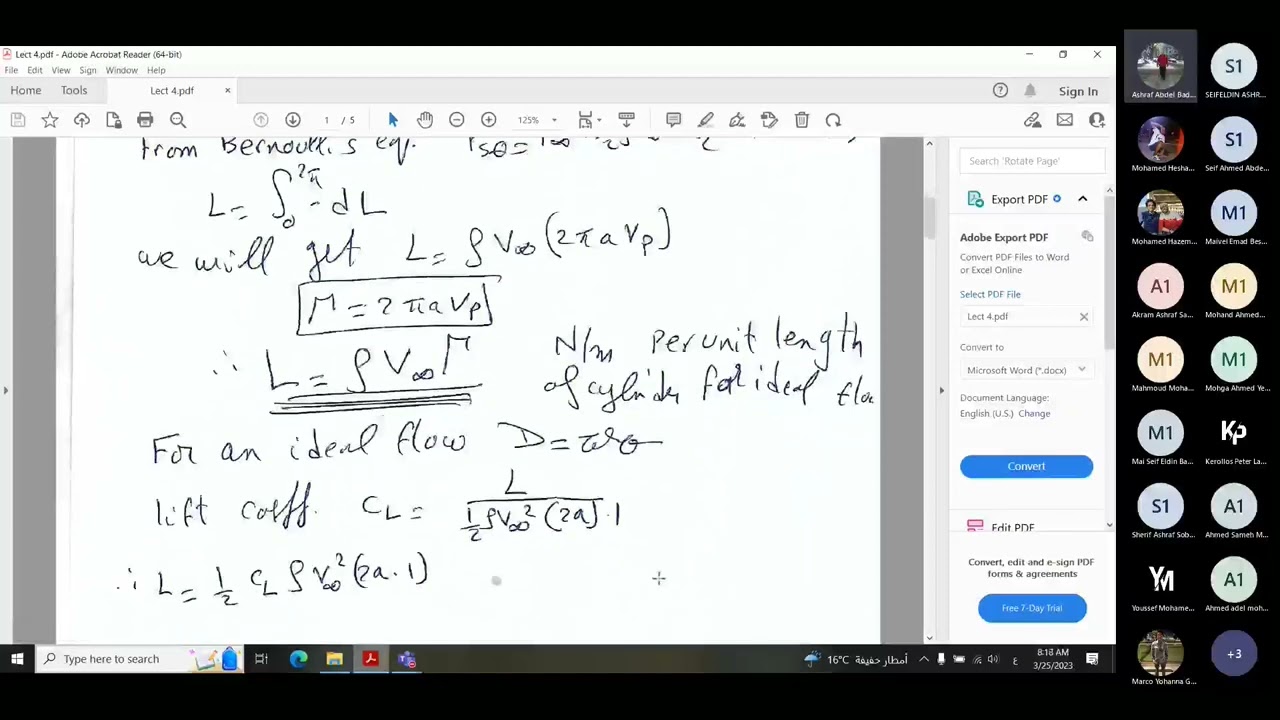
Concepts of lift and drag coefficients (Cl and Cd) and how they relate to physical forces.
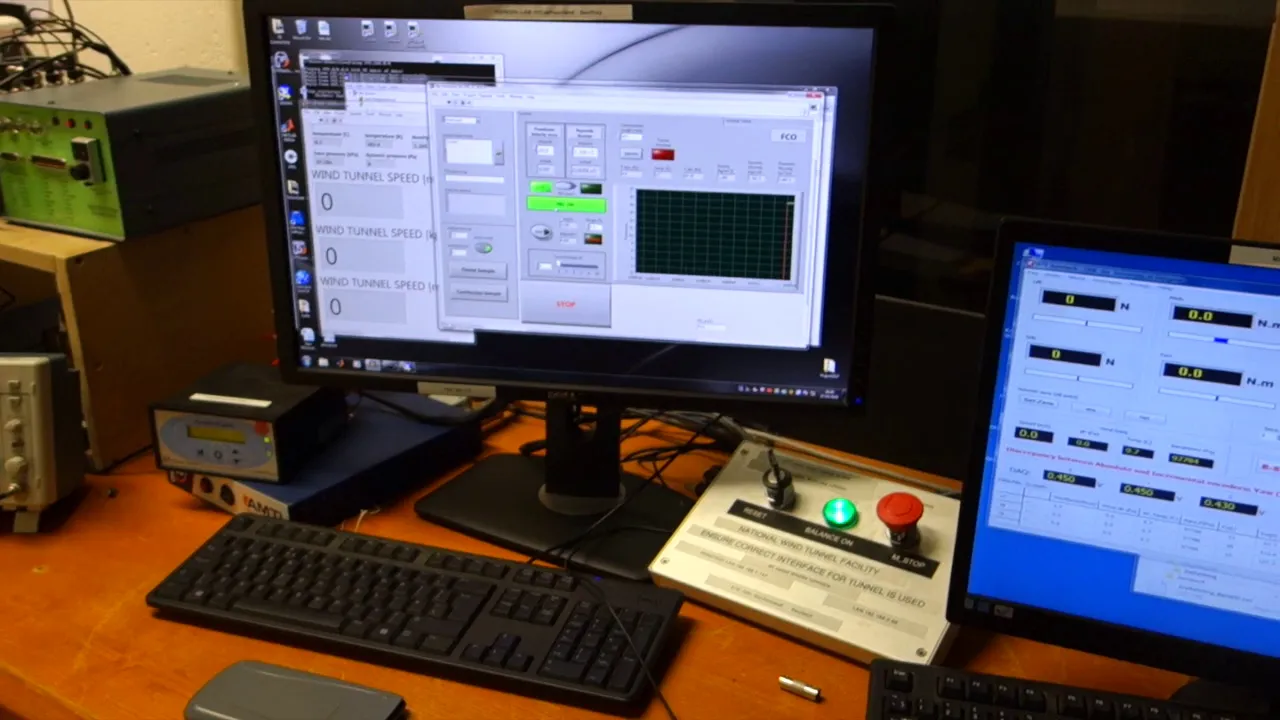
Basic principles of wind tunnel testing and how aerodynamic data is gathered and recorded.
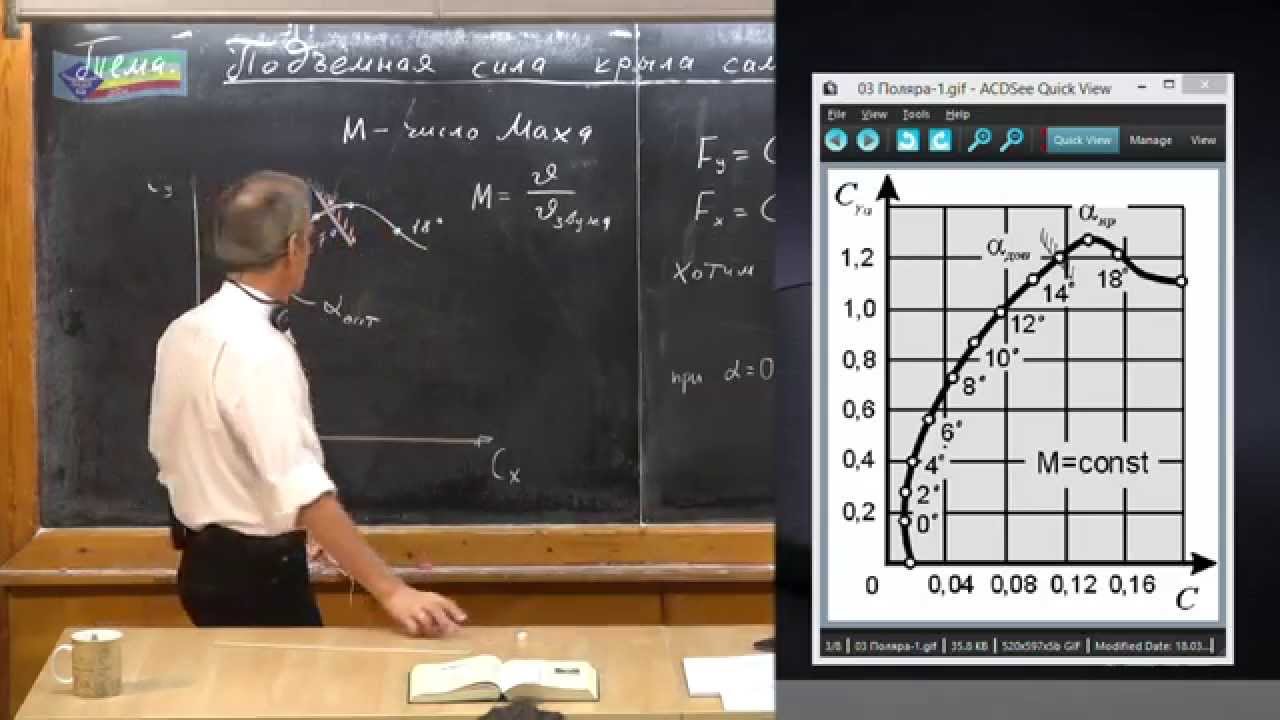
Analyzing drag polars (Cl vs. Cd curves) to locate the tangent point for maximum aerodynamic efficiency.
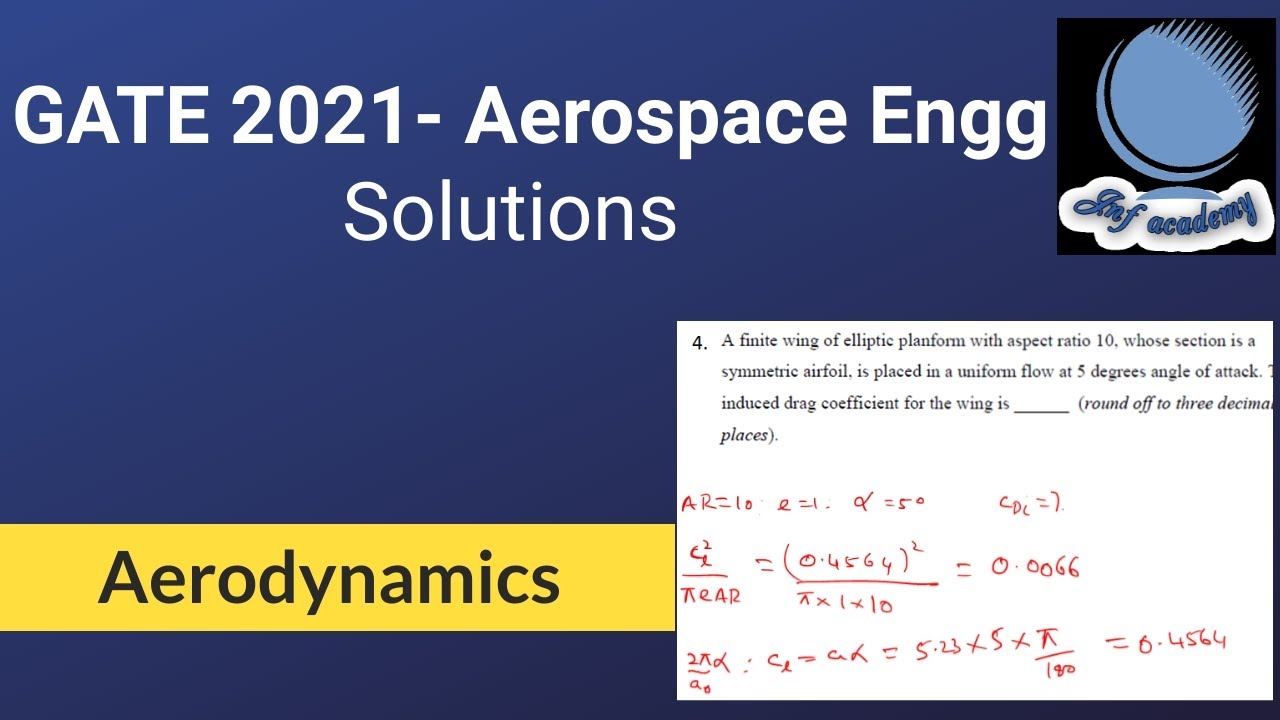
Transitioning from 2D airfoil analysis to 3D wing aerodynamics, incorporating induced drag and aspect ratio.
Applying maximum lift-to-drag ratio (L/D max) to aircraft performance metrics like range, endurance, and glide ratio.
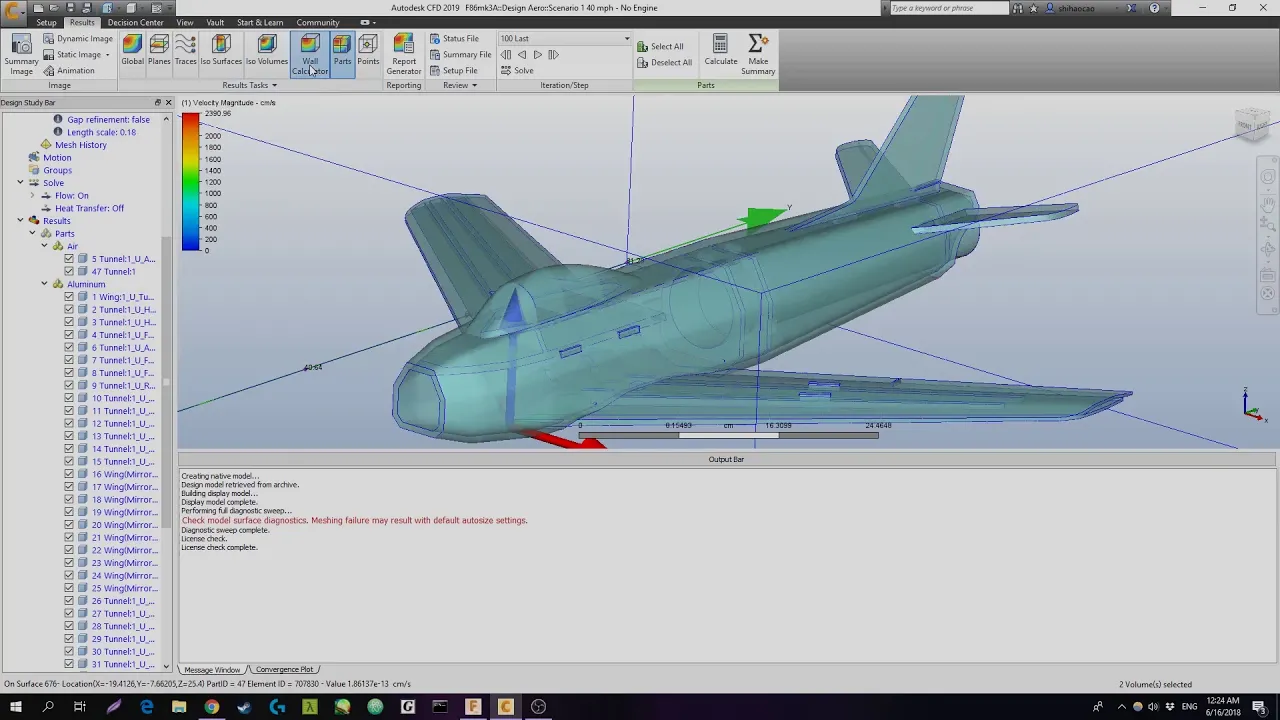
Using Computational Fluid Dynamics (CFD) software to simulate and validate wind tunnel L/D ratio results.
3.7K views22likes5:47Original Release: 2014-05-13
all right so in this video we're going to be trying to find out the angle of attack for our air foil in which we have the greatest lift drag ratio uh so we can find out um the most efficient angle at which our air foil were operate in order to find out the lift drag ratio all we have to do is take our lift and then we divide it by the drag um so right here I have my data that I got from my wind tunnel testing and I can see the different angles that were tested and then lift and the drag that were um associated with each angle and at this point I kind of I'm going to have to do a little bit of Tri and error in order to find out the um greatest lifter egg ratio so I'm looking for the the largest number so I'm going to start at let's say angle 8 um so the lift R ratio is lift divide by drag so I'm going to go ahead and do4 /.1 and I can use my calculator to do that if I need it it and I find out that my lift drag ratio was four all right so now I'm going to go ahead and I'm going to keep going I'm going to see if I can find a lift drag ratio that has a greater value than four cuz I'm looking for the largest one so I'm going to go to 9 and that's 6 / by3 uh 6/3 that's actually going to be two so that's a little bit less go to angle 108 /.18 /1 one and that's going to give me a lift drag ratio of eight all right so that's uh my greatest so far and I'm going to keep going 11 we've got 1 divided by1 or 1110 and that's going to give me a lift drag ratio of 10 okay so once again I found a larger one so that was angle 11 angle 12 is going to be one for lift and 3/10 for drag so one ided by 3/10 and I end up with um repeating a repeating decimal so I'm going to round this to the hundredths place so 3 and 33 hus okay and I'm going to keep going angle 13 we have uh 1 and 1/10 for lift and 310 for drag all right that gives me a little bit larger one I'm going to round to the hunds place once again all right and then for angle 14 I've got 1 and one10 / by 410 okay and I can see that my lift drag ratio is actually starting to get a little bit smaller I'm going to go ahead and let's try another one angle 15 we've got 1.3 / by 3/10 all right went back up a little bit so four and 33 hunds so I'm going to keep going and we got angle 16 is 1 and 510 / 710 okay it's gone down and I'm going to keep continuing till I start to see a pattern where my lift drag ratio starts to get lower and lower if I notice the pattern is that it's getting lower and lower and it's not starting to increase again um at that point I can stop and look and see which um lifter EG ratio was the largest uh in this case when I got the uh lifter egg ratio of 10 that was my largest value and that means that the most efficient angle of attack for my air foil was when the angle was at 11° so I'm going to go ahead and record that data down so my angle of attack was at 11° at that point at 11° the lift was one and the drag was 1110th so my lift drag ratio ended up being 10 okay now the second part of this is you want to find out at what angle does your um your airplane stall with the air foil that you have with the wing that you attached and then also how do you know um that that's where the airplan Stalls at so to figure that out I'm going to go ahead and look at my data once again and this time I'm only interested in the lift and what I'm going to do is I'm going to scan my lift and I'm looking for the point where the lift values stop increasing and they start going back down um at that point that's actually the stall point when you start to lose lift as the angle um gets greater so we can see between angle the angle of attack of 30° and 31° is when my um my lift values begin to decrease so my stall point is is actually going to be 30° so when my air foil my airplane wing is tilted at an angle greater than um 30° I begin to lose lift and that would be my stall point
Up Next

16:51
Propeller Physics: Aerodynamics, Design, and Efficiency Explained
@IntuitiveAerospace
222 views•2025-12-18

12:53
21cm Hyperfine Transition in Neutral Hydrogen: Radio Astronomy Basics
@AaronRobertParsons
12.4K views•2011-10-13

32:32
NMR Spin Physics I: Zeeman Effect, Resonance Condition & Larmor Frequency
@nptel-indianinstituteofsci8064
2.3K views•2024-01-17

27:14
Entropy and the Second Law of Thermodynamics Explained
@veritasium
27.5M views•2023-07-01
Related Study Plans & Knowledge Roadmaps
Structured learning paths in Physics
physics
Nuclear Physics (Decay, Fission & Reactors)
01Atomic Structure and the Binding Force
02Radioactive Decay and Half-Life
03Nuclear Fission Mechanics and Chain Reactions
+ 2 more learning modules
12h5 modules
Explore Roadmap
physics
Soft Matter (Polymers, Colloids & Rheology)
01Foundations of Soft Matter & Thermal Forces
02Polymer Physics and Macromolecules
03Colloids, Surfactants, and Self-Assembly
+ 2 more learning modules
38h5 modules
Explore Roadmap
physics
Analytical Mechanics: Lagrangian & Hamiltonian
01Mathematical Foundations: Calculus of Variations
02From Newtonian Mechanics to Constraint Dynamics
03The Principle of Least Action & Lagrangian Mechanics
+ 3 more learning modules
28h6 modules
Explore Roadmap
physics
General Relativity (Spacetime & Cosmology)
01Foundations of Relativity: Special Relativity
02The Geometry of Spacetime: Equivalence Principle & Curvature
03Einstein's Field Equations: The Mathematics of Gravity
+ 2 more learning modules
55h5 modules
Explore Roadmap