




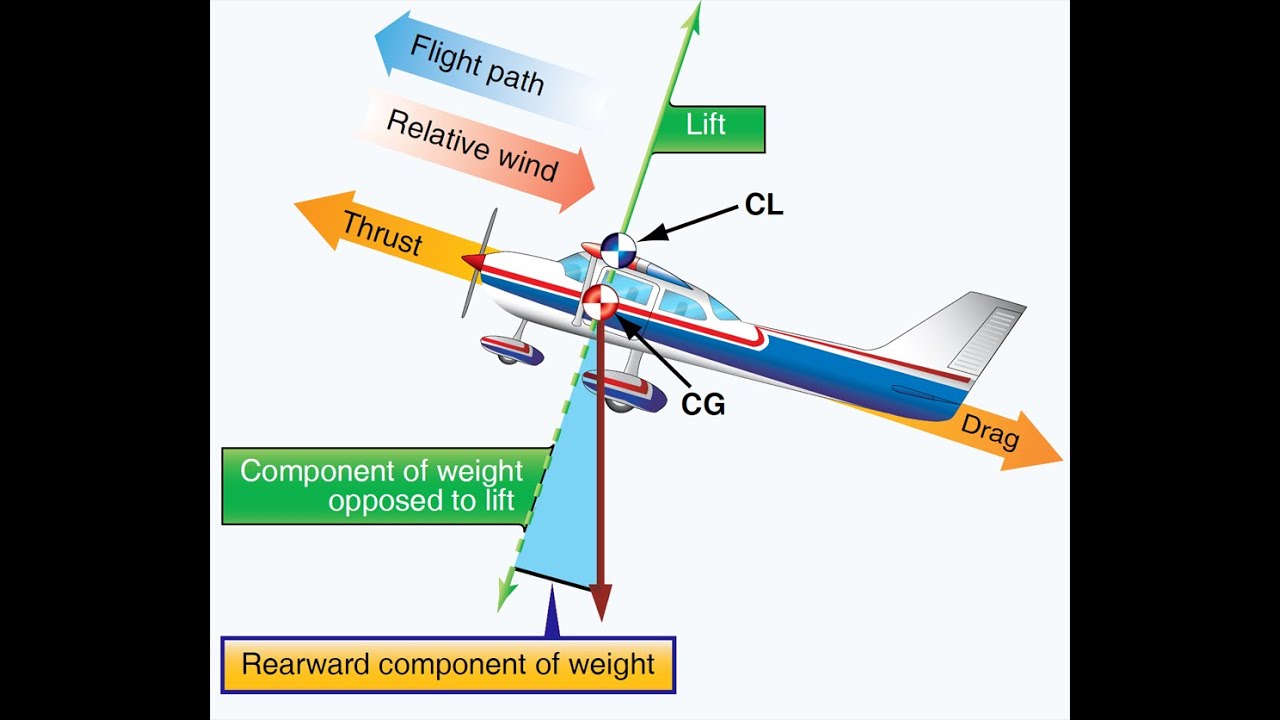























Airplanes generate lift through the deflection of air downward by the wing's airfoil shape, following conservation of momentum rather than the incorrect equal transit theory; this lift force must exceed the airplane's weight for flight, while thrust must overcome drag for forward motion, with additional factors including angle of attack, airfoil design, and fluid properties affecting lift generation.
Airplane Aerodynamics Lecture | Private Pilot Ground School
Added:Basic Classical Physics: Familiarity with Newton's Laws of Motion and Bernoulli's Principle of fluid dynamics.
Properties of the Atmosphere: Understanding air density, atmospheric pressure, temperature, and how they change with altitude.
Basic Aircraft Anatomy: Knowledge of the primary components of an airplane, such as the fuselage, wings, ailerons, elevator, and rudder.
Vector Mechanics: A basic understanding of forces as vectors (magnitude and direction) to conceptualize lift, drag, thrust, and weight.
Aircraft Performance and Limitations: Applying aerodynamic principles to calculate takeoff/landing distances, rate of climb, and fuel efficiency under various conditions.
Flight Maneuvers and Dynamics: Analyzing how aerodynamic forces change during complex maneuvers like steep turns, slips, skids, and slow flight.
Weight and Balance Effects: Studying how the center of gravity (CG) location impacts aircraft stability, controllability, and stall characteristics.
Stall and Spin Recovery Techniques: Practical application of aerodynamic theory to safely recover from aerodynamic stalls and developed spins.
Advanced Aerodynamics: Exploring high-speed flight concepts, including compressibility, shockwaves, and boundary layer control.
3.6M views53.5Klikes1:12:07Original Release: 2020-04-27
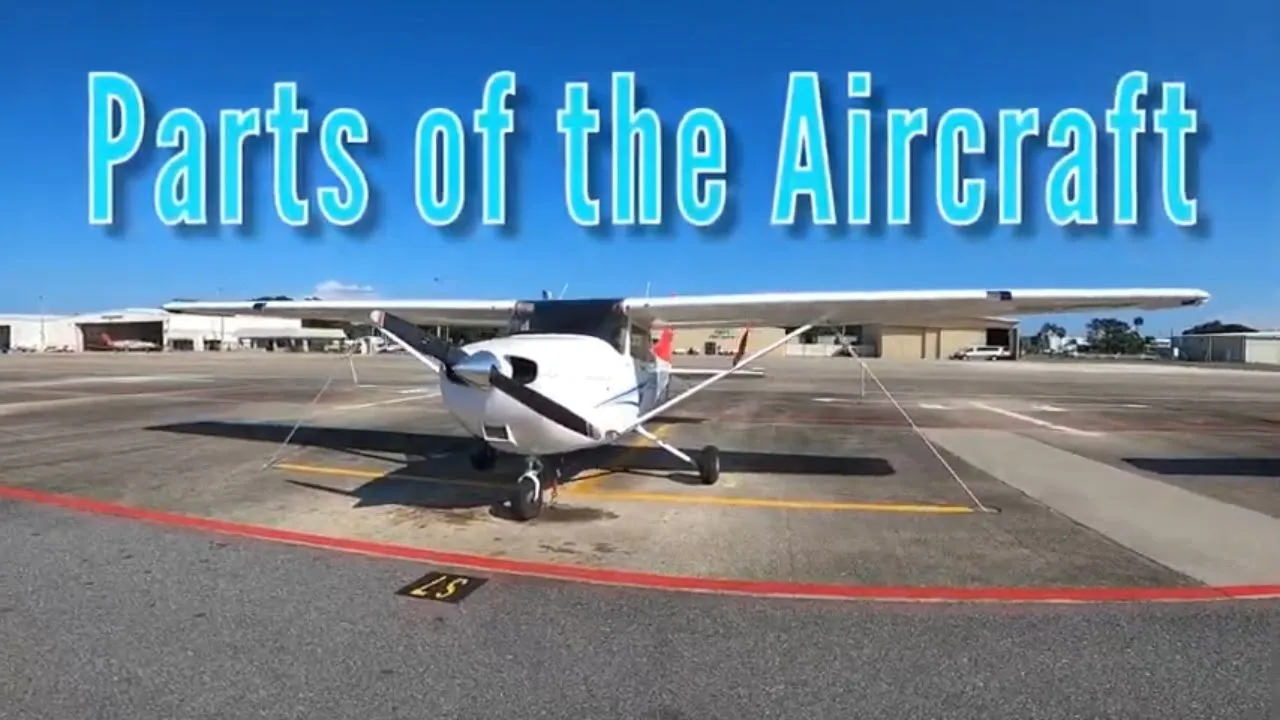
all right so as we discussed we're gonna start off with the most basic question how do airplanes fly it's a very critical question I think everybody should know the answer to this going back to the comic that Meenakshi had with Calvin and Hobbes and not knowing how airplanes fly I'm thinking that it's magic is not the way that any MIT students should be so we're gonna cover how airplanes fly and we're actually gonna go beyond what the FAA requires you to know because frankly you should know how airplanes fly so just so that we have a common vocabulary with which to discuss we're going to talk a little bit about airplane parts so here in my my little airplane it's kind of a model there so you can see that at the at the front you have your your propeller and so the engine the propeller and this little plane is up here at the front who knows what a fuselage is just shout it out the middle part the body that's where the passengers sit yeah so that that whole middle part where people sit so if you're thinking about a big jet engine it's where all the rows of seats are where everybody sits that tube in the middle is called the fuselage and the wings stick out the side so the middle part is a fuselage and then one thing that's interesting is that the tail actually has a lot more components people kind of casually refer to it as the tail but there's a vertical part that comes up in the back of the vertical part of the tail can actually tilt side to side and then you have a flat horizontal part and that actually has a back part that can go down and up and so we're going to talk about what all of these are so the the back vertical part when it goes side to side is your rudder the flat part is your elevator that you can move up and down it allows you to control the airplane we also have of course the the wings sometimes there are struts that support the wings so they go from the wing down to that fuselage and then you have a landing gear in this case you have these wheels down at the bottom we're also going to talk to you during this course about sea planes so they have slightly different landing gear but this is a good good place to start okay the other thing that we need to talk about are just the the main four forces that are on an airplane so they're they're pretty straightforward so the the force going up is lift and that force is opposed by the downward force of weight okay and then when you're moving the airplane forward that's thrust and it is opposed by drag so what we're going to talk about is that in order for an airplane to go up the lift has to exceed the drag in order for the airplane to go forward the thrust has to exceed the dress excuse me the lift has to exceed the weight and the thrust has to exceed the drag so those are the the main four forces we're gonna be working with today so now I'm gonna spend a little bit time over here on the blackboard video folks platform they said this way boy this one's better yeah fancy colored truck alright shocks of color alright okay so I will preface the discussion about lift with the fact that there are a lot of theories of lift out there some of which are wrong so if you spend some time googling lift before coming here you might have actually found a couple scenarios that are completely false so we're gonna focus on what's true but I will cover at least one of those false theories to make sure you guys don't get hung up on that so in order to talk about it we're going to think about an an airplane and we're gonna do a cross-section of the airplane so if you took a saw and you cut off the wing what are what are you left with I don't do it this way so if you cut off the wing at the front of the wing is the leading edge the back of the wing is the trailing edge if you did it if you cut that off what does it look like so it looks like this and this shape is called an airfoil and we'll get into the specifics later but first we'll just we'll talk about a simple way to understand how lift works so if this is the the wing and you have air coming in the air is pushed down by the shape of this wing so that means as as air flows by it gets pushed down now what is air air is not nothing air has molecules it has mass so if you think about conservation of momentum this is I think the easiest way to think about lips so conservation of momentum you have a bunch of air pal air molecules and those air molecules are pushed down so you have mass being pushed down so if mass is being pushed down for conservation of momentum something must be pushed up and that's the wing so that's the easiest way to think about it that if you're deflecting the air downward in order to have conservation of momentum the mass of the wing is lifted upwards we're gonna break that down but I think that's a good place to start I'm just gonna take one moment to talk about an incorrect theory of lift so let me emphasize it's wrong one of them is called equal transit theory has anyone heard about this getting a lot of head nods okay it's wrong equal transit theory which is incorrect says that basically a molecule of air that's coming over that starts over here at the front has to go around the bottom and meet the tail at the same time that a molecule that goes over the top has to meet it at the back there is no physical principle that says that it is false and in fact we have measured that they don't the molecules that go under the bottom of the wing versus the top of the wing don't actually reach the end at the same time but in this false theory equal transit Theory they say that you have to reach the bottom at the same time they also say that there is more distance basically to cover because of the shape of the airfoil so in order for the molecules going over the top to reach at the same time as the molecules over the bottom they have to go faster and so since the air is moving faster over the top and the bottom that's what creates lift so that's false and there are many reasons why it's false you know the biggest one being that there's there's no physical principle that says that two molecules starting at the same time one going over the top and one going over the bottom reaches the end at the same time that's just not true and we'll show you some more diagrams that show in fact it doesn't happen the molecules don't reach at the same time anyway so please despite that being very widely propagated that is not true and please don't spend time on that that theory all right so let's focus on what is true how does it really work actually let me give you one more reason why that's false the real reason that equal transit theory is trying to tell you that that generates lift is that because of the shape of the airfoil the shape of the wing that's why the distance that it has to travel is different over the top versus the bottom but one reason that's wrong can you pass me that paper airplane please who has built a paper airplane before okay I see at least two people who didn't raise their hand do we need to do a class exercise if you have not filled a paper airplane it's really important that you do just as it as a general childhood experience here's a paper airplane thank you you know actually for building it for me if we took this paper airplane instead of this this fancy this fancy airplane and we did a cross-section of this wing what would it look like yes you demonstrated with your hands but shout it out yeah maybe the same at the top of the bottom top in the bottom it's just a piece of paper exactly it's just like a little flat rectangle so instead of this fancy shape that you have here we're knees red for wrong okay it's like a little rectangle right that's what the paper airplanes cross-section of its wing looks like well surprise surprise as you said it's the same at the top at the bottom so the distance that a air molecule would have to travel over the top and the bottom is identical so really the equal transit Theory completely falls apart yet a paper airplane still flies so why is that the case again remember the actual reason is that if this paper airplane is inclined it is pushing air down so air that's coming up is bumping into it and being pushed down and therefore as you deflect air molecules down conservation of momentum the wing is lifted up all right so now we're going to break this down in a little bit more detail and we gonna go back over here to the slides so one thing that's important you know as I said a really detailed mathematical description is not really necessary to fly a plane or become a pilot the FAA doesn't require some of this detail but it is important to know it to the extent that it helps you control the airplane and fly it so here's a good reference in terms of that but one of the biggest things is just that for a lift you have to increase that downward momentum of the air and air foils are this shape which is called an airfoil is it is a type of shape that is very efficient at increasing that downward momentum now who knows what Bernoulli's principle is who's heard of Bernoulli's good everyone's heard of Bernoulli can anyone articulate Bernoulli's principle yes like D plus one-half MV squared equals constant indifferent squared so when the pressure goes down somewhere speed of the particle has to go up yes absolutely absolutely so so what Bernoulli observed was the case that when there is a decrease in pressure there's an increase in velocity that's the the core concept that you have to understand and so when we think about an airfoil when we see that and I'll draw another airfoil for us to talk about [Applause] when we have air that's moving very fast over the top of the wing that means you know an increase in velocity means there's a decrease in pressure so this is the extent to which you really need to know it for the FAA exam so which statement relates to Bernoulli's principle I'll let you read those answers so is it a B or C shout it out C good job well done okay we're gonna discuss a little bit more details though [Applause] in order for any wing to generate lift it has to be in a fluid if this airplane was in space or in a vacuum and there wasn't any fluid passing by it then there wouldn't be any molecules to deflect downward and therefore you couldn't push the the wing up but the fluid doesn't always have to be air you might see similar designs underwater for underwater drones it just has to be a fluid that's passing by the object [Applause] okay so when you have this airfoil in fluid when the fluid is not moving when it's stationary then all of the fluid is exerting pressure on the airfoil so you get all these little normal forces exerting pressure when the fluids not moving and the airfoil is stationary in the fluid then all of those pressure forces all those normal forces or forces perpendicular sum to zero because there's no net force it's just sitting in the fluid but when that fluid is moving it generates a force so that's the force it generates generally when the fluid is moving forward force is a is a vector so it has direction as well as magnitude so they're the vertical component and a horizontal component to that so we call the the vertical component the lift does anyone know what we call the horizontal component drag good job all right now here's a here's a dumb question what part of the aircraft generates lift yes the whole aircraft a good job so a lot of people might be under the misimpression that it's only the wings that are generating the lift well actually the whole aircraft is generating lift and it's not just aircraft any objects that are moving through fluid have have this phenomenon and sometimes it's not a good thing so what is this a picture of a race car come on guys I know we're in an airplane class but okay who can tell me what is that thing sticking up at the back of the race car a spoiler what's a spoiler it spoils the airflow so when a race car is driving on a racetrack and it's going through the air that fluid is air actually just the the the race car itself is generating lift and that lift can cause the racecar to kind of lift upward and not be as much in traction with the with the ground and when you're a race car you want to go really really fast you want to have very good traction with your wheels against the ground so you can go as fast as you can so the reason that you have a spoiler at the back is actually to counteract the lift that's being generated by the racecar so it's not just airplanes and and wings that generate lift but really anything moving through a fluid can generate lift okay so we're gonna talk a little bit about equations don't get scared here we'll just we'll just dive into it step by step so we have F equals MA hopefully this is not the first time you're hearing about that equation all right so can somebody just shout out what is acceleration change in velocity over time very good so velocity again is also a vector so velocity being a vector has both magnitude and direction so you can change the velocity either by changing the magnitude or the direction in the case of an airfoil we're changing the direction of the air so the air has velocity it's coming in we're changing the direction of that air and that's generating the lift so because we changed the direction of the velocity that creates a force that's our force F so f is actually here representing the rate of change of momentum above pushing those air molecules down and generating a force creating the airfoil to be lifted up so that's why we discussed again and that equal transit theory is false because even an an paper airplane with a with a completely flat cross section of its wing as long as it's inclined upwards such that the air is being pushed down will fly okay so here's another question which moves faster the wing through the air or the air past the wing well you're very quiet which moves faster yes the air over the wing we have one for the air over the wing is moving faster than the wing through the air anyone else yes depends on where on the wing you're talking about yes as you find air to be the air that's immediately thanks to the like that is in contact with the air yes so depends on which air you're talking about okay true actually what we're discussing is about frame of reference so depending on your frame of reference you if your frame of reference is the airfoil you can take it to be that the airfoil is stationary and you see the air this the wing to be stationary in the air to be moving past you if your frame of reference is out here you might see the air to be stationary and the airplane to be moving through it so depending on what your frame of reference is you can actually have the identical result so the answer is actually that it's the same so depending on your frame of reference it's exactly the same the speed of the air moving past the airfoil versus the airfoil moving through the air and and the reason so does anyone want to dive more into that who are you guys familiar with this concept of frame of reference yes a lot of head nodding okay great so the reason that's significant is that as we learn about lift and as we study this we actually could create a whole bunch of different air foils and then build airplanes and then fly them through the air and measure them but that's very expensive so instead what we do is we basically we basically take the take the airfoil and we put it on a stick and then we put it inside a wind tunnel has anyone been in a wind tunnel got a couple people hey we saw that like over 60 of you guys were aero-astro you need to go to your Wright brothers wind tunnel it's being upgraded actually right now over in your building 33 so because it's exactly identical the air moving past the airfoil or the airfoil moving through the air it's a lot cheaper to put the airfoil on a stick in a wind tunnel and then shoot air past it and then do your measurements rather than continuing to take off airplanes and fly them through the air so we're going to be talking about that a little bit so the question is what what factors affect lift so there are a lot of things that affect lift so one has to do with the object itself so I was talking about the shape of the of the airfoil so you know we talked about a different shape which is just a flat piece of paper or rectangle as a shape you can have a more slender shape and the way that you modify the shape can significantly impact your lift so for example one of the modifications can be back here at the end if you made your airfoil longer like this and point even farther down then it would push the air in a slightly different way so that would affect the lift that that airfoil could generate it would also affect the drag that it induces okay another aspect is just the size of the wing and the shape of the wing so we see a lot of different kinds so you know this is a big rectangular wing in a jet you might see a swept wing there are different types of shapes and then there's also just the area so regardless of whether you know if this is your if you're looking down at an airplane so this is kind of the broad flat wings or you could have very thin skinny wings that you might see on a glider regardless there is a surface area of the wing area also impacts the the lift quite a bit and and the aspect ratios we just discussed and the shape can affect lift the other thing other than the object itself other than the wing itself motion can affect lift so the velocity of the air and the very importantly is what's called the angle of attack so it's the angle with which this airfoil has to the air so if you had one airfoil that was pointed kind of up like this versus one the same one but it was not tilted up this airfoil would be having a higher angle of attack or angle to the wind than this one now this might seem like a very fancy description but who has been in a car driving down the highway and you've stuck your hand out outside and if you tilt your hand up a little bit you'll see that the the wind kind of pushes your hand up and if you push it if you tilt it down and you know your hand pushes up and you kind of glide your hand out the window so okay I'm getting a lot of head nods so that's really all that angle of attack is talking about that if you if you angle your hand up it gets pushed up a lot more if you angle it down it gets pushed down that's the angle of attack and we're gonna define it more specifically when we talk about the terms associated with an airfoil and the shape but it's good to get the general general concept first okay and then another factor affecting lift is the air the the fluid that it's in so the actual mass of the air flow coming around you so there are a lot of aspects to that you know we talked about whether you're in water or whether you're an air or the density density of the air another component of that air is the viscosity does anyone know what viscosity is yes resistance to flow the way I like to think about it is if you've ever baked brownies and you have your mixing bowl and your spatula in there and if you just have you know the the water and the oil and the eggs and you're mixing it around you know you can you can mix pretty quickly and it doesn't stick to the spatula that much but if you were mixing molasses or once you get all that brownie batter in there it really it's harder to do it and it sticks to the spatula so that's what we're talking about when we're talking about viscosity so it's the tendency for these molecules to stick stick to each other and just stick to the object that's moving through them so with the case of the airfoil we're talking about and we were discussing this just in just a moment ago about which which air were we talking about so some air that might be very close might kind of stick to that airfoil or stick to the wing versus just moving smoothly past it so viscosity and then compressibility also affects lift so the compressibility of the air did I turn off my mic all right so certain types of fluids are compressible so you could take a balloon of air and you can move it into a cold environment and have it shrink or in a hot environment and have it expand while having the same amount of mass inside the balloon so I'm getting a lot of head nods so that just shows the compressibility of the air whereas some types of fluids are not compressible they're incompressible and they they affect lift in a different way so although I've told you all these things that effect lift one thing I will admit to you is that calculating lift is difficult it's very difficult in fact we don't really know how to do it properly this is a snapshot from Wikipedia of all the different theories of lift so there are a lot of different ways that people go about trying to calculate lift and it turns out that it's very hard to do so one that you you see up there is is navier-stokes so navier-stokes is a set of equations that does a really good job of predicting lift and it really it really takes into account a lot of things it takes into account conservation of energy conservation of mass conservation of momentum viscosity even a lot of things like thermal conductivity and a whole bunch of considerations but the the problem is that solving those equations is very hard you know we try to use supercomputers to estimate every little aspect and it's very difficult to do and we're not really able to solve those equations to determine precisely what the lift is going to be let me talk about some of the limitations that we have in solving these equations so first of all it has to do with how the air flows over the wing if the air is moving very smoothly past past the airfoil then it's very easy to come up not easy but it's easier to approximate you know we can predict what a particular air molecule is going to do but as you see there when it starts spinning around and becoming turbulent so if you start seeing a particular air molecule that's moving around and becoming turbulence and not not doing laminar flow but but turbulent and moving around and bumping into other air molecules then predicting what that molecule does and what all the molecules do around it become very very difficult in fact we have a very hard time doing that and so instead we basically assume that that doesn't happen and and we propose limitations or conditions on the air flow which are not actually true but help help us with approximating lift so one of those is the Kutta condition that you see at the bottom left which is this smooth flow off so basically you say that none of this turbulence is happening and the air moves very cleanly off and you also have a couple other specific requirements such as that no air molecule from the top comes over to the bottom and no air molecule from the bottom goes around to the top and you just assume that they they moves smoothly off and so that Kutta condition is actually very helpful in in approximating lift we also make other assumptions that there's no viscosity or that the fluid is not compressible sometimes these assumptions are appropriate and sometimes they're not another thing that's really critical about our ability to estimate lift is that as I've been talking to you here on the blackboard I have talked about a cross section right that you just you cut off the wing and you're only looking at one cross section so since we're talking about a cross section we're talking in two-dimensional space well we can actually do a pretty good job of estimating lift in a two-dimensional environment but the fact of the matter is wings are not two-dimensional and the wing comes out into the classroom and back back into the blackboard and to estimate actually how all these air flows work at the edge of the wing is very difficult has anyone heard about tip vortices couple head nods okay all right so we have a picture there that shows a a jet to just show a little bit about what the air does when it comes off the edge the end of of the wing we're going to talk about tip vortices a little bit but the problem is that it no longer is adhering to all of our conditions now we don't have smooth flow we definitely have turbulent flow we have spinning flow and we have air molecules hitting other air molecules and it becomes extremely difficult for us to model all of those air molecules we really can't do it so so going from two dimensions to three dimensions is really a limitation of a lot of the equations that we have to approximate lift so what do we do well first of all we go to our two-dimensional surface and we talked about all of these normal forces so when you're you have all the fluid going past has pressure and it's supplying all these forces perpendicular to the airfoil all around so how do you approximate lift while you say oh that's fine you just sum all those forces around well that's great if you know what all of those forces are but it's not great if you don't know what all of them are so what is the the solution that we what we do basically we calculate what we can and then we measure the rest experimentally so in this equation of lift for example so we have Ellis for lift some of the the other terms that you have there Rho is the one that looks like a P so Rho is talking about the air density you have velocity and a is the wing area we talked about and then we have this fancy little symbol there C sub L or the coefficient of lift and basically we say that you know I don't know how to come up with characterizing all those complications about you know viscosity and some of the the effects like that have to do with turbulence and shock waves Mach number Reynolds number all these types of things and so we say you know well measure what we can and then we'll or will well calculate what we can and then we'll actually in a wind tunnel where we put this guy on a stick we'll actually measure the coefficient of lift and that's how we really calculate lift these days is using a lot of measurement to inform what's actually happening because it's just very complicated you know that velocity is squared right so if you go twice as fast you get four times as much lift that is the relationship absolutely and the other thing that's really important is that that coefficient of lift is measured for a given angle of attack so we talked a little bit about angle of attack with your hand outside the window so let's get into finding it a little bit more in detail so in order to describe it I have to come up with a few more terms that have to do with the airfoil so we talked about the very front of the airfoil or the front the front of the wing is called the leading edge and then the back is the trailing edge okay and we talked about the trailing edge a little bit when we were talking about the cutter condition that no air mall where assuming no air molecule can cross the trailing edge to the other side so then the camber is in there so that's just talking about really representing the curvature of that airfoil and then a cord line that goes in between so you can measure how that is so try and do your little zoom in fanciness that you were doing I'll just point at it so this is the cord line of the wing so you can see that this is a full airplane that the airfoil is right here and you see this cord line going from the back to the front somebody trying to come in the door there all right okay great and then and we'll talk about some of these terms one of the basically the most important thing to think about is the angle of attack thank you for for checking on the door okay so talking about how we can control the lift so some of the things we can do have to do with the aircraft design so we can build an airfoil and we can talk about you know how curved that airfoil is you know the curvature on the top how curved it is we can design the wing area when we're flying we can control the airspeed and then the angle of attack is something that you can control when you're in the airplane by kind of pitching down or pitching up and well will describe pitching and how you control an airplane in more detail another thing that's relevant is flaps so I talked about in this drawing right here where I added this white part of the trailing edge that moves down that really is kind of similar to flaps so when your flaps are up they're sort of in line with the rest of the wing but when your flaps are down it's the effective thing like pushing pulling a piece of your trailing edge downward which causes again more of that air to be deflected downward so it increases your drag but it but it also increases your lift because you're deflecting more air molecules down and then we also talked about spoilers for example it's something that can like on a car that can actually disrupt the lift by disrupting the airflow and when we talked about the four forces of flight if you're doing steady flight you're not climbing or you're descending but you're just flying straight that means that your lift and your weight basically cancel cancel each other out if your lift is greater than your weight then you can climb and if your weight is greater than your lift then you descend but if you're just flying straight you're in an equilibrium where those two forces cancel out okay so good I have a more detailed diagram of angle of attack so you can see here the cord line you can also see the relative wind and same things that I drew here the the lift and the drag and then that resultant force vector alright so you can actually control the angle of attack in a number of ways one of the the ways that we talked about is is pitching down so pushing your your yoke forward causes the airplane to pitch down and it does that by changing the elevator at the back of the airplane we'll describe that in more detail but the other things that can affect the angle of attack you can actually affect before you even take off so it has to do with your aircraft weight for example and the center of gravity as well as your airspeed when you're flying so here are a couple diagrams that show you how the lift changes with the effective angle of attack and then there is a critical angle of attack so that's when you know you can be keep keep climbing for a while but if you get too steep what happens who knows what happens when you go too steep you stall that's right so the the air can't really effectively go over the wing and it starts separating and so you you're no longer effectively pushing the air down and you lose the lift that you were generating and one thing I also want to point out here in this in these diagrams is you see with these little colored lines the air that's just coming in and it's going out and you can see that in this case the the blue lines are showing that the air that went over the top of the airfoil went faster and actually got to the back faster than the air that went from the bottom so again please don't fall for the equal transit theory okay so practice question okay a B or C Hey all right good so the the angle of attack is defined there and one thing that I would like to point out is that this is also the case for a propeller so your your propeller also looks a lot like an airfoil or like a wing that's sideways and and spinning around and so also the angle of attack for a propeller is symbol is defined basically the same way is the angle between the propellers chord line and the relative wind okay so let's define the center of pressure so the it's basically the point the point on the wing where the lift is centered and so that can actually move as you can see in this in this figure based on the angle of attack the center of pressure can act in a different location and that's really important to understand also that you know it's not that the lift is always coming right at the front depending on where you are it might be pulling you in different directions and that can affect the ability of your aircraft and we'll get into that in more detail so we talked a little bit about flaps that flaps actually can increase the lift that you're able to produce but it it's a trade-off because it also increases the drag so when in the course of the flight take off cruise or landing when do you use flaps does anyone know takeoff and landing landing yeah the reason that you especially on on landing many times people use flaps on takeoff as well but the the reason it's just that you like to have your aircraft configure that in case you didn't take off you can you can land without making a lot of lot of dramatic changes the reason that you do that is basically that by increasing your lift but also increasing the drag you know drag affects you know how fast you're moving forward right and so you can actually have your the airspeed be be higher with the ground speed being lower so without what it does is it allows you to go very slow without stalling and so that really helps you land an airplane so basically it allows you to come in at a kind of steeper angle to land maintaining the the airspeed that you need in order to do that and you'll you'll notice that there are different flap settings so you can either have flaps it you know 10 degrees 20 degrees 30 degrees we'll discuss that in more detail and Philip will talk about it in terms of performance I think as well thrust so we talked about that forward force thrust in this type of an aircraft a single-engine propeller aircraft it's the propeller that's rotating that is really producing the thrust and it's really as I said the propeller blades are kind of like an airplane wing it's a good way to think about it that are just spinning round and round and in generating lift but in this case it's moving air puff fuels front to behind your airplane and then although this is also just a force instead of talking about in pounds we usually talk about the horsepower required to drive the propeller so let me also talk about drag so there are a couple different types of drag so one drag is just what's called parasitic drag or parasite drag it's basically when the aircraft is moving through the air that you get some kind of resistance to that that's parasitic drag where as this drag is induced drag which is the drag that's created by a lift so this this backwards D and so you can see in this figure that the the total drag is a sum of that induced drag in the parasite drag we do we also call the induced drag just lift in an unwanted direction lift in an unwanted direction sure whatever can whatever can have you associate induced drag with lift that's the drag created by lift okay ground effect does anyone know what ground effect is only only a couple of you all right so so let's talk about it a little bit so basically when you're very close to the ground within one wingspan of the ground you actually have some of the the air flow going on with your airplane is blocked by the ground and so you're induced drag decreases now with the induced drag decreases it's actually the case that your airplane can become airborne at a lower speed than it's supposed to so what you might notice is that when you're on the runway taking off it's probably the first part of your your flights after you did your pre-flight your engine run-up your now you pulled out onto the runway and you'll have determined in advance what is the air speed at which you should rotate now that's really important with a Cessna 172 for example it's around 55 knots and you want to look at your airspeed indicator because if you just feel yourself you might notice that much lower like 40 knots that you the plane has already taken off you're already floating you're you're flying and you might be very excited about that and you might want to just you know pull back on your on your yoke to take off well you won't be able to sustain flight and and so this is what why ground effect is really important is that you can kind of float over the ground because you're so close to the ground that the ground is blocking some of the Effects of the air and so what you want to do is really make sure that you continue your ground roll continue even if you're a little bit airborne stay close to the ground until your airspeed comes up to that rotate speed so in this case 55 knots and then you pull back on your yoke to takeoff so again so when does ground effect happen when you're close to the ground when you're within one wingspan of the ground okay so let's talk a little bit about the stability and we'll start by just talking about the three axes of flight so there is a longitudinal axis which is basically from the the nose to the tail of your airplane and then there's a lateral axis which is from wingtip to wingtip and then vertical going straight through the plane so you have the ability to control all three of those axes so the the elevator which I keep talking about is like your yoke where you push it forward or you pull it back that allows you to pitch the airplane so pitch nose up pitch nose down that's you effect controlling the back part of this tail the elevator which allows you to have motion in this direction so pitch nose down so you might hear that a lot in case you're getting close to stalling because your angle of attack is getting too high they might say nose down or pitch nose down you also have a l'orange which are out on the the side of your wings and those ailerons control the roll so that's rolling along the longitudinal axis and then your rudder which is at the back of the the tail the vertical part of the tail that controls yaw so this is called yaw this type of motion so when you're when you're turning you actually kind of do a roll and yaw usually to in enacted turn okay there are some cases where you actually want to have adverse yaw or you you actually adverse yaw means basically you're you're using the yaw direction and maybe the opposite direction at which you're trying to turn with the roll or other other angles of your plane and so this just talks about an adverse yaw is when you're you're not turning the rudder in the same direction that you're using your ailerons and so this is where you talk about coordinated flight or uncoordinated flight when you're actually in an airplane the rudder or the yaw is controlled by your feet so you have feet pedals that control the the rudder and your the yoke that you're holding onto or a joystick that you're holding on to front and back controls the pitch and then turning it like in a steering wheel of a car is only controlling the roll so you actually also use your feet for that third direction of the yaw so just talking about stability in general this isn't going to dive into whole Diffie Q discussion or anything but just in general something that's stable so it's just talking about like a little bowl if you have a ball and a bowl even if the ball gets jostled around it'll return to the center point unstable would be the opposite so if you have a convex surface then if the ball moves even just a little bit it'll really get moved out of control so the reason that we talk about this is basically when you're flying in an airplane and you're talking about stable aircraft for example the reason I really love flying a Cessna 172 even though it's kind of the the training airplane is that the as people call it it flies itself so if you notice the planes doing something weird and turning almost the best thing you can do is just let go and the controls will normalize and then the flame will fly straight and level which is really great there are other types of aircraft that are inherently unstable so we have mean she and Roxanna over here who have who do Arab aerobatic flight and Mark will be talking about that tomorrow so that's where you actually want an airplane that's not so stable so that you can cause it to do all kinds of crazy maneuvers and turns and twists very easily you pretty much can't get a Cessna to do that it really wants to fly straight and level ok so then there are also other aspects that can affect stability such as your center of gravity so how you how you load the airplane will have a specific lecture that just talks about weight and balance but one thing to keep in mind is that you know as people sit in your airplane or as you put bags in the baggage compartment you're loading the airplane and so if you have too much weight aft of the CG or behind the center of gravity you can cause the plane to basically go like this which isn't very helpful when you're flying if you have things a little too too forward it actually pushes the the nose down in general the nose down is a little bit more more stable from the perspective of lift and getting air to fly over you don't want something that keeps trying to stall whenever you let go of it and then similarly you can talk about the stability in the lateral direction in that roll in the roll direction and some of these things like swept-back wings like you see on a jet can affect that type of stability and then finally there's a stability about the the vertical axes generally this is going to be kind of fixed for the given aircraft that you're in but you can't affect it as you design an aircraft so we started talking about stall already so when when you have your angle of attack past its so-called critical angle of attack it can cause the air to basically no longer be able to flow over the top and no longer be able to effectively deflect air down and so the air air kind of separates and you can stall so it's really important to know that you can actually stall at any air speed even with full power you can stall in fact one of the maneuvers you'll have to do in order to get your pilot's license is a power on stall so you can stall both where your engine is idling or coming in for a landing and you you get to steep but you can also stall with full power and you just you just made your angle go too steep so it's really affecting that that critical angle of attack and again once you have that angle of attack too steep then there's a very significant loss of lift which is not good when you're flying an airplane so when can you stall at any airspeed and any any power setting and it's really based on the angle of attack so if you yes go ahead yeah basically it's not generating any any lift right youyou can see this like with a paper airplane right sometimes if you it kind of stops and kind of crashes we'll see how I mean actually his paper airplane does here well that one I definitely had a low angle of attack so it flew very well let's see if I can get it to stall or if it's it's too stable of an airplane that one basically after it's stalled it basically went nose-down which is which is good it has a little extra paper folding at the front so that the nose will will go down but it's really bad basically if you if you stall it can it can go that way the other thing that can happen after you stall a lot usually is you can enter a spin which is actually the the next case so this is when you're uncoordinated in your stall so what I mean by uncoordinated so that's what I was just talking about before where you're your role and your yaw are not going in the same direction and here you can have a situation where both of the wings have stalled so the airflow has separated over both of the but one maybe more stalled than the other and it causes the airplane to have a very very hazardous condition or an intentional condition if your ox in over there and you're trying to spin your airplane to do a fancy trick is very dangerous close to the ground as you'll hear you only intentionally do this and certain types of aircraft when you're wearing parachutes in certain airspace when you're very high above the ground you don't want to do this and in fact if you're just getting your private pilot's license or your ppl you're not going to you're not going to practice a spin because it's pretty dangerous thing to do in many aircraft but you do have to learn about it and make sure you don't get into a spin okay so let's talk a little bit about maneuvering flight so basically that means when you are flying straight and level that's kind of when you're in equilibrium where your lift and your weight kind of cancel out and the planes just going straight and level at the same altitude but climbing is when your lift temporarily exceeds the weight so you can actually climb so once you are in a steady climb then you can actually still have your forces be in equilibrium so remember F equals M a so a is acceleration which is a change in velocity so if you're not changing your velocity and you're just in a steady climb then you're also not accelerating now there this is a little bit complicated so I will say this is a little bit tricky there is a tendency for these airplanes to turn left and there are actually multiple things that contribute to this left turning tendency and when you're in an airplane flying you might hear hear your instructor say right rudder and it's really to counteract some of these left-turning tendencies so we're gonna break break them down and talk about them but this can be a very in-depth subject so I will definitely refer to the P hack which is the pilot handbook of aeronautical knowledge chapter five goes into all all of these so the first one is torque so basically the thing is when you're if you're sitting in the in the airplane and you're looking forward at your propeller most US engines actually have the propeller rotating clockwise so with and you can see that arrow that says action so that's the propeller rotating clockwise and so because of the because of Newton we know for every action there's an equal and opposite reaction so because the propeller is turning to the right the whole airplane is trying to roll to the left so that is the first left-turning tendency before we move to the next one are there any questions on this left turning tendency okay great so the next one is P factor which is an asymmetrical thrust this happens when the airplane has a high angle of attack so either when it's climbing or in this condition called slow flight which is where it's kind of an uncomfortable thing you have to do this in your flight training so basically you have your your power setting pretty high but you've kind of pitched the airplane up and so you're not getting as much air flow over your control surfaces like your ailerons and your elevator so it's they call your controls mushy so it's hard to kind of coordinate your airplane but you kind of sit in that in that environment to basically understand how it's difficult to control the airplane in that environment so if you're pitched up and you have a so you have a high angle of attack and you're either climbing or in slow flight you have this tendency where the because you're angled to the wind the right propeller blade which is descending is kind of cutting into the air that's coming in so it's actually generating more thrust whereas the ascending left propeller blade so the propeller blade that's going up on the left side is kind of coming away from the wind that's coming at it and so it's not generating as much thrust as the right propeller blade so that causes the center of thrust to move towards the right and that creates a little bit of a yaw tendency of the airplane does that make sense great a lot of head nods P factor was one that both Philip and I spent quite a bit of time getting our heads around and professor hansman helped us out there so another one is called the corkscrew effect sometimes it's called slip stream or spiraling slip stream it basically has to do with the fact that that propeller remember it's just kind of like a wing that's spinning around and so it is it's basically push you know pushing the the air back and since the propeller is spinning around that air that's coming back from the propeller is spinning around the airplane and as it spins around when it comes up to the back it pushes on the vertical stabilizer that tail piece and causes causes the the plane also to do a left yaw does that make sense some good head nods yes why doesn't it also cause it to you roll was the question and it could especially if it's hitting hitting the wing but in general what we've seen is that you know and it can depend on whether you're in a high wing or low wing but the the biggest thing that it sort of hits is here now in general when you get a left yaw you you sort of kind of roll these are these are connected angles but I think just what we've observed is primarily that the air when it hits the vertical stabilizer is the biggest surface that's kind of pushing it and the angle that it's at so if you sum it all together yes I'm actually quite confident you'll get some roll but the biggest thing that you notice is the yaw okay so let's see if we we understood P factor as well as we think we did okay a B or C eh all right good job I actually have my little hint there that the B is actually talking about torque which is a different left turning tendency and then finally we're going to talk a little bit about gyroscopic precession is a little bit complicated if you're not familiar with the gyroscope but when Phillip talks to you about all the different controls in your airplane you'll have to learn about driver scopes all over again and a little bit but in general what do you need to know about a gyroscope you know what is a gyroscope gyroscope is something you can hold it's spinning you can you can play with them what they allow you to do is have rigidity and space and they also have this concept of precession and precession is basically that the the resultant action of a spinning rotor when a deflecting force is applied happens 90 degrees ahead of that rotation and so because of that you can consider that the you have the the propeller spinning and that causes this driver scopic precession and that basically causes 90 degrees out of out of that sink is this force which causes kind of a young movement of pitching and a young in this case once we talk more about gyroscopes and how they work you'll also learn different flight controls that you look at in the plane leverage leverage these gyroscopes and we'll come back and circle back to making sure we understand the key fundamentals of gyroscopes yes sure so let's go back to P factor so what we're talking about is the difference in the center of thrust so the thrust you know when you're when you're straight and level the thrust is just forward but what we're seeing is that when the the right blade because when you're in a high angle of attack the right blade is generating more thrust than the left blade so the center of thrust is slightly to the right so that is why because it's to the right and not up or down up or down would cause a pitch up or down but since it's to the to the right that's why it's causing the yaw action so precession is separate it is generating its own factors and dynamics so both of these things are acting at the same time so precession does in fact affect pitch just like you correctly recognized but this is an additional factor that's happening is that since the center of thrust is actually moved to the right it's causing the young did that answer your question No do you want to chime in Phyllis it's an external force as opposed to generated by the propeller it's a it's a little bit it's a little bit tough I think yeah we should table it and and refer you to that physics book see how it flies which has some of it but the one thing I would add on P factor is another thing to keep in mind is whether the propeller is advancing or retreating into the wind so if you think about it when the airplane is level the propeller is not moving relative to the the oncoming wind but if you tilt the airplane up as the propeller goes down it's actually advancing into the wind and getting a little bit of an efficiency boost that way whereas when it's coming up it's going from the front of the airplane towards the back of the airplane so it's retreating yeah so what Philips describing is why the why the right propeller blade is generating more thrust in the left propeller blade which is what's moving the center of thrust so I think the think the real thing to answer your question is that there's more than one effect happening simultaneously yeah I'm not sure that you get gyroscopic precession from that action here because it's generating the lift by pushing air I'm not sure that all the thrust really has to go through for P factor at least through the center of the spinning propeller also I know in helicopters in you know the like physics 101 answer is 90 degrees but the real answer for engineering it is 72 degrees so it does get complicated fortunately it's beyond the scope of what the FAA tests you on because they themselves I'm sure don't understand it fully yeah how about we come back after we've talked about gyroscopes in excruciating detail and then we have a set of terminology to talk about let's come back to discussing that more things yes just remember I hope she's happy power or propeller so the the P is referring to that propeller want right propeller more than the left it also usually happens when you're at a higher power so some some flight instructors like you to think about when you have higher power and the airplane you'll need to put on more right rudder to counteract that left-turning tendencies I actually almost done so I think we can finish there so so one thing is to type it so we talked about with climbing flight you know F equals MA so once you're done changing the velocity and you don't have a change in velocity your forces are in equilibrium so the same same is the case with with a descending flight when you're actually turning your forces are not in equilibrium because you're having this change in velocity and so the you actually have a number of changes happening and it's basically considered accelerated flight which the same as you know when you're driving if you if you're turning so when you're flying when you're doing a turn you're accelerating because you're constantly changing the direction of your velocity you also have load factor which we'll get into in more detail when we talk about performance of an aircraft and how the load affects your performance but another thing to think about back when we were talking about that zero gravity flight and a plane flying in a parabolic trajectory or a rollercoaster when you're at the top but when you're at the bottom of the rollercoaster you really feel like you're being pressed down into your seat in fact when you're we were on that zero gravity flight although at the top we had thirty seconds of weightlessness so we could do our experiments when you go to the bottom of the parabola you basically get two G or twice what you normally feel and so you have to kind of lay down and and let that happen before you come up again and so when you think about load factor just think about you being at the bottom of your roller coaster and really feeling kind of twice that force on you and then just to kind of end we want to talk about you know most of the time we're talking about the planes that you be flying but another type of aircraft all together is a blended wing body aircraft so just like this is one example of that so it's what it means is that that fuselage or that kind of tube in the middle that you sit in is blended into the wings so that the whole you know whole body is generating more lift because the whole surface is kind of designed that way it's really kind of cool and from an aerodynamic perspective it's it's got a much better lift-to-drag ratio because you know the whole thing is really deflecting that the air molecules downward and generating that lift so I just ask kind of a thought question if this is so much better it's more efficient of an aircraft and aerodynamically has much better properties why do you it actually we've also found that it's you know better in terms of fuel efficiency because it has less drag and more lift why do you think that you know JetBlue and American Airlines don't fly aircraft that look like this they don't have routes with a thousand passengers well you could make it you could make a smaller a blended wing body aircraft yes passengers like windows that's actually a big it's a big reason truthfully yes it's very different from what's currently made and they said so the development would be very risky actually I think it's more than just the development because it's different from what's currently made the entire infrastructure supports the current format of an airplane with a tube and wings so we're talking about airports jet bridges the way that people load food carts onto a plane the way that passengers get on and off the fact that passengers don't have as many windows on this type of aircraft it's unfortunately that whole infrastructure that surrounds it that is a big contributing factor to why even though there's a better design why we don't move towards that so this was a big big thing for me when I was an undergrad at MIT you know aero-astro I'm thinking I'm gonna design the next best amazing airplane but even if you do design the next best amazing airplane it may not be widely deployed because of these other infrastructure aspects which really got me into systems engineering but enough with that thought exercise for time we'll just summarize you know what did we learn today so we talked about how does an airplane generate lift and we talked about different factors that affect lift we also discussed the lift is very hard to calculate and so we experimentally measure a lot of aspects of it and we discuss the different forces on an airplane stability and kind of this left-turning tendencies and some of the different aircraft configurations so are there any questions about that yeah okay what do you think about what's two questions let's take the bathroom break and then yes you think about I'm gonna call the pizza people and give them my credit card you
Up Next
50:32
Aerospace Engineering: Aerodynamics Fundamentals Explained
@AliyaBurkit
93.8K views•2014-06-13
30:32
Ultrasonic Transducers: Resonant Frequency Measurement and Horn Design
@imajeenyus42
229.9K views•2017-02-22

87:05
Refractive Index Plasma Diagnostics: Wave Propagation & Schlieren Imaging
@mitocw
1.2K views•2024-08-20
33:39
How a Student's Question Saved a NYC Skyscraper from Collapse
@veritasium
22.8M views•2025-04-26
Related Study Plans & Knowledge Roadmaps
Structured learning paths in Engineering
engineering
Building Acoustic Levitators: Physics & Arduino
01The Physics of Sound and Standing Waves
02Piezoelectric Transducers and H-Bridge Drivers
03Arduino Programming: Generating 40 kHz Signals
+ 2 more learning modules
14h5 modules
Explore Roadmap
engineering
Building Peltier Cloud Chambers: Particle Tracks
01Cosmic Rays & Cloud Chamber Physics
02Thermoelectric Cooling (TEC) Fundamentals
03Custom Liquid-Cooling Loop Design
+ 2 more learning modules
18h5 modules
Explore Roadmap
engineering
Yagi-Uda Antennas: Modeling, Build & VNA Test
01Introduction to RF and Antenna Fundamentals
02Yagi-Uda Antenna Design Principles
03Antenna Modeling and Simulation in 4NEC2
+ 2 more learning modules
18h5 modules
Explore Roadmap
engineering
ECG Monitor Design: Op-Amps, Filters & Noise
01Electronics & Breadboard Basics
02Op-Amps and Instrumentation Amplifiers
03Bioelectricity and ECG Fundamentals
+ 2 more learning modules
18h5 modules
Explore Roadmap