








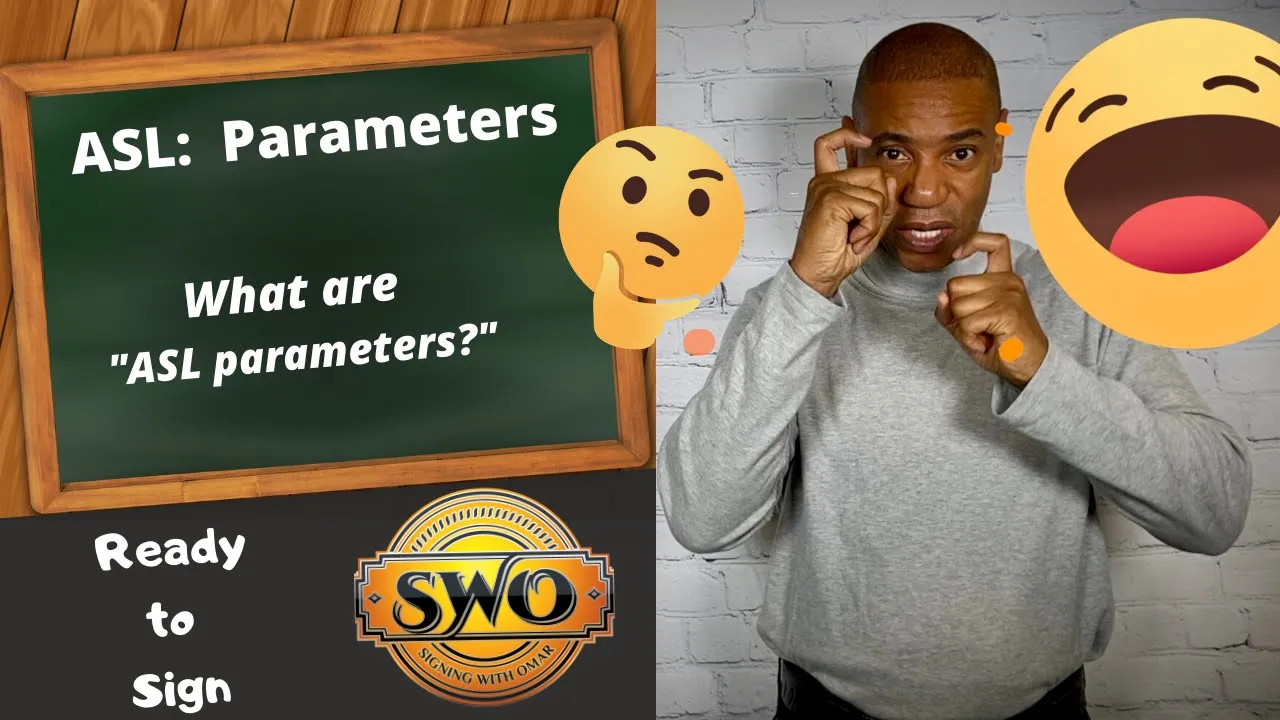







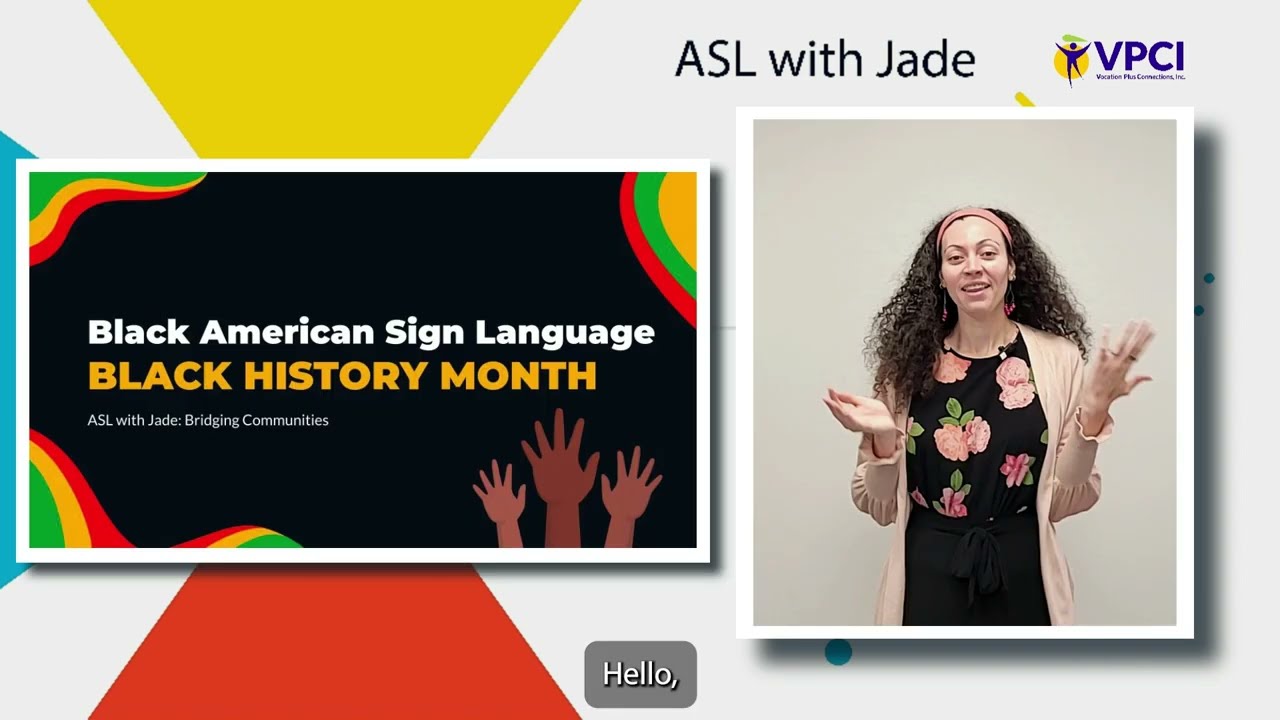
American Sign Language (ASL) signs are composed of five essential parameters—hand shape, palm orientation, location, movement, and facial expression/non-manual signs—that work together to convey meaning; changing any parameter alters the sign's meaning, similar to how changing phonemes in spoken English changes word meaning.
The Five Parameters of ASL | Sign Language Linguistics Explained
Added:Understanding that American Sign Language (ASL) is a complete, natural language with its own distinct grammar and syntax, separate from English.
Basic familiarity with linguistic phonology, specifically the concept that languages are broken down into smaller, contrastive units of sound or form.
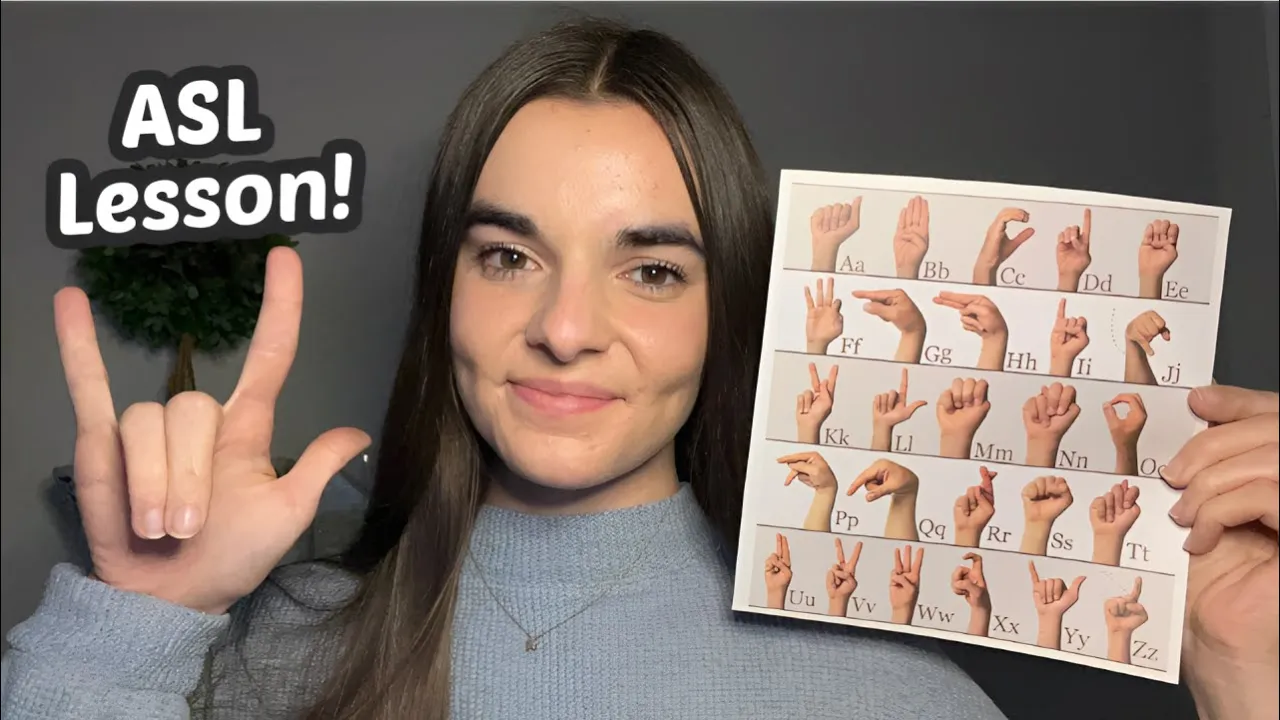
Familiarity with the ASL manual alphabet (fingerspelling) and basic handshapes to recognize physical forms easily.
The distinction between iconic signs (which physically resemble their meaning) and arbitrary signs in visual-gestural communication.
Analyzing 'minimal pairs' in ASL to observe how altering a single parameter (such as location or handshape) changes the entire meaning of a sign.
Studying ASL classifiers, which use specific handshapes and movements to describe the size, shape, and spatial relationships of objects.
Exploring ASL morphology, specifically how modifying parameters like movement can change a word's meaning (e.g., noun-verb pairs or temporal aspect).
Investigating the role of non-manual signals (facial expressions and body shifts) in structuring ASL grammar, sentence types, and syntax.
Examining sociolinguistic variation and historical shifts in ASL parameters across different regions, generations, and social groups.
433 views8likes11:11Original Release: 2022-05-29
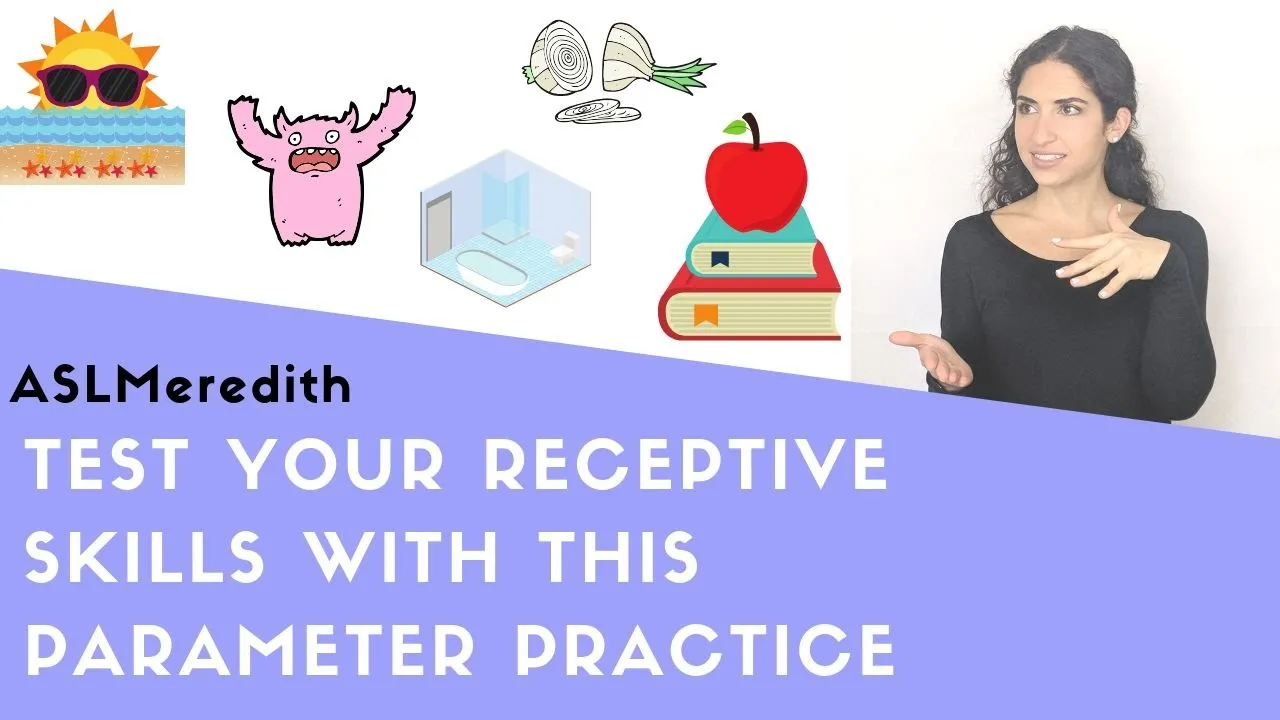
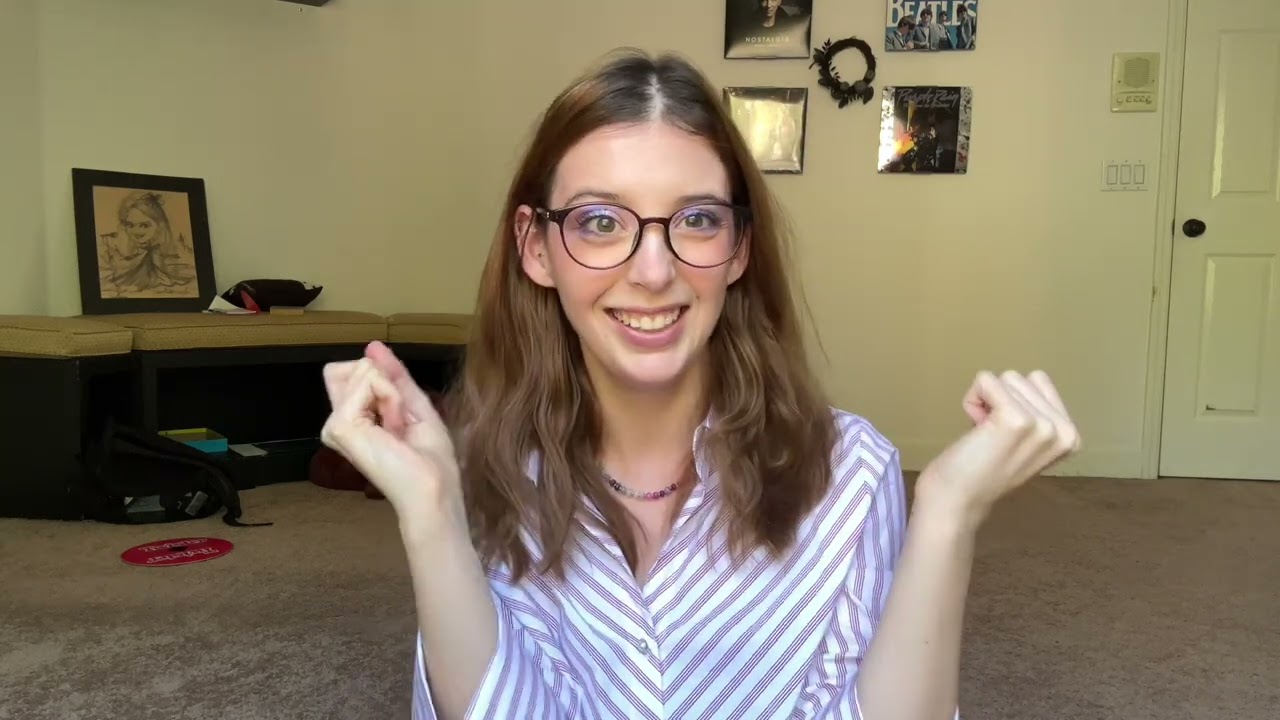
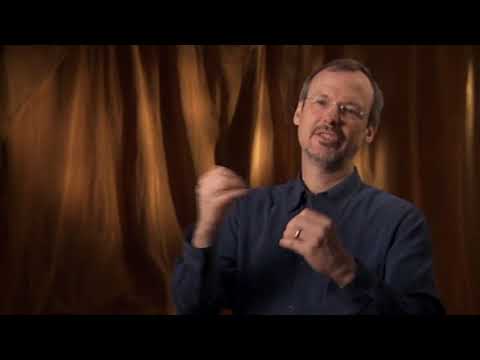
we're going to talk about one of the most important things to know about asl because you'll use it over and over and over and over we're going to look at the five parameters of asl so you might be thinking what's a parameter asl has parameters what even is that so let's let's actually define parameters first and then we'll talk about the parameters of asl so a parameter is a measurable factor it's a boundary or limit that shows how something must be done there are parameters in a lot of things and there are parameters in all languages because all languages have rules for production whether that's pronunciation in spoken language or whatnot and they also all languages have rules for language usage like you can't you know you can't use one word one way it's there are rules there are parameters in how you produce and use language so all signs in asl are made up of five parameters giving the parameters right gives the sign meaning and it makes it accurate the parameters make the sign understandable just like in spoken english right if i say something the way it's supposed to be said you know what i mean you understand it but if i don't it doesn't make sense or it isn't used right so here's an example in english if i want to say boat but i pronounce it bot then i've changed one of the parameters of that word i've changed one of the vowel sounds right and when i do that it actually gives it a different meaning if i change the parameters of boat enough such as saying blit now i've given the word no meaning right i've changed enough of the parameters that now it doesn't mean what i want it to but it also doesn't mean anything at all you can do that in asl too right you might get one little part wrong or enough that it doesn't mean anything the five parameters of asl are the five parts of a sign the five things that give the sign meaning when you sign all five parameters correctly you are signing what you mean to sign parameters in asl are just like phone names in english a phoneme is the smallest part of a word which has no meaning by itself like a t or a or c then you combine the phonemes in english and in a lot of other spoken languages to make something that means something which is a word or a morpheme so if you take the little parts all the phonemes like the c a and the t and then you combine it in a certain way that means something you've made a word like cat so that's how it works in english it's similar in asl you take little parts to make a sign that means something knowing the five parameters of asl will help you self-assess your signs you can self-correct them as needed you can double check yourself and your signs to make sure you're you're signing all the parameters right so here are the five parameters of asl i also call it how to sign what you mean to okay there's hand shape palm orientation location movement and expression or non-manual science so first let's look at the first one i mentioned their hand shape okay handshape is the difference between car and which so let me back up a little bit so i can sign these for you so here's car and here's which they look about the same don't they but they have a different hand shape and changing that one parameter changes the meaning so let's look at an example of palm orientation palm orientation is the difference between the sign for good and the sign for bad watch this good bad everything is the same it's the same hand shape it's the same movement but i've changed the palm orientation good bad which also can be signed by the way good and bad with just one hand all right now let's let's look at location that's the the third parameter of signs so location means where it is is it by your eyes is it on your shoulder is it in the space out in front of you that's the location of the sign so location is the difference between the signs for onion and apple so i'm going to have the same hand shape the same palm orientation but the location is going to change here's the sign for onion and here's the sign for apple it's just the location another of the five parameters of a sign is movement so you notice when i did onion and apple it had the same movement it was a little twisty right little twisty so let's look at this sign now i'm going to encourage you to not or this parameter i'm going to encourage you to not try to remember the signs that i'm signing here because these are so close you're gonna get them mixed up forever so just look at what i'm signing here and go oh that's interesting i understand what you're talking about about movement but don't try to remember them right now we will learn them later in an order where you'll be able to remember them if you try to remember them all now you're going to mix them all up okay so movement is the difference between these four signs they're super close ready have animal tired and young okay it's the same handshape it's the same palm orientation it's the same location it's only the movement that makes a difference have animal tired and young alright so movement is an important parameter they're all important but an important parameter of asl okay here's the last one so facial expression and non-manual signs so so facial expression and non-manual signs are really similar but they actually have different functions so they are a little bit different but but we kind of group them together as far as a parameter of a sign okay here's the difference facial expressions can be the meaning you intend facial expression is the equivalent of voice inflection in spoken language so so think about this if i say i'm really happy today you're thinking i'm not right so the what what i do with my voice even though i said the word happy what i did with my voice makes you think i'm not it's exactly the same when you sign happy you just don't have voice inflection right instead your voice inflection is your facial expression so the sign happy has to be accompanied by a happy facial expression because if it isn't it doesn't really mean happy just like when i just barely said i'm really happy it didn't mean that i was really happy okay so facial expression is so so so so important in asl because it actually gives meaning to what you're saying if i say i'm happy i'm being sarcastic or there's a problem or something right if i say oh i'm so happy i'm happy you're here i will look happy if i mean happy okay non-manual signs them you may see them also called non-manual markers um i like non-manual signs and that express that uh term is shortened as nms a lot of the time so non-manual signs or nms convey grammatical information not just the voice inflection like a facial expression like we were just talking about but actual grammar okay it it changes the meaning of a word okay so non-manual signs are the difference between accept and especially so watch this the sign is exactly the same if you're trying to sign accept or especially they're exactly the same if you think about it those two words are basically complete opposites right if i say i like ice cream except chocolate that's completely different from saying i like ice cream especially chocolate so the difference in that grammar that meaning of this sign is on my face it's a non-manual sign okay so if i said i like ice cream except i would probably do something like this except chocolate if i like ice cream oh especially chocolate it's going to be more like a positive than a negative okay so that's also the difference the non-manual sign is also the difference between not sad sad and very very sad like if i this is a sign for sad okay so if i say i'm not sad that's actually grammar that's changing the meaning of this sign this is sad not sad okay now sad and now very very sad terribly sad all right another example of the use of nms and how it changes the meaning is understand and don't understand it's exactly the same sign it's exactly the same sign only understand sorry understand and don't understand okay so the non-manual sign is very important it's not optional you have to to use it to sign it or what you're trying to say doesn't mean the same thing all right that is uh non-manual signs so let's review what are the five parameters of asl we had hand shape palm orientation location where it is right movement how the sign moves and facial expressions and non-manual signs or nms so now you're ready you know the five parameters of the sign and you're ready to create signs and make sure that they're produced correctly so that you know that you're expressing the right meaning the five parameters of a sign help you say what you mean to say
Up Next
62:38
Sign Language Linguistics: Variation & Change | Prof. Adam Schembri
@unibirmingham
1.9K views•2024-04-12
36:52
Constraint Interaction in Optimality Theory: Epenthesis & Deletion
@Vidyamitra
180 views•2018-08-20

8:59
Forensic Linguistics: How Language Solves Crimes | PBS
@pbsstoried
1M views•2024-01-25

21:32
Accent Expert Explains U.S. Regional Dialects | Part 1
@WIRED
9.3M views•2021-01-21
Related Study Plans & Knowledge Roadmaps
Structured learning paths in Linguistics
linguistics
Optimality Theory: Tableaux & Constraints
01Phonological Basics: Sounds, Syllables & Rules
02Foundations of Optimality Theory: GEN, CON, and EVAL
03The Constraint Inventory: Markedness vs. Faithfulness
+ 2 more learning modules
15h5 modules
Explore Roadmap
linguistics
Morphosyntactic Alignment: S, A & P Systems
01Foundations of Syntax: Transitivity and Arguments
02The Linguistic Variables: Mapping S, A, and P
03Nominative-Accusative Alignment
+ 3 more learning modules
12h6 modules
Explore Roadmap
linguistics
Analyzing Sign Language: Phonology & Syntax
01Foundations of Sign Language Linguistics
02Phonology: The Five Parameters of a Sign
03Morphology: Word Formation and Classifiers
+ 2 more learning modules
14h5 modules
Explore Roadmap
linguistics
Pragmatics: Speech Acts, Grice & Politeness
01Introduction to Pragmatics: Meaning in Context
02Grice’s Cooperative Principle & Implicature
03Speech Act Theory
+ 2 more learning modules
14h5 modules
Explore Roadmap