








![아르누보 [Part.1] 프랑스의 '아르누보'](https://i.ytimg.com/vi/RzckDhkefF8/maxresdefault.jpg)




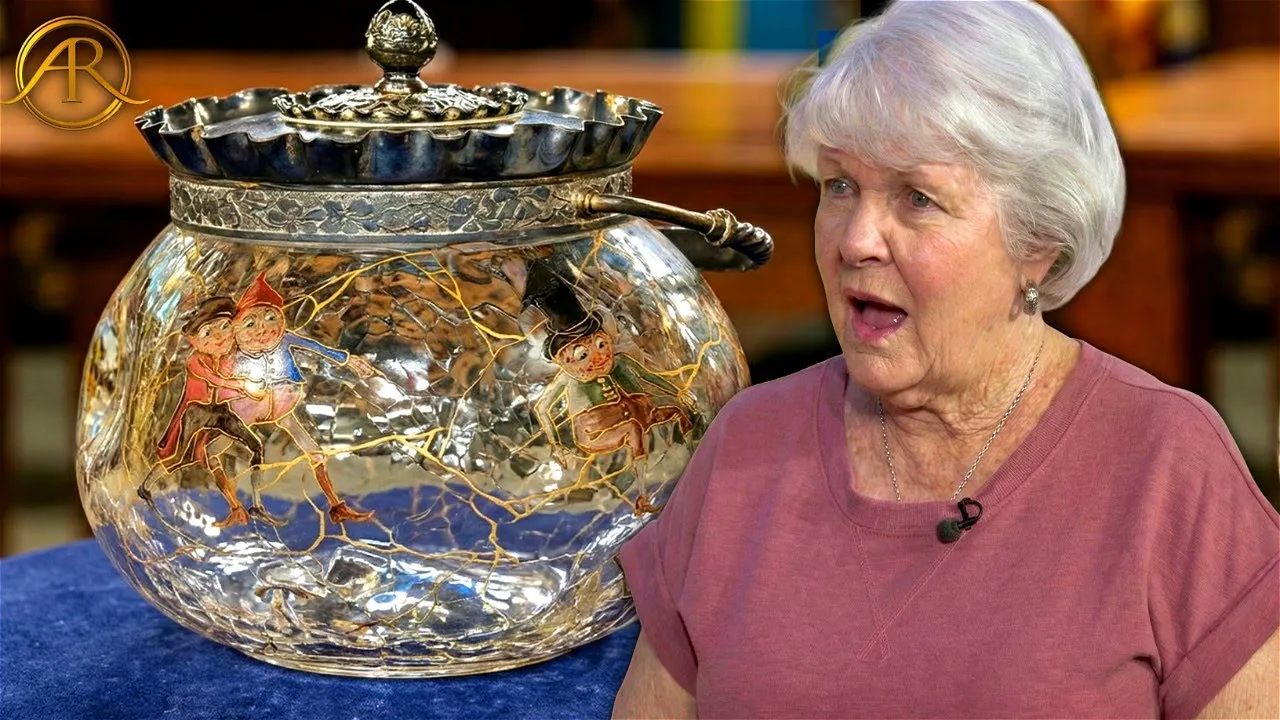

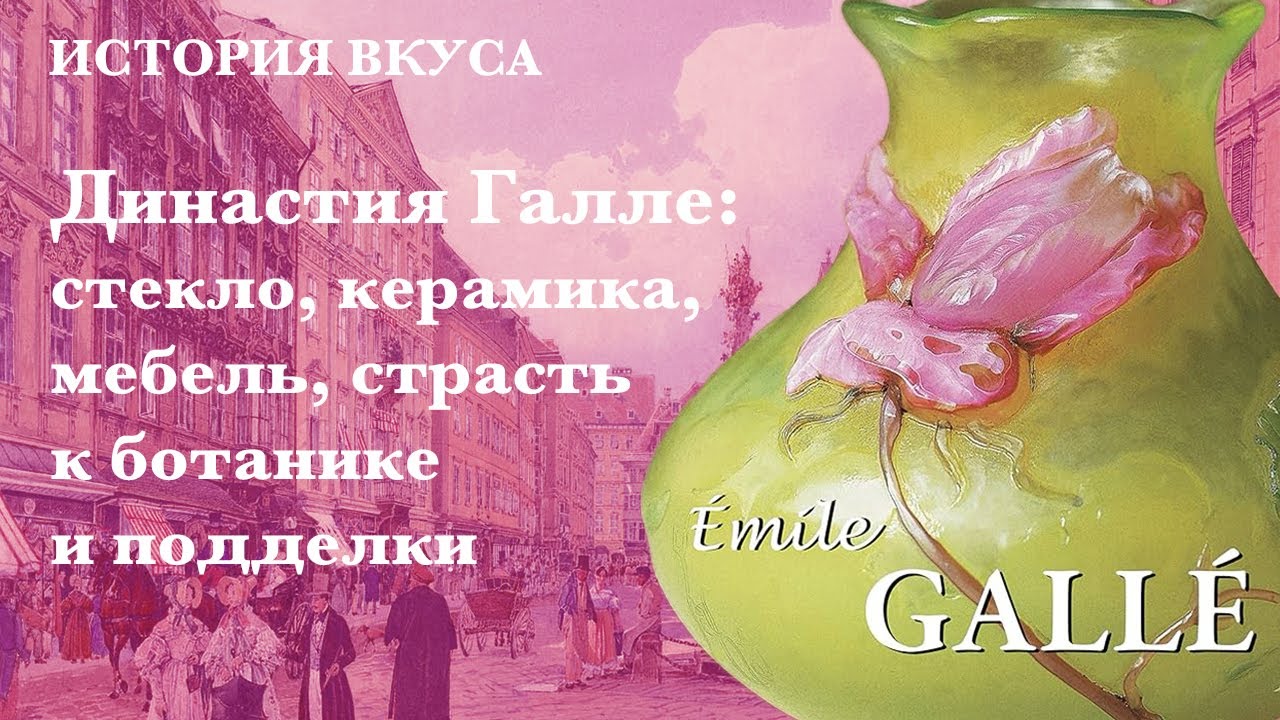


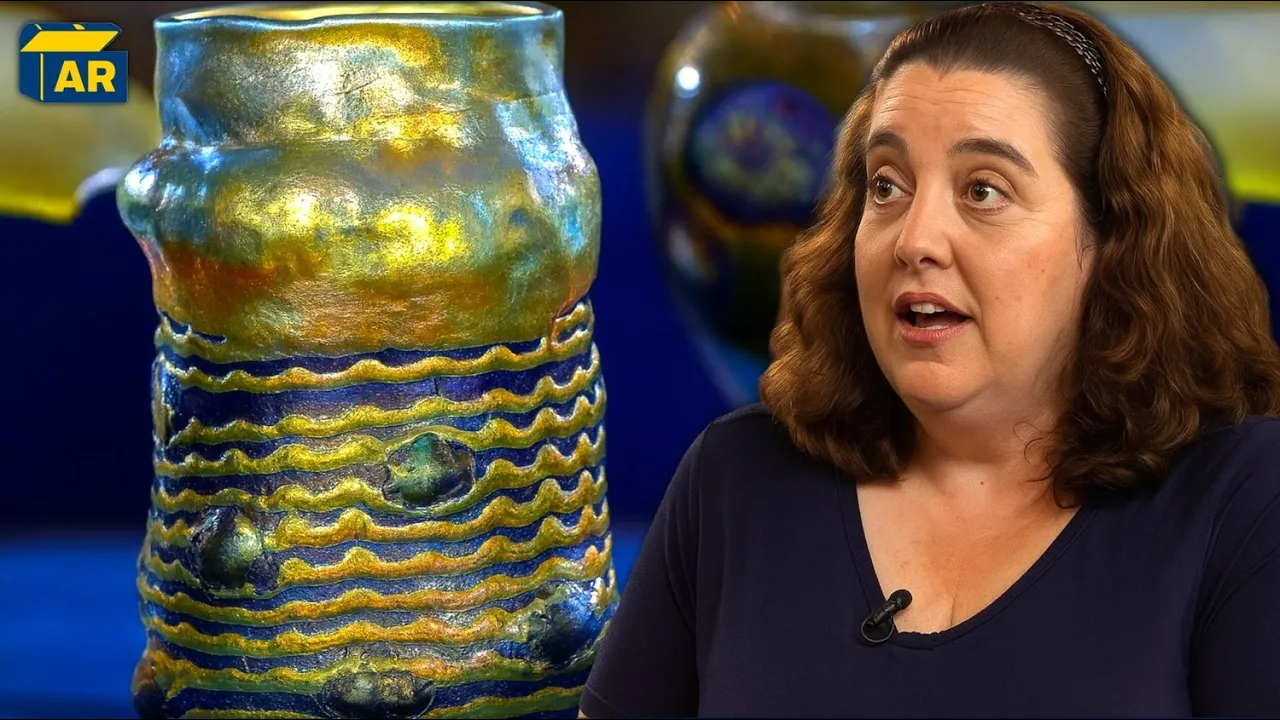

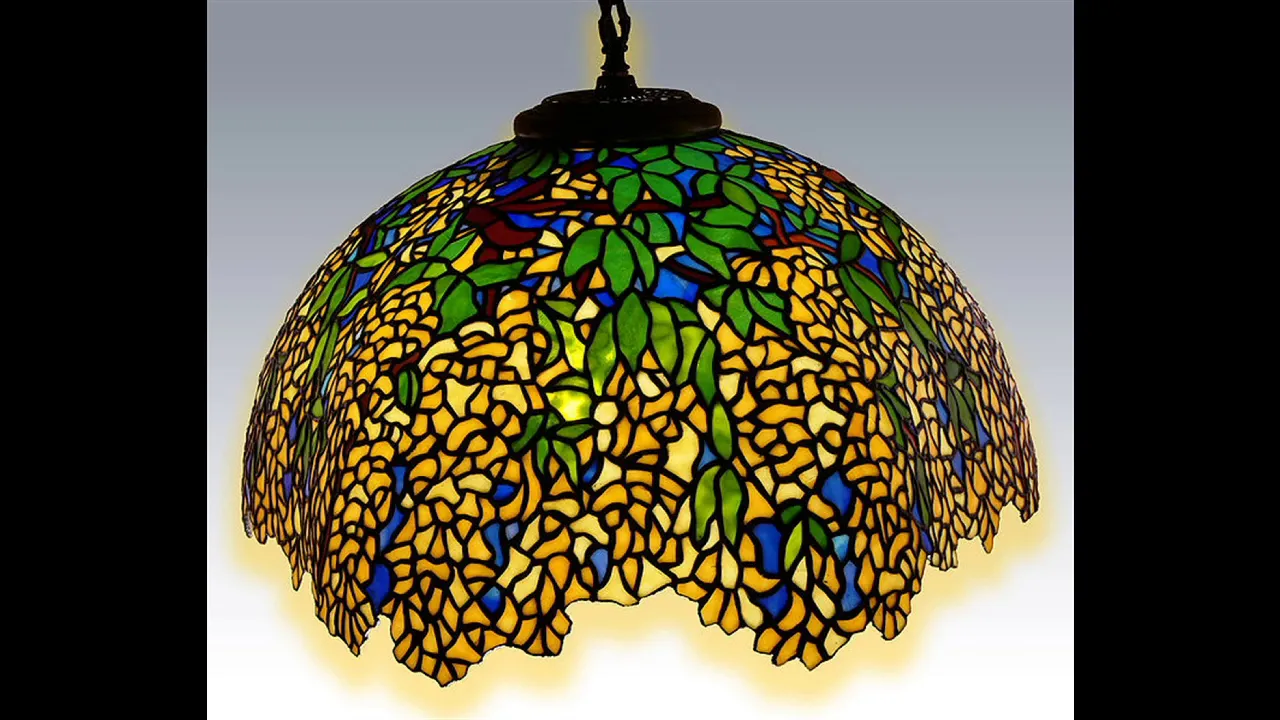







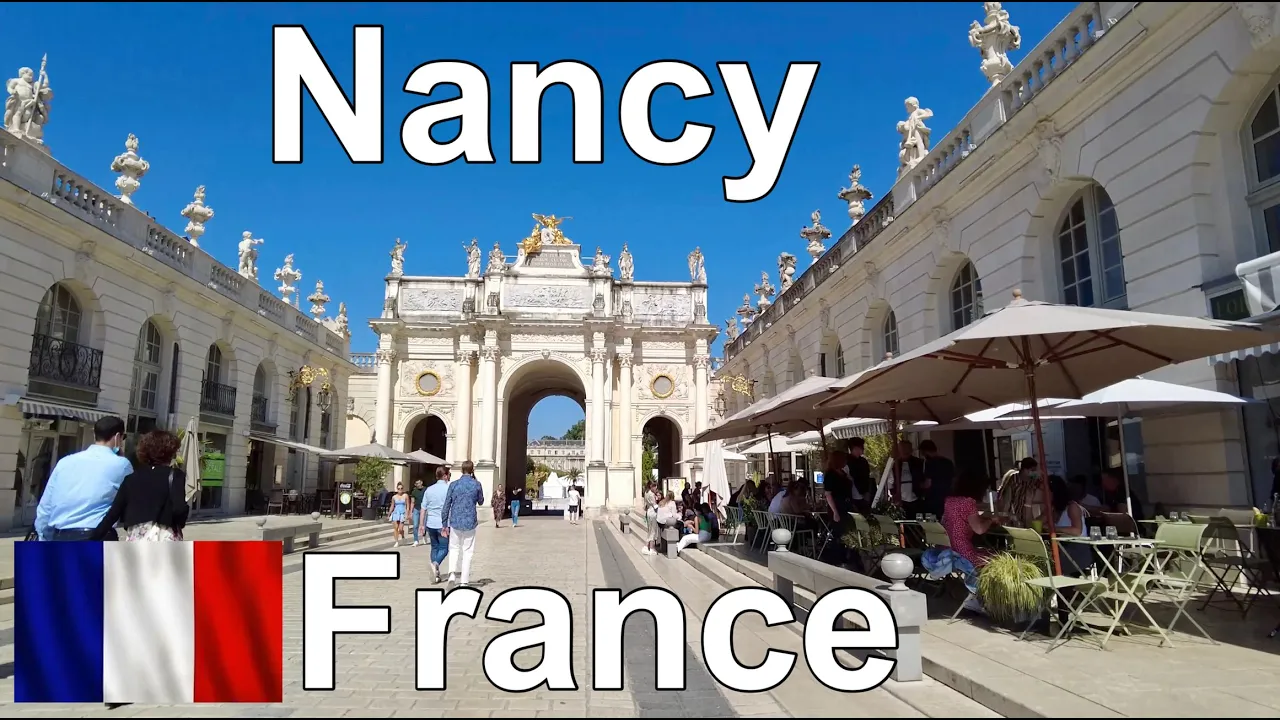
Emile Gallé (1846-1904) was a pioneering French artist and designer who revolutionized Art Nouveau glass through innovative techniques including cameo glass, acid etching, and marquetry in glass (called 'marquetry surveyor'), drawing inspiration from nature such as flowers, trees, and marine life; he founded the Ecole de Nancy in 1901 to promote decorative arts design, and his experimental approach produced rare study pieces that retain artistic value even with imperfections like stress cracks caused during the annealing process.
Emile Gallé: Art Nouveau Glass Masterworks & Techniques
Added:An understanding of the Art Nouveau movement, particularly its emphasis on organic forms, curvilinear lines, and nature-inspired motifs.
Basic knowledge of traditional glassmaking and decoration techniques, such as glassblowing, casing (layering glass), and acid etching.
Historical context of the late 19th-century decorative arts revival and the significance of the École de Nancy in France.
An introductory awareness of cameo glass history, from its ancient Roman origins to its 19th-century revival.
Advanced technical studies of 'marquetry de verre' (glass marquetry) and the chemical processes Gallé used to color and texture glass.
A comparative analysis between Emile Gallé's European Art Nouveau glass and Louis Comfort Tiffany's American Favrile glass achievements.
The evolution of glass art from the organic complexity of Art Nouveau to the geometric, streamlined designs of Art Deco (e.g., René Lalique).
Methods of art conservation, preservation, and authentication for complex, multi-layered cameo and marquetry glass masterworks.
5.9K views0likes5:53Original Release: 2022-02-25
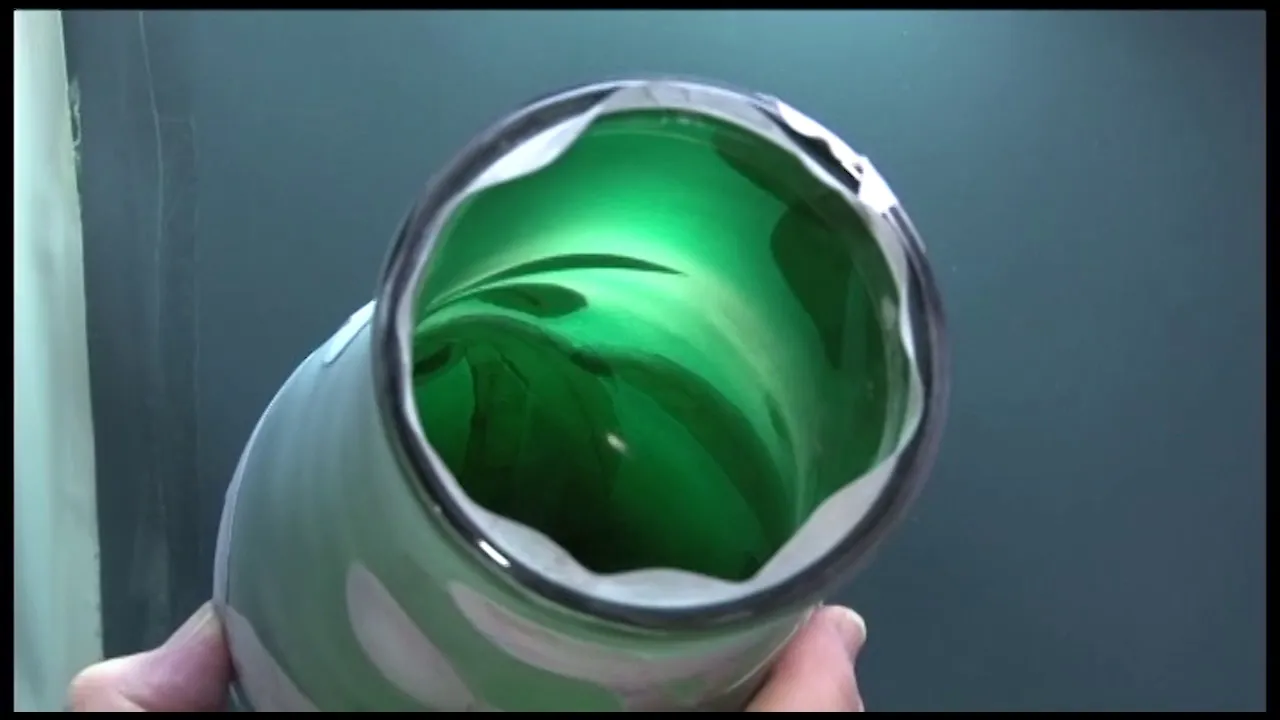
doyle is honored and delighted to present color and light the collection of dr thomas choi the choi collection comprises more than 100 lots it is particularly strong in the area french art nouveau and french art deco glass and includes many beautiful and colorful works in cameo glass by emile gallagher and dome as well as other makers a highlight of the sail and one of my personal favorite lots is lot 86 a galley engraved cameo glass marine vase it has a tapering cylindrical shape and is decorated with seashells seaweed and a seahorse it is made in plum colored glass that is cased over lime green and opalescent glass and has maroon colored striations and swirls it is 11.5 inches tall and has an engraved signature the vaz dates to about 1904 emil galle is one of the most important innovators of the art nouveau movement his designs of art nouveau furniture are certainly noteworthy however it is gali's masterful creations and experiments in glass that propel the importance of this artist beyond some of his contemporaries gele found great inspiration in the natural world and incorporated motifs such as flowers trees insects birds and even sea life into his glass creations galley was a dedicated botanist and maintained an extensive flower garden at his residence to use as models kelly worked in many different glass making techniques including enameling casing and cameo glass some of his earliest and most prized works in glass were wheel engraved or engraved by hand later he used the technique of acid etching to grid advantage galley was an innovator at heart continuously experimenting with new techniques and colors of glass he also revitalized the local glass industry by establishing a workshop that mass produced his designs in addition to his noteworthy work in art nevo glass and art nouveau furniture he was the founder of the ecole de nazi or nancy school it was established in 1901 to encourage and promote decorative arts design principles in the art nouveau style in his birthplace of nancy france galley participated in the ecole de nazi exposition in paris in 1903 and the national de bozar paris in 1904. his series of marine vases date to this period here is a contemporary illustration of two engraved marine vases which galley exhibited at the ecole de nancy exposition in 1903 here is another contemporary illustration of two gallery engraved articles including a cup and seal at the left and a marine vase at the right both of which were exhibited at the salon nationale de bozar in paris in 1904 the contemporary illustration shown here features three additional gallery engraved glass phases with marine motifs these vases were also exhibited at the salon national de bozar in 1904 another favorite item of mine in the choi collection is lot 107 a galley marquetry glass cyclamen vase the vase has a glossy finish and measures four and a half inches tall it is signed galley and etude and was made around 1900 it is rectangular in shape and is made of dark purple pink and pearl colored glass inlaid with variously colored segments of glass carefully selected and arranged on the glassmakers table to suggest impressionistic blossoms that emanate from slender red and amber colored stems the cyclamen blooms on this phase are so highly stylized that they have a very graphic quality here's another vase decorated with cyclamen in a private collection it is also signed galley etude and dates to about 1900. this piece and the one in the choi collection are very much imbued with the japanese aesthetic emil galle is also celebrated for his beautiful art nouveau furniture exquisitely carved and often featuring marquetry inlay created with variously colored woods carefully selected and artfully arranged to suggest for example an exotic landscape such as the scene depicted here the natural grain of the wood skillfully heightened with variously colored inlaid wood segments artfully suggest rippled water on a tranquil lake galley also employed this marquetry technique in glass he called it marquetry surveyor which translates to marquetry in glass this glassware was introduced to the public in 1897 it was a rather difficult process and resulted in a high failure rate at the kiln the cyclamen phase in the choi collection is signed galle etude the french word etude translates to study accordingly the signature on this phase identifies it as a study piece the vas is imperfect it has a hairline stress crack on the front side of its body the stress crack was likely caused at the time of its making and prior to the annealing process annealing is a necessary step in glass making the object is quickly placed into an annealing oven where it is allowed to cool gradually so as to alleviate stress to the glass it is a process that can sometimes take as long as two days to complete during this time the temperature in the oven is gradually lowered as the glass object cools the galley glass workers would have been aware of the stress crack in the cyclamen vase but deemed it important and experimental enough not to be destroyed today discerning collectors dealers and museum curators are more forgiving when it comes to damaged pieces of art glass particularly when such pieces are now known to be rare examples of their kind these pieces still retain artistic merit and value and are worthy of inclusion in a carefully curated art glass collection i am glad this study piece has survived it is a very beautiful specimen of the glassmaker's art for this and more please be sure to visit us at doyle.com
Up Next

72:02
Louis Majorelle: Pioneer of Art Nouveau Furniture Design
@anneandersonartanddesignhi3497
189 views•2026-01-25

114:18
Christian Iconography: History, Theology, and Meaning | Fr. Panayiotis Papageorgiou
@Trisagionfilms
58.8K views•2020-02-21
7:48
Ukiyo-e Art: History, Woodblock Printing & Influence
@japanathand
6.3K views•2023-06-08

16:34
Earliest Depictions of Jesus in Art: 10 Ancient Images Explained
@UsefulCharts
5.9M views•2022-06-03
Related Study Plans & Knowledge Roadmaps
Structured learning paths in Art History
art-history
Gothic Cathedrals: Engineering, Light & Society
01The Birth of the Gothic: Romanesque to Suger's Vision
02The Structural Triad: Pointed Arches, Ribbed Vaults, and Flying Buttresses
03Theology of Light: Lux Nova and Sacred Geometry
+ 2 more learning modules
14h5 modules
Explore Roadmap
art-history
Pre-Raphaelites: Realism, Symbolism & Critique
01The Victorian Art Establishment and Academic Formula
02The Founding of the PRB and Radical Realism
03Medieval Revivalism and Literary Symbolism
+ 1 more learning modules
8h4 modules
Explore Roadmap
art-history
Street Art: From Subways to Art Market
01Subcultural Origins in Philadelphia and New York (1970s)
02The Subway Era and Style Wars (Late 1970s - 1980s)
03The East Village Scene and Early Gallery Crossover
+ 2 more learning modules
10h5 modules
Explore Roadmap
art-history
Classic Maya Art: Iconography, Glyphs & Ritual
01Foundations of Classic Maya Visual Culture
02Deciphering Maya Hieroglyphs & Text-Image Integration
03Sacred Geography and Cosmological Architecture
+ 2 more learning modules
14h5 modules
Explore Roadmap