







![[4k, 50fps, colorized] (1900) Paris, Panorama of the Exposition Universelle from the Seine.](https://i.ytimg.com/vi/NXUWkB7fq64/sddefault.jpg?sqp=-oaymwEmCIAFEOAD8quKqQMa8AEB-AH-CYAC0AWKAgwIABABGGYgZihmMA8=&rs=AOn4CLC0IKiv6t657LvZs7EtA7mNpkyI5Q)

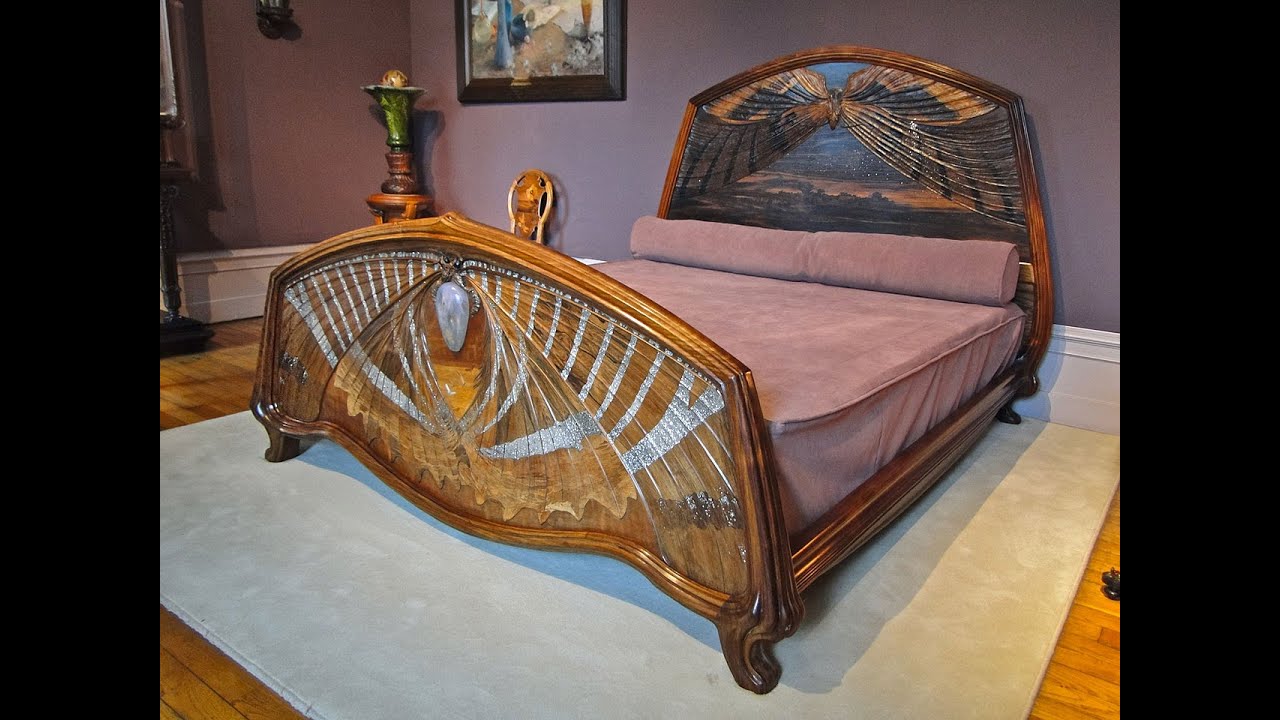

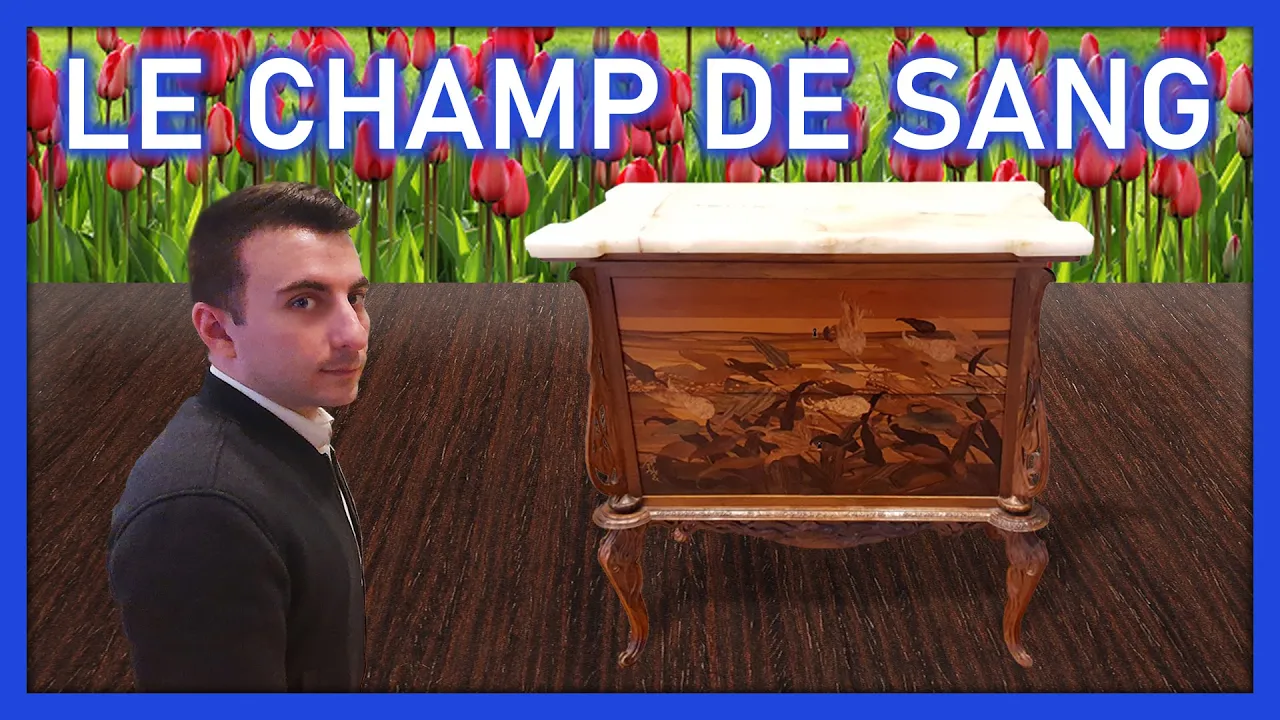




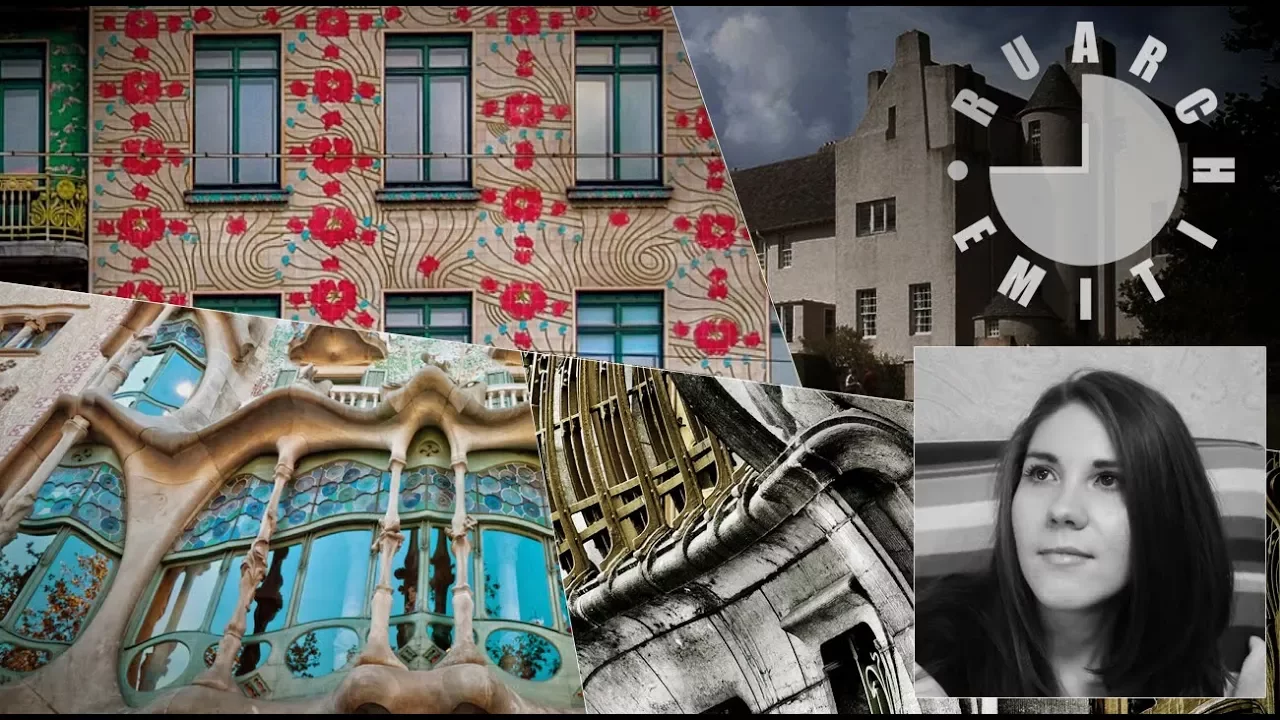
Louis Majorelle (1860-1926) was a pioneering French furniture designer based in Nancy, Lorraine, who became one of the leading figures of the Art Nouveau movement around 1900. Initially trained as a painter and inheriting his father's cabinet-making workshop at age 20 in 1879, Majorelle evolved from producing historical reproductions to creating innovative Art Nouveau furniture characterized by organic forms, exotic wood marquetry, and sinuous metal mounts. His groundbreaking work, including the Villa Majorelle (1898-1901), the first fully formed Art Nouveau house in Nancy, established him as a key contributor to the École de Nancy. Majorelle's furniture, which ranged from tea tables to complete room ensembles, exemplified the Art Nouveau philosophy of integrating form and decoration to create total works of art, earning him the Grand Prix at Paris 1900 and leaving a lasting legacy in French decorative arts.
Louis Majorelle: Pioneer of Art Nouveau Furniture Design
Added:The Marvel family we have three generations. So we have the father who is the top left that's August. So he will found our cabinet making workshop which will be inherited by the very young Lumi Marel who is the eldest son and he's only 20 when he inherits unexpectedly in 1879.
And then the photograph here top right the rather gleeful wife uh is Jane her nickname is Jika which is why it's often known as the Villa Jika. Interestingly, we have Margarel dressed as an artist. I could I'm quite fascinated by these floorlength smoks that they wear. You might have noticed that Gustaf Clint is always in his floorlength smok, which by the way was always blue as a homage to Burn Jones and William Morris. And then the rather snazzily dressed young man here is Jacqu. They only have the one son. He marries Jika in 1885 and Jacqu is born the following year 1886 and he is their only child. So you can imagine he's much beloved but he doesn't follow in the footsteps running the firm. He much prefers to being a fine artist. So you see him down the bottom here painting and he will escape to Marrakesh. So you might know of the villa in Marrakesh. It's called the Villa Margarel was recently or say recently in the last 20 years it was re retored uh by Eve Salaron who was absolutely mad on our neuvo and art deco. So you might have been very lucky to visit the villa and garden in Marrakesh. So it's that bright blue art deco building down the bottom. And uh Jacques had no interest in fact in running the cabinet making business. It kept him going. it supplied him with a nice income. Um, but it was run after Maruel's death by other members of the family and in fact by his most trusted second in command uh, Musu Le who we'll meet later. So that's our dynasty. So just to recap recap that's August looking dapper at the top down below the villa in Marrakesh which belonged to Jacqu and in the center Louie Margarel painted by Emil of Freon who is the artist associated with the Echoldi and Margarel is rather usefully holding pine cone one of the emblems of the Elden.
So August is in many ways just as fascinating as his son Louie in being a very diverse artist and decorator. Um he trained as a ceramicist believe it or not his father August Margarel and um he the examples I'm showing you here are in a relatively obscure museum as you can see in Remont if I'm pronouncing that correctly and these are what the French call fion so that it's very close to a material that we have in England known as myolica or I should Majolica which is the Victorian version. So my reason for including these is you can see how difficult it was for artists to move away from historic styles. So the V posh which is this sort of like box thing um is painted in a Chinese or Japanese style um but it on a very racoo looking body and even more oriental are the threedimensional you can see flying herands uh coming out of the vasees on the left hand side. So one of the things I think that makes the style of the echolon sea so distinctive is on the one hand the heritage of the racoo coming from those famous gates of uh Jean Lemore in the plastis lassas and the other is the incredible impact of Japaneseism as there was a Japanese artist Tokyo Pamada actually living in North Sea during the latter part of the 1880s. is so on the one hand historicism leaves its indelible mark and on the other Japanese leaves its mark on the evolution of the style of the echolon sea. You can perhaps see that even more here on these examples of not true lacquer wear. So August Margarel sort of creates a niche for himself in the market creating Venice Naftan. Veris naftan was invented back in the 18th century was much favored in the court of Louis V and it's a European replica or reproduction of genuine lacquer. We have neither the skill nor the raw materials to make lacquer. So, Vaknis Makta, named after the inventor, the Naktan brothers, uh tries to replicate the effects of Chinese and Japanese lacquer. Uh these are actually ceramic. The pot part on top of the stand is actually ceramic.
And we have a cockal on one, which is obviously a very French motif, a French cockal with these rather lovely sort of like lion's heads. And then the one on the stand again we're back to Japanese herand and what appear to be aquatic plants. So not surprisingly um August Narel will go off with a grand prix from the universal exposition of 1878.
The award being for this rather remarkable piano uh in Venice Mtown.
This um technique that simulates lacquer. it. The raised decoration is created by using fine fine plaster work which is then gilded over and painted.
But I imagine that mata is almost as expensive as the real thing. My piano here is in the museum of the echolon. I love the fact that it's supported by rather hideous looking lions like you know dogs of foe holding up said piano.
And then uh where you put your music is rather charmingly lots of different musical instruments. You can see a tambourine and what appears to be some pan pipes. And here is the little label on the front telling you that it's decorated by Margarel of Noni. But obviously the interior of the piano um is down to the another manufacturer Mango Fra and Sai of Paris. But I do love Mount Fuji in the background. with a rather lovely Japanese sunburst immediately behind. And I have a closeup here of the side of it with some rather lovely geisha girls in the middle. Uh, another of these aquatic birds. But you can see here what I mean about how the visa is raised decoration. Um, it's very easily damaged. Um, and um, therefore not a lot of it is actually survived.
But this was how August Margarel uh made his name in the 1870s.
Very much part of what you and I would call the aesthetic movement back here in England when the craze for things Japanese was at a height. However, Margarel uh shifts from Visa to marketry and his earliest furniture is very much associated with this technique of using lots of exotic woods.
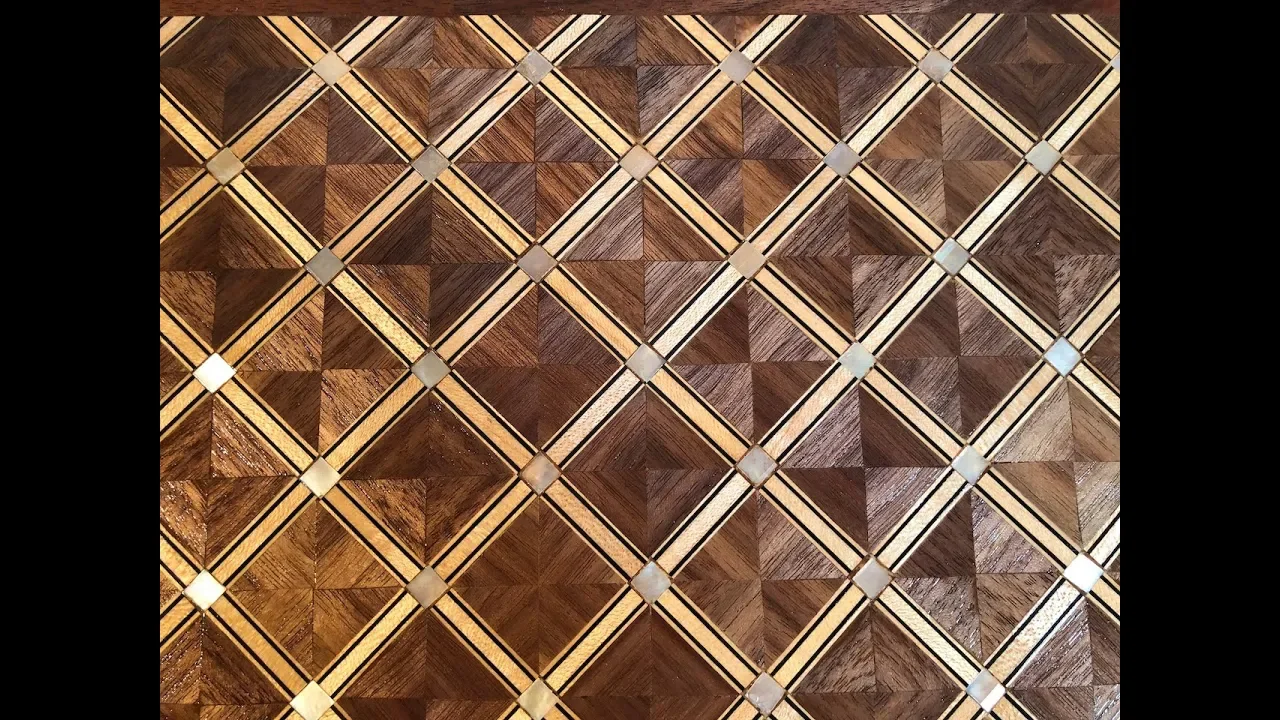
They are literally drawn from all over the world and there are over a hundred uh listed woods that Marguelle uses. I'm not you know a cabinet maker so I'm sorry if I don't know all of them but the point is that this was just as expensive as Visa just as difficult to achieve cutting the veneers into this jigsaw puzzle of marketetry which is essentially pictorial. The English didn't approve of this. The English arts and craftsman thought that he was ruining the wood uh because all you had to do was really to bring out the natural grain of the wood as far as they were concerned. And this helps us to sort of understand some of the reasons why there was this antagonism between the French and the English designers and how very pertinent today antagonism between the French and the English. So this is the so-called death of the swamp piano. It's conceived decoration by Victor Pru but is made in the workshops of Louis Marel and there are four of them known. Um this one as you can see is in the Eco Donsi and there's one in private hands but the interesting thing is that despite our nuvo falling out of fashion they have actually always survived. It uses a combination of marketry and as you can see carved pine cones as the theme in the drawing room or sal of what was originally us Eugene Corban's home um now the called the nine museum a theme whole way through the room is pine cones. So here's a better view of what we mean by marketry. So here is the dying swan. It's inspired by the opera parival uh composed by Vagnner in 1882. And in fact, as we've already seen, Vagnner plays quite a prominent role in the aesthetic of the Echolden as there are several Vagnerian subjects created by Shak Rub produced in dome glass. So, here's even closer closeup to show you what I mean about creating pi pictures using wood, but they'll also use other materials like ivory and mother of pearl to create their pictorial effects. And the English of course didn't like any of this. They basically said that this was a corruption of using wood that wouldn't wood shouldn't be turned into pictures.
But of course uh they are drawing in NI on this long legacy in French cabinet making marketetry and paretry you know was a skill perfected by the matra ebonyists the cabinet makers of the 18th century now in terms of Margarel's evolution as a furniture maker well he didn't intend to be a furniture maker at all u coming from an artistic family and the family business is prospering throughout the 1870s the young Marel goes off to Paris to study at the Elder Bozar. He wants to be an artist, which of course ironically is what his son Jacqu will finally achieve. But when his father dies prematurely in 1879, poor old Margarel is called back to run the firm. He is, as I say, be barely 20.
And this must have been a huge blow to his ambitions because he really wanted to be a fine artist. And throughout the 1880s, one gets the impression that Margarel is really learning his way through running the business. Throughout the 1880s, there is no move to anything among guard in terms of furniture and they produce lots of reproductions. It's very high quality, um, but essentially rather dull. Um, even when we get to Paris 1889, which is when Gala makes a splash with both his glass, his ceramics and his furniture, everything that the Margarel company sends to Paris 1889 is either boringly conventional or really rather dafted. Like for instance, they they send a really over-the-top RCOO sleigh which has not survived.
Otherwise, I would show you a photograph of it. It's not until he really gets involved in the 1890s with Gala who is you must realize is right at the forefront of this move away from historicism towards arnuo forms based on nature and the the critical year for Marel is as late as 1894.
So rather like dome who really takes off in 1891 we can see here the impact of non sea on the formation of the nonse style.
So 1894 they hold an exhibition in non sea itself where Margarel presents his first what you and I would call arnuo pieces in terms of their floral decoration which you can see from the two examples that I'm showing you here.
pretty standard cabinets that Maruel will sell for at least, you know, 15 to 20 years. They appear in the catalog. Um because Margarel is is is he's a very good entrepreneur. He is increasingly moving away from hand craftsmanship to mass not not mass production but partly machine production and creating what we refer to as series which means that you can bring the unit cost right down. So you can see here in my music cabinet on the left hand side that's what those funny partitions are for your sheet music. Uh it's very still very racoo.
Look at the legs. Look at the overall fluid shape and you can see a very obvious depth to the sort of mid- 18th century racoo style. Whereas the cabinet on the right hand side here looks more like the plant itself has formed well has literally created the form of the cabinet. And the pieces of marriel furniture that make all the money and get all the collectors excited are the ones in which the form has become organic as well as the decoration where it looks like the structure of the furniture is echoing the structure of a plant and like Victor Hort using that metaphor of plant life to indicate concept of renewal and regeneration. So here's a catalog. these cataloges that really ensured Margel's success. This idea of moving to factory production and using the latest technology and as you can see uh by 19, this is about 1908.
There are shops in Paris on the Huda Provence. More of that later it's very important. There's one in Le uh and one in Leon. And he is well he's often referred to in France. Well, he often works with architects, but these architects are also interior designers, and they are often referred to in France as ensembliers.
So, an ensemblier will buy objects to create an interior, but will also commission objects. So, they orchestrate what we know in anuvo or even in art deco as the gazant deck, the interior as a total work of art. You can also see from my catalog page that there's a broad range, but the tea tables really keep them going. Um, nests of tables, smaller pieces of furniture that could fit into an existing um interior. So, you know that you don't have to get rid of everything to put your margarel cabinet in. It will fit quite nicely into your existing um interior. Uh, so this is a good just a closeup to remind you of what the market tree looks like.
And in the case of both Gallo, Gala and Margarell are using marketry in the 1890s. So it really is like um creating pictures out of wood. Uh this is this is one of the bog standard products that keeps them going. The tea table. I do like the floriated shape at the top. And more importantly, can you see how the legs now twisted look more like a proper plant stem. So these are the elements that the collectors are really looking for when the form and the decoration take on this organic quality.
He doesn't really hit the high notes until Paris 1900.
So he his first Arnuo pieces are shown in 1894, but he's still making plenty of standard reproductions alongside. He's a businessman first and foremost. But then for Paris 1900, this is when he is awarded his grand pri alongside Gala.
And then one year later, 1901, we have the official founding of the Elden on Sea. This is a very famous piece in the VNA collection. George Donaldson, Sir George Donaldson he will eventually become was sent off uh to Paris to Paris 1900 with a sort of not well yeah c launch really in terms of acquiring acquiring pieces for the VNA collection.
Um the these wonderful Arnivo pieces were brought back. There are several of them as you'll see in a minute and uh they were proudly displayed in South Kensington to the shock and horror of everybody and they were then banished for many years to Beth Green where obviously uh French decadence would not have any impact at all. Quite like that idea. Uh when Marshall first gets involved in metal, as you can see here, this has got elaborate applied metal decoration. It's it looks like it might be a hinge, but really it's for effect.
Um at this stage, as you can see, it's sort of amplifying the sineuous shape of the cabinet. And the uh pictorial representation, the top is of a rather nice sailing ship. And here again you've got all this organic floral decoration.
But what is really Arnuvo are the sineuous metal mounts. So this is another one the bthers. You can imagine this is when the English arts and crafts movement get very upset because as they see it a travesty all this use of wood to the wrong effect. So uh creating pictures paintings literally with wood.
So the top panel is the bthers and there's some nice swans in the background. And then picking up on that theme down below we have water lilies and again this was acquired uh by George Donaldson uh as part of his bequest to the VNA and again it will be banished to Bethyl Green. Um now where is all this furniture you might like to know? Well, the answer is apart from one or two pieces which are in the furniture section, they are all in store and have been for the last 10 years uh which is when the VNA closed its 19th century European gallery. The cabinet on the other hand, we've got a cabinet. It's a lady's desk evidently um because it was it's adaptable. It could be a dressing table or here we've got a lady's little writing desk which would have been designed to go in her budoir. So it's again quite a small elegant piece of furniture. Rather lovely landscape and marketry place to put your letters in front and this is in Brighton which has got this rather lovely um selection of arnuo and art deco art. So here is the whole desk and you can see that this is what we're talking about where we're looking for the really good bits of margarel furniture which for the most part date to after 1900. Um that this has got the sineuous form that clearly follows uh plant life and it looks like almost flowers or buds at the very top and again you've got like stalks holding up the top shelf. So it's that type of really aruau furniture uh that the collectors are prepared to pay a premium for. Whereas yet again one of these cabinets that very much kept Margel going echoes of French Coco not only in the form but even in the decoration for those who were less adventurous in terms of their interior decor. And you can see this is Brighton.
Both of these are in Brighton. You can see in the background a piece by Emil Gala who is following a very similar path, a sort of marriage between French focation again in the VNA collection. So these again are really good examples of sort of integration of form and decoration. I love the um but I'm not sure that I think it's based it's a reproduction but based on photographs which show the original upholstery material. So again echoing the organic shape of the chair.
The theme in this one is cla. It still has a raccoo feel to it in the shape of these saber legs. Whereas the VNA chair, in fact they're both in the VNA. This one here with the pink um cover is again really bringing out the form of a pl of plant life in its shape. So the earliest pieces of margarel furniture are very much to do with carving as you can see here but very much dominated by marketry and the one that you're looking at here on the right hand side can be found in the naison beer which we're going to see right at the end because I want to use the last part of my talk to look at in detail at the newly restored Margarel Villa. So that chair on the blue carpet is in the maison which also allows you to see all of these elements come together to create the eul gazant k and this is the same theme.
It's the clatus motif but in a bear share or an armchair again with wonderful period upholstery to give you a good uh notion of the of the the proper effect that these chairs would have had. So the overall look in fact of a echolled sea interior does have plenty of 18th century echoes in it. But then simultaneously with the developments of the marketry furniture he starts this is Marel starts to get really interested in Ormaloo which is fire gilded bronze.
Again we can trace the origins of this back to the 18th century. It's a feature very much of Louis the 16th and even more so what we refer to as umpier or empire furniture where this is under Napoleon where a lot of French furniture is decorated with very beautiful but rather heavy oraloo fire gilded mounts marel will use the mount they go they transcend the practical so whereas you might have had a bronze shoe or I should say au shoe and there's Sabo on the bottom of your chair purely for practical purposes to protect the wood.
In the case of Margarel, the bronze mounts, as you can see here from my example on the corner of a water lily desk, way transcend the practical and become decorative and begin to follow the organic lines of the wood to sort of really bring out the organic shape that he's trying to create. whether it's a desk or a chair or a bed. Uh we know that he could supply you with entire ensembles. So know looking at the cataloges which have survived from between 1900 and the war. We have furniture for individual rooms. We have specially commissioned pieces. We have light fittings. We have fireplaces.
We have everything if you want to to create your entire Anuvo ensemble. This has echoes in fact of the Villa Jika in terms of the window uh behind the fireplace which may well have been filled with glass by Jacqu Gruber because remember Gruber is very much part of the Margarel universe. uh they all collaborate with on these interiors after 1901. So do supply the glass. Um Gruber will will often design you know furniture. He designs furniture for Margarel. So Gruber is a fascinating allround artist and the theme here as you can see is pine cones. This is a stylized pine cone here. It's like a screen um dividing the space up and allowing you yet more arnuvo embellishments.
So yes, the theatricality of these oraloo decorated pieces takes me immediately to Hollywood every time I look at one of these beds. This is in the museum of Dorsce that they have several other related uh pieces of furniture like the bedside cabinets. Now you can see here watching about the oraloo mounts have transcend uh transcended anything functional. They're purely decorative here on the end of the bed and then sweeping up to emphasize the organic nature of the back of the bed. The maret tree has gone. You don't need it when you have these elaborate oraloo mounts. and he's really bringing out the beauty of the wood and he's using different types of mahogany but particularly macassa ebony which has this uh tiger stripe in it. So there's the whole set should you have a deep enough pocket uh to acquire it and this set is in the Virginia Museum of Fine Arts in Richmond as in America uh which has an amazing collection of anuvo and arts and crafts. So the wardrobe, as you can see, has got extensions supported by Omaloo waterlies. They would carry vasees. There's one of those in the Alden Sea collection. The two bedside cabinets, the matching chairs, which actually do not have mounts, but you can see how they two are now uh no marketry to see uh and but fabric in fact uh behind these. This is fabric on the bedside tables, but the shape of the furniture is um emphasized by the oraloo mounts. These sections up here, I think, might well be marketry.
Right, there's a better view of it.
Actually, they are it is marketetry, not fabric. So, this is the pink I love the pink satin pillow, but the marketetry is very restricted compared to the the earlier pieces, and it isn't pictorial.
It's largely as you can see of a sort of um abstract design. The be beauty of the wood is what is really brought out again using these exotic cuba for the mahogany and the macassa ebony Africa. So it's all really down to the beauty of the wood. So here are the matching pieces in the water lily suite. So you can see here again how the sort of stripes of this exotic type of mahogany brought out the sabo the foot then extends all the way up to the waterlies at the top. The tripod table at the top is doing exactly the same thing and the chair almost has the sweep of a water lily petal or water lily leaf. And again you the two lower pieces are in the uh Elder Nonsc uh collection. This is the desk and again the reason for the projections to either end the way the leg sweeps out is this is where you would put your lamp. I'll show you a lamp in just a minute. It all matches. So you can see here the handles are also in the form of water lilies.
So here again the desk sweeps out to accommodate light fittings. Gives you these elegant sineuous arnuo lines. Sabo extends the hallway up following the furniture. Again water lily emblem for the handles.
And these are the lamps that she would use to enhance these pieces of furniture. So the actual lamp itself, the shade is courtesy of dome and margarel uh provides the metal work. The standard variety is the three branch.
I'm showing you one that's passed through one of the auction houses and the other example with the rather lovely pink black. They look more like magnolia to me, but they are supposed to be water lilies. Rather beautiful pink shades.
That's in the sea. And this one is in the net. And you can see here the uh beautifully firegilded bronze. So it looks like it's gold. Opens up in the veined water lily at the top. Again, the lamp courtesy of a dome. So this is the other suite or motif that he explo exploits. This is Orchid. And so again, it's the same story but different flower. So the metal mount um follows and replicates and enhances the senuous Arnuo lines of the furniture. Marketetry is to a minimum because you're bringing out the beauty of the wood. And this, as you can see, is a display cabinet that we're looking at. And this is the uh matching chair and desk. And again, where it sweeps out at the back, there would have been an appropriate lamp. And the orchidy motif again starts as a sabo, sweeps right the way up to end on this sort of almost cabriel shaped leg and again orchids for the theme. So it's the metal work that really brings out the floral theme either water lilies or orchids.
It can get a bit a bit extreme when the lamps are actually built in as you can see. So now the Savo extends right the way up uh to the back of the desk which is swept up to accommodate the two lamps that then arc over. And again this is courtesy of Christies. And you can see that there is marketetry but it is of the geometric variety which technically is parketry. So I said that he could create an entire ensemble for you should you desire and the cataloges that he produces helps you to put the different elements together. So we've seen this beautiful display cabinet already. Uh we've seen these club chairs these bare chairs which are a standard French type sometimes known as club chairs. And uh in the center here is the fireplace with the mirror above. And this is the typical again with the the way in which you have um spaces here, the way that they sweep out at the top into shelves.
So you could put pieces of gala glass or gala ceramics along the top of your furniture. But particularly note here the fireplaces. So here is a margarel fireplace. It would have been the gas.
The theme is um Orchidy. Again, it's using green marble, guilt bronze, and it dates to about 1906.
I've got a closeup of the shoulder just to show you the um well, they how beautiful the mounts are both on the shoulder and at the foot of the fireplace. So if you wanted to, even if you were in a conventional property, you could transform your entire interior with the help of a margarel catalog.
Here's another contemporary photograph.
So this is from the great exhibition held in the Salel in Noni in 1904. Often seen to be a landmark in the whole um development of the echolon sea. uh by now he has acquired Samuel Bing's original gallery Lanuo in Paris. Uh Bing retires in 1903. It's again I always find that rather ironic that he retires in 1903 at the peak of his power and Marwell is able to acquire the galleries Luvo. He um certainly updates them. I I've never found any photographs so far yet of what the galleries look like under Marel's command, but we can get an idea from using contemporary postcards like this one of the exhibition of decorative arts held in NI in 1904. This is room settings. So, oram art as the Germans like to put it. Again, you come along, you see the desk, the orchidy desk, the lamp. We've seen that already, but now you realize how big they are.
The water lily lamps up here, the fireplace, the overmantle, marketetry landscape above or maybe painted panier. You can see some gala glass or dome glass in the background.
It's just to show you how these exhibitions are really important for putting all the elements together. And when you come along as a spectator to see them, you may not be able to afford all of it, but you may be able to enhance your own home with an aspect of the new uh modern interior decor. So Marwell gets really interested in metal work after 1900. So he's sometimes referred to in addition to being Amatra ebanist as Amatra Feronire. I love these titles. um iron work in this case being iron work and bronze work. So we're looking here 1904 in date. This is Lucen Vikenber's amazing studio house uh in Ni. The theme here believe it or not is seaweed which I find ironic as of course NS is a long way from the sea. Um it has um the seaweed theme can be seen in the balcony which sort of loops up to this amazing floral thing on the top. Um a florium.
It's not a chimney as far as I know.
It's purely for decorative effect though some of these are definitely acted as chimneys. And it has the double cross of len actually inscribed in the fenistration of the window which is on the left hand side of the building. Here is the theme of seaweeds in tile. But this is Louis Marel's contribution. Here the seaweeds metal work that decorates the front door which is by Jacqu Gruba.
So Gruair supplies the the glass in Tiffany's style and um Maral supplies all the metal work, the door fittings.
It's now divided. So these are later editions, but the handles and here the again the beautiful theme of the um seaweed and also in this section here, this is all the work of Louis Margarel and it's all bronze. Uh even more spectacular is the canopy over the chamber of commerce which was completed in 1909.
Here you know this is classic Paris isn't it anuvo the giant canopy over the front door and everything you're looking at in terms of metal work here is by Louis Marel because the chamber of commerce was clearly a vehicle for for promoting the whole concept of the e called the non sea. This was completed in time for the big exhibition of the bond est uh held in the park Santa Marie in Ni. Two million visitors often seen to be the apogee not just of the called the non sea but really of the arnuo movement in France. So here's some closeups of the metal work. So the two handles again uh courtesy very organic as you can see very tactile. Um, and then the the beautiful seeds here, they like to any sort of flower that produces something, you know, like sycamore where you get a seed pod that appears to be able to take flight. Again, it becomes a very useful arnuo metaphor. Inside the chamber of commerce, we have quite a modest uh staircase where the theme is the fern. You can see here how it unfolds uh and moves up to become a repetitive motif as the staircase ascends. This is batch production. So the same decorative elements uh can be produced over and over again. Also you would be able to choose your ballastrades uh from his catalog. But the unfurling fern again is a typical echolon sea motif relating to the forests of len. This is a much better staircase. We're now in the Bank Renault, which celebrated its centinery back in 2010 by having a large and very successful restoration program. So the this exterior is by O'Neal Andre Paul Shambier was largely in control of the interior. Uh, I always think it looks from the exterior a little bit like sort of um the Gothic has met our neuvo with that rather lovely witch's hat which is the roof line. Anyway, the staircase is one of Margarel's most important conceptions and rather amusingly as you're in a bank. The theme here is money dep or money of the popes. So honesty also in English is rather amusing. Um if you think about the current reputation of Penny Banks, uh the theme in the background here is waterlies. Um I think though I've never been 100% certain and they appear to be stone, not ceramic. But the main theme here in the carving, this is stone work, masonry work. The main theme is Monidat which wasn't an emblem that he was particularly fond of. So here is a good example of what I mean about batch production. So the cost of the ballastray can be brought down because each element can be replicated and simply repeated as your staircase unfolds depending on how much you require in terms of your own domestic staircase. Um of course accounts for the cost in this case quite a bit. And we're going to see the same theme replicated in other staircases. So this is the staircase of the mason deer which in some ways as you can see here um is more anuvo in the surrounding metal work. So this might be a good you know a good example of evolution of the style. So the bank reno is later 1910. The naison beer staircase is slightly earlier dates to about 1904.
So uh this is what I mean about sweeping grand staircases. So when Scott and I were last there we were there at Christmas. So I've got bbles in the banko. I've also photographed the end of the lower section here which ends as you can see in a rather beautiful almost abstract anuo motif. And you've got the theme again of the uh money dep I've never known what was intended to be in these large framed uh sections and all the photographs that I have of it u in black and white unfortunately show these areas to be left blank. Perhaps they were intended uh to be painted at some stage um but they never were. And this painting that you see here is quite recent, a sort of modern version of Monet's waterlies. If we look at the period photograph, it gives you a good idea of just how elaborately decorated the bank of Reno was. The stained glass was all by Jacqu Lubair. We have wonderful doors full of money deat and overdos equally beautifully decorated with a fabulous um skylight which sadly is no more as uh it was damaged the back I know was damaged in the first world war. It now has a rather plain um art deco glazed fan light. The fantastic light fittings. I wish they'd make replicas of these. They've just got boring uplighters as you can see today.
But these have survived. They're in the echelon and are giant thistles. And then is this a water lily or is it still money? I'm not sure. But it shows you how they are so stylized. And then these light fittings here, which as far as I know have not survived, are literally clipped on to the edge of this freeze running around the top, which again is on the theme of honesty. So I'm trying to show you here how the artists are working together. Marel for metal work, Guba for the stained glass and the whole interior orchestrated by Paul Sharon.
Another orchestrated interior. So this is the hotel brazer excelsio. Rather amusingly the hotel part is the hotel.
Perhaps there were more tourists in those days coming from England. The outside looks almost art deco. It's 1911 in dates and is by uh viten bare. It looks like vitenber if you're doing it German pronunciation but the French like you to roll it into lucen vitenber.
He was actually in charge of bu building the villa Marurel because of course Aris Sovage was Paris-based. So Vikenberg is important in our story. So the exterior of the Brazerie Bar Excelsia of 1911 is almost looking forward in some ways to art deco in its new rather more overt geometric forms. But the glass work uh here, the stained glass. In fact, it's acid etched glass by Jacqu Lubair is still very anuvo as is the interior which is a riot of of plaster decoration courtesy of Margarel who did all of the light fittings and the woodwork. And the theme here um is ears well ferns but in other places it sort of becomes little ears of wheat. But the main motif, as you can see here on the ceiling, is ferns. And the light fittings, the metal part is marel. And then the shades, which are quite simple. Um, you know, they're just beautiful um internally decorated glass shades. They are courtesy of dome. The food's pretty good as well, by the way. So, Marl, you first and foremost, you really do have to think of him as a businessman. He's got lots of people working for him. So he's designing some of the furniture, but he has other designers working for him like Louis Hesto and also Jacqu Ruba designs furniture, the Margarel company. He's got a big department store created on the main thoroughare uh in Nonc and this dates to around about 1910. So in the middle there which is blanked out now.
It's now Sephora down below. Um would probably would have said Margarel F because by this stage his brother has joined him in running the company and running. You can see it's a very big concern. That's four floors altogether selling light fittings, textiles. So rather like an arnuo version of Libertys. And these rather lovely mosaics are right at the very top.
Again, you might almost think that the the floral elements here have become almost art deco, but we are just before the first world war. Here the M for margarel and there our ubiquitous peacock feather on the other side. One of the most popular of all the Arnuo motifs. But perhaps most important is his acquisition on the Huda Provence of the original Lanuo galleries opened by Samuel Bing in 1895.
It was these that created the concept of scenography, Ram art, staging. Uh prior to this, department stores are just plunk things in cases. Um, but Bing's a gallery really promotes this idea of uh showing you how you put your own interior together. So, the photograph at the bottom is a good example of what the interior of Bing's Gallery looked like in the opening years of the 20th century. Lots of as you can see, art glass figurines, you know, it's not it's about the entire concept. Uh if you look at the entrance there, we get our sunflowers. But you can see that Bing never gave up on his interest in Japanese art. So you must always factor that in to the whole story of the emergence of Arnuvo. It's not just about the organic. It's this new aesthetic coming from Japan. And it might interest you to know that the exterior of the uh gallery Lanuo, these freezes are courtesy of Frank Brangwin, famous British artist who we tend to forget largely because again he was one of those artists who was good at everything. So Brangwin designs for Dalton. He's a painter. He's an interior decorator. Here he actually, as I said, designed these freezes for Bing. He has a museum a gall a museum devoted to him in Bruge. So he's perhaps we tend to forget him because he's more European than British. But if you've ever been to the William Morris Gallery in Wolfensteto, you'll come across the Frank Granquest there. Right. So [clears throat] he uses the galleries Lanovo and then decides that he's going to have purpose-built galleries created in a more modern style. Uh Sage is brought in again and the new gallery Marshall Galleries are built between 1912 and 1914 but on the same road the Ruda Provence where in the eighth Arism and this has survived.
Here's another example of it's the same example of his catalog, but I'm going to show you coming up now the desk in the center to emphasize that a lot of these styles are running concurrently. So, it's not a question of the oraloo mounts coming in and the marketetry going out.
Marketry pieces andaloo decorated pieces are running along side by side. So he has this loyal team that includes uh Gruba Louis Hesto and his immediate pupil Alfred Le and they will continue the Margarel brand after his death as his son Jacqu prefers to stay in Marrakesh allegedly for his health. So the outstanding legacy in many ways of Maruel is his villa or the village which was the first fully formed Arnuo house to be built in non sea. So it was conceived in 1898 but not finished in fact until 1900 1901. Here it is after its facelift though it's changed yet again since Scott photographed this in 2018.
uh because this window here um external bay window is a much later addition and that has now gone. So these this is the staircase. This is Louis Marel's uh studio. Um round the corner, you'll see it in a minute properly is the so-called Japanese balcony. And if we had longer, we could practice our whole rational architecture here. uh because you can pretty much work out what's going on uh throughout the building from its external appearance. But we are going to enter under this rather lovely uh canopy which again all the metal work is down to Margarel. So it becomes a showcase and his purpose-built factory was very close by again has not survived. I think it was lost I mean it was destroyed in the second world war. Anyway, why did he choose Hri Sage? A very young, relatively inexperienced architect.
Well, the reason for that is that Margarel had already worked with him on the cafe de Parry interiors uh which were created at the very end of the 1890s. So, this is what has survived and being reconstructed in the muse carav.
So not all of the interior has survived but fragments of it uh were rescued when the building was demolished and elements have been reconstructed to give you some idea of the arnuo flavor of the cafe dear and then the villa margar this is a model of it how it originally looked so this end here with the little external staircase is the servant's end kitchen you know in practical elements That's I was mentioning is the Japanese balcony that is attached to Louis Marel's studio which is this amazing arched window at the ends and this area was open to the elements. It was a a a loia that connected the building to the landscaped uh garden which originally surrounded the villa Margarel. But I'm afraid Jacqu Blue bear sold off much of that land.
Now rather annoyingly um it's on a tiny plot of land and it's lost its natural surroundings. It was originally surrounded by a very large park, but now in the 20th century, all this other stuff, I'm afraid, has been built around it. So, you need to have a bit of a imagination to realize that that is what it looked like um when it was um newly completed. I say newly completed because originally this lodia was open to the elements, but even Marvel realized that wasn't a good idea in Ni. So very shortly after it was finished, this was glazed to make a sort of winter garden.
It's all these sort of Japanese elements that I like. This balcony on the side here and um most amazing chimney pots, as you'll see in a minute, which are ceramic. So this is what it looks like now. Um I've had to borrow this, I'm afraid, from the internet. This is what it looks like or look like in spring 2020.
So that horrible later bay window has gone. Uh the loia theme has been reconstructed but with the glazed in elements. One or two things have not survived. So the Japanese balcony has survived but this whatever that was flying off another canopy flying off to one side um I'm afraid has not survived. But you know it's pretty much as you can see uh looking the way it did when it was originally completed in 1901.
It has wonderful ceramics by Alexander Viggo who was one of the leading ceramicists in Paris. So it's g is quite interesting. You can see there it's um been fully cleaned. So this is it just before it was cleaned and this is it.
You can see his signed Alexander Vgo at the side and the theme is waterlies again connecting the house to the exterior parkland and there was a large pond not quite in front of of the house but you know there was a interconnection between the landscape garden and the house and there's that horrible bay window that was put on when the the lureel was turned into offices. So this is what it looks like now. It's been cleaned, glazed, and you can see that the loia is beautifully uh decorated by one of the local uh nonen artists or Royer I think. Um, and we've got here sort of buolic scene, sort of allesian fields, rather lovely ladies and children and flowers and lovers and inevitably on one side a very large peacock and then again completing the theme of the waterlies, the tiles running underneath the painted painted scenes. Again, they are of aquatic plants. So connecting the house to the garden as is typical of anuo and arts and crafts gardens. making that connection between the architecture and its landscape surroundings. Okay. Sean, these these are are all photographs. So, all these lucky marks here are evidently because one of the uh previous employees when it was council offices stuck her postcards all the way around the doorway and that's all the glue that's been left behind. That's all gone now. So, the beautiful uh metal work. I mean, things have changed. Some of the windows have been made bigger over the years, but essentially all the elements are have been restored and that is the so-called Japanese balcony which comes off of the studio of Louis Margarel. So it was house and studio. This is the back of the house. I'm showing you the um again it's almost like a winter garden because this is all glazed with windows by Jacqu Brewer. Uh this little uh this was originally a window evidently, but it was blocked up and the cockal was added facing east. He wakes you up in the morning and you can see these amazing arnuo uh chimneys which are partly brick and partly glazed tile. They're caps all by Alexander Vgo. These are all only very recently been reinstated. I think these are little orchids or aquatic plants again down the bottom again entire and it's quite nice that the downpipes appear to be waterlies again a sort of link uh between their function and their decoration and they seem to literally sprout um up the building.
This is the canopy and we're now going to enter the house and much of the decoration throughout the house is back to Monet Deac. So here is the main entrance. So the metal work money depat theme spreads as you can see from the door uh through the marble um mosaic floor um in the painted decoration to the metal work here which was where you put your umbrellas and these above up here would have been the light fittings.
I'm looking through it the other way just to show you how beautiful the silhouette is of the money deat and you can see here the money deat theme. So in the metal work the lower section and then the supports of the dome shade. So it gives you an idea of what the this cloak room area might have looked like.
So the money dep here is continued in the um light. So, so this is moving from the entrance way into the hallway proper a embroidered portier curtain but then the oversection filled with Jack Brewer's Tiffany style glass which changes color depending on sort of hot and cold. So on the outside of the building, the glass looks cold. And using um a a chemical process, this um changes as you move from the exterior where it's all blue to the interior where it goes pink. So I'm showing you the exterior with all its blues and burbles. Again, the theme is money. And then on the inside, I'm sorry about the cars and the guy looking at the building. Uh we've got, you can see how we've moved to warm colors. So this was a a particular technique used um by uh Gruber of a distinguishing feature of his glass and it's a a chemical refractive light process. Very clever.
So, moving up the staircase, we've got the same idea of the the glass that changes color, but now as we moved up the building, it's in in blue shades.
Anyway, but the important thing is it's the money to pack or honesty theme, which is then decorating the freeze on the roof above you looking up the staircase. So, it's a beautiful staircase that winds right the way through the house, taking you up to Margar.
And you can see here how the light is let in right at the top with the row of windows glazed Tiffany style windows by Groover at down below. The light fitting again is uh being moved from the Eckled Museum to go back to its original place.
So, this is looking up the staircase.
So with the money dep theme in the window and then the window above with that rather beautiful mural painted ceiling uh just out of view right so there's the light fitting and uh beautiful combination of metal and glass more like seaweed I think that and then the staircase itself the theme is ivy as you can see again it's tendrils crawling up the stairs staircase. Again, a lot of these are our photographs, so it's before the restoration was completed, but this is what it looks like now. So, they have uh completely restored the freeze that runs around the dining room, which as you might expect for a dining room is turkeys and chickens and and hens and fish and all sorts of other animals that you might eat. However, there's the odd peacock, too. uh furniture is uh is either the original furniture or pieces very like that which Margimal would have had because they've been able to reconstruct the interiors from period photographs. Perhaps the most remarkable element is the chimney come fire in the center which is Alexander Bgo and it looks almost like flames in the stone wear. That's the material. And there are little shelves to either side to put your uh bits and bobs on, which I rather like. So, we're looking towards uh that's by the way a portrait of one of the Margarels. I think that's actually Jacques. But you're looking here at the panels of of stained glass by Jacques Groover. So, you're just going to move you around.
Again, this is an old photograph, so you can see how he's moved. Um here he was over a console table which was against the wall. This is the original piece of furniture. You're looking towards the dining table. The theme here throughout is ears of wheat, which again is quite logical, isn't it, in a dining room. So, here's a closeup of the the buffet, which is original. And then the little mouse, as you can see, scrambling down the ears of weeds. And this looks in the fireplace almost looks like ears of weeds as well, running up the center, but also like flames. And then you could sit to either side and you could put little ornaments here. And this amazing fireplace sort of divided the dining room for for what is often referred to as a smoking area. Um so again like the gentleman would um retreat to the smoking area after after dinner, but I think it's actually more like a winter garden. So from the outside that section looks like this and is providing an upstairs balcony to the principal bedroom. uh a closeup of one of Jacqu Bubar's Tiffany style windows on the theme of goods or it look almost like um well very Japanese in style but they also remind me of things like corettes and that's the window uh from the inside would have looked out of a lovely green park not local flats there's a better view of one of the windows again with the theme of uh like corettes and then the fireplace place here in the uh salon is is a bit of a of of a complicated story because this end of the building was badly damaged in the bombardment of 1916 and the rather beautiful water lily style window by Grub was blown out in the 1920s. This was restored allegedly to a design by Jacqu Grub. So it's inspired now by his time um in Marrakesh. So, this accounts for the schizophrenia of the stained glass panels to either side of the built-in fireplace to the original photograph that we have here. And obviously, this has not been replaced as this is part of the historic fabric. And the theme on the furniture, the little console table, uh, which is original.
It's part of the original fixtures and fittings. The theme is pine cones. And this is a closeup, in fact, of the edge of the chimney piece itself. So again, we've got lots. So there's that console t console table means it's it means the table is against the wall. That's why we call them those. It gives you a good idea of how you can reconstruct these interiors using period photographs. Uh the really fantastic, you know, these are the opening photographs for the the relaunch of the Villa Margarel. So many of these pieces here have come from the Elden on Sea Museum. But the most spectacular move is the bedroom. So Jacqu Gruber took this to Marrakesh. It came back onto the market in the 1980s and was bought by the museum of the Eckled Sea. And this is how you would have seen it. So the wardrobe, the light fitting in the corner here. This is all uh Margarel, but now it's back in its that's the bed. It's very Hollywood again. Uh matching cabinets to either side. This is the light fitting by Margarel.
Here's a closeup to show that it's actually inlaid with mother of pearl in a very beautiful anuo sort of abstract style. And again, really making the most of the silkike quality. It's a Japanese wood by the way, making something of the silk-like quality of the grain of the wood. So these are the two cabinets to Einside.
But most importantly, they have now gone back to their original home. Uh that is Margarel's sister on the wall looking onto what is the principal bedroom. So we're now above that bay window which acts as a sort of balcony. Fireplace is marel of course. And here's the bed now back in its rightful position with the cabinets to either side. And uh they've reinstated the stained glass or I should say groover style glass of moni over the door. Just to finish off again by sweeping you around the maison beer. So prior to the Majouel villa being restored, this was the only place really in Noni that you could see all the elements of the Eldenosi put together.
The Mason B also by Lucian Vikenberger.
You saw his studio house earlier was created for Msure Ber who was a postcard manufacturer. He was the eighth largest postcard manufacturer in France and it was a booming business around 1900.
There were four posts a day. So you could use a postcard like you and I would use an email. You could send a postcard in the morning and get a reply and then meet somebody for tea. You know, send the postcard meet for tea at 4. You'd get the reply. Yes. Meet you at 4. And then at 4 you'd have your go and meet each other for tea. So it literally was the postcard system which was much cheaper than sending a letter was very much like um using the emails that we have today. So Mu Ber made a fortune is what I'm trying to put over. So here again much of the theme is money deat though remember this is 1904. So it's more our new in fact than the money deat that you'll see in the bag of Renault.
Uh you pick it up in the doorway in the mosaic work of the floor and in the wonderful ballastrade staircase. Here's a closeup of the staircase. Again, theme is a money deat but in a more organic anuo style as is the wonderful endost with its swirling almost wavelike motif.
one of my favorite um elements. And on the front cover of the Margarel book, Jacqu Grub's most beautiful window, seagulls and roses, just stunning. And I'm showing you how effective it is. And it has like a little little nook and cranny in front of it. You can sit and just enjoy uh the ambiance of the hallway and look up at that. An amazing um confection by Victor Prouve. Again, there of series of fam for owls who appear to be in some sort of allesian field. I love the red head in the center looking directly at you and the young lady in pink who's off in some sort of somnambulistic rey. Another is looking down at you from the tree. So, you can sit in that little there and get a good view of the ceiling. Uh as you ascend to the top of the staircase, you have a truly spectacular window uh by Jacqu Blue. Uh I think it's snowballs. It looks looks like snowballs. And it opens out again onto a little balcony which was used by Madame Dejere to get a good view of her garden. which is sadly now car park uh because the maj has survived because it was absorbed into the museum university of noni. So there it is uh looking even better now I've emphasized the sort of effect of the light coming through the stained glass and this uh dicroic glass that's its technical name this glass that will change color from hot to cold is used to good effect in the maison be so I'm here in the hallway and I'm on the cold side on the public side in fact about to enter a private domain the dining room so we have the dicroic glass looking blue and then from the other side warm pinks and greens and the interior here sort of restored but not quite as I don't think it had fuchsia around it when it was originally designed uh and the interior here is largely the work of Eugene Val another of the Eckled designers who perfected quite a different style as you can see uh favoring carving over marketry or metal mounts but again it does give you a good idea that the rug is later but very effective but this is Eugene Valor at his best the amazing Masson dining room which is created for Eugene Corban's brother-in-law who helped to run the uh famous magazuni chain of department stores and again this was created really as an ensemble piece to show you what the Elden could provide in terms of interior decor so that's still in the eolden Museum. So we finish with my favorite part, the winter gardener of the naison dere. The windows here are not in fact by grub but by ysef Janin who is another of the egg called the sea uh brethren.
And very clever technique here. These hollow glass bricks uh hopefully warm in the winter. Quite sure how they cooled you down in summer. Um but they sort of trapped the warm air and helped to heat up the conservatory which would have been much more elaborate. The Arnuo it's lost some of its um exterior fan lights.
But here it is from the outside to show you that again it uses dicroic glass. So the glass changes color from cold on the outside to warm on the inside. And the theme here is a dash dachura which is rather like a tobacco plant. So a heavy scent in the in the sort of twilight hours which if you think about it would be quite nice again metaphor in a winter garden but also very typical of the decadence of the fantasy that you are sort of under the influence of of this hallucinogenic uh plants and flowers.
So, Adaptura, those lovely long trumpets. And there's the signature of Yosef Janna. And we finish, of course, with my favorite window of all, the amazing peacock, which was originally, it's also by Yosef Janna was originally in the offices of Mu Bertray. And originally, his factory was right next to his house. By the way, this is typical of Norse that you have your house and your factory up close to each other. very different to here. This was originally in the Musl's offices and he it was then moved um into his home. Uh so it's a lovely way to it's my favorite window in NLE. Might actually be my favorite window and um it just glows with light as you can see. We're looking here through to the winter garden beyond
Up Next

Film and TV Title Design: Artistry and Craft | PBS
@PBSoffbook
230K views•2012-04-18

Christian Iconography: History, Theology, and Meaning | Fr. Panayiotis Papageorgiou
@Trisagionfilms
58.8K views•2020-02-21
Monet's Giverny: Inside the Impressionist's Garden & Home
@anneandersonartanddesignhi3497
363 views•2024-08-09

Earliest Depictions of Jesus in Art: 10 Ancient Images Explained
@UsefulCharts
5.9M views•2022-06-03
Related Study Plans & Knowledge Roadmaps
Structured learning paths in Art History