










![Моне I Сад в Живерни [ART I FACTS]](https://i.ytimg.com/vi_webp/dsEAK-W19Aw/maxresdefault.webp)





![[김성완의 시사야] 미술-랭 가이드|예술가의 집 TOP3, 비싼 집 예쁜 집 섬뜩한 집|오픈갤러리 홍지혜 디렉터|KBS 230809 방송](https://i.ytimg.com/vi/CXbe2kyK4WA/maxresdefault.jpg)


Claude Monet's Giverny garden represents the culmination of his artistic philosophy, where he transformed his personal living space into an immersive painting that evolved from a simple flower garden into a complex Japanese water garden featuring the famous Japanese bridge and water lily pond. The garden, now maintained by volunteers and artists in residence, showcases Monet's unique approach of painting directly from nature (en plein air) and his obsession with capturing the changing effects of light, color, and atmosphere throughout the seasons. Monet's innovative use of color blocks, his collection of Japanese prints that influenced his composition, and his later development of the water lily series demonstrate how his personal environment became inseparable from his artistic vision, creating what he himself described as a 'painting' that viewers could literally step into.
Monet's Giverny: Inside the Impressionist's Garden & Home
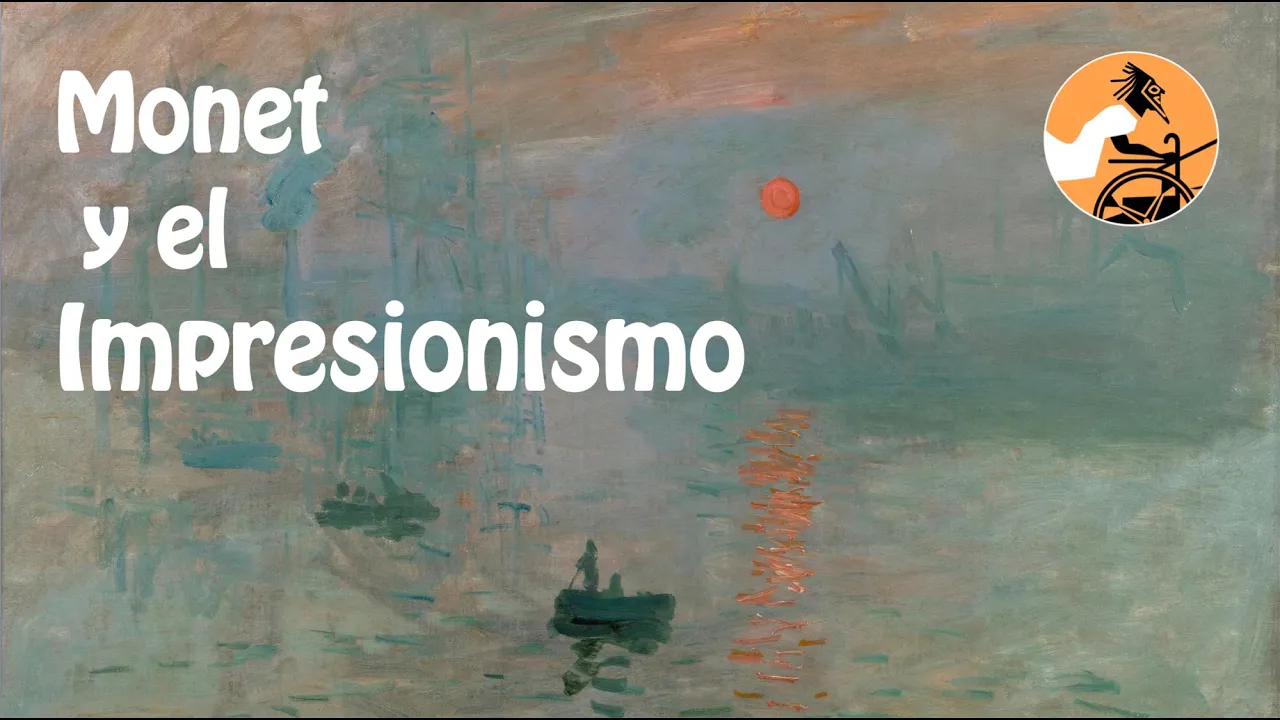
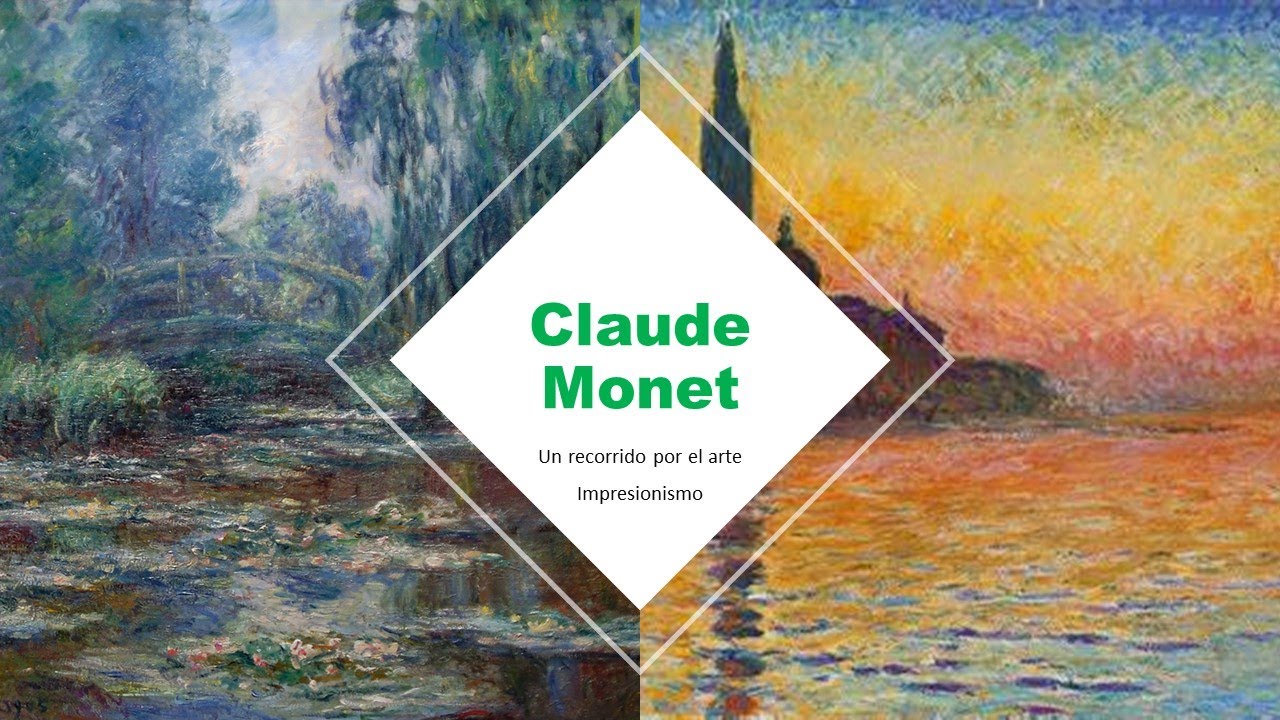
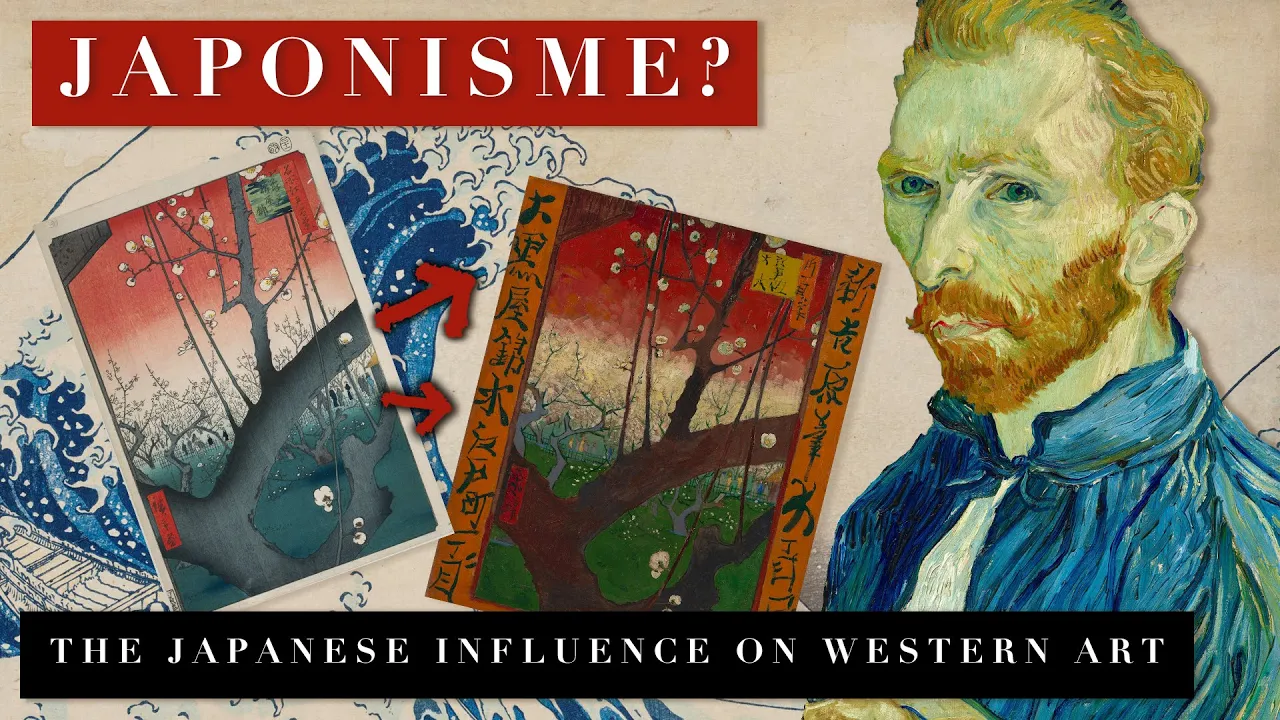
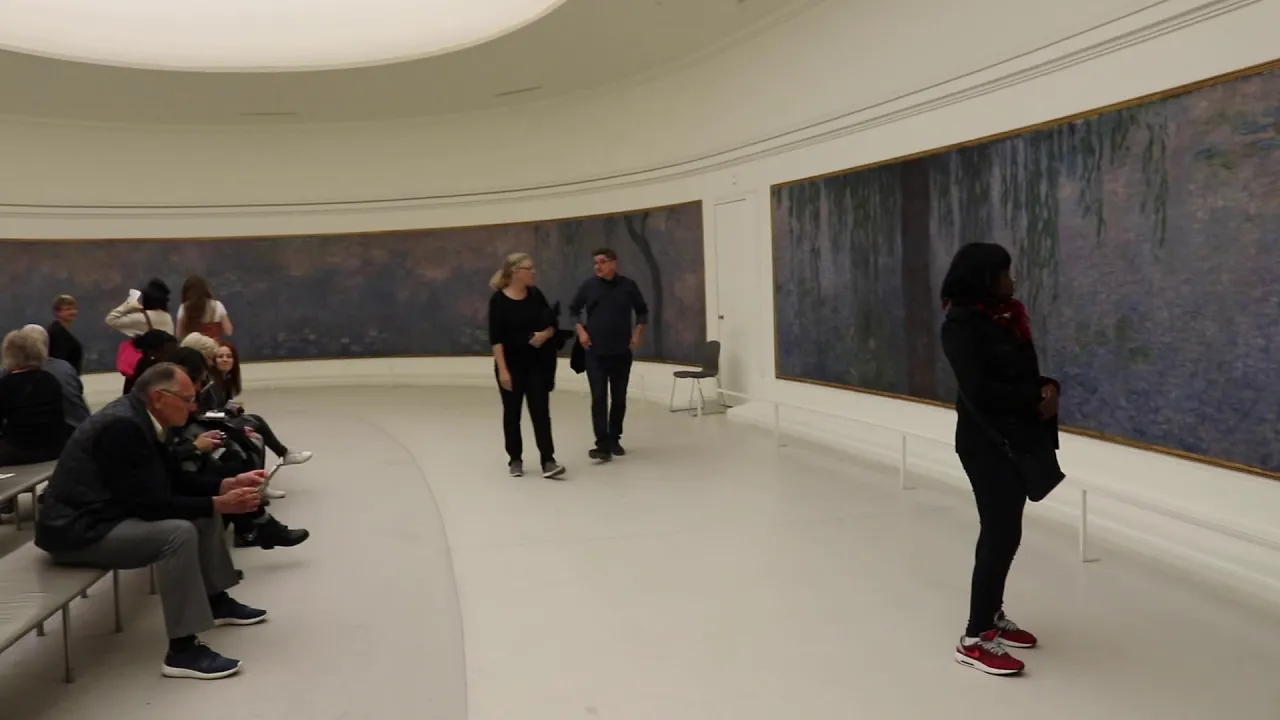
Added:e well good morning everybody and thank you for joining me hopefully I'll be take you be able to take you off to as you can see from my byline at the top a painted Paradise for those of you who haven't been to Shivan that is the rather lovely church at the end of The Village uh where Monet is actually buried he could have been buried in the panon in Paris he could have had a state funeral but he wanted to be buried at Shen as he saw that as essentially his rest spite his idle so he wanted to remain there and rather charmingly if you go to visit and I would definitely recommend walking the length of the main street of jaen you'll find all of his family are there as well um as well as some other interesting characters in our story as you'll come to understand because jiven hasn't always looked the way that you will see it when you go to visit today it went through a period of neglect after Michelle Monet died in 1966 he was in his 80s but he left the property to the academy fance they took all the paintings and the famous Japanese Prints but the property itself was largely led to fall into uh well just not quite Rack or ruin the garden definitely fell into rack and ruin and it is not until the late 1970s that a concerted effort is begun to bring Monet's garden back to its former glory it is nowadays largely run by volunteers from what I understand they have a famous head Garder but they rely very much on the volunteers and artists in Residence you can go there as a volunteer um if you're a poet or a painter they will welcome you with open arms so here I'm looking at the front of the house it's very distinctive pink facade and one of the things it's very easy to copy if you want to get a mono Garden very quickly and that's those lovely blue and white pots that you're looking at to either side of the staircase there's two at the bottom and there's two more at the top and keep an eye on those because as we go through you're actually going to find that they pop up quite frequently you can also see before we go any further that he died in 1926 so yes you're already working out that 2026 will be a very important year in fact it's been an important year already uh in France because it's 150 years since the founding of the art movement that we now refer to as impressionism so it was 1874 but it's well to remember that initially the term was derogatory was applied by one of the critics who did not approve of this new way forward but of course like so many derogatory terms it has stuck and the entire art movement is now known as impressionism so I just wanted to remind you one of the reasons that we all want to go to Shivan is of course to see the Japanese garden I chose this one not quite at random but what's always impressed me is the number of French Impressionists in America in fact it was the American Market that really turned Monet's fortunes around his early years 1860s 1870s in particular were a real struggle but it was when his dealer D Ruel decided to attempt to launch the Impressionists in America that his fortunes were really turned around in fact by the 1880s Monet was the standout member of the French impressionist group Americans really fell in love with his his wonderful water lies which obviously largely date to the opening years of the 20th century it was really that new market which was not perhaps so hidebound by Western perceptions of what a painting should be um that ensured that the French impressionist was so successful so for instance The Barnes Foundation in Philadelphia has over 140 paintings by Renoir and having recently been to visit the Barnes collection in Philadelphia I have to say I don't need to see too many more Renoir to be perfectly Frank Monet is my favorite of the group and my the reason for that is as you probably have gathered I'm very keen on the aesthetic movement now the French don't really recognize the aesthetic movements if you Google it um it'll come up simply as a British or even English phenomena LED in its latter Days by Oscar wild but of course we exported the concept of aestheticism to our colonies particularly Australia and Canada and the movement definitely took off in America largely thanks to Oscar who went on his lecture to in 1882 I find this very frustrating because I think if we were to apply aesthetic philosophy which by the way is French the art polar art we would perhaps probably understand Monet better though he would to maintain that you don't need to understand am Monet you simply need to love them and those are his words by the way I certainly come to fall in love with them particularly the ones dating to around 1900 which many people don't describe as impressionist at all but refer to them as symbolist because of their poetry and another thing to remember is that Monet was always trying to Aspire to that idea uh that all art should aspire to music and one of his other favorite quotes was he wanted his paintings to sing like a bird so I'm starting off with the wonderful Bridge Japanese bridge at 1905 in the gy what I really want you to notice also is the evolution of the Japanese bridge uh initially it did not have the superstructure that you'll see when you go to visit the Garden today which of course carries the Wisteria when is the best time to visit the garden well we can talk about that as my images unfold but I want to start off with discussing the whole idea of onl a painting it always sounds a bit complic licated in the French but it isn't complicated at all it simply means painting directly from nature out of doors and if you are an onl a painter you need to find a suitable location to paint wanting to find an rural idle will lead to a mass Exodus from the city with many artists creating artistic colonies the one that gay has always captured my imagination is great which is the which literally hundreds of artists went to often over the summer to paint directly from nature out of doors so to to give you a flavor of this and the paraphernalia that was required we have Monet painting at the top left hand side he's painted here by John Cena Sergeant who you could describe as America's impressionist he's joined by one of his stepdaughters that's probably blanch but in fact there are count them up four stepdaughters uh then next to uh the image of Monet with you could always recognize him from that hat that he wears it's almost like a basin on his head next him is Carl Lan the famous Swedish painter who is in fact better known for his book illustrations but here he is attempting to paint on pler I wanted to emphasize how difficult this is if it's cold or wet um sometimes we refer to Sunday afternoon painters I.E ones that only ever go out when the weather is good but he's got little straw boots on his feet and the other great irritation is of course all the people looking over his shoulder wondering why on Earth he's sitting in the snow and painting directly from nature down the bottom we have your classtic bit of equipment uh this is G is now readily available to buy if you fancy taking up on plan air painting you can fold it up and it becomes like a briefcase as you can see there's a slot to put your what it could be paper it doesn't have to be a canvas and I also want you to notice on the left hand side the collapsable metal tubes they more than anything else or what facilitate on PL a painting um because it meant that you could travel with your paint they were already premixing it but you had to take it in animal bladders not very practical but then the American but he's based in London painter John Rand comes up with the idea of the collapsible metal paint tube he also was able to work out the sprw cat which is the other really important element so it's really this revolution that brings about on PLO painting and much much later in his life Renoir declared that if it hadn't been for the collapsible metal tube there would have been no French impressionism at all no suzan no Monet um nobody would have been able to paint using this technique as easy easily as they did and it means of course that you can paint very quickly Out of Doors creating that all important impression the man that introduced Monet to on plan air paintings on the right hand side under his umbrella you use that not just to keep the heat off you but to keep even light over your actual canvas very important for working and that's euin budam of course Very famously mon declared that Budan ripped the veil from his eyes meaning opening his eyes to painting directly from nature Out of Doors there's one other important innovation that you might not have thought about and that's the actual brush itself it's much easier to understand French impressionism when you realize that it's as much about technique as it is about subjects and in the case of Monet it's all about color but these brushes are really important it's the invention of the metal feral again this occurs in the 18 30s 1840s so prior to this the brushes had been bound literally with the like string or animal gut like the of strings that you would get on a violin that sort of gut and you would wind it round the brush but of course it would get wet it would fall apart and most importantly the brushes were inevitably round because you were just binding round the wooden handle and then the feral the metal feral is invented and even more perhaps interestingly it's crushed so the feral now flattens the brush and this is again a really important uh Innovation it allows for a new type of brush stroke known as the Tash and this again will help you to understand particularly the first impressionist paintings those from the 1860s 1870s when the theme the the concept of the Tash is very important because you don't blend the brush brats once they are applied to the canvas these are all modern brushes but that very similar ones would have been available to Monet he actually had special brushes made he used the one down the bottom that very broad one particularly during the latter part of his life when he was working on the big Monet Waterlily series and he wanted to scumble which is a technique of using very little paint on your brush and applying it very broadly so the brush is themselves you can always nip onto the Windsor and Newton site which is where by the way I have taken these hog Bristol squirrel Badger horse hair oxen sorry if you're a vegetarian goat and Siberian Sable they are the cban Sable is Lally the best but you can get different uh Tech you can get different textures depending on what type of brush you use because obviously some of those are very coarse like hog bristle and others like siberian are very fine and the other thing to remember is that premixed in the tubes the paint was actually now thicker which also helps to account for the impasto technique that you will find with many French impressionist paintings so the Tash is very important so I thought I'd had to show you one uh I chosen F preist paintings that are close at hand should you visit at Monet's garden so this is uh snow effect along a road with Setting Sun it doesn't really matter what the subject is in fact that was one of the problems in terms of the critique of the French impressionist they painted very mundane subjects often what we call lional areas I.E not really the countryside and not really the city but the important thing here is the application of the paint so you can see here uh in my closeup that all the individual brush Strokes can be differentiated you don't blend them into one smooth finished surface that upset the critics who claimed that this was just a sketch not a finished work of art and also as I was explaining the premixed paint in the cible metal tubes was much thicker than that that you might have mixed in your own studio so you can see the impasto effect particularly with the creamy paint paint Sergeant was very good at not so much the Tash the little tiny strokes but sort of broad sweeps of thick impasto paint were much more typical of Sergeant style but it's important when you're looking at French impressionist to realize that a lot of it is really about technique and I always use this little adage that the English always worry about what is painted and the French always worry with how it's pained technique was much more important than the actual subject which is really the subject is experimental it's how the light breaks up on it um it's atmospheric effects beautifully Illustrated here by the arrival of the Normandy train at the G San Lazar at top one 1877 so remember the key date for when impressionism is born is 1874 I.E we are in the Centenary year I thought it was wise to remind you where jimy is so there's Paris and he lived at aren chy immediately after the Franco Prussian War unfortunately Veo is not on my map but just follow the river sen down towards laav and it's actually in between arent and Jen there's a on which of course is where Buddha comes from and then rrar such an important site uh for French impressionism it's one of their favorite places to go painting and laav he wasn't born there but it's where he grew up and went to grammar school so it just okay to remind you of of some of the biographical background so here he is birth and death dates he's actually born in Paris as you can see here on the rudit in the night the rondes but his family moved to laav in 1845 he's I would refer to as Port bourge there was no shortage of money in the family frequently however Monet found himself very hard up because his family particular his father did not approve of his liasons with particularly Camille who he will eventually marry so he'll enter the secondary school in 1851 and we have all these typical accounts of how he loved to draw and particularly produce caricatures of his school Masters he's not aesthetic so again this is another thing that I people find difficult to get their head around you know we have this image of Oscar wild the East feet so rather eminate but William Morris of course was very much part of the English aesthetic movement and there was nothing effeminate about Morris there's nothing effeminate about Monet he's not your sort of typical type he was stamps as you can see of medium height thick necked standing squarely on his legs this is a wonderful description of him I Paul hu's daughter she was he I should say Paul Helu was a regular visitor to Shan very simple very direct way of speaking so sort of not when you met him you wouldn't have thought of him as a sort of great philosophical type in terms of thinking deeply about his painting but I think that's rather BL that sort of M himself he was extremely well read weren't they all he was interested in particularly in in contemporary literature so when you see him looking rather like a gardener it perhaps gives you the a false impression so this is in fact at jaen he's looking out towards where his popers were uh the academy fron has actually bought the field that he is looking at to preserve it from development they wanted to do this to give you an idea of the fact that Jan surroundings were very important to Monet it's where he painted his hay stacks his poppy fields his poppers and as I say he's looking here out towards the hills it's in like a valley there's like a valley with hills to either side he's looking out on a landscape that hasn't change that much apart from the fact that there is a car park there sorry to let you down two men who are really important in our story I've already mentioned Paul donon Rell he's painted here by Reno in 1910 but there's an impressive list of the number of impressionist works that he sold around a thousand Monet and 1500 Renoir mostly to American clients 800 pizaro sizzly not so many and in fact he obviously he very much struggled out of the group uh Mary Cassat who remember is actually American don't be led astray by her name and uh also at 200 males it's just to remind you that with without Duron Ruel we wouldn't be having this discussion the other important figure in my story is erish H now he's a really important early Patron patron of dickley M but in 1877 he he's Belgian by the way in terms of his own background 1877 he will be declared bankrupt his wonderful collection will be sold in 1878 but the important part of our story is what happens to his wife Alice Alice orango hosay will move in with the Monet in 1878 she's been abandoned alongside her children by Ernest hosay who will become a peripatetic father being sort of constantly chased I think by creditors and then of course canille dies in 1878 and it's important that you realize that Monet and Alice H do not marry until 1892 this will help to explain why the villagers at Jen were not that Keen on having the Monet family in their midst they were far to the family I mean unconventional H day acquires the most famous painting of all Impression Sunrise from which the entire movement takes its name you'll notice here that he only paid 800 Franks for it I would like to point out too at the time was about 20 Franks to the pound in other words it was something of a bargain but of course at this stage French impressionist was an untried art movement donon Rell was prepared to invest in it as he hoped it would go the way of the barbes on school that famous group largely AED by onl air painters like doino Russo H Fran M as well so here we can see one of the Contemporary critics attempting to help us understand what we should what is meant by the term impression a personal impression rather than the objective expression of the subject must dominate the important thing was that essentially it was to create or an attempt to capture a moment in time very quickly so an impression you can practice this if you want to I've Been Told by turning your head very quickly and then trying to remember what you've seen to give that fleeting instantaneous look but Monet very rarely used the term impression he likes to use the word sensation because he's talking about the sensation of color and effect on your eye and again that's the reason why I think if we could apply some aesthetic Theory to him Allah Walter Peter um as Spritz might actually be able to understand uh Monet better before we leave Impression Sunrise have a look at the little tashes down the bottom a little individual splashes of color so Art For Art's Sake was the idea that a painting doesn't have to have a narrative or a moral it's as simple as that art should essentially be for pleasure and if we do read our Walter Peter we will be told that essentially a painting only really has any value to us if it means something to us like evoke a memory in particular or just a sensation that we might have experienced so if you want to substitute sensation and that's what aesthetic means of the senses again that might help you to understand Monet better though please remember what he uh advocated you don't need to understand a Monet you just need to love them so here in terms of his own love life we have canil daier his first wife who dies in 187 I wanted to use this in particular um because it reminds you of his passion for Japan with all those cheap paper fans and C wearing a rather beautiful Japanese robe with a samurai warrior on it she will die sadly probably of some form of cancer and she was definitely um the love of his life uh in the 1870s but Alice hday will fill that void you can see her here painted by corus D wrong in 1878 here she is much later in life and she fascinates me she's a very devout woman H she seems to be able to accommodate both her husband Ernest H day and Monet in her life as I said she W Marie Monet until 1892 and that was only because she had been recently widowed and it's as well to remember this irregularity in Monet's life in terms of understanding life at many of the paintings that he kept and we'll talk about those in a minute in his own private collection include this woman with a parol uh which includes his son Jean Monet the painting dates to 1875 there's a second version of this uh with Suzanne H as the model but I wanted to introduce his children these are M and Camille's children he doesn't have any children with Alice hday so just the two sons so this is Jean who I'm afraid dies prematurely in 1914 and he'll actually marry blanch hosay his steps sister yes I know that part is a bit complicated in 1897 and this is Michelle who does not die until 1966 he's painted here by Monet in 1883 he's really important in our story he is killed in a car accident on the bridge at V which is the small town close to jivan he was in his mid 80s so you know a good life so rather frustrating to be killed in a car accident when you're out about 85 I'm afraid that's what happened and it's due to his will that Jan survives now he had some bad habits he liked to travel extensively he loved motor motor car racing so I've got a picture of him here um as you can see gives you an intimation of what might happen to him and he also got Mone his father interested in expensive cars so there is Michelle in his car and down the bottom we're at the mot Town um the little less I I always find this hard to believe but the Lesser known Monet Museum it's actually sometimes known as the mot mono which is where all of the collect ction that was at jaen will now be found so all of this is part of Michelle Monet's request uh because there was no direct descendant it was all left the to the academy F say and my image down the bottom shows you the mot so in terms of his development as an artist the Franco P Moore which is really I'm going to restart my story about where he lived um is really important so 6th of October he and canil and sha up flee refugees yes I thought this would be very topical Escape across the channel to London to escape the catastrophic uh Franco prian War ironically it is in London that he meets his dealer Duron Rell the man who will turn his life around and I'm showing you the TS below Westminster of 1871 he will of course return to paint uh the TS much later in life staying at the seavo hotel rags to Rich's element in our story when he comes back from the frankco Prussian War some linger for longer as you know like pizaro and sizzly but Monet is back in Paris as soon as the war is over and we settle at Aran toy he doesn't have very much money so he's looking for cheaper places to live and he will basically stay in alen toy 71 to 7 75 I've got two examples of him already getting interested in gardens that's my reason for including these so this is R CLA Monet painting in his garden at aen toy and this I love all the flowers as you can see he said much later on that the reason that he taken that painting was because he wanted to paint flowers and this is a lovely one of Camille at the window same sort of date but please note the blue pots because the blue pots will follow us around and also you can identify things like teranium but he's not that really interested in the the flowers per se in the paintings he is as a gardener he'll become a very proficient botanist but what he's really interested in are the colors he is essentially a colorist so that's Jean in the foreground at aent toy sometimes I've been able to tell you exactly where the painting is today this one's in Chicago but my reason for including it as you can see already some of the elements that we're going to find at jaen at the banks of flowers which are always in the same color ways so suaves of blue or orange or white and then the importance of the blue and white pots now those of you who know me and know I'm mad about the aesthetic movement will know that the easiest way you know to follow the in the footsteps of Oscar wild is to pop out and get your blue and white pots they were so popular you can see them here this is Monet having a l deire it was a it's a very big painting it's known as the decorative one but what I really want you to no is the blue and white cups and saucers on the table they loved Asian art they loved uh Japanese prints and they loved Chinese U blue and white uh porcelain they saw it as challenging again Western perceptions of Art and again perhaps the main reason that they loved blue and white China was simply the color they always refer to it as sapphire blue so I could not resist again here we're having Le deaner that's probably Jean again that's a hat by the way up in the top corner it's just hanging from a branch which I rather like but please note the suedes of flowers and he has some favorites so he always going to like pantheons because they're Japanese and he's going to like height so he's going to use a rose bushes which he drains up that what could well be a fuchsia in the background so hopefully if you're a King Garden you're getting some ideas at aent toy well mané Came To Stay renoa came to stay I particularly like this image of uh Camille and Jean in the garden at Aran toy because there is Monet in the background he loved his chickens so when you go to visit Jen you'll find that he has French chickens I mean they're particular breed they look rather Japanese so that may be the reason that he liked his Japanese French chickens with their fluffy feet and there's Monet in the background tending to his garden with already wearing that distinctive hat then they move to Veo which you don't hear so much about was the Turning Point really in Monet's career he moves away from painting scenes of Parisian life to develop really as a painter of Landscapes and in particular the however sen here uh is the main focus of his interest there's the house it's part of the Monet route that you can take it's not open to the public uh but it was right on the river there's a road in between and it drops down the bank I'm showing you here possibly uh Madame H in front of the river itself so it drops down The Terrace at Veo at the states to 188 1 so it cannot be canille she's already died in 1879 so it must have been a very sad um interlude in Monet's life because this of course is where I'm afraid Camille finally dies I get the impression it was a lingering death so they moved to Veo in August 1878 here's another view of the garden you can now see the house above there's a road in between when you go to visit I love this it's in the Norton Simon collection ction in Pasadena there are my pots my beloved sunflowers oh it's so aesthetic and he obviously loved this view of the garden the sunflowers and the blue pots uh because there are different versions of it so this is in fact and also the youngest of the H Day Children um they're on the steps as you can see coming down into the garden with those wonderful blue pots and so again just remember if you want to do it quickly or you need to do is to pop out and get those blue and white pots posy was a hated inlude always makes me laugh because you reads about this scruffy house this horrible little house uh that he had to live in in py it was particularly difficult time erish hos day was creating uh all sorts of issues he wanted to see his children mon frequently escaped by going off to pain in Normandy and uh Beyond uh they're pursued by creditors there's only four paintings of the local in in and around posy um but if you look at that date band 1881 to 1883 you will find in particularly in Normandy in and around rrar I think you'll agree however that it's actually quite an impressive house right on the edge of the river but then he finds his chosen spot again we're always told that he was on a train to there when he looked out of a window and saw the village of Jaan he obviously would have not spotted laar which is the original name of the house the house was quite modest um an overgrown had of farm buildings because there was the stable at one end which had been converted into something more Splendid residential quarters uh in having been given its pink facing it been given its pediment in the center um but of course obviously V will add to it over the years but it was it was relatively modest when he finds it whilst walking I think probably walking around chany to find something appropriate this is by Gerald Vander camp now he is buried alongside Monet at the church at the end of The Village since Rand if I remember correctly and he's really Central to the story of you being able to visit a Javen so remember it falls into disrepair all sorts of dreadful things happen to the house and the garden Gerald Vander Camp is brought in to bring it all back to something you know approaching its original reconstruction he was perfectly fitted to the job he had been working at versailes doing exactly that job but well the reason why Vander Camp is so successful is that he harnesses the power of the American pocket and it's largely American patrons donors that save Jan and I want to emphasize that they have every reason to be invested in mon because again as we've already seen they there are wonderful collections of French Impressionists and Monet paintings in America so this is Gerald Vander talking it is essential to go on a pilgrimage to the flower bck sanctuary of Jen to understand mon more deeply to petrick grasp his sources of inspiration and to imagine that he is still living amongst us this is so typical these artist Studios doesn't really matter in fact sometimes you want to go to a writer's at home I'm thinking particularly of Dickens or in my case William Morris at kelmscott you feel a sense of wanting to connect with the person uh you want to take it beyond their art in Mon's case obviously his paintings but this is a good example of that Spirit of place that you feel that you'll be able to connect more effectively with Monet if you visit uh his beautiful home so just to remind you gab before we look at the Home in more detail of his relationship to the villagers at jeny here is the extended Monet hosay family uh dated to about 1886 we've now got Monet and Alice there on the left hand side uh immediately below is is uh the youngest of Monet's children uh Michelle uh then uh next to Alice on her shoulder is her youngest child Jean Pierre there's only one year between them one was born in 76 the other in 77 then running along the back that's blanch who was one I think really he felt was the daughter he never had she will look after jivan after he dies in 1926 I look after him and sadly Alice dies and he must have been devastated by that in 1911 next to her is her husband so that's Jean now grown up and they will marry but there were unfortunately no children and then the taller guy with the mustache um is another is Jac another of the H day children and then the girls there four of them Al together Martha Jermain right on the back not a major figure in our story but on the front we have Martha uh and then Suzanne and Suzanne who will marry Theodore L Butler the American impressionist in 1892 you'll often see featuring as a model in Monet's paintings and blanch obviously frequently pops up because she's both a model and a painter in her own right so this is blanch with Suzanne in the nearby Woods at Javan blanch is the one painting and Suzanne is the model and woman with a parol 1886 is the one that Monet keeps it's like a a portrait of suzan but also repres that earlier image that we sure saw of canille and Jean as a child and in terms of again understanding the antipathy to Monet in the village of V we must mention the Americans they arrive in droves of course what they want is to be taught by Monet but Monet again did not fancy the idea of becoming a tutor it doesn't really stop the Americans coming this is Theodore Robinson this is him marrying um in fact uh suzan uh hday I'm afraid she will die and then he will marry her sister he'll Marry m Martha uh here they are walking down the main streets of Jen of Wedding March they're heading to local church so lots of Americans survive they bring with them a lot of sort of interesting habits uh so uh we have locals exploiting this opening up bed and breakfast hotels uh also supplying painting equipment it becomes quite an industry the most famous is madam bowo uh who really gets a grip of the situation in terms of providing accommodation there will eventually be a tennis court for the Americans and she will even import ketchup to keep them happy I rather like that so there was like an American colony of impressionist painters at jaen and Monet tolerated them but I don't think he welcomed them with open arms and he certainly didn't want to tutor them so here is Suzanne marrying Theodore El Butler and I want to emphasize that the area around Shan is really important for Monet's development as a landscape artist so here is spring in juen afternoon effect at 1885 with a view of the Main Street and the church at the end where he's buried but remember the poppy fields this one's in Ru 1885 that's showing you the valley at that juven is in with the hills rising up to either side here's a closeup to remind you of what I was talking about how thick and impasto his style becomes particularly in the 1880s individual tashes here perhaps are not so clear but you can see how he's used the square brush to create that Stato effect uh the Hast Stacks there's loads of these as you know and they evolve so they start off being quite naturalistic as you can see here um and then we'll evolve into the famous series but remember that the locals p pull them down again perhaps a good example of the um Acy that went on uh between the in Outsiders and the locals so here you can see um all different hay stacks but particularly notice the one what some left has probably got the hher day children in the little corner so sometimes you see people included as you have here on the one on the right hand side here the children in the shade of the h St and then it becomes the famous 15 hay stacks as you can see here um this one's the end of summer in Chicago uh everything had sold for three or 4 thousand each reported Bizarro in 1891 this is just showing you how his fortunes as an artist turn around and the idea remember of this was a symphony of light and color so you can make that analogy to this idea that Monet argued that you should think of his paintings as bird song and poppers again painted locally but the other interesting thing is that he had to buy the trees uh because they were due to be failed they literally like crop so mon will have to buy the trees the pop the trees that that he can paint them and then he sells them on afterwards but I think again it's a good example of the fact that the idle of Shan was very much an insula idle that he never really integrates with with the Villagers themselves he's always seemed to be one of those Bohemians with bad habits so let's go quickly into the house itself this is it I I I've been to Monet's garden just about every year since 2010 at taking tours sometimes I've been lucky I've gone um in Spring and in summer so I've got different views at different times but this is tulips um actually went to Holland to get his bulbs he was tulip obsessed but he always plants them in these great big Banks of single color you can also see what I mean about how he likes height but let's go in the first room that you will see is now a living room but initially it was his studio and this is very much an homage to Monet when you went to visit the most recent paintings would be displayed on an easel but the idea was that this was a room to demonstrate his Evolution as a painter it's rather egocentric he will keep paintings that are very important in his story but just on this wall here we can see some water lies a hay stack some of the London scenes Charing Cross um bridge I can easily see pick out um the Palace of Westminster but it's almost like what we would call A palum A palum set this idea G of sort of visually overlaying all the these images to create almost a visual document they were not framed they were left as you see them here so again I like this because I don't like it when they get put into very elaborate frames it detracts for me from the beauty of the painting particularly if it's one of those very ornate historical guilt things I think the monise look much better either without frames that's very uh but very Whistler or with a very very plain frame and these reconstructions are based on photographs that we have of Shan so we know that he also was able to afford to collect once he has achieved Fame and recognition um he will set about assembling his own really important collection sometimes these are artists that he sees as fundamental to the story of impressionism like suzan and mané who dies in 1883 but he'll also buy dequa coo and Buddha again because he's creating his own mythology as all artists do on the other wall I wanted to emphasize again paintings that meant a lot to him personally so there though it must have been very difficult for Alice is the famous image of canille on her deathbed which dates to 1879 it's this this one here also we have the girls baby boating the boat one of the boats was known as the Norwegian to commemorate his um trip at to Norway in search of snow and mountains and also you can see on the w i go back very quickly is this wonderful view of the garden at Shivan of 1895 he doesn't really start to bait the garden uh until the 1890s prior to that you'll find him in Normandy belel Britany uh Venice oh yes that's a bit later my apologies but certainly the Italian Riviera uh it's only really after 1900 I would say difficulties then ensuing that he's getting older it's only after 1900 that the garden really becomes the focus of his art you only need to look at the dates on the paintings to realize how much he's traveling in the 1880s and uh early 1890s again I just love this Riot of color and you can also see what I mean about the St Stato application of the paint go up to the his bedroom and again this is where you can see him as the private collector these were not on display they weren't for status he wasn't even I think particularly worried about supporting younger impoverished artists like senyak though he does did own a senyak um and you can see here he's is actually telling you why he collects I am selfish my collection is for myself and for a handful of friends what particularly interests me here is his two kots so these are immediately above his head in his bedroom I keep it in my bedroom around my bed so kyot sketch from Paris Street rainy day right in front of you and kibot pranam pranm because both artists kyot and Monet were great kyot had a fantastic Garden of his own at Petty gril so here is I love these uh kibot paintings and they were actually very successful because they were more like um a Middle Road French imp pretious Middle Road um so here the rainy day with the wonderful umbrellas and the crysanthemum which we know was probably a decoration uh May well have been designed to go on a door and the idea is you're looking down at it's too high up on the wall in fact you're probably supposed to supposed to be almost um at your waist in terms of where it's hung and you're supposed to be looking down on the flowers as though they're in a border not cut in a vas they're all mad on cantlin because of course they're Japanese uh he owns or is given uh the pizaro as a gift from the artist's wife um because the money had been lent to the Bizarro family to buy a great which is in fact the pizaro family home not that far in fact from Jan and here they are um peasants at work in the fields planting uh he didn't paint nudes but didn't stop him in buying them or admiring them he actually had quite a few uh nudes by Renoir you can see one if we go quickly here there's on the left hand side a very beautiful nude by Renoir so perhaps because he didn't feel up to painting uh nudes uh here we have young girl bathing Of 1872 now when uh Michelle Monae inherits Jaan he sold some of the collection to support his extravagant lifestyle but you know the bulk have ended up particularly of Monet's own works it was the um the collection that largely suffered have ended up in the M Mor and this is a reproduction of Berto moro's beautiful image of her daughter Julie mané remember Berta Moroso marries Edward Man's brother uh with her Greyhound which again sits in the bedroom so I mean these are all really important figures in the Monet story now I've wited on a lot about the aesthetic movement and I do apologize if it's not familiar to you but for me it's really important to understand this these Interiors now in France these would be called oriental or eclectic to me that aesthetic because they're all driven by color a Whistler was doing exactly the same back here in England color blocking his rooms uh particularly favoring blue so here the small reading room is entirely blue and I love the way the wasas that's the wooden panels are picked out this is where you'll find the the prints they're all reproductions of Hiro hawasi and utamaro he had the best part of 250 Japanese prints and the wonderful yellow dining room you see it's wonderful it's like a symphony in color when you go to visit the house again yellow was a color favored by Whistler he had a similar bright yellow uh drawing room uh when he lived on tight Street not in his Infamous white house but when he moved back in in the 1880s into um a studio house in tight Street we know that his breakfast room was bright yellow like leaping into an egg yoke as one a Critic put it and the idea was that you would offset your yellow walls with blue and white china you've got it yet again it's a wonderful aesthetic interior again you'll see many of his Japanese prints and I think these are really important because they often I think gave him motifs that he went looking for so the wonderful Arrangements of water and rock that you see on the left hand side I think think it's hakai or hiros but the important thing is I think that when he went to rrar and he saw the Manipur or the AIL that he would have seen Echoes of the Japanese Prince that he had hanging on his own walls and when I go to visit Shan I confess that I sometimes try to do a Monet so here he is influence by hoiz a view of Mount Fuji the way that the tree is cropped it's echoed in my we King Willow and Water Water Lily Pond 1990 and I'm overlaying it with me attempting to be a Monet with my camera by cropping the tree and again sort of homing in on the overhanging weeping willow recent rures well we now know that Michelle Monet didn't actually die childless he fathered a daughter who was not officially recognized of Roland uh he gave her quite a few few uh gifts um relating to her grandfather and when she died in 2008 this became very apparent The Collection was then sold one of the objects was this cat um porcelaine Japanese that many people remember being at Jen it was bought by a Japanese businessman for about 70,000 EUR and returned to jiven so you'll see him slumbering as you can see um in the beautiful yellow yellow dining room and then the last color pop is all the blue of the kitchen which again if you want to be mon quickly just get lots of blue and lots of yellow now coming to the garden and I can you can see already I shall run slightly over I'm going to start off by going back to his bedroom people love to take photographs looking down it also indicates how formal the garden is do not go here uh sort of expecting a ger Cho border which s of starts with cold colors and grows to hot colors in the center Monet will plant in color Blocks he's going to create a garden that looks rather like his palette that's just had color laid on it uh before he started work and you remember I mentioned van Kemp how he was able to harness American money at to recover The Gardens and the house and it is uh Laya wall is's one of the most important figures in this recovery in terms of money founder of reg's digest she gave the bulk of the initial uh money to rescue garden and house some of the trees are from when it was the pris uh the cherry trees I love when they're in Blue uh in May and also the two big 's that are in front of the house were there originally it's not a big Garden here's the plan of it this is the CL noral this is the area laid out first immediately in front of the house you can see its plan is very formal so it's not an English garden it's not a garden onlay and it's not an arts and crafts Garden in the sense that it's about the style of luchins and J with bars and raised beds and you know yes you might plant in a single color um but you would have a Sal of a you you know you'd have a green room that you created I'm going to show you some of these long corridors of color because they are literally continuous corridors of color which you can see down the bottom I'm also going to show you this area up here around a u which is smaller blocks of color it's literally like having the color linked out on your palette we can reconstruct the garden it's not it's not exact Gardens evolve you have to it's terrible pun you have to allow them to grow and it's a very difficult Garden to maintain a lot of annuals as you can see here so when the beds aren't filled with tulips in the spring they're filled with geraniums as you can see here uh this Photograph dates about 1921 and also you can see his other real passion which was roses and this is what it looks like if you visit today the roses are just coming out this is around about June July roses are just coming out and the the geraniums have been bedded out in their blocks of color but go in the spring and of course the thing to see are the Tulips remember that he was obsessed with julips um going to Holland to actually choose the bulbs that he wanted when you go to Monet's garden you can't help but take a lot of photographs or flowers and you get these wonderful sweeps of color all the purples that you see here I just you know love the way that again you get a little bit of red dotted in if you get your color wheel out you can often do that thing of comparing and contrasting the colors on the color wheel but I particularly like the um the wonderful purples here and here's me proving that I can do some interesting photography a wonderful this is on an alium um a wonderful butterfly I captured it's a decent camera you need a decent camera when you go to Monet's garden you can photograph the bees and the butterflies as well so here's what I me his long alleys and they're planted here with irises another of his great favorites a whole Bank of white irises a whole Bank of purple irises and then mixed color on the left hand side and then down the bottom I think it's Campanula to get your low ground purple and you can see how this is picked up what he'll tend to do in his paintings is give you the diagonals so rather than the straight lines he gives you the diagonals which then sort of look like waves of color almost like Reflections if you look in the bottom of the garden of an artist it's almost like you've got a reflection of the purple irises at the bottom they're reflecting back onto the bank the purple irises Beyond and then you've got the trees and it could almost make this an abstract painting apart from the fact that you can see the house in the background this is what I mean about many of the paintings of the garden a late 90s and then after 9 1900 the garden really becomes the focus of his art once he starts to develop particularly the Japanese garden so here again on my irises and here's me again you can't resist photographing the flowers I wanted to emphasize that he is a serious botanist so many of the artists of the 1890s are we have Christopher dresser here uh this is one of my favorite vases by enel gal shown at Paris 1900 botony and Artistry go together and so I couldn't resist hear these wonderful as you can see here at lies tiger lies and anunciation lies you name it they love lies so we've got lots of contemporary accounts of visitors to Jen telling us that it was a garden like a pallet a painter crazy about flowers this is gimo um contemporary critic the whole setting at Jen is an atmosphere that the painter has arranged for himself and living living there makes an ongoing contribution to his work his studio is nature so again these are all important reasons for visiting geran you can ALS almost see it as an art installation in its own right it was created to enable Monet to paint but it takes on the life of itself and becomes a work of art in its own right when you go to visit in August the irises and the lies will be replaced with my beloved sunflowers on the right hand side and Lavia on the left hand side almost jungle like isn't it and this is again back in Spring this is the back of the garden where you get these just amazing sweets of color after walking through the garden composed like a pette where the flower banks are arranged in bright magical tones where the eye is dazzled by so many different living colors this decorative vision is restful I'm not sure about the restful part at the end but we're certainly dazzled and it's certainly like a pallet and you like w flowers as well by the way and if few fancy planting some so it's really difficult Garden to maintain you've got to constantly be taking plants out and infilling with new ones to keep color all year round those smaller rectangular sections of the garden so you have those long sweeps and then you have these smaller rectangular Beds which are just usually one type of flower like here these remarkable tulips uh with pansies down the bottom again above them you've got climbers uh choose the right time of the year you'll have all the catas in flower here's one that's just all purple aliums and again tulips I love the pianis again you see how difficult it is to choose the right time to go to the gardens but if you're lucky you'll get some of these overspilling from one season into the other so piers are out here we still got tulips in the background but I was trying to show you that this section is also important for its climbers so here is another Garden of the artist of 1902 again the critics commentary is important for sort of getting a handle on what Monet is trying to do and I really want to emphasize this idea of musicality Harmony or dissonance even in the con contrasting colors he handles light like the musician does sound waves two tones just opposed in a painting the orange and the purple here uh follow rules that are as strict as those governing two notes in a Harmony get your color wheel out you'll see what I mean by complimentaries the different episodes of a series follow each other like the different parts of a symphony so the idea is you line up all of your HX or your cath Cathedral at raw and you get a Symphony of Lights and color here's the central uh Corridor the gravel Corridor with the like Arbor running above it this is what it will look like if you go to visit in Spring you can see lots of tulips as you can see and this is it looking the other way these are photograph I me this again is May tulips I particularly love the chatus on the left and the wonderful cherry blossom on the right again that's looking the other way up towards the house slightly different time of the year obviously and then that's what it's going to look like in August if you're lucky enough to visit about now because many people want to go and see the nerian they're just beginning here to spread and if you're lucky they'll end up like that uh and that's exactly what mon intended I took that as long ago as 2005 um and here is Monet showing you that is indeed what he intended so nersi um so you really got to choose what flower you want to see just before we end up by looking at the Japanese Water Garden I just want to emphasize that you'll often be told it's all about Monet's Vision his unique vision and that was very much distorted towards the end of his life due to cataracts so here's the road Rose Walk that's what I've just been showing you this is the Rose Walk it's named after the climbers and this is it when his cataracts were really bad they're not removed until 1923 that's a photograph of him above and it changes his color for Section completely anyway we will end with the Water Garden so patience I'm afraid be just a few minutes finishing off but here is the Water Garden as you will see it today there is again if you want to go in May to see the Wisteria of course many people do Mon's garden now over half a million visitors a year there's never a quiet period I'm afraid it's been made a lot worse by the river cruises that of course all take you to Monet's garden so 1893 he buy he develops this he buys the plot of land on the opposite side of the road don't worry you now go through an underpass the famous Japanese bridg is added in 189 5 the ponds extended in 1901 again this causes lots of ructions with the locals they don't like the flowers the lies the irises or the marsh maragold or the uh famous Nile lies they don't want the river EPT to be divert if it's going to poison their cattle you'll be pleased to know and here is the river EPT which is the little stream that is diverted and regulated to create the large pond at uh the goal was to as you Su again using contemporary accounts the goal to record and develop memories specific to a chosen Place chasing Seasons days and hours weather light heat and color changes over the course of a single day are all aspects of what he's trying to paint when he starts to concentrate on the Japanese garden I've got one view here looking back towards the second bridge which is much smaller so there's a bridge at either end of the garden the really famous bridge of course is the one that I'm looking at on the right hand side which has the Wisteria here's a photograph of the bridge must be about 1905 because the super structure has been added but again here he's is Monet talking about what he's trying to faint the air in which the bridge the house and the boat lie he used the boat of course to go out uh to paint literally a above vertically the water lies it's the air the atmosphere it's he's trying as he says here to paint something that's virtually impossible which is why he destroyed so many canvases so I don't know how I managed to CH to do this I have nobody on the bridge normally it's absolutely packed with people you can just see one person in the background but don't wait to try and get the bridge without a person because you would be there for a very long time here's me just being ay just taking it's two types of wher it's both Chinese and Japanese purple and white and again this is just me being ay and trying to be like a Monet so here he's painting the wisteria and but he's painting the reflection of the Wisteria hanging down uh from the bridge and into the water and the bridge of course itself is inspired by those Japanese Prin owned hackerized people on the bridge surprised by rain and the monkey bridge at Kai Province look up and you'll see the bridge so this is where the idea of the bridge comes from we also know that he was interested in using his prince in terms of the composition of his own paintings this is one that's really important to Monet uh on the temple balcony all of the 500 rakan Temple is a really famous hoai of 1834 and you can see here that Scott has drawn the lines across for me which are essentially giving you a sense of perspective in what is otherwise essentially a flat surface so these parallel horizontal lines are going to be transposed by mon this is how he going to use the bridge in the Japanese bridge in his Japanese Bridge series this is 1899 and there are oh at least half a dozen in this series it's not the landscape but the of course the changing effects of lights and color this one's in a private collection and I've drawn the lines in for you to show how he's essentially organized it like a Japanese print and here's another one in the Princeton collection I love this one because it's pale blues and this is just again to remind you of the color the effect of his cat on his perception of color this one's in the marot collection I still love it actually and then the lilies themselves become really important there are three main varieties again he goes to specialist um suppliers to get the water lies we he may well have been inspired by Paris 1900 which he went to visit and they actually had water lies in the river s so that may have been what sparked the idea of really concentrating on the water lies so here's a photograph by Monet of yes he used photography uh here are the lies as you will see them today pink and yellow ones as you can see and this is a really I think again important quote it took him a while to understand is water lies he planted them simply for his pleasure so remember Paris 1900 seeing them there a memory of that in fact um because they were well represented the French impressionist of Paris 1900 I cultivated them without ever thinking of painting them a landscape doesn't permeate one's being in one day then suddenly the magical world of my pond was revealed to me I took up my pallet since then I have scarcely had any other model and certainly he doesn't um for the last 15 years of his life so we will end with the water lies some lovely images of Monet again the photographer didn't take it up it's an art form but it was certainly an aid in terms of his composition this is him with Michelle I particularly love this it's often referred to a self-portrait on the surface of the Lily Pond I'm hoping you've spotted him he's down the bottom with that distinctive hat and again this idea of him just sitting and contemplating the landscape thinking about it looking at the clouds looking at the water the reflections The elusive glimmer the idea is that he imuses nature with mystery which is the reason why he has sometimes referred to at this end of his career not so much as an impressionist a fleeting impression but as a symbolist as he's moved away from that idea of realism to capturing the sort of essence of nature itself something perhaps deeper and more prophetic So Beautiful to end with so the water L is here the effect varies unceasing not only from one season to another from one minute to the next since the water lies are far from being the only thing in the show as a matter of fact they are merely the ACC compliment he's fascinated by the trees reflecting in the water the so weeds moving underneath he has his boat to enable him to go out look at them from above so you're getting multiple layers of Reflections under and below the water below the water and then above so the reflections coming from above when you look at the early ones you can still see the edge of the bank of the pond as you can see here here we talk about about the clouds but using the boat in particular and I think again emulating the Japanese print you lose the edges of the pond and you get this terrific verticality as you can see here and those are reflections of the trees you've got the all these layers of Reflections and their movement of the uh water plants underneath so it's the verticality that I love in these images and again him talking about how difficult it was to do it it's beautiful to see but wanting to paint that is enough to drive you crazy to remind you that he actually destroyed many canvases um if they weren't what he wanted they didn't fulfill his perceptions perhaps also he didn't want them to fall into a dealer's hands um again you know he's protecting his memory and his legacy but I particularly love the ones where the water is like a mirror like the one that you see here the motif's essential is the mirror of water whose aspect is constantly being Modified by the changing Sky reflected in it and which Imus it with life and movement so that's a reflection of a plant the green the clouds and then the water lies on top and again I've tried to do it here in one of my own photographs a very poor simulation of a mon so just to show you what I mean about the IDE of a series here's the same Motif at different times it's not really about realism anymore or even about the theme of the Tash as you can see it's now painted in a much more fluid uh way um and painted like this technique called scumbling uh which means you're moving your paintbrush very fast across the canvas but here to show you the different light effects these are all from 1907 it's exactly the same Motif at different times of the day this one I think obviously Sunset the end of the day everything is glowing we've got a lovely series of water lies in Cardiff in the National Gallery there purchased by gwendaline Davis she like me didn't know which one to have so she bought all three in 193 I do love gendlin and I like the really late ones I have to confess I like the ones where again you get the edge of the canvas you get a lot of scumbling you can see here how quickly the paint has been applied in really bored brush strokes this is when he wanted his special long handled brushes this one's 1914 to 17 again he's talking about how difficult it is to achieve these effects I destroy some I start over again and I hope something will finally come from so many efforts again that's another of my favorites a very large painting look how it doesn't go up to the edge of the canvas so the last big water series to end with the special um studio is built now this is I'm afraid the Bookshop but originally of course it was to paint the large decorative sequence of water lies he did not want you to think of these as as some sort of Panorama but in fact a totally immersive work of art those of you who enjoy going to collect um to visit exhibitions might have experienced recent immersive exhibitions of Van Go's work and of clints where you just are in a room in the dark and then surrounded by gigantic images of the paintings I think that is what Monet was trying to achieve a totally immersive experience you sort of lie in the middle of this and become part of the water lies here they are in the Ori in Paris a gift to the nation to help the French Nation heal after of course the first world war so there's a closeup of just one section we've got the darker sequence remember those cataracts in Muma New York the date to 1920 but it's the same idea you've got to imagine yourself giving giving yourself up to the water lily so my last couple of slides this again is a wonderful quote so I am going to read it out because I think it gives you the essence of what he were struggling with and gave one of the late uh large panels this one's about 1914 1916 at night I am obsessed with what I'm striving to achieve in the morning I get up broken by fatigue the dawn gives me courage but my anxiety rushes back as soon as I set foot into the studio how difficult it is to paint it really is torture last Autumn I burned six paintings with the Dead Leaves from my garden is enough to make you lose all hope yet I would not want to die without having said everything I have to say or at least try to say and my days are numbered this was written this about 1919 round about there who knows what tomorrow will bring I just love it because it shows some Human Side of Monet he was difficult to live with he was often very Brusque his children had I think quite a tough time at the dinner table he had black swings you know black mood swings from one extreme to the other we probably say today that he was bipolar but clearly he uh put his all into his art and I hope that you might have come to understand Monet a little better but remember you don't really have to understand a Monet you just have to love them thank you
Up Next
Paris 1874: The Revolutionary Birth of Impressionism
@TewksburyLib
741 views•2024-07-30

Christian Iconography: History, Theology, and Meaning | Fr. Panayiotis Papageorgiou
@Trisagionfilms
58.8K views•2020-02-21

Louis Majorelle: Pioneer of Art Nouveau Furniture Design
@anneandersonartanddesignhi3497
189 views•2026-01-25

Earliest Depictions of Jesus in Art: 10 Ancient Images Explained
@UsefulCharts
5.9M views•2022-06-03
Related Study Plans & Knowledge Roadmaps
Structured learning paths in Art History