







![[Visite privée] Exposition "Autoportraits" au musée Crozatier du Puy-en-Velay](https://i.ytimg.com/vi/uZd06kpfAtM/maxresdefault.jpg)




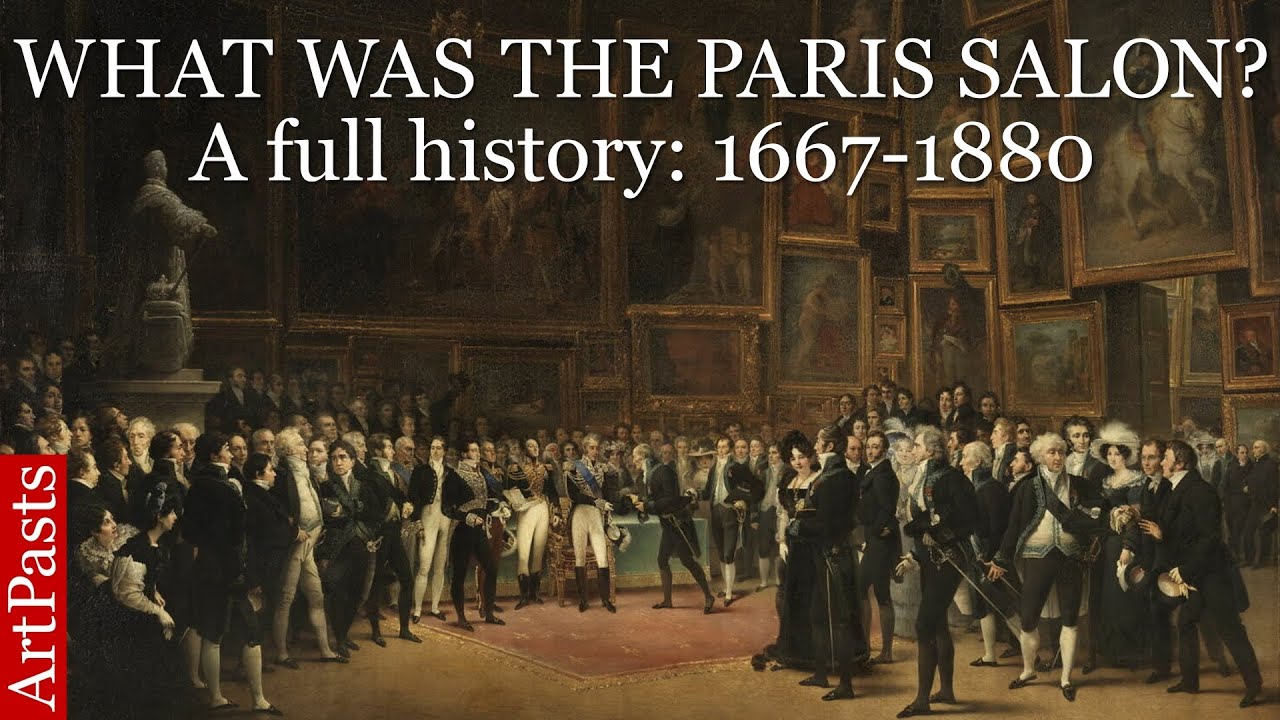


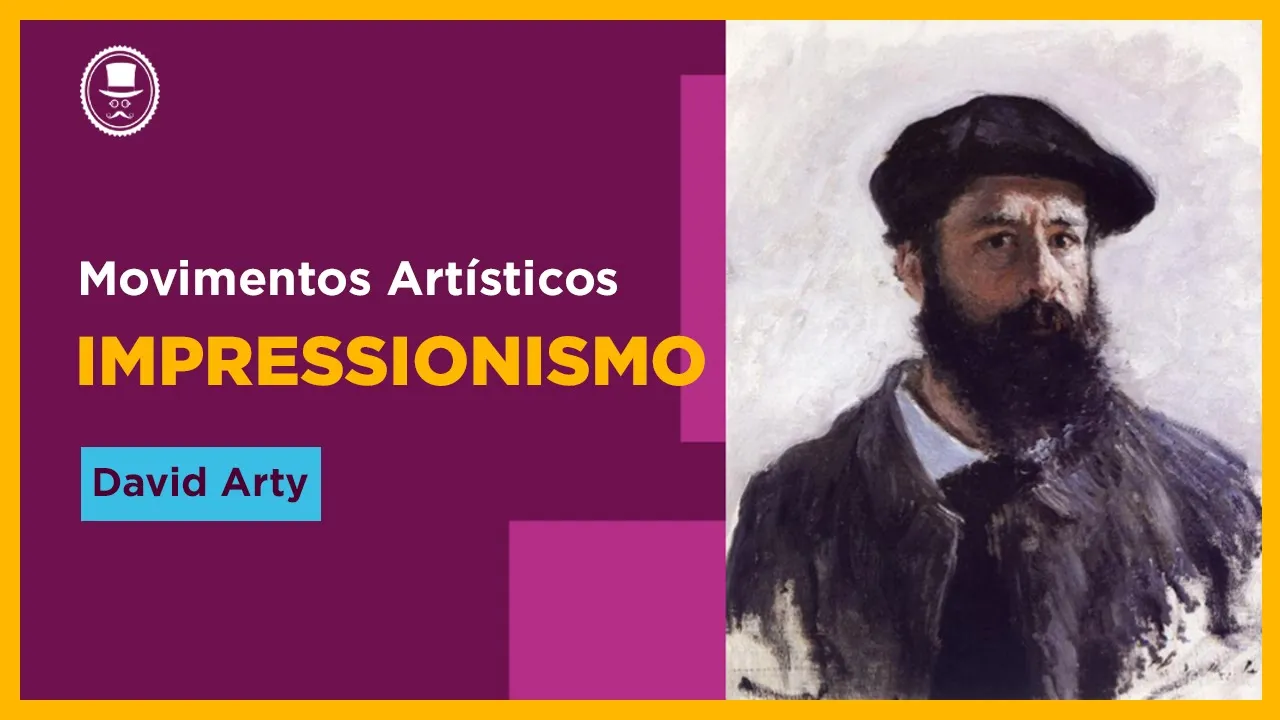
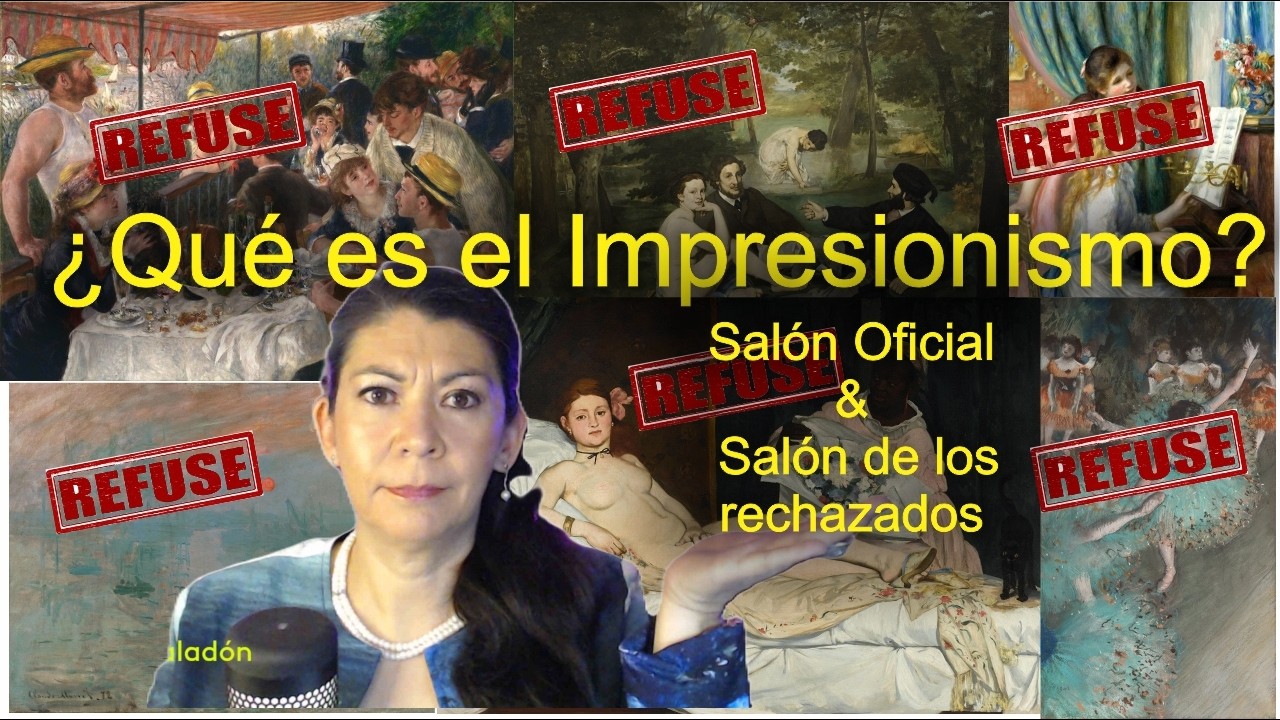

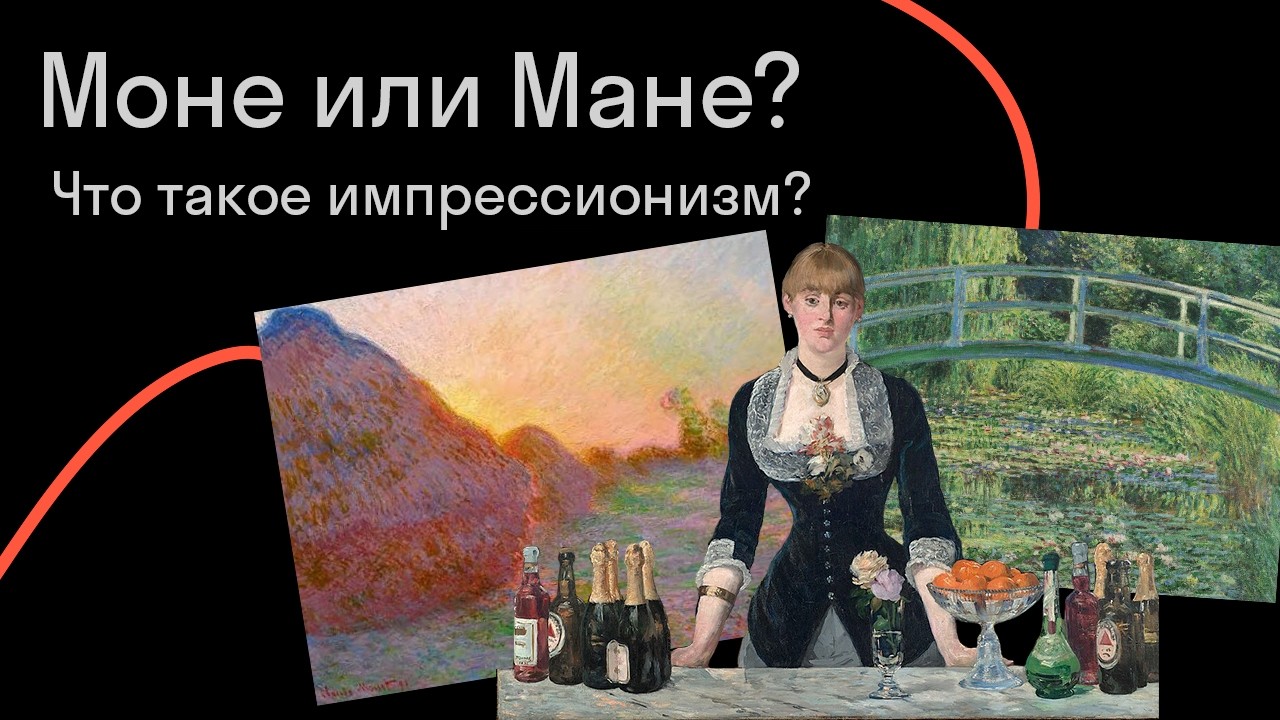
The 1874 Impressionist exhibition in Paris marked a revolutionary break from academic art traditions, as artists like Monet, Renoir, and Degas pioneered new painting techniques enabled by technological innovations such as the paint tube (invented by John Gere in 1841) and portable easels, which allowed them to capture fleeting impressions of modern life outdoors; this rebellion against the rigid rules of the official Salon, combined with the influence of photography and rapid railway travel, gave birth to a movement that prioritized personal vision and spontaneous artistic expression over academic conventions.
Paris 1874: The Revolutionary Birth of Impressionism
Added:The role of the French Académie des Beaux-Arts and the traditional, rigid artistic standards of the annual Paris Salon.
The influence of Realism and early avant-garde artists like Gustave Courbet and Édouard Manet who first challenged academic conventions.
The socioeconomic backdrop of late 19th-century Paris, including Baron Haussmann's urban modernization and the rise of the Parisian middle class.
The invention of portable metal paint tubes and the commercial rise of photography, both of which fundamentally altered the practice and purpose of painting.
In-depth analysis of signature Impressionist techniques, such as 'en plein air' painting, rapid brushwork, and the optical mixing of colors.
The evolution into Post-Impressionism, exploring how artists like Cézanne, Van Gogh, and Seurat reacted to and built upon Impressionist principles.
The historical shift from the state-controlled Salon system to the modern, independent dealer-critic art market.
The global spread of Impressionism and its foundational influence on early 20th-century modern art movements.
741 views6likes1:14:24Original Release: 2024-07-30
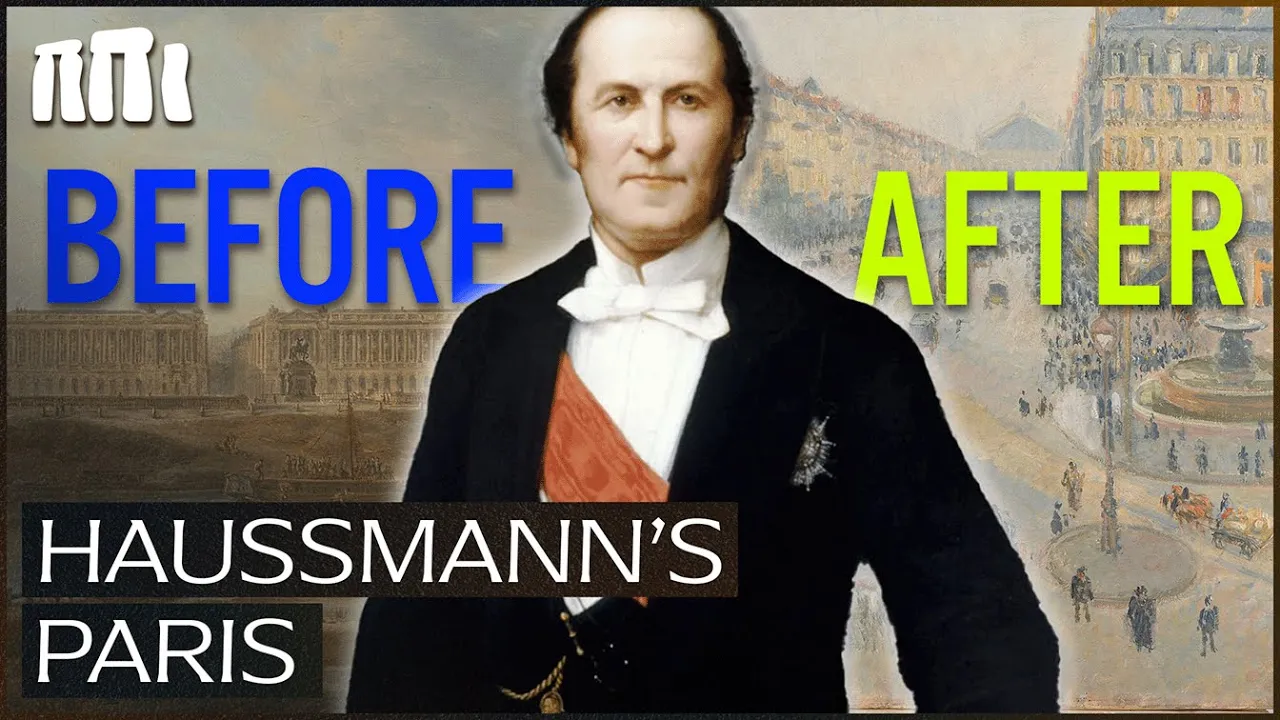
all right good morning everyone thank you so much for joining us very much looking looking forward to Paris 1874 inventing impressionism on the 15th of April 1874 in Paris an exhibition opened that would launch one of the most famous artistic movements in the world impressionism for the first time Monae Renoir the uh and a whole lot more that I can't pronounce came together independently to exhibit their work lightfield colorful paintings conveying fleeting Impressions with a Brisk and Lively touch in doing so these artists dedicated themselves uh from the official Salon the major official exhibition that dominated the Paris artistic life and the guardian of academic tradition so what happened over the course of those few weeks through a sele C of Works shown at the exhibition of these Independent Artists and at the official Salon Muse d dors uh proposed a Revival of it for its 150th anniversary so that's happening right now so we're going to examine the exhibitions of both 1874 and 2024 with Patrick herpe who's a French tour guide who is zooming live with us from Europe and I will provide additional information about Patrick and all his companies uh in the followup email tomorrow I again want to thank the friends of the library and Corning Life Sciences for sponsoring and so finally all 225 of us who are watching live and the many more that will watch the recording let's give a big virtual Round of Applause to Patrick for joining us this morning and Patrick you can take it away thanks so much thank you Robert thank you so much uh do the people see me in the little screen or yep as long as I stop talking they'll see you Patrick y okay perfect so hello everybody so my name maybe you've been with me already my name is Patrick and I'm a licensed toour guide in France and I'm usually showing my country especially Paris and of course lots of Museum exhibition today right now I'm on holiday but I take that time to be with you and I'm very pleased for that and now I'm not in France now I'm right in Jersey so not New Jersey but Jersey Jersey Island which is one of the Channel Island in between England and Britany just one hour on half by the boat from samalo in britan where I've got my house so I see that we are 225 as Robert said that's fantastic and I heard that somebody was coming from Wheeling so I don't know if it's my friend suzan which is there but if it's not there I tell you the person from Wings you have to go there okay you have to go to letter alligator that the T-shirt she gave me which is a restaurant in wiing fabulous but anyway I'm not here to make any advertising just because I heard willing go I get I guess in West Virginia so my dear friends today we're g to speak about U impressionism but impressionism you know it's um it's a concept it's not a school it's not something that you go to learn it's something which has been created from nothing and most of the time when I do a visit in o or in different Museum in Paris which are which are linked to impression people say oh where did artist learn which which were the school who was the teacher who was the the leader that kind of thing but in fact it's just a regroupment of artists people who have got the same feeling the same Soul Who start doing the same kind of things who regroup together so we're going to see that together and to be able to have the impressionism which is maybe one of the most famous uh Trend in the pent in the world because we speak about PS like as Robert said like mon man r t vongo wow what a bunch of of PS so let's understand why why in fact we could ah yes if I don't uh it doesn't work that should work okay maybe I do have to do that okay so I just put you some pics to understand why the impression impressionism could BN because it didn't BN like that so what's happened at that time for that first I show you an image four Ps that photography but you mean I'm speaking about painting and I show you an photograph appar so what does it mean it mean if the photography was not going to appear at the same time of impressionism maybe impressionism wouldn't have born because what is the difference between a photograph and a painter at that time I mean okay not nowaday but at that time in fact there is no much difference they are going to catch the moment but with a photograph you just catch if I can say a kind of dull a kind of not alive moment and moreover by the technique at that time the photographer can't really put his soul in the photography when the pter is going to put his vision his soul so when a photographer take a pictures of her sunflower field and when wongo is going to paint a sunflower field you've got both time the same subject but in one case you've got the impression of wongo in the other case you just have got the technique of the photography but the photography is going to make the PS to act and to pent differently a part of that maybe they would have't ched something else which is very important oh this is a painting from uh Turner so I'm sure you you you know you know Turner and uh this is a trend the trend that's something else which is very important because before the trend to go to the point e to the point B let's say to go from I don't know from from New York to to to to Boston uh well it takes days it take days because you go by a carriage with horses when the trends arrive it just take couple of hours to do the same Journey it mean the Panthers are going to be able to go everywhere very quickly so it's not anymore a kind of a life Jo lifetime journey to go somewhere but they can decide okay I'm in Paris and this evening I will be Normandy and I will be able to pant some cliff in Normandy it doesn't take me five days to go there byy horses or Carriage that's very important the third thing which is important is that that is a portable eel you say wow an Isel Patrick what why is it so important because this is a portable one we also call it the French is if you look carefully on the pictures you will see that there is a box where inside you can put all your stuff and then you've got you can fold it and then you can use it as a little luggage or you can even use it as a as a backpack so it's going to be very easy for the photographer to go fast somewhere with a train to put the eel and to start painting on the spot before the eold were huge eold which were into the workshop of the artist but maybe the most important of all the reason is this one this is a workshop for an artist at the time of Leonardo D Vinci at the time of the Renaissance at the time of the 6 17 even 18 even beginning of 19 centuries what do you have here you've got a penter and you've got the model on here on the side into my red circle you see two mens which are preparing something this is the people who prepare the pent and that's very important because the pent is made on demands in the workshop it mean the artist say oh I need you to prepare me green Von and or green a light Von green and these two person are going to grind minerals and stones to get um a powder then they add a color and then they going to add a liquid and then they mix it and they get the past that past is the paint the pain which is going to be used by the painter but that past if you don't preserve it in something it's get dry meaning Leonardo D Vinci when he P monaa or p s an when he he never go on the spot he always pent in the workshop because if he goes out how can he bring the painting in fact we're going to have to waet long time and the being of the 19th century is that the man here you see on the left side this is shardan a French pter that man is going to be not anymore kind of intership who is doing that into the workshop but it's going to be a professional men which are going to prepare on the side to be ready to give to the artist but the big change is going to be when this pent is going to be put be sorry to be put able to be put in that what is that this is a dry pig bladder you know the gust of the pig and it's make like a little purse you preserve the painting inside and you fold it like that the panters are going to be able to go out you see here for instance you've got a painting from Yong and Yong he's painting the sky with the clouds when he does that he doesn't do it from his Workshop he does it on the spot because he could bring the painting into the purse outside but that's not very convenient because the purse quite often is broken and when you open you can't keep it it's mean it's not a long time solution and everything is going to change in 1841 when an English and sorry an American man John go round is going to invent oh sorry is that the box of Y Kint you see that all the all the purse when that man he's going to invent the tube of painting you see that little tube that he's going to have he's going to put the pent inside then he's going to fold one part he's going to fold the other part and you've got a tube the penting is preserved inside you can put your tube into the portable Isel and you can go wherever you want with that this is absolutely fantastic it changed the life of the Panthers and the pan aregu to p on the spot one thing which is not very easy you need something to fold on to re reopen but a French person from the brown companion bouro are going to invent the same thing with a twisting button so like that you've got the tube of painting that you all have used once in your life that is the main Revolution and Renoir said the said without jof Rand without the tube of painting we would have never exist to tell you how much it is important okay so that was a quick um introduction about why technically speaking impressionism is arriving then if you speak about the the history of the movement uh at that time in France you have got the academic of Fine Art which is a beautiful building which is still existing in Paris this is the pictures of nowaday it was exactly like that in the 19th centuries and even before the academic of Fine Art it's an academy where you learn painting by Masters who are going to teach you how to transmit their knowledge you have to follow the rules you have to be a good boy or a good girl you can't decide how you're going to do no you have to follow the rules if I tell you a painting the most important painting is either religious or historical that's what you have to do if you decide to paint and no let's see do we have got one here yes if you decide to paint an apple wow that's not good because this is absolutely minor art nobody wants you to pain on a but if I decide to pain Jesus the Christ oh that's absolutely fantastic so you have to follow the rules of the academy so due to that there's some master which are going to be out of the academy and which are going to um do their own Workshop like here you see and some of the students are going to leave the academy and are going to go to private school if I can say which are in fact Masters which are opening their workshop and which are sharing their knowledge with these students so far I don't speak about impressionism I just say that there's some students some future PS which are starting in the academy and some which are decided to make a little movement and to go out of that but also what is going to happen at that time it's going to be the war between Prussia and France Prussia is now as more or less Germany it's going to be a terrible war that the French are going to lose and that are going to have got many consequences that defeat of 1870 and the next year after that defeat we have got a huge revolution in Paris which is leaded by the working class the Communist and the anarchist which is called theun and this revolution is going to create an Civil War in Paris in between the Revolutionary and the regular army more than 20,000 people from The Revolution are going to be killed in one week in Paris in May 1871 so this is in that context that impressionism is going to be created if I can say but impressionism wouldn't have been able to be created without a man a man who is not a pter that man is named Duron Ruel he's an art dealer and that art dealers is the only one who is going to believe in these artist and he believes so much in these artist that he's going to export these artist not in France but in New York and in London and in London and in New York the French artist or Dutch artists like vongo which are not very famous in Europe and not very successful are going to be successful in America and in England not so far in France and that is due to dupu another event happened at the same time is napon theii has starting a process of reurbanization of Paris leaded by Baron Osman we are going to destroy the center of Paris to recreate new buildings huge OS Min buildings with the Paris Opera for instance with the pal many many many incredible buildings which are going to be at also the time of the world fairs in Paris so all that it's in that context and with this new technology that some artists which are I should say the rebels or the bad boys and the bad girls are going to decide to do an exhibition next to the exhibition of the academy but you know it's a bit like David versus golat David are these pains golat is the academy but it's not going to be the same end golat is going to win okay it's not a happy end and so but these artists are going to decide to regroup each other and for that they're going to decide to create an exhibition this is the catalog of the first exhibition you see it's written 1874 first exhibition 30 bouvard capucine and the catalog cost 50 Cent 50 Cent at that time it's like 5 Cent nowadays okay and inside you've got the catalog for all the artists and all the artworks that you can find at the um exhibition so where the exhibition take place the exhibition take place right in the center of in Paris you know this is p garer so this is a Paris Opera with the um the blue spot and just next to it with a red spot that's where they are going to do the exhibition let me show you the building of the exhibition it is this building it was in fact the the building of Nadar who was a very famous photographer the people are going to look for a place to make the exhibition and they are going to rent for two weeks this building which is going to be like more like a home than to be like the big exhibition uh we call it Salon uh from the artist let's have a look about that just a little video you see the Paris Opera that's image from the time that's how is Paris BV capucine so you walk in that bouv and you are going to arrive just from the Opera just five minutes walking you're going to look at the building and bits by bit you are going to ride in front of NAD this is where the exhibition is going to take place 35 and that's the image of that time and that's where you've got the exhibition we can enter we can go through and that's how the penting were exhibited you know it's more like a house exhibition not at all like the exhibition of the salon which is completely different way of exhibiting but we're going to stop that little video to carry on our mode one question because I say David versus goat so exhibition when you do something you know when you are in the business you always think about the value the value of how proud you are how happy you are you know your ego value but also you think about money so and for these artists which are not famous at that time and most of them don't have money of course the money is important so what is the result of this exhibition this is uh exactly uh the figures of the exhibition so you know on the left this is what they spent so they spent at that time nearly 10,000 Frank W of course that doesn't sound a lot but for that time it was quite a lot you know it's like now there's something like more than 100,000 EUR so they spend that just to prepare the exhibition so how much they got from the exhibition they got a little bit more than 2000 so we don't need to be a very Financial director to understand that in one hand a nearly 10 on the other hand 2000 of course the balance is not very good so they're going to make a bankrupt but doesn't matter they're going to launch something they're going to create something something which is going to be non uh coming back it's not going to be a way to go back they are going to be the Pres the the the the precursor of something new that later run is going to be called impressionist so let's see that or is it here it is sometime I look at my button so that's why I say here here it is so who is who are going to be the master the the leaders of the exhibition I just put some portrait for you to to to see who are going to be the the one um of course it's kbot kbot he's not going to exhibit but he's going to be the one who he's come from a quite a healthy family he doesn't really need money and even he's going to help the other one you know he's going to give some money to help them to to to to to launch the exhibition so this is Sky and we will see his artworks later on next to kot of course you've got maybe the most famous one for the French it is CL Monet the famous man of the water leing Cloe Monet who helps go to the exhibition a woman ber morizo a woman and I showed her because in fact there was 31 artist only one woman to be an impressionist penter it's so hard you know but you can succeed but to be a female impression is pented that just hell so we can count on our hand how many ladies were famous or could be famous at that time B morizo she's a rich lady she's coming from a rich family you know in French we say she's a little black duck you know like a bit like Nikki the safal who is from a very rich New York's banking family and who decide to be an artist where the s for B Mor you know her parents were thinking she's going to make a nice marriage to get some more money for the family and she decided to be an artist oh happily she had a sister who didn't do the same thing but morizo is one of the these famous of course you can't we can't sorry we can't speak about rir August rir of course pisaro of course CIS of course d and Paul cesan these people are the leading people the leading PS of the exhibition Al together 31 but these seven one are really the one which are you know the big names on the posters outside they are from very different age you know the the the the youngest one is 40 years U younger than the oldest one I mean 20 to 60 wow it's quite a big difference they come from different uh social uh family from different political Vision most of them are more leftwing okay but some of them are extreme left you know communist Anarchist the other one are more moderate some come from Rich family like kbot or ber morizo or come from just the working class like pisaro or some other some of pen so there is not a Unity if I can say it's a very diverse movement and that's how it's going to be the exhibition we just saw that already in the little uh in the little video before and they're going to exhibit 200 paintings 200 uh not only paintings sorry 200 paintings and uh sculpting but the main things is is painting and they're going to put it on walls which are as you can see on the video here which are going to be like a kind of reddish brown uh walls and what is very new that just going to put one or two uh line of painting and the painting are going to be separated I will show you um how it's happened in the normal I mean the the the the formal exhibition it's not like that at all okay so this is more like a home um exhibition and you can see and you can see each painting distinctly from the other one but how the people are reacting how the critic is reacting like that a monster absolutely awful on one of these critic one of these critic he's going to see this and he's going to write an article in his newspaper he's a very famous art critic he's going to destroy the exhibition you know he's going to say I went from that painting oh that was awful I went to that painting oh my gosh I was fainting I went to that painting oh that was disgusting I went to that painting and near hung myself and finally I arrive in front of a painting and I say what that and the person say let me look at the little book and he say oh this is from Mr CL Monet impression and the art critics said wow wow these people don't know how to pain and they pant their impression are they impressionist and that's how the word impressionist is going to start from a journalist so during that time two weeks later the National formal exhibition is going to start and it's going to be in that building that building is not existing in Paris anymore it has been replaced by another building who looks nearly uh the same um which is the Grand palet at the bottom of the sh in between the river and the sh you can see here the Shan on the the left and on the right you can see the river and that was the p industri and at exhibition you see that's how the painting I exhibit this is pictures of the exhibition look at that you know there are there's not a centimeters there's not an inch of space in between the painting it's like the walls are covered by penting but it's not only 200 paintings it's going to be more than 2,000 painting and when at the first at the impressionist exhibition there is all together something like 3,500 people who came to visit it at that Exhibition at the salon let's call it the salon in between us okay the salon at that Salon there were more than 300,000 people who came in you can see the difference it's going to be 100 times more and obviously they're going to be more successful in selling and in return on investment you see that's a painting from L salon so a pains painted the salon by it's like a I don't know it's like a fast food comparing to a gastronomic restaurant if I can say but anyway let's carry on so what was the highlight of the um the impressionist exhibition what are we going to see first we're going to speak about the first room and when you enter the first painting you see is that this is that that is little bit not fantastic how I say this painting is from rir we call it La if you want to see it well when the exhibition is finished in Paris you can go back to Washington and you will go to the National Gallery and you will have the chance to see that painting from onoa that's where this painting is it's exhibited in America in Washington and uh it's one of the biggest uh painting that is going to be exhibited and uh um you know with that R is make a kind of echo with the famous P the famous dancer from duga so there is going to have got a lot of echo in between some of the artist about the subject okay and you see the touch here is very different than the touch we have going to see later on about the salon next to that painting Renoir is going to exhibit this other painting this other painting is named La Parisian the Parisian girl it's a young lady who is my young lady a young girl she's 15 years old so see it's not it's not it's not an adult so far and she's going to become later a very famous artist in theater it's going to be her you see she's called Madame Oro later on and she's going to play at the comedy Fran which is the most famous theater in Paris so you see here it's on the left side you've got you've got the pictures on on the right photography on the other side you've got the penting different edge of course but you see with LA parisan Renoir show you the fashion how the Parisian girl are so trendy how they are elegant and this is the painting from from monoir and that painting is in cardif so you have to go to Wells if you don't come to Paris to see it and of course we can't not speak about mon Monet is going to exhibit this painting which is Boulvard capucine in fact he's going to make a painting which is exactly where the exhibition take place the exhibition take place bouv capucine and he make that penting and on that painting we can see people which are walking in the street the art critics are going say what are these black stand on the painting and Mon it's not black stand sir it is people walking in the street say oh when I walk in the street I look like that like a stain like an hunt you see this is the impression is painting it's not something which is realistic something which is distinctive you don't exactly know what it is if you go close if you take a spectacular lenses and if you look very close you just see a black stand he's right the art critic but that black St when you look at the global painting you understand it's somebody working so of course so if you look at the technique and if you come from the academic of Fine Art you see this is absolutely disgusting but if you look at the painting by itself you say wow that's really interesting so it depends how you want to look at it and mon after that is another painting from the same subject but at the different time of the day he love that to do different time of the day and you see he did again the bouv the capucine but that is at the sun down you see the light is a little bit orange and you see it's like we are above the bouv on the right side here you see there's a man on the balcony and that man on the one or two men's on the balcony with the top hat and there are looking at the bouv from their from their position so the other famous artist is thear and thear is going to show at that exhibition lots of painting from his dancer from the Paris Opera so of course we always think duga dancer but he also did horses and race horse but anyway Daner is the the the iconic touch of the guy but the guy doesn't only show you the dancer as a nice person because you know these girl these poor little girls because most of them were between 13 and 15 maximum 16 they were sent to the Opera by their family not because they were elegant not because they were beautiful not because they were a good dancer but because the family hope that this is another painting of duga when they they are making the rehearsal it may have like here if you look carefully there is a man with a black hat who is sitting he's a hunter noway we say he's a pedophile in fact he come to the rehearsal because he has got an annual ticket with that he can enter in the Opera and he can go to the backstage and he can see the rear and what does he see he see these little girls and what does he does after that he proposed to take them as mistress and if he take them as a mistress he give them a flat and the whole family when he doesn't come to visit the girl he can live in the flat so you see it's kind of something which is really dirty and Dua is going to catch that so don't imagine duga is just showing the nice part of the Opera but the he's showing also his impression of the truth of the Opera how it was working at that time here you've got a complete different uh painting it's another painting from from Renoir and it's called La L that one is in the London Museum and so you see on that painting rir show why the people were going to the Opera not for the dancer in fact you see there there's a lady and the lady is really how can I say with makeup and quite attractive so we can imagine that rir is showing her like atisan and the man next to her you see he's not looking with his spectacular lenses he's not looking at the stage he's looking at other people into the opera house you are going to the Opera to be seen or to see you are going to be to the Opera to show off and that's what uh on that painting Renoir is is showing rir was very close friend from mon you see so at the exhibition R also did that which is of course for the academic of art something which is completely a Burk not interesting just a pot of flowers and Mon and Renoir are going to do exactly the the same painting uh because you see this is the same flower but from two Vision one from renoa one from Mone so they were in the same place and they painted both of them but with a little different angles so just to to to to show you if I can say how much these um these people were knowing each other and were connected to each other here you see mon on renoa and that you go to Boston on the other one you go to the gy center so you see these two paintings are in America America are very are very very very lucky because they have got many of these p nowaday in their Museum and we don't have them in O Museum but we have got some of them in O and so but these days in that exhibition all of them are together it's one of the major exhibition something completely different you know also at the same exhibition you've got here a city named Ponto which is in suburb of Paris and this is pisaro and which is showing a view of the um how you call it the locks uh the river loocks okay in pontoise and that the view from the river loock so you see they're also going to show landscape on real life in the landscape not only opera or dancer or whatever but also the real life but with their way of painting which is not precise not at all like the other painter from the academy also we're going to see that that I like a lot this one is is from sesan and this one is just a study and it's an a tribute to man from the famous Olympia from man this is the Olympia from man and you see here Paul San on the other side he tried to make a kind of a tribute to to man who was exhibiting not in the exhibition but in the salon speaking about that painting I do a special webinar just on that painting on man so if once we decide to do it together would be pleased to explain you that painting but that painting from manages to tell you which is has been very very very not if I can say well welcome because people were thinking this is very erotic and in fact man is coping a penting from urbino in the in chento chento sorry in Italy so the Italian Renaissance and this is a Venus okay but there is something who look the same but there so many differences that is interesting to to to explain this two painting and to understand why this painting from man is one of the Masterpiece in O Museum this one and the other day I found in the street street art about that that's quite funny because you see here the lady the curtisan is a white Caucasian lady and uh the people who bring the flower the meds is the blackly and there's a street artist who did that I think it's quite funny you see he just reversed the rules he puts the black lady as the boss the white Caucasian girl as the bed I think it's interesting and now there to speak about equality to see how the street artist is going to reverse things but well that has nothing to do with the exhibition it was just a little diversion of myself sorry for that I just come back to to the exhibition next to the painting we also are going to have got some artists which are going to do on different things not not on canvas but could be on with NL which are going to copy Great Master of the of the Renaissance you see this painting on the left side of course it's it's which is a painting of theine which is in Manel which is which is in the Lou and that one is from Mayer and Mayer is exhibiting in the Museum of Art model in in Paris so but it's a copy of the cond they're also doing that one you see here it's a copy made by brma Bron and Bron in fact he's he's doing what we engraving you know so uh you know the technique of Engraving so copy some of the painting if I can say some of the artifact where also enl or engraving so here you see this he's in fact he's going to copy Monet this is the painting of Monet and above above this is the engraving of bro he's also going to do bro uh very famous one from anger so this is the engraving of BR and this is the painting of anger named L the water the water the origin of the water so you see this is also at the at this special exhibition so what happened during that time at the salon let's see the difference between impressionist and the salon that's the salon this is a painting from the Sal it's interesting you know because this painting in fact it's seven painters who work together because the painter the the the one who did it is called cayot lassal he painted group of people then he painted six painting but he didn't do the painting the six painting the paintings were exhibit in the salon and he has each of the painters to do a miniature small painting of themselves so in fact he did the global painting and then each of the painter who were really exhibiting like that painted the the the small the miniature in that painting So in fact seven artists for that painting I quite I quite like that um but what you do have from that for instance you've got Mari Cassat you know Mari Cassat because she's very famous in in America and so Mar cat you see for instance she herself she's exhibiting in the in the salon and not in the impressionist exhibition and she's going to propose to to the salon one of this subject but Amad then is going to be approach the impressionist and the impressionist I said to Mary wow why are you with these old and good boys and good ladies why not coming with us we are the future and in fact Mary cat after that is going to exhibit not anymore in the salon but to exhibit in the next uh exhibition of impressionist the years after that this is the death of the first farara the first birth of the Pharaoh in Egypt for pent from tadar it's in the risk Museum in Netherlands and you see this is very Classic this is exactly what the academy wants you to pent a subject from the Antiquity from the history on everything is perfectly detailed when you see the lady the faran lady who is crying the death of her baby you can see all the details of the jewes you can see every details it's not impressionist okay this is the competitors of the impressions for you to understand this is another one uh which is also very U interesting it's AOS okay or Cupid it depends how you call it but Cupid or AOS and you see again it's from the p and he loves things from the the Greek mythology so he's going to to paint it but again you see it's very classical way of painting this is at the salon not at the exhibition also at the salon you're going to have got painting for the first time for a long time about the war because you know we had to wet a little bit of ears before painting the war you know it's a little bit like if in America you start painting Vietnamese War or making war movie about vietnames war you're not going to do the year just after the end of the war you need a kind of mooning time a kind of you know kind of distance between the war and the time you start making it as an art things so you see it's to six years before PS are going to be accepted to make it so this is one of the scenario the War uh you see another one again from the war so these are at the Sal not at the not at the exhibition and also this one which is the the departure of the Roman Fleet going from the Normandy going to England in fact going to J where I am right now because people here are from origin from Normand so in fact maybe they some of the person on the painting here came to see me today so rir is going to try man is going to to decide should I go to the exhibition or should I go to the salon finally he decided to go to the salon he proposed this painting which is going to be rejected why it's going to be rejected not because the painting is impressionist but because the painting is a little bit offensive because we see we are at the Opera and what do we see we see little girls which are coming to speak with men's we can easily understand what is happening here what I explain you for duga and so that is not you know it's like taboo we shouldn't pen that so that is going to be rejected the exhibition the salon is going to say no no no no no so man is going to propose another one which is that one which is going to be accepted but that painting from monoir it's a little guard who is looking a trend from s Lazar passing you see the smoke you see on the back of the painting is from um from train in in the train station s Lazar and the girl is completely a absorbing by that you know it's incredible it's technology and and she love it but rir is going to be love when he's going to present that this is too modern for the for the national salon and next to him there is this P from thetis who is just exhibit next to him and people say you see Ah that's much better but when you look at that we find something which is impressionist in it don't we so you see the line in between some of the artists in the salon on some of the artists in the impression exhibition the line the border is so thin that sometimes it's very difficult to classify one of the artists so this Italian p dtis is in the salon but to be honest it could be in the impression exhibition this is for instance um another another painting from another lady called Eva Gonzalez and you see that is also going to be accepted it's called l Rose so the pink morning when a lady is just wake waking up and have got her her sleeping clothes if I if I can say uh so that is going to be accepted but then he also proposed that which is again at the Opera and that is going to be refus um because on Eva Gonzalez he's going to have some problem because in fact she's going to be a student of man as I say man is going to be a between good and bad and CH is going to be quite rejected so that is in the in the salon so let's go back to the to the impression and some artists are going to propose in both dontis the one we've just spoken before okay he proposing in the salon that one is in the salon and he's going also to propose that for the exhibition so you see as I said the line is very small and some artists decide to have a fit in both not only in one they don't choose they go in both so dontis propos that and that are the impressionist exhibition when he proposed some other at the Sal difficult to see the difference okay oh here we've got the canal sand which is north side of Paris where the Olympic games are going to take place in a couple of days and uh this artist is also going to propose you this street in m and he a is called lepin and is a student of Kuro and that are going to be at in between the Expo and the impressionist exhibition but let's see for the last time the battle in between here you see the pter here it's Jude em Sant he painted the lady that we called the the the the the laundry lady you see she's coming back to the shop and she has cleaning all the white part of the under dress of the lady and she's coming back after having cleaned them in the river but when Julian Satan pent this lady what the how does he pent her he pent her like a lady who is trying to attract you no look the eyes and the smile hey boys what are you doing and even though look she's pulling up the dress to show a little bit the feet she's trying to attract you so you see he's that P who is at the ex at the salon he's showing a work class lady as nearly uh kind of prostitute when the guy at the same time in the impressionist is going to show you an workingclass lady who is an ey running lady she's ey running and you see we see her as an exhausted lady exhausted by the hard work she's doing so you see it's two vision of the working class one from the salon showing the lady a little bit like a ctis and the other one at the impressionist exhibition showing the ladies are really um the reality of their of their hard life speaking about modernity and life the pent is also going to show the Modern Life for instance they're going to love to show the people going to doil to Nori but again here it's a very famous French painter named Buddha aen Buddha he present many of these water watercolor painting at the big exhibition like this one and this one what it is quite funny these pains when they going to pain the real life most of the time they're going to pain people which are from a rich condition from a healthy condition you see the people which are here that the Parisian people who have got the money who can go to the seaside in Normandy and so there such kind of funny things you know they don't pent working class most of the times a little bit like the guy but most of the time when they P the real life they paint the rich people like here Buddha or like here for instance this is um a painting from a gang you know the the gang is where you get the um how do you where where you get the um by by the river where the people were going to eat and to to to to to on to dance this is from ru also at the impressionist exhibition and you see it's also rich people which are there okay or even here for instance um Monet when he did this very very famous painting of Monet which is called the puppies the the puppet field of mon you know it's absolutely beautiful and famous painting which is in O and but in fact who are working in the field are there Farmers uh no not at all the people which are working uh which are sorry which are working in the which are working in the field uh in fact it's a it's a rich people you know it's a it's a rich lady and that also as I said depend the real life by depend the rich person the same thing here is it's ber morizo who is showing her sisters who is her nephew and n sry and uh again you see a rich people in the countryside so to finish about the exhibition let me also show you um the things that they depend from the the countryes side so here it's from duin from pizo sorry which is which is the ver so where you get the apples apples trees here it's from doin here it's from Goma you see this is a Sunset and here for instance it is uh the machine in Mari maybe you don't know what that machine but maybe you've been to the side and you will know that machine is very important this is the painting this is the real thing what is it this is that this is the machine who has been creating to bring the water from the river to the water Fontaine in theide so when you are in theide and when you see the water Fontaine it's all come because of that machine do you see it's real life industrial life people which are painting the the real life that's it's coming from the um from the exhibition and I want to show you what is maybe the most important of all of them because they're the one who gave the name to impressionism it's going to be from clone Monet so clone Monet painted this painting of Le which is a harbor in N he painted boats and he painted the Riverside and once he decided to paint it in the early morning this one and so this is same painting nearly but you see as it's the early morning it's a bit foggy and you've got the sun which is rising you've got some spots which are representing in fact the boat and that is a kind of foggy atmosphere so as he said I can't say the harbor of because it's not very easy to understand that's why he call it impression my impression at the Rising Sun and if we've got impressionism it's because of that painting this painting gave the name to okay so just to finish after that we are not we going to have got some other exhibition coming 75 they going to go to an auction 7677 they make an exhibition on that time 77 1877 they say impressionist exhibition so it's me they're going to use the name after that 79 to 86 five other exhibition and after that the movement the people are going to split and it's going to be the end of imprism let's see some of the painting which are going to come after that exhibition for instance kbot kbot here is the floor Scrappers one of the most famous painting in O this is from 176 or here from mon the the the Salazar station or here uh from pisaro the red the The Red Vineyard here from rir uh the how you call it the the you know I sorry I forgot the name in English where you you know you go like that for the kids I forgot how to say that in English it's not a sledge it's a swinging I think the swing The Swinging thing I'm not sure about that and of course one of the most famous of all of them which is the famous balet the ball of the mulet the famous mulet which is in Paris here that's where that painting happened and the m laget has been pained by vongo and this is the vongo painting of the mulet and to finish one of the last painting which is going to be from kot on you know kibot he's going to be the inspiration of artists later on so some of these artists which were there like kyot are going to be the inspiration of hper realistic painters like eduward popper Hopper always claim that if he paint like that it's because he saw some of these famous um impressionist pen like kot then as I said 86 this is the end and we go to the Neo impressionism like Sora here with the circus and on that the difference technique speaking an impressionist pter take the pent on his palette mix the colors on the palette then the color mixed create a new color let's say I take blue and I take red I put together I get purple and then I put the purple in the palette so the works of the colors is made by mixing the pant and the palette here s with the Neo impressionism is going to be totally differently he's going to put he's going to make a sketch let's say for instance uh the horse he's going to P the horse and inside he's going to put dots and one dot is white one dot is blue one dot is red and your eyes technically I mean physiologically speaking mix the two colors together so the fact which is done the palette by the impressionist the Neo impressionist are going to do the same things but not by mixing the painting but by putting the colors one next to one and let your eyes make the mixing okay this is no impressionism this is s and this is the end of the webinar so that's now uh where I hope you can I have some some comments from Robert and to reply to any question you have so folks uh first of all Patrick perfect timing 11:30 on the dot folks let's give Patrick a big virtual Round of Applause for a great presentation and let's take you know approximately 10 to 12 minutes of questions here uh Kathy says uh Patrick you are wonderful a joy to listen to a wonderful lecturer I learned so much thank you Margaret says a fascinating and thorough explanation of the origins of impressionism one of the best I've ever heard and she says Mercy uh JM says Trey Trey BN Patrick Mercy Boku Margo says what an excellent lecture with wonderful samples thank you very much Dory says very informative Vivien says absolutely wonderful Renda says a lot has been said about deos the attitude and dislike of women I don't see that in his paintings what are your thoughts so about um um if you look at the sculpture of the G which is L maybe you know I don't put it inside because it wasn't a painting and it wasn't at that exhibition but it's it's a it's a bronze sculpting which is in Muse do of a lady dancer with a real tutu skirt made in Fabrics when you look at that sculpting in fact she's not really beautiful if you look the side of the head you look the head looks a little bit like a chimpanzee head I mean it's not an ovel it's more like a you know like flat horizontal figures and she's also a little bit you know the the the shoulders are little like that and she has got a little belly when she's only 15 years old and the guy explained to the people that on it's like a sweet and sore on one hand he love the dancer but on the other hand he feels sories because they are going to be used these dancers and so in his painting on one hand he show the tough life of the P of the dancers and on the other hand he so he show also the truth but he doesn't show the truth like you know with a spotlight because a part of that maybe he would have put in jail but he show it with little touch for you to understand if you understand the context of his painting or of his artworks you understand what thega uh meant okay and if you read about Thea you will you will um rely that uh SES says that you were great Paula says I always learn something new about impressionism when I attend a webinar about it thanks for this wonderful presentation Lois says I love the m m Muse dors and I learned so much about the background of these paintings Marie thanks you Kathy says I have to say it again you are a joy Susan says that was wonderful all your talks are great Patricia says very enjoyable and informative Elaine says he is just the very best thank you thank you for such a fine discussion of this artistic movement Tera says I loved the take on Olympia exchanging roles thanks for including this modern reversal uh Deborah says Mercy Mercy Mercy Nancy says fabulous Judy says excellent Gail says amazing uh Marie says she learned so much from you uh Diana says uh your presentation was excellent Ruth asks what Impressionists manag to get work exhibited in both the salon and the academy so what what was the what was the worth for them to do that exactly sorry I didn't get the exactly the question between the salon and the exhibition uh when she well I think she might be missing a letter or two I think she's saying managed um so in other words were there any famous Impressionists that were exhibited in both the salon and the academy so first they were not impressionist okay just to say that we call them impressionist but um they were not impressionist you know you don't have a little sticker say impressionist or not impressionist uh the fact is every year if you wanted to be exhibited you have to pass by the jury of the salon and if the jury of the salon if the judge of the salon said you are not correct you are not following the line you are not a good boy or a good girl we don't accept you in the exhibition so what can they do so these artists in fact which are coming from different vision from different PE where different social position they decided to regroup together and they decided to create the exhibition but they also could be exhibit in the salon because I mean the salon they have to be accepted by the judge but for the exhibition it was free of them to go it was just their own decision do you want to be part of the of the exhibition so most of artists were coming better it was for the exhibition you know because when rir say I come when mon say I come of course that's fantastic because it's big name for the exhibition okay so uh the exhibition was free to come and you were exhibiting what you wanted when the salon you have to be accepted by the judge uh e says that they learned a lot um uh and they also complement your virtual live walking tours okay uh mateline says it was so interesting to see the painting of the floor finishers uh working that made me think of the late American Ashan school never would have connected that with French painting this was a very interesting presentation uh beus says after listening to you she better understands where Impressionists are born so many deconstruct uh deconstructive paintings are my impression of my life this was fantastic Sharon loves your humor Frank says Bravo fascinating fantastic thanks again and then he says some things in French I don't know how to read mateline says the circus painting reminds me of the late 19th and 20th Century's advertising art do you see any influence or connection so um Neo impressionism is going to be just before fism so we are at the end of the 19th centuries and if you speak about the advertising for instance like for mha it's going to be just after that it's going to be the art no okay so most of the advertising are going to to become with the art Novo if you go to visit M do you know when I do in person visiting the M do most of the time the people I say what are you going to watch what are you going to see people say oh we're going see Bongo and go we come here for the impression and say okay but before impression is they the realistic PS with M with Kur and first we start by that and then I said it's not including in the visit because we don't have time in two hours but if you want I encourage you to go after impressionism to see Neo impressionism I show that and I said go after that to the art and so lot of of these I should say that what you mean about the advertising it's going to be it's going to start with the art and Karan as you said at the beginning of the of the of the 19 19 absolutely a few more comments and then we'll go to the Q&A which which also has a bunch of comments uh but Mary says I worked at the Kimble art museum in Fort Worth Texas for 20 years fortunately we had exhibitions that included many of the paintings you featured today over the years I especially loved the force the floor Scrappers uh you gave excellent insights that I had never heard before uh in your lecture that accompanied the impression ex exhibitions that the Kimble her her old art museum hosted and she thanks you very much Ruth says uh this was very interesting margos has great Insight creating context as to the social class structure within Parisian Society of the late 1800s rosem Mary says not many realize how photography changed the art scene thank you great program Kathy hopes you can come back you're so interesting mateline says I appreci iated your you making the connection between technical advances and paints and painting tools with outlets and possibilities for the uh the painters creative expression and plain air painting all right so now we're going to jump to the Q&A and there are some comments in here uh Margaret says there's a wonderful lecture uh a Cassat exhibition that's in the Philadelphia mum uh until September 8th uh let's see Bonita wants to know this Eagles yep yeah oh Eagles oh no we're patri we're we're Patriots we're Patriots country here does the salon Bonita asks does the salon still exist today I no uh the salon doesn't exist uh doesn't exist anymore uh because uh I should say I mean all these artist some of them were becoming famous or were famous like Monet you know Monet was famous before he died but for lots of them like vongo which is not in that exhibition because vongo is going to arrive as a late impressionist is going to arrive in Paris in 86 to 88 and he's going to die in he going to die in 89 so um these PS are going to at least take 20 years to be to be famous and at that time the AR dealers and the private exhibition are going to replace uh the the the the salon uh but in the 19th centuries the salon was the place where you have to be if you want to sell and don't forget these artist they were of course painting for pleasure but also painting for money uh Tish says the National Gallery in Washington DC is hosting a big exhibit on impressionism which opens in September thank you for such a timely and wonderful talk you never disappoint uh let's get to some questions we'll take we'll take uh four four three or four more minutes here of questions uh Francis asks do all of the original 200 paintings still exist or have any been lost so as I said there was most of them were painting also we have got some other technique like the engraving the enml and we also have got some scouting okay but most of the thing were painting no I think only one or two have disappeared but in O this year for the 150 anniversary it was a fantastic exhibition and I had the pleasure to bring couples of people inside for the in person visit and uh they regrouped from all over the world and from also Private Collection so many comes from America comes from from Welles come from from England from many many different countries and we regrouped all the most important painting which were at the exhibition so I mean something from the most important nothing disappear it's possible that some um I say some water for instance from Buddha or some other less important painting has not there but in O I think we had uh nearly uh 160 160 of the of the original artworks that we could regroup that was absolutely amazing that's why that's why I wanted to show that exhibition because what I show you is what myself I see in O okay I put it under under power point for you to present it but it's exactly how it was in O because they really redone exactly like the first exhibition they covered the wall with a red brown color and they put the painting how they were at the first exhibition so when you enter to that exhibition in no you enter by the first two First painting of ronoa that I presented to you the dancer on the Parisian exactly like it was at the exhibition uh Jill asks is the museum catalog available in English yeah yeah yeah yeah the catalog the at the Bookshop of for or I'm sure in the online Bookshop yes uh let's see Teresa asks is the painting where seven artists paint Miniatures of their own painting uh exhibited at the salon yeah at the salon not at the exhibition yes at the salon it was seven it was six artists who did the painting at the salon on the seventh one um Cal decided to make a painting of this part of the exhibition like a photography if I can say so he painted some people which were there gathering around and then he ask the pter to redo their painting on on his painting you know that's that's quite unique you know to have seven painters seven hunt for one painting of the 31 artists how many were French W I haven't counted like that because um they were all living in France that's for sure uh then for instance denitis is Italian it's difficult but some of them were I'm not sure they were French if you think in term of passport okay because but they were at least French um um how can I say French adopted okay the most important were French um but I can be honestly I can be sure they were not originally from another countries living in France and be considered as as a French but for instance Mar or these kind of PS or were not at that first exhibition and vongo is not at all there because vongo is arriving 10 years later so um yes most of them were all the one I said at the first the most important artist they were all French in fact they were 30 30 to be precise there were 30 artists in the catalog and there were 31 because there is one artist I haven't said that because it was a little B minor but there was one artist which was a Pudo so we we don't know who that person and in the catalog it's only 30 painters 30 artists on the 31st we think it's another lady uh but we have no real you know lots of people try to investigate about that and we lost dis pening of that of that of that person oh let's end on that mystery uh Patrick we answered most of we we we read all the comments we answered most of the questions there's a couple of questions that ask you to go back to previous slides I think in the interest of time we're just going to wrap it up here we've gone 75 minutes uh so folks let's give Patrick a big virtual Round of Applause for a great presentation we will absolutely have Pat Patrick again back in back again in the future whether it's for something like this or for another one of his live uh tours of Paris uh Patrick do you have any last words for the audience Patrick where can people learn more about you well um if you can put the the my my Instagram or my website Patrick or I've got I've got of course an email if you come to Paris and if you want to to see me or to do some any visit I would be it would be with pleasure and yeah you can go to the website or to the Instagram or to the Facebook that's where you can but on my Instagram you know I also put some pictures of right now I'm in Jersey so you will see some pictures of Jersey it's not only my it's only I also do my my my trip if I can say so um Facebook and my my website is more professional sure sure I'll I'll include your your website link and your socials in the followup email yeah on my the best way to contact is my email address because that's what I I got on my phone and everything but it was a pleasure for me to do that exhibition know it's a I'm so happy to be able to share it and we were a bit more than 200 and that's fabulous because and I know you going have got some other people who are going to to to see online letter and um I felt sometime I feel sometimes so bad because the cost of traveling and also the ecological cost of traveling you know and now there's lots of people can't go somewhere because they can't afford or they don't want to spend uan in the in the in the plan for ecological reason or whatever and so we you all of you can't have the pleasure to see to see that like myself I'm not going to see the exhibition in in in Texas or in Washington about impressionism that I heard is going to be I won't be able to do that okay so I would be very happy if I've got a colleague or a friend of me who can um who can show that because I would be delighted when I went to the GTI centers in in Los Angeles or when when I went to couples of of Museum in in America in not far away from in in Pittsburgh I went to the to the to the world Museum and you know I'm very happy always to to to discover things that I can discover in my own country and I feel always very happy to be able to share and so this also it's an opportunity for me to share my paion so thank you for that yeah Patrick thank you so much and Patrick I won't uh prolong the talk but I hope you enjoy the Olympics and maybe we'll see you in the stands when we're watching okay so thank you yeah maybe so thank you all so so much and I hope everyone enjoys the rest of their day have a good one thank you bye bye Robert bye bye everybody bye
Up Next

7:30
Bauhaus Movement Explained: History and Impact
@CuriousMuse
592.7K views•2021-03-12

114:18
Christian Iconography: History, Theology, and Meaning | Fr. Panayiotis Papageorgiou
@Trisagionfilms
58.8K views•2020-02-21
7:48
Ukiyo-e Art: History, Woodblock Printing & Influence
@japanathand
6.3K views•2023-06-08

16:34
Earliest Depictions of Jesus in Art: 10 Ancient Images Explained
@UsefulCharts
5.9M views•2022-06-03
Related Study Plans & Knowledge Roadmaps
Structured learning paths in Art History
art-history
Gothic Cathedrals: Engineering, Light & Society
01The Birth of the Gothic: Romanesque to Suger's Vision
02The Structural Triad: Pointed Arches, Ribbed Vaults, and Flying Buttresses
03Theology of Light: Lux Nova and Sacred Geometry
+ 2 more learning modules
14h5 modules
Explore Roadmap
art-history
Pre-Raphaelites: Realism, Symbolism & Critique
01The Victorian Art Establishment and Academic Formula
02The Founding of the PRB and Radical Realism
03Medieval Revivalism and Literary Symbolism
+ 1 more learning modules
8h4 modules
Explore Roadmap
art-history
Street Art: From Subways to Art Market
01Subcultural Origins in Philadelphia and New York (1970s)
02The Subway Era and Style Wars (Late 1970s - 1980s)
03The East Village Scene and Early Gallery Crossover
+ 2 more learning modules
10h5 modules
Explore Roadmap
art-history
Classic Maya Art: Iconography, Glyphs & Ritual
01Foundations of Classic Maya Visual Culture
02Deciphering Maya Hieroglyphs & Text-Image Integration
03Sacred Geography and Cosmological Architecture
+ 2 more learning modules
14h5 modules
Explore Roadmap