















Microalgae bioreactors, particularly open pond raceway systems, offer a sustainable solution for addressing water pollution and CO2 emissions by utilizing microalgae's photosynthetic ability to absorb nitrogen, phosphorus, and CO2 while producing purified water and valuable biomass. Effective control of these systems requires advanced strategies such as Model Predictive Control (MPC) that manage key variables including pH, dissolved oxygen, biomass concentration, and temperature through hierarchical optimization, balancing economic considerations with environmental benefits to maximize biomass production and purification efficiency.
Advanced Control Strategies for Sustainable Microalgae Bioprocesses
Added:Fundamentals of microalgae biology, including growth kinetics, photosynthetic efficiency, and key nutrient requirements (nitrogen, phosphorus, light).
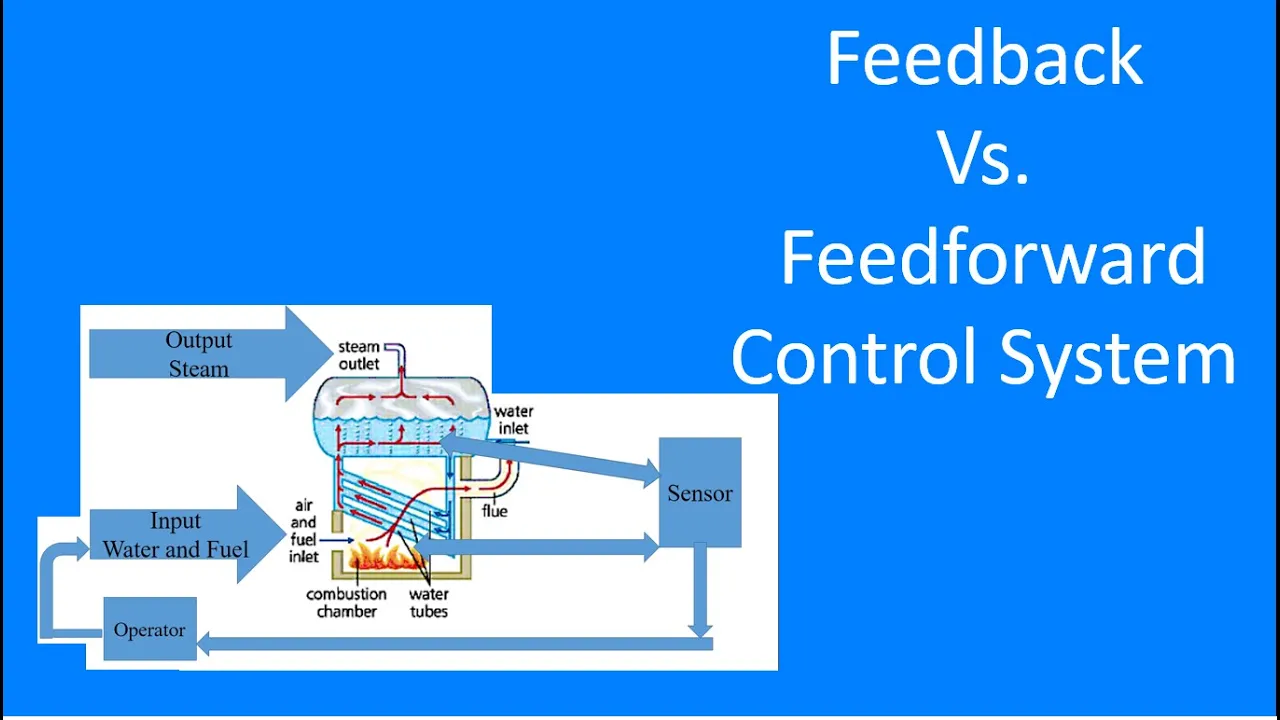
Basic control systems engineering concepts, particularly feedback/feedforward loops and the distinction between model-free and model-based control.
The biochemical principles behind biological wastewater treatment and photosynthetic carbon dioxide sequestration.
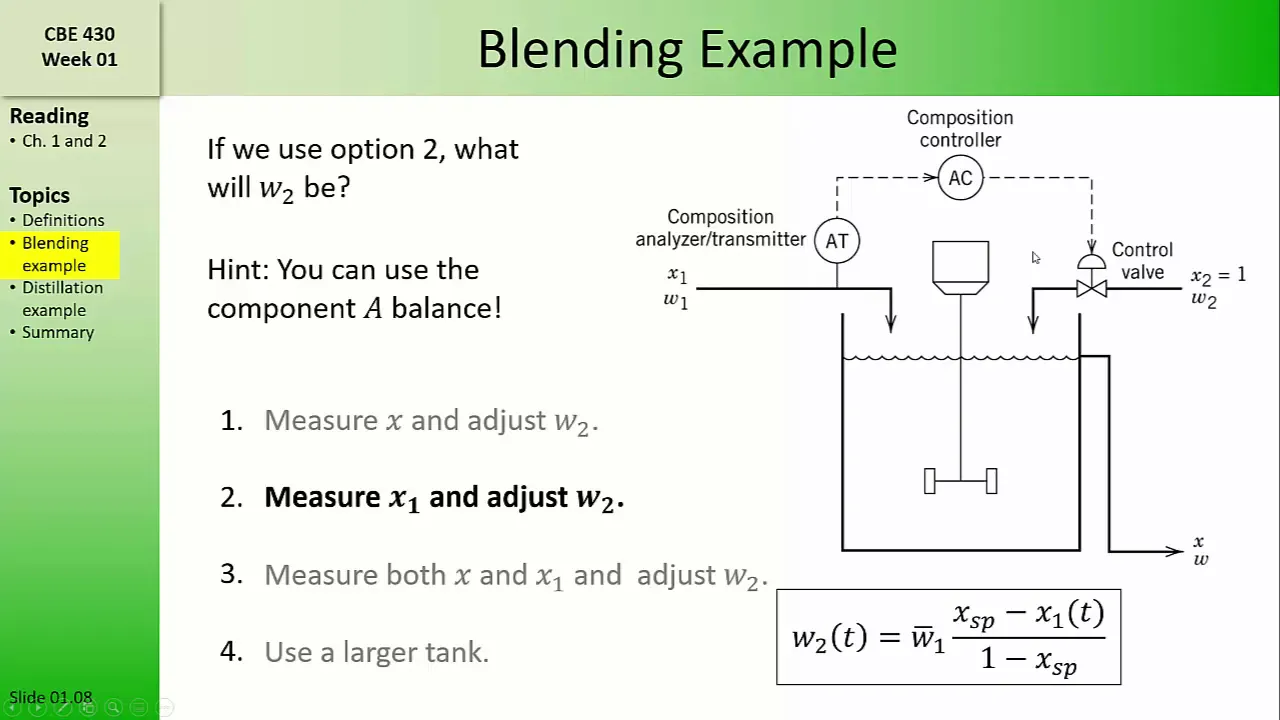
Introduction to mathematical modeling of bioprocesses, such as ordinary differential equations used to describe cell growth and substrate consumption.
Advanced Model Predictive Control (MPC) design and reinforcement learning applications in real-time bioprocess optimization.
Scale-up engineering challenges of photobioreactors, transitioning from laboratory-scale systems to industrial-scale open ponds or closed systems.
Downstream processing technologies for microalgae, including harvesting, dewatering, and extraction of high-value bioproducts or biofuels.
Techno-economic analysis (TEA) and Life Cycle Assessment (LCA) to evaluate the economic viability and environmental footprint of microalgae biorefineries.
148 views1likes9:38Original Release: 2024-11-27
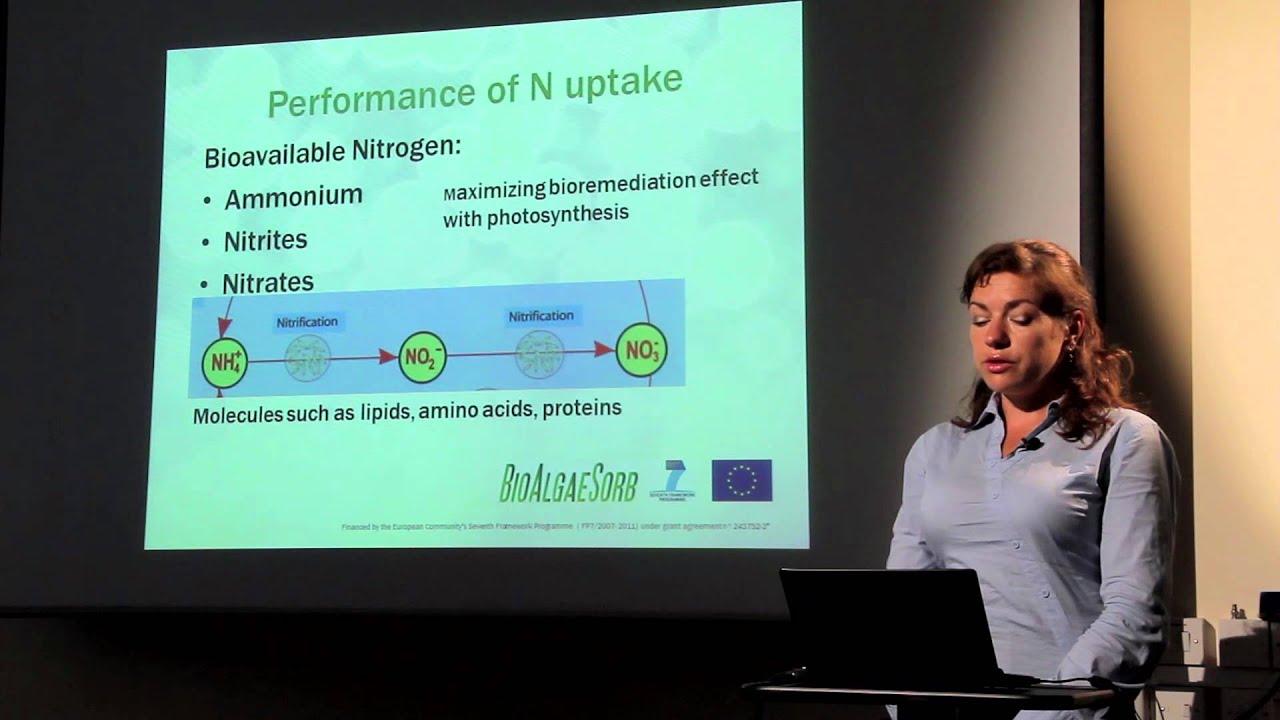
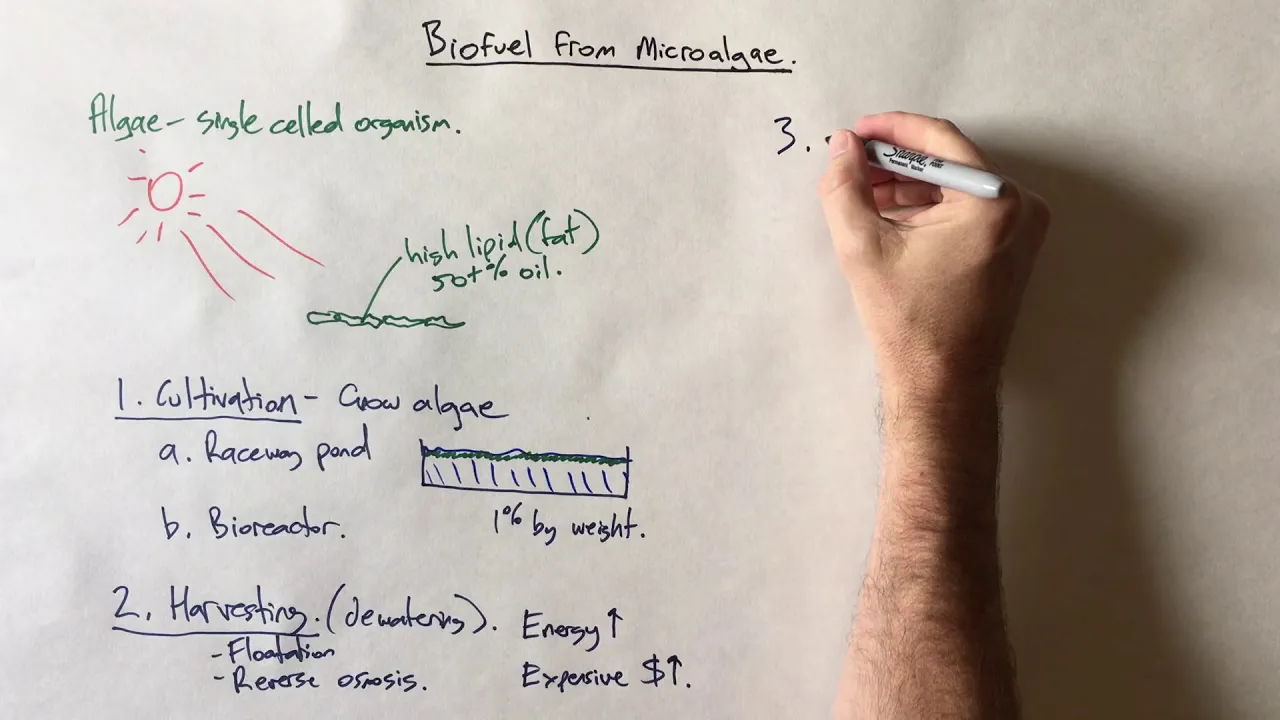
okay thank you uh I'm a PhD student at the University of braia as in s and I'm under the guidance of Professor Antonio violi and I'm collaborating with Professor Jose Luis gulman from the University of alaria where my physical project is located the outline of this presentation is the second so I will give a brief introduction about the situation where my project is located then I will describe the micro as a solution and finally I will deliver uh my research activities such as objectives current state of networ and future work so the last few decades has come along with fast population growth intensive urbanization and a significant increase in the use of fossil fuels these aspects have brought a great advance in the quality of life such as the availability of electricity in every every home but also major problems that Society must address as soon as possible this include mainly water pollution due to population growth air pollution due to increase of industrialization and finally climate change micro is a solution that can tackle both of the problem so a water pollution and air pollution because they have the possib they are microorganism they that they have the possibility to um grow and absorb the nutrients which are nitrogen phosphorus and carbon that in our case nitrogen and phosphorus are also the main substances present in waste water instead carbon can be taken from the carbon dioxide which is the main character of the global warming they needs also energy for grow and they use the solar energy since they are photosynthetic um organism they have two main products of this process which are the purified water and the biomass the biomass can order further use in pharmaceutic by Fuel fertilizer or even food for animals or human some study show that the microalgae has an efficiency of purified water between 60 and 90% And also they can fix up to 1.83 kilogram of CO2 per kilogram of biomass so making them a suitable solution in general the micro to grow needs bi reactors and as shown in the literature they can be divided in two main bya two main families close and open Pond the main difference between close and open ponds are the fact that in the close one there is a physical barrier between the environment and the micro Alia and instead in the open one there is no barrier the closed tubular Biore reactor are shown in the figure are usually composed of interconnected pipes where the fluid and the micral flow and take the it take place the um the biomass production usually they are used in order to produce substances that are needed for pharmaceutic um use and where the there is the need to avoid the external agent contamination instead in the open Pond are just pool filled with water and micro algia and let them circulate inside the pool and in this case they can be used for example for wastewater treatment or biofuel production or even fertilizer production in this case there is not the need of avoiding contamination there is also a final aspect to take into account which is the cost of the two solution the first one has a high maintenance cost instead the second one is very cheap in our case we decide to use a Raceway by reactor which is an open Pond by reactor because we want to address the wastewater treatment and the biofuel production and in this scheme is shown how Raceway by reactor is composed so on the left we have the waste water CO2 and air which are the income inside the bioreactor and the the waste water and the CO2 Supply the nutrients for the micro instead air is used in order to decrease the oxygen level inside the medium due to the photosynthesis process of the micro that produce oxygen then on the top we have the environmental agent since it's a open Pond we have for example the sunlight the rain or even external by m microorganism in the right we have the outcome of this process which are biomass and purified water and in the bottom we have the uh four main variables usually measured in a Raceway by reactor which are pH dissolve oxygen the concentration of biomass and temperature these four variable are the main variable that that influence the biomass production in the literature we see that the there are modeling um techniques and they can be divided in two main families the first principal model and the data driven model the first principle model are model that are built upon theoretical knowledge such as chemical or physical in our case and usually they show a high number of parameters and that's can be a problem due to the fact that they require a huge amount of informative data but they shown at the end a high accuracy in the description of the system instead data driven model are usually just taken from the data and they usually have a low number of parameters require not low huge number huge amount of data but they at the end represent just a low accuracy and just a local expression of this model from a control point of view the first principal model I use usually for high level control purposes and for describing the system for a long time instead the data driven model are usually used for a lowlevel control where just a local description of the model is enough in the Contra part we can also divide them in two groups which are related to the groups seen before for the modeling which because they are related each other in the low level so we have the low level and the high level in the low level we can individuate three main control loops which are pH which is mainly controlled by CO2 dissolve oxygen which is controlled by air and temperature which can be controlled by a heater so they heat obviously they are correlated to each other but these are the main control variable that we have to control them and instead in the high level part we have the biomass production in order to be maximized because if we maximize the biomass production we will have also the maximization of the water purification and CO2 fixation the objective for our work is to maximize the biomass production and so in order to do that we have to start first start from the lowlevel control so controlling the ph and the dissolve oxygen then we can move to the hierarchical optimization that take into account the maximization of the biomass production but in our case we are working with industrial scale um bi reactor and so we have also to take into account the economic part of this system because the bio producted can be sold and also the system itself has some cost of Maintenance and so we have to find a tradeoff between the cost and the and the economic benefit of the biomass production we firstly start to identify the model in order to obtain a model to uh control the system and so we Define a new experiment design model that take three main concept in persistent excitation maximization of the operating point because the system is nonlinear and constrain ensuring because our system has to work for example for the pH in a certain limit for example in this case of the strain that we are using is between seven and nine and so we have to ensure it furthermore we are working on a block oriented model predictive control which is using a block orienting model in order to describe the system in a local area because we are on the lowlevel part and we are using more precisely a Viner model which has a linear Dynamic and nonlinear uh a nonlinear static and so we are controlling the ph and the dissolve oxygen with CO2 and air our future work is to consider the nonlinearity as a linear time variant model and to develop an Adaptive model predictive control in order to adapt the model Through Time thank you for your attention
Up Next

3:52
Four Forces of Flight Explained for Elementary Students
@tcosgrove6056
1.5K views•2020-04-14
30:32
Ultrasonic Transducers: Resonant Frequency Measurement and Horn Design
@imajeenyus42
229.9K views•2017-02-22
54:16
Polymer Environmental Degradation: Mechanisms & Stabilization
@iit
1.8K views•2012-07-10
33:39
How a Student's Question Saved a NYC Skyscraper from Collapse
@veritasium
22.8M views•2025-04-26
Related Study Plans & Knowledge Roadmaps
Structured learning paths in Engineering
engineering
Building Acoustic Levitators: Physics & Arduino
01The Physics of Sound and Standing Waves
02Piezoelectric Transducers and H-Bridge Drivers
03Arduino Programming: Generating 40 kHz Signals
+ 2 more learning modules
14h5 modules
Explore Roadmap
engineering
Building Peltier Cloud Chambers: Particle Tracks
01Cosmic Rays & Cloud Chamber Physics
02Thermoelectric Cooling (TEC) Fundamentals
03Custom Liquid-Cooling Loop Design
+ 2 more learning modules
18h5 modules
Explore Roadmap
engineering
Yagi-Uda Antennas: Modeling, Build & VNA Test
01Introduction to RF and Antenna Fundamentals
02Yagi-Uda Antenna Design Principles
03Antenna Modeling and Simulation in 4NEC2
+ 2 more learning modules
18h5 modules
Explore Roadmap
engineering
ECG Monitor Design: Op-Amps, Filters & Noise
01Electronics & Breadboard Basics
02Op-Amps and Instrumentation Amplifiers
03Bioelectricity and ECG Fundamentals
+ 2 more learning modules
18h5 modules
Explore Roadmap