




![Harmonia Quartal Pt.2 - Modos e "Pentatônicas Quartais" [AULA-PAPO]](https://i.ytimg.com/vi/7GmraBrs6Fc/maxresdefault.jpg)






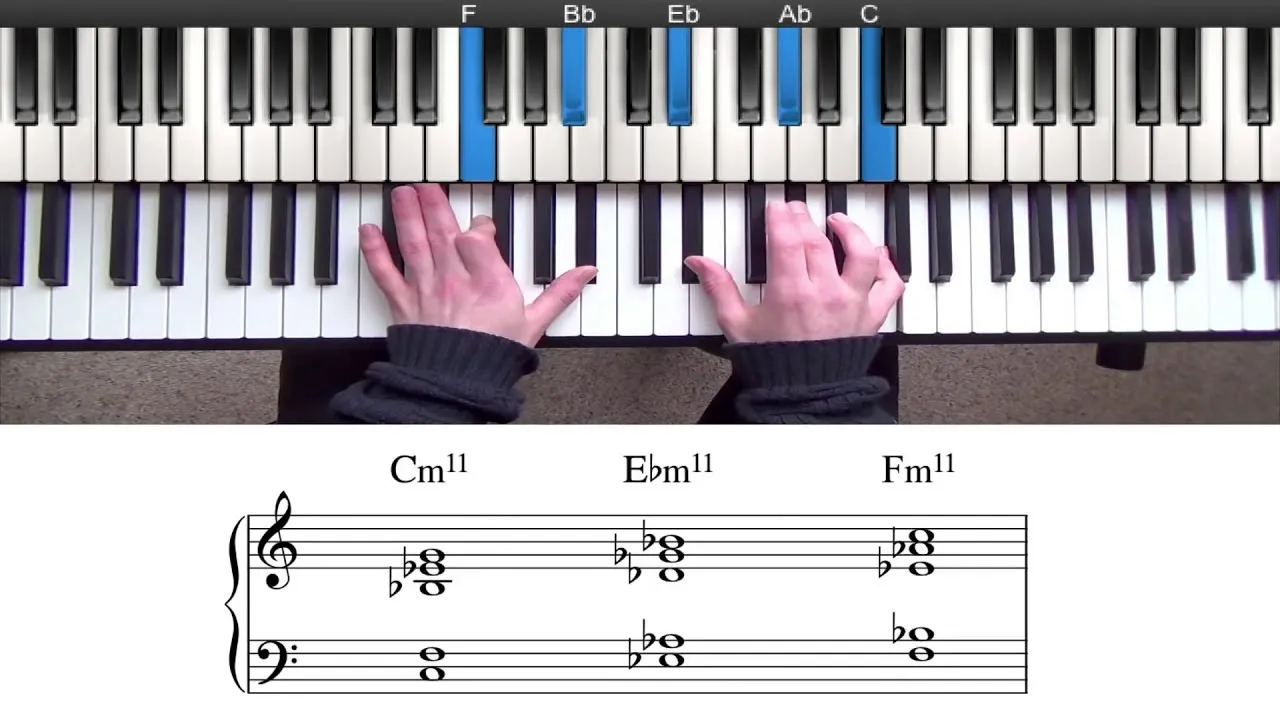

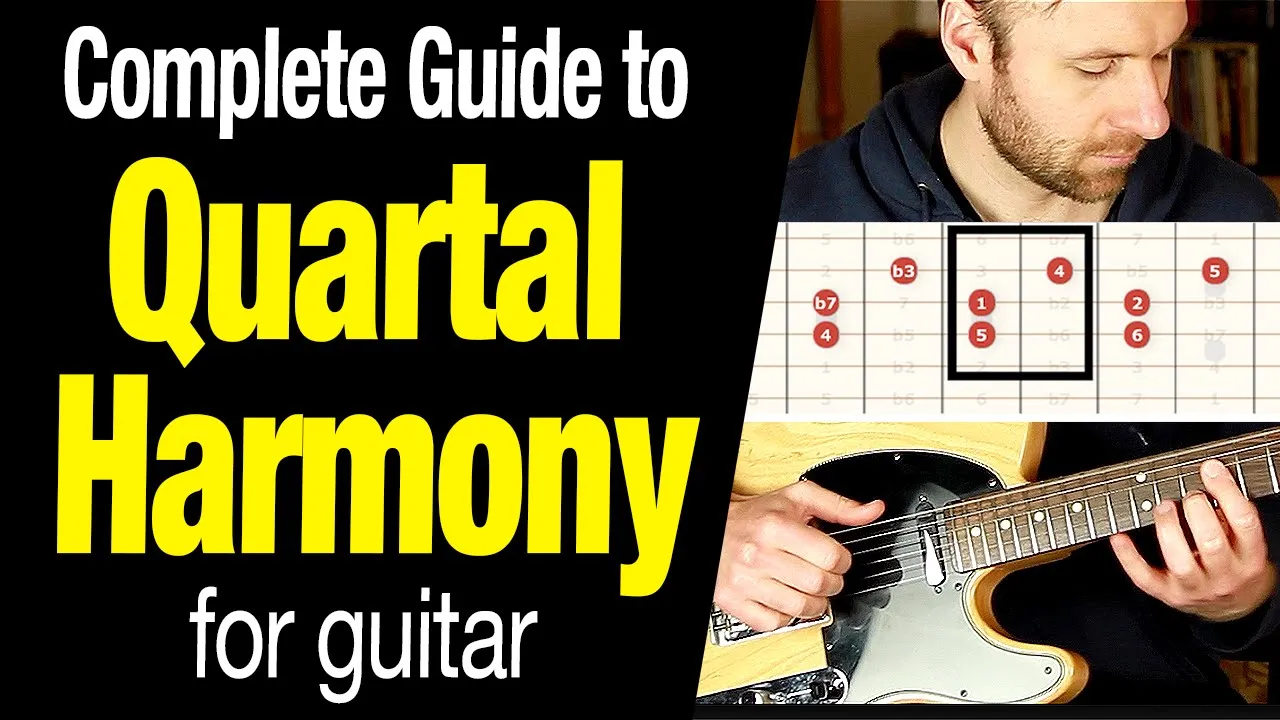

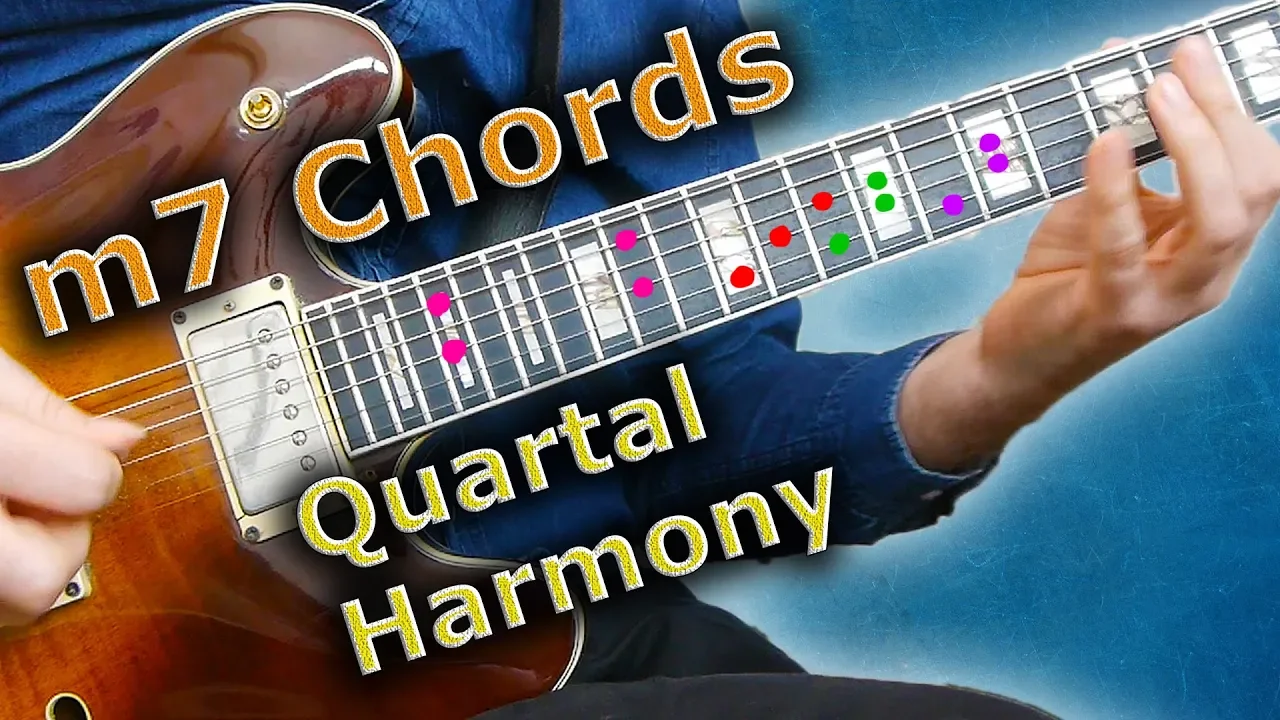





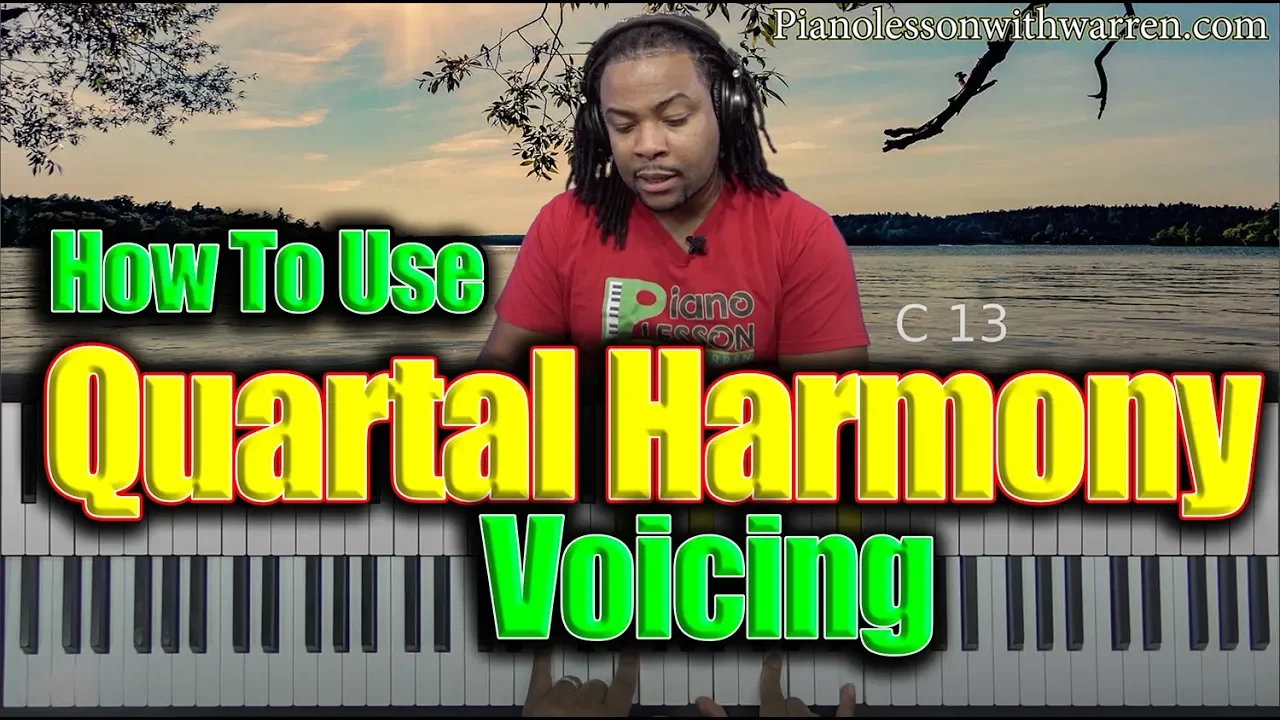
Quartal chord voicings are sophisticated jazz piano techniques that build chords using intervals of fourths rather than traditional thirds, creating ambiguous suspended sounds that float without resolving; these voicings typically use five notes (though can be modified to 3-6 notes) and are played in the middle register, with common generic voicings including major (C69, Cmaj9), minor (Em11), and dominant (G9, G13) forms, where the left hand often plays the tritone between the third and seventh, and the voicings can be analyzed by identifying which avoid notes are excluded from the key.
Quartal Chord Voicings for Jazz Piano | PianoGroove.com
Added:Understanding of basic tertian harmony, specifically how standard triads and seventh chords are constructed using intervals of thirds.
Ability to quickly identify and play intervals of perfect fourths (P4) and augmented fourths (tritones) across the piano keyboard.
Familiarity with diatonic scales and modes, particularly the Dorian mode, as quartal harmony is deeply rooted in modal jazz.
Basic knowledge of jazz piano comping standards, such as rootless voicings and guide-tone techniques.
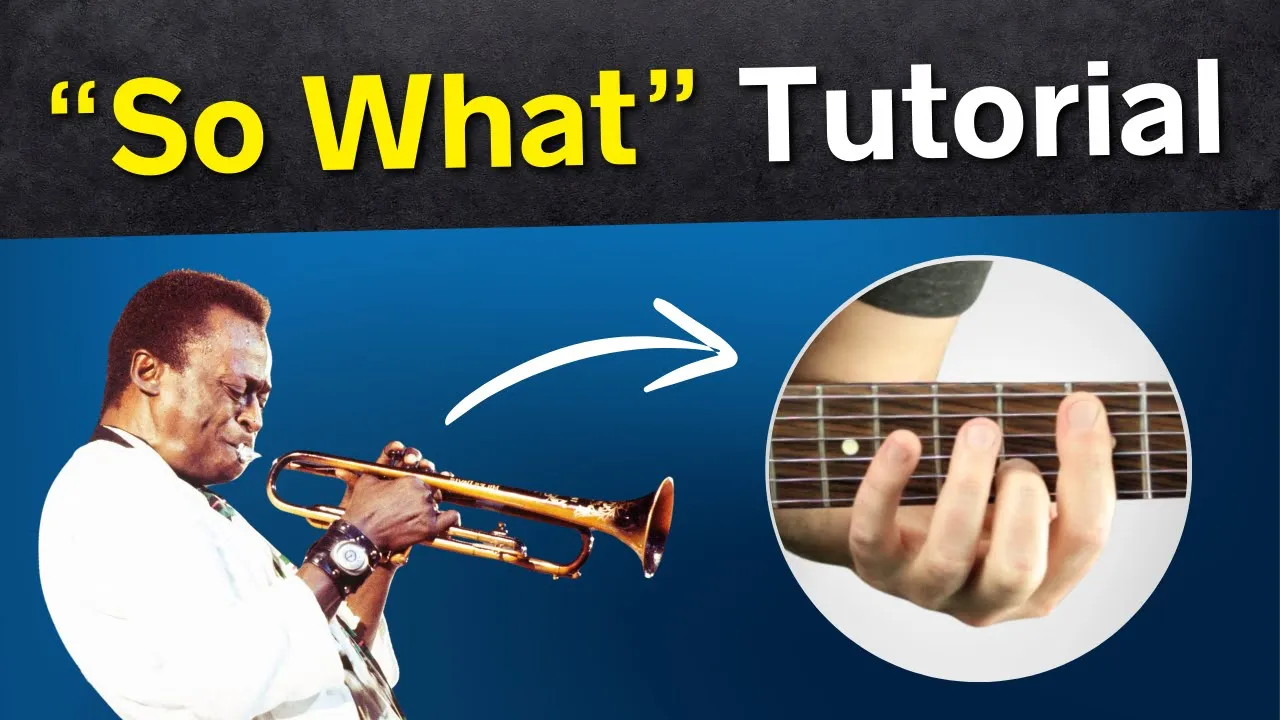
Mastery of the iconic 'So What' voicing structure, which combines fourth intervals with a major third.
Application of quartal comping over modal jazz standards such as Herbie Hancock's 'Maiden Voyage' or Miles Davis's 'So What'.
Combining quartal harmony with pentatonic scales to develop the powerful, modern improvisational style popularized by McCoy Tyner.
Using planing (parallel movement) and chromatic 'side-slipping' to create modern tension and resolution during solos and accompaniment.
58.6K views1.4Klikes17:36Original Release: 2016-03-26
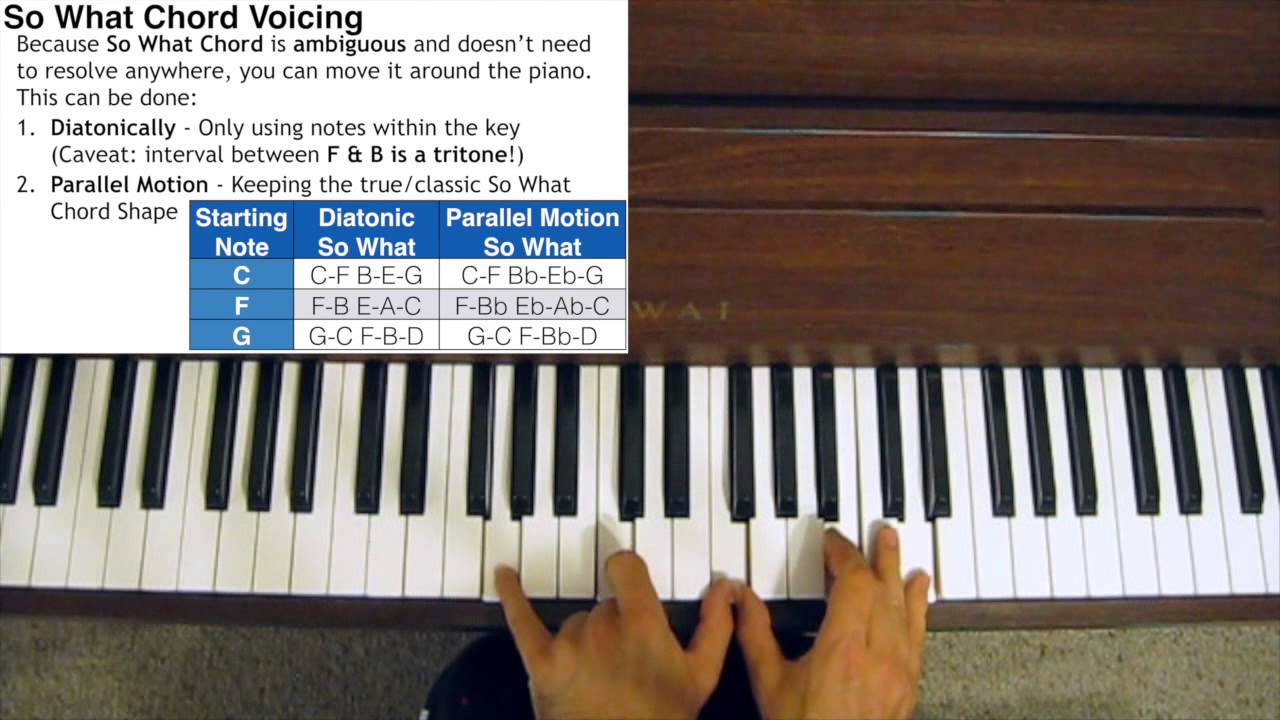
hi guys so in this lesson we're going to be discussing the quartal chord voicing which is essentially just building up a chord in intervals of fourths rather than thirds now today playing a chord built up only in intervals of thirds that is just stacked thirds is considered rather old-fashioned and simplistic whereas building up a chord in intervals of fourths is considered much more sophisticated and produces a much more modern sound Now chords built up in fourths are much more ambiguous and they have a very suspended or sus chord feel which means they don't really sound like they want to resolve anywhere they kind of kind of just float there right that that chord doesn't really feel like it needs to go anywhere in the way that a dominant chord built up in thirds really wants to go and resolve to the tonic and as I just mentioned a qual chord is very ambiguous and it can be a number of different chords at once and I'll go through what some of those chords are in a bit so now even though we're building up a chord in intervals of fourths we can still Analyze That chord like any other regular chord just using sort of our standard Harmony and sort of theory now the standard quartal chord voicing consists of five notes however this can be dropped down to four or even three or increased to six and generally quartal chords are played sort of in the middle register of the piano if they get too low they get a bit muddy or too high they get sort of a bit weak and a bit sort of twinkly now to show you this ambiguity let's build up a quartal chord beginning on the note E and just going up in intervals of perfect fourths so we go e a d g c now this chord can be a c69 F major 13 a minor 11 D sus 9 or B flat major 13 sharp 11 and that's what I mean when I say that quartal chords are ambiguous this one cord because of the way that it's structured the suspended feel that it gives and the notes that it that it's using um it can be each of these five chords depending on context so depending on the proceeding and the following chords and the sort of the key that you're in now the other interesting thing to note about a five note quartal chord voicing like we have here um is that if we play the first inversion of this chord so we take the bass notes and we move it up to the top we have a so what chord voicing and I've got a completely separate lesson on soat chord voicings and so in effect they're really the same chord just one's in inversion of the other so everything I said in the so what cord lesson um is applicable here as well just one inversion down now even though there is this sort of ambiguity around qual chord voicings there are still a few sort of generic or widely used um qual voicings which I'll go through now um and so there are two major one minor and two Dom generic quartal chord voicings now if we stick to the key of C major our sort of generic chord voicings are as follows our two major ones are this which is a c69 with a root at the top then if we get rid of the root and play the B down the bottom we have a C major 9 with a fifth on top our generic minor quartal chord voicing looks like this so that's a E minor 11 with the Third on top and then our two generic dominant chords look like this the first one is a G9 and it looks like that and our second one is a G13 and it looks like this now the only thing to note is that the dominant generic quartal chord voicings are not built exclusively out of intervals of perfect fourths if we have a look for example at the first one this one here b f a d g we see that this interval is not a perfect fourth is actually a trone and this interval here is not a perfect fourth it's actually a major third however this is still considered a quartal chord voicing cuz we're sort of cheating a little bit the trone is actually an augmented fourth and the major third is actually a DI diminished fourth so one the perfect fourth but down a semitone so in that sense it's still a quartal chord voicing even though we're augmenting and diminishing that is slightly increasing and decreasing the interval of a perfect fourth and similarly in the other dominant quartal chord voicing um we've got an interval of a trone again between the F and the B now the other interesting thing to note about this sort of dominant quartal chord voicing is that the left hand always plays a trone that is uh the third and the seventh the B and the F now we're going to encounter this again when we cover a chord voicing called an upper structure which I will cover in my next lesson um but anyway that's just something to look forward to so now if we were to play a 251 in the key of C major using these generic chord voicings we could play something like this or right so that was just a two 5 1 using the generic Cal chord voicings and then another 2 5 1 using the other generic qual chord voicings now in the same way that we can walk up the dionic scale in this case in the key of C major and create a chord built in/ thirds over each of the notes so we have you know C Major D Minor E minor F major G7 and so on um we can do the same with quartal chords that is take each of the notes of the c major scale and build up chords in um intervals of fourths and then analyze those chords and the only thing you really need to note is that the interval between the B and the f is a trone whereas the interval between all the other notes um is a perfect fourth now when analyzing these quartal chord voicings the most important thing that we have to pay attention to are the avoid notes now if you don't know what they are I've got a separate video on avoid notes so you can go check that out but essentially the general rule is that when you're building quartal chord voicings if you're using only notes from a particular key for example in the key of uh C major a quartal chord voicing can be any dionic chord as long as it doesn't have that chords a void note and while not strictly necessary you get a stronger chord if you include the third and the seventh of that chord now that's quite an abstract and convoluted rule so it'll make more sense if I go through an example of what I mean so let's for example take the chord C major 7 now from the point of view of the C Maj 7 the avoid note is the F so what that rule essentially means is that any quartal chord voicing that uses only the notes from the c major scale so only the white notes and doesn't have the note f is some kind of c chord like for example we were playing this chord earlier so this uses only white notes so only the notes from the c major scale and it doesn't have the note F therefore it's some kind of c chord in this case it's a c69 whereas this this chord again only using all the white notes so that's fine but it contains the note F which is an avoid note from the point of view of C major 7 therefore it cannot be um a some kind of C major chord and generally you get a stronger sound if you include the third and the seventh of the chords so that is the E and the B so in this chord voicing we've got the third but we don't have the seventh so even though it's a c69 it's it's not a particularly strong C major sound whereas this chord voicing our second generic chord voicing has doesn't have the F again there's no F in this chord voicing so it is some kind of C major chord and we've got the B and the E the third and the seventh so that's considered a stronger C major chord or sound but of course just because it's a stronger sound doesn't mean you should favor this chord voicing over this chord voicing it's just something to keep in mind the c69 is a perfectly fine chord to use um it's just considered theoretically not as strong as the c major 9 chord voicing here so now let's quickly do the exercise of taking every note from the c major scale and building up a quartal chord from each of those notes and then just quickly analyzing it um and you can see the results here up in this pictum picture but I'll sort of run through it quickly now I'm going to use five note quartal chords to do this exercise but you could just as easily repeat it with four note and six note quartal chords but essentially what that means is that because there are seven notes in the c major scale um and we're playing Five notes quartal chords that means we will always be missing two notes and as you can see here in the pict picture I've listed those missing notes so now let's take the first chord starting from the e building up in fours um so this chord doesn't have the notes F and B that means it can be some kind of c chord and some kind of a minor chord because those avoid the avoid note is f for those chords and it can also be some kind of D minor chord because the avoid note for the D Minor is the B and so we have a c69 a D Minor 11 an A Minor 11 and an F major 13 from this chord voicing similarly we can go up and analyze the next chord um the two missing notes here are G and C so the missing notes are C so that means it can be some kind of G7 chord and some kind of B half diminished chord and in fact we see it's a G13 and a b half diminished it can also be an F major 7 Shar 11 and a D Minor 69 which is a little bit different because we've got the b in there so technically it shouldn't a D minor chord but it's an sort of altered D minor chord cuz it's a D Minor 69 but anyway that's just a little bit of an aside so then you can sort of just keep going up and doing the same exercise so starting on the Note G um that'll give us a G7 sus and an F major 7 Shar 11 starting on a gives us a D Minor 11 and an f69 on B we get a C major 13 E minor 11 B half diminished and F major 13 Shar 11 and notice up here that the avoid notes for the chord E minus 7 are f and c and this is the only chord voicing which misses both notes F and C so this is the only possible chord voicing in the key of C major that gives us the um chord E minor 11 um again moving up uh that gives us a signing on the C that gives us a G7 sus and an F major 7 sharp 11 and again starting on the d uh that gives us a G7 sus and an F major sharp 11 as well and notice that the F major or the four of the um key of C major has no AV void notes so that means that every single one of these um quartal chord voicings can be some kind of F major chord however as I noted earlier it's generally considered to be a stronger chord voicing if you include the third and the seventh of the chord so F major the third is the A and the seventh is the E so then for example if we do this last one um chord voicing here starting on the D notice that the two missing notes are the A and the E so we're missing the third and the seventh of the F major chord so that means even though it technically is an F major chord because F major has no avoid notes it's not a particularly strong um F major chord because we're missing that third and the seventh whereas the one sort of a step down beginning on the C includes both the E and the a so it's a a much more stronger F major sound um but again that doesn't mean you should favor one over the other necessarily it's all a matter of taste so now let's take these qual chord voicings and insert them into a song to see how they sound um and let's take the standard Fly Me to the [Music] [Applause] [Music] [Applause] Moon so that was Fly Me to the Moon using only quartal chord voicings and I was using voice things that had the melody note on top so for example it started on the Aus 7 with a c in the melody so I used this chord voicing then it moved down to the D Minor 7 with the F in the melody so I used this chord voicing then I went to a G7 um and I wanted to use this chord voicing with a g at the top so I waited till the melody got to that g so it went [Applause] [Music] right I waited till the melody got to the G and then I played the chord voicing and then I cheated a little bit on the uh C major 7 by playing a four note qual chord voicing with the melody note on top which is the e um and then so on through the whole song so you can perform this same exercise um with four and six note quartal voicings but I'm not going to do that here um but I did want to make mention of one particularly widely used six note quartal voicing and it's for a dominant chord and you hear it often um in blues or especially at the beginning of a blues um and it looks and sounds like this and that is a G13 so it's got the f b e a d g and so notice it's missing the note C which is the avoid note from the point of view of the G7 so tick for that um and that's a particularly sort of rich and heavy and really nice sounding and really sort of full sounding uh G7 chord or G13 chord which like I said is often used in um Blues [Music] [Applause] [Music] [Applause] [Music] [Applause] [Music] cool so that's more or less everything I wanted to cover in relation to quartal chords so in conclusion I suppose the quartal and the so what chord voicings are considered very modern cuz they use largely intervals of fourths rather than thirds and so they give it really sophisticated and nice and modern sound now in my next lesson I'm going to cover chord voicings called upper structures and these three chord voicings together quartal um so what and upper structures um make up a lot of modern jazz piano and sound really smooth when they're sort of Blended all together so you can look forward to that otherwise as always feel free to leave any questions or comments and thanks for watching see you guys
Up Next

13:06
10 Neo Soul Chords: Advanced Piano Voicings for RnB
@NoahKellman
215.8K views•2020-02-27

12:54
Triumph of Orthodoxy Icon: Byzantine Art & History Explained
@BenCallan
2.1K views•2024-08-06

9:49
FastAPI vs Flask vs Django: Choosing the Right Python Web Framework
@TechWithTim
302.5K views•2024-05-26

1:42
Game of Thrones Opening Credits: A Cinematic Analysis
@gameofthrones
46.3M views•2011-04-18
Related Study Plans & Knowledge Roadmaps
Structured learning paths in General & Interdisciplinary Studies
general-studies
Elevator Engineering: History, Physics & Cities
01From Hoists to Safety Brakes: The Dawn of Vertical Lift
02Hydraulic vs. Traction: The Engineering Physics of Elevators
03Modern Speed, Safety, and Algorithms
+ 2 more learning modules
12h5 modules
Explore Roadmap
general-studies
Rubber: Material Science, History & Geopolitics
01Origins of Natural Rubber & Mesoamerican History
02The Chemistry of Natural Rubber & Vulcanization
03The Geopolitics of the Rubber Boom & Colonization
+ 2 more learning modules
12h5 modules
Explore Roadmap
general-studies
Containerization: Evolution, Logistics & Trade
01Ancient Trade & Bulk Cargo: Amphorae to Barrels
02The Industrial Revolution & Cardboard Packaging
03The Containerization Revolution: Malcom McLean
+ 2 more learning modules
12h5 modules
Explore Roadmap
general-studies
Textile Tech: Evolution, Labor & Global Impact
01Pre-Industrial Textiles: Handloom & Cottage Industry
02Mechanization: The Spinning Jenny to the Power Loom
03The Factory System & Global Labor Transformation
+ 2 more learning modules
10h5 modules
Explore Roadmap