

![경제 교과서의 아버지 맨큐가 설명하는 합리적 선택의 비밀 [위대한 수업, 그레이트 마인즈│그레고리 맨큐]](https://i.ytimg.com/vi/WmP2OkpSAAM/maxresdefault.jpg)


![[더배움] 9급공무원 행정학개론 문제 제22강 part01 31번문제 p19](https://i.ytimg.com/vi/I89l-wVMKkk/sddefault.jpg)





![Government Intervention and Market Failure [IB Economics SL/HL]](https://i.ytimg.com/vi/yqacPyJPQJo/hqdefault.jpg)










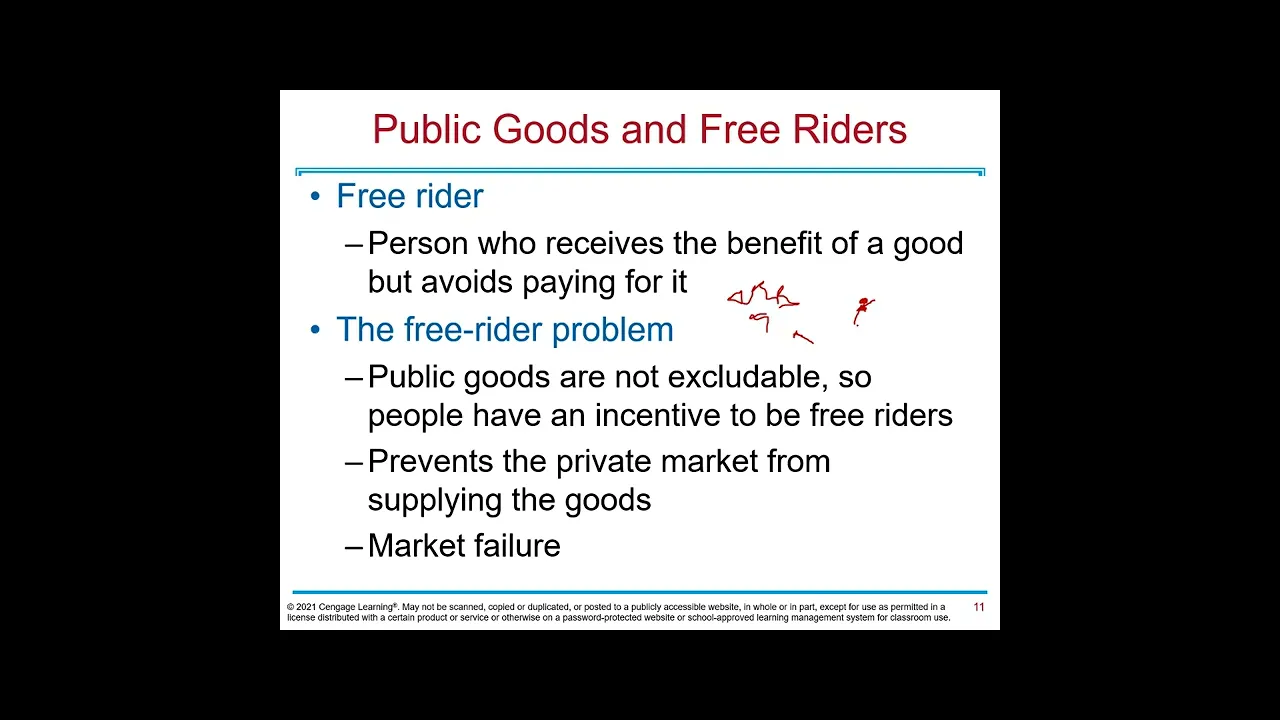
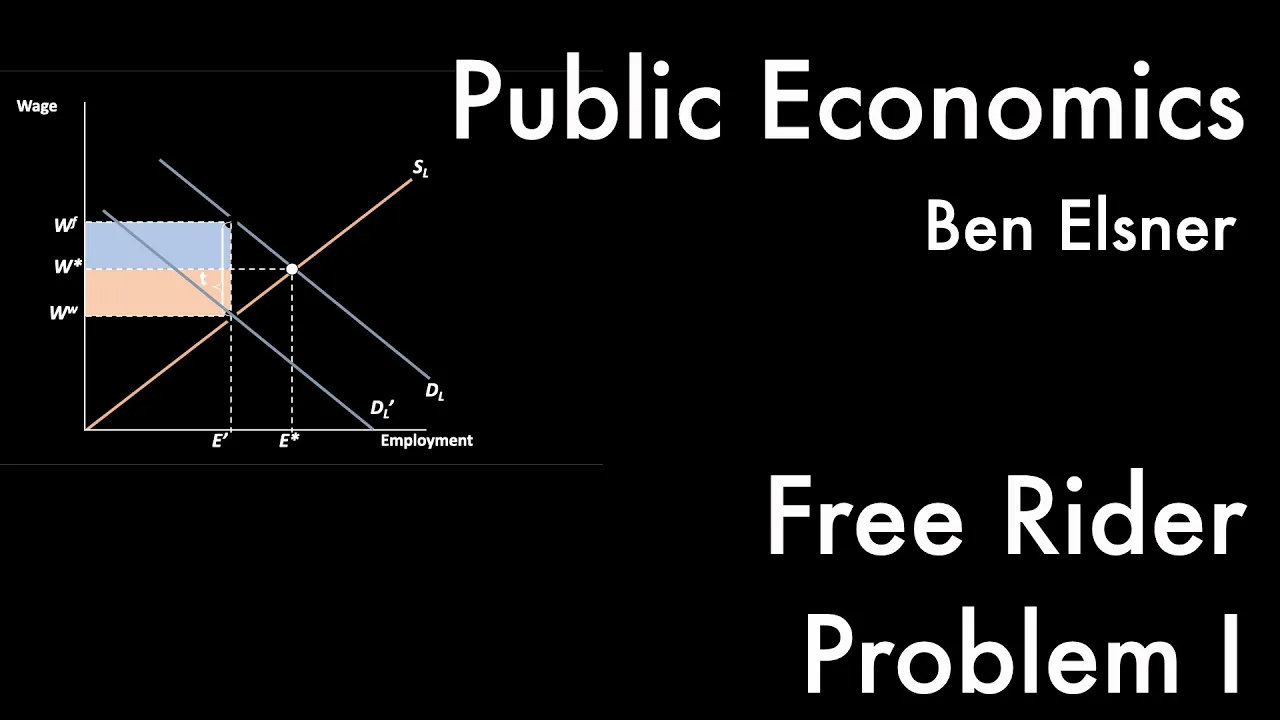
The collective action problem occurs when individuals in a group can benefit from a public good without contributing to its production, leading to free-rider behavior that undermines collective efforts; this problem arises in any situation involving public goods where non-participation doesn't exclude individuals from benefits, and it can be solved through enforcement mechanisms that impose consequences on those who refuse to comply.
Understanding the Collective Action Problem: Free Riders and Public Goods
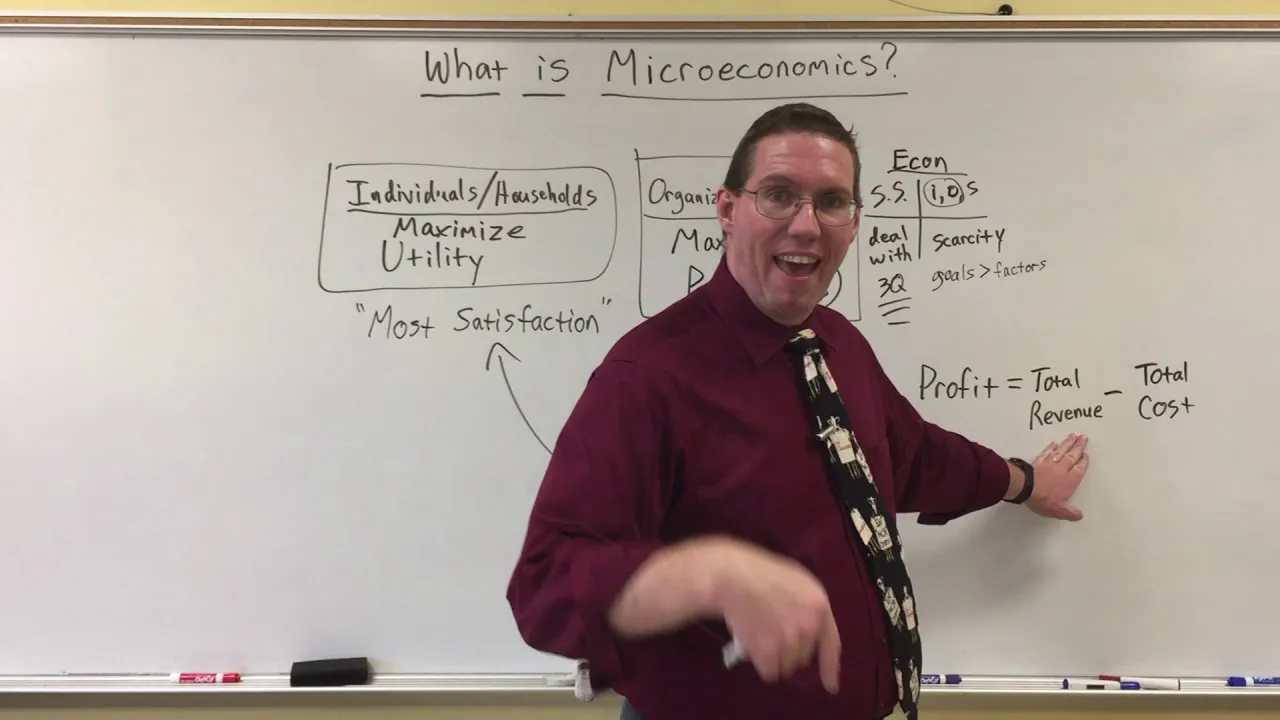
Added:Basic microeconomic principles, specifically the concepts of utility maximization and individual rational choice.
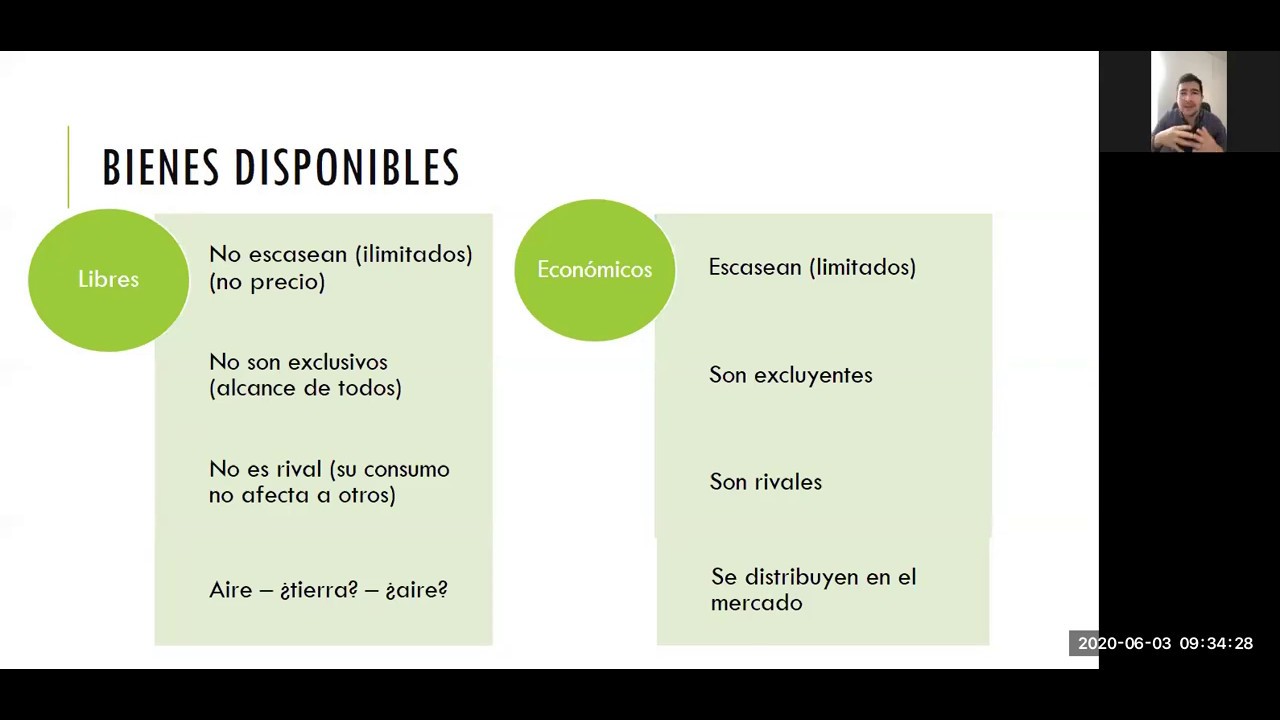
The definitions and characteristics of economic goods, particularly the concepts of 'excludability' and 'rivalry' in consumption.
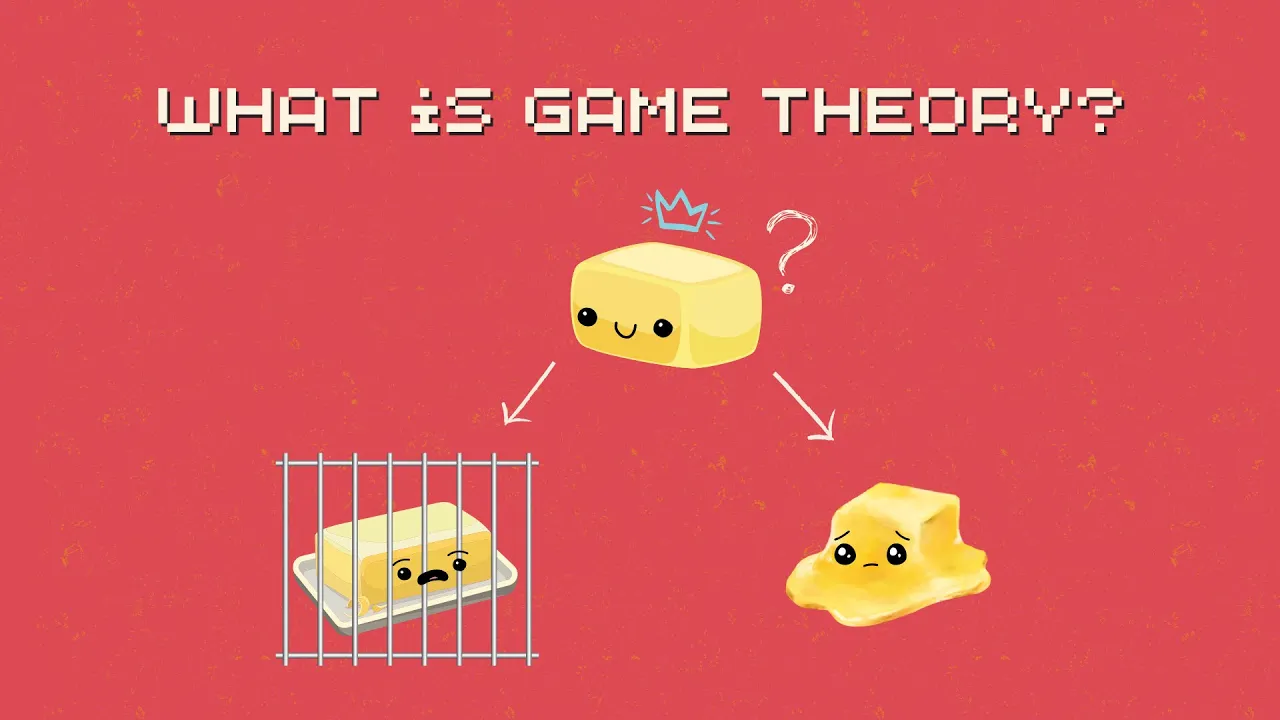
An introduction to Game Theory, particularly the classic Prisoner's Dilemma, which illustrates why rational individuals might not cooperate.
The concept of market failure and why free-market mechanisms sometimes fail to allocate resources efficiently.
The 'Tragedy of the Commons' and how collective action failures specifically impact finite, non-excludable natural resources.
Elinor Ostrom's governing the commons framework, focusing on how communities can successfully manage shared resources without state intervention.
The economics of taxation and government subsidy design as primary policy tools to fund and sustain public goods.
Analyzing global collective action problems in international relations, such as climate change agreements, global security, and pandemic response.
23.6K views268likes3:42Original Release: 2019-12-10
hello YouTube the collective-action problem freeriders and public goods when I first heard those terms I thought my professor was about to go to rant about socialism but as it turns out they're actually crucial terms that explain why politics seems to be so full of so much wasted time and effort the collective action problem begins by understanding the limits of enforcing a plan of action in relation to the fair redistribution of resources the scenario that takes place concerns a situation where the combined efforts of a group the collective provide the greatest amount of benefits for the group public goods but since some individuals have different interests they choose to not participate Free Riders encouraging defection from others and hurting the group as a whole example being a village full of 50 individuals half hunt one day while the other half rest with this system repeating every day now up the 25 hunting if an individual decided to hide and skip out they'd still get the food from the hunt as no one would be certain that they skipped out and let's say their friend finds out probably pretty miffed that they've been hunting and receiving the same amount of food as their friend so they to decide to drop out of the hunt you see the problem here if this trend continues more people will opt out of the hunt until eventually you'll only have a small group of villagers hunting this leaves them with limited resources to complete the hunt eventually resulting in the death of the village due to casualties from the hunters or from the famine that will arise from a lack thereof what this demonstrates is in the name itself we have the collective working towards a common goal and the action problem where Free Riders can choose to forego action yet still reap the public goods undoubtedly a problem for those who want the group to do well but are stuck with individuals who do not this problem extends to the real world with other things such as voting climate change reform and group projects where some people may choose to not give their full effort yet still receive the benefits from the efforts of others now in what circumstances does the collective action problem apply pretty much any scenario with public goods goods that are the result of the collective but do not require someone to participate to get those benefits and a lack of punished or freeriders a-holes who choose to divest from the interests of the group but still reap the benefits are there any solutions you ask well what we need is an enforcer so no can ensure that those who refuse to comply face the consequences of doing so in the village example this could be an elder who ensures that of the 50 people all of them are going with the group to hunt if someone is found to have skipped they are exiled from the group this ensures that individuals do not feel that they can skip out and still retain the benefits due to a threat over a prolonged period of time in our real life examples the solutions are seen as jail time in Australia if someone does not vote massive fines for failing to meet climate change quotas and countries such as Norway and in university the literal threat of violence I swear some professors won't do so we have to bring a bat in and no no wait no don't do that but you get my point consequences over a period of time are the solution to the collective-action problem in conclusion a collective action problem is one where the group can achieve goals but not everyone must participate to receive those benefits resulting in Free Riders taking the benefits in the form of public goods to men this one must add a set of consequences to ensure compliance thank you kindly for listening I know it's been a while but I have some cool videos coming up on the prisoner's dilemma and game theory next this has been what the politics peace
Up Next
10:03
How the United Nations Actually Works: History & Structure Explained
@TLDRnewsGLOBAL
578.7K views•2022-01-13

24:30
BRICS Pay and de-dollarization: A New Financial Order Emerges? | 55 chars
@DannyHaiphongYT
164.6K views•2024-10-22

7:33
Government Surveillance Methods: 10 Ways You May Be Watched
@BeAmazed
1.6M views•2017-04-09
10:19
Explaining the Saudi-Iranian Proxy Conflict in the Middle East
@Vox
18.2M views•2017-07-17
Related Study Plans & Knowledge Roadmaps
Structured learning paths in Political Science
political-science
Economic Statecraft: Sanctions & Chokepoints
01Foundations of Geoeconomics and Economic Statecraft
02The Mechanics of Weaponized Interdependence
03International Sanctions: Types, Implementation, and Efficacy
+ 2 more learning modules
12h5 modules
Explore Roadmap
political-science
Central Bank Independence: Politics & Policy
01Foundations of Central Banking and Monetary Policy
02The Time Inconsistency Problem & Inflation Bias
03The Delegation Model and Designing Independence
+ 2 more learning modules
12h5 modules
Explore Roadmap
political-science
Consociationalism: Power-Sharing & Stability
01Democratic Dilemmas in Divided Societies
02Introduction to Consociational Democracy
03The Four Pillars of Consociational Design
+ 2 more learning modules
12h5 modules
Explore Roadmap
political-science
Rebel Governance: Legitimacy, Economy & State
01Foundations of Rebel Governance and Statehood
02Establishing Political Legitimacy and the Rebel Social Contract
03Wartime Economies and Rebel Resource Management
+ 2 more learning modules
14h5 modules
Explore Roadmap