


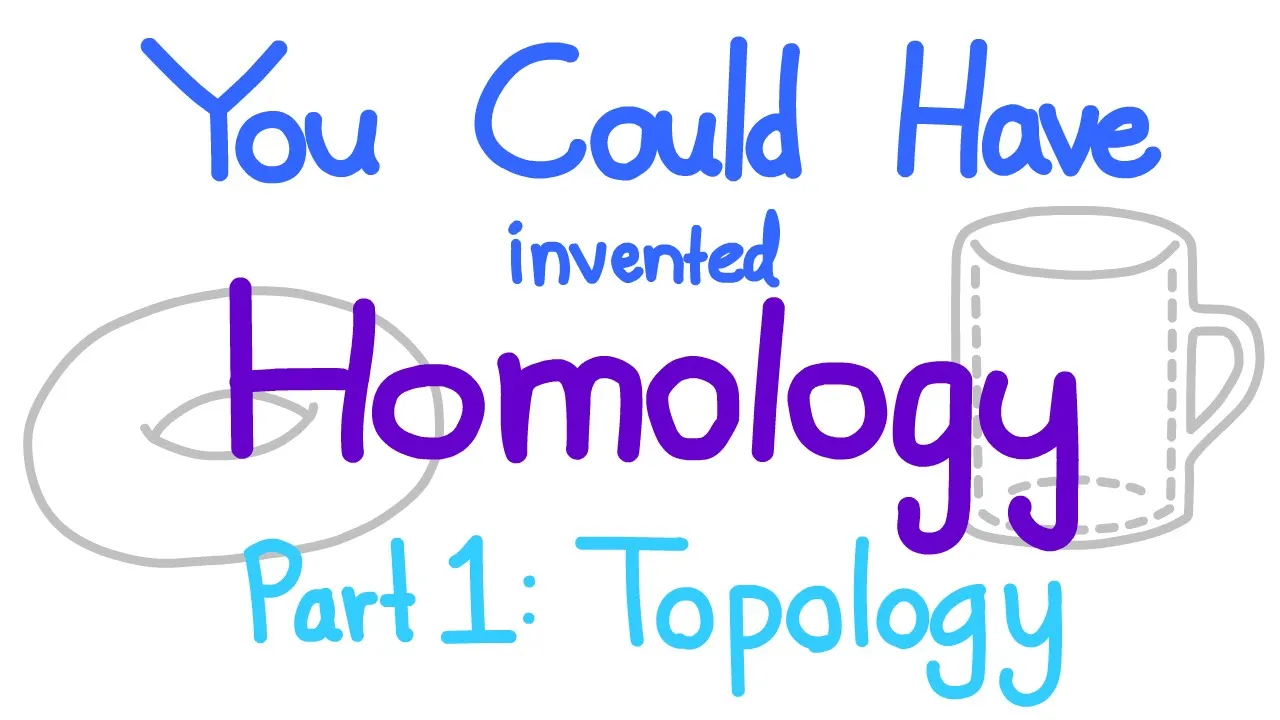










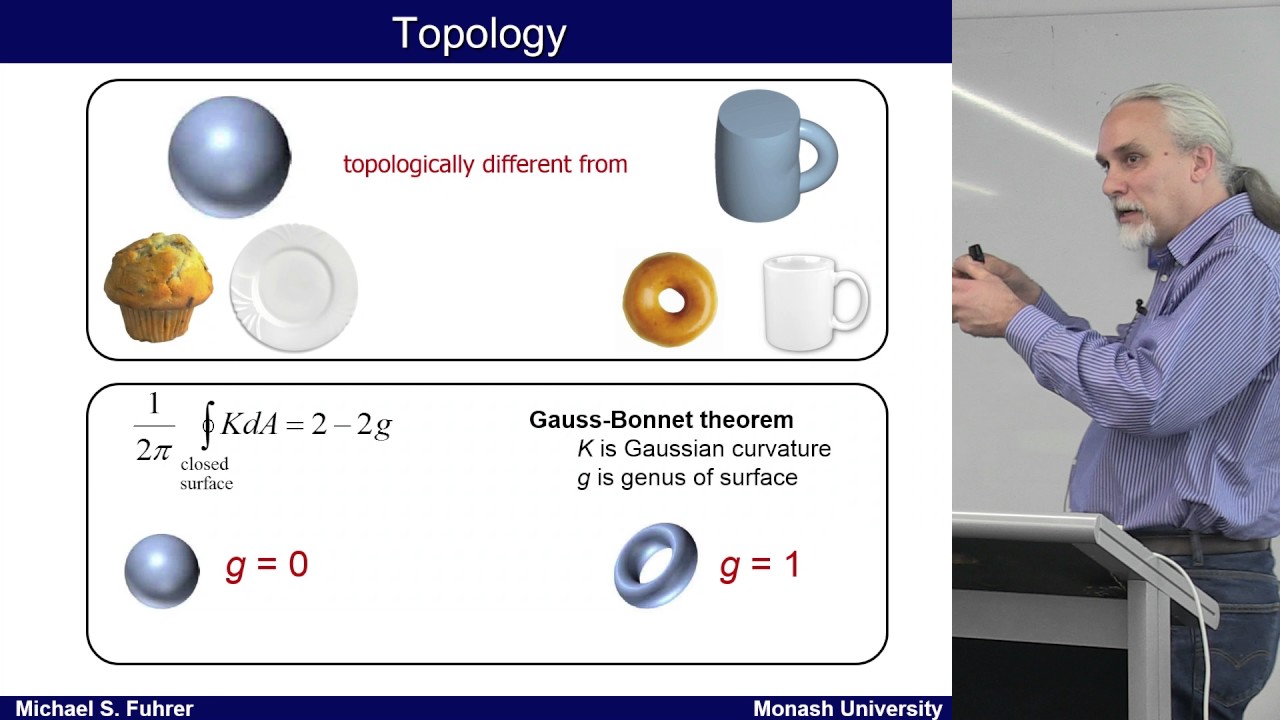







Topology is a branch of mathematics that studies shapes by treating them as if they are made of infinitely stretchable rubber, allowing continuous deformations like stretching, twisting, and bending without tearing or gluing; unlike geometry which focuses on precise measurements like lengths and angles, topology considers two shapes equivalent if one can be transformed into the other through such deformations, making a donut and a coffee cup topologically identical because both have exactly one hole, while distinguishing them from a pie plate which has no holes.
What is Topology? An Introduction to Rubber-Sheet Geometry
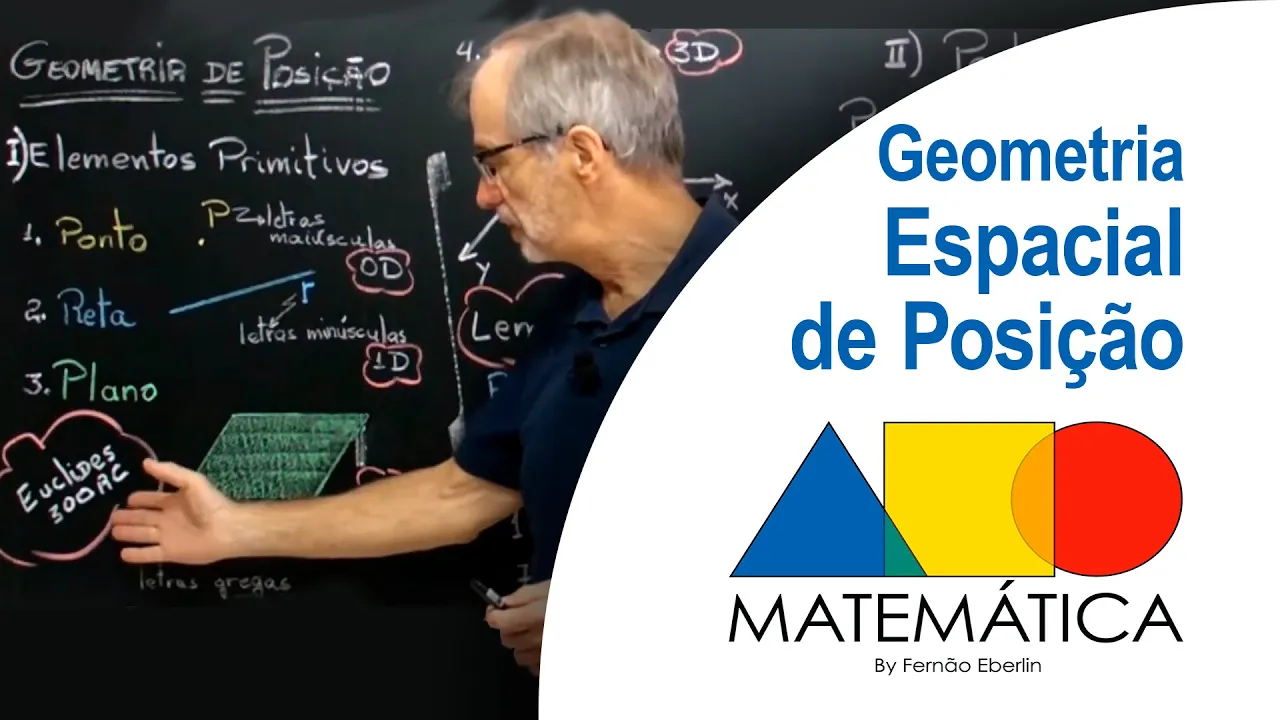
Added:Basic Euclidean Geometry: Familiarity with standard geometric concepts such as distance, angles, shapes, and congruence to contrast with topological transformations.
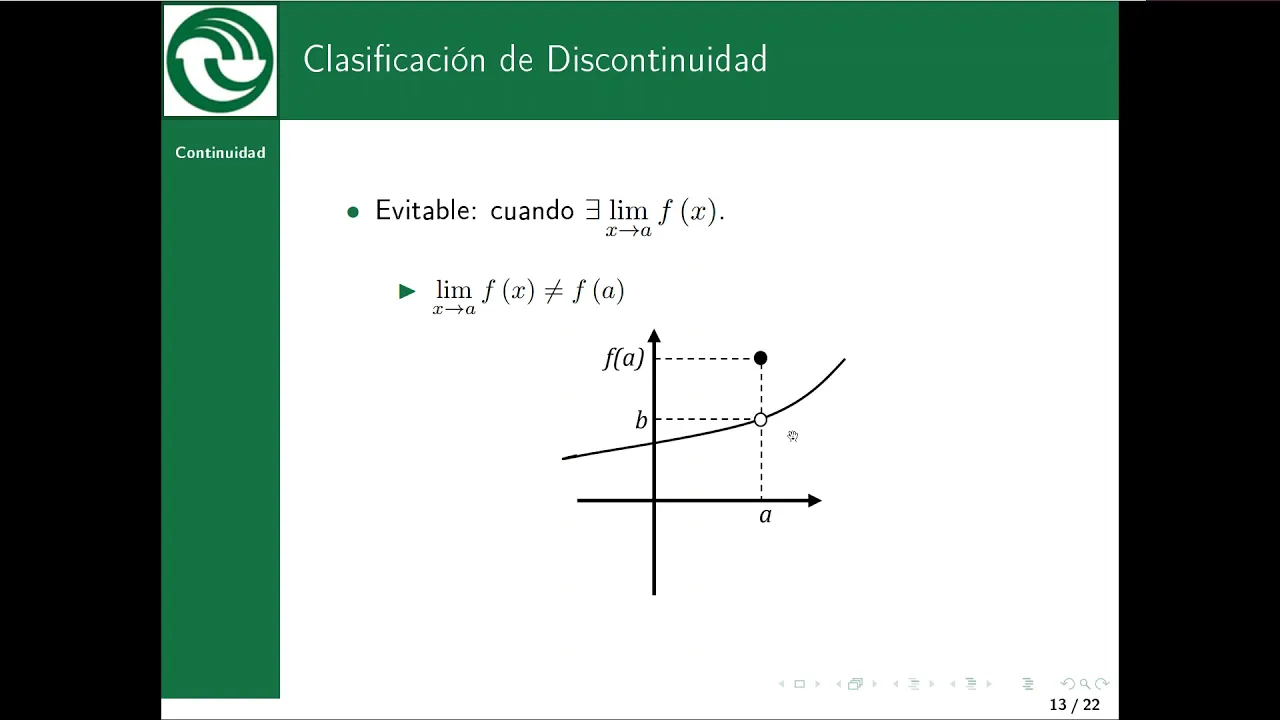
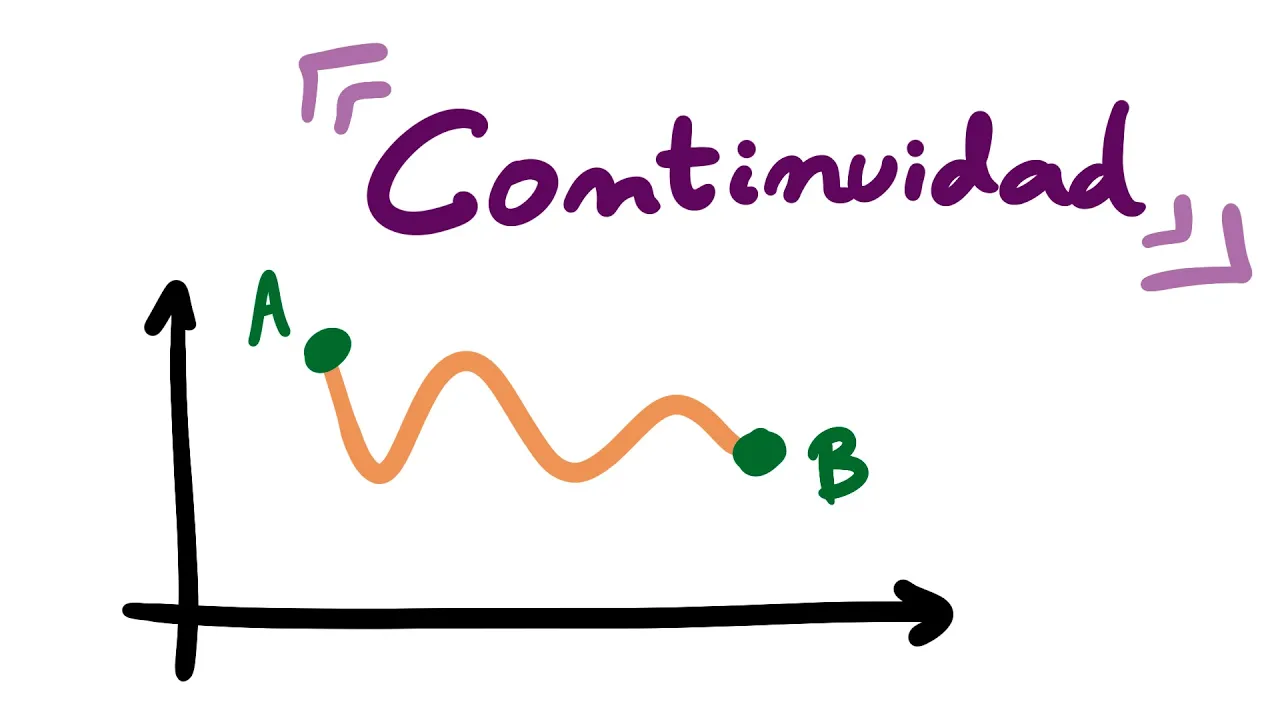
The Intuitive Concept of Continuity: An understanding of what it means for a curve or a process to be continuous, without sudden breaks, tears, or jumps.
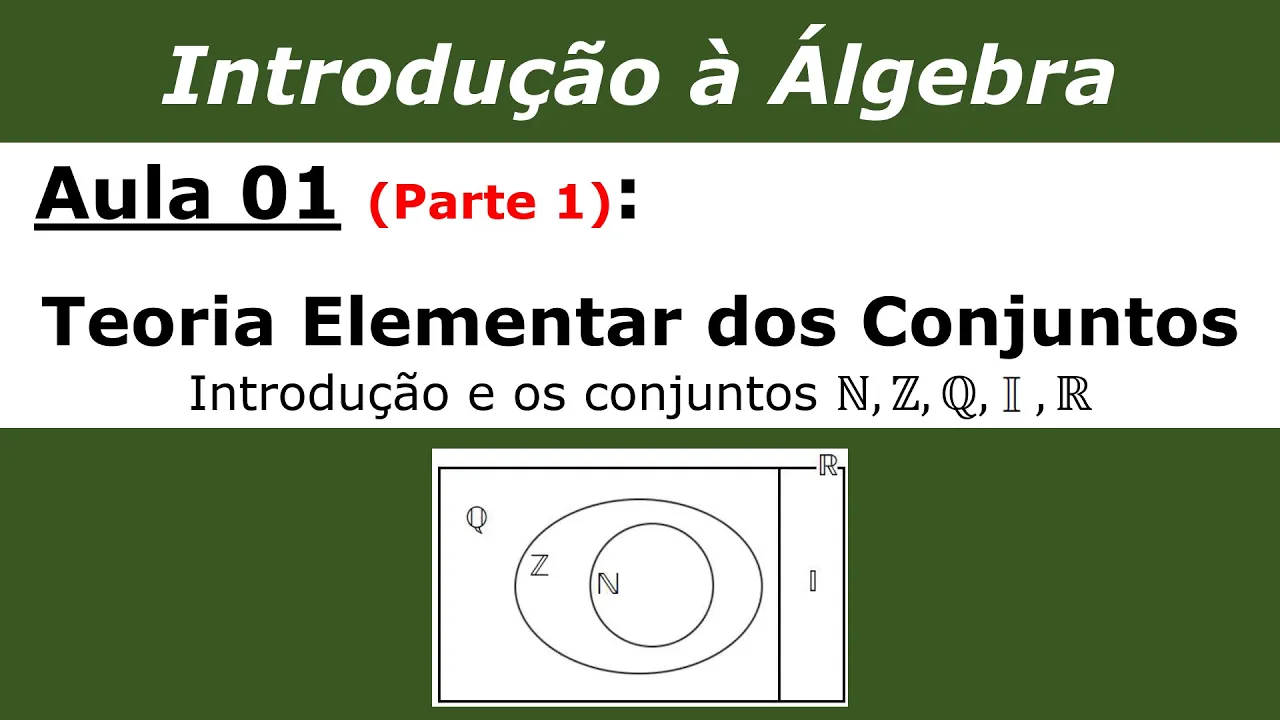
Elementary Set Theory: Basic familiarity with sets, subsets, and the concept of mapping elements from one mathematical set to another.
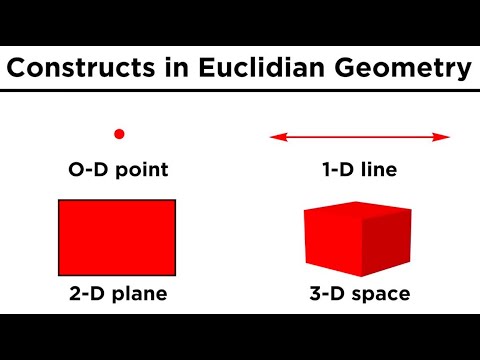
Dimensionality: The ability to distinguish between one-dimensional lines, two-dimensional surfaces, and three-dimensional spaces.
Homeomorphisms: Formally defining topological equivalence through bijective, continuous functions that have continuous inverses.
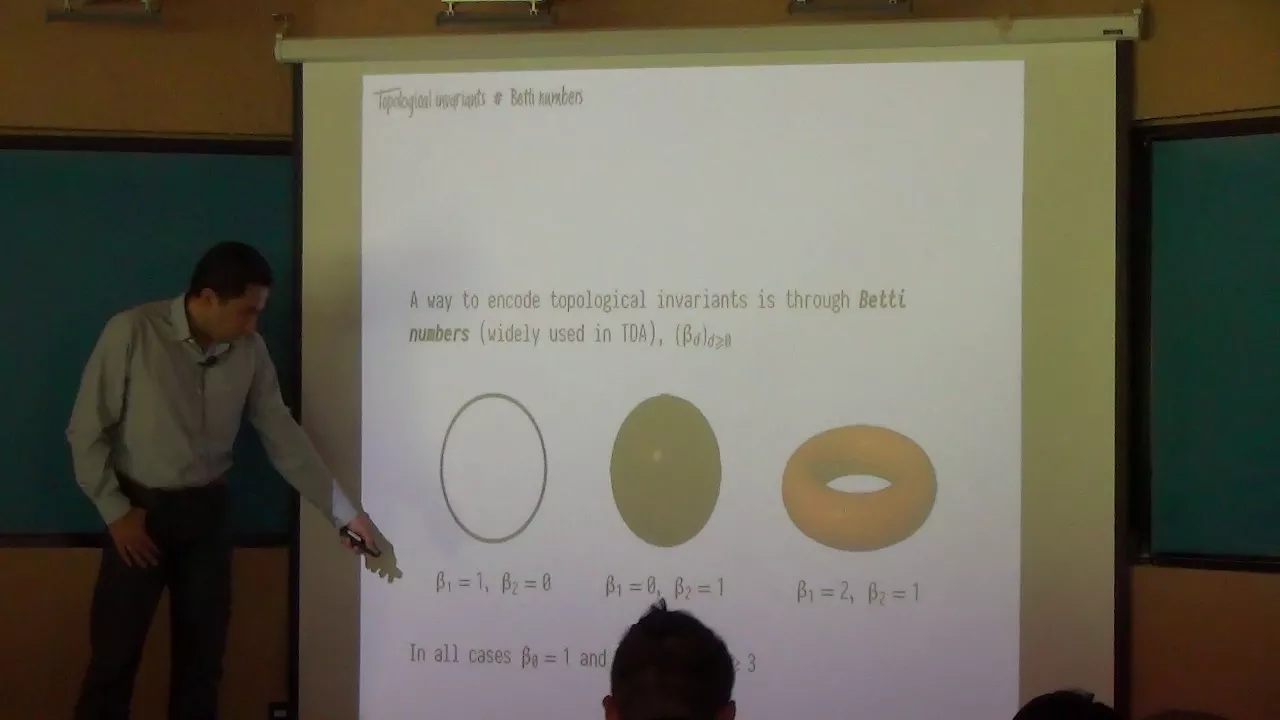
Topological Invariants: Investigating properties that remain unchanged under continuous deformation, such as the Euler Characteristic, genus, and Betti numbers.
Point-Set Topology: Transitioning from visual analogies to rigorous mathematical definitions of open sets, closed sets, limit points, and metric spaces.
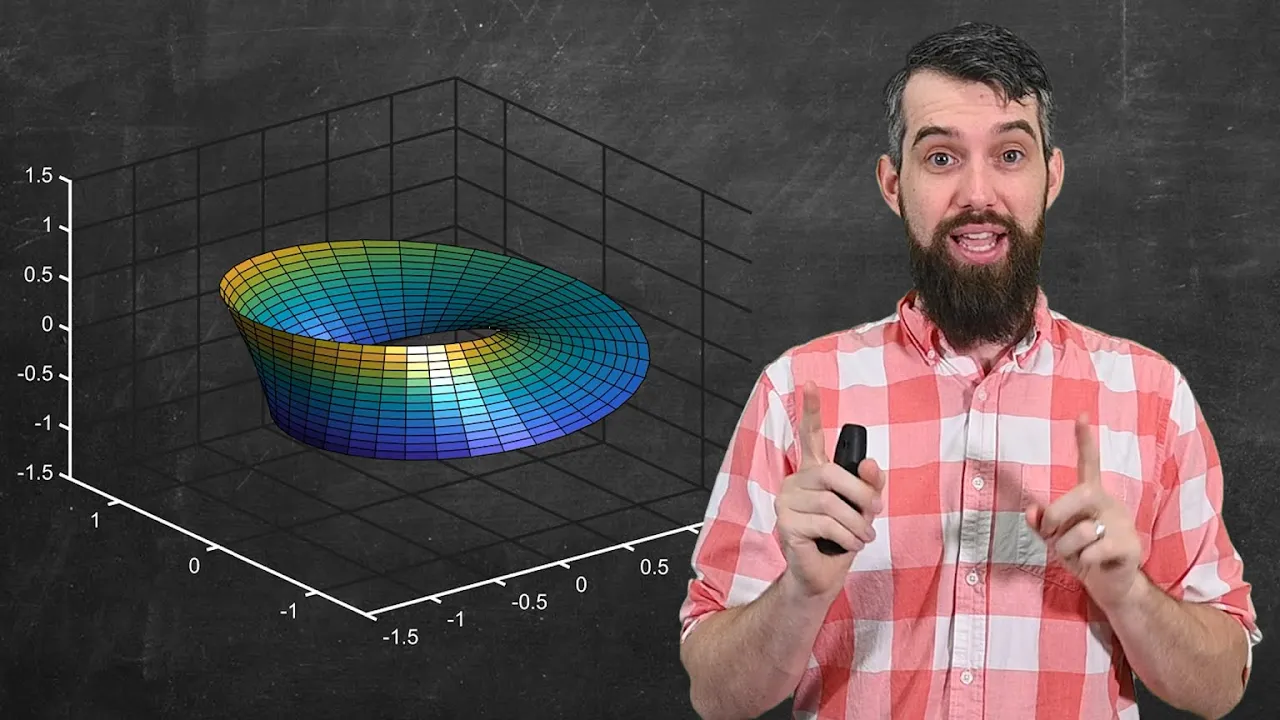
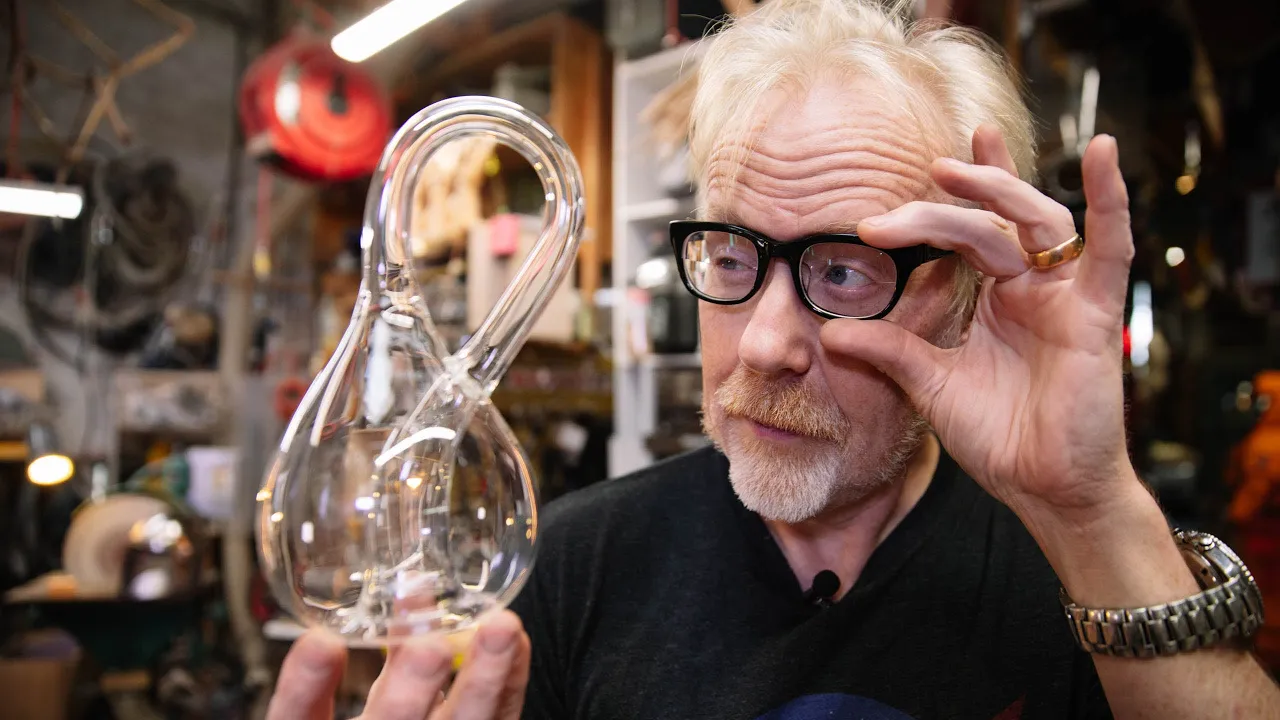
Non-Orientable Surfaces: Exploring complex topological objects that challenge standard geometric intuition, such as the Möbius strip and the Klein bottle.
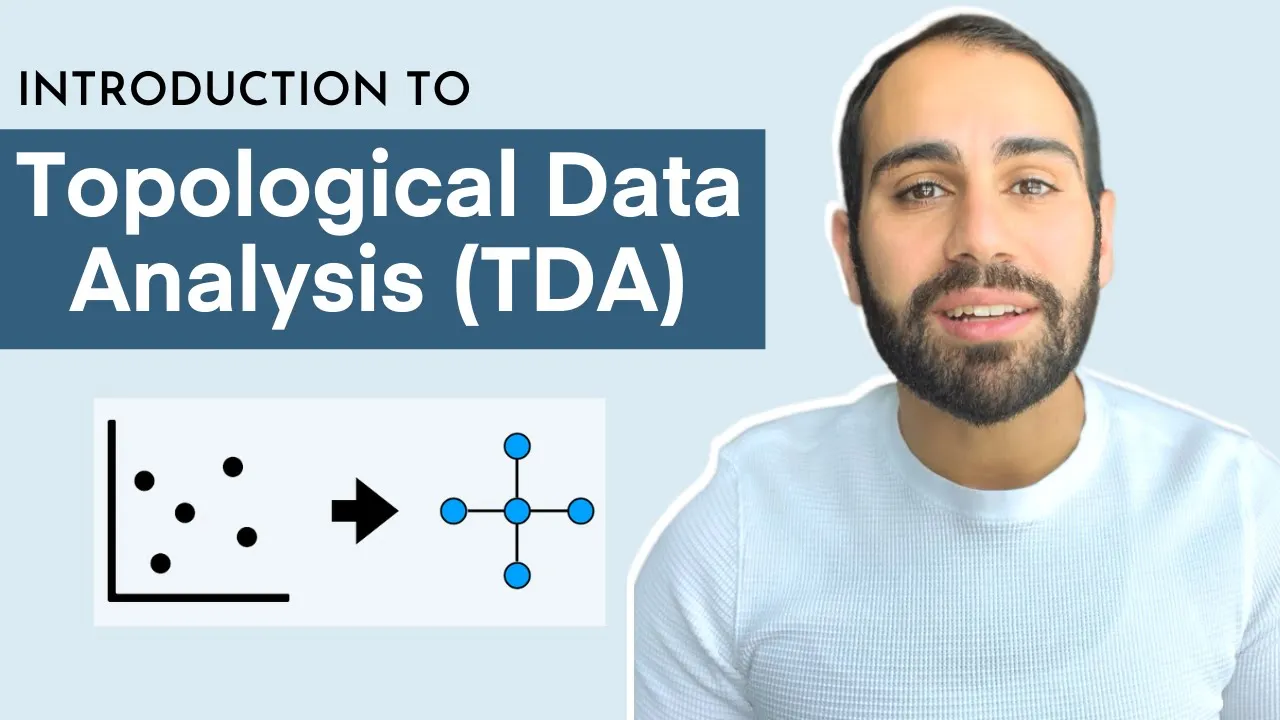
Topological Data Analysis (TDA): Learning how persistent homology and other topological concepts are used to identify structures and patterns in high-dimensional datasets.
313.2K views6.3Klikes3:48Original Release: 2015-06-30
Intro to topology Topology is a kind of math, in which we study shapes. You might be thinking “Wait, actually that’s geometry,” and you wouldn’t be wrong. In geometry, we also study shapes. The difference is that, when we do geometry, we care a lot about exact measurements. We care about measuring lengths, and angles, and areas, and volumes, and so on. We care about the difference between a right triangle and an equilateral triangle, for example, or the difference between a circle and another ellipse. But when we do topology, these distinctions ultimately don’t matter to us. We study shapes, but we pretend that all the shapes we deal with are made of really squishy rubber. So to a topologist there’s no real difference between a right triangle, an equilateral triangle, a square, a circle, or a crazy messed up circle.
When we say “circle”, we think “rubber band”.
There’s a “joke” people tell to illustrate this difference -- it’s not actually very funny, but it gets the point across. The joke is that a topologist is someone who can’t tell the difference between a donut and a coffee cup. The idea is that if your coffee cup is made of very squishy rubber, then when you’re tired of drinking coffee from it you can squish the cup part down until it collapses into itself, leaving only the handle -- which as far as you’re concerned is indistinguishable from a delicious donut.
Now you might be thinking, “Okay, but how is this math? If we’re so relaxed in our definition of ‘shape’ that we can’t distinguish between a donut and a coffee cup, then how can we ever say anything meaningful or rigorous about the shapes we're studying?” And that is an excellent point. One thing to note is that a topologist *can* tell the difference between a donut and a pie plate, for example. We don’t care that one is made of metal and the other is made of delicious doughy goodness, but we care very much that one has a hole and the other doesn’t. We can also distinguish between a donut and some kind of ultra delicious donut with two holes, or three. We can also distinguish between different *kinds* of holes, because holes behave differently in different dimensions. If I snip a hole in a piece of thread it’s different from poking a hole in a piece of paper, for example.
And those holes are both different from the kind of hole that forms inside a balloon when you blow it up. We can think of these as one-dimensional, two-dimensional, and three-dimensional holes, and there are ways of studying holes in other dimensions as well.
By choosing to ignore certain details about shapes, we can focus our attention on their more fundamental properties. This is especially important when we study crazy shapes. Shapes like high dimensional objects, or curved models of our own universe, or complicated knots, or, say, knotted surfaces in a curved four-dimensional space. If you’re studying the Sistine Chapel you don’t want to spend your time carefully measuring every brick, and when you’re trying to wrap your mind around a very crazy shape, you want to be able to focus on the features that matter to you. At the same time, studying topology doesn’t mean throwing out rigor. We choose to ignore certain information, but we need to be very careful in how we do this, to ensure that we’re being consistent. For example, if I make a donut out of silly putty I could crush the hole closed, and then flatten the shape into a plate. But a donut and a plate are topologically different. In order to study topology we need to come up with a rigorous definition of what we *mean* by squishing a rubbery shape, to make sure that we’re not destroying useful information. In future videos we’ll explore an approach to making this concept rigorous, as well as an approach to building some of the crazy shapes we’d like to study.
Up Next

23:35
Simplicial Complexes: Definition, Subcomplexes, and Triangulation
@melvinleok
953 views•2020-12-25
4:43
Elliptic Curve Cryptography Explained: ECC, ECDSA, ECDH
@PracticalNetworking
28.5K views•2024-10-21
10:44
Fourier Series Introduction: The Big Idea Explained
@DrTrefor
387K views•2021-05-03
6:00
The Mathematical Impossibility of Accurate World Maps
@Vox
23.3M views•2016-12-02
Related Study Plans & Knowledge Roadmaps
Structured learning paths in Mathematics
mathematics
Tensor Calculus: Vectors to Riemann Curvature
01Mathematical Foundations: Linear Algebra & Calculus
02Covectors, Dual Spaces, and Tensor Basics
03The Metric Tensor and Index Gymnastics
+ 2 more learning modules
40h5 modules
Explore Roadmap
mathematics
Gödel's Incompleteness: Logic, Proofs & Limits
01Introduction to Formal Systems & Hilbert's Dream
02Set Theory, Cardinality, and Cantor's Diagonal Argument
03Arithmetization and Gödel Numbering
+ 2 more learning modules
14h5 modules
Explore Roadmap
mathematics
Galois Theory: Fields, Groups & Solvability
01Foundations of Abstract Algebra: Groups & Fields
02Polynomials & Field Extensions
03Splitting Fields & Symmetries
+ 2 more learning modules
24h5 modules
Explore Roadmap
mathematics
Non-Euclidean Geometry: Models & Geodesics
01Euclid's Fifth Postulate and the Birth of New Geometries
02Hyperbolic Space and the Poincaré Disk Model
03Geodesics: Defining Straight Lines in Curved Spaces
+ 2 more learning modules
15h5 modules
Explore Roadmap