

![79강: 중세 건축 (2) 고딕 양식 [가톨릭 교회사]](https://i.ytimg.com/vi/bkdExZbocRc/maxresdefault.jpg)
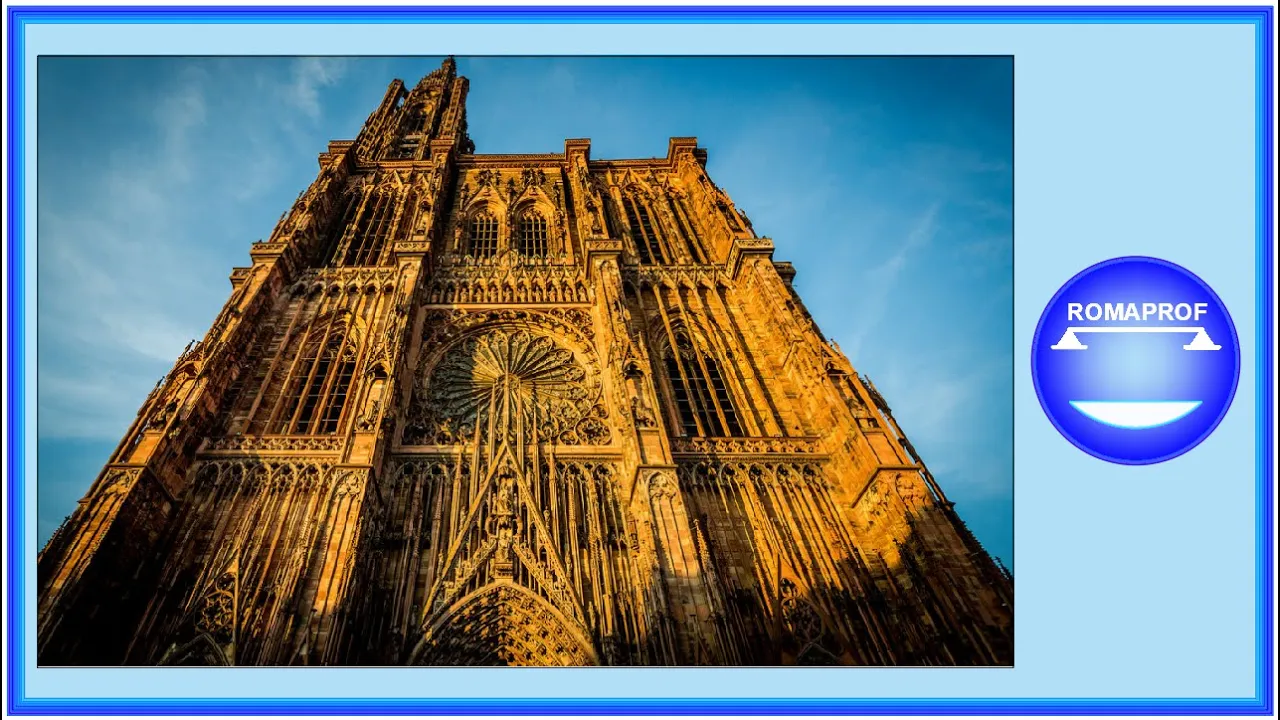


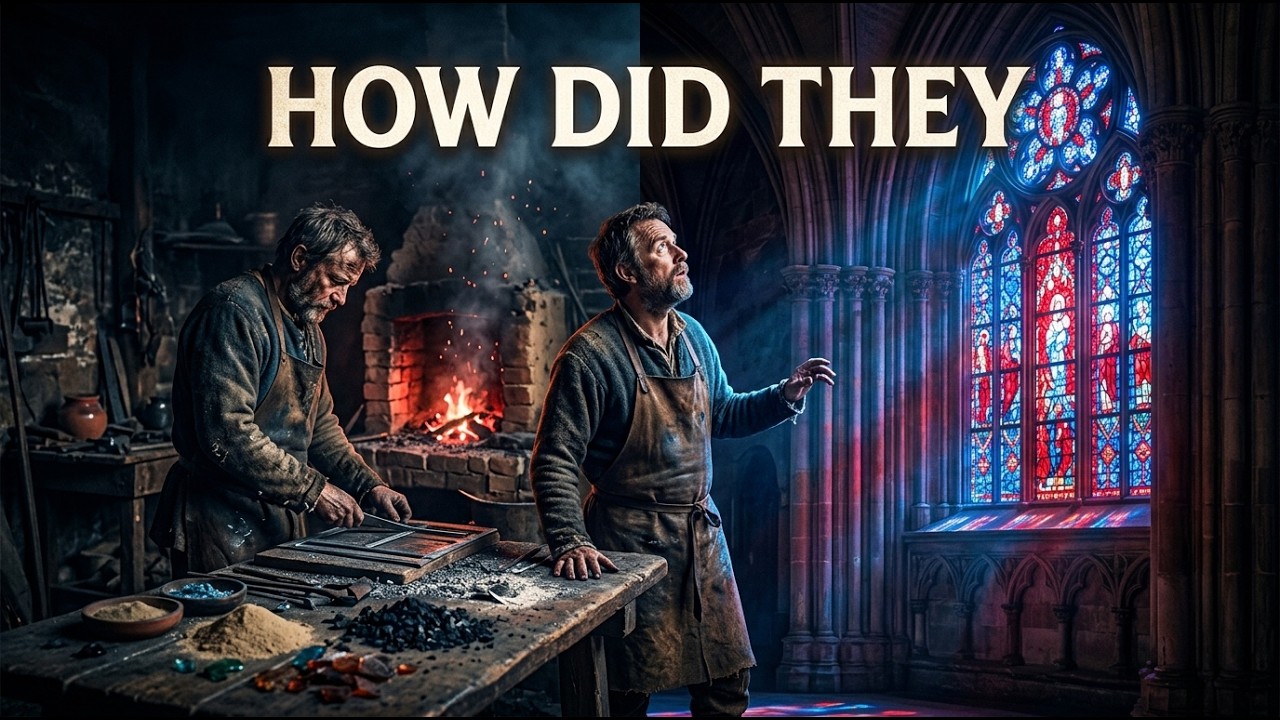




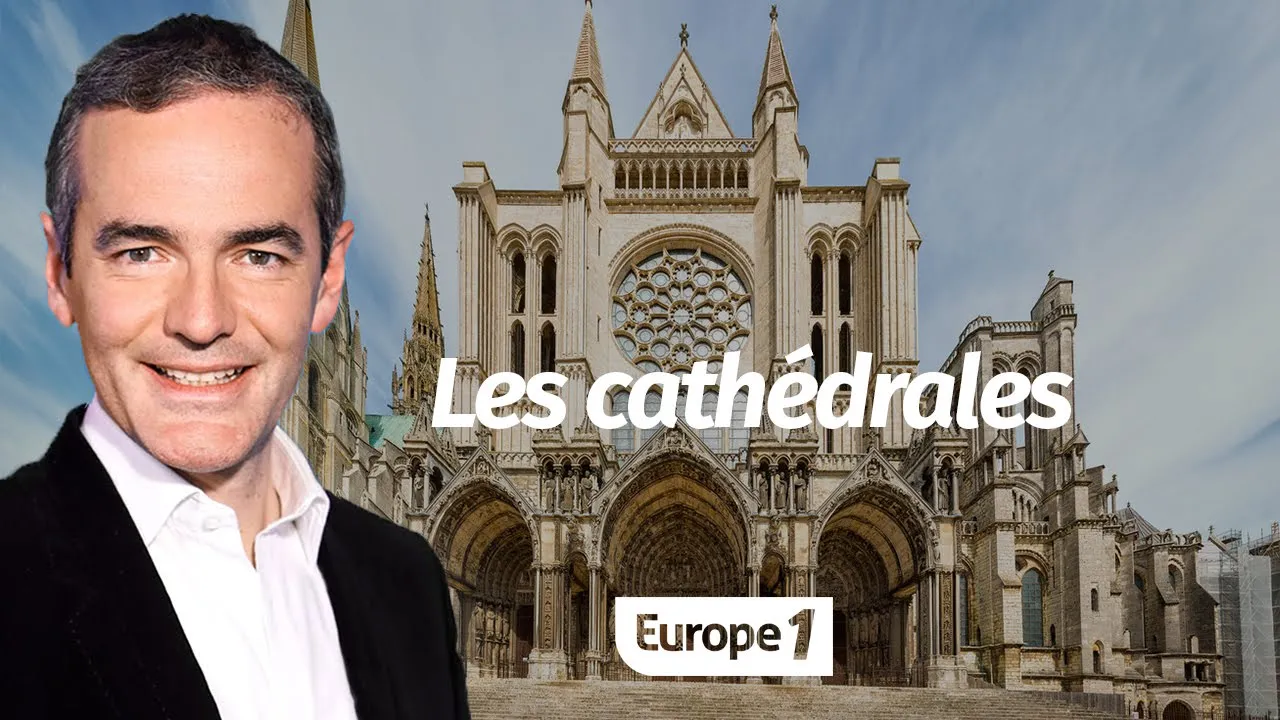




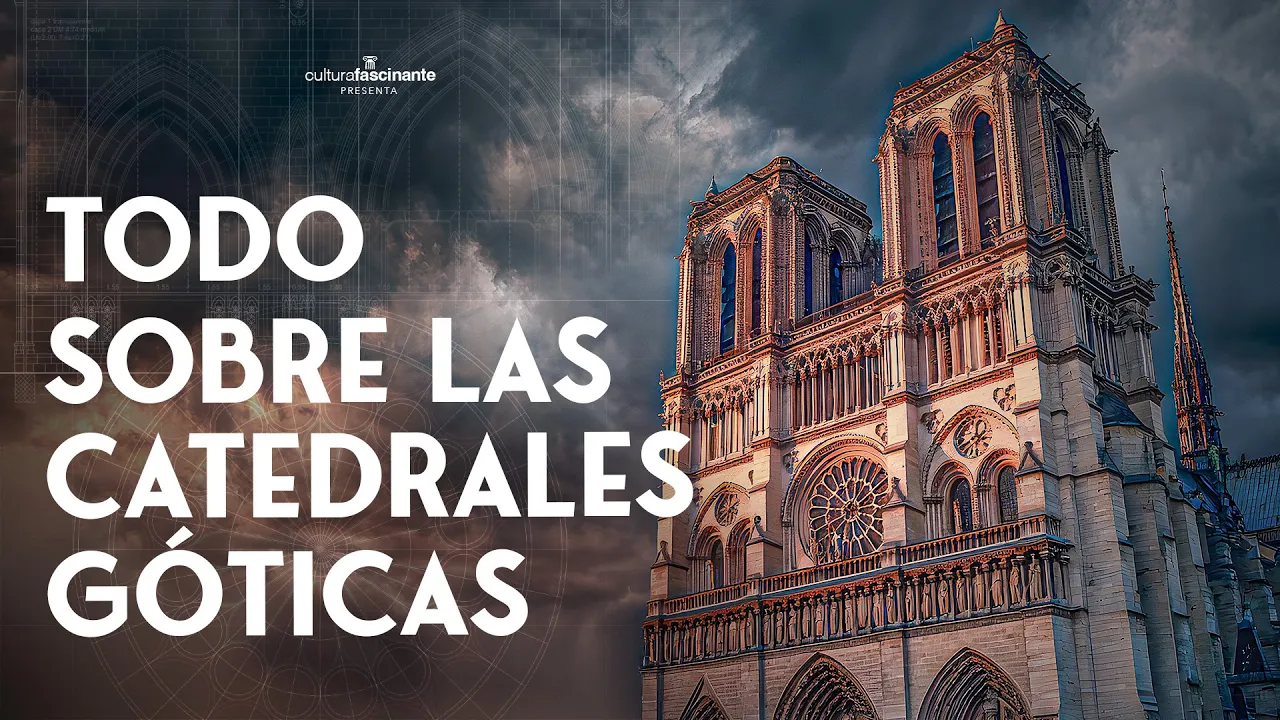


Chartres Cathedral, constructed in just 30 years during the 13th century, exemplifies the pinnacle of Gothic architecture through its innovative use of flying buttresses, ribbed vaults, and stained glass windows that embody the medieval philosophy connecting divine light (Lux) with physical illumination; the cathedral's restoration program, ongoing since 1986, employs traditional craftsmanship techniques to clean and preserve over 2,600 square meters of stained glass windows depicting more than 5,000 biblical characters, with the famous 'Chartres blue' cobalt glass representing a major transformation in Western art history where blue replaced gold as the color symbolizing divine light.
Restoring Chartres Cathedral: Gothic Masterpieces Unveiled
Added:Basic principles of Gothic architecture, including the structural significance of flying buttresses, ribbed vaults, and pointed arches.
The role of Christian iconography and spiritual symbolism in medieval European art and cathedral design.
The traditional craftsmanship of medieval stained glass, including the use of pot metal glass, lead cames, and vitreous paint.
Fundamental concepts of art conservation ethics, such as the principles of reversibility and preserving historical integrity.
The academic and public controversies surrounding the Chartres restoration, particularly regarding the whitening of the interior stone and the loss of historical 'patina'.
Advanced scientific methods in cultural heritage preservation, such as laser cleaning (LIBS) and non-destructive chemical analysis of pigments.
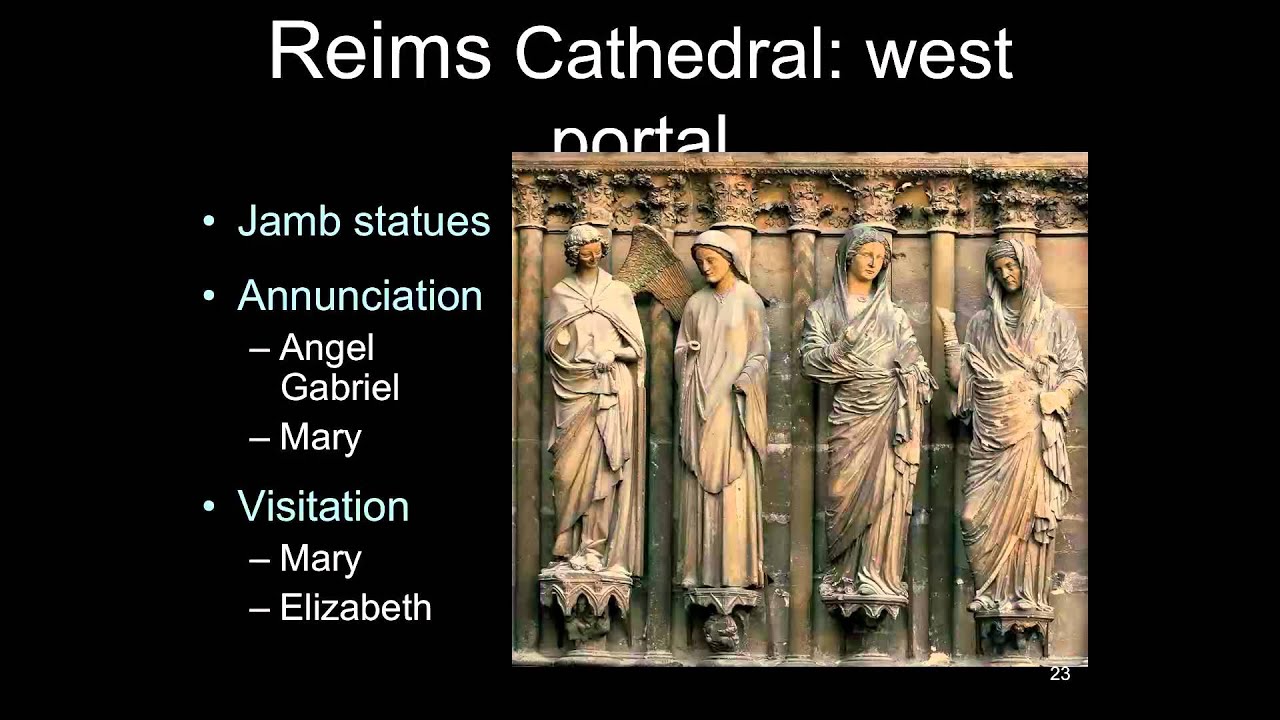
Comparative analysis of High Gothic sculpture and stained glass programs across other key French cathedrals like Reims, Amiens, and Notre-Dame de Paris.
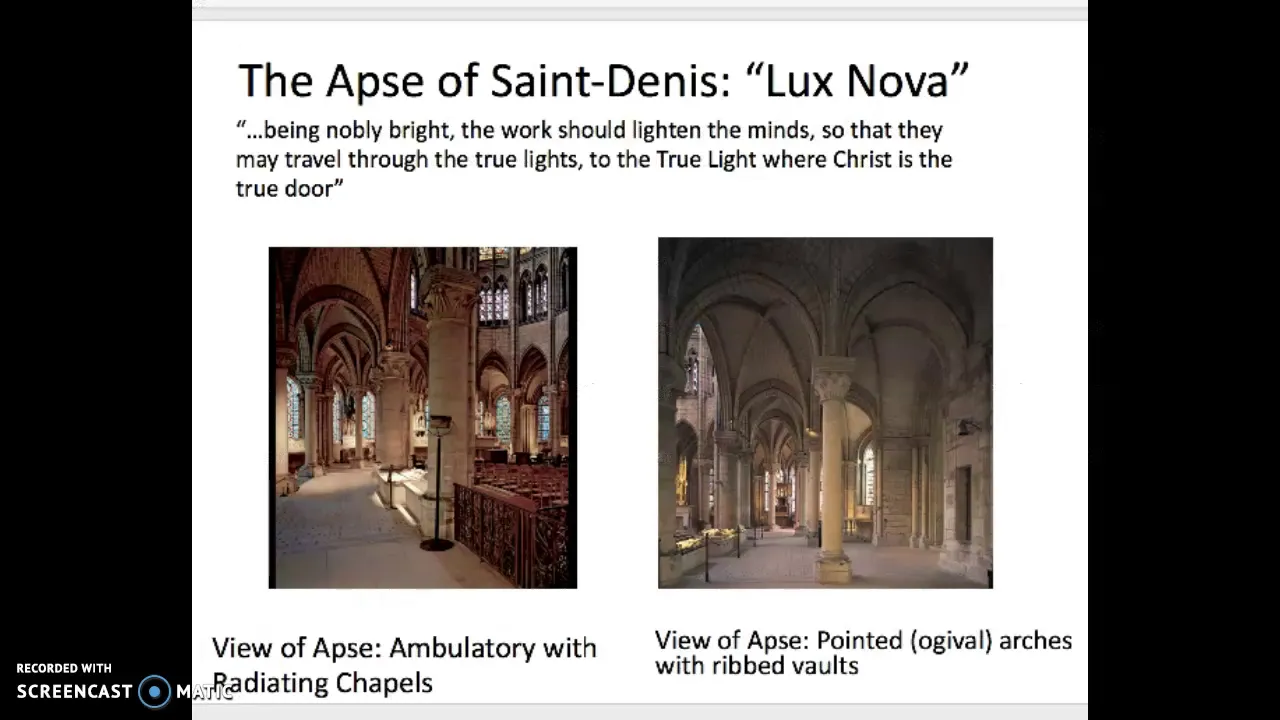
The theological concept of 'Lux Nova' (New Light) pioneered by Abbot Suger and its influence on the metaphysics of light in Gothic spaces.
23.5K views537likes24:57Original Release: 2025-03-31
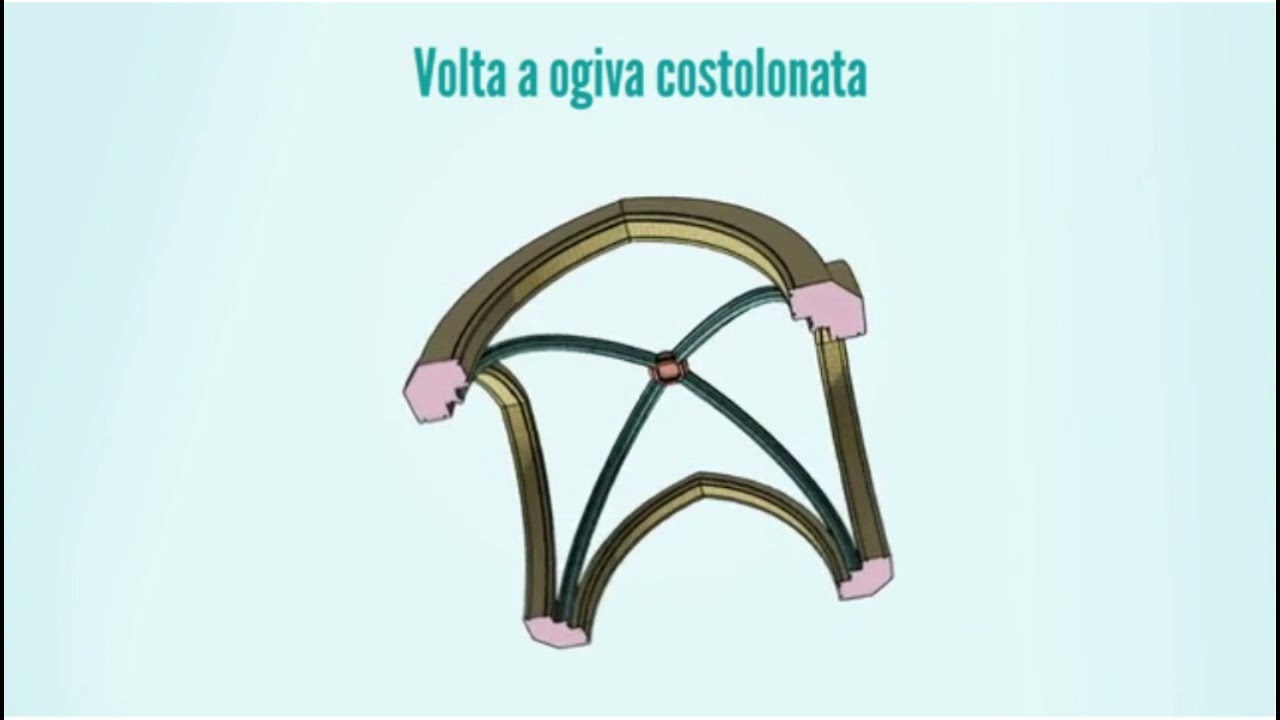
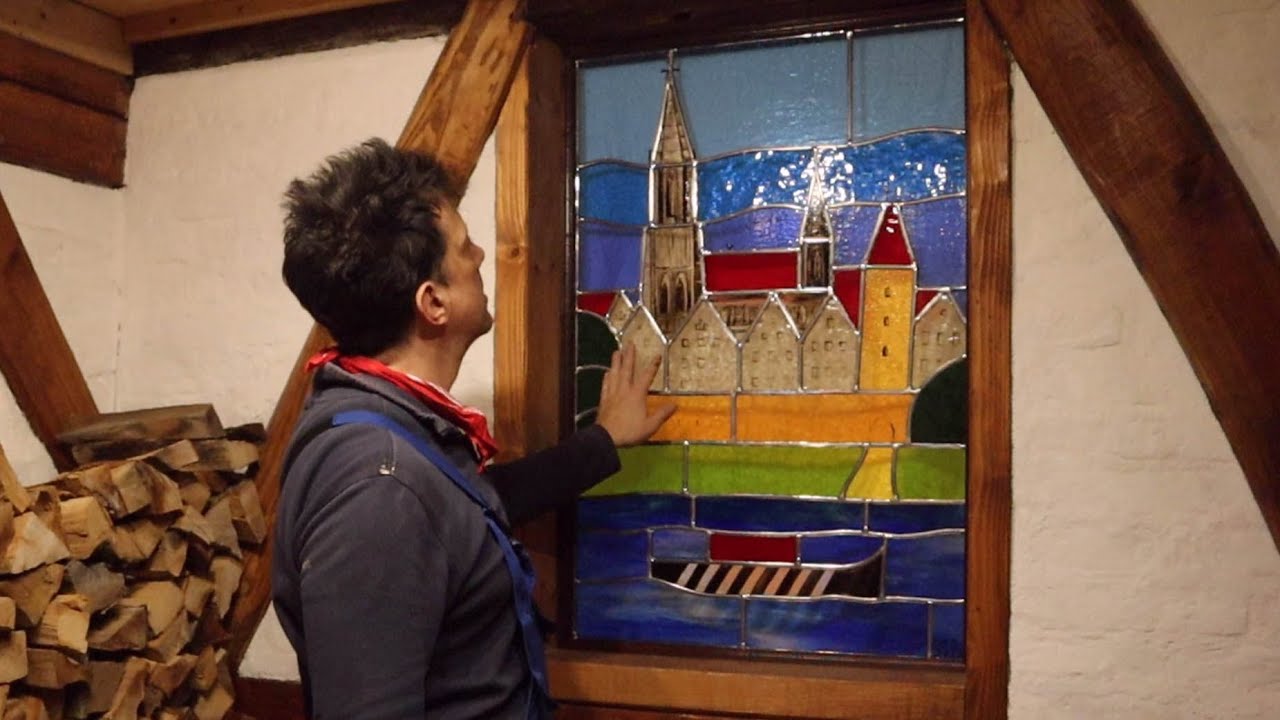
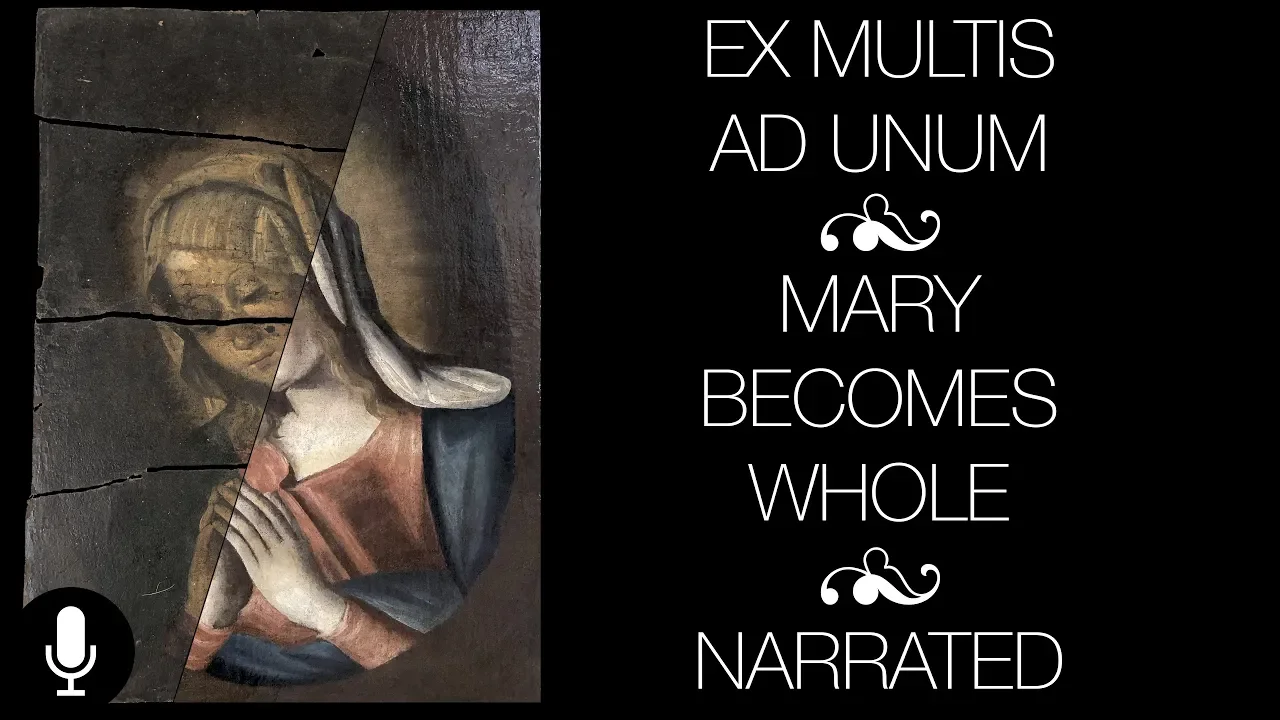
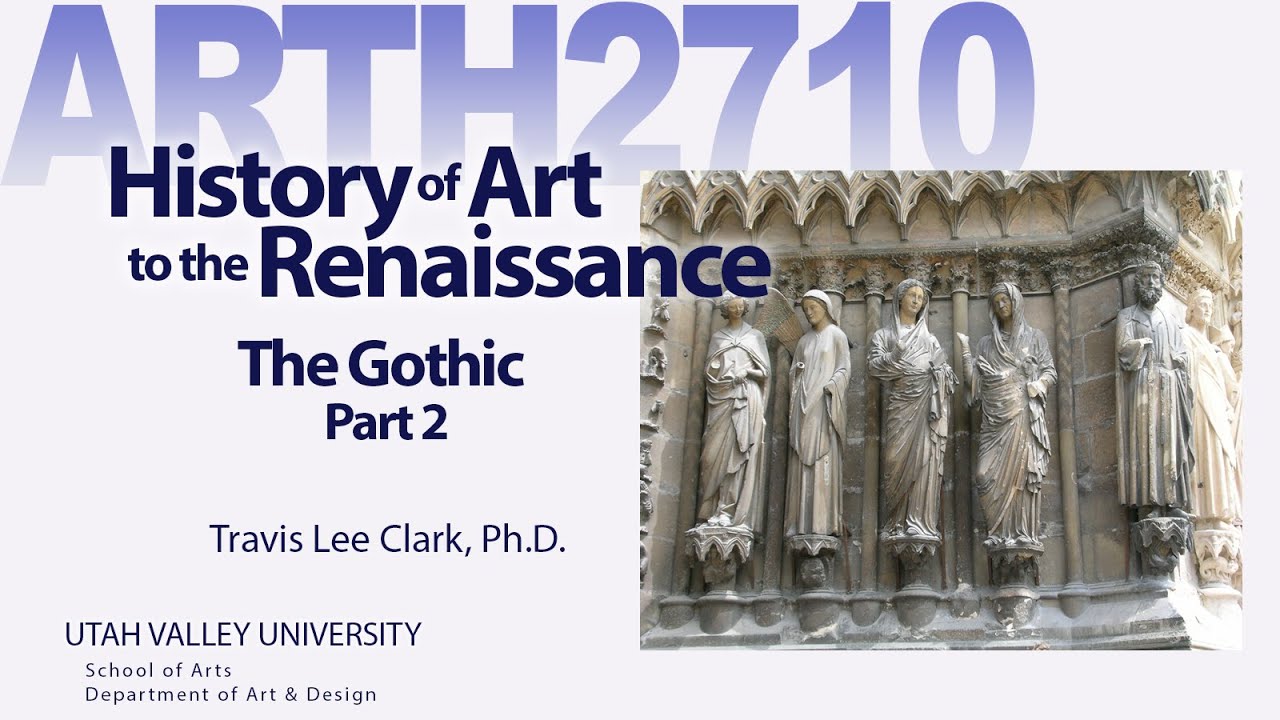
[Music] in the middle of a rural landscape between sky and Earth a summit Rises a landmark that can be seen for kilometers the notredam dart Cathedral it dominates the town and plains of Bose in the heart of France built in barely 30 years in the 13th century its architecture tells the insatiable quest for grander of the Builders of the Middle Ages by its scale the monument was to Bear witness to the power of the Catholic church today it is considered as an emblem of Gothic architecture which later influenced other buildings throughout [Music] [Applause] friend religious life still holds an important place in the cathedral a place of pilgrimage of ordinary celebrations but also of exceptional ones like the ordination of a young priest this morning ordination is one of the seven sacraments of the church it is conferred by the bishop on the young Deacon within the cathedral by lying on the ground this young priest just ordained expresses his humility and his complete readiness to the Divine call to which he will dedicate his life [Music] cury after Century the cathedral lives to the rhythm of the services these celebrations are all the more vibrant because they take place within the walls of an exceptional Monument designed and conceived to s stimulate the devotions of the [Music] faithful shart along with the cathedrals of bour Aman and R inaugurated the century of cathedrals it was the Advent of the classical Gothic style marked by a move towards the vertical and the balance of [Music] forms its Monumental structure was to accommodate a very large number of followers mat lur is an art historian and specialist in sacred [Music] architecture sha is not the largest of the gothic Cathedrals it is not the highest nevertheless it is quite exceptional we can compare it a little bit to what the Parthenon is to Greek art that is to say a cathedral that embodies a form of stylistic perfection at a given moment we are dealing here with a kind of classicism we have a relationship between the large arches the triforium and the small high windows that is perfectly balanced we have an extremely coherent decoration between stained glass and statuary [Music] in shots we try to find the right balance between the full and the empty between Darkness and Light Darkness disappears The Light triumphs and therefore shout is a bit at the crossroads in this sense then next we will have Cathedrals with radiant gothic art that will give preeminence to light and finesse it is thanks to the technique of the crossing of ogives which directs The Vault onto the pillars and not onto the walls making it possible to install large stained glass windows up to 15 M high and to let the light in another Gothic specificity the butresses on the exterior all the stability of the cathedral rests on them the shape of the building is that of a Latin cross the Nave is 130 M long with a transcept of 64 M at the crossroads of the transcept is the vast choir to accommodate a large number of clergy [Music] among the Treasures of the Cathedral of chart the choir Tower originally this enclosure had the function of separating the choir where the Liturgy was held and the parts reserved for pilgrims the clergy on one side the faithful on the other the entire Cathedral is dedicated to the Virgin thus many scenes of this choir Tower are devoted to episodes of her life Mar suzan de Ponto is an architect responsible for historical monuments in 06 the Cannons decided to call upon Parisian sculptors of great Renown they had brought in all the greatest sculptors of the time to carry out this 100 meter long project we have 40 scenes over seven or8 is high that represent the whole life of the Virgin and the life of Christ in the 16th century the Catholic Church reformed and encouraged a Reconciliation between the clergy and the faithful many choir Towers disappeared but that of chart then under construction was preserved its presence and scale constitute one of the peculiarities of the cathedral today a major restoration campaign is underway composed of a thousand nooks and crannies this immense body of stone requires meticulous work the aim is to dust the sculptures remove soot from them strengthen the most damaged areas and fill in cracks [Music] to regain the original brightness each centimeter is cleaned with a brush and latex without using water or chemicals so as to preserve the stone working as closely as possible like that it really makes us very intimate with the details we really get to know and recognize the small elements we realize that each is really unique that each artist or each sculptor really handled these things and with these small specificities the sculptors must surely have had a very strong faith and a will to work for God for the Lord and therefore really to do something great and longlasting [Music] this quiet to is quite unique we have other quiet Towers in France but with so many figures and on such a scale here we can really talk about it in terms of being Monumental there are things that are at the back facing inwards and so it's a feat of the sculptor who to please himself says that everything must be perfect in detail even what is not visible because it's visible from the [Music] [Laughter] heavens everyone knew Shard Cathedral as being very black when we went inside the stained glass windows were also very opaque the stone and the plaster were therefore very dirty and we really want to find the dazzling Luminosity of the 13th century again as much as I would say on the architectural and aesthetic level as on the spiritual level the cathedral is currently recovering all its original Luminosity for architects of the Middle Ages light is the manifestation of God's existence that must be honored in cathedrals 2600 Square met of stained glass windows spread this Divine Light across the building so the function of these stained glass windows is twofold that is to say it is both practical and spiritual practical because it is the opportunity to illuminate the buildings more which is the very principle of Gothic architecture and then spiritual because the gothic is obviously the illustration of medieval philosophy in which God is light at the time the literate obviously spoke in Latin and in Latin there are two words to say light you can say Lumen physical light or you can say Lux Divine Light and the Art of stained glass is precisely the possibility of uniting the two it is both the light that comes from God and the light that enlightens the faithful and this is a particularity of the western church here in sh we are really reaching the Pinnacle of this system in order to spread the message of Christianity to non-literate at pilgrims the stained glass windows show more than 5,000 characters from the Old and New Testaments they must bring us into a world radically different from the Earthly [Music] World each color has one or more symbols thus red can be both the red of the Angelic choirs or the red of the [Music] devil these these colors are meant to illustrate the presence of Divine Light and it's here that the material takes revenge on the spirit because theoretically Divine Light is the color of gold in the first centuries of the Byzantine Empire it is the gold of the mosaics which expresses the Divine Light so what color can be used to illustrate Divine Light if gold is not available it's the color blue which from the 12th and 13th centuries takes over the spiritual power of gold this is going to be one of the major transformations in Western Art meaning that this blue will be validated as the celestial blue as the Divine Heavens it is also the blue of the physical [Music] Skies it was therefore the Middle Ages that gave the color blue its status of nobility the Virgin was the first figure represented in blue as on this stained glass window of notredam De Lael verier dating from the ancient Romanesque cathedral which burned down in 1194 so on this stained glass window of notam De Bel verier we have a rather exceptional case because we have a remounting of stained glass windows from the 1180s that dates from the previous building this is the panel we see here with a virgin and Christ on her knees the bay is decorated with stained glass windows dating from the 13th century and can be seen immediately because of the contrast of the Blues this cobalt blue of the 12th century known as the chatra blue contrast with the manganese blue of the 13th century which was easier to produce in large [Music] quantities this famous cobalt blue as seen on Mary's robe was therefore no longer produced after the 12th century elsewhere in France the wars destroyed most of the stained glass windows composed of this bright blue because it still exists on several pieces of stained glass in chart it was later called blue theart or chart blue covered by dust pollution candle smoke the stained glass windows lose their Brilliance over time they must be cleaned regularly [Music] for several years a vast restoration project has been underway the master glass maker Workshop is located a few kilometers away from [Music] chart Marie suzan deponto supervises the work with CLA bab the restoration manager so we had to go a little further because the lead was very weak and therefore on these two figures we made localized interventions here we have the new lead up to here and here we connect with the lead from the 19th century which is here all the old lead in the Middle Ages stained glass was assembled with molden lead between the tiles to restore them it is therefore necessary to remove the residue and stains and then reweld the [Music] joints the stained glass was very bright since here we see the Grain on the face of the Virgin which is due to corrosion on the outside and so it was actually even more transparent than that the windows were very bright [Music] Arno works on stained glass that was broken and assembled with lead in the 19th century to restore the stained glasses Clarity he must remove the metal and replace it with glue [Music] so right now I'm doing some gluing it was the old lead that was once here which made it very difficult to read or view the stained glass windows and with current technology glue has proven itself and this is what is used to make these windows viewable and to Simply restore them to their original state so a feature of this mainly 15th Century Glass is very often we see paintings that were made inside but also outside and outside it would have rained and degraded so this is what's left on it it's pretty fascinating quite rough but it's something very tactile it feels good the 15th century was a beautiful period for stained glass when we also knew how to work with clear glass and others that were a little whiter it's a work of light modulation that makes them come [Music] alive for me the greatest moment of emotion is the moment when we clean the glass and we discover having started from something relatively illegible and often very black that little by little like an archaeologist scraping away we see something appear and we ask ourselves as we saw earlier the extraordinary details of the Finesse of the work how at that time the stained glass painter could have done that and then you know that you won't get this close again to the stained glass windows for several decades so you have to try to make the most of everything you can observe today but when you're on a lit table you have a vision that you don't have a once the window is installed it's our job to have them in closeup for us it's more than just proximity we end up owning the work a little bit or at least for a short moment in the life of the work it belongs to us [Music] after months in the workshop the restored stained glass windows can finally find their place in the cathedral in their original decoration sitting in [Music] daylight since the restoration work began in 1986 60% of the stained glass windows have passed into the hands of the masterg glass makers it's nice because you can see the finished job we see the piece in the work shop but only little by little and then you start to see the whole window Bay that's very satisfying we've given life to the window again it's very nice it's true there's a bit of magic in the stained glass it lives only by the light that passes through it and this light is constantly changing which means it's actually alive it changes all the time with its stained glass windows from different periods from the 12th to the 20 Century notam tells the story of this stained glass [Music] art the builders therefore wanted a luminous and grandiose Monument but also one endowed with symbols combining Christian faith and Greek thought the Middle Ages and Antiquity these encounters are embodied in The Labyrinth of the central Nave Jil fron is an historian and Steward of chart cathedral in Greek mythology the Labyrinth was built by deis to lock up the minur that halfman half bull monster to which young Athenians were [Music] sacrificed in order to put an end to this Carnage and free the city Theus volunteers to kill the minur in The Labyrinth from which he finds the exit thanks to ariadne's thread from a Christian perspective thesis is Christ and the minor is Satan but above all death on Easter evening Christ crosses the underworld comes to face death and defeat it and offers all Humanity the possibility of joining eternal life an invitation to penance and meditation the Labyrinth symbolizes human existence in the 13th century walking this path simulates a pilgrimage to Jerusalem the Labyrinth of the cathedral includes more than 260 M of winding path so lots of turns and hair pins that lead to a center the final Center can be likened to Paradise eternity and Heavenly Jerusalem conversely the complication of this Voyage which is the first stage of the journey with its bends suggests the difficulty of Earthly life with sin with doubts and with spiritual struggles [Music] just like the Labyrinth other details also testify to this will to mix ancient and religious thought this is the case with the Royal portal on the arches of its side doors are statues of great Greek and Latin authors such as Cicero for rhetoric Aristotle for dialectics and Pythagoras for music the gates and facade have also been restored in recent years work which allowed new discoveries traces of paint on the statues they are indeed the proof that in the Middle Ages in most of the great Christian sanctuaries figurines were painted in order to be as realistic as possible in the eyes of the faithful color is life however since these statues evoke living beings they were done in color and so there were no differences between the stained glass windows statues and paintings in the Middle Ages they only used one word to say that they Ed the word Imago images it's the image of the Virgin the image of Christ medieval man lives in a society in which color is not present in everyday life most of the objects are in unbleached canvas or wood but in the cathedral color is present all the time and in addition during the Great celebrations in the cathedral we will add tapestries or decorations that will add more color the cathedral remains an exceptional place and yet here it is in the middle of the city accessible to [Music] all thanks to these night illuminations it is possible to imagine what the cathedral looked like seven centuries ago bright colorful an expression of human genius the notredam dart Cathedral defies the ravages of time a masterpiece of the Middle Ages a Gothic emblem it stands today imposing like a precious witness to the great history of Christian architecture [Music]
Up Next

13:14
Amiens Cathedral: High Gothic Architecture & History Tour
@travelanddiscover
19.9K views•2018-07-06

114:18
Christian Iconography: History, Theology, and Meaning | Fr. Panayiotis Papageorgiou
@Trisagionfilms
58.8K views•2020-02-21
25:03
Shah Mosque Isfahan: The Masterpiece of Safavid Architecture
@SLICE_Full_Doc
100.5K views•2025-02-10

16:34
Earliest Depictions of Jesus in Art: 10 Ancient Images Explained
@UsefulCharts
5.9M views•2022-06-03
Related Study Plans & Knowledge Roadmaps
Structured learning paths in Art History
art-history
Gothic Cathedrals: Engineering, Light & Society
01The Birth of the Gothic: Romanesque to Suger's Vision
02The Structural Triad: Pointed Arches, Ribbed Vaults, and Flying Buttresses
03Theology of Light: Lux Nova and Sacred Geometry
+ 2 more learning modules
14h5 modules
Explore Roadmap
art-history
Pre-Raphaelites: Realism, Symbolism & Critique
01The Victorian Art Establishment and Academic Formula
02The Founding of the PRB and Radical Realism
03Medieval Revivalism and Literary Symbolism
+ 1 more learning modules
8h4 modules
Explore Roadmap
art-history
Street Art: From Subways to Art Market
01Subcultural Origins in Philadelphia and New York (1970s)
02The Subway Era and Style Wars (Late 1970s - 1980s)
03The East Village Scene and Early Gallery Crossover
+ 2 more learning modules
10h5 modules
Explore Roadmap
art-history
Classic Maya Art: Iconography, Glyphs & Ritual
01Foundations of Classic Maya Visual Culture
02Deciphering Maya Hieroglyphs & Text-Image Integration
03Sacred Geography and Cosmological Architecture
+ 2 more learning modules
14h5 modules
Explore Roadmap