







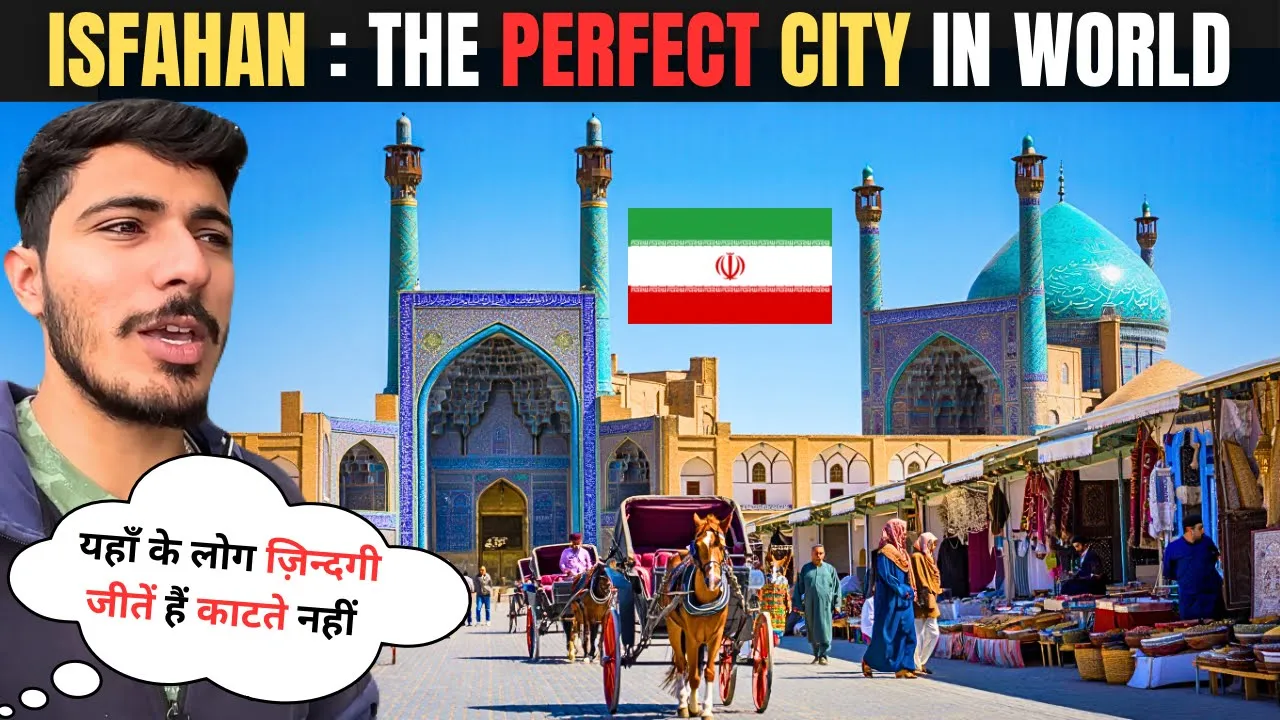



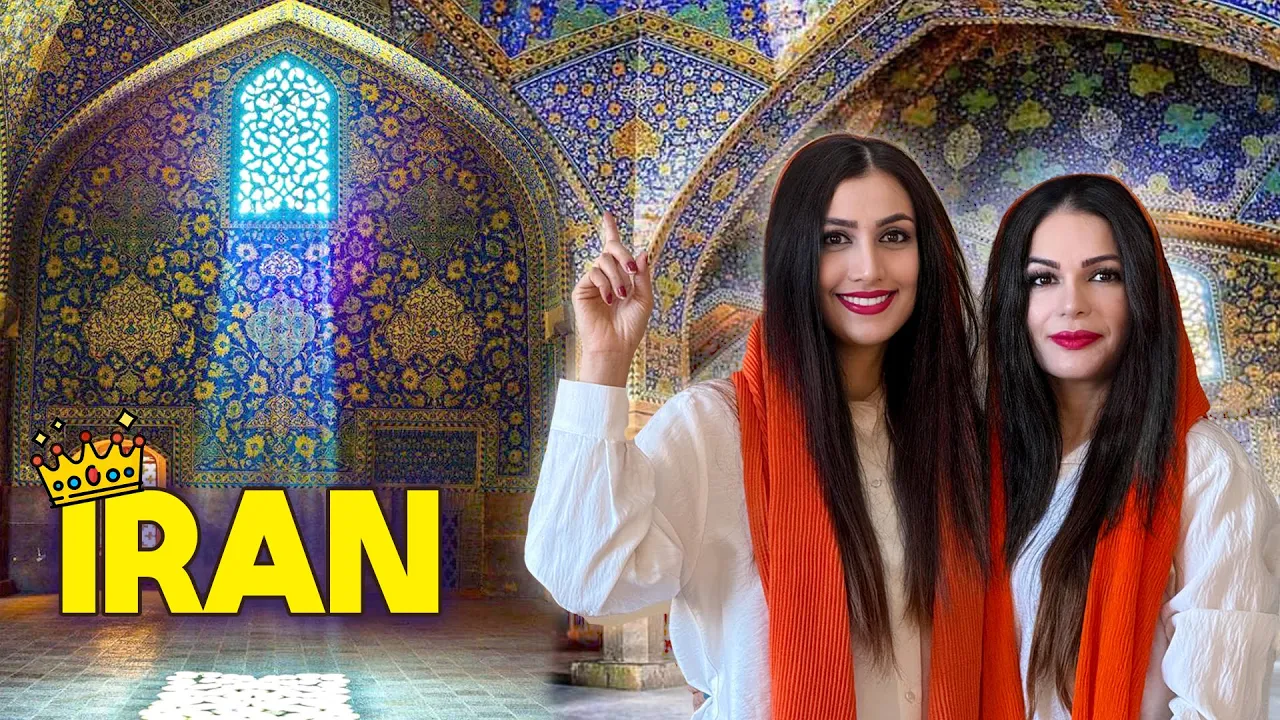

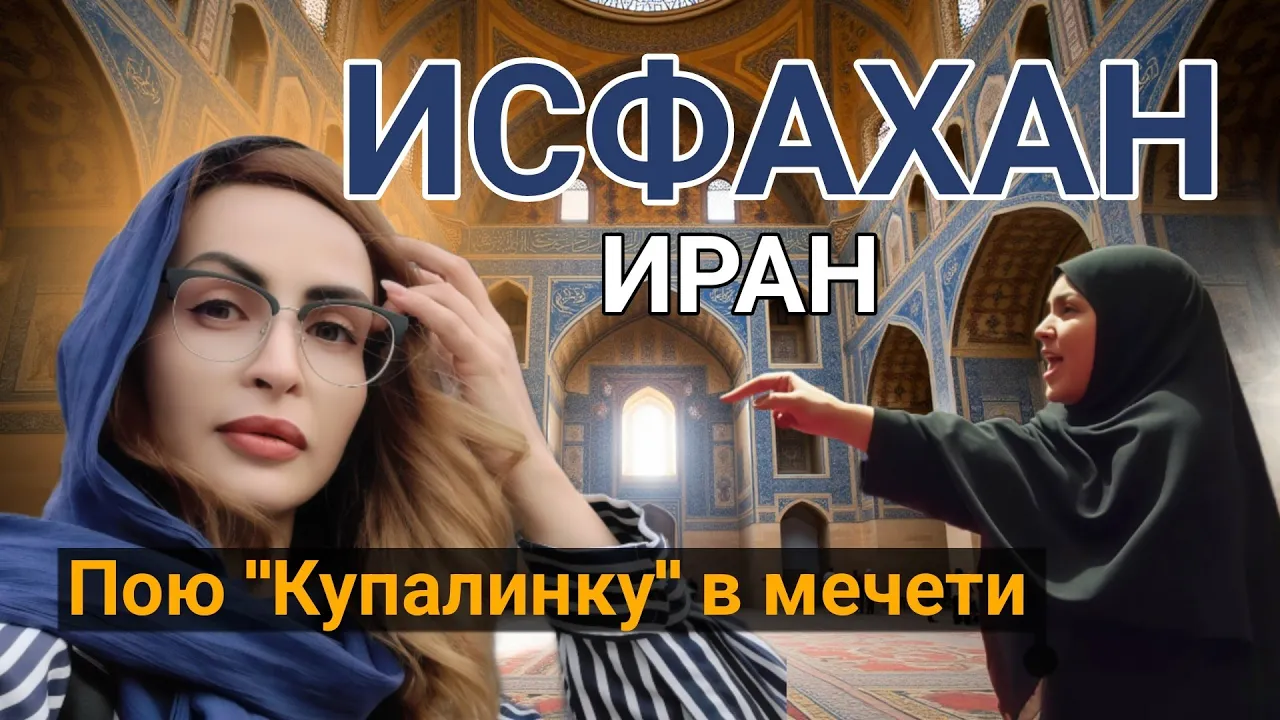
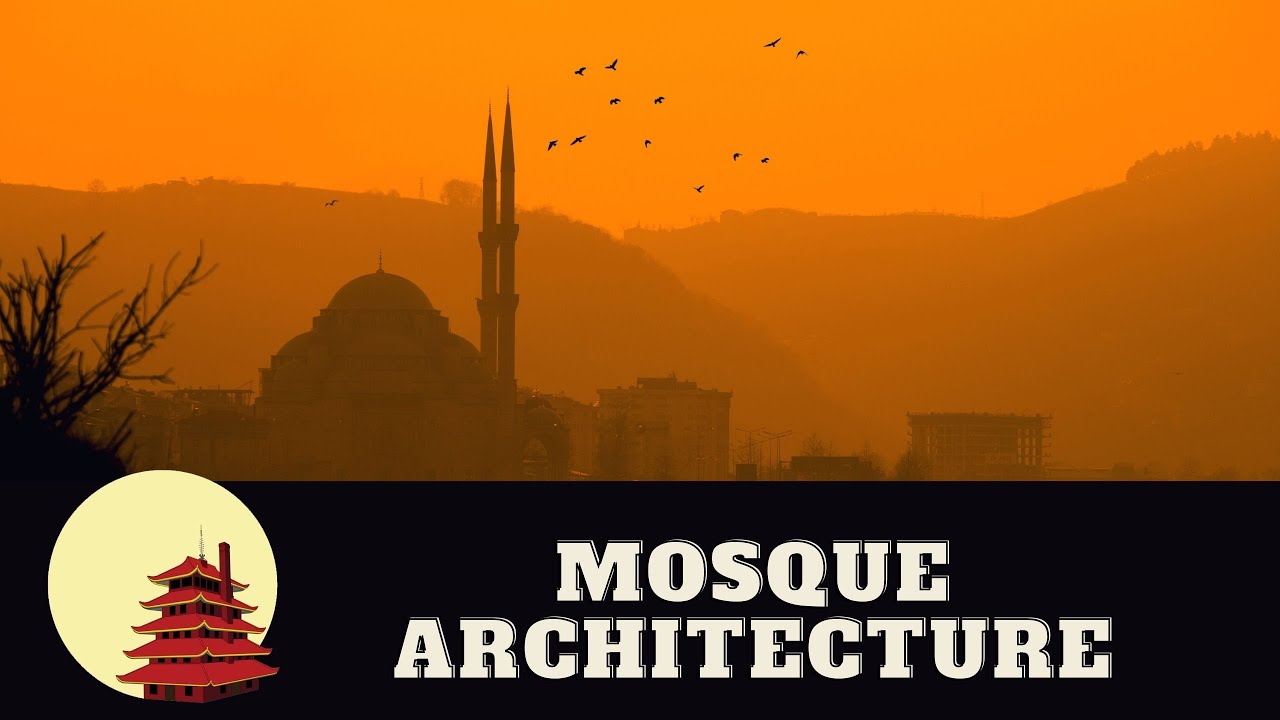



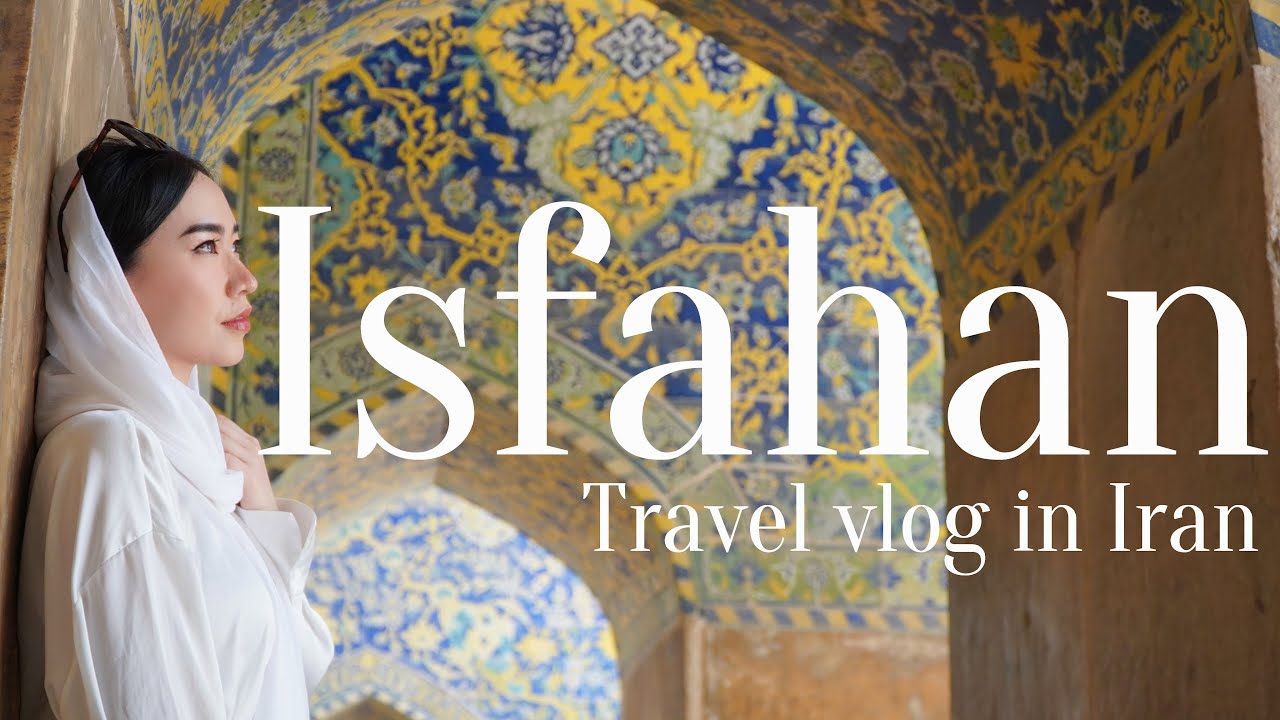


The Shah Abbas Mosque in Isfahan, Iran, built in 1637 under the orders of Shah Abbas I of the Safavid Dynasty, stands as a timeless masterpiece of Persian architecture and Islamic art, distinguished by its monumental blue-glazed dome, intricate geometric calligraphy, and sophisticated acoustic design that creates an immersive spiritual experience; the mosque exemplifies the Safavid Dynasty's commitment to making Isfahan a center of philosophical, scientific, and religious education, while simultaneously serving as a symbol of royal and spiritual power through its harmonious blend of form, function, and sacred symbolism.
Shah Mosque Isfahan: The Masterpiece of Safavid Architecture
Added:The fundamental layout and structural elements of a traditional Islamic mosque, including the mihrab, qibla wall, minarets, and the four-iwan plan.
An overview of the Safavid Dynasty's history, specifically the reign of Shah Abbas I and his grand vision for restructuring the capital city of Isfahan.
The significance of Naqsh-e Jahan Square as a monumental piece of Safavid urban planning that integrated political, religious, and economic power.
Basic concepts of Persian decorative arts, including the geometric principles of Islamic tessellation, calligraphy as ornament, and the symbolic use of specific colors.
An in-depth study of Safavid engineering, specifically the acoustics and structural mechanics of the Shah Mosque's unique double-shelled dome.
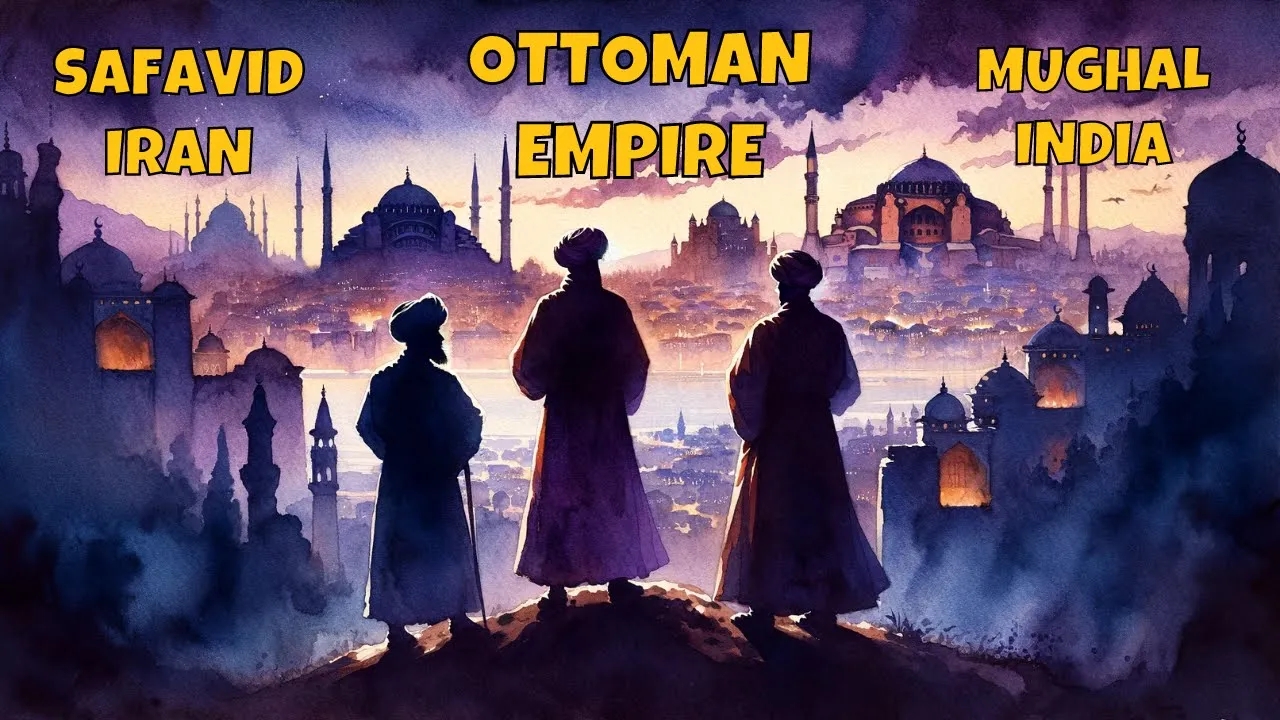
A comparative architectural analysis contrasting Safavid religious monuments with contemporary Mughal and Ottoman imperial mosques.
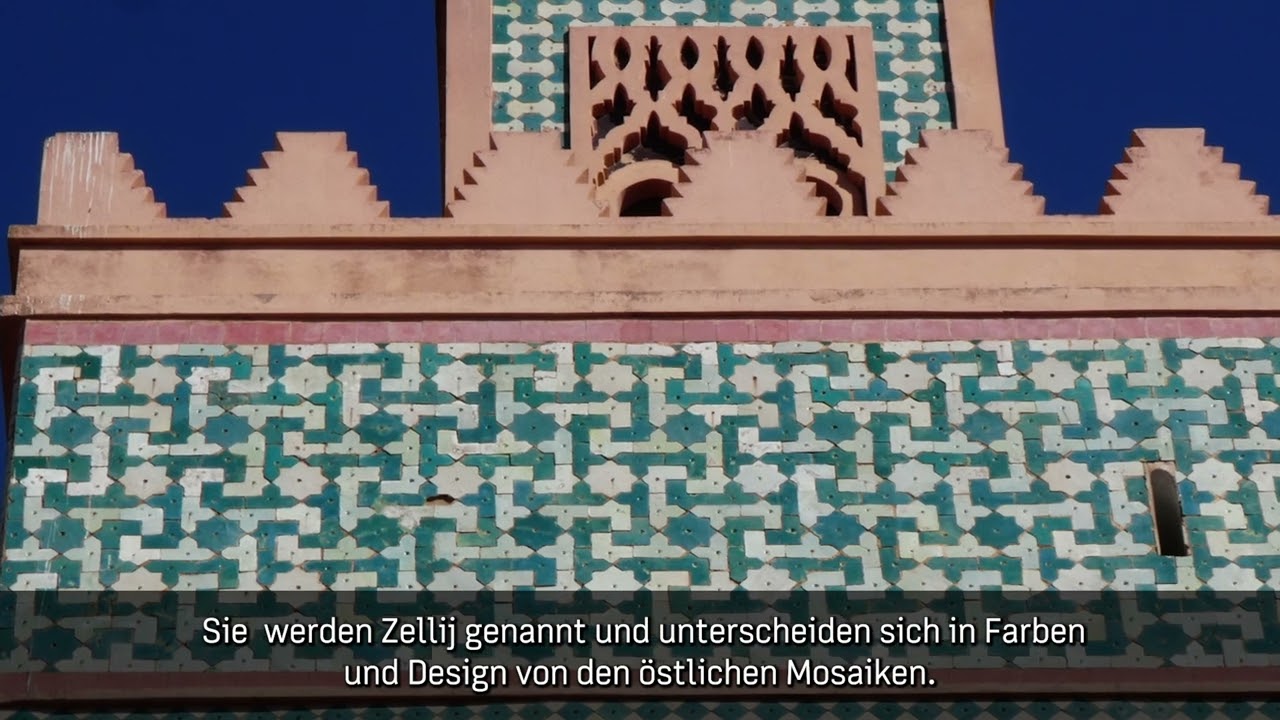
The technical evolution of ceramic tilework, specifically comparing the labor-intensive mosaic tilework ('moarraq') to the innovative seven-color tile technique ('haft-rangi').
Modern architectural preservation challenges and restoration methodologies involved in maintaining centuries-old brick and tilework in active seismic zones.
100.5K views1.9Klikes25:03Original Release: 2025-02-10
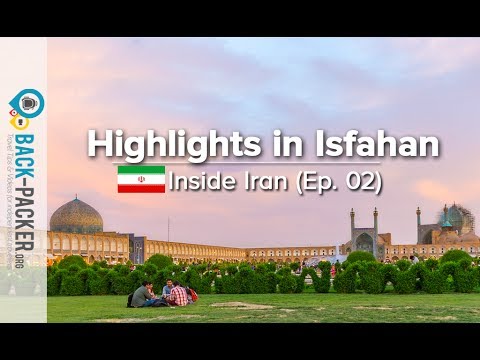
[Music] isvan the blue and ochre city a city of 2 million inhabitants permeated by multiple ottoman Mongolian and Persian influences this stop over on the Silk Road is an oasis in the middle of the Iranian desert Plateau 340 km south of Tyran it is the third largest city in Iran perched at 1570 m above sea level to admire the wonders of Persian architecture one must walk the streets of the city up to the vast Maiden amam Square it is dominated by a jewel of sacred Persian art the Sha mosque also known as the Imam mosque it was built in the 17th century under the orders of the safaid ruler sha abas I this masterpiece known for its immense Dome with blue glazed Ceramics was to be the symbol of the safaid Dynasty's Royal and spiritual power The Sovereign wanted to make is fahan a flamboyant Capital so he drew up the plans for a new city facing the shamas the maiden mam is the nerve center of the city it is one of the largest squares in the world the great Bazaar of Isfahan encircles its Gardens and as soon as the sun rises the shops are open Craftsmen and Traders appear to be always [Music] working the Airs of centuries old traditions they have made the city prosperous [Music] for the young inhabitants of Isfahan the shamas is a sacred monument that cannot be ignored a masterpiece of Persia's Heritage it reveals a whole section of its artistic history to enter the shamas it is necessary to leave this bustling place by crossing a symbolic border to which the architect maram gasmi suchen guides [Music] us when a person wants to enter the mosque he must get rid of his material concerns such as money politics economics and enter religion focus on the Divine what you see here is a kind of boundary that separates the material from the religious this space called the Jon is a kind of first entrance the doors of the bazaar open on either side and allow access to the main entrance of the [Music] mosque it's one of the most beautiful portals of Iranian architecture has [Music] the pishak the great Portico and its first two minettes are in the axis of The Gardens of Maiden but it was necessary that the Sha's mosque be directed towards Mecca which is 45° towards the east The Architects of the time therefore found an ingenious way to place the monument in the right direction by designing an octagonal vest F that allows rotation between the entrance and the rest of the [Music] mosque it is through this richly decorated vestibule that one reaches the large inner Courtyard typically Persian with its four ewans these huge vaulted porches a Harmony that has long inspired the architect Muhammad mud faithful to the principles of Islamic philosophy in particular shiism the builders wanted to create a movement upwards to bring Earthly Humanity towards heaven towards Transcendence you have to realize that the large minettes are 54 M High [Music] and at the top of the main Dome is 52 M [Music] High under this incredible Cupa at a precise point in the center of the prayer Hall it seems that everything you say will be repeated seven times indeed the Acoustics allow the sound to echo through the mosque giving an unprecedented breath to the singing of the faithful [Music] when someone stands here in the courtyard of the Sha mosque they're overwhelmed by a feeling of Joy an impression of expansion of space that elevates humans that elevates the human Spirit it is in any case the emotion that I personally feel when I come here entering this vast and open space it's a very good feeling like our Spirits are flying [Music] this place of spirituality and prayer must also fulfill an educational function a mosque must always be built with a madrasa its quranic School the shamask now houses nearly 200 students they come to learn different disciplines such as the interpretation of quranic law taught by Ayatollah ABD Kat this place is a w a religious school According to Islamic law it is absolutely impossible to use it for any other purpose students are here to learn religious sciences and ISL morality at the moment we have just under 200 students they study here for a few years to familiarize themselves with the Arabic language then with the foundations of Islamic law we also teach them the rules of logical argument then they can go and do Society a service wherever God gives them the opportunity [Music] as this place has a double function of being both a mosque and a school we have woven a very strong link between science and piety besides it's not just us it's like that in Islam Islam does not recognize science without piety nor piety without [Music] science the students of the madrasa are resent res they live here to the rhythm of the classes and the five daily prayers before each they do their ritual ablutions the Believers say that they drive away laziness and sleep and purify the heart [Music] for prayer Shiite Muslims prostate themselves on the turba small blocks of clay from one of the shiism holy places it is a sign of humility and submission to God [Music] Iran has been a Bastion of shiism since the 16th century to counter the influence of the Ottoman Turks the safaid dynasty converted Persia to this minority movement of Islam a dissident of sunnism practiced in the majority of the Muslim world [Music] when they come to the mosque for prayer women are quite discreet in the passageways and corridors of the Shaw's mosque their furtive Silhouettes are out of sight the architect maram gasmi suchen nevertheless agrees to let us share this moment most people who come here see the mosque as a representation of paradise with all the elements that make it up for the faithful it is a reminder of the reward that awaits them for their Good Deeds The Eternity of paradise some hadiths who bring us the words of the Prophet say that for the believer the mosque is like water for the fish but to the unbeliever it will be like a cage for birds that means this mosque must be un natural element we must feel like a fish in water a place where we breathe in prayer Halls women and men do not mix everyone has a well-defined space the royal families also wish to have their place to pray in complete discretion without mixing with the common faithful to the west of the square sha abas had another smaller mosque build for his family only this mysterious place has long aroused the Curiosity of the inhabitants of Isfahan architect Mohammad massud now knows the secrets the lotala mosque reveals another facet of the safaid Dynasty's refinement consisting of a unique and vast prayer room it is known for the Finesse of its arabas and its play of light in this room light is a symbolic representation of divine wisdom illumination a Divine sign above all [Music] else and you find yourself transported out of yourself and out of this place into a spiritual space that allows communion with the Divine this lighting is carried out by skylights which are on the base of the dome which regulate the arrival of light they have a decorative function but above all they regulate the arrival of light on the mosaics of the walls and those of the Cupa [Music] all human representation is for bidden in mosques on walls or domes only floral or geometric figures are [Music] allowed these ornaments are in fact an ancient writing inherited from the abids they transcribe verses from the Quran [Music] we see the same geometric calligraphy in the Sha mosque inside and outside they celebrate the profit on the full height of its [Music] minettes the writings we see in the mosques of the safavid period are often geometric representations of the name of the Prophet Muhammad but also of the name of the first IM of sheis IM Ali as you can see behind me it's Ali's name that is calligraphed and integrated in different forms into a set of harmonious geometries these holographic figures date back to ancient times well before the time of the seids in the 16th century before they were done in colored Ceramics and were covered in stone or [Music] bricks the oldest specimens of this writing are visible on the walls of the Friday [Music] mosque made entirely of mud bricks it is of a purified Beauty its construction would have begun in the 8th century and with its restoration and extension works it has been imbued with various artistic [Music] influences nestled in isfahan's Old Town the Friday mosque is one of the first relig monuments built with a courtyard of four ewans its design definitely inspired the great Shaw abas [Music] mosque to erect his new building the king summoned the best Craftsmen and placed at their disposal the most beautiful materials but four centuries have passed the weather and extreme temperatures have altered the beauty of its ceramics for several years a restoration program has been trying to preserve this exceptional Monument with the support of UNESCO this painstaking work provides for the restoration of the dome's mosaics as well as for the interior facades of the courtyard a skill that only a few Craftsmen master and which is practiced as a family Hine pakel is in charge of this long-term project this art has been in our family for Generations passed down from father to son since the safid era to reach me and I hope with God's help to fulfill my duty in turn I work alongside my brother and father and we have the task of renovating the decoration of the facades and the Cupa when the doors of the mosque close after the last evening prayer it is no longer the songs that are heard on under the domes but the regular hammering of the pel Kashi tarash family father and son they each have their speciality the task of drawing the complex restoration plan of the mosaics belongs to alip pctel the younger brother what you see here is a large plan of a part of the Dome it is only 1/6th of the Dome after putting the numbers on we cut the paper we must be precise and even if we have 100 m of paper we must not be wrong we have to be on the lines and without rulers and then we glue the cuts to the tiles each piece is composed of about 25,000 pieces of earthware of different sizes and shapes and on the whole Dome we have about 500,000 pieces over the entire surface my maternal grandfather was also in this trade he was called Master Hussein kashit tile cutter because at the time in the registry office to choose names they took the name of the trade so my grandfather's name was Hussein and his family name was tile cutter [Music] Kash to cope with the scale of this project the ceramicists work late in the cool of the night the pakel Kashi tarash family is proud of the mission entrusted to them to erase the passage of time on the splendors of the shaw mosque [Music] once cut the pieces of earth andwar are assembled on the dome's mold like a puzzle they will then be glued together to form plaster panels that should not weigh more than 50 kilos [Music] these 500,000 pieces add an enormous weight to the dome in fact we have almost 1,000 tons of excess weight on the Dome counting the panels and the plaster so in total it adds almost 1,000 tons just for decoration and at the time our ancestors our forefathers had designed this Cupa so that it could support this enormous weight and they made very precise [Music] calculations to immerse yourself in the subtle art of Persian Ceramics one must push open the doors of the [Music] Workshops the best Craftsmen of the city are here in the winding alleys of the great Bazaar alleys and shops that are so busy during the day the artist preferred to work in the calm of the night [Music] tolerating neither rulers nor compasses silence and concentration are imperative to the exercise of this delicate art [Music] the refinement of drawings and paintings is always performed [Music] freehand when night falls on the AR Ian desert the yre and blue Ceramics of the Sha mosque are reborn under the expert hands of the Craftsman of [Music] isvan King sha abas the first had predicted this it would be paradise on Earth [Music] the Thousand reflections of the arabesques of the pishak and the great Dome will still Shine for a long time to testify to the refinement of this dynasty of Persian Builders as the night draws to a close it is already time for prayer at the Sha mosque the first of the morning [Music]
Up Next

68:35
Safavid Architecture: Urban Planning & Mosques of Isfahan
@AUC
2.2K views•2012-04-02

114:18
Christian Iconography: History, Theology, and Meaning | Fr. Panayiotis Papageorgiou
@Trisagionfilms
58.8K views•2020-02-21
24:57
Restoring Chartres Cathedral: Gothic Masterpieces Unveiled
@SLICE_Full_Doc
23.5K views•2025-03-31

16:34
Earliest Depictions of Jesus in Art: 10 Ancient Images Explained
@UsefulCharts
5.9M views•2022-06-03
Related Study Plans & Knowledge Roadmaps
Structured learning paths in Art History
art-history
Gothic Cathedrals: Engineering, Light & Society
01The Birth of the Gothic: Romanesque to Suger's Vision
02The Structural Triad: Pointed Arches, Ribbed Vaults, and Flying Buttresses
03Theology of Light: Lux Nova and Sacred Geometry
+ 2 more learning modules
14h5 modules
Explore Roadmap
art-history
Pre-Raphaelites: Realism, Symbolism & Critique
01The Victorian Art Establishment and Academic Formula
02The Founding of the PRB and Radical Realism
03Medieval Revivalism and Literary Symbolism
+ 1 more learning modules
8h4 modules
Explore Roadmap
art-history
Street Art: From Subways to Art Market
01Subcultural Origins in Philadelphia and New York (1970s)
02The Subway Era and Style Wars (Late 1970s - 1980s)
03The East Village Scene and Early Gallery Crossover
+ 2 more learning modules
10h5 modules
Explore Roadmap
art-history
Classic Maya Art: Iconography, Glyphs & Ritual
01Foundations of Classic Maya Visual Culture
02Deciphering Maya Hieroglyphs & Text-Image Integration
03Sacred Geography and Cosmological Architecture
+ 2 more learning modules
14h5 modules
Explore Roadmap