




![San Telano, il santo vampiro di Sardegna [AperiStoria 62]](https://i.ytimg.com/vi_webp/AX0Eo1EhIkM/maxresdefault.webp)


![[59회] 초기 교회 미술(5) | 장긍선 신부 편 | 🍃영성의 향기 4](https://i.ytimg.com/vi/KhYXkF0-pA0/maxresdefault.jpg)

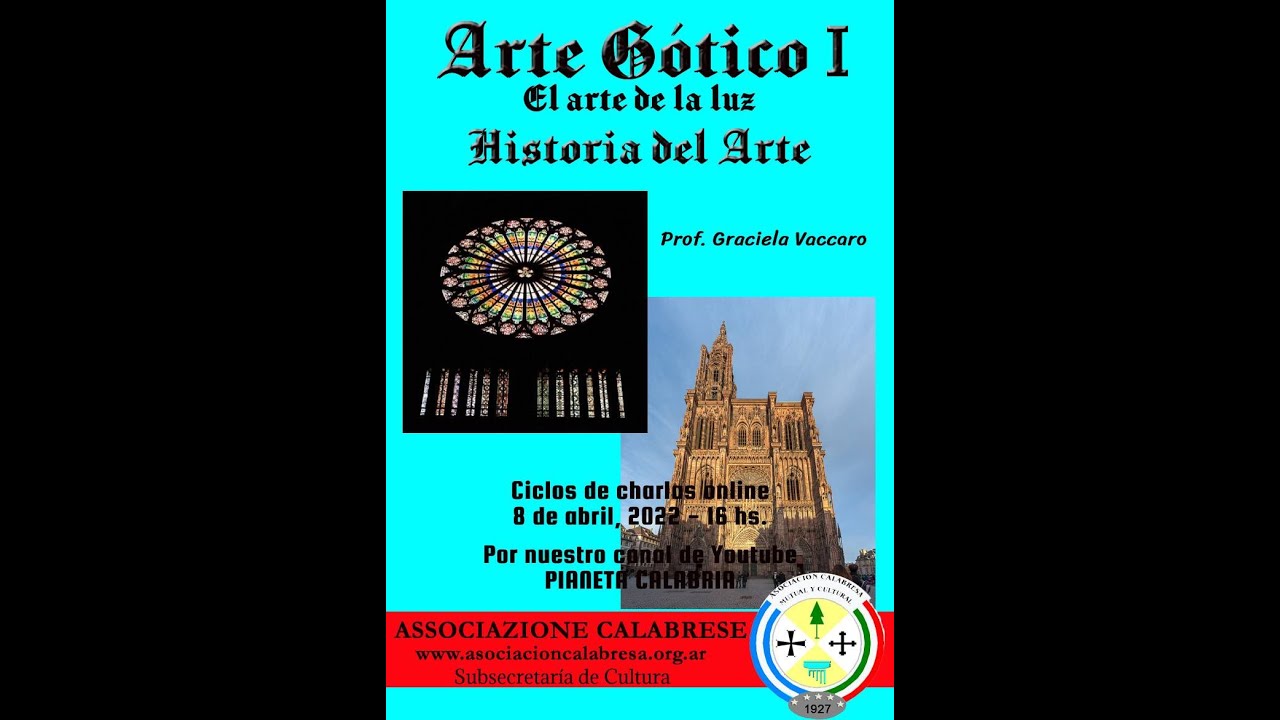





Chartres Cathedral (begun 1194, completed 1250) represents the first fully developed High Gothic cathedral, establishing the architectural and artistic conventions that would define subsequent French Gothic cathedrals; it features a massive western facade with twin towers, a prominent Rose window, quadripartite vaulting, and a distinctive triforium, while its sculpted portals demonstrate the evolution from Romanesque to Gothic styles with jam figures, capital friezes, and tympanums depicting Christ in Majesty and Marian themes, illustrating how Gothic art served liturgical and theological functions through multi-layered narratives accessible to largely illiterate medieval populations.
High Gothic Art: Cathedrals of Chartres and Amiens
Added:Understanding of the transition from Romanesque architecture to Early Gothic, specifically Abbot Suger's design of the Basilica of Saint-Denis.
Familiarity with core architectural elements of Gothic design, such as pointed arches, ribbed vaults, and early flying buttresses.
Knowledge of the socio-religious significance of the Catholic Church and pilgrimage culture in medieval Europe, including the importance of sacred relics.
Basic concepts of Christian iconography and the traditional theological roles of the Virgin Mary in early medieval art.
The evolution from High Gothic to the Rayonnant and Flamboyant styles, characterized by extreme ornamentation and stained glass, such as Sainte-Chapelle.
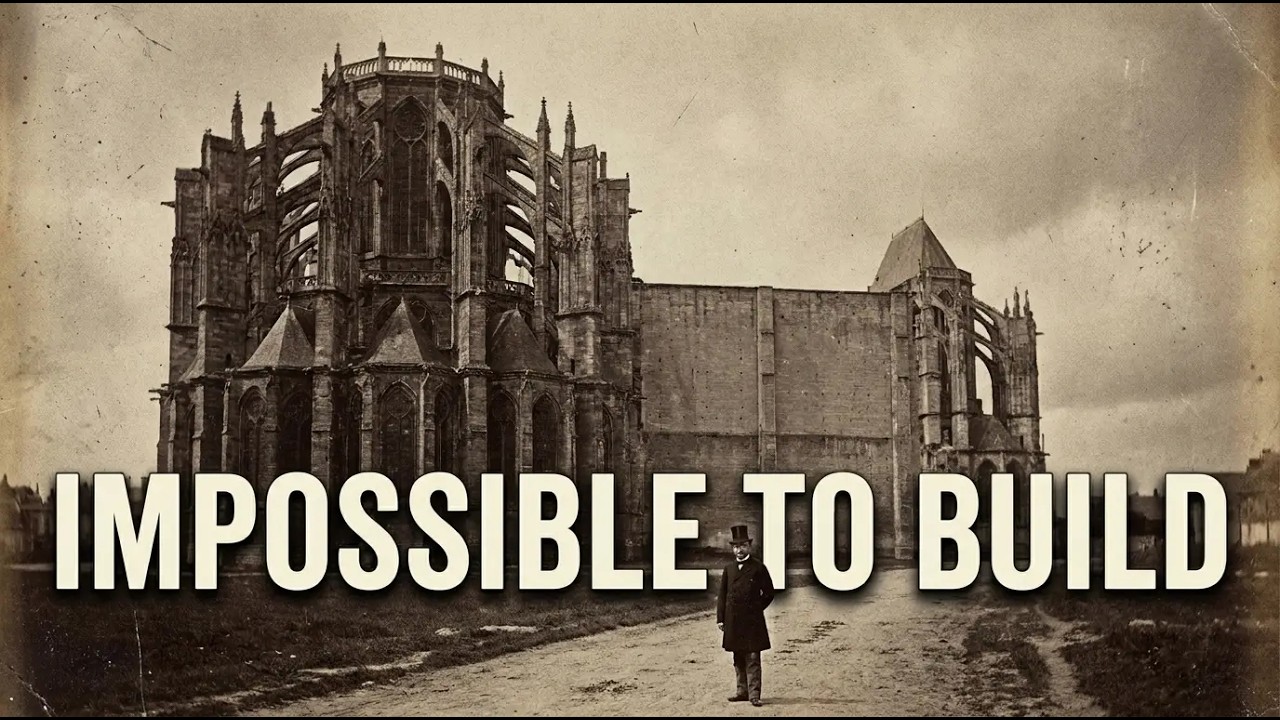
The structural limits of Gothic scale, demonstrated by the architectural ambitions and subsequent partial collapse of Beauvais Cathedral.
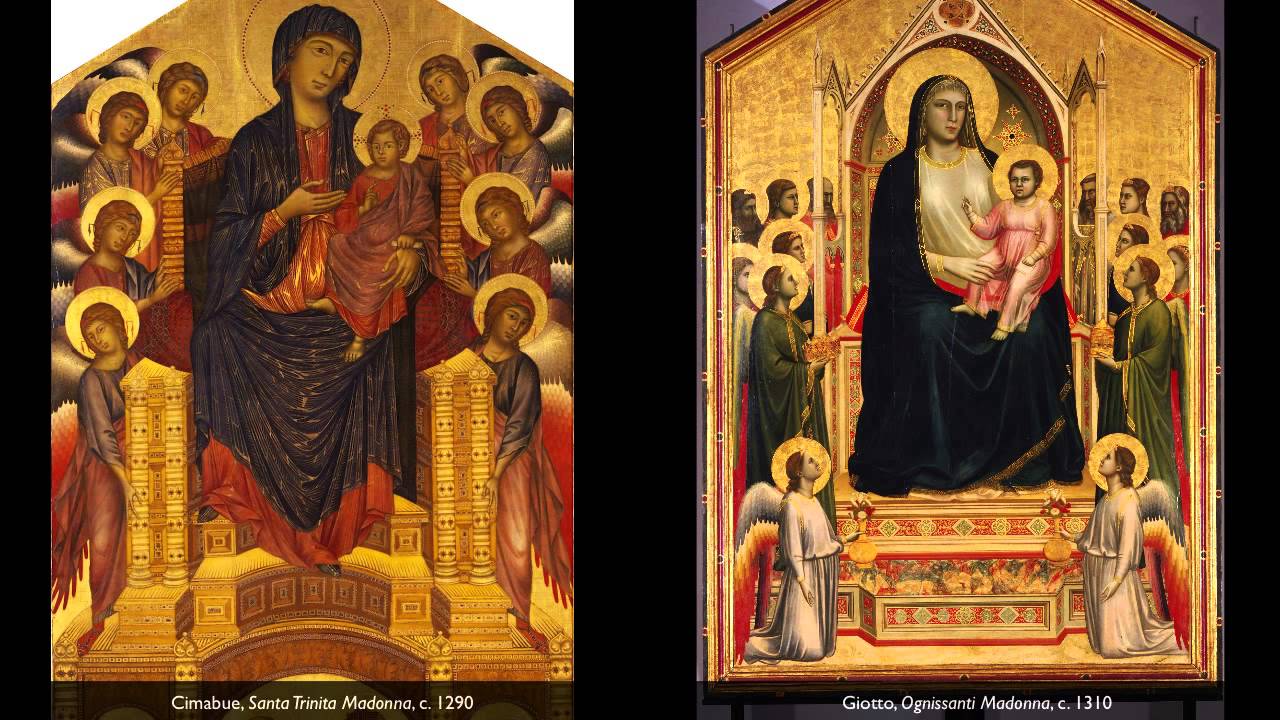
The transition from medieval spiritual stylization to proto-Renaissance humanism, tracking how the representation of sacred figures influenced the depiction of human emotion.
Modern scientific conservation, 3D laser scanning, and restoration challenges facing medieval stone cathedrals today.
15.2K views313likes1:21:19Original Release: 2020-06-17
okay welcome back for the second half of the gothic so let's just jump right back into this so we talked before how most of the structures we seen up to this point places like lyon and like an ultra dom are really transitional structures they are moving from that early innovative period such as sondini and they are moving towards the end of the 12th century into the beginning of the 13th century towards the Gothic but there's still some irregularities Chartres Cathedral is probably the first one that's going to be mostly high gothic there still some irregularities you'll notice some some more circular arches here and there but for the most part all of the characteristics that we come to associate with the high gothic are in place at Chartres Cathedral and that's really kind of impressive and it's also impressive because shark with each was built in a relatively short period of time the Cathedral there suffers a major fire in 1194 so the old church burnt down and there was a sacred relic there the relic was associated with the Virgin Mary and that is the chamise of the Virgin this is her undershirt or her nightshirt and according to the legend when the old church burnt down a peasant came running out of the old burning down Church with the chamise over his head and everyone said you have saved the shanise and he says no the chamise has saved me so it was seen as a kind of miracle of a miraculous preservation of the relic which was the most important thing and because this thing had a lot of royal patronage it very quickly got rebuilt is this whole story called the miracle of the carts that people from all over the country started brought in you know stones and tools and lumber and even food for the workers so they could begin the reconstruction in earnest and so the construction my cathedral standards was relatively short about 25 years now there's been additions and fixes on when you consider something like notre dom took nearly 120 years to build that's really pretty quick this one got started after notre Danka started and was finished before Notre Dame got finished and all of the ideas that had kind of been worked out in the early gothic period get resolved here and create a pattern that is going to be the pattern for most of the great French Gothic cathedrals from here on out so one of the things I like about Chartres Cathedral is that it's more or less just like it was you know eight hundred years ago if you go to shark today shark is a relatively small town fewer than 50,000 people it's about 60 miles south of modern-day Paris and as you can see the cathedral just dominates the landscape it just towers over the rest of the village and you can see the fields beyond it's not hard to identify this thing at all it is so much larger than anything else in the entire city and that's really a way of showing that these work built for the city this is a far bigger Church than this community needs today let alone you know eight hundred years ago so shark was a small town in the middle of the Middle Ages and it's a relatively small town today so it shows that these cathedrals are not built for that purpose they're built to serve the pilgrimage trade and they're also built as monuments of civic pride I love this photo because it shows how if you go just outside the city the rolling hills and wheat fields mask the entire town but you can still see the upper three-quarters of the Cathedral it's really quite remarkable so looking at the Cathedral it has all the features that we have come to associate now with the Gothic it has a very large chivay in fact the chivay is actually an aisle wider than the nave it has the transept in the Latin cross plan and it has a massive western facade so it has all the features we've come to associate of Gothic cathedral when we look at the massive western facade everybody notes that the towers are different this tower over here the tower that would be the the tower that would be the North Tower was actually finished last so this tower was actually finished first at about twenty years later they finished this tower the tower on the left and people say why did you know how did they do that this is something people don't understand about the Middle Ages is we never start a project until we have a plan that lays out everything in intricate detail because we build in a very short timeframe so we have to have those plans but these people built on a generational scale which means you don't have to have every detail you have to have the basics ready to go and from there you can start and move on plus the Middle Ages isn't particular about style if there were innovations and styles or new masons available who could make you something fancy like this North Tower up here then absolutely you would do it why wouldn't you and so even though there's a shift in time they're gonna move to the highest style it makes medieval buildings very quirky by modern perspective we think this looks mismatched but I think for the Middle Ages they thought this made it look interesting dynamic it showed that they were interested in change and quite frankly a lot of medieval buildings are mismatched this way so right off the front we have the two massive towers that's the western facade and then we have the Rose window and we have a monumental entryway which actually dates to a few years before but let's talk about the Rose window first so the Rose window becomes one of these identifying features of the Gothic it's called a Rose window because it has the shape of a rose pretty simple again not too imaginative what I think is so fascinating about this is when you look at this the artist was really struggling how do you conceive of this space and you'll notice they conceived of it as a colonnade you have capitals with bases those have arches they have just bent this around in a circle and then all the little roundels along around the side merely echo the interior all of this is made in the support of stained glass windows in this case the stained glass window shows the life of Christ it's really quite remarkable Christ is seated in Majesty at the front and then we have a series of miracles associated with the life of Christ around it and then the roundels are also likewise filled with those this thing would have been 60 feet in the air and so this figure here is quite large now he's as you can see is the full size of this center round and if we go back to the facade you can see that's nearly 10 feet high but even at that height it's very hard to read these figures as large as they are and that will actually impact opinions on stained glass going further as we go to the side the side has a very simple buttressing system so unlike no tree dome where they're still figuring a bunch of stuff out here they're trying to simplify it the buttressing system has two Flyers it has a thin upper flyer on a very heavy lower flyer and again that heavy lower flyer is punctuated with an arcade again they didn't have computers or engineering they didn't know how to do this so they've probably felt this flyer was too heavy so it needed to be lighter so in order to make it lighter they put an arcade in it you'll notice that arcade is still a semicircular arcade with columns and column capitals and column bases it's just curved to fit the flyer really fun really kind of interesting idea as they get down to the choir they realize that most of this is over built that they can actually get away with a lot thinner flyers so the Flyers here are a lot more delicate and you can see that those colonnades have been reduced to just simple tracery there's no more capitals no more bases and the arches have become pointed so as they move around around they realize you know as we move along this building we're gonna use that pointed arch to bring the building together it also has a much simpler vaulting system as we look into it it doesn't have that hex part tight system that sex part tight system where you took two bays and had six ribs going into the center no it gets rid of that so it gets rid of all of that and instead it takes a narrow bay and links it and only has four ribs coming into the center so let's make it that's what makes it quadripartite and this actually makes for a much more elegant simple system it doesn't have those thin narrow blade like vaults that aren't very efficient or don't work terribly well anyway and so you have this lovely repeating rhythm and you have kala nets that go right into the vaulting and go right into those ribbed vaults creating this tree like structure that repeats across the entire building notice also that the clerestory the is mostly glass whereas before in the time of an autre dom this would have been a series of roundels and smaller windows that were later turned into large Landsat windows this one has a very large roundel and then it has two very large Lancet windows side-by-side so it is mostly glass and the biggest thing that makes it different from Notre Dom is the gallery lay on and Neutra Dom still have full galleries this thing doesn't this thing here in the middle is actually a sham gallery so if you were actually you can walk up there and go up there if you're interested but there's no space to kind of stand and look at how did people it's just a simple passageway it's just a couple feet across it's just enough for a person to walk through so it's actually a sham gallery and the sham gallery has an articulation of an arcade and it's not terribly big so what's happened is they've made the windows larger and squeezed them down and they've made the side aisles higher and squeezed them up and so you get this very squeeze down sham gallery that gives an architectural transition as if it was a gallery but it can't really function as a gallery we call this the triforium and the triforium is this section here between the clearest airy wind the clerestory windows and the side aisle sharp underwent a massive restoration in the last several years was rather controversial but I think it's important to give you a sense of what these cathedrals were really like when they were first created first of all they have massive windows and the point of those windows is to bring light into the interior and people in the Middle Ages loved color color was the most important thing so in this case what you're seeing here is a set of the vault that is restored to the original color of the stone and this stone was actually painted so this is what it looked like after 800 years of grime and smoke and soot and this is what it looks like today after the restoration you can really see the dramatic differences here this is a part of the transept that hasn't been restored yet and here's the choir that has been restored notice that some of these columns have been painted in a faux marble they didn't have marble in the Middle Ages the same story is repeated in Utah when the pioneers got to Utah they loved things that look like marble or looked like mahogany but those materials that were far too expensive for them so they took pine and oak and painted it it to look like faux a mahogany or faux marble and materials the same things true the Middle Ages they loved marble they loved precious stones but they didn't have any so they used faux painting to do this and that's really weird because we don't think of them painting these things we think of these things being you know kind of left plain and being gray limestone oxidizes down to a gray and then if you put the suit on it it gets even darker so this was very controversial because of course people are used to it being dark and grimy and suddenly it's not and it looks very clean very light but I actually think there's a lot of archaeological evidence that this is the more accurate vision of it and I think that even as controversial it is it gives you a sense of what the medieval vision of the building was like buildings have a history and they change and we sometimes get nostalgic about age and corrosion in ways we shouldn't people also got very nostalgic about the restoration of the Sistine Chapel but one of things I like about this is it emphasizes how light these buildings are just how much light is allowed to come in through these windows it's just transformative if you had been in a structure that had only a barrel vault and didn't have any color in it now you have these stained glass windows and this voluminous amount of light being allowed to come in it really would have just seem wondrous this must have seen as as you know I mean we live in a world where we have gigantic glass and steel buildings so big windows don't impress us light doesn't impress us we expect buildings to be full of light and to have massive glass windows but when you realize that was not the norm at the time this is truly a revelation notice also that the columns here are painted in a faux marble they wanted these things red alternating red and blue and green so that one of these things to have a an elaborate notice that the UM bows these are those bosses that join the things together also have elaborate painting and color on them so you tend to think of these things is very dull but they're really meant to be very very bright very light filled when we look to the western facade again one of the more important features of sharked that comes through is going to be the western portal the western portal in this case actually predates the Gothic building it actually dates from the earlier church but it was preserved from the fire and so they kept it but it became the thing that inspired most of the other monumental portals in the Gothic world so it's going to be a tripartite portal so right off the bat if you know earlier Romanesque portals they were double portals you had a portal that had a single tympanum and then maybe post to support up this lintel here you can see the kind of differences between a gothic and a Romanesque portal Romanesque portals tend to be very broad and have a semicircular arch with lots of ARCA volts gothics I tend to be have this pointed arch and lots more decoration in the form of spindles finials Crockett's all kinds of decoration going back to chart you'll notice that it has these figures here on the edge we call these jam figures jam figures are if you ever think about the door or the frame of a door is called a jam so that's J a.m. B and jam figures our figures that are on the door and so you can see them arrayed here on either side these jam figures tend to be very long elongated the drapery and the the human anatomy is not that accurate you can see how they have little swirls to indicate where the knees are this looks a lot like manuscript illustration I mean his hand is very awkward even though they're carved in three dimensions they look very flat and graphic and linear we call this the headmaster style because we don't know who the artist was here but style is consistent across the board so we can actually tell the hands of various different sculptors in this case now these figures are very column like very pillar like figures they stand on little bases that have symbols that indicate what they're supposed to represent in this case they seem to be Old Testament kings and queens these would be ancestors of Christ and also ancestors of the cepacia monarchs which is the ruling dynasty at this time above these jam figures in this area we have what's known as a capital freeze so if you remember freezes are kind of consistent you know narratives they go from one side to the other and capitals had sculpture introduced to them into the Romanesque period but here the artist has done something rather ingenious he has all these capitals lined up together but instead of treating them like singular sculptural elements he's treated them as one gigantic narrative element and so you start off with the Last Supper over here and then you go the arrest of Christ then over here you have a series of scenes this is the entombment of Christ and then over here we have the three Mary's of the tomb and the resurrection so this is a narrative of the passion and the Easter week again this is dedicated to Christ the themes are going to be associated with Christ when we look up to the decorations up top we'll have the tympanum which is this large section over the top and a lintel just this section right here and then we have these archive alts the ARCA bolts we'll have angels and we have a unique set of themes a different theme in every tympanum the center portal is the most important and so the center portal is going to be dedicated to Christ in this case the center portal shows Christ in majesty with his hand up in a gesture of blessing and he is seated in a mandorla mandorla is a body halo this is the Last Judgement we have the angels and the elders of the Apocalypse we have the Twelve Apostles down here because the Twelve Apostles are the apostles who will judge people in the in the last days and notice that we also have the creatures of the apocalypse which are also the symbols of the four evangelists so we have a angel for Matthew we have an eagle for John a lion for mark and an ox for Luke so here the style is a little bit more fluid a little bit more naturalistic and it represents the hand of a different artist as we move on from the center panel here we'll move to a side panel so the central tympanum has a temp in him on either side because if this tripartite door and the tripartite door will have different themes this portal over here which this is all the western portal so this one is the portal that would be on the south side of the West End this one is dedicated to the Virgin Mary when we look at this portal it has the Virgin Mary seated in the center and on her lap is the Christ child flanked by angels below that we have a series of narrative scenes about the life of Mary and the early life of Jesus over here we have the Annunciation this is angel Gabriel announcing to the Virgin Mary then we have the visitation where Mary meets Elizabeth that Elizabeth is going to be the mother of John the Baptist and she's pregnant with John the Baptist and John the Baptist sleeps in the womb this is a indication that a miracle that Elizabeth uses to recognize Mary as the mother of God then we have a nativity over here the kind of strange-looking nativity in the nativity they're almost arranged like bunk beds you have Mary laying down here and then you have the Christ child up here not on a manger but directly above that's kind of bizarre but there's a reason for that and we'll explain it next we come to a scene known as the presentation in the temple so this is after the days were accomplished that you know Mary had become clean because in ritual law in the Jewish world you had wait a certain number of days after pregnancy to be declared clean and you had to go to the temple and offer sacrifice and to individuals Simeon a priest an Anna a prophetess recognized that Jesus this child that Mary brings is going to be the Christ child so we see Christ standing on a pedestal which is kind of interesting but there he is so what's going on here well you'll notice that there's a theme throughout all of this it's all about Christ on things you have Christ on a kind of strange box-like bed that Mary is underneath and the Christ child is up here then you have a strange kind of pedestal and the Christ child is here his poor little head and arms been broken off and then finally you have Mary who is almost like a seat or a throne for Christ himself in fact this type has a name it's called the Cestius a pentose which is latin for the throne of wisdom so Mary is the throne of wisdom Christ being wisdom himself so all of these things are very interesting because this is about Mary but it shows how Mary is important the life of Christ she supports Christ now what's going on here why would you do this well it turns out that there's a very strong series of arguments about the nature of Christ in the Middle Ages what is Christ is he a half God is he a demigod is he fully God was he God pretending to be human or was he fully human and fully God at the same time and they ultimately come down to the decision that he's fully man and fully God simultaneously he has this these two natures the diocesan nature so Mary is going to come in as a character witness on Christ's behalf Christ is born from a virgin that's evidence that he is divine but his mother even though she's a virgin is mortal so that's evidence that he's mortal so all of these things work together there's also a liturgical aspect here that every time we see Christ he is seated on an altar this is also a reference to a doctrine known as transubstantiation that is that it wasn't a formal Catholic doctrine at this time but increasingly people are associating the body of Christ with the communion with the Eucharist with the bread and the wafer that is his body it doesn't just represent his body it is his body it is him so there's very much an altar like quality to all of these images and so that's definitely stressing this liturgical this ritual Eucharistic kind of attitude as well notice that Mary in these scenes is definitely to the side she is on the right hand side of Christ in the main portal but she is not the main show she is subsidiary when Mary is introduced in medieval iconography she's really just a sideshow she's there to support Christ and to help him and to elevate him or to illuminate certain doctrines or points regarding Christ but we're going to see that change the final panel over here is sometimes called the ascension panel but it's actually more likely the pre-incarnate christ so when we look at this we have Christ we have two angels pouring out clouds of glory and he is standing in those clouds and we have angels coming down to declare him now for the longest time people thought that these were the apostles and this was a scene of his ascension into heaven but people kept noticing that there's 10 apostles down here 1 2 3 4 or 5 6 7 8 9 10 if I brought any of you back to electric company you're welcome for the Nostalgia trailer but anyhow now 10 is an interesting number because at the time of the ascension there's actually 11 apostles remember Judas kills himself so there should be 11 and not 10 so why are there dead and people scratch their heads over this for the longest time until a scholar by the name of Margo Fassler came along now Margo faster was not an art historian she was a musicologist and she did hymnography the study of hymns in the Middle Ages and she came along and she noticed well these aren't the Twelve Apostles these are the 10 major prophets from the Old Testament and sure enough if you look at them they're holding Scrolls generally there's this convention and medieval art that if you're a prophet from the Old Testament you hold a scroll and if you're an evangelist or an apostle you hold a book because books were new and think old things in the time of the Apostles so that makes sense so rather than this being the Ascension of Christ after his resurrection it's actually the promised Christ these are angels coming down to inspire the prophets saying hey Christ is coming he's not leaving he is coming and all of these look up at him and the reason she recognized this Margo Fassler recognized this is because there are hymns that talk about the pre-incarnate christ and so if you understood this thing from the perspective of hymnography it makes perfect sense if you were just an art historian and looking at images you wouldn't get this I mentioned this because first of all it's a great article it'll be treated if you're interested in Gothic art but it proves that you really have to be interdisciplinary to do stuff in the Middle Ages remember what I keep saying about middle medieval art it's never just one thing or the other it's always multiple things it's always many different iterations many different meanings simultaneously and also there's no such thing as art for art's sake in the medieval world that is the art has relations to liturgy and to ritual so as we look at all of these wonderful panels you'll notice that these panels all have liturgical and religious function this one over here has relationship to not just theological messages not just not just the narratives of Christ's early life but to deep theological questions and to liturgical questions and so a theme emerges a theme of past present and future this is the past of Christ he was the God of the Old Testament that was foretold to come in the flesh over here we have the Incarnate Christ this is Christ as he was promised to come and then this in the center is the future this is the Last Judgement which is coming for all of us and coming for us in the future so this is what we should be aware of so this is very much a portal that exists in the medieval concept of time and gives you the sense of time past present and future it's important to know that most people the Middle Ages were illiterate and so ritual hymns music and art this is how they understand the Gospels and I would venture to say that your average person in the Middle Ages even though they didn't couldn't read and didn't have the scriptures available online and all these commentaries that we have probably do their scriptures better than your moderate average modern person they probably knew them better because they were so attendant to these rituals well I'm gonna skip to the stained-glass windows I'm gonna skip the South portal because it got to skip some things it's just a tragic but and we're going to talk about the Good Samaritan window this is one of the major stained-glass windows that comes from the 13th century inside Chartres Cathedral it's really a remarkable window the window is made up of three major sections that are called quatrefoil so Quatro foils have four lobes so here's a quatrefoil here's the next one each of these Quatro foils is broken down into five scenes four scenes a scene on each lobe and then a scene in the center that also has a quatrefoil and we also have smaller lobes on the sides and little roundels in between the stained glass window that you see here is you could tell even in the background the color is going to be mostly blue and red remember blue and red are the hardest colors to make and stained glass stained glass is a very difficult medium to create and to work in and so the red and the blue is just conspicuous consumption it's a way of showing how valuable this is and right down at the very bottom we have a scene that shows tradesmen and these tradesmen are making shoes now that's such an interesting little scene to see what is going on here there's a couple different arguments going on here this series of windows is called the trade windows and each one of these windows has a demonstration of a trade one of the theories is that that means these windows were donated by gilts guilds were very very new at this time medieval guilds really start to get going in the 13th and 14th century so this one right at the earliest history of guilds but one would assume there could have been a guild of shoemakers who were very proud of their profession and wanted to donate to this church and so they paid for the construction of this window another interpretation is that this is a way of by incorporating the trades down here is a comment on the nature of the world itself that the tradesman should be justly honored because they were the ones who supported all of society at the very bottom of society you have tradesmen workers and so this may not be a donor portrait from the guild but it may actually be honoring all of the working different people that put together the money and efforts to build the church as a whole so it may not be a specific donation by a specific guild it may just be an acknowledgement of the workers themselves as far as the theme itself the theme is the story of the Good Samaritan but it's very unusual down here at the bottom we have a scene of Christ and here is Christ telling the story of the Good Samaritan the Pharisees come to him and ask him which of all the commandments is greatest and he says the greatest commandment is the commandment to love thy neighbor and they say okay well who's my neighbor and he says good question and he tells the story of the Good Samaritan and so the story of the Good Samaritan is told from the bottom up it starts with Jesus telling the story in this section here and then he immediately goes to the story of a pilgrim who goes off into a far country and as he's travelling he comes amongst thieves and then it skips over to here or he see him getting shirt pulled off his head like a hockey match I'm getting a crap beat out of him with guys with swords and then we see his terrible bloodied body here in the center and then as he's been abandoned two people come by one of them is a Levite and the other one is a priest and notice that the priest here is contemporized he is not depicted as an ancient Hebrew priest but it's a modern priest okay so the Levite and the priest see him but they have they don't do anything to help him they abandon him and along comes a Samaritan now a Samaritan in Jewish tradition is a person who is not regarded Jewish these were people who were hybrids they were mixed between Syrian and Jewish blood and they had some different beliefs and so the Jews consider them heretics and an esmine and shunned them and it is the samaritan of all people this person who was hated by the jews who comes and helps this man and puts him on his donkey and takes him and he eventually takes him to an inn and he places them in the inn and he takes care of him there's this scene right there here you can see the detail of it right there is beautiful enameled glass gorgeous material and in the end he tells the innkeeper put oil and wine into his wounds I wouldn't recommend that as a kovat 19 cure but there you go put oil and wine into his wounds and take care of him and if you need anything else I'll come back and I'll pay for the rest and so you have this man who fell among thieves who is now saved and is at rest because of the actions of the Good Samaritan but interestingly enough the story doesn't stop there it goes on to what seems to be a completely different narrative right above the Good Samaritan we have a scene of Adam and over here we have the Creation of Adam we have the introduction of Adam and to Eve in the Garden of Eden and then we have God basically commanding them do not eat of the forbidden fruit and warning them of the consequences so the entire upper section is about the story of mankind so everything below this is the Good Samaritan and everything above this is about the creation of Adam and Eve and so Adam and Eve eventually get expelled from the Garden of Eden here you can see it here and this leads to the introduction of death murder you have Cain killing Abel over here and you have God you know standing in judgment of man and all of this terrible stuff that's happened so the question is why what's going on why do you have this sudden shift in focus apparent shift in focus from the Good Samaritan to Adam and why are the good Samaritan and Adam put together here well it all has to do with this again this multi-layered meaning there's three meanings here first of all there's the narrative meaning the just straight-up story of it so the narrative is on the top from the top down is a narrative of the fall of man and the narrative from the bottom up is the narrative of the Good Samaritan but then there's a mystical meaning the mystical meaning is that the Samaritan the Good Samaritan is a metaphor for the fall of man so just as man disobeyed God and eventually introduced violence into the world the pilgrim goes out and falls amongst thieves and is ultimately in need of saving so the Samaritan is in need of saving but we're in need of saving too and so the third layer to this there's the narrative layer there's the kind of mystical air metaphor of the Good Samaritan is the fall of man and then finally we have the Good Samaritan himself and the Good Samaritan is a typology of Christ so when we look at these scenes of Christ and the Good Samaritan notice how much they look alike here is Christ telling the story to the Pharisees about the Good Samaritan and here's the Good Samaritan taking care of of the man who fell among thieves and notice how much both of these look like the image of God creating an instructing man in the Garden of Eden so this is telling us several things first of all there's the there's the narrative of the stories that the Good Samaritan is just a story that everyone should be kind to their neighbor and it doesn't matter who they are even if they're a Samaritan everyone is your neighbor the second is that the fall of man is kind of narrative or the fall of man but the third level is that Jesus is the Good Samaritan he is the one that can save us and no one else can save us the priest the Levite even the church can't save you ultimately the salvation comes to Christ so this is a very nuanced complex story being told in this stained glass window and it's not just one story and it's not just one message and the Middle Ages is famous for this for always finding multiple meanings okay so that's sharp but it's important to know that sharts is not the only way to kind of conceive of this early experimental period at exactly the same time that sharp is being built another cathedral is being built at borsch and this is santiana this is st. Stephens and it has a completely different plan this thing doesn't have much of a transept it's just has these little kind of EDA cules on the outside and it doesn't have a defined transept it's all one big hall they shave a just curves around and blends right into the nave it does have a massive Western facade but it has a very very different aspect when we get to the interior when we get to the interior instead of seeing these huge glass windows the glass windows are obscured by these massive columns and we have this incredible forest of columns the Flyers are completely different to notice how steep the Flyers are and notice not only are they really steep they're so in comparably delicate and there's so many of them there's five separate Flyers here you know well actually six sorry there's six separate Flyers here attaching it to this massive buttress compare this to shark that has these very shallow fliers and only really has two of them and this shows that there were different ways to conceive of this new technology now as it turns out from modern science and engineering analysis and computer analysis the fliers at borsch are extremely efficient even though they're so delicate and they're so thin they actually hold up a lot more weight and I'll have a lot more strength than the massive bulky Flyers at sharp that we see over here on the right whoever the engineer or architect was on board she must have been some kind of native genius because it's really remarkable that he came up with this yet still astonishingly perhaps it is going to be this system over here it's going to be sharp that's going to be the basis for all later cathedrals why well something that has to do with the effect of the interior while borscht basically meant that you could build a cathedral taller higher bigger notice how different the interiors are so this is Borgia on this side so we go from a side aisle to a kind of sham gallery to the first layer of aisle windows then we come up to another gallery and another series of aisle windows and all of these are more or less the same height compare chart we have a very tile side aisle have a very small triforium and then a massive window and you can see the difference this makes inside these buildings borscht Cathedral those galleries are pretty tall and they're kind of dark and the windows are relatively small whereas at Chartres Cathedral those windows are very large and the galleries are squeezed down and small which means that there's far more light coming into the interior at schardt than at borsch Cathedral what's interesting is there's actually more window space in bores than there is in sharp is actually more you know square feet of window in bores than there is in sharp but sharp has more unobstructed window space which means that it looks so much lighter so much brighter and it's obvious that both of these were being made at a time when people were still trying to figure out what is the high Gothic and even though borgia is a beautiful building it doesn't really communicate this quality of vertical lift and light and sharp does so sharp becomes the pattern for all future gothic cathedrals and it becomes the kind of the first High Gothic cathedral for this reason it's important to know it was still experimental when it was being done but I'm young Rome's all those cathedrals will emulate sharp from this point on so let's go to Omni on Cathedral I'm young Cathedral is the largest standing gothic cathedrals so what the largest ever built but it's the largest still standing it was begun in the 12 20s again there was a fire of the previous church that burned the previous Church down in 1218 so when we talk about the destruction of Notre Dom in the fire of Notre Dom fire has long been a problem for cathedrals and it too has a very long life the choir isn't finished in twelve twelve thirty eight the nave isn't finished in 1245 the South Tower on this side isn't finished until 1366 it's not until 1401 that this tower is built over here again there's a mismatch between the towers but it's a little bit more unified we also have to remember this building also went through a restoration it was a royal church and so therefore it had royal patronage anything that had royal patronage got really hammered by the French Revolution but still it's a massive structure ambience a bit bigger talent and schardt but you could still see how it just dominates the landscape it has the Latin cross plan but it has this incredible chef a chef a that curves around to a five-mile wide nave it's by far the tallest standing cathedral the exterior length of this thing is a hundred and forty-five meters the interior length is 133 meters the height of the nave vaulting is 42 meters just to give you a sense that's the equivalent of a nearly a 13 story building and the height from the ground to the tip of the spire is a hundred and twelve meters it's just an incredible voluminous space look up to the interior this thing so again imagine the hospital tower the tallest building in Provo which is about 12 stories easily fitting inside of this not a problem I probably even have a few inches left over it has this colossal crossing and one of the things that really defines AMI on a Mian is this the very very thin piers these piers support the crossing tower and they're relatively small and again that makes this thing look so tall and so ephemeral and so light and it brings so much light into this this actually was a problem this was beyond the level of their engineering and it nearly caused the building to collapse again no computers no modern engineering when these people are doing this stuff they're just flying by the seat of their pants and rules of thumb and what they have by experience and in fact by the time it hit the 15th century this thing was bowing out like this let me do you have that a little better these pillars were bowing out like this and it was in danger of collapsing inwards like this so they actually had a very clever solution they actually pinned back the columns see these little things right here it's a little tiny thing here that's an iron cleat and what they did is they put a hole right through the entire pier and they put a series of iron bars chained together with links and they took those iron bars and took them all the way out to the outer pier so this whole thing got tied back to the outer pier they really just just kind of stretched it back and they they tied in the iron bars and cranked a little on it until it moved a little cranked a little more until it moved a little a little by little like pulled these two columns back into into straight really a remarkable engineering achievement and it's it's basically secured it since it and since then and it's it's worked very very well it's it's one of the the best you know kind of interventions that's ever been made on a Gothic cathedral and it's probably going to save it still when you look at this the scale of this thing it's just tremendous this entire upper section is just glass you can see that here the tracery is unbelievably thin it's so much larger than sharp that's one and a half times as large as shard I think and all of this is glass well you notice the glass isn't stained glass it has some stained glass up there but not a lot when you realize that these stained glass windows are nine stories up you realize why they got rid of the colored and stained glass it's hard to do these narrative panels or scenes when they're so high up you can't see the figures and they eventually realized that and they actually changed to a new type of glass called grisaille grisaille just means gray glass and it's a kind of grey green almost white wine like color and the reason they used that glass because it let as much light as possible so while first the the goal was to let in this light to make this luminous stained-glass they realized that the real power here is just to fill these things with light and you can see these these are shot under natural light conditions this is not these are some of the few buildings of the Middle Ages that don't need artificial lighting to light them up it's really kind of a wonderful stuff you can see how by the time we got to the choir they have really figured out the vaulting look how thin and delicate those Flyers are those Flyers are extremely delicate and thin and very steep and much more efficient here's some more of those iron cleats that they use to kind of secure the interior to kind of keep the roof from bowing out too far so really just amazing and look at all of that black is glass when you stare up at these crossing vaults they're just remarkable again watch part type vaulting so we don't have the overly complex vaulting we have this really kind of nice vaulting now the transept windows are actually finished during the Ray and also we'll talk about those well actually we may not I'll talk about Rand on later but you can see how much of them they're dedicated to tracery and how much has been opened up from glass one of the things I want to talk about is this square crossing and talk about some of the symbolic content of these buildings now this one comes from Stephen Murray Stephen Murray is a professor emeritus at Columbia University I first met him 25 years ago Wow and back then he's this very proper British guy but he loves Harley's loves hogs and he drives across America he came to America just so he could buy a hog and drive across America he rides with his son all across America he knew Utah so I mean he loved Utah and loved riding across it it's very funny to have this very prim proper British you know professor with an Oxford education but he was at Columbia University in New York City and he recognized that these squares not accidental that the squares are the main feature of the interior of the building and every single dimension in the building is laid out from this square so for example the square is laid out and it is the diagonal of one half of that square from the center that gives you out to this distance out here and that gets you the double square every single part of the building every day of the building is a proportion of that center square so we realized that center Square was very important what did it represent well it represented the heavenly Jerusalem so if you go to the book of Revelation and I mentioned this actually way back at the beginning of the class but if you go to the book of Drew's of Revelation the book of Revelation describes heaven and heaven in the early Christian concept is not this dull white foggy gated community of white people in the sky it's actually a city and it's a city covered in jewels and it also happens to be a perfect cube it is exactly square on all four sides and it has three gates on all on all on each of its four sides so here is the angel leading John the beloved John the Revelator into heaven and you can see the gates laid out on all sides and at the center of it is a square so the square is one of the Platonic regular figures a cube is one of the Platonic regular solids and in the medieval world it represented perfection so it represented heaven so when you see a square there and when you go to the interior of the building and you look up and see the square this isn't an accident this isn't just a convenient way to organize a building it is meant to evoke that you were standing in the kingdom of God that the church on earth is this extension of the heavenly Jerusalem and these geometric you know points really matter so we go to the western facade will notice some new inclusions we have a gallery in the gallery are going to be usually be Kings that represent the kings and rulers of France but the biggest thing is the monumental facade and the scale of it I'm gonna skip back just to give you a sense of it go all the way back to the western portal and a view of the western portal here see this western portal see this this is still a pretty big portal but if we look at this portal you know a human being is about here so these figures are just about life-size this door is about 12 feet high so it's a pretty big door now I want you to look at Omni on by comparison so when we go to the front portal at Anyang I want you to see how much bigger it really is take a look at these people oh my gosh they're teeny tiny practically the entire portal of shark could fit inside just one portal at Omni on so it shows how there's a real trend towards bigger better these cathedrals just keep getting larger and larger and more ornate more and more decoration all of these little finials up here are called Crockett's all of this decoration all of this massive amount of decoration we have the jam figures the jam figures here are no longer life-size they're easily you know eight nine feet tall in some cases just colossal figures when you get to some of the other figures higher up they're nearly 15 feet tall so the themes again are going to be themes that are the typical themes that we've seen before here we're going to have the Last Judgement so in the center tympanum you have a scene of Last Judgement here is Christ with both hands doing the we got a bad house over here that ass over here at gesture so Neil deGrasse Tyson now I got it now I gotta have a meme from that okay 10 points to Gryffindor or whoever whatever house produces that meme for me so here he is with both hands up in the air and he is surrounded by angels and then down here we have another Last Judgement scene this is very similar to the technique we you know the themes that we saw at conk the style is a lot more develop however notice how much more naturalistic it is notice how much more rounded out these figures are so here we have the angels with their trumpet and the angel with the scale weighing the hearts of men and the angels are calling forth the dead and the blessed are getting a nice happy wake-up call and you can see they're happy and the angels are dressing them in clothing and then they are being ushered in to a doorway to come up into the presence of God but over here these guys are getting a rude awakening some of them are clinging to their coffin doors saying no no some are putting their hands over their ears like no no don't some we're trying to crawl back into the grave and the demons here uh sure I love how this guy's looking back oh man don't I get clothing no you're going to hell everybody else naked which is pretty quick definition of hell in my opinion and they're all getting shoved into this Hellmouth so but notice how much more realistic the drapery is notice how much more involved the creationists are seeing this move towards greater and greater naturalism and then over here we have in the South portal a very different scene just like that shard the South portal in the western facade is going to be dedicated to the Virgin Mary if there's a crucial difference here and I was remember this is about 50 years difference in between the two buildings it's sharp and I'm just going to refresh your memory I'm just gonna go back to it at schardt well Mary is important she really is a prop to support Christ she is there because she elevates Christ okay and shows why he's important so even though this is a portal dedicated to the Virgin Mary it's really much more about her relationship with Christ etc so this is around the middle of the 12th century and then by the time we get to UM Yom and it's portal and it's Marian portal this is gonna be second quarter - so this is actually nearly it's closer to 75 to 100 years after that and you can see how much more naturalistic the drapery is this is huge improvement in technique but more importantly is the theme Christ is here but now Christ is the secondary player the scenes depicted are the Dormition and the Assumption so the Dormition is the death or the going to sleep of the Virgin Mary it's located over here and here you see Mary laid out and all the Apostles are around her mourning her as she dies but Jesus not wanting his mother's body to be desecrated assumes her bodily into heaven so you have these two angels one here and another one here who pick her up and you can see there's actually little bit of separation between her and the angels are taking her body whole into heaven so the Christian tradition is that there's no bodily relics from the Virgin Mary except maybe a few strands of hair because her body isn't on earth anymore it was taken into heaven just like Jesus took his body into heaven when he was resurrected and over here we have Jesus and Jesus is holding a crown or it used to be it's now broken off and a crown is being placed onto the head of the Virgin Mary and notice that the Virgin Mary is a little bit taller than Jesus so something interesting has happened in between the time of these two portals in the last 75 years Mary's gone from being a bit player to supporting the role of Jesus to being the main theme what's going on this is something that happens incrementally over the Middle Ages and it kind of makes sense and to make sense of it you really have to go back to this image Jesus is the mediator he is the person who stands in between us and God but he is also the judge he's the person that's gonna make the final judgment and so this is actually intimidating for believers in the Christian ship world because Christ is going to judge you no judge can be entirely cozy shall we say you're not going to be too familiar with the judge there's always going to be kind of this distance by that role but Mary has no such role she is not your judge and she is the mother of the judge and what better way to get in good with the judge than to get in with the judges mom I actually met my mother-in-law long before I met my wife and I became good friends with my in-laws before I met my wife which means I have an excellent relationship with my mother-in-law the envy of men everywhere I have a mother-in-law that actually likes me so so I recommend you do this so the same thing is kind of true in the Middle Ages that you know okay Jesus can be a bit intimidating so we have a secondary mediator come in and that is the Virgin Mary to look at this from a Catholic perspective you know Catholics I remember a Catholic monk told me he said well you know if you got sick would you ask your mother to pray for you and I said absolutely and they said well you know when your mother dies does she go anywhere and I'm like did she disappear and like oh no and she's there and she's in the afterlife and she's like okay well Mary is kind of like a mother to everyone and she's there in the afterlife and why not ask her to pray for your soul on behalf of of your soul so that makes sense that totally makes sense so you start to see from this time on an increase in the veneration of Mary one last image I want to leave with a me on that recently they actually used a digital projector and projection mapping technology to project the original colors onto the facade so this was made in limestone and it was made out of a very kind of yellow colored limestone and they cleaned off the the gray suit and grime in the oxidation recently in a restoration and people thought that was controversial too because they thought it was just way too yellow but then they projected the color onto it and there is lots of archaeological evidence to suggest that these are the accurate colors it must have just you know to our eyes it looks really lurid it looks really kind of almost clownish and ridiculous I don't think they would ever restore this to that level people would have a cow after this they were like okay we're good we're good with the Yellowstone you know we're good with the yellow colored limestone we don't need any more of a restoration we'll leave it there but it's important because it shows again we always think of these as kind of gray you know when you say gothic it immediately conjures up this idea of gray of dark of lack of people wearing black and you know listening to emo me it was like that kind of thing and it really isn't it really was very colorful it was very gay very bright very lively in its color schemes and and it's completely different than what we imagined so we're bright blue reds and golds and greens and tell everybody you're a goth you know that's what you should do okay let's go to our last cathedral for High Gothic Rawls Cathedral so in Ross Cathedral it's really one of the the last cathedrals it's begun in 1211 but it's not finished till quite later and what it's really known for is this incredible level of tracery on the western portal when you look at wrongs and um y'know the-- drill together they're extremely similar wrongs transept kind of blends right into the Shiv a very similar to ami own very similar to um yawn but but not quite they also have this very tall very thin very angular aspect that really lets the light come in this is Rawls Cathedral over here this is on the own and you almost can't tell the difference between them they have just sheer glass curtain walls in the upper clerestory I had a very nasty professor that would show us two slides like this and say okay identify Rawlinson identify ami oh and uh you could only do it by looking at really nitty-gritty details to figure it out I won't do that to you I'll make it obvious mm-hmm but when you can see the interior again wrongs is a little bit shorter than a yawn but it but it's it's just negligible it's it emphasizes this incredible verticality this incredible height each of these cathedrals just gets taller than the next the thing that really makes roms stand out is that they move stained glass into the tympanum and then they move stained glass into the gallery so as before if you think of shark shark just had a single Rose window with stained glass now just got more and more stained glass and you can really see this Rollins Cathedral Rose Cathedral just has an incredible amount of light and color and stained glass coming into it as spectacular as that is it's not even nearly as spectacular as the facade the facade has all of this stone tracery these statues appear are easily you know 15 feet high they're gargantuan statues and all of this look at all of these Crockett's all of these finials all of this decoration all of this incredibly encrusted decoration the move is towards greater and greater and greater decoration the entrance here is just as big as as a mule except the statues if anything are a little bit bigger so the statuaries and the sculptures are bigger there's also because they've moved glass into the tympanum they no longer have that space for showing the Last Judgement scenes and everything else so the sculpture has actually been moved up to the gables the gables are these triangular kind of decorations that go over the top of the arc ovals and so the sculptures actually had been moved out to the outside in some cases or up to the gables and here's where things get really interesting because in the center gable we have the image of Mary over here we have the Last Judgement of Christ over here we have the crucifixion and it is the center portal that gives us this image which is the coronation of the virgin so I want you to think about how how impactful that is even a Tommy on which is dedicated to the Virgin Mary that you're just dedicated the Virgin Mary and as relics the Virgin Mary but even ami on Christ is still the center portal he's still the main theme we can see that in this portal over here Mary's importance and significance is greatly increased but it is still kind of centered on Christ but by the time we get to Ron's that Center gable is going to be dedicated to the Virgin Mary that shows how much her status and her importance has been elevated when you look at this it's just a wonder look at all this beautiful stonework indicating clouds and look at all these little Gables and chapels and Tabernacles over their heads it's really incredible so we have two angels on either side and then we get these crazy six winged angels these are called the seraphim's and they hold up the throne of God and here is Christ notice that his throne is a little higher than Mary's and his hat is a little higher but he reaches over and places the crown on the Virgin Mary and the footstool of Virgin Mary is a globe representing the universe the universe is at her footstool not Christ so this very significant elevation of the Virgin Mary it is the Virgin Mary that becomes the principal player and the iconography of the front of this building so when you look at this from the building it's just a marvel not only does the direct the decoration moved in the in the direction towards Mary but it has all this tracery I mean look at these towers they're mostly empty air you can see from one side of the tower to the other and when you look at this full facade it's just incredible all this decoration coming together but I do want to take a little bit look at the portal particularly the jamb figures in the center of the portal is a thing we call the true Moe post and the true Moe post is the center post that holds up the lintel and on this we have an image of the Virgin Mary and easily this 10-foot high statue she has this very elaborate crown she holds the Christ child in one arm her other hand is broken but she's completely robed this image madonna and child shows the Virgin Mary really has this intercessor to Christ if you think back and again a little get you make you a little seasick by zipping back to shark when you look at sharp Mary in the throne of wisdom the Cestius apprentice really is a prop to Christ and Christ is put forward first but at Ron's Cathedral it's the Virgin Mary that's first in Christ is off to the side showing that she's the central player and all of her imagery usually when you see the Virgin Mary she's shown as a widow she wears a veil over her head she wears dark blue she's shown as a very kind of conservative widow like figure she doesn't wear a crown this one shows her as an empress as a queen with a crown and royal gowns and everything and she's depicted as the the Queen of Heaven in this regard in fact this entire portal is geared around Mary and it's so complex we could spend an hour just dissecting this portal and how it emphasizes and re-emphasizes the role of Mary but we're gonna leave off with just these figures here these are jammed figures so again look at these jammed figures two colossal they're over you know ten feet high they're just enormous figures and right off the bat you could see we are really jumping by leaps and bounds in terms of development so if you go just 50 75 years into the past again jump back to say the jamb figures from sharp you can see that they're mostly pillar-like they're long attenuated the drapery isn't terribly realistic it's very stylized and yet when we go to Ron's Cathedral we see that these figures are very very naturalistic this set of figures was carved first and this set of figures here was carved second these you can see really some really top-notch drapery you could see the knee underneath the drapery but they also are a little bit more simple these are just spectacular and the only way we can explain these is that they must have been looking at some Roman prototypes they must have been looking at Roman sculpture remember France was part of the Roman Empire for centuries so they would have had plenty of Roman sculpture look at but you can see this looks like a Roman toga you can see that her knee juts out we have the contrapposto particularly on Elizabeth so when we talk about the Renaissance reviving these classical ideas this is 13th century people so this is this is you know by definition at least two and a half centuries before the Renaissance in Italy ever came along so this idea that it was not until the Italian Renaissance comes along that we bring back classical depictions first of all it's just false it's not true so you can also see this in this beautiful cornice which again is this kind of continuous frieze of the column capitals it's these beautiful acanthus leaves very high classical content so you're seeing this revival of classicism particularly in this pair right here just amazing there's also something else going on here remember these aren't just sculptures for the sake of sculptures these are here to tell a story there's never ever anything like art for the sake of art in the medieval world it's always there to serve an interest to serve the meaning and here's where things gets a little bit confusing and I have to explain a little bit about how portals work remember most people in the Middle Ages are illiterate they can't read and so we read narratives that is we read visual Illustrated narratives in the same way we read books from left to right and from you know we'd assumed that it would be read read from left to right that way because that's just we're so engrained with reading our society is so based on unwritten narratives that we even interpret visual narratives that way but they don't have those hang-ups because they couldn't read so that didn't bother them so instead narratives are read not from left to right but from out to in which means that these figures are meant to be read this way and these figures are meant to be read this way okay and this is where we have a little bit of a conundrum because these two scenes are two narrative scenes this set of scenes here is the Annunciation this is the angel Gabriel announcing to the Virgin Mary that she will be the mother of Christ and this scene is the visitation this is where Mary here goes to Elizabeth you can see that Elizabeth is slightly older quite a bit older actually and Elizabeth is the mother of John the Baptist Elizabeth had been barren but by miraculous means she conceived and when marry her cousin goes to visit Elizabeth Elizabeth feels John the Baptist leap in her womb and this she takes as evidence that Mary is going to be the mother of Christ so a very important event so in terms of narrative this is narrative number one yeah terrible this is one and this is two mm-hmm so it seems like it reads this way but remember what I told you narratives on these portals read from outside in and so this thing is technically backwards this is another one of those things that has really just flummoxed medievalists for decades why do all the other narratives read from outside in but this one reads from inside out or left to right it didn't make any sense and again this is another one of these things that we owe its explanation to Margo Fassler because Margo Fassler being a musicologist who studied hymns understood what she was seeing here and got it like that okay so this is where we have to go to again or nobody very few people actually read in the Middle Ages and if you were living in the Middle Ages you would understand your scriptures you would understand your religious stories and narratives through song through prayer through the rituals of your daily life there's a very famous song that was composed around this time called the canticle to Mary here's a section of it my soul doth magnify the Lord and my spirit hath rejoiced in God my Savior because he hath regarded the humility of his handmaid for behold from henceforth all generations shall call me blessed so if you're all familiar with the Bible or if you're Catholic you would recognize this in instantaneously this is a thing called the Magnificat that's the my soul doth magnify the Lord and this is actually found in the section of Luke Luke 1 verses 46 through 48 and it's the time of the you know it's it's the it's the moment where Mary has this kind of reverie and in fact you can see this here is a depiction from an illustrated manuscript which we'll talk about in some point and here is the visitation and you can see there's the first line the Magnificat it starts with an M etc so this is how people understood this is how people understood scripture they understood it through the songs and the prayers the contrary will eventually become codified and if you are a Catholic this should sound familiar because this is very very similar to what's known as the Hail Mary the the Rosary the Hail Mary prayer which has nothing to do with football anyway moving on so suddenly this makes sense so suddenly if you understand this the source of this is not Scripture if we were thinking the source of this was scripture we would think okay we would read this first and the second and the narrative goes this way but we know portals don't work that way we know portals work from the outside in but if you know the canta chol of Mary the first part of the canticle of Mary is borrowed from the visitation which is this scene right here and the second part is borrowed from the Annunciation which is this part here so it actually does read this way the source in this case isn't Scripture the source is the song or the hymn that is based on Scripture that just happens to get the order of the scripture is reversed for the sake of poetry so this is an actual hymn or prayer in stone so if you are an individual in the Middle Ages in the 13th century and you came across this portal you would come up to this portal and you would see these figures on this side and you would instantly see the first two of those figures and say oh this is the source text for that piece of that hymn and all of this would then lead you to the next piece so these objects are almost like mnemonic devices they are there to cue you in and to what you're supposed to be thinking about at the time and of course all of this brings you to focus to who to marry who's the center of the attention here who is literally at the center of this portal in the center portal of the western facade this is a hymn or a prayer in stone again it's another one of these examples of how medieval art is incredibly multivalent it isn't just meant to be read one way it has many different readings have you recognize this as a theme of these lectures so far okay here's a big hint almost certainly one of the essay questions for the final one of the comparison and contrast essay questions will be based on this idea on how medieval art has multiple readings and requires you it assumes that you have this understanding of the culture around it when we look at medieval art we don't get it because we don't live in the medieval world we don't live with their rituals their their rights their their individual passions their songs their prayers and so it is lost to us but to them I am certain that they would have understood this okay going a little bit along but I do have to wrap up just a little bit more one of the things that we understand is that the the big impetus particularly of the high gothic in France for most of the 13th century is higher taller bigger and you see that from lay on to no true Dom to sharked to Amiens these things just keep getting taller and taller and taller they were really just enraptured by the technological means of this and the ability to just make these buildings taller and taller and have more light come in and to make the structures and the tracery thinner and lighter eventually they reached their limit and the high gothic more or less comes to an end with Beauvais Cathedral Beauvais Cathedral was the tallest high French Gothic cathedral ever attempted much taller than a yawn but it ended up being an abject failure I love this picture because it shows you how these cathedrals work this thing down here is the old church no sense in tearing down the old church until you have the new Church so what they did is they started building from this end and then as they continued to build they would just tear down this church by little by little until ultimately it was gone but of course they never got there they never got there because they had really reached the limits of their technology Beauvais had everything going against it the limestone they were using was barely stronger than chalk wasn't terribly high-quality limestone again maybe if they had been doing this in Italy where they had marble it might have been easier but limestone can't be rather soft and then also they had just really reached the limits of the technology they were pushing these so high and so thin you can see how high and how thin these Flyers are and how thin this buttresses on the outside here you can see these massive exterior buttresses but the interior columns are getting so thin they actually had to add in secondary vaults in here to strengthen this it was originally designed to be a quadripartite vault but it was falling apart even as they were building it and so they had to build a second you know kind of secondary vault and turn it into sex part type so buffet was just beyond the ability you can even see back here it has all of this modern structure back here to keep it from falling down when they built the spire the spire was so dangerous it was falling down even before they finished it so the legend is that they actually went and got a condemned criminal criminal and said if you can bring it down without destroying the church and without killing yourself we'll let you go free and according to the legend he did but it shows how the first movement of Gothic was just a huge explosion of innovation taller better faster emphasizing this verticality emphasizing this light but they just took it too far and after that we're gonna see a change after that we're gonna see okay they've kind of pushed the limits of how high and tall they can go after that it's gonna be like what can we do with the style and you know we've pushed the engineering as far as we can go now what do we do with the style and then late gothic which is our next lecture the late Gothic is going to be moving more and more towards incredible surface decoration and it's not going to be the churches aren't gonna be anywhere near as tall or big as the high gothic churches but they're going to be infinitely more decorative and infinitely more experimental in the decoration okay that's the end of the first lecture of Gothic thanks so much and we'll catch you next time bye bye
Up Next

49:29
Icons and Iconoclasm in Byzantine Art History | Explained
@EastTennesseeState
15.5K views•2014-01-14

114:18
Christian Iconography: History, Theology, and Meaning | Fr. Panayiotis Papageorgiou
@Trisagionfilms
58.8K views•2020-02-21

72:55
Gothic Architecture Explained: History and Key Innovations
@arthistorywithtravisleecla6343
26.8K views•2020-06-15

16:34
Earliest Depictions of Jesus in Art: 10 Ancient Images Explained
@UsefulCharts
5.9M views•2022-06-03
Related Study Plans & Knowledge Roadmaps
Structured learning paths in Art History
art-history
Gothic Cathedrals: Engineering, Light & Society
01The Birth of the Gothic: Romanesque to Suger's Vision
02The Structural Triad: Pointed Arches, Ribbed Vaults, and Flying Buttresses
03Theology of Light: Lux Nova and Sacred Geometry
+ 2 more learning modules
14h5 modules
Explore Roadmap
art-history
Pre-Raphaelites: Realism, Symbolism & Critique
01The Victorian Art Establishment and Academic Formula
02The Founding of the PRB and Radical Realism
03Medieval Revivalism and Literary Symbolism
+ 1 more learning modules
8h4 modules
Explore Roadmap
art-history
Street Art: From Subways to Art Market
01Subcultural Origins in Philadelphia and New York (1970s)
02The Subway Era and Style Wars (Late 1970s - 1980s)
03The East Village Scene and Early Gallery Crossover
+ 2 more learning modules
10h5 modules
Explore Roadmap
art-history
Classic Maya Art: Iconography, Glyphs & Ritual
01Foundations of Classic Maya Visual Culture
02Deciphering Maya Hieroglyphs & Text-Image Integration
03Sacred Geography and Cosmological Architecture
+ 2 more learning modules
14h5 modules
Explore Roadmap