

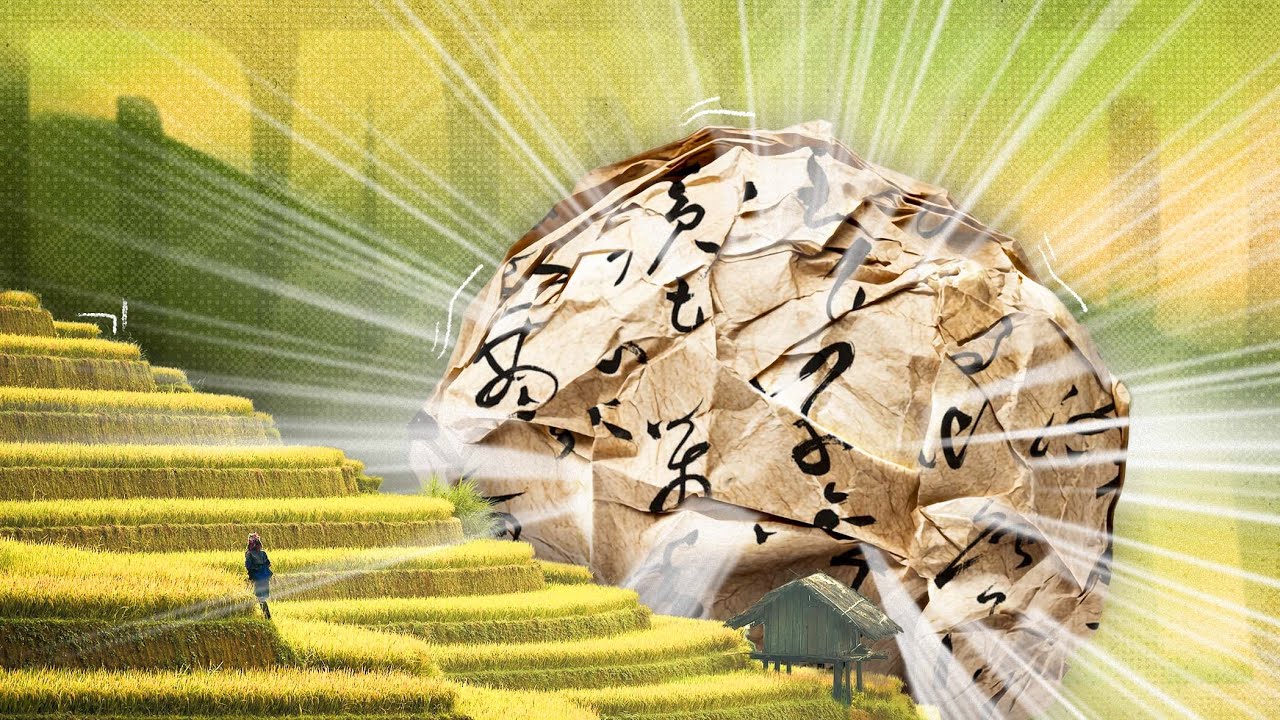









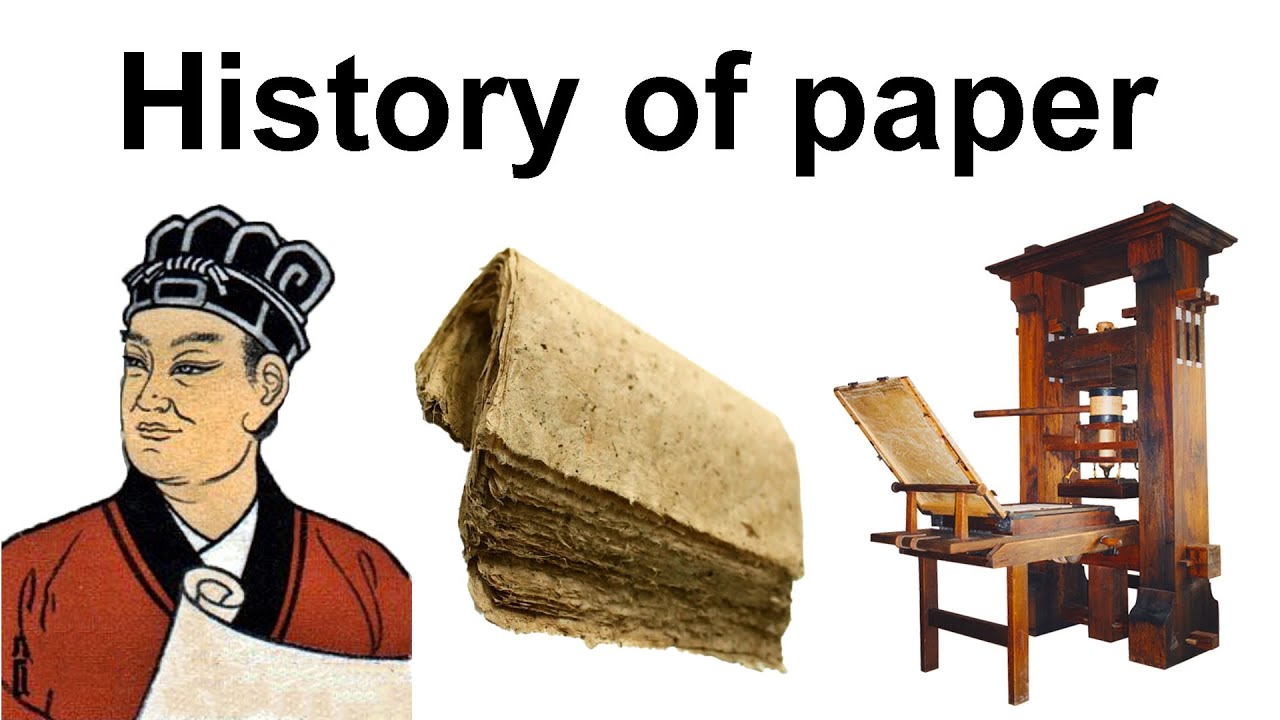











Paper was invented around 105 AD by Cai Lun during China's Han Dynasty, who created it by mixing bamboo fibers with water, pounding them together, spreading the mixture on cloth, and letting it dry in sunlight; this revolutionary invention eventually spread worldwide, leading to the development of water-powered paper mills in Spain in 1282 and later the transition from rag fibers to wood fibers in the mid-1800s, which dramatically increased paper production and accessibility.
Who Invented Paper? The History of Paper Invention for Kids
Added:Understanding of writing materials used before paper, such as clay tablets, papyrus, and parchment.
Basic awareness of ancient China as a major historical civilization with key technological contributions.
The concept of plant fibers (cellulose) and how they can be processed and reformatted.
A foundational understanding of what an invention is and how it differs from a natural discovery.
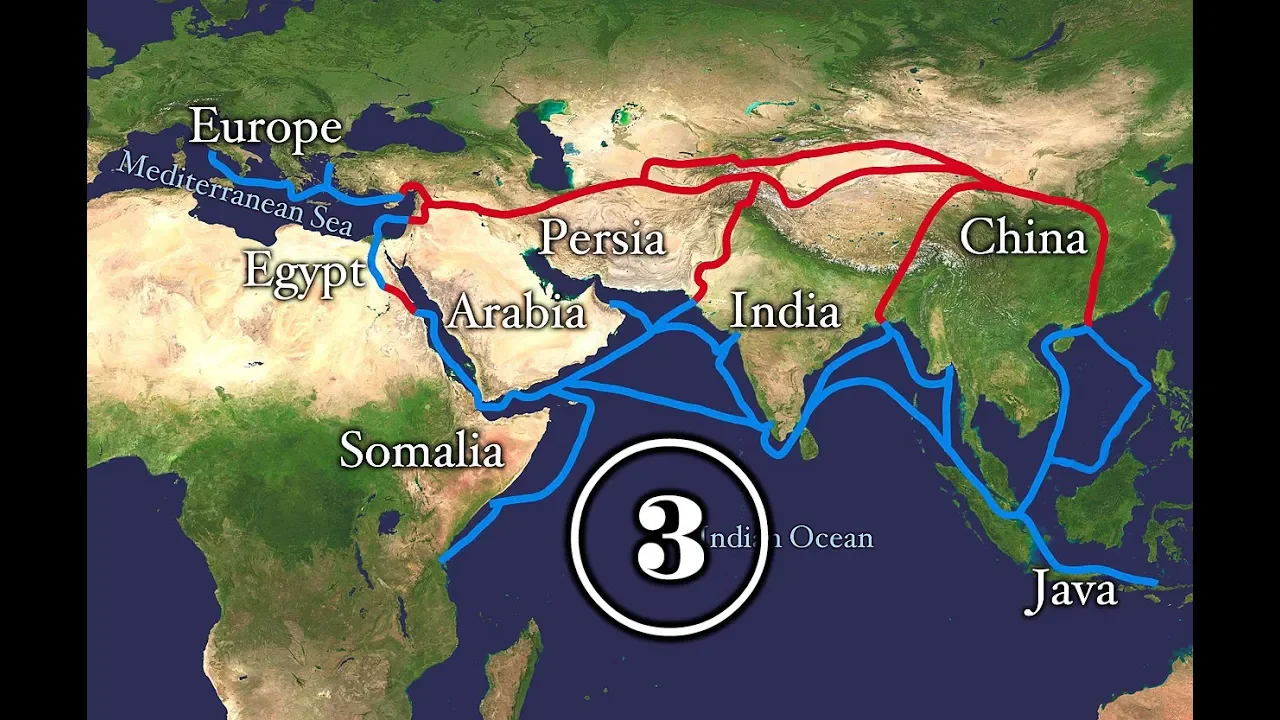
The historical spread of papermaking technology along the Silk Road to the Middle East and Europe.
How the availability of paper paved the way for the invention of the printing press and mass literacy.
The industrial manufacturing process of paper in modern factories versus ancient hand-making methods.
The environmental impact of paper production, including forestry conservation and the science of paper recycling.
6.4M views38.7Klikes7:54Original Release: 2017-04-14
This one here, and here... And here... And... It's done! IT'S DONE!
I have invented the time machine!
But do you know, one of mankind's greatest inventions is probably lying around you right now?
That’s right my friend, PAPER!
This little thing is so abundant that it sometimes feels like a natural product.
But it isn’t quite so.
Ooooh oooh. Oh, no! There it goes... Let's trace this paper back to it's roots.
Zoom in!
In ancient times, that is before the paper was invented,....people used to carry information not only in their brains... But on them too!
Writing was usually done on bones, bamboo tablets or animal skin.
Which made accessing these writings, err...messy and tedious.
There was however, one Chinese man, in the Han Dynasty, in 105 AD....who revolutionized the way people wrote and read, forever!
The legend says, that a man named Cai Lun, once saw a wasp, knitting it's nest.
It was then that an idea struck him.
He took the bamboo fibers....added them to water....and pounded them with a wooden tool.
After the fibers were thoroughly interwoven,....he poured the whole mixture on a flat woven cloth.
Letting the water drain out.
He let the wet mixture dry up in the sunlight.
And, Voila!
After a few hours, the world's first paper was born.
Cai Lun, presented his paper making process to the Chinese Emperor.
And received praise for his ability.
From that time, paper has been in use everywhere.
And, is universally called the paper of Marquis Tshai.
It was easy to make, the writers were happy,....and of course, it was light weight.
Do you know, although the Chinese kept the secret of paper making,....discreet for a long time.
The secret eventually started spreading,....after the defeat of the Chinese T'ang army in 751 AD.
By the end of the 12th Century,....a major part of the world was using, Cai Lun's method of manufacturing paper.
But as the popularity of this spectacular new invention grew,....so did the demand!
A demand that the manual method of paper manufacturing couldn’t certainly meet.
This eventually gave way to water-powered paper mills,....the first evidence of which....dates back to the Spanish Kingdom of Aragon in 1282 The most common fiber source the manufacturing process used....was from the rag picker!
Which included hemp, linen and cotton.
Use of this fiber source was to continue for another 6 centuries....before another revolution!
Although this paper was cheaper than the traditional writing material....such as animal skin and bones.
The cost was still high and production was low.
Keeping it out of the reach of a common man.
But this was only until two men, from different continents....named Friedrich Gottlob Keller and Charles Fenerty....tried wood fibre as a source material.
In light of this new discovery,....the mills started replacing this new discovery to wood fiber.
And a new Era of paper making began in mid 1844.
And by the end of the 19th Century, all the paper manufacturers in the West,....were converting wood to paper.
And, my friends, what is paper without pen and pencils.
Awww... It would be the same as me without you.
So, with the invention of fountain pen and pencils,....the paper industry sky rocketed!
Books were written and read.
Paper money was printed.
Even the gifts were wrapped in paper.
Sorry.
Sorry, sorry, sorry... I said sorryyyy... Don't worry, we are safe now.
He was just a paper tiger.
So, what's more?
Done... done... done. Oh, Yeah!
TRIVIA TIME!
Did you know, for every ton of paper that gets recycled....we save three cubic yards of landfill space.. 7000 gallons of water.
And, 20 trees.
It also produces 73% less air pollution....than making paper from new materials.
And, what's more? The amount of energy saved from recycling....can power an average home for 6 months!
Global Toilet paper demand, uses nearly 30,000 tress, everyday!
That is, 10 Million trees a year.
Almost half of global wood harvest, becomes paper!
Think about just how many trees we could save, if we all went paperless!
So, there you have it.
Some of the interesting things that I know about paper, and you should too!
I hope the next time you read or write something, it's worth the paper it's written on.
And remember friends, to tune in for the next episode.
This is me, zoooming out!
Hey kids, you liked my videos, didn't you?
Before you go, don't forget to click on the 'Subscribe' button and the bell.
So you won't miss out on my latest videos.
See you.
Up Next
6:30
How Papyrus Is Made in Egypt: Ancient Traditional Craft
@ProjectTOYO
245 views•2024-03-17

26:22
Walking in the City: Urban Rituals and the Flâneur in Contemporary India
@PSBTIndia
1.9K views•2016-08-02

9:49
FastAPI vs Flask vs Django: Choosing the Right Python Web Framework
@TechWithTim
302.5K views•2024-05-26

1:42
Game of Thrones Opening Credits: A Cinematic Analysis
@gameofthrones
46.3M views•2011-04-18
Related Study Plans & Knowledge Roadmaps
Structured learning paths in General & Interdisciplinary Studies
general-studies
Artificial Light: History, Tech & Human Impact
01The Pre-Electric Era: Fire, Oil, and Gas Lighting
02The Incandescent Revolution and Grid Electrification
03Gas Discharge and Fluorescent Illumination
+ 3 more learning modules
14h6 modules
Explore Roadmap
general-studies
Elevator Engineering: History, Physics & Cities
01From Hoists to Safety Brakes: The Dawn of Vertical Lift
02Hydraulic vs. Traction: The Engineering Physics of Elevators
03Modern Speed, Safety, and Algorithms
+ 2 more learning modules
12h5 modules
Explore Roadmap
general-studies
Rubber: Material Science, History & Geopolitics
01Origins of Natural Rubber & Mesoamerican History
02The Chemistry of Natural Rubber & Vulcanization
03The Geopolitics of the Rubber Boom & Colonization
+ 2 more learning modules
12h5 modules
Explore Roadmap
general-studies
Containerization: Evolution, Logistics & Trade
01Ancient Trade & Bulk Cargo: Amphorae to Barrels
02The Industrial Revolution & Cardboard Packaging
03The Containerization Revolution: Malcom McLean
+ 2 more learning modules
12h5 modules
Explore Roadmap