











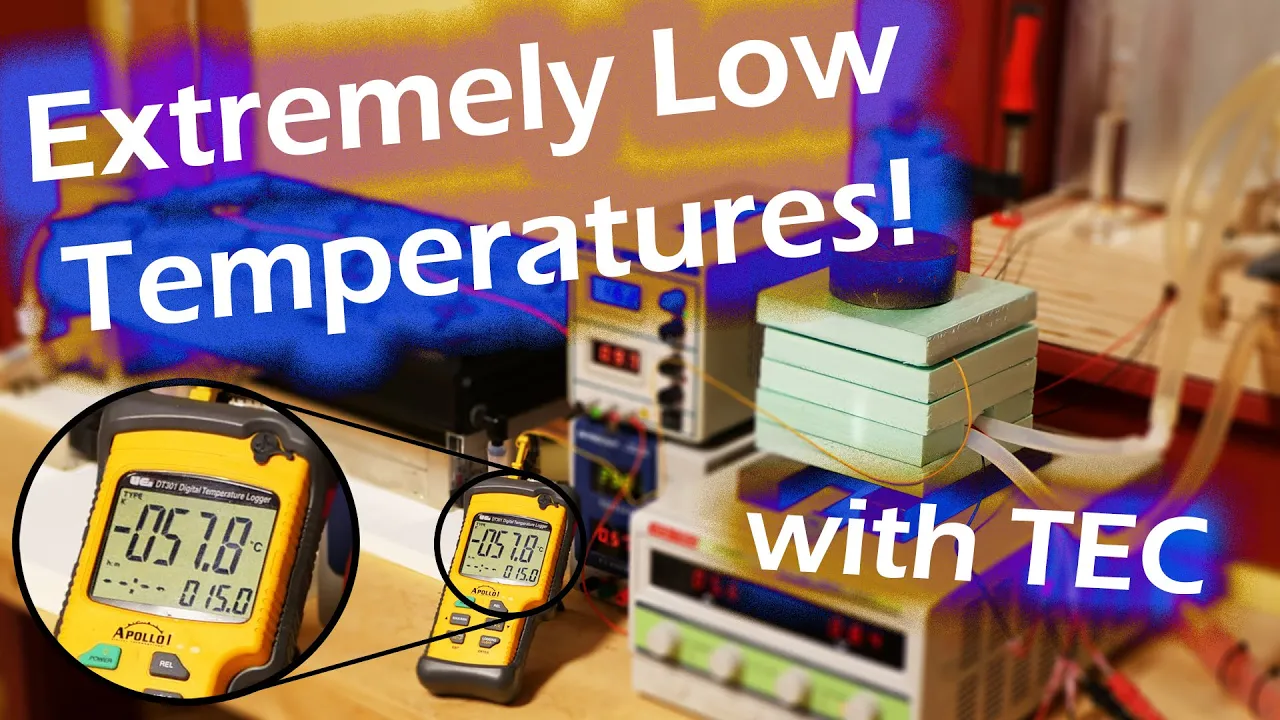



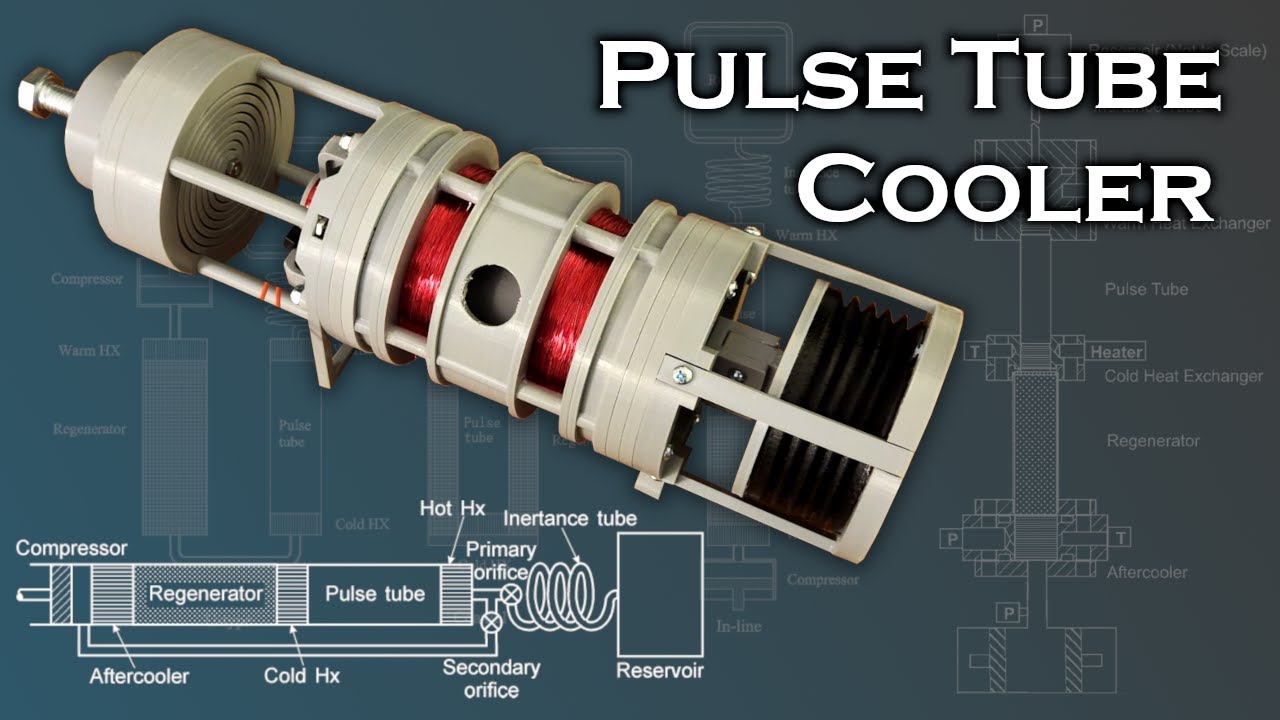




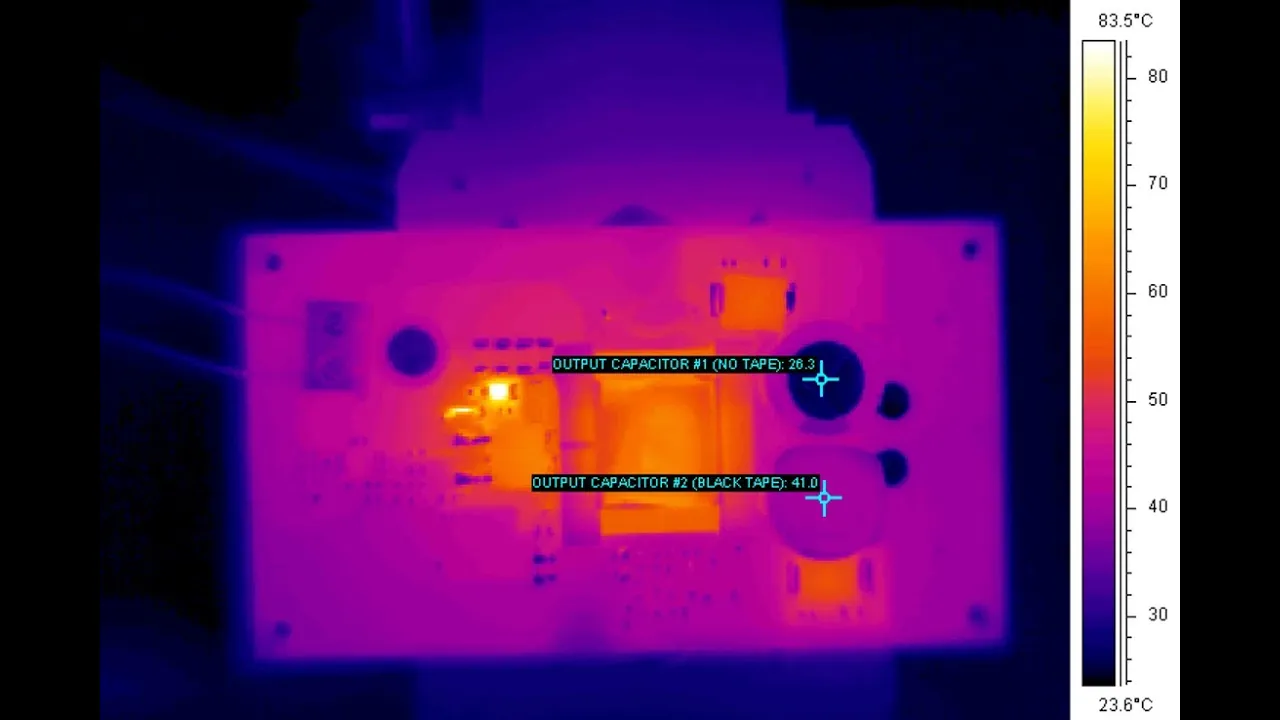
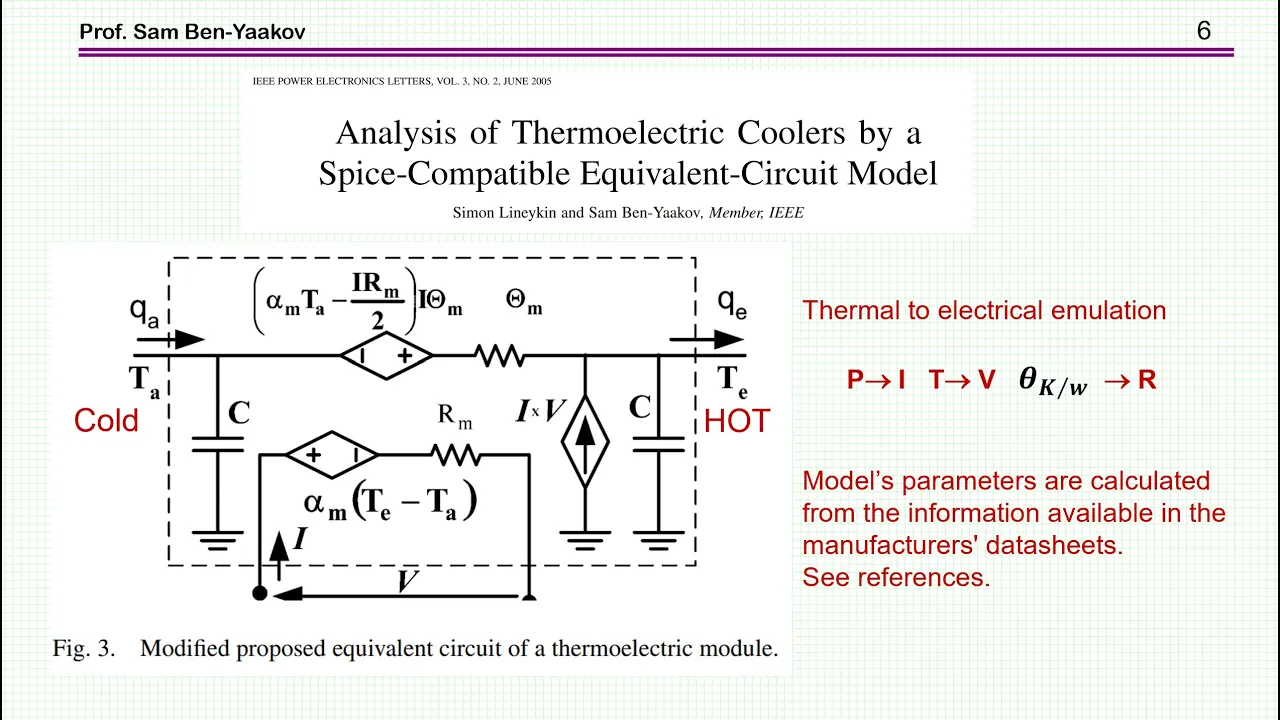
Thermoelectric coolers (TECs) can be configured in two main ways: stacking (cascading) where multiple TECs are placed on top of each other to increase temperature difference, and parallel configuration where TECs are placed side-by-side to increase total heat pumping capacity (Qmax). Stacked TECs do NOT achieve double the temperature difference because each stage must work against the heat generated by the stage above it, resulting in reduced overall Qmax and requiring careful power management. Parallel TECs effectively double Qmax but require proportionally more electrical power; however, they can be run at lower input voltages to improve efficiency and reduce thermal resistance losses. The optimal configuration depends on the specific application requirements, with parallel TECs being more suitable when higher Qmax is needed and stacking being beneficial for achieving greater temperature differentials with smaller individual TECs.
Peltier TEC Stacking vs Parallel Configurations: Thermal Analysis
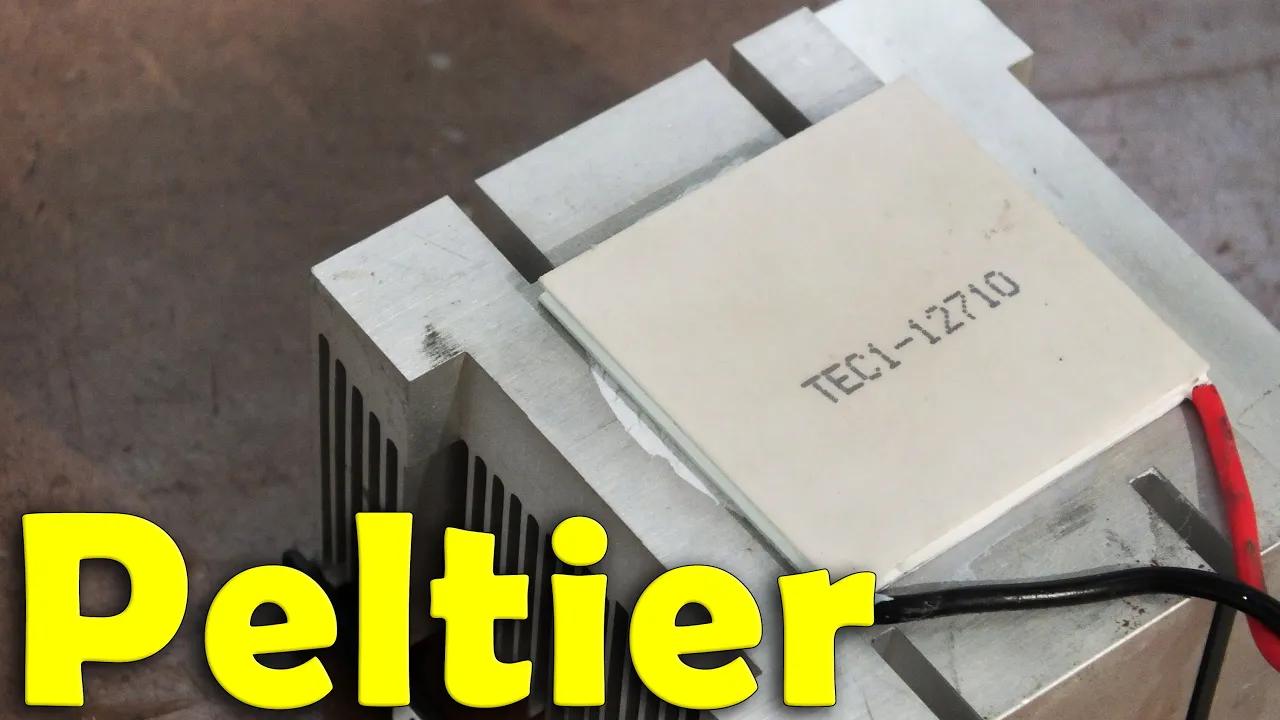
Added:welcome back everyone today we're going to be talking about Tec stacking or cascading and we're also going going to talk about uh parallel TC's so the pictures we have here are of some stacked tec's and we're going to talk about what kind of impact that has on the device as a whole and then we're going to get going to compare that to a TC's in parallel so cascaded tecs are essentially tec's physically placed on top of each other and you can buy them and they generally look something like this now you can just do this manually with your own TCS you don't need to buy one uh that is cascaded or stacked but they do make them now you will notice that when you look at the specifications of them they will all move a very small amount of power generally and that the Delta which is the maximum difference between the two sides of this thing here between here and here is greater than the Delta from here to here which kind of makes sense because uh uh this this tec is cooling this tec however you won't end up with a Delta twice as much so normally you're going to get a Delta of about 60 to 70° per each layer for one of these about 60 to 70° but when you put uh one uh two on top of each other or one on top of each other you can obviously stack more than two the Delta does not become twice as much and that is because as I explained in the first episode in this series The the Delta the maximum difference between the two two sides is achieved when no heat is being transferred now when you have TCS that are stacked that's not actually possible that's because while this this here might have a 60° Delta it will be using I don't know let's make up something 50 wats now that means this lay down here is not moving nothing when this layer is moving nothing it's now moving the 50 wats so the Delta across the second stage I'm assuming that your your load is getting applied to to this uh is the maximum it can achieve is reduced because it's always moving 50 wats of electricity when it's actually doing nothing tecs that are in parallel are essentially tec's that you just put next to each other physically and the effect on that is that's just essentially the same as having a greater qmax so if this has got 100 qmax and this has got 100 qmax that's supposed to be Max then the combined total is 200 however in this situation the qmax will be less than the combined total of each stage because uh they're obviously on the top of each other so the second one has to move all of the heat applied to the top one plus all of the electricity the top stage moves and that is why you will normally find that the top lay is less powerful and you'll commonly see them stacked like this where they're reducing uh if you find them like that they'll generally be extremely gutless tec's and this one is the completely gutless one I mean it's actually relying on the conductivity of the ceramic plates to the modules out here which is not the world's greatest conductor of heat but these I think this one's only 13 Watts total this whole module this one here is 50 watts and it's got a more logical path to transfer the heat from the top couples to the bottom stack of couples so let's have a look at some of those examples in um with the calculator so we're going to start with parallel tecs now this calculator already actually has an option for multiple tec's I think we're going to stick with uh just one and we'll use each calculator to pretend that it is each of the tec's so for start let's assume You' got uh 200 watts and we've got one Tec so this one's not there and we can see that that um we achieve a 33° Delta we're using um sorry we're using almost 800 watts of power now if we went to two parallel TCS or TCS next to each other we can compare that so that would be the same heat load shared across two TC's which is now half and this would be the result pretty pretty logical however you'll find that that is not the same as um one Tec moving all of the load I'll just fire up another one you'll see that it's actually not the same if we turn that into two right so we've now got this one's move got two tec's this one's got one and you can see that the whatts moved is the same but the power used is significantly higher on two TCS than one however we are getting a a better Delta so it really does depend on um when's the best use it now if we were to crank this up to say 400 wats we can move that quite a lot now let's have a look right with 400 watts which is pretty close to its maximum for a single Tec we're using nearly 900 watts of electricity and we're only achieving a 300 sorry a 3 degree Delta which makes this pretty pointless but with twice as many tdcs or 800 qmax we can still achieve a 32° Delta which is a good thing we are however using an awful lot of electricity but that's just the example of 1 Tec versus 2 tec's you um it's effectively inreasing the qmax when would you want to do it if you are unable to get enough physical qmax with one TC why not have multiple ones now I realize that we've got this input voltage at 100% And you would normally not run it at 100% And the idea would be to go to multiple tec's and run them at a lower input voltage to increase the efficiency and we'll talk about that now so let's go back to our 200 wats and we achieved a 32 Degree Delta if we go back to 200 here okay we've got a 47° Delta but we're using twice as much power now let's say we only wanted a 32° Delta we could reduce the power greatly I don't know let's try 70 let's still more let's still more that's not enough okay that's a good example now we see the difference and this is where it gets used where when when we only had 400 watts of qmax to move our 200 watts of heat we had to run it at 100% And it used used an awful lot of electricity now a to achieve the same Delta we were able to use twice two tec's and run them at 52% to achieve virtually the same Delta but we have used roughly half as much power and that means that you'll have to um dissipate half as much heat to the environment and that means means that that this this system will be significantly better performing you'll achieve an actual better Delta because the thermal resistance of your copper the water your radiators will be only transferring half as much power well it actually won't because but roughly half as much power so therefore you will Lo lose less of the Delta to Thermal resistance losses so that's parallel T see these normally the idea is you you want to increase the qmax so you can decrease the input voltage so you can increase its efficiency and we can see that here and here and this is pretty much well this one two TS is pretty much twice as efficient as a single one good news so let's go back to TC stacking okay so we're going guess move them something like this we'll go back to one and so this indicates one TC on top of the other one so let's have a look at what will happen now Okay so we have the first stage trying to move 200 wats and it is moving 200 wats it's using 800 watts of electricity and therefore the heat load is just under 1,000 now we go to the second stage and we try and cool the first stage and we will be trying to move 1,000 watts and we'll try and calculate that and it will scream I don't think so to because the maximum it can move is only 400 wats H so you need to well I mean obviously that's not going to work so what can we do well we can reduce the power of each one of them to something like that all right so now we're moving 200 wats electricity used is 155 we've got a Delta of 12° and we've got a heat load of 355 I think that'll work so now we can put in 355 and that will work so this whatever this one's outputting in moving and we can work out the Delta so the Delta would be the combined total of two of two of these the Delta is going to be what's that going to be uh 2ish degre while consuming 800 watts over here and 155 Watts over here and 900 watt now that is uh certainly quite a lot and if we just compare that to a single one we can achieve a better Delta for Less energy used or electricity then we can with two stacking now you can change all these numbers around and jimy it around you really shouldn't be running this at 100% but you can see that stacking doesn't always work out well actually genuinely speaking if you have a high qax which if you're talking about computers and single 62 mm TCS uh it pretty much doesn't normally work out that stacking will actually help well certainly not at full load yes uh stacking TCS can result in a increase in Delta but it has the impact of reducing the maximum Q Max which is counterproductive when we're limited to a relatively small qmax of 400 relative to our load of 200 but something you can certainly play with and experiment with uh lots of fun can be had especially firing up the calculator and J uh moving all the numbers around so you can get it to work there's absolutely no reason why of course you can't have three stages to the to the St or the Cascade there's no reason why you can't have a TCS in parallel and a stack and I believe if you have a large number of tec's in parallel and then stack to have you know thousands of qax raw qmax and a number of stages you can run these TCS and at a highly efficient or high Co-op and move a small amount of energy because they're all in parallel and then then you can really see the benefits of stacking however you'd have to have a water chiller and it would actually cost an awful lot of money in tec's but it would be interesting to see if someone actually did test it out so hopefully you've enjoyed that so hopefully that makes sense parallel TCS is essentially just increasing in the qmax and the IMX in um TC stacking is a lot more complicated essentially you don't get the important things are you don't get twice the the Delta if you put two tec's on top of each other and it results in a reduction in qmax which is generally not a good thing if you're talking about a large load and a very small qax it's fine if you have unlimited space in a chiller but if you're talking about direct dying uh block then maybe not so I hope you guys have enjoyed that uh I hope that made sense I hope it helped and I'm I'm hoping we're all learning things together so that we can make water blocks chillers fridges Coke coolers uh more effectively and do it once and do it right if we understand how all this stuff works well I shall see you on the next one guys bye-bye
Up Next
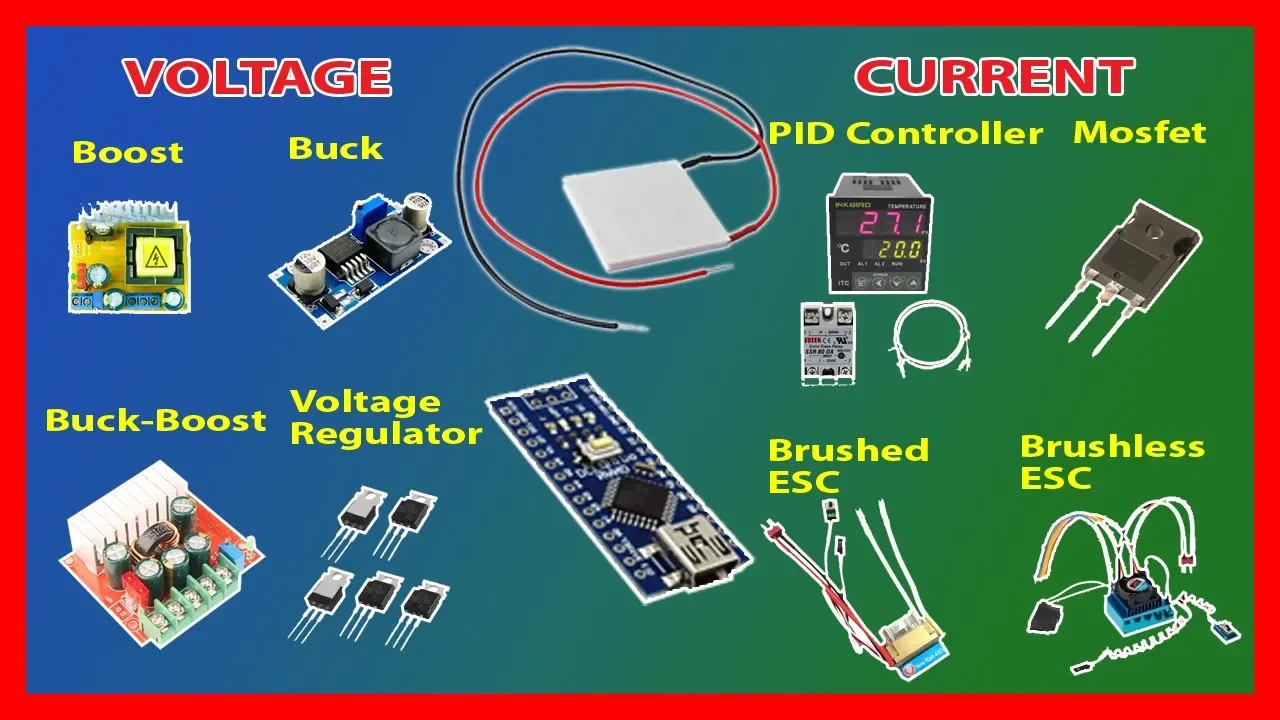
Controlling Thermoelectric Cooler Peltier Power: Methods and Optimization
@Ultrasonictwo
51.1K views•2017-08-19
Ultrasonic Transducers: Resonant Frequency Measurement and Horn Design
@imajeenyus42
229.9K views•2017-02-22
Polymer Environmental Degradation: Mechanisms & Stabilization
@iit
1.8K views•2012-07-10
How a Student's Question Saved a NYC Skyscraper from Collapse
@veritasium
22.8M views•2025-04-26
Related Study Plans & Knowledge Roadmaps
Structured learning paths in Engineering