


![Przetwornice DC - DC [RS Elektronika] #162](https://i.ytimg.com/vi/0ThEipykTms/maxresdefault.jpg)





![[자동제어] PID제어](https://i.ytimg.com/vi_webp/Z09AOt0AoOc/maxresdefault.webp)
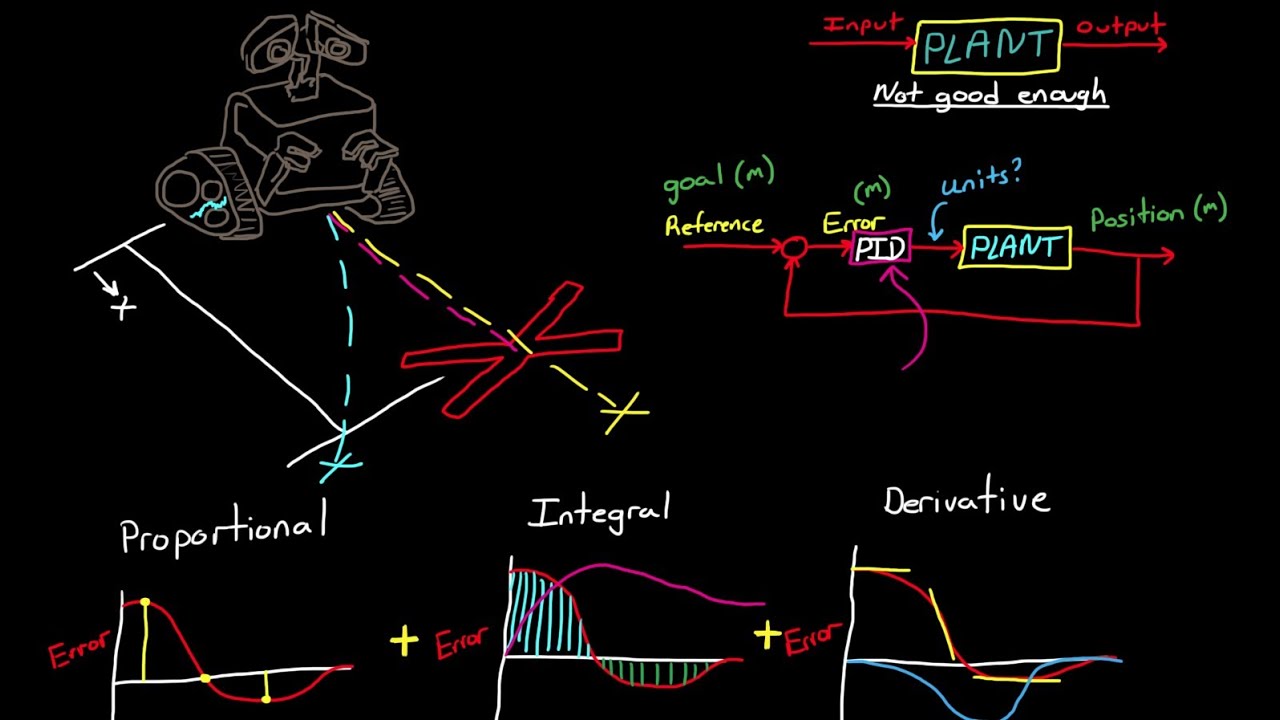


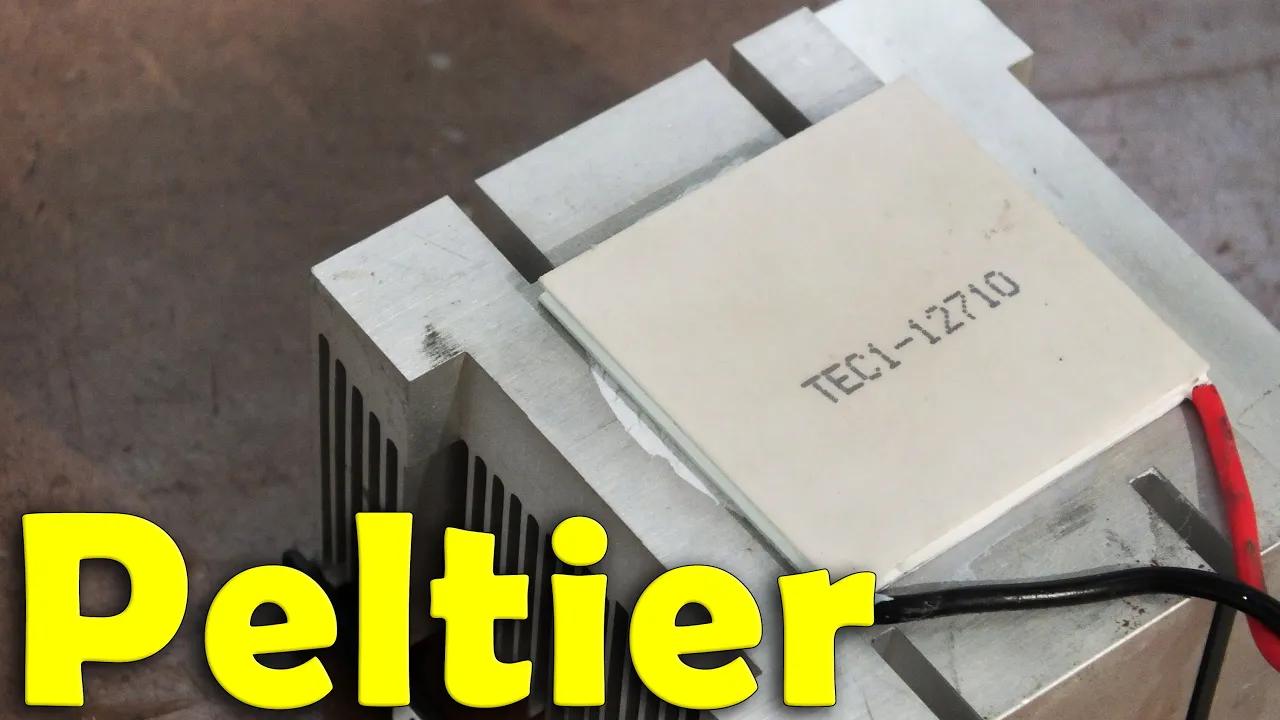





Thermoelectric coolers (Peltiers) can be controlled through voltage regulation methods (boost, buck, and buck-boost controllers) or current limiting methods (PWM via MOSFETs or ESCs); however, PID controllers should be avoided as they cause significant thermal cycling that reduces TEC efficiency and lifespan, while brushed ESCs work well with MOSFETs for precise power control.
Controlling Thermoelectric Cooler Peltier Power: Methods and Optimization
Added:Fundamentals of the Peltier Effect: How thermoelectric cooling modules operate, including the relationship between current flow, heat absorption, and heat dissipation.
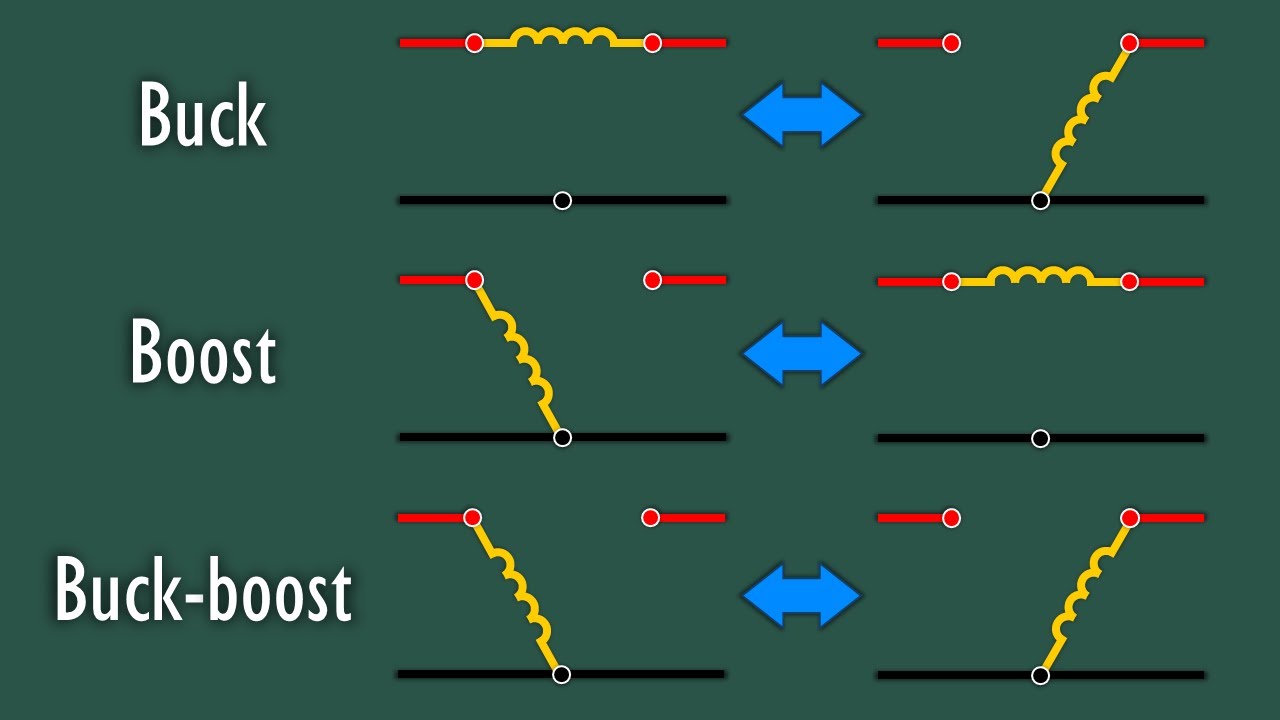
Basic DC-DC Power Conversion: Understanding the operational principles of Buck and Boost switch-mode power supplies.
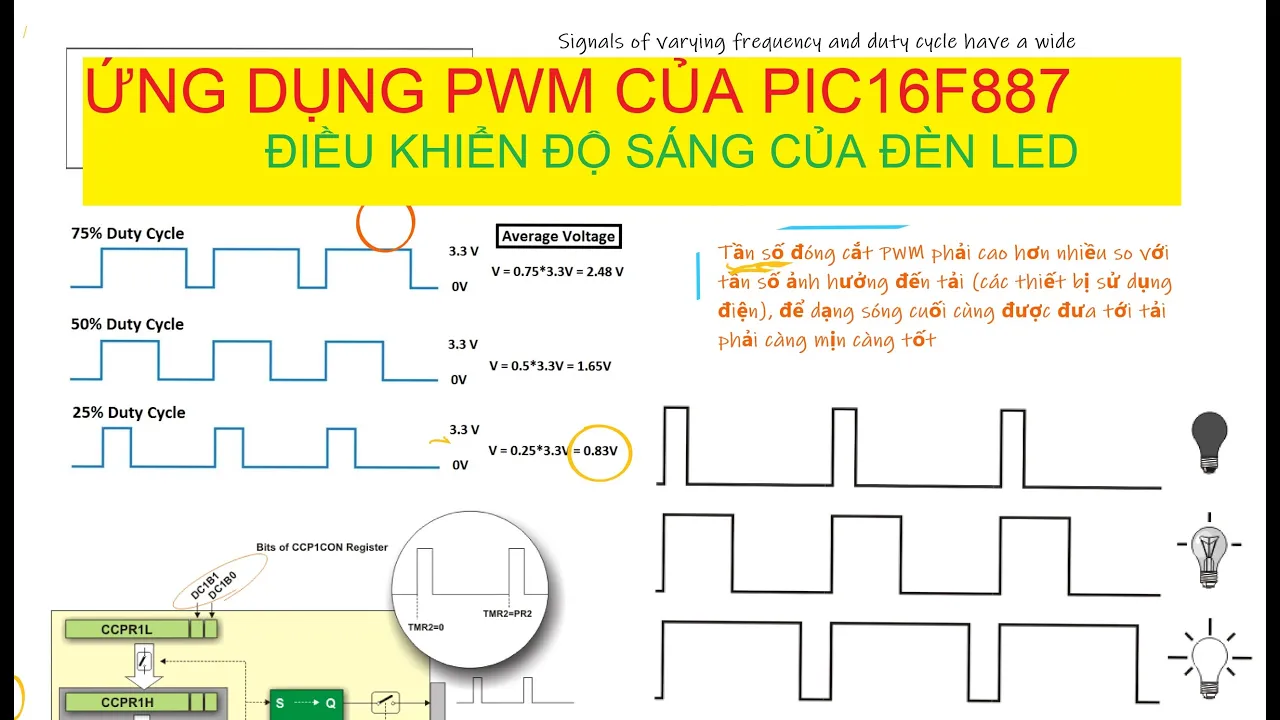
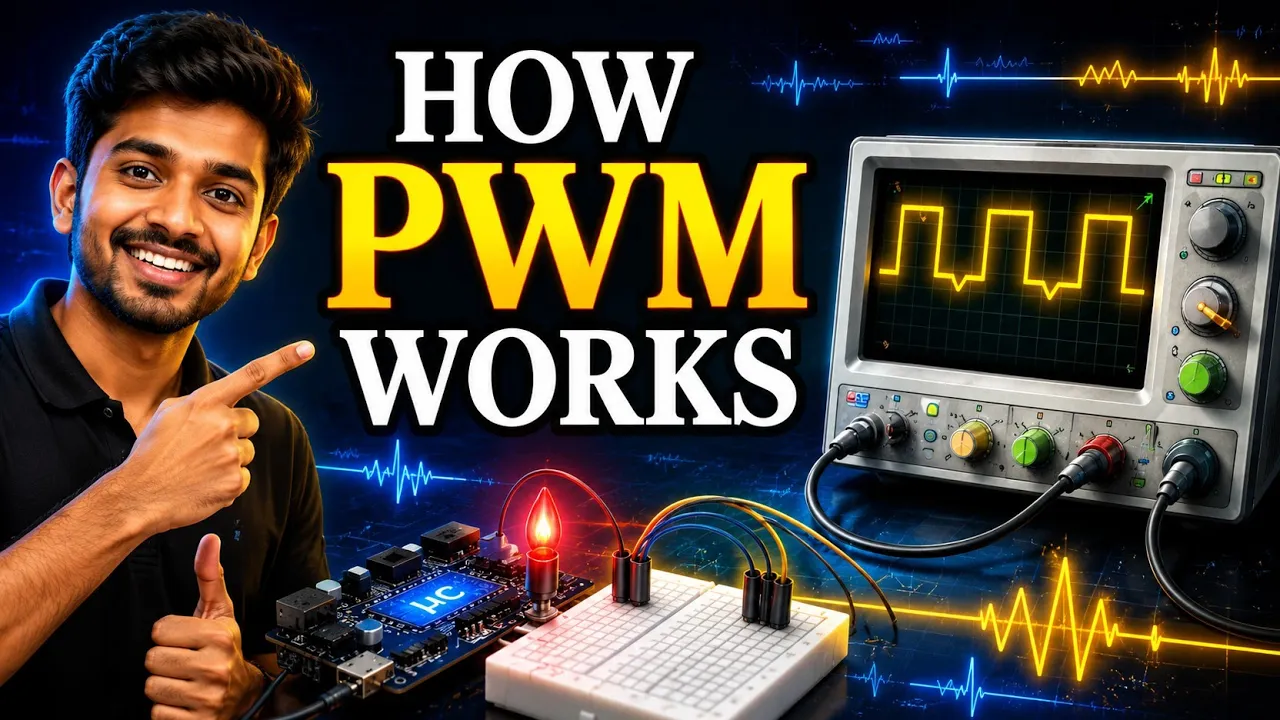
Pulse Width Modulation (PWM) Principles: How duty cycle relates to average voltage and power delivered to a load.
Introduction to Feedback Control Systems: Fundamental concepts of closed-loop feedback, specifically Proportional-Integral-Derivative (PID) control.
Coefficient of Performance (COP) Optimization: Analyzing how electrical ripple current degrades Peltier efficiency and designing filters to minimize it.
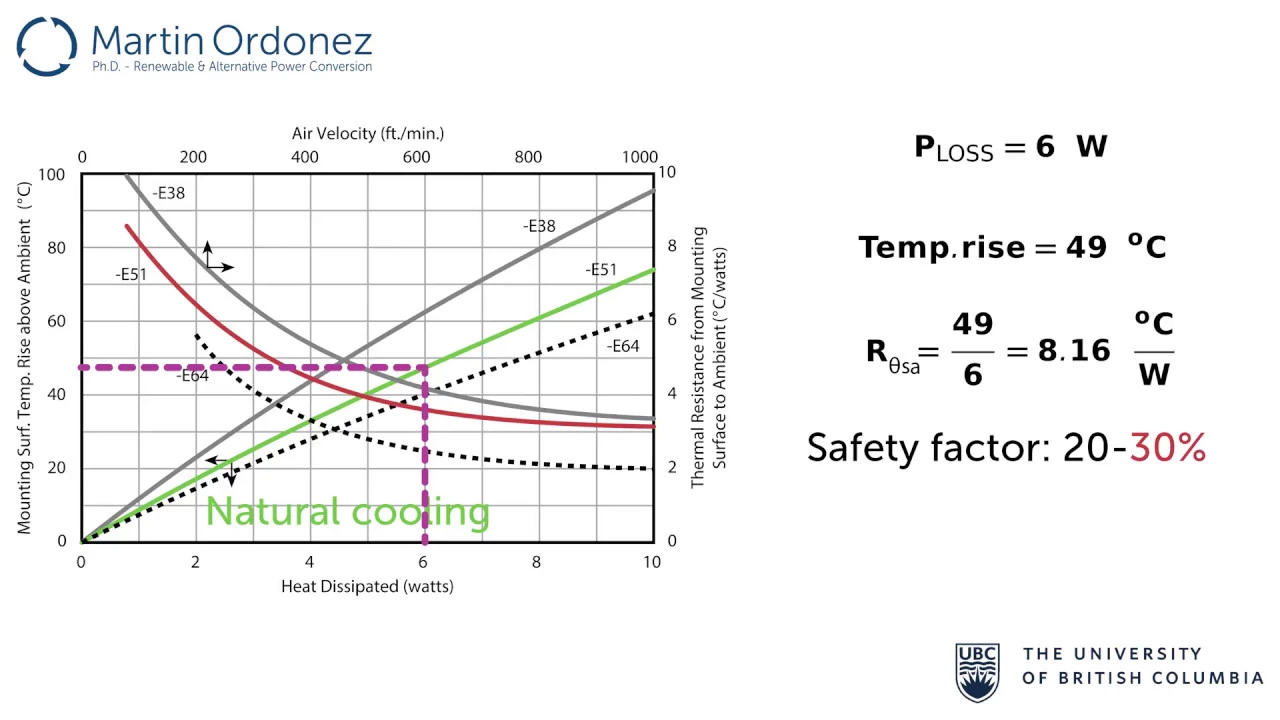
Thermal Management and Heatsink Design: Sizing active and passive heatsinks to effectively dissipate waste heat from the hot side of the Peltier.
Advanced Embedded Controller Implementation: Designing microcontroller-based H-bridge circuits for bi-directional (heating and cooling) thermal control.
Precision Thermal Applications: Designing specialized temperature chambers for high-precision environments, such as PCR thermal cyclers or laser diode stabilization.
51.1K views576likes20:02Original Release: 2017-08-19
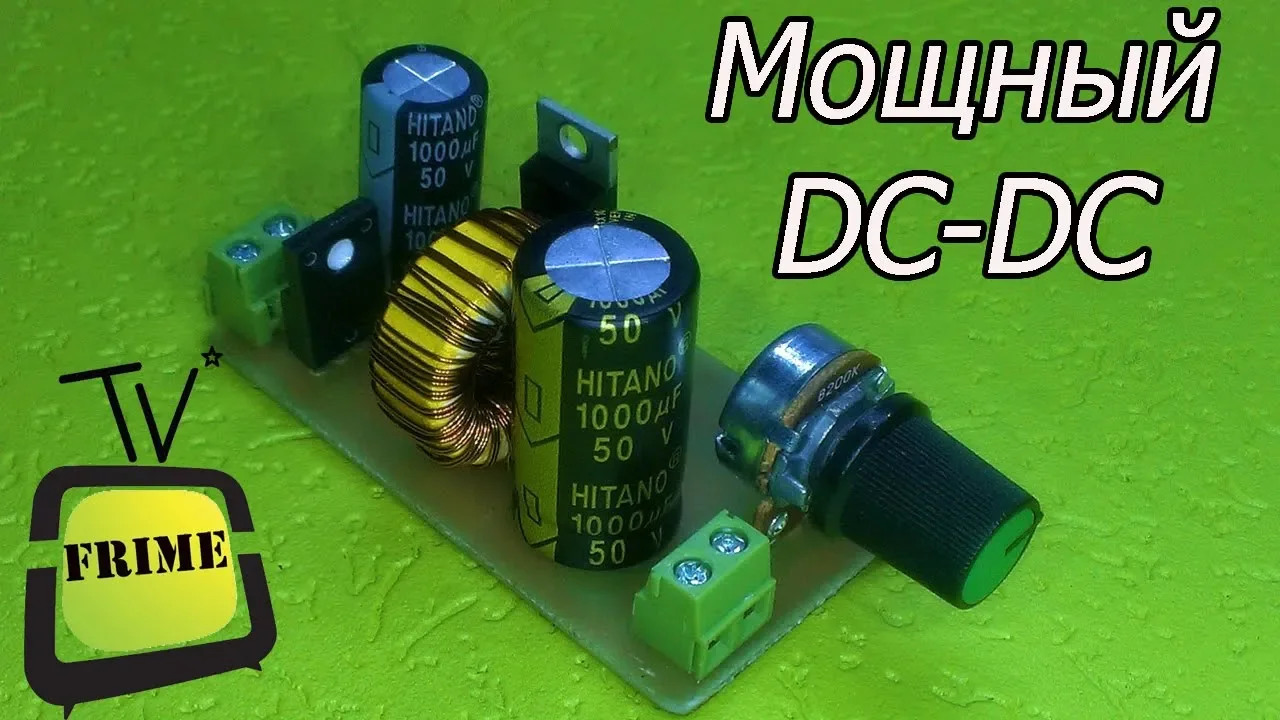
welcome back everyone today we're going to be talking about how to control the power going into a dec now of course you'd have a positive and a negative and if you've ever applied a voltage to it it uses the voltage creates the temperature temperature differential and hey presto it's all working however you may find that hang on it's a bit too cold it's a bit too hot I haven't got quite the correct input voltage how do I convert that how do I control the power going to a TC so we're going to talk about how to control the power we're not going to talk about how to control the power based on temperature although at least one of these actually will do that so if you look on aliexpress ebay amazon you'll find a whole bunch of different terms and potential methods for controlling TC power and would all like to know what can be used what can't be used so there's two basic ways of controlling power to a DC load like a pill here and that is either through voltage or through current and we're going to start with voltage ones and then move on to the current ones so you will find that on the internet is all of boost controllers which people will call skip up controllers and you'll find there are buck controllers which are step-down controllers and buck boost which is you could say neither because they cancel each other out however they can buck and boost depending on your input voltage so a boost controller will take say a 5 volts in and will boost that up to whatever voltage you want say 12 volts you can adjust the trend point which is here to adjust the output now for controlling TCS that implies that you have a lower input voltage then output voltage that you want so say but like I said five volts input and you want it to be six volts now that obviously means that your input valve test below but it also means you can't turn that TZ off with this because all you're doing is taking the input voltage from a low value and boosting up to a high value so you have nowhere that is stopping and it's just a way of increasing the voltage now this could be quite good if you want to increase the voltage because you better say 24 volt Tec and you've only got a 12 volt input power so you can then adjust that from approximately 12 to 24 volts or half the power of the Tec but you can't turn it off in a buck it's pretty much the inverse of that so we've got a 12 volt power supply we can reduce the voltage down to theoretically zero however an awful lot of controllers cannot actually produce the voltage down to zero so that's something to be aware of too so you may not be able to adjust it and prevent any count from flowing and slows voltage or power if you like but these are pretty jolly useful you'll be piled probably powering it from a car or from a PC power supply you want to control your 12 volt fish Tec you can then just turn the trim top up and trim pots to adjust your output voltage / which will relate to a temperature so these are highly practical but be aware that you may not be able to actually stop all of the power going to the TV a message can go to zero however you may say if it goes to 0.8 the amount of power it's going to be drawing so small that's not a big deal and you'll always want more than zero moving on to the buck boost buck boost does the same as the bucket and the boost controller but combined in one so let's say you've got a 24 volt DC 24 volt one and you've got a 12 volt input voltage this will then boost this to 24 volts obviously you can adjust the output voltage but let's just say 24 now the cool thing about a buck controller is what happens is the power drops if the power drops down to 10 volts it'll still boost it up just like the the boost controller if your input voltage increases say your input voltage is now 32 volts but you still want that output output voltage to be 24 volts then the that's supposed to be 4 then the buck boost will then reduce the voltage down to 24 so that's really flexible if you have a really really wildly variable input voltage and you want a constant output so this can handle say 0 to 32 volts and it will always output a 24 volt power supply whereas these other systems can only do one or the other that can only increase voltage or decrease the voltage so now we move on to good old-fashioned voltage regulators which look like MOSFETs and they are pretty much normally a static voltage as in you buy a 5 volt one so you apply whatever voltage to it and it outputs 5 volts regardless of input voltage within reason now these are coarse seemingly simple except all of the difference in the voltage to say you want to produce 24 volts down to 12 will result in the rest being burnt off as heat now in the world of theses when we're talking about 20 and 10 amps 5 amps that equals a fire so while these are quite cool it's less usable for very very low wattages theses no we're going to now move over to current which basically how the current limiters work as they just turn the switch on and off on and off on and off at varying rates and that adjusts the power going to the TEC by its average size it's on for one second and off for one second as our or for one second and on for one second that is 50% of the power that's PWM okay so the easiest way you could say of controlling a Tec is with a PID controller which looks like this they've normally got wonderful LCD screens and you can set the temperature and it will turn a relay on and off based on the temperatures you've set now this might seem like a truly wonderful solution and we're all going to rush out and buy pids because that's the simplest way of doing it however ultimately one of the worst ways you can possibly control it easy so please don't control pcs with PID controllers there may be some PD controls which are not going to be covered by this generalization but in general you set a temperature I'll say the TC coming on it twenty seven point one I guess and turning off at say twenty five degrees now that difference in temperature will result in there being quite a delay with the difference between when the TCS on and when it TVs off now that means that the TV will be officer say 30 seconds and then back on for 30 seconds and then back off for 30 seconds and then back on or potentially even greater especially we don't like water to water cooling you may find it'll be on for a minute or for two minutes back on for two minutes or whatever now if you've ever watched my video on TC reliability the TC is capable of transferring Heat even with the TC off its base TC is dissimilar metals glued together hils conduct heat so with the TV off it will conduct heat so normally you're going to you'll have your heat load here and it's rejecting heat and you normally want to move that from from one side to the other however when you turn the power off if there's a large delay between the power beam on and off it'll just transfer the power the heat back through the TEC and the opposite direction and the amount comes back on it'll move it back up turns it back off it'll transfer it back now as you can imagine this is a horrible way of tinks of being efficient if you're transferring a heat load to one side turning it off letting it leak back the other way and then turning back on and moving that your heat load plus the amount of heat that you've leaked back the opposite direction that becomes kind of soon we'll run away now obviously the thermal resistance or how well the TC conducts heat when it's wolf is not particularly great but if you have a large temperature difference you'll find that it will quite happily conduct the heat back so much so that in thermo electrically cool computers at idle you probably don't even need to have your TV on and your computer will be stable and that's what I have done in the past you can just turn your TV off yes your CPU loads will be hotter but it won't be so hot that it will destroy your computer because at idle your computer doesn't use very much power so it can work without a DC on so using a very very slow frequency pulse width you could say with a vague pulse width controller like a PID is very bad for overall efficiency and you can also say that this will result in significant thermal flux across the TV or of heating and cooling of te C which will increase the stress on the TC by heating it up it's expand I mean cooling down is contracting heating up it's expanding cooling down contracting so the DC should last a lot shorter be less reliable if you use a controller like this but that is the easiest way to control it it's out of the box you've got a little nice screen you can program it up plug in e TC r RN and you're all done now moving on to possibly the completely opposite of the all-in-one solution the ID controller to the MOSFET and the MOSFET is just really basic you've got three wires and you have to connect one up to something like an Adreno and it will you can use the Arduino to PWM the MOSFET which will then limit the power going to your TC now this is the simplest way of doing it however there are some caveats if you're going to be PA using an Adreno which is five volts output to control a MOSFET the MOSFET has to be able to open the gate will open the switch because that's what more there's pretty much what it is it's just a switch needs to be open able to openness all the way on a five volt input and that is actually uncommon it is normal for them to need way more voltage they twelve volts or more to fully open the switch if you buy to some random one and power with a five volt it will open the gate so you'll think it's working however will only open this gate a small amount and that can result in significant heating the rest can be lost as heat and boom there's quite a lot of MOSFET systems that theoretically should be able to work with 300,000 amps but in reality they don't because you can't open the gate the other one on that is that the actual leads can't realistically support the current that they actually say that's where a number of MOSFETs more ideal although you can't just wire them up and paddle parallel you have to use resistors and that makes more complicated more complicated using multiple MOSFETs but that does depend on the load of course if it's not a huge TC then this is the simplest and most cost-effective way you also need resistors it's not like you can just use a MOSFET with an Audrina now we're going to move on to radio-controlled speed controllers now this question that comes up quite a lot can I use a brushed electronic speed controller or can I use a brushless speed controller well generally speaking people do not make them differentiate between a brushed one or a brushless one let's just can I use a speed controller for it now intronic speed controller and well the answer is yes and no that depends on what kind of speed controller you are using if you're using a brushed speed controller which is for old-school motors the answer is yes they and you could say this is the most successful way of controlling a Kesey's voltage because they're all in one solution they're built for huge amps so use one of those so they have a brushed speed controller has two inputs and two outputs this is the power end goes your battery and this is the voltage / power out on a brushless speaking trawler you have power in which is two wires and power out which is three wires so coming back to two wires and the brush - speed controller this can't work by itself it needs like a servo tester which needs to plug into the server and you can buy one of those like two dollars then sure enough you can control the power going to your TC with one of these and a servo test done and it will work now the important thing to know is that you need to make sure you buy a brush speed controller that can handle the input voltage the majority of these are for remote remote control cars and they're normally about 2 X or 8.4 voltage if you want 12 volts then you need to go to a 3 s or more so you need to make sure that it can handle the input voltage the important thing another well that important to be honest but it is a factor is the speed at which this and this goes to the MOSFET is fed as well how fast it turns power on and off the faster the better to reduce the thermal cycling that we talked about before generally it's in the thousands so whereas when we talked about a PID you were turning it off every 30 seconds probably more three minutes would be days this will be happening many times or seconds higher the frequency the better how the higher the frequency should result in more thermal losses because it's having to switch more often so if it's getting hot when it comes to the MOSFET reducing the frequency will reduce that but you want to keep that up as high as you can with a MOSFET you can adjust that based on what you're controlling it with with a brushed easy you have no control over that so you need to just have a look but the reality is it's one that I've seen they're all all very high frequencies you don't really need to worry about it but it is a consideration higher the frequency theoretically you'll get better efficiency but how tangible the knows the differences better debate you can see by increasing the frequency of the MOSFET the ezc will result in higher efficiency of the TEC but reduced efficiency of the controller itself total efficiency may be similar ish but anyway you can use a brushed nitronic speed controller either controlled by a server tester or you can control it by a audrina which is what I would do because then you can then connect some kind of thermal probe but if you're not interested in thermal probe then you can just control us with a server tester the output sitting you obviously connect to your Dez and inputs to your power source now brushless EECS unfortunately are a different ballgame they have three output wires and you cannot use them to power a two-wire Tec now the very authentic person out they will say yes you can you can just add some diet rectifying diodes and we can turn this into a two-phase system bla bla bla bla well yes yes you can but for the normal person that's not crazy awesomely ninja at electronics I won't be able to do that so don't bother so don't bother with brushless ear sees these are kind of now the most common on the Internet largely because of drones which tend to use brushless motors because they're greater efficiency but the easiest way to tell if it's got three wires out it's a brushless motor we can't use it if it's got two you can't use it so that's my kind of rough guide of trying to control about power going to your Tec from existing hardware you can just buy off the internet which ones you can use what other pros and cons of them and that's pretty much it so hopefully you'll be able to power your TCS with this information and you'll get the results that you want hopefully you've enjoyed this one subscribe if you like this information subscribe if you don't like this information but some it builds me you're already not here if you don't like this information I'll see you on the next one guys
Up Next
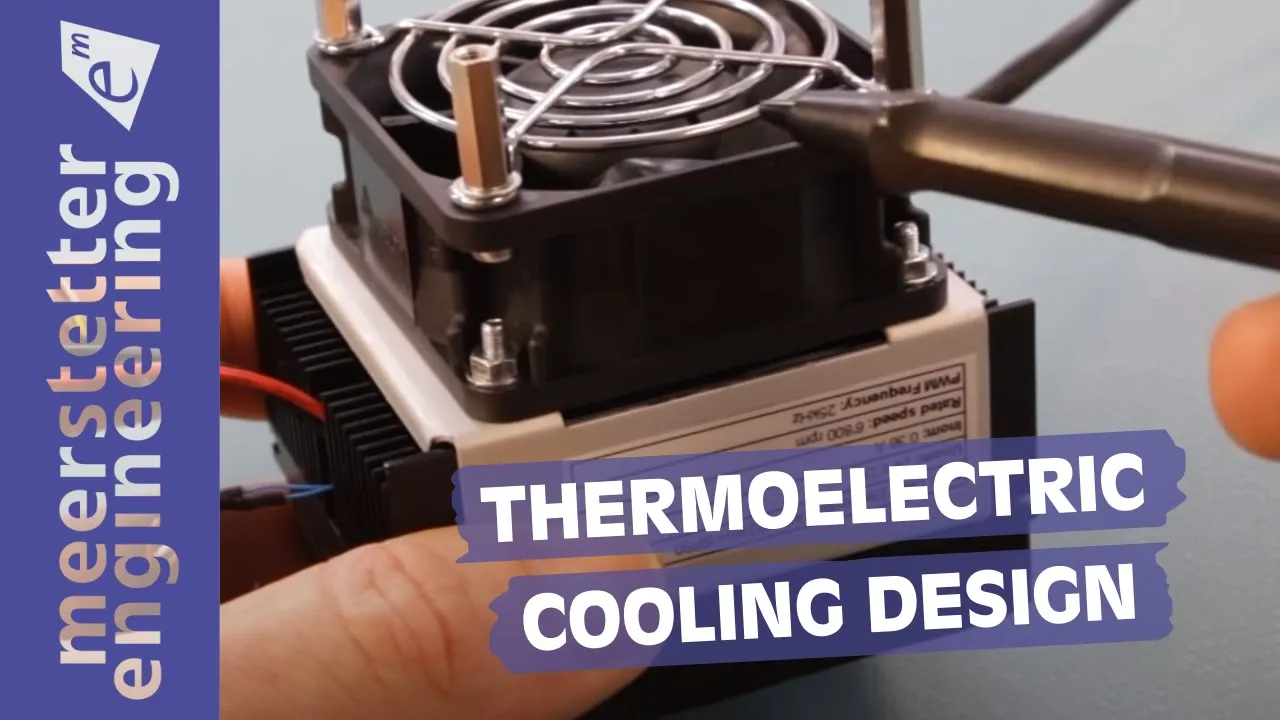
17:51
Thermoelectric Cooling Design Guide: TEC Controllers & Peltier Elements
@Meerstetter
54.5K views•2017-03-28
30:32
Ultrasonic Transducers: Resonant Frequency Measurement and Horn Design
@imajeenyus42
229.9K views•2017-02-22
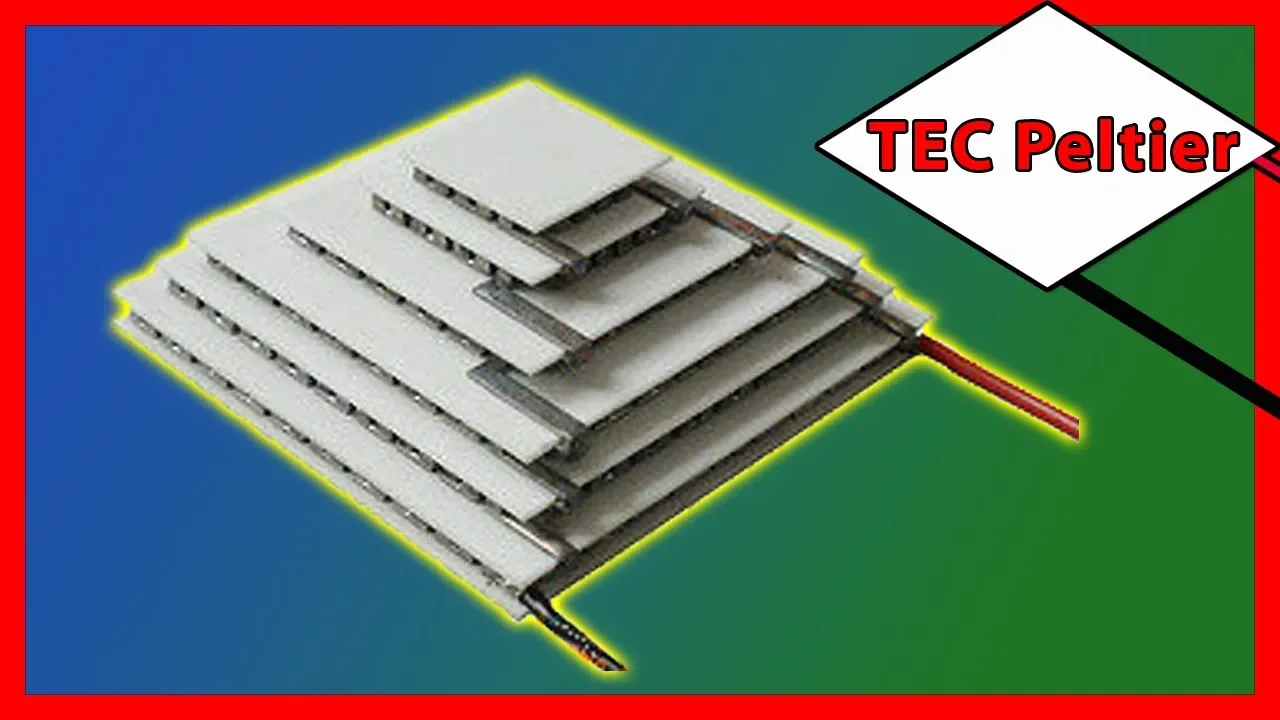
17:51
Peltier TEC Stacking vs Parallel Configurations: Thermal Analysis
@Ultrasonictwo
78.2K views•2017-01-16
33:39
How a Student's Question Saved a NYC Skyscraper from Collapse
@veritasium
22.8M views•2025-04-26
Related Study Plans & Knowledge Roadmaps
Structured learning paths in Engineering
engineering
Building Acoustic Levitators: Physics & Arduino
01The Physics of Sound and Standing Waves
02Piezoelectric Transducers and H-Bridge Drivers
03Arduino Programming: Generating 40 kHz Signals
+ 2 more learning modules
14h5 modules
Explore Roadmap
engineering
Building Peltier Cloud Chambers: Particle Tracks
01Cosmic Rays & Cloud Chamber Physics
02Thermoelectric Cooling (TEC) Fundamentals
03Custom Liquid-Cooling Loop Design
+ 2 more learning modules
18h5 modules
Explore Roadmap
engineering
Yagi-Uda Antennas: Modeling, Build & VNA Test
01Introduction to RF and Antenna Fundamentals
02Yagi-Uda Antenna Design Principles
03Antenna Modeling and Simulation in 4NEC2
+ 2 more learning modules
18h5 modules
Explore Roadmap
engineering
ECG Monitor Design: Op-Amps, Filters & Noise
01Electronics & Breadboard Basics
02Op-Amps and Instrumentation Amplifiers
03Bioelectricity and ECG Fundamentals
+ 2 more learning modules
18h5 modules
Explore Roadmap