















![[배터리산업] 1부 미래 배터리 패권의 열쇠: 전고체와 글로벌 리더들 "배터리도 다 같은 배터리가 아니다" 리튬이온부터 전고체까지 총정리 #배터리 #전고체배터리 #lfp #미국주식](https://i.ytimg.com/vi/6I3kY73E9Fw/maxresdefault.jpg)
![쌤! 설마 중국이 다 가져가나요? 차세대 배터리 개발, 한국은 어디쯤 #캐즘현상 #일론머스크 #이차전지 #이슈픽쌤과함께 [하이라이트] | KBS 240519 방송](https://i.ytimg.com/vi/r2e7lHPNl9s/maxresdefault.jpg)







Lithium ion batteries operate through the intercalation of lithium ions between anode and cathode materials, with electrons flowing through external circuits while lithium ions move through the electrolyte; the key safety principle is that lithium iron phosphate batteries are thermally stable up to approximately 350°C compared to lithium cobalt oxide (130-150°C) and lithium manganese oxide (220-250°C), making them safer for electric vehicle applications despite having lower energy density.
Lithium-Ion Battery Basics Explained by Jack Rickard | EVCCON2013 Tech Talk
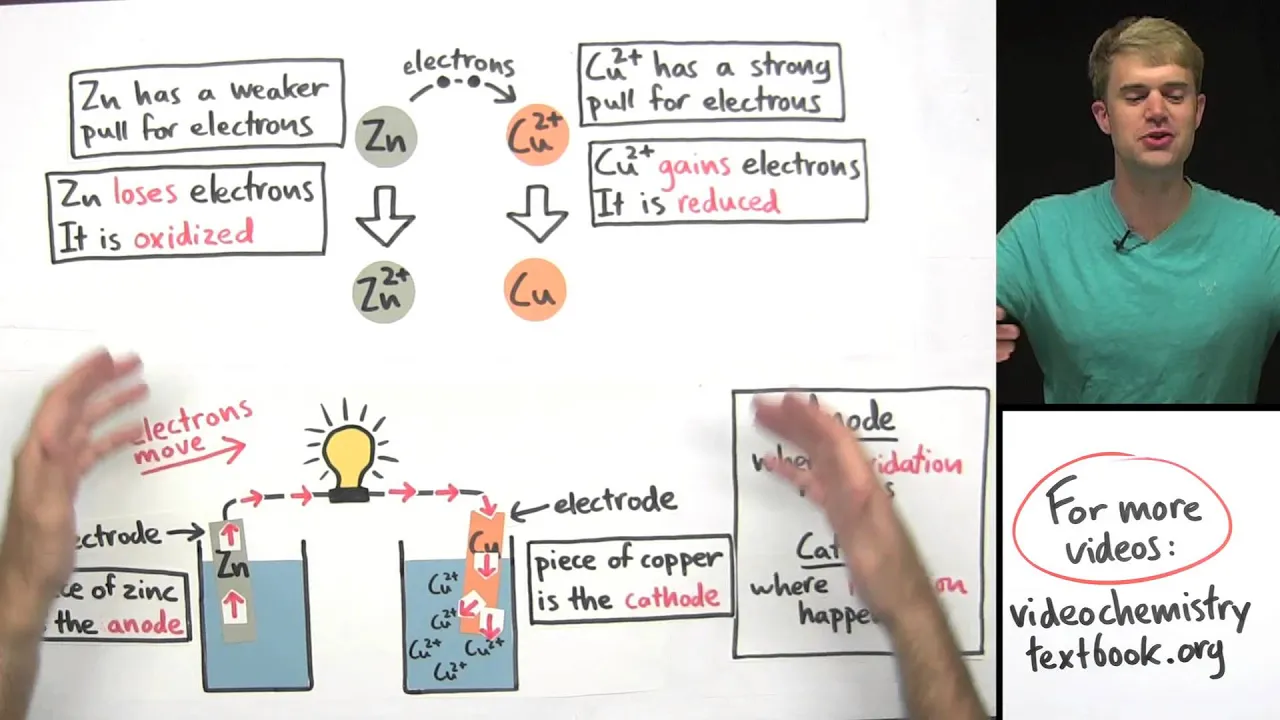
Added:Basic electrochemistry principles, including reduction-oxidation (redox) reactions and the roles of anodes, cathodes, and electrolytes.
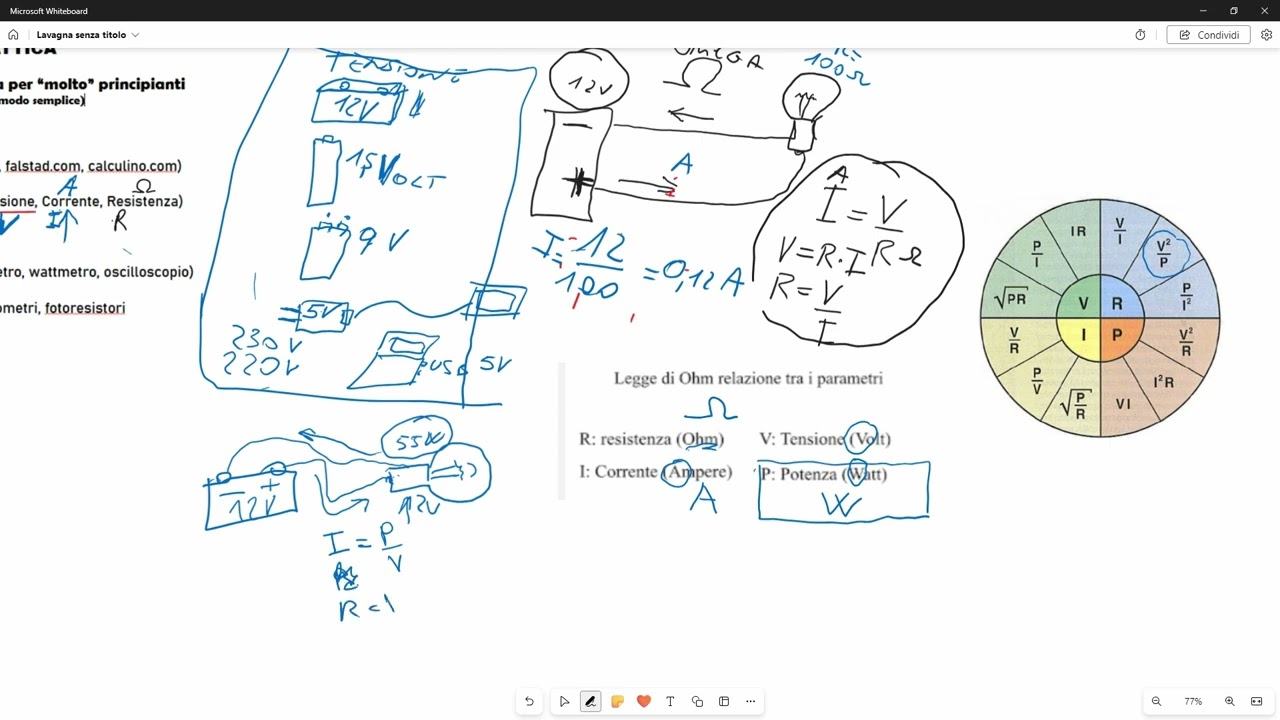
Fundamental electrical concepts such as voltage (V), current (A), capacity (Ah), energy (Wh), and Ohm's law.
The chemical properties of Lithium on the periodic table, specifically its high reactivity and energy density characteristics.
The general working principle of a galvanic/voltaic cell and how chemical energy is converted to electrical energy.
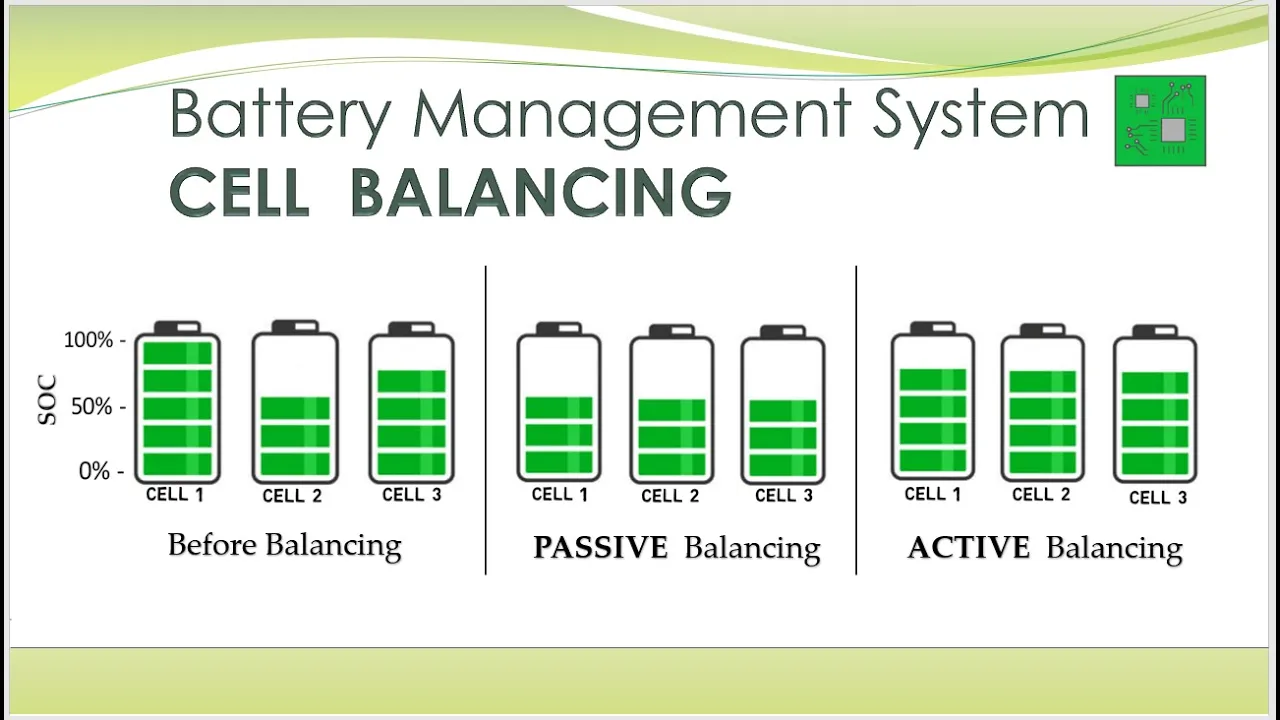
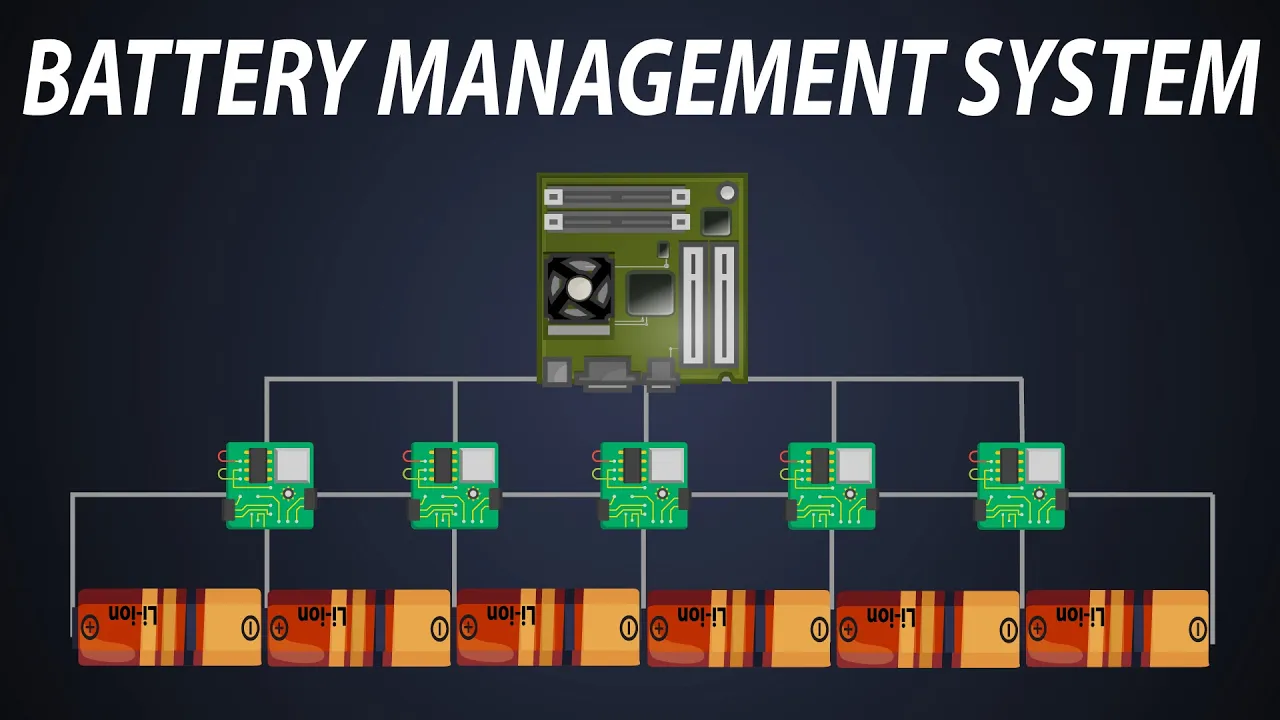
Design and implementation of Battery Management Systems (BMS) for cell balancing, thermal management, and state-of-charge (SoC) tracking.
Next-generation battery technologies, such as solid-state batteries, lithium-sulfur, and sodium-ion alternatives.
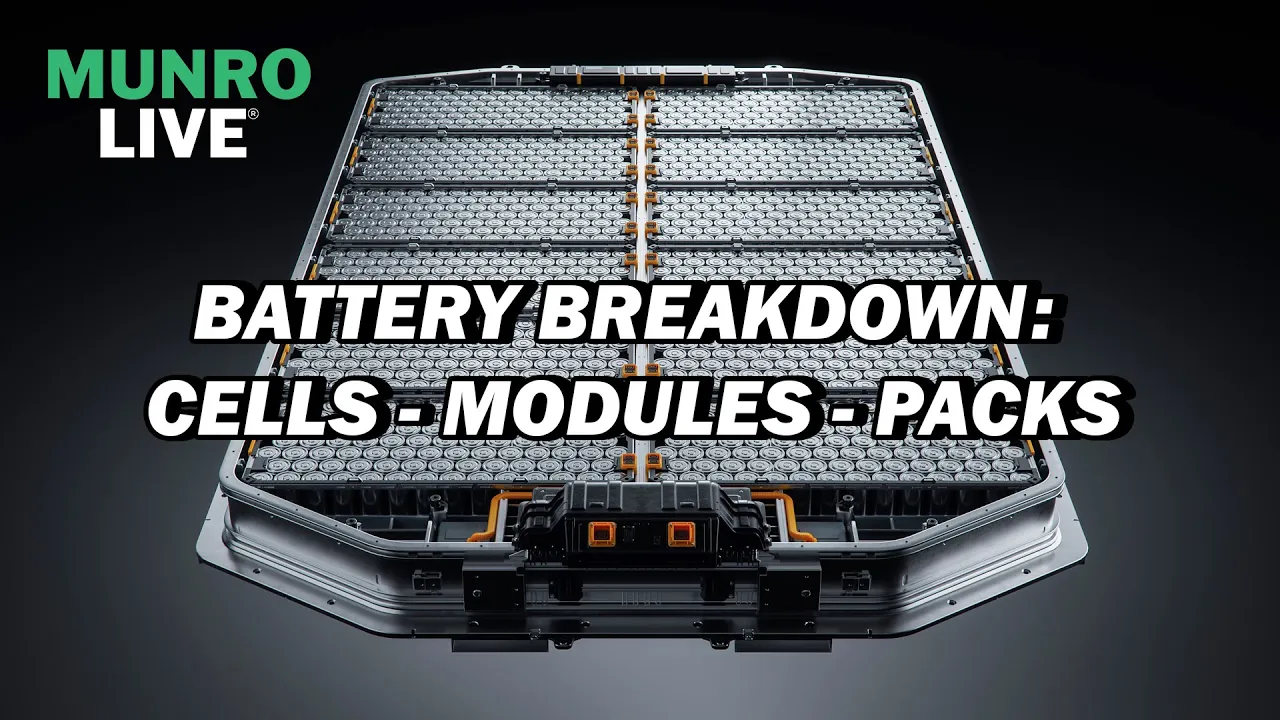
The integration of battery packs into electric vehicle (EV) drivetrains and their interaction with motor controllers and inverters.
Battery degradation mechanisms, cycle life optimization, and environmental recycling/repurposing strategies.
6.6K views44likes1:52:54Original Release: 2014-01-08
all right guys if you're not interested in lithium batteries get coffee and go outside and look at cars this is going to go bad quick you have no interest in lithium batteries you do not want to be in the room and uh this is kind of for adult audiences some violence and some sexual innuendo you're welcome you're welcome to do all that I am threatened in each of the last three years to do a session on the theory um and operation of a lithium ionic battery fortunately I have been rescued by scheduling mishaps in the addition of other speakers and have never here before had to attempt it and I'm going to do it today which is is a little bit compounded by a couple of complications we have a couple of doctorate level double and Material Science guys in the room and several that if they watch evtv carefully and repeat the episodes would be able to put two batteries in a flashlight and get it right before the third try talking to that range of people leaves me a victim because the guys you know will um not like my use of their nomenclature and the guys who don't know won't know really what I'm talking about anyway so I'm going to be a victim and the first thing I want to tell you because you want to know how lithium ion battery works is that I don't know I have no idea and in fact I'll let you in on another little thing nobody else does either as a a superior subset of the rock ape plan over the last couple of Millennia in a quest to turn Ross into gold we have developed some techniques of mixing potions and lotions and powders together and obtaining results that we can examine but we don't really know how they worked and in uh 1996 Akshay under the uh uh toage of John be good enough at the University of Austin who by the way has invented all of the lithium batteries except the first one lithium Cobalt lithium manganese and and lithium iron phosphate um smeared some charcoal on one foil and some fertilizer actually on the other and U determined that he could get a current out of it repeatedly from that we do have hypotheses and theories as to why he got that current and much is written about that um the awe and wonder with which our body politic views our um um engineers and scientists is a ancient tradition going back to the toames and The Magicians of the Court which despite Moses having exposed as a fraud everyone still kind of buys into and they do a lot of this with fancy language which we're going to undo a little bit today I have a uh unique uh Talent which was actually issued uh during Vatican 2 by uh Pope John uh among many thousands of do doents that were produced that year uh he issued a Papal decree of lenience and clemency granting a 7-year-old boy in Southeast Missouri uh the unique permission to make shed up and it be pretty close to how it works um there were a couple of restrictions um it was to be for his own personal uh use and entertainment um and he was specifically not to correct his teachers who were at the time spouting nonsense um but most of those guys are dead now and that document is buried pretty deep and so today and for one day only I'm going to share some of this with you uh please don't report me to the victor of Christ and so we're going to talk a little bit about how a lithium ion battery cell could work um I don't know where to start probably dirt we have two kinds of materials we can divide the world into conductors and um non-conductors and the difference appears to be in the latest um quantum physics that um certain materials uh exist in in a cloud of free electrons and others do not have electrons to spare to make a cloud and I'd like you to visualize a crystal structure um of metal uh that had a lot of electrons left over and they are attracted by charge um and they exist in the material but they're free electrons and they're not attached to any particular atom it's kind of like the crystal structure shares all of them um in a very loose um Alliance and they act like a gas a gas if you put a a bottle and you put gas in it um it expands to fill the bottle exactly and exerts a pressure on the inside walls if you put more gas in you increase the pressure if you put Less in you decrease it and so there is a u cloud of gas in this cable of free electrons and copper is particularly good gold being uh very good and silver probably the best and those are conductors and amazingly if I add a little more gas to this end it's felt the length of the cable and near enough instantly we say at the speed light we don't really know that's all it could be at the speed of light could be a little faster or a little slower but instantly if I put an electron in this end the increase in pressure because these electrons want to be a part their charges repel very strongly and you may have felt this with like neodymium magnets uh if you get the two identical poles facing each other they resist coming together and as you get them closer they resist as a square function if you cut the distance in half the force to put them together multiplies by four and that happens with every successive approximation uh and it becomes irresistible that's what drives your car in the motor and that's what happens in the battery and that's what happens in the conductor so I can put an electron in here and one will fall out here instantly if both ends are open I have increased the pressure of those um charges that reject each other by one electron and we talk about current flow through the conductor and the cables melting how fast do you think the electrons travel through the cable does anybody have any idea couple of inches a minute it depends on the material it's itself in its temperature but an electron will travel a couple inches a minute through here but it's effect just like a gas bottle if I add it here the entire length of the conductor the pressure increases and one would want to come out the other end and that applies to the conductor to the current collectors to the um Matrix of the cathode material to The Matrix of the graphite material and to another cloud of um lithium ions in the electrolyte you'll normally see this described that an ion goes from here to here no lithium ion has ever gone from here to here in the history of mankind it would be very unlikely it's a huge distance of several millions of an inch but if I pop a lithium ion here I increase the pressure of the gas by one lithium ion and so really if it could one over here would Transit that se barrier into the U um um anode um let's see what have I got here we can talk about um how about lithium lithium I know the green press has convinced you is a u reare Earth element of inestimable um value and going to be very short supply very soon um we now know or we know now which is the annual correction to what we knew last year uh lithium is one of the three genesis Elements which are hydrogen the most plentiful in the universe helium which is number two and lithium is number three everything is made up uh originally uh from those three elements uh lithium exists everywhere in the universe it exists on all continents on planet Earth and it's 14 parts per billion in seawater which is 4 fths of our surface and that's high enough to actually be commercially viable today and lithium's only about six bucks a pound so it's neither precious nor hard to find if you were looking for a lithium brine so intense that it may already be a battery and you went to Bolivia and walked outside your hotel room you would be standing in it but that's not the only place that appears it's everywhere um this is a representation as we would have in the second grade when I had to make up my own which was a lot closer than this but for the purposes of argument let's say that a nucleus of um three protons and three neutrons existed with three electrons in these little circles like planets around the Sun except they're going very fast and they can be spinning right hand or left hand uh and they precess like a gyroscope and this happens so quickly that it's actually a shell not an orbit and and with the Heisenberg Principle we already know that we now know that we will never know at what position that electron will be in ever ever ever this scale you've looked at so many times that it um has numbed you so let's talk about I'll make up some and it'll be close enough to reality if I had three neutrons and three protons and together they were the size of a basketball on this um table in um um k d Missouri these two electrons they're um shared shell they're in the same shell a balons band would probably BCT San Diego in New York City and they would be the size of BBS the outer one would be further away by twice it's a terrible waste of space and everything is mostly space and charges the u a peculiarity of veilance bands is that the innermost veilance band wants to have two electrons and it'll do anything to get them both um the next veillance man wants four now if it has less than two it will give them up pretty readily and if it has more than two it wants one pretty badly and the next veilance band is eight and so forth um up to about seven veillance bands the outer veilance bands are so loosely tied to the uh atom that the electr potential is extremely small and so the outer venance bands of copper or gold are silver their electrons kind of wander some come in some go out and that's where we get the cloud that causes conductivity and so that's uh lithium it is not rare uh but it is very light and that outer electron it loses um almost in the presence of nothing it just can't keep track of that electron um it's one of our lightest Metals it will float on water with about the density of Pine and it's one of our most reactive metals in that if you did float it on water it would burst into flames immediately perhaps explosively sir can I ask you to take that Mox and start it around the room you may first examine the contents that is an A123 cell with aluminum foils and copper foils uh smeared with stuff and let's talk about the stuff uh as I said we um you will read about lithium batteries um and they will discuss intently a graphite Nano patterns and graphine and sheets here's what they do uh they take coconut shells and they burn them really hot and they put them in a long tube that's 8 ft in diameter with a natural gas flame underneath it and rotate it for days and that cooks all the water out of it and we want to do that because lithium and water will burst into flames we can't have any water in our battery at all and they smear that on copper sheets using um a binder which is a glute the um let me go back to my battery diagram I'm not very good with audio visual as you may note but I did bring you some pictures the cathode material of choice for me anyone okay is lithium iron phosphate iron phosphate is a fertilizer it doesn't cost anything per pound so we have lithium and iron phosphate uh iron phosphate is kind of tricky in that it has uh essentially an iron atom with six oxygen atoms that are Cove valent in other words they're sharing electrons directly and phosphate will share uh electrons with oxygen with four oxygen atoms and by doing this it makes a very complicated uh polyan in Olivine structure it's a complicated Crystal which has a sort of zigzag tunnels through it where the lithium can tunnel into it but it's a very complex crystal in structure um and and P's um um breakthrough was that he thought a polyanion would be good as a cathode material aluminum we know what that is conversation came up today yesterday oh why do we use copper on the anode and aluminum on the uh um Cod does anybody know huh it absolutely doesn't matter we can swap them we can make them both copper ideally we would make them both silver but your cars would cost more it's simply a current collector this is a a place where we pass electrons in quantity in quantity and they're good conductors so they pass charges collect pressure uh that we put in them and apply them to our cathode Nano materials and they could be posted on silver foil copper screen uh aluminum um screen door um a chill plate uh what whatever the the current collector only needs to be a good conductor and we would want it to be lightweight if we're going to make a lightweight battery uh the magic potion that everyone is uh in the Press is this explosive element that will poison you forever um is again lithium catons positive ions it's a salt the most common of which is lithium Flor xop phosphate lipf6 and we have to be in a non aquous environment because the lithium will react with water and so we use organic solvents and that sounds very magic too ethylene carbonate is uh the one with the lowest boiling point and the one that smells alike sweet pears and if you're passing the Box around you may notice the odor if you notice the odor in your car you've done something bad to your batteries also very widely held online is that batteries swell in the normal pors of things swelling of batteries of course you can detect that you have overcharged them or over discharged them or have some manufacturing def they are not good um e ethene carbonate is a uh Regent that is a combination of ethene glycol and carbonic acid that is antifreeze and cocacola to anyone by any examination dimethylcarbonate is common and used in our cells we call that DMC it's methanol and carbonic acid and it is actually considered a green Regent and that means that it is a part of a groaning analysis uh where they're trying to identify um sustainable chemistry so it's it's blessed by U the environmentalist dyl carbonate is ethanol and carbonic acid here in Southeast Missouri we call that a Jack and Coke it's whiskey and Coca and that is uh pretty much the solvents there are some others and everybody's got magic potion and lotion but they tend to be in very small amounts um are they flammable they are however uh the whiskey industry actually has an exemption for the boa code requirement for sprinkler systems and there's a reason you can pour whiskey out in your hand and light it and it will not heat up your hand has very high escape velocity very low burning temperature that's why ethanol is not a very good fuel in your car but if you do put it in a toasted Barrel after about 6 months it ages nicely lousy fuel for cars but it's pretty good at Jack powering things and uh so that's uh it's not really it is technically flammable uh if I was on fire with it here you probably wouldn't notice I wouldn't be warm little blue flame licking around the edges um not not really of any import um under pressure If you vaporized it and then let it um it would be a a explosive but it would be kind of a flash in the pain battery fires are not caused by um solvents they're not caused by the electroly I I I cannot imagine it it's technically possible but it's so unlike it's not actually technically possible it would not never happen when you read in the press that there was an escape of um electrolyte and that caused a fire it's a detector that's the only thing I can say about the wider press is that the only thing better than winning the Special Olympics would be not to be in the first place batteries um our batteries in the past have been electrochemical devices where electrons um cause a uh a chemical change in the anod OR cathode and this involves Cove valency um and that can have a lot of side effects you you convert lead to lead oxide or lead sulfate and you convert it back these batteries don't work anyway close to that there's no relationship I cannot get the lead out I will never extract it from the thinking of battery engineers and scientists ever but they don't have a special dispensation from the pope we uh store charge we can take an electron off this current collector and we can move it through the wire to this one now what we have to do is apply of voltage that is greater than that exhibited between the two Terminals and of the same polarity and this causes terrible confusion an anode and a cathode in electronics are exactly the reverse of what we're talking about and the voltage you see when you charge a battery has nothing to do with battery voltage it's almost compl completely disconnected you have to apply some greater voltage to move an electron from the aluminum to The Copper or the other way around which whatever you're using for The Collector when we do that the pressure the cloud in The Collector increases and the uh pressure over here decreases and at the point where the voltage the apparent potential Rises to what we're applying we would measure at those terminals that voltage and it would happen very quickly unless they were very big sheets of copper and aluminum so we can take electrons off the cathode and pump them over to the anode and store them there and that's kind of what you do with a capacitor which can't hold very much energy because immediately the pressure rises in the one and falls in the other so we have to find a way to make it hold more electrons that we can use later I want to talk about the anode side first and the reason I want to do that is because it is a very simple crystall in structure and I can get a mental image going here what's happening I can't can't really do that on this side we're going to talk about it in the same way but there's no 3D way to show a um six-sided four-sided polyanion it it just it's a like a a Tarsus or a Rubik's Cube or something you just can't do it in two planes where you could see it um so let's talk about carbon and why it makes a good anode material our anode is not actually carbon all lithium ion batteries have a lithium anod our intercalation material the the crystallin structure is carbon and we don't have a way of mixing a lithium with carbon and intercalating it so what we have to do we can mix it over here with lithium iron phosphate and in a formative stage the first charge we're going to move them over and intercalate them into our anode and from there on we have a battery let's talk about a carbon crystall in structure I've got lots of pictures of that here's a carbon atom there it has h four um um atoms in that outer veillance band and it will readily share them with other carbon atoms in co valency co valency is we're going to share the same electron let's say we have the electron go all around both atoms in reality we have different ways of doing that we might have a big figure eight where it goes around one and around the other we might have a twisted cone uh where it spirals around the two um unlike the other ones but we can share electrons between carbon and make a mess I've just lost my U my thing well let's go to computer and my travel drive and here we are again um let's do graphine cuz this is almost a henic this is an artist rendering of graphine but what I want you to see is that it's a very simple six-sided um hexagon that's of course continued at infinum we can actually do that in layers let me see how that would work now I uh messed this up before there we go well this work here is um two layers of six-sided octagons and this in the middle is a um lithium ion it is not Co valent with any of the carbon atoms it does not combine with them ever at all it in fact it can't um let me uh see what that would look like here's a like a multi-layer version of that turned on its side this is a little better now you start to see one big one and one underneath it there's a vertical one there's U Brian Seymour here's the one I like they actually stack in um and we have labels for that a b a a BB b a um and that's kind of the offset uh between the hexagons so we can actually make this plane but we can tie them through charge uh and covalency uh vertically we can stack them and that makes a kind of a cage again here is a lithium ion and it's depicted as being centered in that hexagon and equidistant between the two planes and there in lies a tail carbon is a very good conductor but only along its plane we cannot jump a charge from one plane to the next through carbon but along its plane It's actually an excellent conductor of electrons and so if we were attached to copper current collector we could take those electrons and run them out in that field of carbon along the plane the lithium ion has a positive charge it's missing an electron it cannot share veency with the carbon but it would be held in position by the charge because of the negative charge on top from the electron and the negative charge on the bottom from the electron um would tend to hold it in position that's intercalation since we have accepted electrons into the carbon we call that a reduction oxidation event and it has nothing to do with oxygen that's where the term comes from originally and caused a lot of confusion with these batteries but oxidation is when we give up an electron reduction oxidation or Redux is when we accept one and we're going to have our carbon accept one cuz we're going to pump it over with our charger and uh in fact I'd really rather have two one in each plane and my lithium ion is going to fall into this have any of you seen on YouTube the two coils in the ball that is levitating um by magnetic um induction this is the same thing by electrostatic charge instead of magnetic uh flux but exactly the same math um the same thing and so if we could push a lithium ion into between those two sheets it would fall into one of these uh positions kind of like the BB on the little toy where you roll it around and it falls into a little dimple and it locks in there and that's where it wants to be and it's held there by electrostatic charges above it and below it now this is kind of like catching a bear I can run and run and run and I can run that bear down and I can grab it now I've got him problem is he's got me too so the lithium ions we can say it's held in position by two electrons we could turn that right around and say the two electrons are held there by that lithium ion it's kind of a mutual thing among charges and so we've taken two electrons and stored them in the carbon and they are neutralized charge Wise by their attraction to the single lithium ion we get a multiplicative effect there we get two electrons for one lithium ion except on the next stack we have another lithium ion so it doesn't really work out that way but we can store a lot of electrons in carbon by having lithium ions catons intercalated in the crystaline structure of the carbon in reality uh we're using coconut shell that we burnt really hot and made very fine particles of and so that plane you saw one of them vertical and one of them horizontal picture millions of them going every which direction and they're all broken when we do add the lithium ion there is a volumetric expansion of the carbon and often it breaks into more little Splinter of hexagonal carbon Matrix and that's what smeared all over the copper you hear a lot of talk about silicon as an anode material it would be great anode material carbon will hold about 370 milliamp hours of charge per gram uh silicon over 1,400 now that's the good news the bad news is the carbon expands volumetrically and the Silicon expands volumetrically four times that much and it's even more brittle than the carbon so it breaks down faster and you make a great huge battery out of silicon anodes and it'll last four cycles and you basically broken the windows you shattered all the silicon and so most of the U real uh I think real um anode research being done today is how to somehow mix that carbon and that silicon and a polymer or U glue or something or other to where we can break that silicon and still use it and break that uh carbon and still use it let's uh see if I can get back to my battery here's my battery I love my battery the basic parts are your current collectors this is a separator the batter is coming around you'll notice a white piece of plastic it's uh looks a lot like a trash bag and that's because it's uh a trash bag with little holes in it that's to keep there from being any uh remember we have electrons over here and we have electrons over here and if we have any current flow between the two of them our battery will probably blow up and so that separator is to prevent any electrical conduction within the battery but the holes are big enough that lithium ions can go through and more importantly again we really don't pass lithium ions through they only have activity at the cathode and at the anode the rest of it is a cloud of lipf6 in organic solvents so if I take one out of here the pressure builds I need to pop one in here formative stage in the battery we're going to take our lithium out of our LF e po4 and we're going to by moving electrons over there decrease the charge holding them on this and increase the charge attracting them over here and this lithium ion is going to pop out and the pressure in the gas increases and this one intercalates and finds a hole there's a problem with our electrolytes which have lithium um salts and those organic electrolytes there are some side reactions that create a um a polyvinyl deposit Pond scum and that builds up on because it in in reacting with a lithium ion it picks up its positive charge it builds up on the surface of the carbon Matrix this is a mixed blessing remember the carbon breaks down and this rubber wall kind of glues it all together if you took a crumbling brick wall and you plastered over it with with um synthetic rubber it would kind of Hold the Wall together and that's what it does and if we popped a lithium ion off and we sent by pressure cause one to go in here and we popped another one off we would have kind of a flow of lithium uh catons and that would increase the incidence of um these side reactions that cause the SEI layer but in the formative first formative charge we're going to do that very slowly we're going to charge that battery over 3 days and along the way this SE layer builds up and it gets thicker and it gets more complete and we have a lot of lithium ions intercalated in the anode and we still have a few left over here in the cathode and we have kind of a u a natural population in the electrolyte now if that electrolyte could ever get access to this huge population over here lithium ions if we wouldn't have little side reactions we'd have a real quick one and it's very thermal and it gets really hot really quick and and we'll talk more about why that's important later but we don't want our electrolytes to gain access to all those lithium ions in the anode or in the cathode and by the way this SE layer really occurs on both sides we don't think about it very much with the cathod and it's not as extensive and and it's a more complicated crystalling structure it technically does exist exist and a lot of people don't know that but we tend to focus the SEI layer is uh called that it's a solid electrolyte interphase layer and it's one of the blessings and curses of lithium iron phosphate cells all at the same time as the battery agents that gets thicker and it's uh it makes it harder for the lithium ions to get through the coefficient of diffusion increases let's talk about that again we have all this carbon this uh octagonal structure let me find that diagram again um here's one if you'll notice on this this one we have a lithium ion here and we have one here but there's not one in between them and then there's another one over here but again there's an empty cell the positive charges of lithium ions also repel each other and they really would rather be every other one in this Matrix they will exist on adjacent ones but only Under Pressure uh um so when we go through the SE layer what diple is it going to fall into the first one now I add more lithium ions and so all of the readily available slots on the surface of that carbon fill up but I have more lithium ions and I have more electrons I'm pumping them out on this sheet with my charger the charg larest building they're attracting lithium ions okay so if I put one in here this one has to move now if he moves here this guy doesn't like it he'll move over there if he moves over there this one has to find a new home or that is their desire so if you go into a nightclub at 5:00 p.m.
and you want a drink you can walk in the door and you can walk right up to the bar and the bartender is sitting there waiting for you and he'll make your drink and tell you a funny story and you all chat and you'll tell him how your day went he'll tell you how is going it's all good now if you come back at 900 p.m. there's a lot of people in the barn and when you come in the door you'll have to wind your way through these groups of people to get to the bar and the bartender is a little short with you cuz he's starting to get busy when the Meat Market opens at 11:30 if you come in the door somebody's almost got to go out the back door but everybody in the bar has got to move 6 in just to accommodate you and you may not even make it to the bar you might get lucky anyway but it's going to be difficult to get to the bar this works the same way the more ly of ions I put in here when I add another one the more have to move and that is diffusion and so our ability to add charge gets more difficult and our charge curve turns up it takes more and more voltage to force a lithium ion into that cathode and this kind of works in reverse when we discharge online and in our community whenever there's an argument about batteries the forfeiting party will uh say the words internal resistance and Retreat to that in Godlike fashion which you should not challenge internal resistance is a concept this is not an electrical device at all it's an electrochemical device there is no resistance if you take a battery at a certain voltage and you apply a load you'll get a current and the voltage will drop and by Ohm's law that would imply a resistance from a resistor it will happen here too but there is no resistor and there is no resistance so we call that equivalent series resistance and so our voltage sag under current would be read as internal resistance and referred to by some as that the proper curs equivalent series resistance and it's used to model batteries they even have a device that'll measure it at 1,00 Hertz that applies very well to a lead acid battery and it's a total nonsense on a lithium iron ion cell so if you get one of these and try to read anything it it's total nonsense our equivalent series resist distance is a function of frequency it's also a function of temperature it's a function of battery age it's a function of state of charge it has so many variables what kind of a measurement do you have when any wind blowing will change it you can get one information from that if you took two measurements and compared them you would have nonsense because you'd be in a different state of TR charge a different temperature a different voltage and the battery would be at a different age might be 1 second different age might be one degree different temperature but you can't compare these two measurements it is total nonsense so if you hear the term internal resistance run don't walk utter nonsense defusion coefficient is a measure of the delay and the uh uh ability of that that battery to make current right now and you get into kind of a tradeoff in your materials um to do that the discharge works exactly the same way let's connect the circuit and doing this charge there will be a difference in potential between our negative anode I know that doesn't that bothers a lot of people but it is a negative anode and a positive cathode the only Power we get is in reference to each other it is only negative with respect to the cathode and the cathode is only positive with respect to the anode and this is why we don't want you to connect either end of your battery to the frame of the car because then you have a difference potential between the frame and either the anode or the cathode and if you're touching the frame and one of the terminals of the battery you will complete the circuit and um I don't know maybe you would explode I'm not sure what happens there the uh uh so this only makes sense in relationship to itself but we can connect between these two a load to do work and use that difference in potential and that current flow to represent power and turn a motor or heat something up or or run a light bulb or whatever when we do that this electron goes back into the wire and it doesn't go over there but the pressure on the copper decreases and it increases over here and a little bit of that difference of potential changes and it makes lithium iron phosphate a a little bit more positive a little bit more negative actually which would attract a Caton there's a lot of problems with this a lot of what I've told you really isn't true in first place the lithium iron phosphate won't conduct electricity at all it's actually a pretty good insulator so what we do is uh intermingle about 5% um coconut shell again with the um iron phosphate and the carbon will support conduction and um the battery you're passing around I don't know where it went everybody take a good Sniff and look at the Copper and aluminum is an A123 cell and they're famous for having reduced the size of the lithium iron phosphate particles and coating it with carbon and putting a very very very thin layer of this material on the aluminum and what that does to intercalate in lithium iron phosphate as I said it's a much more complicated crystallin structure you actually have to tunnel in a zigzag path single file into this structure and the next one has to bump you along single file um and there is a volumetric expansion the whole tunnel can collapse and often does and so it's much more difficult and you have a much greater coefficient of diffusion in the cathode than you do on the anode so by making this a very thin layer of material we can reduce that and control that to some degree and by having more carbon in that mixture uh we can we can help it there too we get into a tradeoff that you cannot win I said that graphite would store 370 milliamp hours of um um Power Up per gam depending on your carbon this is 150 to 170 so there's a big mismatch here and a curious thing if we did get a graphite um silicon anode we have another problem uh with greater imbalance excuse me rain could I get a bottle of water this needs to be about twice as thick as this to have a balanced battery but if we make this thinner we get a U lower uh coefficient of diffusion and a greater current producing capability on the other hand if if we decrease this then the ratio of this material which is the only thing it counts really in this equation to aluminum and copper and terminal and plastic case goes down so if I up my ability to produce current I decrease my ability to store energy and so we talk about uh batteries having a uh Power density and an energy density and it's a tradeoff between them um and you kind of have to pick your poison right now this week this month we're seeing a very strange uh progression uh a sudden jump in the amount of power produced out of lithium iron 5 at cells they're normally somewhat less than lithium Cobalt oxide or lithium manganese oxide and right now all of a sudden cells are starting to appear with 15c continuous 20c pulse power outputs this almost doesn't make sense but but they've done it somehow probably adding some magic sauce of badium metrium U sulfur something uh into that graphite mix um the separator as I said simply prevents conduction Let's uh let's do some damage here let's charge our battery below 0° Fen uh Centigrade or 32° fahren and we slow this ability to intercalate lithium uh I ions and so we're going to perch them in the SEI layer and we're going to start piling them piling them up and that causes lithium plating of metallic lithium and it forms a dendrite which starts to grow out of this SEI layer now as it grows the diameter of the interface between the SEI layer and the dendrite begins to enlarge and it starts to break down and now my electrolyte starts to get in there where all those lithium ions are stored and they start to react firmly and the um SE layer uh starts to break down maybe 90° Centigrade um and as it breaks down more of my electrolyte can combine with more of my lithium and we go into thermal runaway if uh none of that happened but the dendr continue to grow and we get to this separator if we Pierce that and short to the next cell I could be at 200° Centigrade almost instantly why do I like lithium iron phosphate cells lithium iron phosphate is extremely inexpensive it is somewhat lower in both power and energy density than the other chemistries iron will give up oxygen pretty readily but phosphate binds quite tightly to these four oxygen it uh um atoms it really does not want to disassociate there Cobalt and oxide is fairly Loosely tied and if you excite the room uh thermally to maybe 130 to 150° Centigrade um lithium Cobalt oxide starts to separate from the oxygen and releases free oxygen into our electrolyte where we're having this thermal event the solvent does not burst into flames that's it's not that's burning whiskey don't worry about that but if we're having a thermal event and we put oxygen on it um that's kind of like pouring gasoline on and it takes off and our temperature at our cathode Rises and it gives off more oxygen and that causes the temperature to go up and if we increase the temperature we get more oxygen and um by the way Halon fire extinguishers don't really do very much much because we're making our own oxygen lithium manganese oxide um starts to produce free oxygen at a much higher temperature and so it is a safer battery um so you know I'm making these numbers up but I can usually get closer to reality making up because of a Papal decree but correct me if I'm wrong manganese oxide 22 20 to 250° Centigrade somewhere in there okay he buys it I buy it you guys don't know 220 250° Centigrade it starts to give off ree oxygen lithium iron phosphate I'm going to make up another number but I got Kelo going my way now he's not going to call on 350° none of those are real I made all those up but the ratio between them is very real and now you know the level of what we're talking about safety in thermal events with lithium iron phosphate cobal oxide and manganese oxide those ratios are actually pretty accurate and and so that's what we're talking about so I want you to all go home and tell everybody that Jack said that you cannot cause a fire with lithium iron phosphate that's not only not what I said but go look up my battery lab and see all the burning debris and charcoal that's left from many thermal events I've had you can burn up your battery and you can burn down your house and you can burn down a warehouse or the state of Georgia there's a lot of power in these batteries and once they get going they're very difficult to put them out how would you put them out anybody know you know what water which we used to use to put out fires is a whole lot better than any of the chemical extinguishers Halon argon um cow's blood foam any of that because we cannot cut off the oxygen to that fire but if we could cure it cool it and guys 350° is pretty hot centigrade and 220 is two if we can hit it with a solid stream of water we're going to make a lot of steam don't be bending over it when you do this this is best done from a distance but if you can pump enough water on that and get the temperature back down you will stop the thermal runaway and it will will quit giving off oxygen and you could conceivably we don't know if anybody's everever actually done it but in theory you could put out a lithium battery fire before it burnt itself completely out but that's your only hope um I'm going to take a few questions on Theory we're going to take a break I'm not sure I covered everything let me think about it while you hit me with some questions then we're going to take a break and talk about about cell care and some of the Practical aspects that I'm starting to Verge into now has everybody been able to examine the cell the aluminum plate the there's no mystery here this is aluminum foil like out of your drawer but thinner it's copper foil oh by the way the reason they use aluminum and copper is so the dumb Chinese girls don't get them mixed up and put one aluminum next to aluminum they run on two completely separate lines they're cut into things and they put them together copper aluminum copper aluminum if you go copper aluminum copper aluminum aluminum you might not get out of room alive over here you're saying that uh you can swap the aluminum with copper yeah absolutely but if you make it both aluminum it's going to be lighter it would be lighter but they don't they don't do that I've never seen him do that I've never seen aluminum aluminum repe question the question well let's get a mic in here and again guys let's U tell me who you are where you're from so I can kind of get a mental image of why you're asking this weird really weird question back here Daniel yannes um Daniel anoes from y johanes johanes North Carolina North Carolina I love North Carolina so copper seems to be pretty expensive if if conductance was the major advantage of it seems to be a pretty expensive element to use there I was wondering other elements that would work um our best uh Choice there for the um anode current collector would be silver and that would also be our best choice for the cathode collector would be silver if we can't get silver our next best choice would be gold but it's kind of heavy and after that we get down into other metals and um there's uh some uh design considerations that don't have a lot to do with battery Theory but they do have to do with current does anybody ever hear about the home hes with the aluminum wiring that had heat problems uh aluminum is an excellent conductor copper is an excellent conductor but copper is a lot better conductor than aluminum and the these current collectors sticking out the top is a little Tab and you'll see that in the A123 cell that it's actually a tab in your batteries all those tabs are gathered together in a claw that has a hole in it we put a bolt in it that's a weak point in the battery we have to get all our current through that and and we want the foils to be as thin as possible because our ratio of foil to active material determines our energy density and these are simply engineering design tradeoffs one is as good as another but it moves all the other ones if we did this out of aluminum and that out of aluminum now we have to do something else but the aluminum is lighter and the copper is a better conductor and why they pick that it gets into a lot of things uh to try to optimize the power capability of the battery and the energy density which are two different things and you can optimize for either optimizing for both is very difficult and so that that's a uh engineering design tra TR off aluminum is lighter copper uh is less thermal under under load another question uh Paul Paul duve from uh Alabama uh maybe I missed it but were you going to talk about what happens when you overcharge the battery okay we can do that um let's see what does happen when you overcharge the battery um one of the reasons that um lithium iron phosphate is safer and more stable and more suited to Automotive applications than the others kind of derives from its voltage it is a lower voltage cell than the other ones they are typically 3.6 or 3.7 volts and um lithium iron phosphate uh is nominally 3.3 3.2 that comes from a differential count so I don't this is like 3.45 volts electric potential for lithium iron phosphate and graphite is a07 and when you algebraically sum those you get 3.38 as being the open circuit voltage of a fully charged lithium iron phosphate cell similarly uh the Cobalt oxide and the other ones will be a higher voltage voltage can cause a breakdown of our organic solvents and some thermal problems with that most notably uh leading to the gasification of the eth ethyl carbonate the EC the one that smells like sweet pears and so if you overcharge your cells you get two things the cell swells the eth carbonate starts to Escape most of the batteries are vented you'll smell this delicious sickly sweet pear smell uh right before it bursts into the Flames uh and again if we can get a thermal runaway going in the solvent it will start to affect the SEI layer which melts at a fairly low temperature 90c or so which is kind of the same level as the uh a boiling point of um eth carbonate and so overcharging as a function of voltage alone gets us into a thermal event note that the higher voltages of lithium Cobalt and lithium manganese rarely are the um electrolytes notably different they will be a different combination of EC DMC and DC and a couple of others uh but EC tends to be the one I don't want your battery to go over 60° centigrade and trouble really starts at 70 um but anything you do charging and discharging everything that's below 60 I'm on board with you go girlfriend but above 70 things go bad and at 90 they start to go bad quickly and that's what happens when you overcharge the cell again the myth swelling of lithium batteries and this applies to all the chemistries that I know of swelling of batteries is normal negative swelling of batteries is in all cases a sign of damage or manufacturing defect I've never seen one swell without overcharging it over discharging it or discovering an internal short and um I'm game for anything it could happen but there is the papal decree who uh Jack Byron eisenbart from Michigan um my question is so when we use the recipe to charge these batteries as you call it like cooking making a cake or something we charge it up to whatever your 3.6 or 3.5 volts is and then it drops down to an open circuit of 3.38 or so um I'm very familiar with Lithium Polymer batteries from uh solar car basically fairly large scale lipos um we charge those to 4.2 um and if I you know follow their charging recipe I just turn the charge off after a certain time holding it there they don't tend to drop very much um I mean it'll stay at 4.1 5 4.2 no problem and hold there forever um would that be a case of overcharging those cells I I have a lot of Cycles on them I don't see any swelling or any odd things so not really um again that's a little bit different chemistry um but what you're seeing is actually You' disconnected the charger and the surface charge is not diffusing into the material and what you would notice in in doing that with those cells and you will normally not find this with lithium iron phosphate when they're brand new sometimes you'll see one stick and and it will break in and and start to small very quickly the Lithium Polymer cells you're using are probably a manganese oxide and they inherently have a higher voltage number one which is why you charge the 4.2 but it's simply a surface charge if you hook up a load to that and watch it it's gone in not 60 seconds it's gone in 2 seconds and you'll dive down to about 3.9 and from 3.9 you'll go down to oh 3.3 or 3.2 or something fairly linearly uh and then it gets quick that's a surface charge that's not diffusing into your um layer and some of the voltage restrictions also um your electrolytes a little different it's a polymer and it's a weaker electrolyte but it's more thermally stable um and beyond that I I want you all understand I kind of know a lot about lithium iron phosphate cells and I know a little bit about the other chemistries and and this is a sin in batteries you need to be aware of lithium ion covers a multitude of sins and lithium cobal oxide is not the same as lithium iron phosphate and many things are very different and I'm not familiar with them I know a little bit about them just enough to be dangerous so when you're talking to somebody that knows about all of them I don't know where he's been but it's kind of a specialized thing uh a lithium manganese spel batter is not a lithium iron phosphate cell and a lithium iron phosphate cell is not a lithium nickel manganese Cobalt oxide cell and and it's like a different discipline when you start peeling the onion it starts going in different directions very quickly that's the little bit I know about your uh radio controlled cells Keith Meyer from St Louis uh I was intrigued with the solar impulse aircraft as it flew across the United States and uh being able to visit with some of the folks in St Louis some of the ground crew I learned that they uh were using a battery that appeared to have a greater energy density than you know what the Cal cells have and uh I think they may have been using a battery from Dow Cam and I was wondering if you are familiar with their cells or have ever tested them no I have not and it doesn't matter the ones they were using they've gone to a new one um and they are doing some significant work with that lithium nickel metal uh manganese Cobalt oxide cell the nmc cell and I understand they have more magic powder yet and and perhaps John metric will talk about that later but I'm unfamiliar familiar with their product line I've looked at it a couple of times and we've just never used them uh to to a point you bring up most lithium ionic cells have higher energy and p uh Power density than lithium iron phosphate um University of Tokyo 2008 they pretty much concluded that lithium iron phosphate cells were the only lithium cell appropriate for electric vehicle us use and I share that um position um we rate the cells in kind of a vetch diagram of um expense power density energy density cycle life and thermal stability and lithium iron phosphate cells are very thermally stable a very inexpensive and have very long cycle life those are three very good attributes for electric vehicles but they are probably the least as far as energy density or power density um and that's where that diagram shakes out I think there's one other advantage of the lithium iron phosphates and there's some pretty impressive videos on YouTube that show you know what happens if you crush it what happens if you drive a nail through it uh damage it and they're they're far more more safer than a lot of the other chemistries I've seen some pretty um no that is the main advantage the thermal stability and safety uh of the cell that's the primary advantage the prime one of the primary advantages for me however that I rate much higher than almost anybody using lithium cells for anything is cycle life and lithium magnes spinel is the worst for cycle life worse than lithium Cobalt but um the the lithium iron phosphate sells 2,000 3,000 5,000 7,000 Jay Whitaker says he thinks 10 or 11,000 Cycles uh if you narrow that charge discharge window uh just a little bit um and for me in a car the whole concept of L Le acid batteries in a car that I had a problem with did deal with weight did deal with range but most of all if I quit buying gasoline and put batteries in my car and I need to buy batteries every other year I've moved my problem from the gas pump to the battery store if I can get 10 years out of the cells I move my problem into the capital expense of the car now it's all the same expense but I like it in the capital expense of the car and so that's uh so that that's the the two strongest points for um lithium iron phosphate are safety temperature stability and U and cycle life and and my favorite is the cycle life that's what's important to me um but I'm not a race car driver and I don't have to have a 500 mile range I just want the batteries the 10,000 bucks to last for 10 years any more questions okay I'm we ask for gvin from Sun Prairie Wisconsin and um I was wondering how do we know for sure that the lithium ions don't diffuse through the separator how do we know that they don't because they don't need to um again we have a gas here we do have holes they could but we have a gas I pop one out here the pressure in the whole electrolyte goes up okay so you got a concentration gradient is what you're saying it's kind of like the electron here I can put it in here and move it all the way to the end it's 2 in a minute and and that kind of resistance by the way that kind of activity is what uh causes my cable to burn up and it get hot is the actual movement I get no uh resistance and no u a thermal gain if I pop one in here and it causes one to come out here it's the actual ual Transit of the electrons that that causes me problems and I have to have bigger cables but it'll go from this end to this end and eventually it will get there but the effect is I put one in and one comes out on the other end kind of like a soda straw full of BB's if I add another one in this end one pops out the other end and that works the same way and and by the way guys it works the same way a current collector it makes works the same way in the crystal it works the same way in the electrolyte it works the same way all over you're talking about charg pressures not the actual flow of things they do flow but what really causes the magic is the change in charge and the charge is felt throughout the wire the current collector and right out here to the very end of the crystalline structure uh immediately instantly yes Jack the uh some sometimes people get into this thinking about the ultimate power density the ultimate capacity density and who are you and where are you from I'm sorry I actually Jeff Southern from at Kena Georgia Kena Georgia yes um and your question Jeff well basically question is how much range are you really talking about from the highest density cells to the lowest density cells it's actually a fairly small amount considering the cost expense and and potential danger of the type of cells sometimes we Overlook how little difference that really could be sometimes well you're designing your thing and I'm designing my part it depends on what your design goal is it's very attractive to me to have a 3.8 U PB cell that's 50 amp hours at 3.6 volts instead of a um uh 4.45 lb cell at 3. uh 2 volts um for the same 50 amp hour now is it then we get into another problem is it worth twice the money um and and so these are just like designing the cell when you're designing your car you're weighing all that in light of your goals and I would probably pay that in a Speedster light I'm trying to keep under 1600 lb and want to go fast and I probably wouldn't in a thing that if I go over 50 I'm starting to lose pieces of my running gear so it's it's those are are design choices and uh ultimately it would be nice to have a broad array of CH choices but you're right the the difference in energy density but I have to tell can be uh 25% between these chemistries it is significant do you want to trade safety and cycle life for that and price cuz that's the three things that lithium iron phosphate uh excel at safety cyc life and expense H Wayne Jones from Oakland New Zealand Oakland yes um you you mentioned uh the volumetric expansion from the um your carbon layer and intercalating um and that would generate your venting activity in the cell um I'm I'm getting a little lost start over sorry so start over slowly and and U simulate English right it's close as you we don't insist on I need to translate to American from uh yes New Zealand right we have three or four countries all separated by a common language here the UK New Zealand and Australia and Us in Southeast Missouri it's difficult I can do Portuguese easy but this is a struggle okay sorry Jack I'll try and talk a bit just slow down and and and speak up a little bit because I'm hard of hearing and I don't I don't mean to I think you've got an interesting question going there I just wish I knew what it was okay sorry Jack I'll try and talk a little bit clearer and slower um you you spoke about the uh volumetric expansion uh in the intercalation layers and the transfer of catons and um the volumetric expansion creating the venting activity in the cell no right so where does the vent come into play the venting of the cell yes gasification of electrolytes in all cases from which process would would that Beed from the charging process discharging the heat it can be either one right if you um start to get um a problem in the cell and they can be various forms lithium plating by the way over discharging I didn't cover but if you get this below a certain potential the uh copper starts to oxidize like with real oxygen and it starts to form dendrites that will pierce this SE layer and in fact often W open batteries and see actually visually see from over discharged cells carbon with copper uh painted on it and that that copper dendrite uh can cause a thermal event the swelling is caused by the thermal causing usually the EC which has the lowest boiling point to gas but some uh and one study of um lithium Cobalt cells uh done by Sano about particles left as a remainder of manufacturer just a little tiny particle of copper here on the separator uh can can reach 200° Centigrade locally and immediately and so those solvents uh will gas during a thermal event they boil and that's what increases the pressure it's not the volumetric expansion it's not the volumetric expansion from temperature of any of these materials these are organic solvents and if they go from liquid to gas that phase change will increase their volume and the pressure in the cell dramatically right so the the main driver for the question was um the orientation of the cell in a battery pack being uh horizontal or lay flat is there a potential then to lose um electri electrolyte how would I lose the electrolyte uh through the vent if if it was the battery was uh for instance mounted upside down um during that you didn't say upside down right upside down real bad right so lying uh say vertical or lay flat with the vent is not at the top it doesn't matter upside down you've closed off a vent you don't have a vent uh the um electrolyte uh and we just cut that open that battery today no electrolyte came out the amount of liquid electrolyte is Believe It or Not mostly held in the separator and it's a garbage bag but it actually will absorb electrolyte if you take a 100 amp hour Sky energy cell and cut it open and turn it over and dump it out you get about 2 and 1/2 tablespoons of electrolyte but every foil and all of the cathode and all the anode and the separator are entirely wet and so it's like in a wick uh most of it's held in a wick of your anom materials and that separator and uh you won't get two tablespoonfuls of stuff out but it's still a liquid and even though it's held in the materials in the separator if it reaches a certain temperature it will turn to gas and it expands volumetrically and the battery pressure increases and that's why you have vent if you put the battery upside down the two tablespoonfuls block off the vent and you don't have a vent now if you expand you have a bomb the vents to keep from blowing up the battery so don't do that vertical horizontal straight up I can get you any story you want on that everybody's got an opinion um I don't personally see how that would um would actually and we've built cars with them laid down flat laid vertically on their side and straight up I've never hung them upside down um and it hadn't been enough time to know so I I'll answer the question I don't know if there's a capacity or life cycle impact on laying them down or laying them on hedge or putting them ight but don't hang them upside down uh hey Jack um I'll try Missourian um Anu CL plen Borg from Amsterdam Amsterdam that um okay that's about all my Missourian there um I'm going to do a little recap on Saturday a little Southeast Missouri kind like I've been listening for a while Greg house uh you know and the Hugh Lori doing the Greg house thing that was pretty good um on Saturday I'm going to give a little recap on what we've encountered with the um the Cal cells and what we're now calling a lowlevel uh internal short um but for the fact that people might actually ask me what I think is going on and me not having any idea could you use your papal degree and give our uh uh um your best could I make something up yeah that'd be great all right I don't know uh if I did uh we' get it stopped in China uh I'm told that it's a a short uh if you look in those cells there's 400 um Pages it's really a book of copper and aluminum pages and there's 400 of them to get enough surface area to store anything that would be useful if we shorted two of them um that's not much of the battery but it's not good because they're all tied together at the top now if it's a pretty high resistance short it would a pretty minimal amount of current and um and you would see what you're seeing and that is a voltage very gradually going down but I would advise you to get those cells out of circulation because things don't always stay the way they are and if that accelerated and became a thermal event it could be a real problem uh what what we're seeing in a few cells is uh after you buy balance them and you walk away you come back the next day and they're down 5 1,000 of volt and you come back a couple days later and you find that they're five 1,000 of a vault further down and it doesn't appear to be stopping and we have um some concerns that's kind of interesting I've had so few cell failures and so many cell fa failures caused by my deliberate act that we've only Rec L began to explore uh how good is that warranty on themselves from China and uh I'm pleased to report that although Keegan Quavers in his boots uh he's put me in touch with the guy and actually has to say so and he immediately said this is a a slight short in the cells and we will replace them forth with and directed Keegan to um um ship to me to ship to Anna eight replac cells and um and there the cells by the way hold charge and produce power but they just kind of drift very very slowly as if they had internal U uh what is it you call it um um discharge which they don't or they shouldn't uh so maybe we have the first ones where they built in some internal discharge but he seemed to think it was fault and was willing to s this Replacements hi Jack uh I'm Darcy kazor from Regina Canada and uh I've got a question on kind of cold temperature operations with the batteries as well as cold temperature charging uh we experience easily in the winter you know a week ofus 30 orus 40 C uh and operating a electric vehicle uh and sitting for 8 or 10 hours during the day about any type of uh heating the batteries or anything like that what's your experience that you've had or uh some ideas behind temperature use we don't get that cold right here par however the spec on the cells is you can discharge them down to 20 below zero the problem is charging them but that's not ambient temperature that's cell temperature if you're out working them all day trust me they ain't 20 below insight and I'm talking about at the anode or cathode if you've been discharging them they will be up in a pretty temperate range so my advice is immediately plug them into the charger at the end of the day uh and the charging process will maintain that temperature internal to the cell in the face of very very cold temperatures the Jason horx school of thought on the other hand would be if you parked it out and allowed it to get cold so soaked for a number of hours at ambient temperature now you're behind the curve and and the book on this I was discussing it with John good talk but on reflection we've never encountered anybody with firsthand knowledge of lithium plating due to charging below zero and suspiciously the only chemistry that had that restriction was lithium iron phosphate and it's showing up in all the other cells now now understand that we've got a lot of this knowledge very hard one the my first advisory from the Chinese about the Caren feeding of some thunder sky cells was that your glad acceptance is our warmest happiness and the first spec sheet I saw on them very clearly spelled out charging a lithium iron phosphate cell to 4.2 volts it was unequivocal and Winston Chung was quoted as saying that if you charge it to anything less you would damage the cell I don't know if he actually said that but someone quoted him as saying that uh I got a charger from thunder sky that was for a 72v pack and I opened it it up went all through it nothing in it was adjustable it was hardwired for a voltage and for a specific number of cells 24 and what they were charging it at was 3.65 Vols that's where the 3.65 volts came from I made it up from watching their charger and all the Chinese picked up the value from me and put it on the spec sheets that's why 3.65 volts and then years later I hear from people when I say 3.55 oh no Jack you're wrong it's 3.65 we've got it directly from the Chinese and what am I supposed to do with that information I'm allowed to make up they're not so um that's that's essentially the the but but it's very good point um and and I don't know I don't know if it's real or not I have not with my own eyes seen lithium plating I have read two pretty persuasive papers by what look like some pretty smart guys that were not making dramatic inconsistencies in the paper sufficient that I became a believer that lithium plating could occur between 0 fahit and 32 fahit when charging a lithium iron phosphate cell and I've been passing that information on but I have not confirmed it and I've asked John Hardy and he's not confirmed it and I've looked around I can't find anybody to confirm it but it was a pretty both of them were pretty good papers and and that's you know a lot of this just comes from that people will take off and often investigate one thing do a paper on it and include in there something else they found and that's usually more valuable than what they were looking for and and we both read a lot of those um it's a little better than DIY electric or in the sphere but not entirely um and so at this point they air on the side of caution I would not charge the cells at a temperature a cell temperature of less than uh freezing but there are ways to manage that because we're saying the cell temperature not ambient temperature and so you can heat the cells but the cells heat anyway when you're discharging them or when you're charging them so just don't let it sit outside and cold soak for 24 hours and then hook up a charger to it but if you've been working it and you can try this yourself take a brass M8 bolt and drill a hole in it and put a temperature probe and at the end of the day today sticking in there and see what the ano temperature is might be 20 below out it might be 60° in the in the the terminal and that's the only thing that counts the battery doesn't care about the weather report it's just the internal temperature of the battery uh and if I was in your position I would actually do that I'd have some temperature sensors in um some of my anode bolts maybe three or four of them and actually um um have that available um and not not charge if it was below uh freezing uh until further information makes itself available but a lot of this stuff just kind of migrates person to person in spec sheet to spec sheet all of a sudden this restriction which was only lithium iron phosphate is showing up on all the lithium Cobalt all the lithium maganese all of them are picking it up so that either means one or two things they didn't know they had a problem or they just like our problem or they're just making up and I and it requires a Papal decree to get away with that guys you can't just if the victor of Christ doesn't bless that you're in you could go to hell half those guys are atheists they're not supposed to be doing any of they have no indulgences they get you know they don't even know the difference between a venial and a mortal sin we'll work on them later M but he didn't address it um what was he he was addressing one thing and and caught my eye with something else it was the um uh psych life compared to uh discharge uh degree that I was keyed on this a kid a university in Sweden did some unbelievable work I thought and a great paper he tried to do too much uh but other than that it was uh it was very good um there's a reference to that paper on the blog and and I mean it I mean some of us can read that sort of thing on the toilet and others it's just not good to go there good morning T Brian mcis from San Antonio Texas um I do have one question a couple of months ago you had uh spoken about using sulfur to encapsulate the um uh silicon because the Silicon could do so much more than the uh start again okay uh a couple of months ago you had talked about a paper that had come out using sulfur in a battery to encapsulate the um silicon instead of graphite I'm bet I didn't I watched it and you're the only one I watched professor shoue at at Stanford is doing some excellent work but what he did was a um um you know there may have been some sulfur in there he took uh uh he coated silicon with um uh no a polymer and then coated that with carbon and then dissolve the polymer and it was silicon inside a carbon capsule and the sulfur was on the cathode side uh we call this the egg yolk um encapsulation where he did the same thing with um I think a silicon shell with sulfur inside and right now they're doing some very interesting work with u a polymer Matrix with uh uh silicon and carbon on the anode so that's a hot bed right now is some of the best work being done in um um uh cathode and anode uh chemistries it looks to me like it will yield some of the most promising results and some of the least manufacturable uh things that we may encounter I don't think we could I think the they're in a quest for the $100 per amp hour battery in some ways I don't think that that lends itself to U manufactur it all and um okay Dave herck uh Kingsport Tennessee do we have any um data yet either through some of your testing or other testing or EVS with you know 100,000 miles kind kind of showing that the the batteries can go those 6,000 7,000 Cycles or are we still too early in and it you know it's looking hopeful but we don't have the hard data yet I I don't know how to respond to that day um yes we've had data all along um do will we have data that will be persuasive to you uh I'm going to guess not it is perfectly legitimate to take a battery cell one of them even but certainly a selection of them and do a full charge and discharge to 100% 500 times and determine that your capacity at the end of that is 94% and extrapolate that to uh 2,000 cycles for that cell to 80% and it's even further um completely a valid uh to say that you get 2,000 Cycles at 80% even though you tested it to 100 and I'm very comfortable with all of that now you want me to go dry round circles for 300,000 miles to prove it that that will come but not for me I'm not going to go get in the car and do that I'm okay with the cycle testing it's completely valid testing and there is a group of people online who will tell you that that's all laboratory and it's uh uh not right and not it's like they're crows on a fence they never shut up and they have no idea what they're talking about um it's completely valid to extrapolate that kind of a trend line from data that is significant in in quantity and number um if you take 500 cells and do 500 cycles and when to talk about 10,000 Cycles it's perfectly per ible um the decrease in uh depth of discharge impact on uh capacity that may be what you're referring to and that was the gun paper that I like and and we don't know the Chinese made up the 80% and and they don't even have a pope but the tests were done to 100% discharge it implied 2,000 Cycles at 100% And so they are somewhat conservative and said 80% with no data uh to imply that and they further s a 3,000 Cycles to 70% indicating their belief that depth of discharge does matter but they've never shown me any data of that which is why I like the gun paper it did tend to confirm it my personal sense is if you took a calca series cell and charged it to 51% and discharged it to 49% you could repeat that act for the next 80 years and you would die and it would still be going uh and I guess that brings up a practical matter and that is fully charging your car is not only not very important but it's it's becoming common knowledge at General Motors and at Toyota and at Nissan and at Tesla that um being closer to the middle uh certainly for storage uh is good medicine and how how good that is I don't know but everybody's pretty much accepting that hey Jack uh Na L one Iowa I just wanted to interject regarding the question of uh cold weather operation um I've got a year and a half long uh test going that uh I have analysis forthcoming uh put four cells into the starter battery configuration on my Toyota Corolla rust bucket MH operated it at cold weather did nothing to protect the cells just let the alternator do what it's doing so I've been overcharging them and I've been operating it at well below freezing uh regularly and when I did that I bought five cells have the fifth one uh sitting to the side never been touched so um I will be doing some capacity tests to uh see what I get that to me that would render nonsense but uh it it might be interesting result an battery the first thing you're going to do is take a huge amount of current out of it heat the cell up thoroughly and then charge it very gently um the whole time you're operating the car when did it go below 0 de yeah Deary no no that's the Ambient Air Temperature right I don't have the first thing you're going to do is take 1,000 amps out of it and and start your car now we're already above a a tropical inside the cell now you're going to put a charger on it what does that prove at what point are you going to charge it first it's an SLI battery you're always going to start the car first you're never going to put a charger on it below him uh uh freezing it's not I I can't imagine the scenario you have you haven't done it once and you couldn't do it uh the first time much less the second um because you always have to start the car first uh that and that was my advice is to put a measurement on the anode um for curiosity but as a practical matter if you're working the device all day and you put it on the charger immediately you're fine I would do it blindly I wouldn't even bother um but don't let let it sit out and get cold soaked and then put it on the charger it's okay to put it out and get it cold soaked and start the car and drive away that's fine uh Jason only drove two blocks and put it in his garage then turned on the heater to try to get the temperature up my advice would be go drive around the block a few times instead of the two blocks but he had a theory that if he turned on the heater and went and watched um Jeopardy that uh when he got back all would be good and he woke up the next morning and it wasn't good ladies and gentlemen we blew through my cell care session on the theory side I'm really bad at this uh presentation thing that's why our videos are 2 and 1/2 hours long it's lunchtime it is served please enjoy
Up Next

90:18
Gravitational Wave Sources: Signals from Supermassive Black Holes & Inflation | IAS School
@videosfromIAS
501 views•2025-07-16

12:53
21cm Hyperfine Transition in Neutral Hydrogen: Radio Astronomy Basics
@AaronRobertParsons
12.4K views•2011-10-13

32:32
NMR Spin Physics I: Zeeman Effect, Resonance Condition & Larmor Frequency
@nptel-indianinstituteofsci8064
2.3K views•2024-01-17

27:14
Entropy and the Second Law of Thermodynamics Explained
@veritasium
27.5M views•2023-07-01
Related Study Plans & Knowledge Roadmaps
Structured learning paths in Physics
physics
Nuclear Physics (Decay, Fission & Reactors)
01Atomic Structure and the Binding Force
02Radioactive Decay and Half-Life
03Nuclear Fission Mechanics and Chain Reactions
+ 2 more learning modules
12h5 modules
Explore Roadmap
physics
Soft Matter (Polymers, Colloids & Rheology)
01Foundations of Soft Matter & Thermal Forces
02Polymer Physics and Macromolecules
03Colloids, Surfactants, and Self-Assembly
+ 2 more learning modules
38h5 modules
Explore Roadmap
physics
Analytical Mechanics: Lagrangian & Hamiltonian
01Mathematical Foundations: Calculus of Variations
02From Newtonian Mechanics to Constraint Dynamics
03The Principle of Least Action & Lagrangian Mechanics
+ 3 more learning modules
28h6 modules
Explore Roadmap
physics
General Relativity (Spacetime & Cosmology)
01Foundations of Relativity: Special Relativity
02The Geometry of Spacetime: Equivalence Principle & Curvature
03Einstein's Field Equations: The Mathematics of Gravity
+ 2 more learning modules
55h5 modules
Explore Roadmap