
























![[HÓA 12] Điện Phân – Hướng Dẫn Giải SBT Kết Nối Tri Thức (Chi Tiết, Dễ Hiểu)](https://i.ytimg.com/vi/D4N4rCzGf7c/sddefault.jpg?v=674d9c54)



Electrochemistry is the study of the relationship between chemical reactions and electricity, involving two primary processes: (1) spontaneous oxidation-reduction reactions that generate electricity (as in galvanic/voltaic cells where electrons flow from anode to cathode through an external circuit, such as zinc losing electrons to copper ions), and (2) electrolysis where electrical energy forces non-spontaneous chemical reactions to occur (such as splitting water into hydrogen and oxygen gas); the Standard Reduction Potentials chart determines which reactions are spontaneous and which require external electrical input.
Introduction to Electrochemistry: Galvanic Cells & Electrolysis Basics
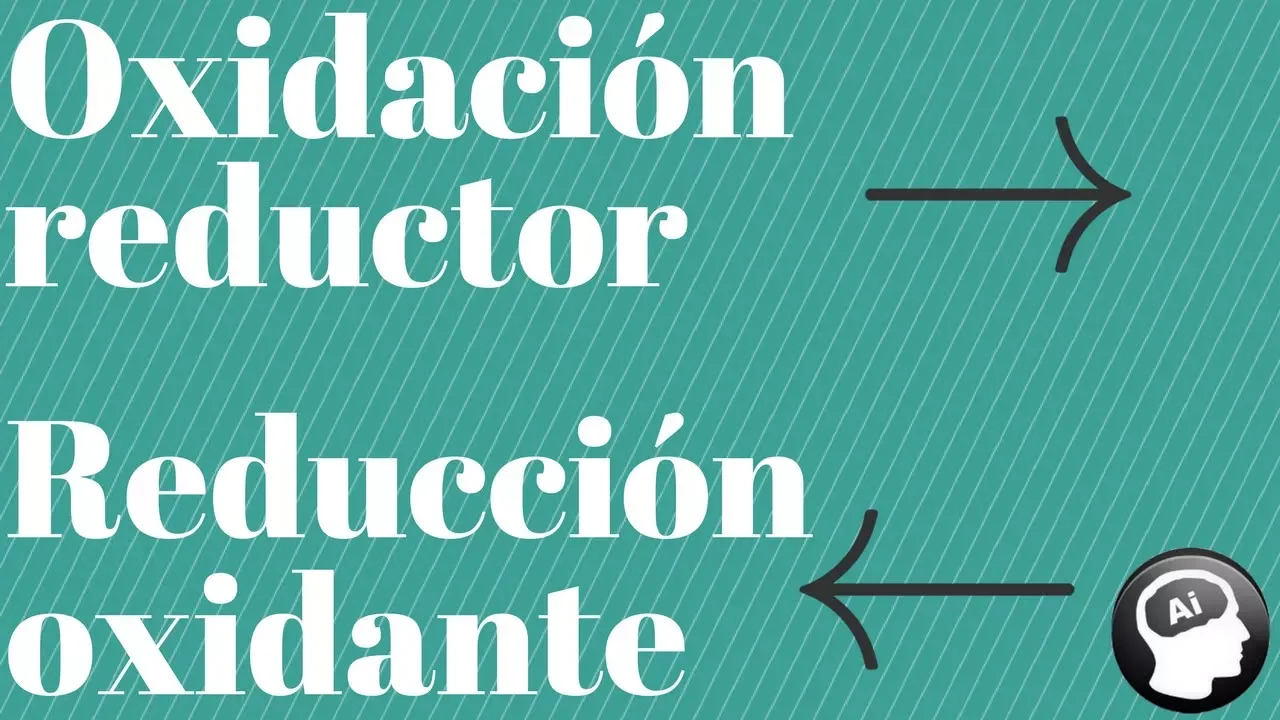
Added:Understanding of Redox (Reduction-Oxidation) reactions, including assigning oxidation states and identifying oxidizing and reducing agents.
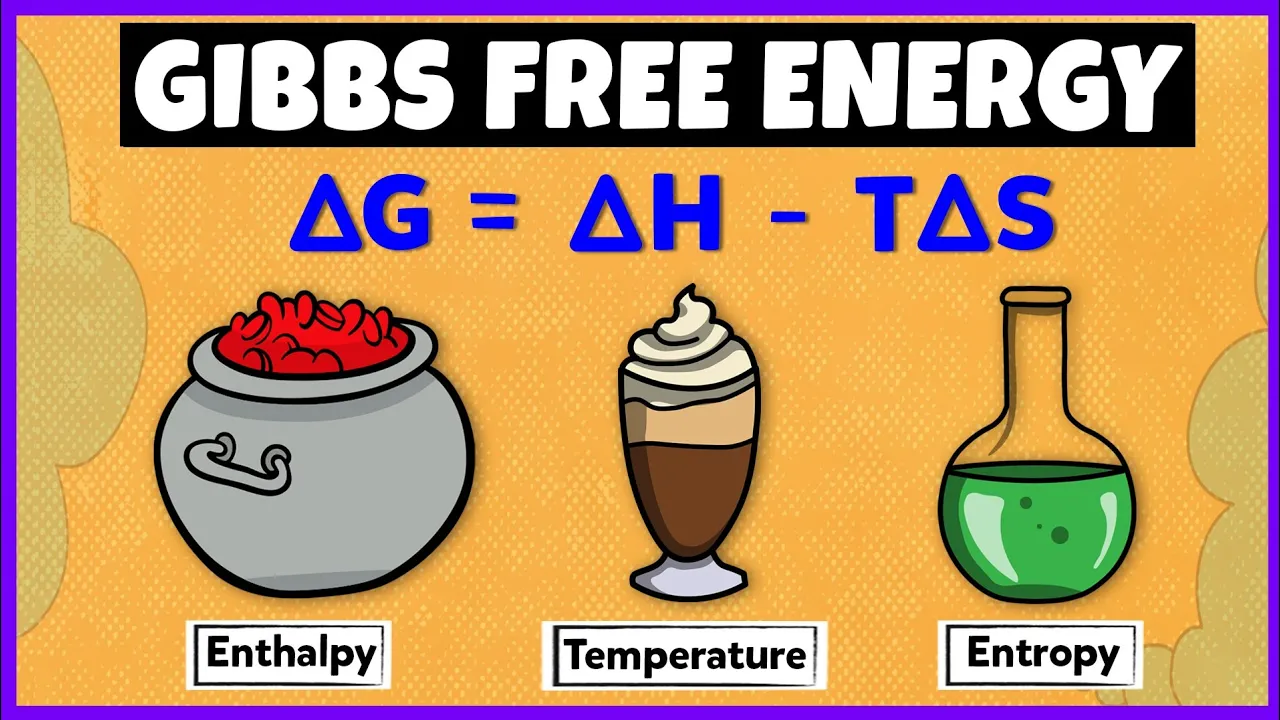
Fundamental concepts of chemical thermodynamics, specifically the distinction between spontaneous and non-spontaneous processes and the meaning of Gibbs Free Energy (ΔG).
Basic physics of electricity, such as electric current, electrical potential (voltage), and how conductive materials and electrolytes transport charge.
The ability to write and balance half-reactions to isolate oxidation and reduction processes.
The Nernst Equation, which allows for the calculation of cell potentials under non-standard state conditions and varying ion concentrations.
Faraday's Laws of Electrolysis to quantitatively determine the mass of substances consumed or produced during electrochemical processes.
Real-world applications of galvanic cells, such as the chemistry behind commercial batteries (alkaline, lithium-ion) and hydrogen fuel cells.
Industrial applications of electrolysis, including electroplating, metal purification, and the chlor-alkali process.
The study of corrosion (an unwanted galvanic process) and methods of prevention, such as cathodic protection and sacrificial anodes.
2.1M views44.6Klikes16:37Original Release: 2015-08-26
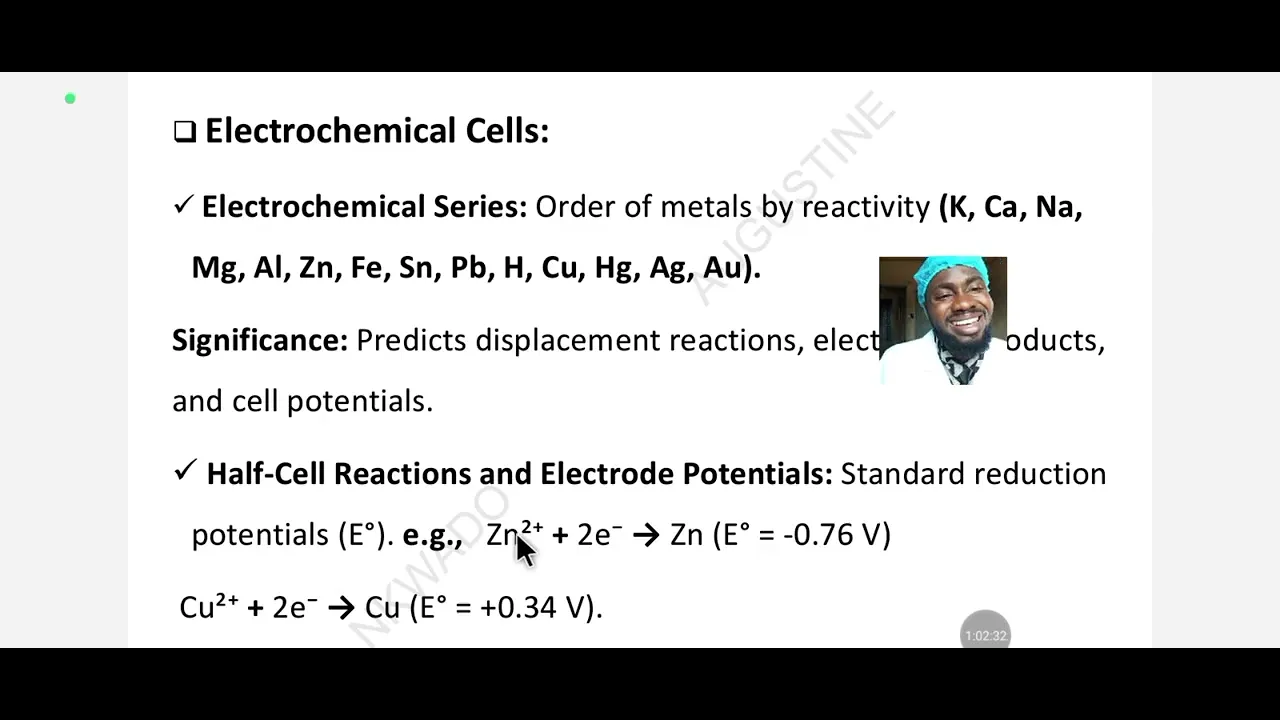
this video is an introduction to electrochemistry so what's electrochemistry well you might have guessed it has something to do with electricity and chemistry and that's exactly right specifically electrochemistry is about the relationship between chemical reactions and electricity when we're studying electrochemistry they're basically two main ways that chemical reactions and electricity interact here's the first one certain chemical reactions can create electricity okay so like that's what's going on in a battery they're chemicals inside the battery they react together making a chemical reaction and that chemical reaction creates electricity okay so that's the first way that these two things interact with each other the second is that electricity can make certain chemical reactions happen that wouldn't happen otherwise we'll look at examples of both of these situations so if we're going to be talking about chemical reactions and electricity here let's just take a minute to explain what these two things are so we can know we're dealing with first off electricity what is it well in really simple terms electricity is just movement of electrons I got a bunch of electrons in this diagram they're moving in this direction so have electricity often when we talk about electricity we're talking about movement of electrons through something so maybe it's through a wire or through a light bulb or through a battery or something like that but if you got electrons moving you've got electricity so if electricity is about moving electrons that means the chemical reactions that we're going to be talking about are also going to involve movement of electrons and that means that these chemical reactions that we're going to be discussing will tend to be oxidation reduction reactions because these are chemical reactions where electrons move between atoms okay so here's how these two scenarios come into play we can use electrons moving between atoms in an oxidation reduction action to make electricity the electrons are moving so there's our electricity and then for this situation we can use electricity to force electrons to move between atoms to make oxidation reduction reactions happen let's look at how that would work so here I've got an oxidation reduction reaction where electrons are moving from A to B how can I use this to create electricity like a long wire well what we could do is we could separate a and B right we know that electrons want to move from A to B so if we separate them with a wire then that means that the electrons moving between these atoms will have to travel through the wire being moving through that wire and bam we've got electricity okay now let's look at this example okay let's imagine we have another oxidation reduction reaction electrons transferring from C to D but imagine this doesn't normally happen because C doesn't want to give up electrons and D doesn't want to gain okay here's where we can use electricity okay we can take the electrical energy from a battery and use that to oh to pull the electron from from C here and to push them to D okay so even if this reaction the movement of electrons doesn't normally happen we can use electricity we can use the electrical energy of this battery to pull and push the electrons to make this reaction happen okay so this is kind of a broad big-picture overview of electrochemistry now I want to show you two examples of these situations one where we're using a chemical reaction to create electricity and one where we're using electricity to make a chemical reaction happen so here's how chemical reactions can create electricity and to do this to make electricity using chemical reactions we often use a device called a galvanic or voltaic cell I've drawn one right here the version that I've drawn uses zinc and copper metals so let's take a look at the chemical reaction that's happening in this galvanic cell that is what's creating electricity so here's a chemical reaction we said that that galvanic cell use zinc and copper so if you take a neutral zinc atom and put it near a copper 2 plus ion electrons naturally move from the zinc atom to the copper and so what happens there is the zinc takes on a two plus charge because it loses two electrons and the copper becomes neutral because it gained two electrons so why does this happen well that's because there's kind of a tug-of-war between these ABS Cu 2 plus has a strong pull for electrons and zinc Zn has a weaker pull for electrons and that's why the electrons move we can describe how they move in terms of oxidation and reduction zinc over here is losing electrons so it is oxidized Cu 2 plus is gaining electrons so it's reduced now the most important thing about this process is that it happens on its own all you got to do is put neutral zinc near copper two-plus and the electrons just naturally move it happens on its own this is a process that we can call spontaneous it's spontaneous it just happens on its own now a really common question that's a great question is people say okay yeah but like how do you actually know that the electrons are going to move from zinc to copper how do you know that copper has a stronger pull for electrons well you can look it up there is this chart that we'll be using a lot in electrochemistry it's called the standard reduction potentials and it lists elements and compounds in terms of how strongly they want to pull electrons so the higher you go up here the more these elements want to pull electrons towards them so we got copper two-plus up here and we got zinc down here so where this chart works is if copper is up here if it's above zinc down here then copper is going to be stealing electrons from zinc copper is going to have a stronger pull so that's how we know that copper is normally going to be pulling electrons from zinc and that this reaction is just going to happen on its own so this reaction as we said is what's going on in a galvanic cell so let's see how we can use this galvanic cell to create electricity from this reaction okay well we send zinc is going to be giving electrons to Cu 2 plus but when these atoms just give electrons to each other just like that it doesn't really create electricity that's very useful for us but if we can separate the zinc and the copper two-plus then we can make the electrons travel through a wire in order for them to move and that is exactly what we do in this galvanic cell okay check this out we got zinc here in this container and then we got a whole bunch of Cu 2 plus in this container there's also Zn 2 plus here but it's not not really that important so what happens is the electrons want to get from this zinc to this Cu 2 plus but in order to do that they've got to go through this wire so this is the path that the electrons take they're moving through this wire to get from the Zn to the Cu 2 plus and check it out they're moving along this wire which means that they are creating electricity they go into this piece of copper and then they move here wanting to get to the Cu 2 plus so we've got electrons moving in this direction and as I showed earlier we can even take a light bulb or something and put it between here and the light bulb will light up because there's electricity moving through this wire as the electrons naturally spontaneously move from the zinc to the copper all right now in electrochemistry we often want to describe what is happening in a device like this using oxidation and reduction we want to be able to talk about the different parts of a galvanic or voltaic cell and say what's happening to them with electrons so here just a couple words that we'll need to know these two pieces of metal the zinc and the copper are called electrodes the electrons are going into the electrode and coming out of the electrode and now we can name these electrodes based on whether oxidation or reduction is happening there okay here are two words we use all the time in electrochemistry the anode is where oxidation happens and the cathode is where reduction happens so let's look at what's going on here okay we got zinc what's going on with a zinc well we know that zinc is losing electrons it's being oxidized because the electrons are moving out of the zinc to get over here to the Cu 2 plus so the zinc is losing electrons it's oxidized which means that the piece of zinc here is the anode the place where oxidation is happening over here the copper the copper is where electrons are getting added to the Cu 2 plus so the piece of copper as an electrode is the cathode it's where reduction it's where gain of electrons is happening so the zinc is the anode because it's a site of oxidation the piece of copper is the cathode because it's the site of reduction so this is how a galvanic cell uses a spontaneous chemical reaction that happens on its own to create electricity okay so anode cathode how are you going to remember them well this is a really easy mnemonic a way to remember okay it's kind of like thinking about two animals okay an ox red cat just remember that right now okay it stands for anode is the site of oxidation and Ochs red cat stands for reduction happens at the cathode an ox red cat learn it right at the top of your tests you'll never mix these things up again now let's look at how we can use electricity to make certain chemical reactions happen that wouldn't happen otherwise using electricity to make chemical reactions happen is a process called electrolysis we do electrolysis in a device called an electrolytic cell I got a diagram of one of these here and in our example we're going to see how we can use electrolysis in an electrolytic cell to take water and split it apart into hydrogen gas and oxygen gas so just like the reaction we saw earlier with zinc and copper this is also an oxidation reduction reaction we got electrons moving here to understand how they move we got to take a look at the oxidation numbers for the different elements here hydrogen's oxidation number is going down which means that it is gaining electrons it is a reduced oxygens oxidation number is going up which means that it is losing electrons it is getting oxidized so we can kind of sum up what's going on here with a diagram like this electrons are moving from oxygen which is losing them to hydrogen which is gaining but this is a problem okay it's a problem because it goes against what oxygen and hydrogen normally do with their electrons okay oxygen has a stronger pull for electrons and hydrogen has a weaker pull for electrons so if it could oxygen would want to take electrons from hydrogen and hydrogen Cana would be willing to lose them but for this reaction to happen we're asking that the opposite take place okay oxygen is usually stronger but we're asking it to give up electrons hydrogen is usually weaker it usually losing electrons but here we're asking for hydrogen to gain electrons and we can look again at this list of standard reduction potentials just to see who's stronger and who's weak all right oxygen is up here the further up you are the stronger Pole you have four electrons hydrogen is all the way down here so you can see that oxygen really wants to take electrons from hydrogen but instead we're asking AXA j'en to give electrons to hydrogen okay so based on that information this is a reaction that doesn't happen on its own because oxygen doesn't want to give up these electrons so we can say that it is not spontaneous it's not going to happen on its own we're going to have to use electricity to make it happen and it turns out that a battery the electrical energy from a battery can pull the electrons from oxygen and push them to hydrogen it can force this reaction to happen here's how so we can make this process happen by using an electrolytic cell this is some water here that we want to break down we've got these electrodes and the electrodes are connected to a battery okay so normally oxygen has a stronger pull for electrons but we can use the strength of the battery to pull electrons away from oxygen okay here hydrogen would normally give up electrons but we can use the battery to push electrons to hydrogen in terms of oxidation and reduction this means that oxygen is losing electrons so it is getting oxidized hydrogen is gaining electrons so it is getting reduced these electrons are getting pushed to it from the battery okay so what about anodes and cathodes remember an ox Redcat anode is where oxidation happens so over here is the anode the site of oxidation where oxygen is losing electrons and over here is the cathode where hydrogen is getting reduced so this is how electrolysis happens we force the electrons to leave oxygen and we push them into hydrogen making this process happen using a device like this called an electrolytic cell so that's an introduction to electrochemistry we looked at two ways chemical reactions and electricity interact certain chemical reactions does it happen on their own those that are spontaneous can create electricity in order for that to happen we separate the two things that electrons are moving between we put a wire in between them so the electrons will move through the wire electricity can make certain chemical reactions happen that wouldn't happen otherwise if a certain atom doesn't want to give up electrons or another atom doesn't want to gain them we can use the electrical energy from a battery to pull electrons and to push them forcing oxidation reduction reactions like this to happen we looked at how galvanic or voltaic cells use processes like these and we talked about the electrolysis process of breaking down h2o water into h2 and o2 so that's a good example of this
Up Next
25:57
Electrochemistry Basics: Double Layer & Three-Electrode Systems
@nptel-nociitm9240
70.6K views•2019-05-06
83:56
Biocatalysis and Catalysis in Islatravir Synthesis | Merck Webinar
@SCIwheresciencemeetsbusiness
675 views•2020-10-08
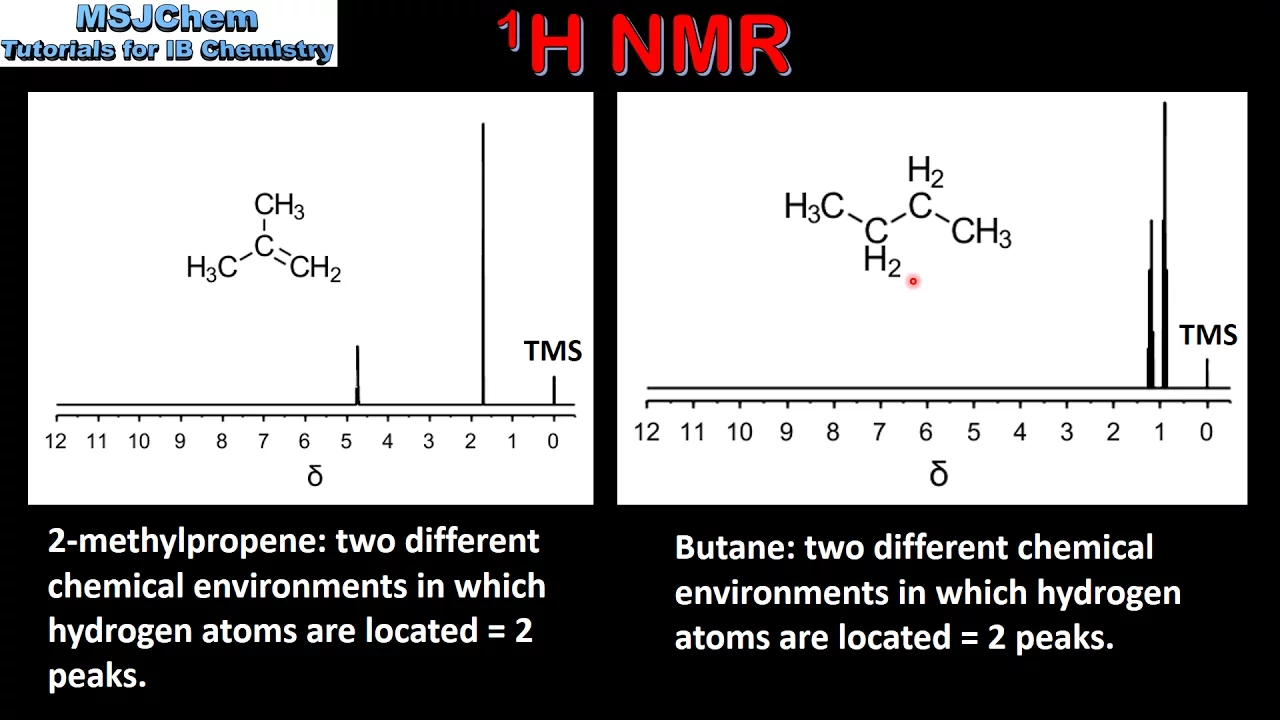
10:06
1H NMR: Determining Number of Peaks from Structure
@MSJChem
59.2K views•2017-04-06

17:31
Edible Water Bottles: A DIY Guide to Sodium Alginate Spherification
@ryan
10.5M views•2019-06-21
Related Study Plans & Knowledge Roadmaps
Structured learning paths in Chemistry
chemistry
Nuclear Chemistry: Decay, Meds & Fuel Cycle
01Introduction to Nuclear Structure and Radioactivity
02Decay Dynamics and Kinetics
03Radiation Interaction and Detection
+ 2 more learning modules
24h5 modules
Explore Roadmap
chemistry
Supramolecular Chemistry: Forces & Machines
01Foundations of Chemical Bonding and Intermolecular Forces
02Introduction to Host-Guest Chemistry
03Thermodynamics and Dynamics of Self-Assembly
+ 2 more learning modules
16h5 modules
Explore Roadmap
chemistry
Photochemistry: Excited States & Reactions
01Foundations of Light-Matter Interactions
02Molecular Orbitals and Electronic States
03Photophysical Processes and Jablonski Diagrams
+ 2 more learning modules
18h5 modules
Explore Roadmap
chemistry
Coordination Chemistry: Bonding & Properties
01Introduction to Transition Metals and Ligands
02Crystal Field Theory (CFT) and Geometry
03Magnetic Behavior and Spin States
+ 2 more learning modules
14h5 modules
Explore Roadmap